Proceso de gestión de cambios en la fabricación: un flujo de trabajo paso a paso.
Publicado: 30/03/2026 Actualizado: 27/09/2026
Índice
- Introducción: ¿Por qué es importante la gestión del cambio en la industria manufacturera?
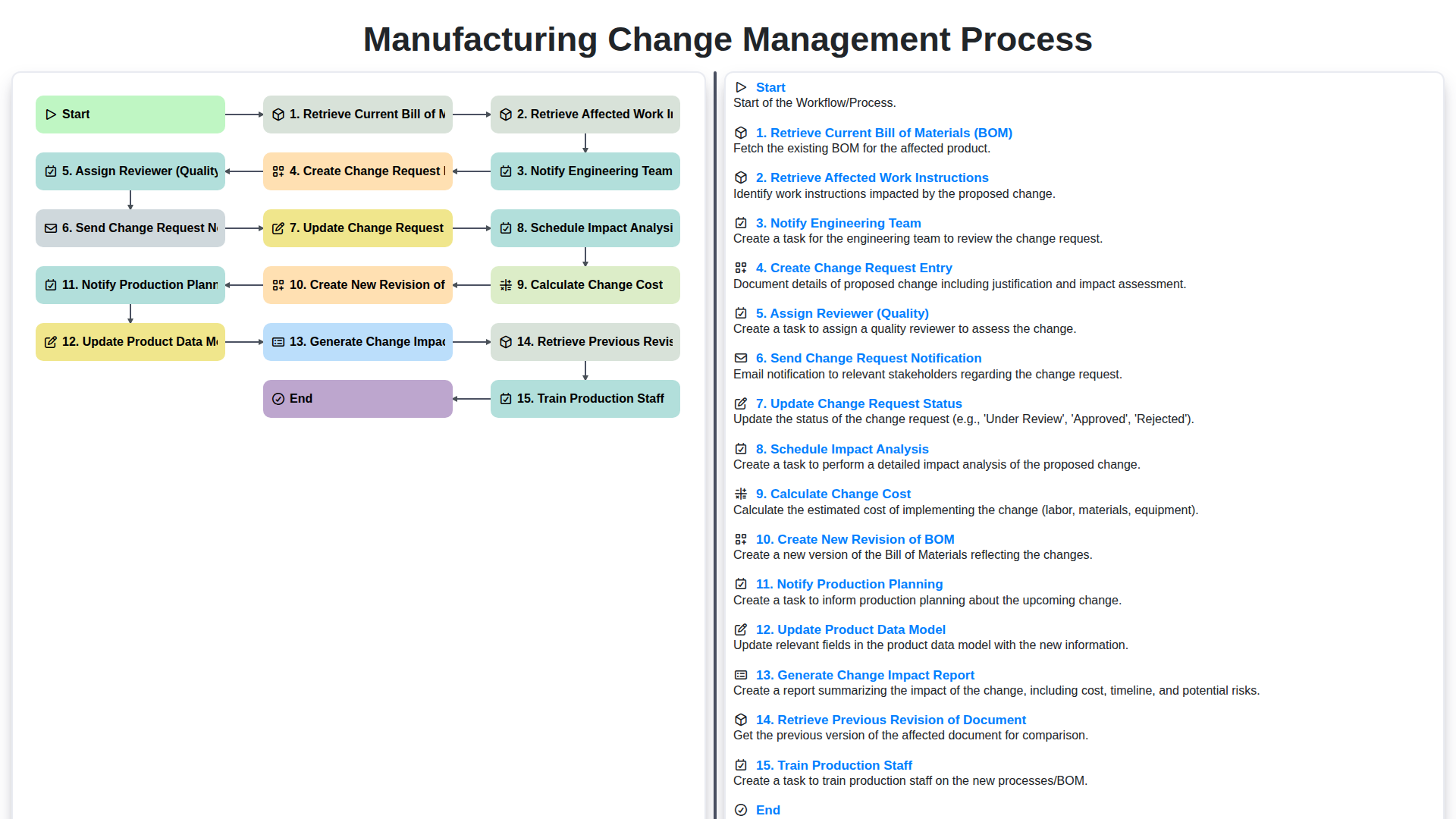
- 1. Iniciar el proceso: obtener la lista de materiales (BOM) actual.
- 2. Identificación de los impactos: Recuperación de las instrucciones de trabajo afectadas.
- 3. Colaboración en el ámbito de la ingeniería: Notificación al equipo de ingeniería.
- 4. Formalización del cambio: creación de una solicitud de cambio.
- 5. Control de calidad: asignar un revisor.
- 6. La comunicación es fundamental: envío de notificaciones sobre solicitudes de cambio.
- 7. Seguimiento del progreso: actualización del estado de la solicitud de cambio.
- 8. Evaluación del efecto dominó: análisis del impacto en la programación.
- 9. El coste del cambio: cómo calcular el coste de la implementación de cambios.
- 10. Documentación de la revisión: creación de una nueva versión de la lista de materiales.
- 11. Planificación para la producción: Notificación a la sección de planificación de la producción.
- 12. Garantizar la integridad de los datos: actualizar el modelo de datos del producto.
- 13. Elaboración de informes completos: generación de un informe sobre el impacto de los cambios.
- Recursos y enlaces
En resumen:Esta plantilla de flujo de trabajo optimiza los cambios en la fabricación mediante la automatización de una serie de pasos cruciales, desde la revisión de las listas de materiales (BOM) y las instrucciones de trabajo existentes hasta el cálculo de costos, el control de versiones y la capacitación del personal, con el fin de minimizar los errores, reducir los tiempos de inactividad y garantizar una transición fluida a los procesos y productos actualizados.
Introducción: ¿Por qué es importante la gestión del cambio en la industria manufacturera?
Los entornos de fabricación son dinámicos. Los diseños de los productos evolucionan, la disponibilidad y el costo de los materiales varían, y los procesos se perfeccionan constantemente para mejorar la eficiencia y la calidad. Sin un proceso de gestión de cambios sólido, estos ajustes necesarios pueden convertirse rápidamente en fuentes de caos, lo que puede provocar retrasos en la producción, errores, aumento de los costos e incluso afectar la calidad del producto.
Piénselo: un simple cambio de materiales podría tener un efecto dominó en toda la línea de producción, afectando a múltiples instrucciones de trabajo, requiriendo ajustes de ingeniería y, potencialmente, afectando al rendimiento de los productos terminados. Una gestión deficiente de los cambios puede provocar costosas reelaboraciones, el desecho de materiales y la pérdida de la confianza de los clientes.
Una gestión eficaz del cambio no consiste en sofocar la innovación, sino en...controlandoSe trata de garantizar que cualquier modificación de un producto, proceso o material se evalúe, planifique, comunique e implemente de forma exhaustiva, de modo que se minimicen las interrupciones y se maximicen los beneficios. Este enfoque proactivo protege sus operaciones, mantiene la integridad del producto y prepara a su empresa de fabricación para un éxito continuo. En esencia, la gestión del cambio convierte lo que podría ser una crisis en una oportunidad de mejora.
1. Iniciar el proceso: obtener la lista de materiales (BOM) actual.
El proceso de cualquier cambio en la fabricación comienza con una comprensión sólida del sistema existente. Por eso, el primer paso es obtener minuciosamente la lista de materiales (BOM) actual. No se trata simplemente de abrir un documento, sino de acceder a la información que contiene.autorizado, de autoridad, fiablefuente de información fiable.
La lista de materiales (BOM) detalla cada componente, ensamblaje y materia prima necesaria para fabricar un producto, junto con sus cantidades y los números de pieza correspondientes. Esta información debe ser precisa y verificable. Idealmente, este proceso implica acceder a la BOM a través de su sistema central de gestión de datos de productos (PDM) o de planificación de recursos empresariales (ERP). Asegúrese de que está accediendo a la BOM a través de...última versión lanzadaUtilice la versión más reciente para evitar que su proceso de gestión de cambios se base en información obsoleta. Documente el número de revisión y la fecha y hora de la lista de materiales (BOM) obtenida; esto proporciona un registro de auditoría fundamental a lo largo de todo el proceso de gestión de cambios. Una comprensión clara de la lista de materiales existente es esencial para evaluar el impacto de cualquier cambio propuesto.
2. Identificación de los impactos: Recuperación de las instrucciones de trabajo afectadas.
Una vez que se inicia una modificación en la lista de materiales (BOM), el siguiente paso crucial consiste en identificar qué instrucciones de trabajo se verán afectadas. No se trata solo de encontrar las instrucciones que mencionen explícitamente los componentes o ensamblajes modificados, sino de comprender el alcance de la modificación.procesoy cómo los cambios se propagan a través del flujo de trabajo de la fabricación.
Necesitamos obtener de forma sistemática todas las instrucciones de trabajo que hagan referencia a los componentes, ensamblajes o subensamblajes afectados por la revisión de la lista de materiales (BOM). Esta búsqueda debe abarcar todos los repositorios de documentación relevantes, incluidos aquellos que se utilizan para la programación de máquinas, los procedimientos de ensamblaje, las comprobaciones de calidad y cualquier otra operación relacionada con las piezas afectadas.
A menudo, este proceso no es tan sencillo como una simple búsqueda por palabras clave. Las instrucciones de trabajo pueden referirse a las piezas mediante códigos, alias o incluso descripciones generales. Por lo tanto, es esencial una estrategia de búsqueda sólida, que posiblemente incluya una combinación de búsquedas por palabras clave, referencias cruzadas de números de pieza y un buen conocimiento del proceso de fabricación en sí. El objetivo es garantizar quecadaSe identifica la instrucción afectada para evitar errores y mantener prácticas de producción consistentes. Esta minuciosidad es fundamental para un proceso de gestión de cambios exitoso.
3. Colaboración en el ámbito de la ingeniería: Notificación al equipo de ingeniería.
Una vez que se identifica y documenta un posible cambio, es fundamental notificar rápidamente al equipo de ingeniería. No se trata solo de informarles, sino de iniciar un proceso de resolución de problemas colaborativo. La notificación debe incluir los detalles de la solicitud de cambio inicial, el motivo del cambio y cualquier dato preliminar recopilado (como estimaciones de costos iniciales o evaluaciones de impacto).
La experiencia del equipo de ingeniería es fundamental en esta etapa. Pueden evaluar la viabilidad técnica del cambio, identificar posibles consecuencias imprevistas y contribuir a perfeccionar el alcance inicial. Una comunicación abierta y la disponibilidad inmediata de la documentación (el formulario de solicitud de cambio) son clave para garantizar una colaboración productiva. Esta revisión colaborativa ayuda a prevenir errores costosos y asegura que el cambio se alinee con la intención del diseño y la estrategia general del producto. Las reuniones periódicas y los ciclos de retroalimentación durante esta fase mejoran significativamente la calidad de la solución propuesta.
4. Formalización del cambio: creación de una solicitud de cambio.
Una vez que se ha notificado al equipo de ingeniería y se han iniciado las evaluaciones iniciales, es hora de documentar formalmente el cambio propuesto. Esto implica crear una entrada de solicitud de cambio, que es la base de un proceso de gestión de cambios de fabricación controlado. Esta entrada no es solo un formulario; es el repositorio central de toda la información relacionada con el cambio.
El formulario de solicitud de cambio debe incluir información esencial, como:
- Descripción del cambio:Una explicación clara y concisa del cambio que se propone. Evite el uso de jerga y sea específico.
- Motivo del cambio:¿Por qué es necesario este cambio? ¿Se debe a la reducción de costes, a la mejora de la calidad, al cumplimiento de la normativa o a algún otro motivo?
- Componentes y procesos afectados:Indique con precisión qué componentes, instrucciones de trabajo o procesos se ven afectados por este cambio. Siempre que sea posible, incluya los números de pieza y los códigos de identificación de las instrucciones de trabajo.
- Fecha de implementación propuesta:Un cronograma tentativo que indique cuándo se debe implementar el cambio.
- Estimación inicial de costos (si está disponible):Una estimación aproximada de los posibles costos asociados con el cambio. Esto se detallará más adelante.
- Aportaciones del equipo de ingeniería:Registre los comentarios y las evaluaciones iniciales del equipo de ingeniería.
Este registro formalizado activa los siguientes pasos en el flujo de trabajo, proporcionando un registro rastreable del proceso de cambio y garantizando la rendición de cuentas en cada etapa. También es fundamental para las auditorías y como referencia futura.
5. Control de calidad: asignar un revisor.
Garantizar la calidad y la fiabilidad de cualquier producto fabricado depende de un sólido proceso de gestión de cambios. Un paso fundamental en este proceso es asignar un revisor cualificado del equipo de control de calidad (QA). No se trata simplemente de marcar una casilla; se trata de establecer una evaluación exhaustiva del cambio propuesto.
Las responsabilidades del revisor asignado van más allá de simplemente aprobar o rechazar la solicitud de cambio. Se le encomienda evaluar minuciosamente el posible impacto en la calidad del producto, el cumplimiento de las normas del sector y el apego a las políticas internas de calidad. Esto incluye determinar si el cambio introduce nuevos riesgos o compromete los controles de calidad existentes.
Los criterios de selección del revisor deben incluir conocimientos especializados relacionados con el producto, proceso o materiales afectados. Es fundamental documentar el nombre del revisor, sus cualificaciones y la fecha de asignación para facilitar el seguimiento y la trazabilidad en las auditorías. Este paso establece de manera sólida una capa de validación independiente, lo que reduce los riesgos y garantiza los más altos estándares de calidad durante todo el ciclo de vida de la fabricación.
6. La comunicación es fundamental: envío de notificaciones sobre solicitudes de cambio.
Mantener a todos informados a lo largo del proceso de gestión del cambio es fundamental para su éxito. Enviar notificaciones claras y oportunas sobre las solicitudes de cambio es un paso crucial para lograrlo. Estas notificaciones no deben ser genéricas; deben ser específicas e informativas.
Una notificación típica de solicitud de cambio debe incluir:
- ID de la solicitud de cambio:Un identificador único para el seguimiento.
- Descripción del cambio:Explique brevemente.quéestá cambiando.
- Motivo del cambio:Explicarpor quéel cambio es necesario.
- Componentes/productos afectados:Enumere claramente todos los elementos afectados.
- Documentos afectados:Indique las instrucciones de trabajo, las listas de materiales o cualquier otra documentación que se haya actualizado.
- Fecha de implementación:¿Cuándo entrará en vigor el cambio?
- Persona de contacto:A quién contactar si tiene preguntas o necesita que se le aclare algo.
Las listas de distribución deben elaborarse cuidadosamente para garantizar que las personas adecuadas reciban la notificación: el personal de producción afectado, el departamento de control de calidad, el equipo de ingeniería, el departamento de compras y, posiblemente, los equipos de ventas o atención al cliente. Se recomienda encarecidamente utilizar un sistema de notificación automatizado integrado con el software de gestión de cambios para garantizar la coherencia y minimizar los errores. Una comunicación proactiva previene la confusión, reduce la necesidad de realizar trabajos adicionales y fomenta un entorno de colaboración.
7. Seguimiento del progreso: actualización del estado de la solicitud de cambio.
Mantener una visión clara y coherente del progreso de la solicitud de cambio es fundamental para una implementación exitosa. El paso
El estado de la solicitud de cambio debe actualizarse en los hitos clave del flujo de trabajo, como:
- Enviado:Registro inicial de la solicitud de cambio.
- En revisión:Actualmente, está en proceso de evaluación por parte del revisor asignado.
- Aprobado:Se aprobó el cambio para su implementación.
- Rechazado:La solicitud de cambio ha sido denegada; las razones se han documentado.
- Análisis de impacto completado:Se ha completado la evaluación de impacto.
- Costo aprobado:Se ha evaluado y aprobado el costo del cambio.
- Programado para su implementación:La implementación está planificada y programada.
- Implementado:El cambio se ha implementado con éxito.
- Verificado:El cambio implementado cumple con los criterios establecidos y ha sido validado.
Un sistema sólido, ya sea un software especializado en la gestión de cambios o una hoja de cálculo bien organizada, debería registrar automáticamente estas actualizaciones de estado. Las revisiones periódicas de estos estados ofrecen la oportunidad de identificar retrasos y ajustar el plan en consecuencia, minimizando las interrupciones y garantizando una transición fluida al nuevo proceso de fabricación.
8. Evaluación del efecto dominó: análisis del impacto en la programación.
Un cambio aparentemente pequeño en una lista de materiales (BOM) o en una instrucción de trabajo puede desencadenar una serie de consecuencias en todo su proceso de fabricación. Por eso, un análisis de impacto exhaustivo es fundamental. No se trata simplemente de marcar algunas casillas; es un análisis profundo para comprender el cronograma, la asignación de recursos y los posibles cuellos de botella que introduce el cambio.
Durante esta etapa, analizamos minuciosamente cómo afectará el cambio propuesto a los cronogramas de producción. Esto incluye evaluar los plazos de entrega de los componentes nuevos o modificados, identificar cualquier ajuste necesario en las herramientas y determinar si el cambio afecta a los centros de trabajo existentes o requiere la creación de nuevos. También debemos considerar la posibilidad de que aumenten los tiempos de preparación, que sea necesario realizar ajustes en las secuencias de producción y si será necesario trabajar horas extras para cumplir con los compromisos existentes.
El análisis del impacto en el cronograma no es una tarea que puede realizar una sola persona. Requiere la colaboración entre los departamentos de ingeniería, planificación de la producción y el personal de la planta. Recopilar información de quienes ejecutan directamente el trabajo es fundamental para anticipar posibles problemas. Analizamos las actividades del camino crítico, identificamos posibles retrasos y desarrollamos estrategias de mitigación para minimizar las interrupciones. Esto podría implicar priorizar ciertos cambios, ajustar los ciclos de producción o reasignar temporalmente los recursos. El objetivo es gestionar de forma proactiva el cronograma y garantizar una transición fluida al nuevo proceso.
9. El coste del cambio: cómo calcular el coste de la implementación de cambios.
El cambio no es gratuito. Ignorar las implicaciones financieras de un cambio en el proceso de fabricación puede provocar sobrecostos presupuestarios, incumplimiento de plazos y, en última instancia, un producto menos competitivo. Calcular el costo real de un cambio no se limita a los costos materiales inmediatos; se trata de una evaluación integral que abarca la mano de obra, el tiempo de ingeniería, las posibles pérdidas y las interrupciones en la producción.
A continuación, se presenta un desglose de las categorías de costos que debe tener en cuenta:
- Mano de obra de ingeniería:Este suele ser el costo más importante. Incluye el tiempo que los ingenieros dedican a evaluar el cambio, diseñar modificaciones, probar prototipos y crear documentación actualizada. Registre las horas dedicadas a esta tarea según las tarifas estándar.
- Costos de los materiales:Los nuevos materiales, los cambios en las herramientas o las modificaciones en el origen de los componentes afectan directamente a los costes de los materiales. Obtenga presupuestos precisos de los proveedores.
- Mano de obra (producción):Tenga en cuenta el tiempo que necesitará el personal de producción para implementar el cambio, incluido el tiempo necesario para posibles retrabajos o descarte de materiales.
- Herramientas y equipos:Es necesario incluir las modificaciones a las herramientas existentes o la adquisición de nuevos equipos.
- Descarte y reproceso:Los cambios a menudo generan piezas desechadas o la necesidad de realizar trabajos de corrección. Estime el volumen y el costo asociados con estos.
- Formación:Es fundamental volver a capacitar al personal de producción sobre los nuevos procedimientos, lo que implica costos laborales y, posiblemente, gastos adicionales por capacitación externa.
- Pruebas y validación:Las pruebas exhaustivas son fundamentales. Tenga en cuenta el costo del equipo de pruebas, el personal y el tiempo que requiere el proceso.
- Costo de oportunidad:Tenga en cuenta la pérdida de productividad y los ingresos que podrían verse afectados durante la implementación del cambio.
- Actualizaciones de la documentación:La actualización de todos los documentos pertinentes (manuales, planos, etc.) implica costes laborales.
Una hoja de cálculo sencilla puede ser una herramienta eficaz para calcular estos costes. Desarrolle una plantilla estandarizada y realice un seguimiento de cada categoría de costes. Revise periódicamente la metodología de cálculo para garantizar la precisión y la pertinencia a medida que sus procesos evolucionan. Al comprender y cuantificar el coste del cambio, obtendrá un mejor control sobre su proceso de fabricación y podrá tomar decisiones informadas sobre qué cambios merecen la pena.
10. Documentación de la revisión: creación de una nueva versión de la lista de materiales.
Una vez que se ha calculado y aprobado el costo del cambio, el siguiente paso fundamental es documentar formalmente el cambio mediante una nueva versión de la lista de materiales (BOM). No se trata simplemente de una actualización superficial; es la base para garantizar que todos utilicen la información correcta.
El proceso comienza con la actualización de la propia lista de materiales (BOM) dentro del sistema que haya elegido (ERP, PLM o software específico para la gestión de listas de materiales). Esto implica reflejar con precisión los componentes revisados, las cantidades y cualquier nota o aclaración asociada. Es fundamental asignar el nuevo número de revisión y agregar una descripción concisa de los cambios implementados en esta revisión. Esta descripción sirve como una referencia fácilmente accesible para los usuarios y auditores futuros.
Además de la propia lista de materiales (BOM), considere vincular esta nueva versión a la solicitud de cambio relacionada y a cualquier documentación de ingeniería asociada. Esto proporciona un historial rastreable del cambio y garantiza que todos los materiales relevantes estén conectados. Por último, es fundamental realizar una validación exhaustiva de la lista de materiales actualizada antes de que se publique para su uso. Este paso de validación podría incluir verificaciones de exactitud, integridad y coherencia con la solicitud de cambio y la documentación relacionada. La aprobación formal de una autoridad designada confirma que la versión está lista para su implementación.
11. Planificación para la producción: Notificación a la sección de planificación de la producción.
Una vez que la solicitud de cambio ha superado las fases de revisión y análisis de impacto, es fundamental involucrar al equipo de Planificación de la Producción. No se trata solo de informarles; es un paso colaborativo para garantizar una implementación fluida y eficiente.
El equipo de planificación de la producción debe comprender el alcance y el cronograma del cambio. Es responsable de ajustar los programas de producción, gestionar la disponibilidad de materiales y coordinarse con otros departamentos. Proporcionarles un resumen claro y conciso de la solicitud de cambio (incluido el motivo del cambio, los componentes afectados y el cronograma estimado de implementación) les permite abordar de forma proactiva las posibles interrupciones.
Mantener una comunicación fluida durante esta fase evita cuellos de botella, minimiza los tiempos de inactividad y, en última instancia, contribuye a una implementación exitosa del cambio. Considere la posibilidad de programar una reunión breve o proporcionar un informe detallado que explique las implicaciones para los cronogramas de producción y los requisitos de materiales. Esto permite el debate y la validación antes de que se implemente por completo el cambio.
12. Garantizar la integridad de los datos: actualizar el modelo de datos del producto.
A medida que avanzan las solicitudes de cambio en el flujo de trabajo, es fundamental garantizar la exactitud y la coherencia de nuestro modelo de datos de producto. No se trata simplemente de actualizar una hoja de cálculo; se trata de mantener una única fuente de información fiable para todos los datos del producto. Este paso implica sincronizar los cambios aprobados en la solicitud de cambio con el modelo central de datos del producto, que a menudo se encuentra en un sistema PLM (gestión del ciclo de vida del producto) o en una base de datos similar.
El proceso de actualización requiere una atención meticulosa a los detalles. Es fundamental reflejar no solo los cambios directos especificados en la solicitud de modificación (por ejemplo, sustitución de componentes, modificación de procesos), sino también cualquier efecto secundario en los datos relacionados. Por ejemplo, una modificación en la lista de materiales (BOM) podría requerir actualizaciones en los datos de enrutamiento, en los datos de planificación de necesidades de materiales (MRP) e incluso en la documentación posterior.
Los vínculos y las dependencias automatizados dentro del modelo de datos del producto agilizan este proceso, minimizando la intervención manual y reduciendo el riesgo de errores. Sin embargo, siguen siendo esenciales controles de validación sólidos para confirmar que todos los datos afectados se reflejen con precisión. Este paso es fundamental para la trazabilidad y permite realizar mejoras y análisis futuros del producto. No actualizar correctamente el modelo de datos del producto puede provocar errores de fabricación, problemas de cumplimiento normativo y, en última instancia, una pérdida de la confianza del cliente.
13. Elaboración de informes completos: generación de un informe sobre el impacto de los cambios.
El Informe sobre el impacto del cambio es el resultado final de todo el proceso de gestión de cambios en la fabricación. Es más que un simple resumen; es un documento fundamental que detalla los efectos derivados del cambio propuesto. Este informe sintetiza los datos recopilados a lo largo del flujo de trabajo, incluido el cálculo de costes, los resultados del análisis de impacto y la documentación afectada.
Los elementos clave que se suelen incluir en un informe completo sobre el impacto de los cambios son:
- Resumen ejecutivo:Un resumen conciso del cambio, su justificación y la evaluación general del impacto.
- Desglose detallado de los costos:Un listado detallado de todos los costos asociados con el cambio, tal como se calcularon en la etapa anterior de cálculo de costos. Esto incluye los costos de materiales, los costos de mano de obra, los costos de herramientas y las posibles pérdidas de tiempo de actividad.
- Áreas afectadas:Una identificación clara de todos los departamentos, procesos y sistemas que se verán afectados por el cambio.
- Evaluación de riesgos:Un resumen de los posibles riesgos asociados con la implementación del cambio y las estrategias de mitigación propuestas.
- Cronograma:Una representación visual del cronograma de implementación, que destaca los hitos y las dependencias clave.
- Requisitos de recursos:Una lista de los recursos (personal, equipos, etc.) necesarios para implementar con éxito el cambio.
- Firmas de aprobación:El personal designado deberá confirmar que ha revisado y aprobado los cambios propuestos, así como la evaluación del impacto asociado.
Este informe proporciona a los responsables de la toma de decisiones la información necesaria para evaluar con confianza la viabilidad del cambio y aprobar su implementación, minimizando las complicaciones inesperadas y maximizando el retorno de la inversión.
Recursos y enlaces
- APQC: APQC (American Productivity & Quality Center) is a research organization that provides benchmarking data and best practice insights, including methodologies for change management processes. Useful for understanding industry standards and process maturity models.
- ASQ (American Society for Quality): ASQ is a global authority on quality. They offer resources, training, and certifications related to quality management, which is deeply intertwined with change management in manufacturing.
- ISO (International Organization for Standardization): ISO provides international standards, including ISO 9001 (Quality Management Systems), which often necessitates robust change management processes. Understanding ISO principles is essential for compliance and continuous improvement.
- NIST (National Institute of Standards and Technology): NIST develops standards and guidelines for various industries, including manufacturing. Their publications on data management and process improvement can be helpful for implementing an effective change management system.
- PTC: PTC offers CAD, PLM, and IoT solutions that often include change management functionalities. Their website provides information on best practices and technology used for managing change in manufacturing environments. Useful for understanding software options.
- Dassault Systèmes: Another major PLM provider. Their website highlights how digital twins and PLM solutions help manage changes throughout the product lifecycle.
- Oracle: Oracle offers ERP and PLM solutions. Exploring their content offers insights into how change management integrates with broader manufacturing systems.
- Smartsheet: While not exclusively for manufacturing, Smartsheet provides a powerful platform for workflow management, including change request tracking and approval processes. Can be helpful for visualizing and managing the workflow outlined in the blog post.
- Planview: Planview specializes in portfolio and resource management, often including workflows related to change management. They offer tools and best practices for optimizing change initiatives.
Preguntas frecuentes
¿Qué es un proceso de gestión de cambios en la fabricación?
Se trata de un flujo de trabajo estructurado que se utiliza para garantizar que cualquier modificación de los procesos de fabricación, los equipos, los materiales o la documentación se evalúe, apruebe e implemente sin interrumpir la calidad o la seguridad de la producción.
¿Por qué es fundamental la gestión del cambio en un entorno de fabricación?
Es fundamental para mantener el cumplimiento de las normativas (como las normas ISO o FDA), evitar costosos periodos de inactividad, garantizar la consistencia del producto y mitigar los riesgos relacionados con las desviaciones en materia de seguridad y calidad.
¿Cuáles son los pasos clave en un flujo de trabajo típico para la gestión de cambios en el proceso de fabricación?
Un flujo de trabajo estándar incluye la identificación de la solicitud de cambio, la evaluación del impacto, la revisión técnica, la aprobación/autorización, la planificación de la implementación, la ejecución y la verificación posterior a la implementación.
¿Quiénes deberían participar en el proceso de aprobación de los cambios?
Normalmente, se requiere un equipo multidisciplinario que incluya representantes de los departamentos de Producción, Control de Calidad, Ingeniería, Asuntos Regulatorios y Seguridad y Salud en el Trabajo.
¿Qué es una «evaluación de impacto» en el contexto de la gestión del cambio?
Una evaluación de impacto es un análisis exhaustivo de cómo un cambio propuesto afectará a los flujos de trabajo existentes, la compatibilidad de las materias primas, la configuración de la maquinaria, los trámites regulatorios y el costo total de la producción.
¿Cómo saber si un proceso de gestión de cambios ha tenido éxito?
El éxito se mide por la perfecta integración del cambio, la ausencia de interrupciones no planificadas en la producción, el mantenimiento de los niveles de calidad del producto y la finalización exitosa de toda la documentación y los pasos de verificación posteriores a la implementación.
¿Te resultó útil este artículo?
Comentarios
Aún no hay comentarios. ¡Sé el primero en añadir uno!
Demostración de la solución de gestión de la fabricación
¡Deje de lidiar con papeleo y sistemas desconectados! Nuestra solución aporta claridad y control a su proceso de producción. Desde procedimientos operativos estándar (SOP) y mantenimiento de equipos hasta control de calidad y seguimiento de inventario, simplificamos cada paso.
Artículos relacionados
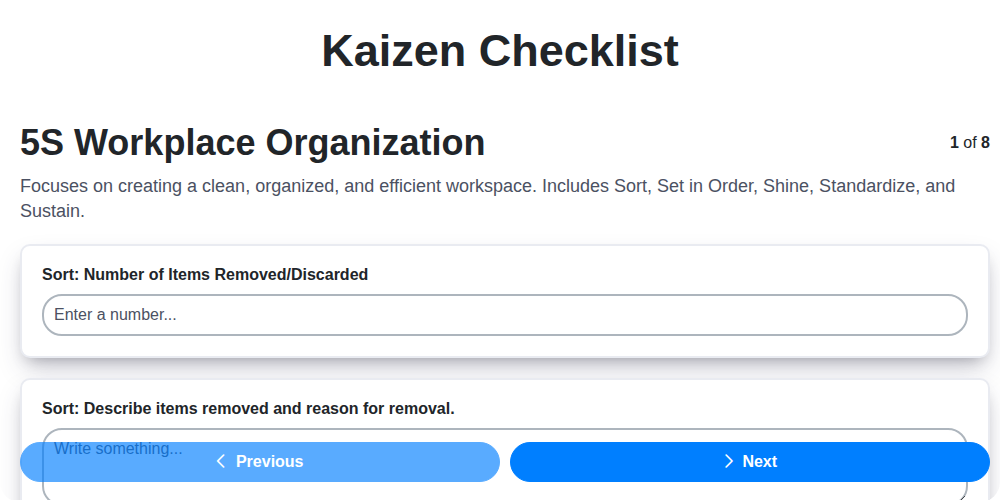
Plantilla de lista de verificación Kaizen: Su camino hacia la mejora continua

Lista de verificación para la auditoría de seguridad de máquinas: su guía para un entorno de fabricación más seguro.
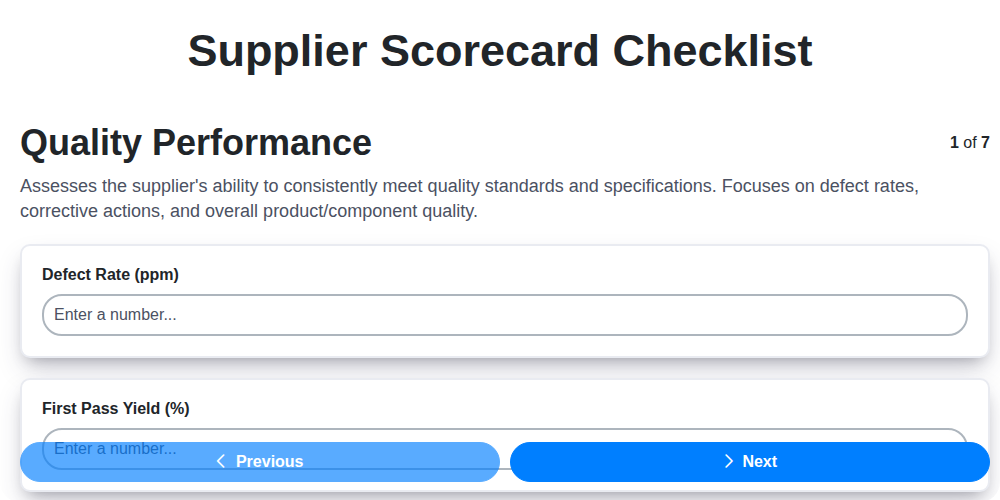
Mastering Supplier Performance: Your Free Supplier Scorecard Checklist Template
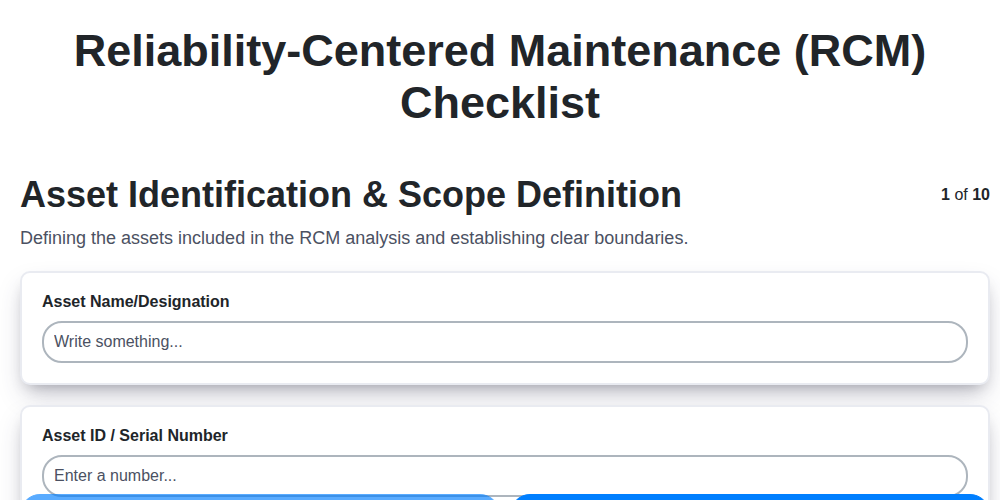
Tu plantilla definitiva de lista de verificación de RCM: Una guía paso a paso

Plantilla de verificación LPA: Su guía para auditorías de procesos por capas

Tu plantilla definitiva de control de aislamiento energético (LOTO)

Your Ultimate FSC 22000 Checklist Template
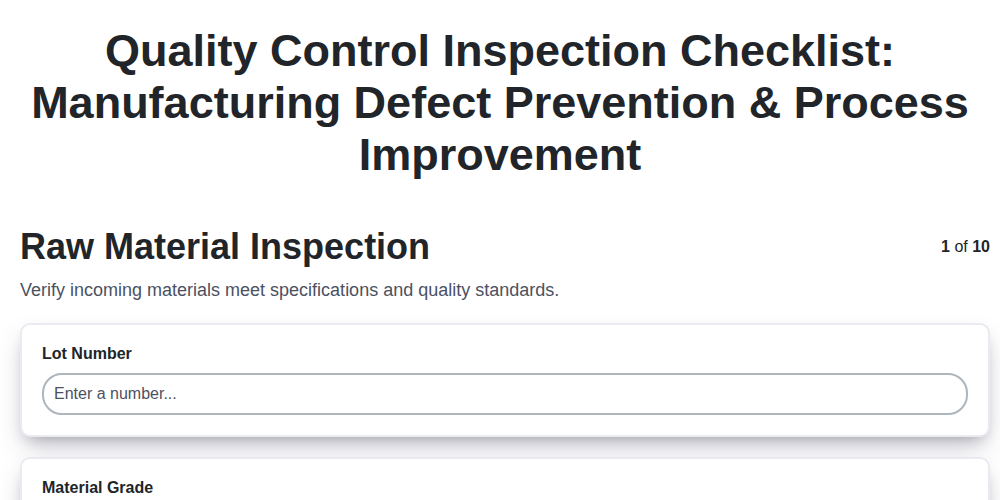
Plantilla de Lista de Verificación para Inspección de Control de Calidad: Prevenir Defectos y Mejorar los Procesos de Fabricación
Podemos hacerlo juntos
¿Necesita ayuda con las listas de verificación?
¿Tienes alguna pregunta? Estamos aquí para ayudarte. Envía tu consulta y te responderemos a la brevedad.