Public Transport Management
Optimize public transport operations & enhance passenger experience! ChecklistGuro streamlines route planning, vehicle maintenance, and incident reporting. Improve efficiency, safety, and reliability. Manage it all with our Work OS.
No credit card or cancellation needed.
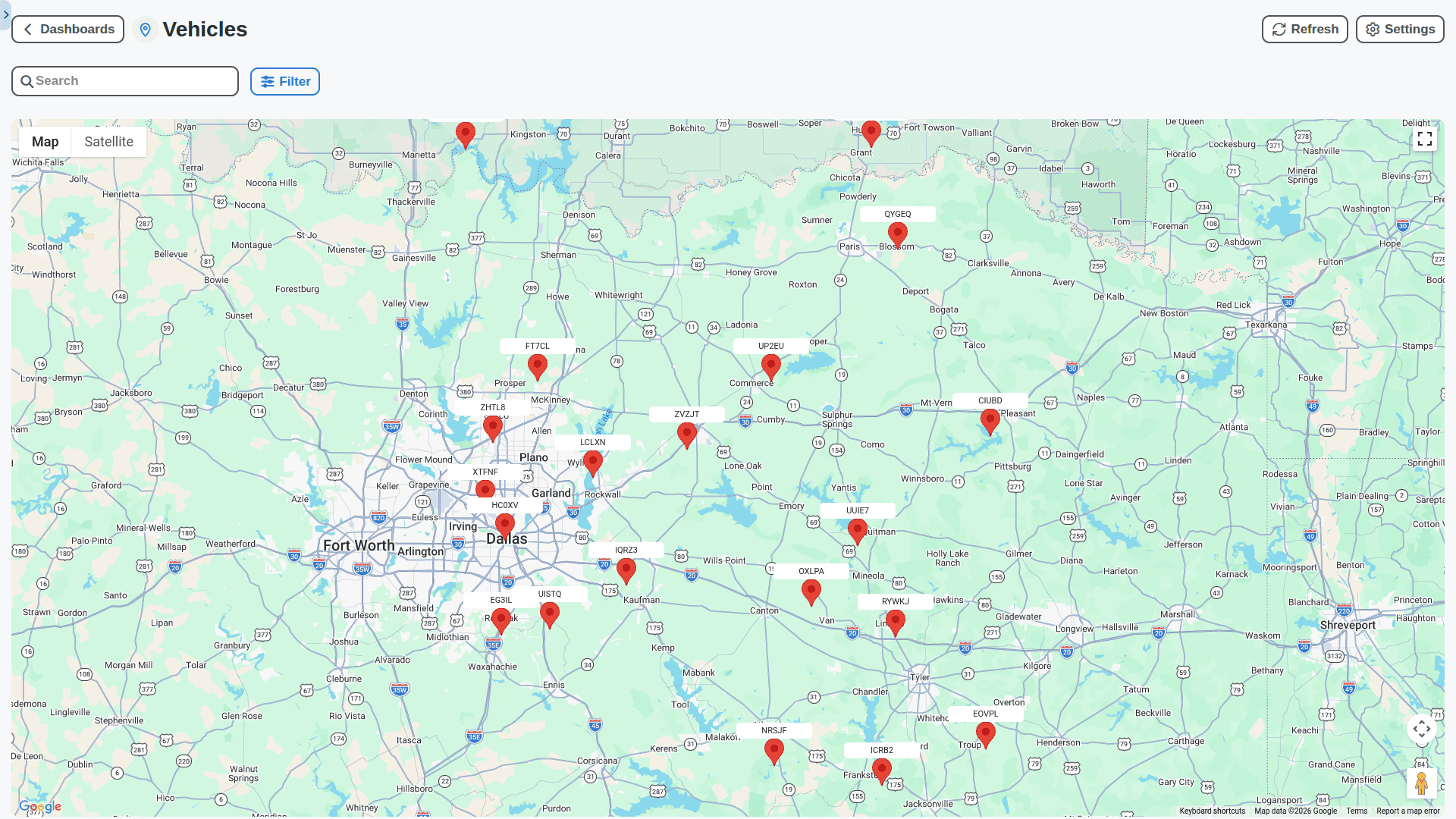
Real-Time Vehicle Tracking & Dispatch
Gain complete visibility of your fleet with real-time GPS tracking and optimized dispatching. Reduce response times, improve route efficiency, and enhance passenger safety with automated alerts and predictive routing.
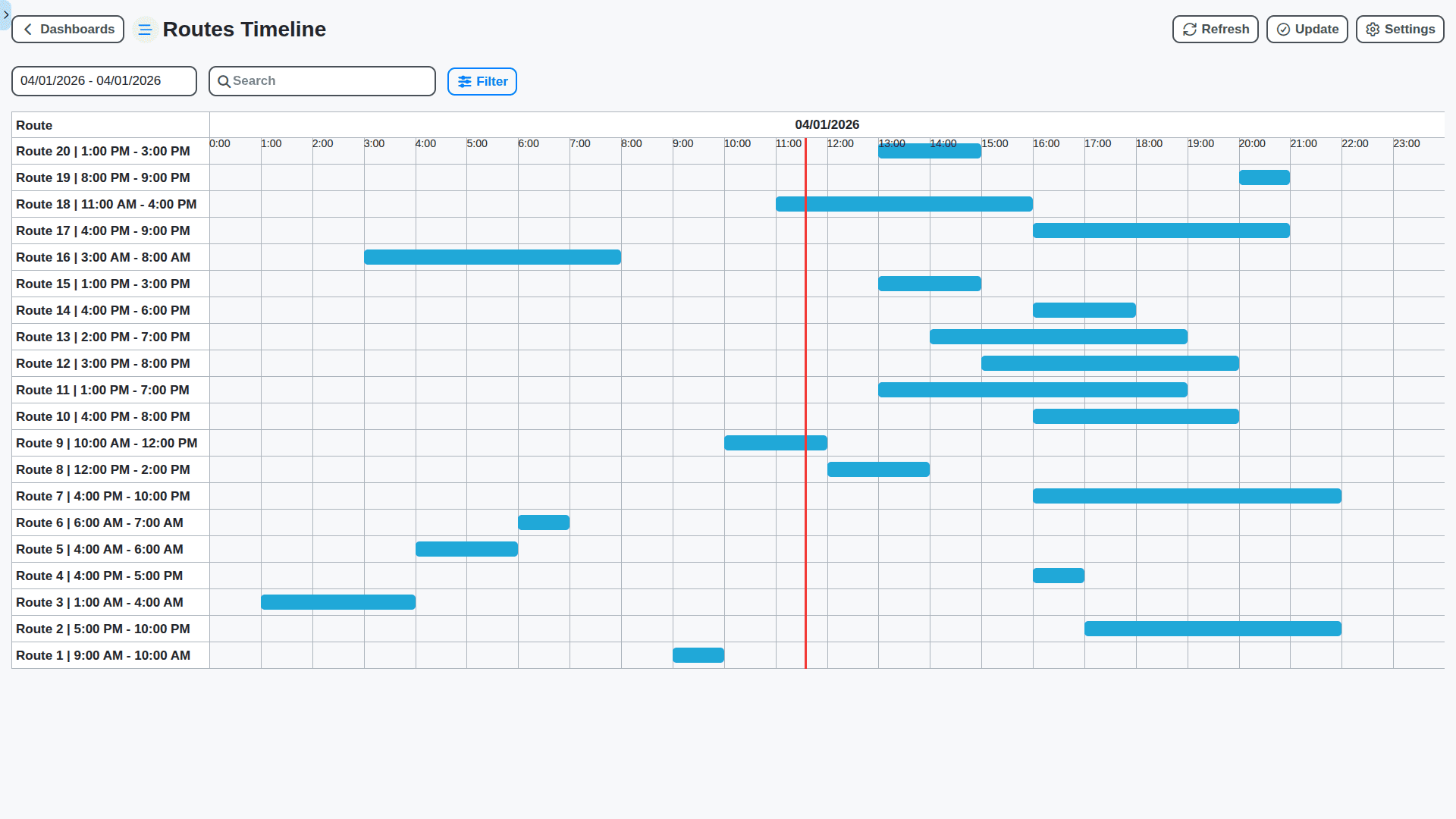
Proactive Route Optimization & Scheduling
Go beyond static schedules. Our platform dynamically adjusts routes and schedules based on real-time conditions, passenger demand, and unexpected events, maximizing efficiency and minimizing disruptions.
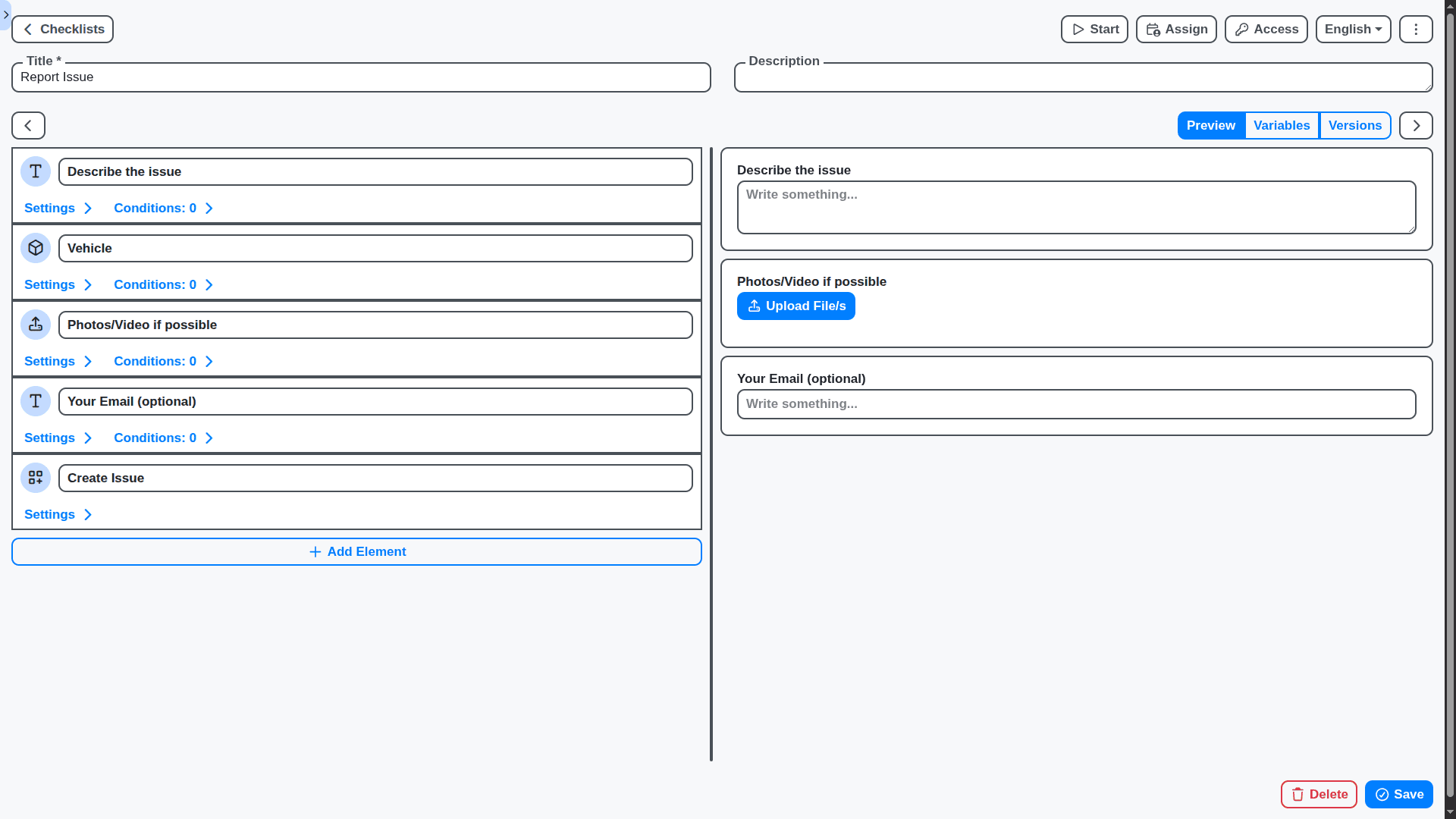
Incident Management & Emergency Response
Respond swiftly and effectively to incidents with a centralized incident management system. Automated alerts, clear communication channels, and pre-defined response protocols ensure passenger safety and minimize service interruptions.
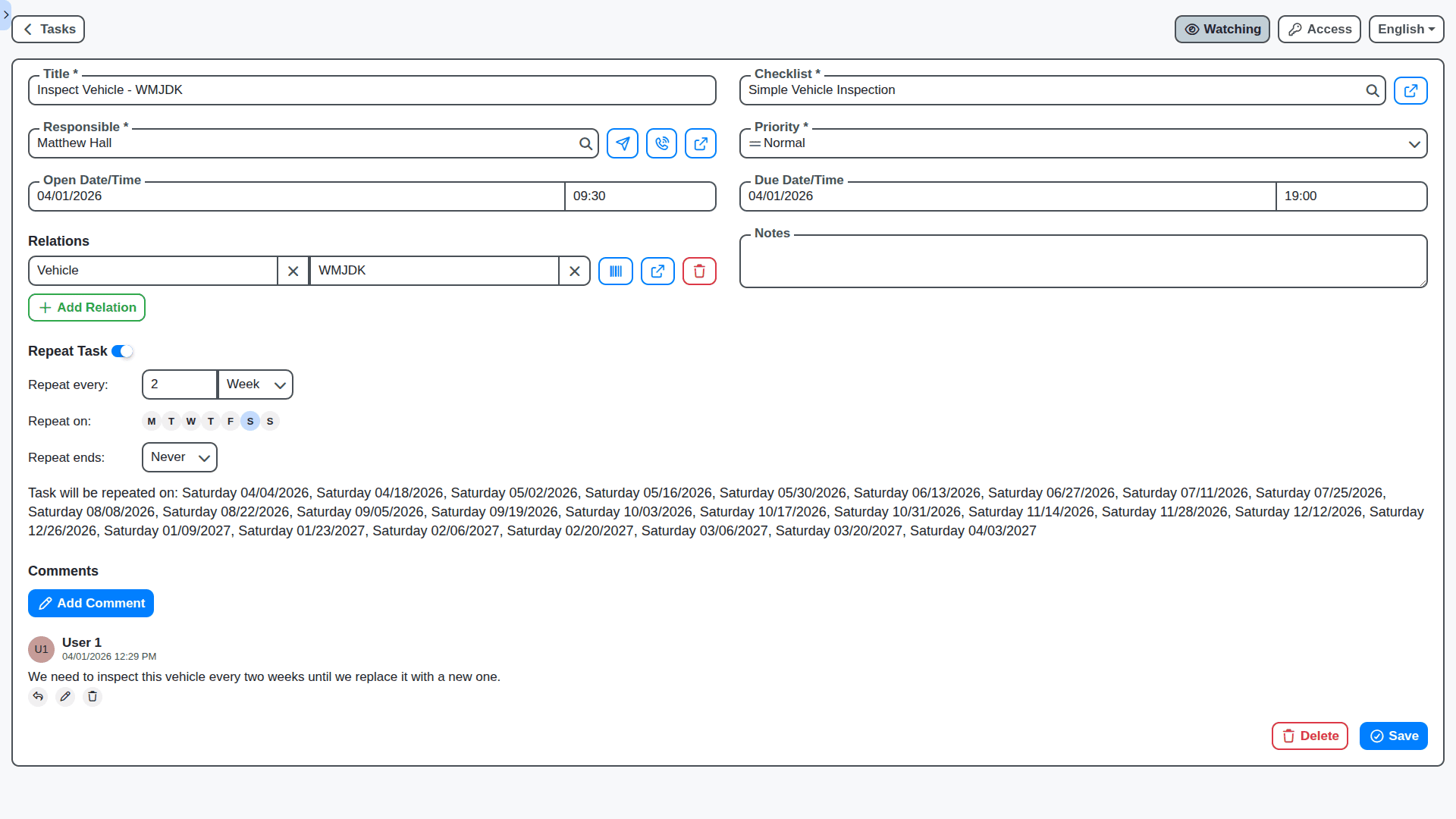
Predictive Maintenance & Vehicle Health Monitoring
Minimize downtime and optimize maintenance costs with predictive analytics. Monitor vehicle health, identify potential issues before they escalate, and schedule preventative maintenance efficiently.
Passenger Information & Communication
Keep passengers informed and engaged with real-time updates, automated alerts, and interactive communication channels. Improve passenger satisfaction and reduce confusion with clear and timely information.
Performance Reporting & Data Analytics
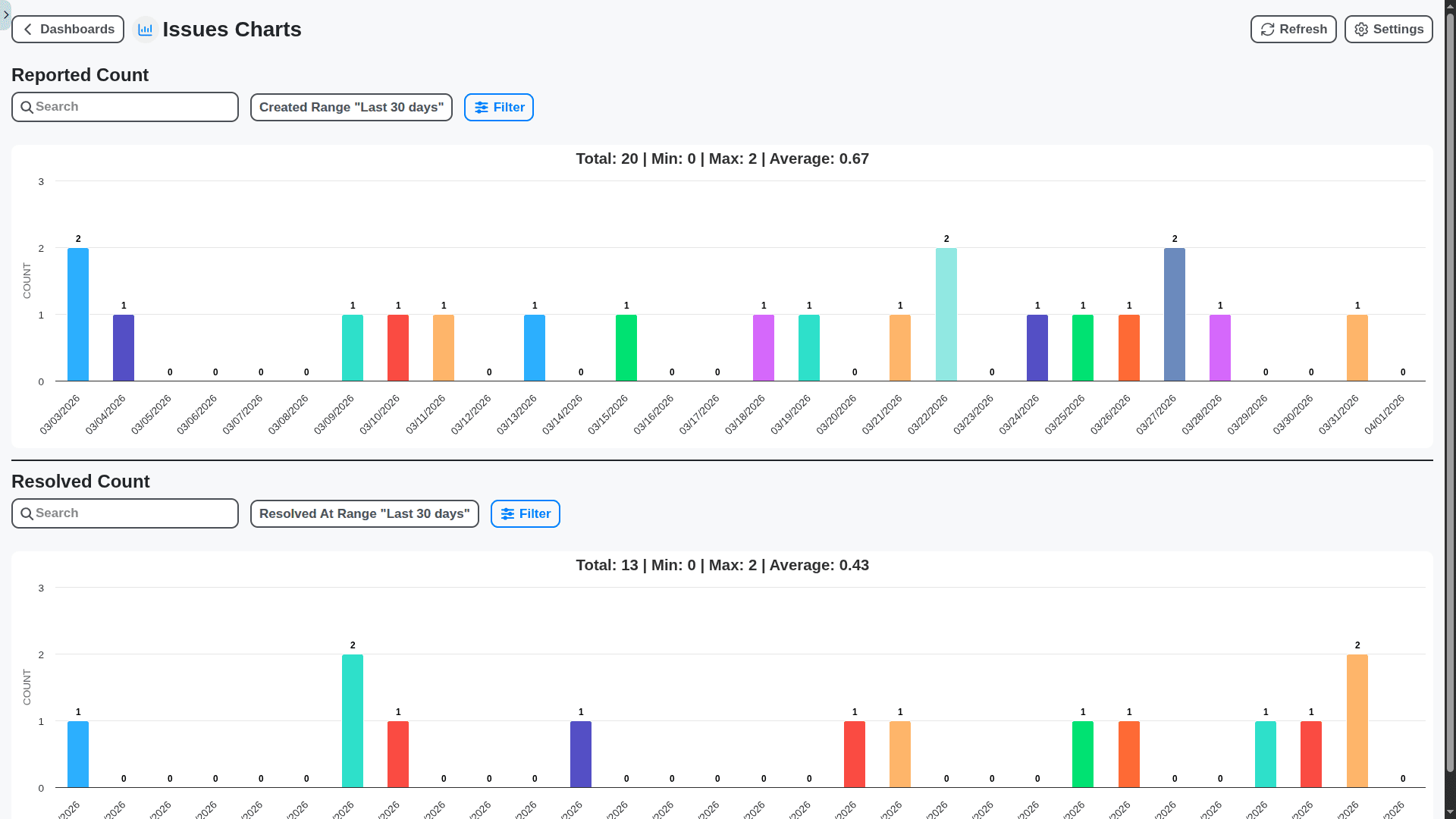
Gain valuable insights into your operations with comprehensive reporting and analytics dashboards. Track key performance indicators (KPIs), identify areas for improvement, and optimize resource allocation.
Driver Management & Performance Monitoring
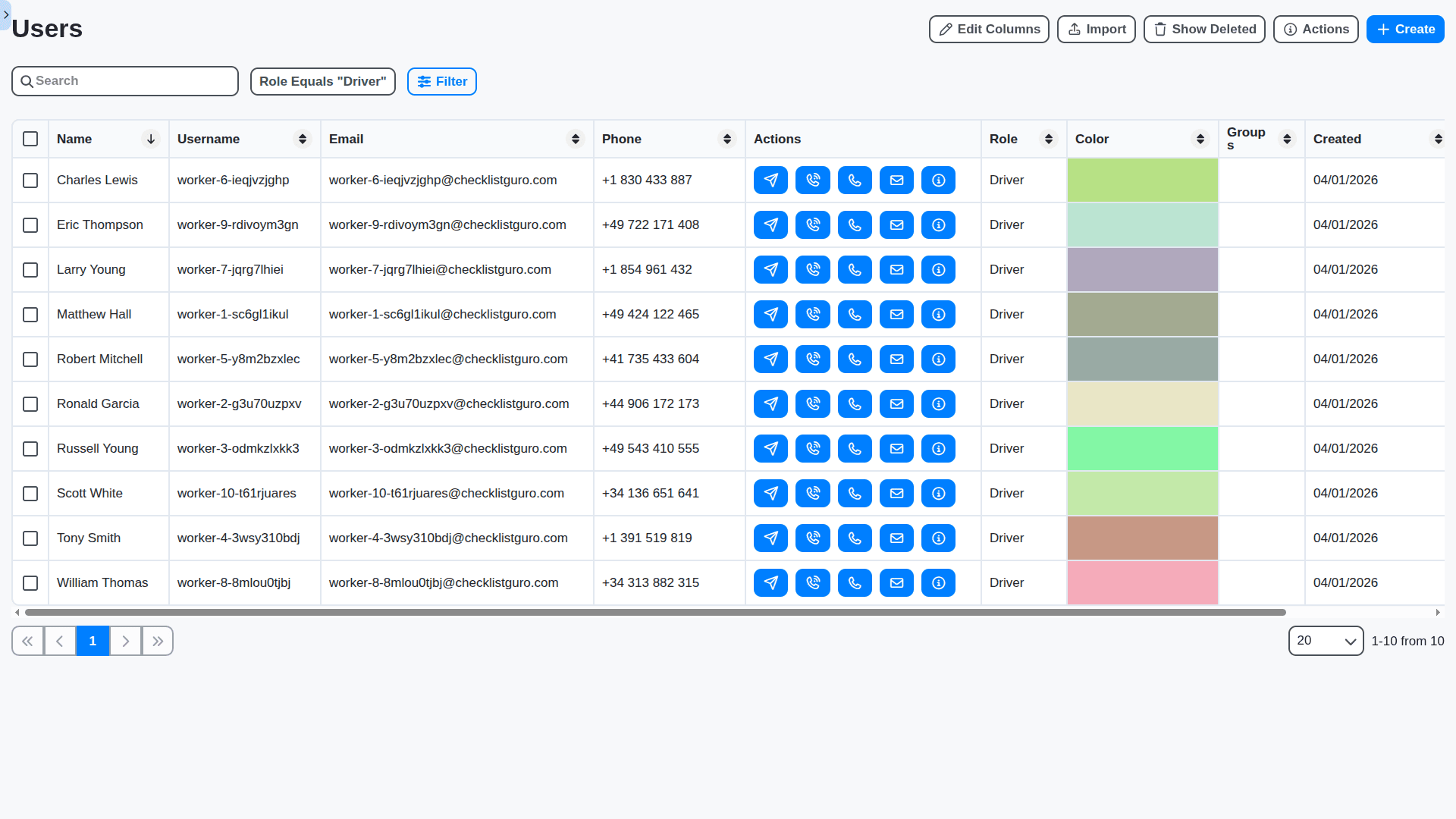
Optimize driver performance and ensure safety with features for driver assignments, performance tracking, and compliance management.
Mobile Accessibility for Operations Teams
Equip your field teams with the information they need, when they need it. Our mobile app provides real-time data and communication tools, empowering your operations teams to respond effectively to changing conditions.
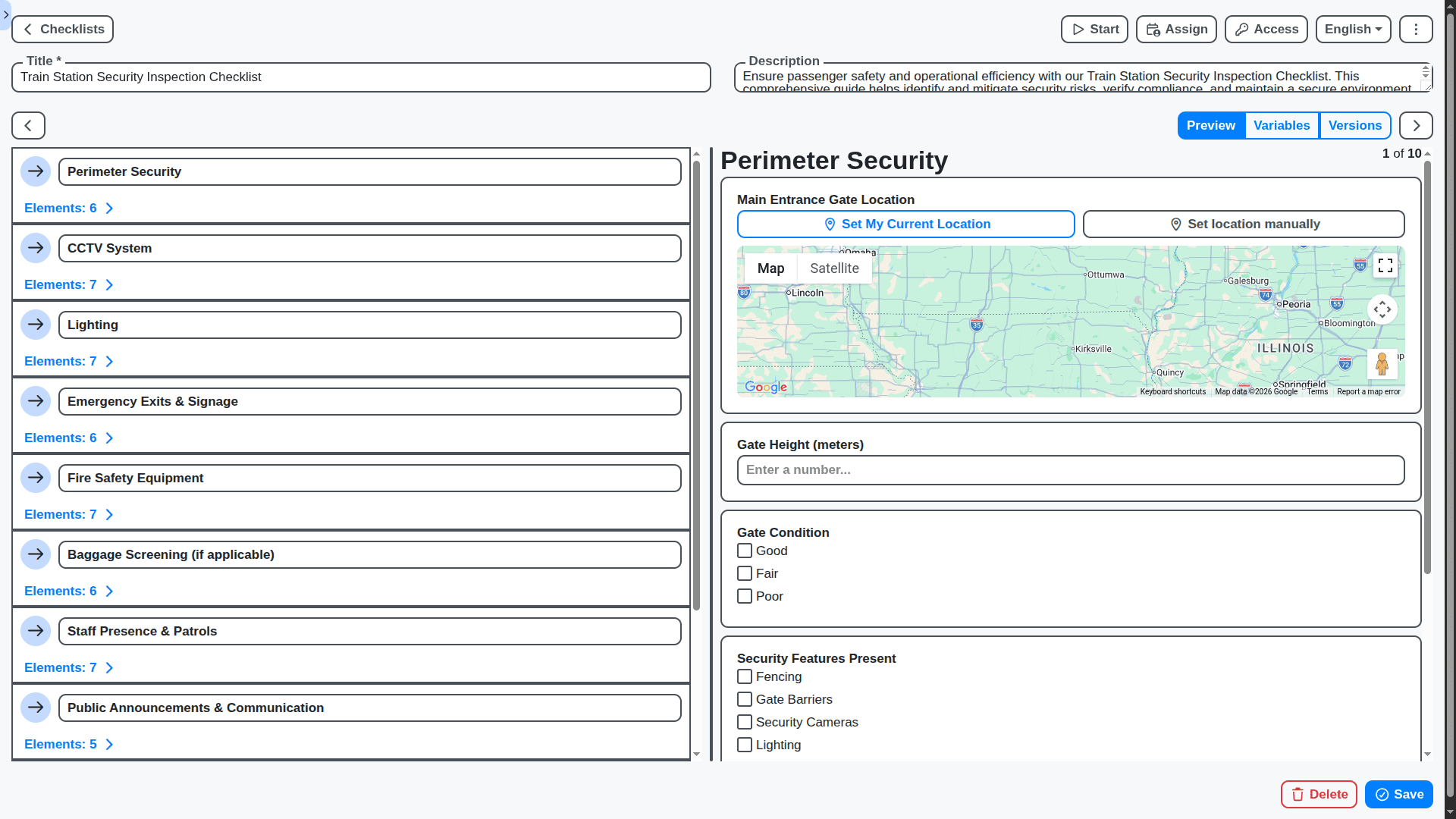
Customizable Checklists for Your Unique Operations
Customize digital checklists to match your specific reporting protocols, inspection requirements, and maintenance procedures for maximum efficiency.
No credit card or cancellation needed.
Features of our Public Transport Reporting Solution
Core Reporting Features
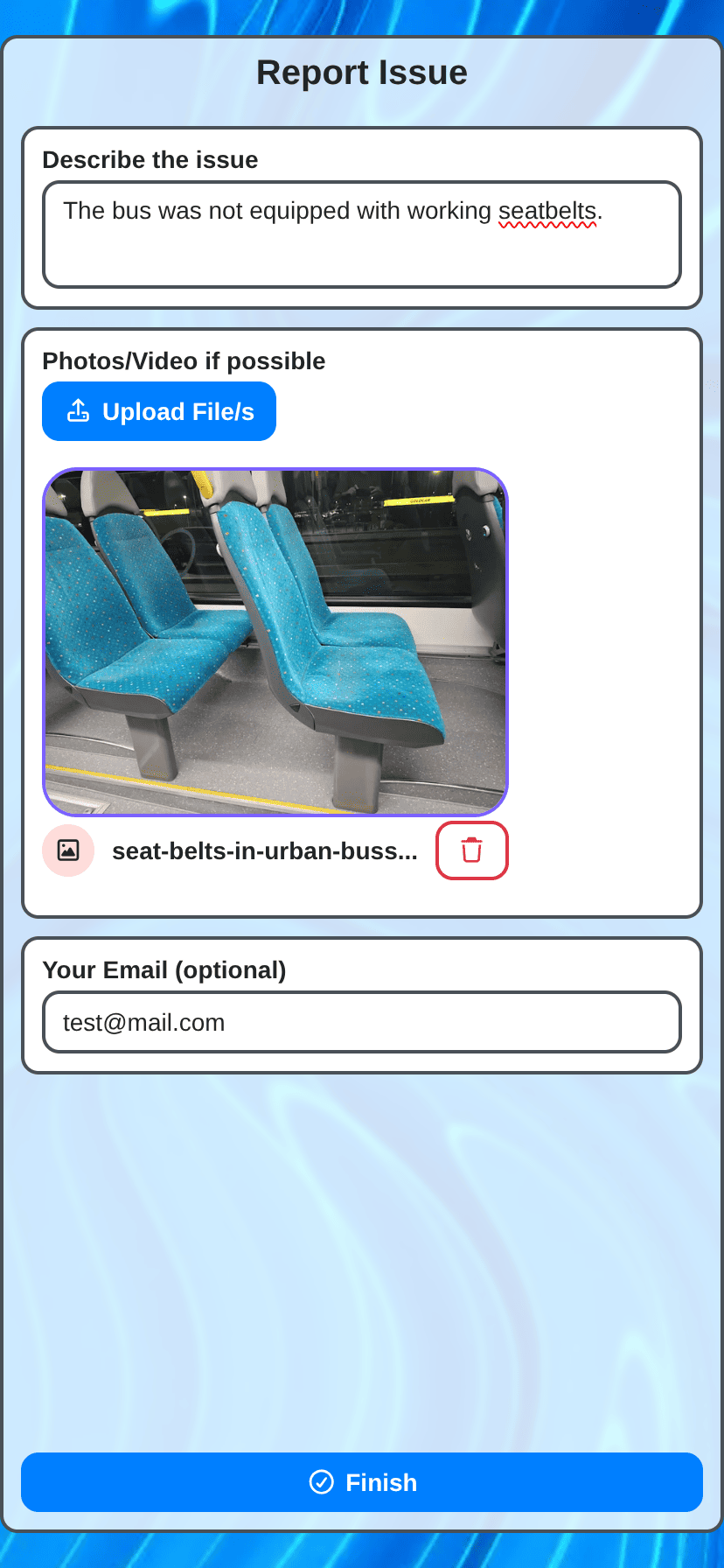
Passengers Issue Reporting: Allow your passengers to report issues in Busses, Trains... with QR code scanning and form submission.
Real-Time Vehicle Tracking: Display the real-time location of buses, trains, trams, and other vehicles on a map interface.
On-Time Performance (OTP) Reporting: Calculate and report OTP for routes, vehicles, and time periods, highlighting delays and disruptions.
Passenger Load Reporting: Track and report passenger counts per route and time of day (using automated counting systems or manual surveys).
Route Performance Reporting: Analyze key metrics for each route, including ridership, OTP, and revenue.
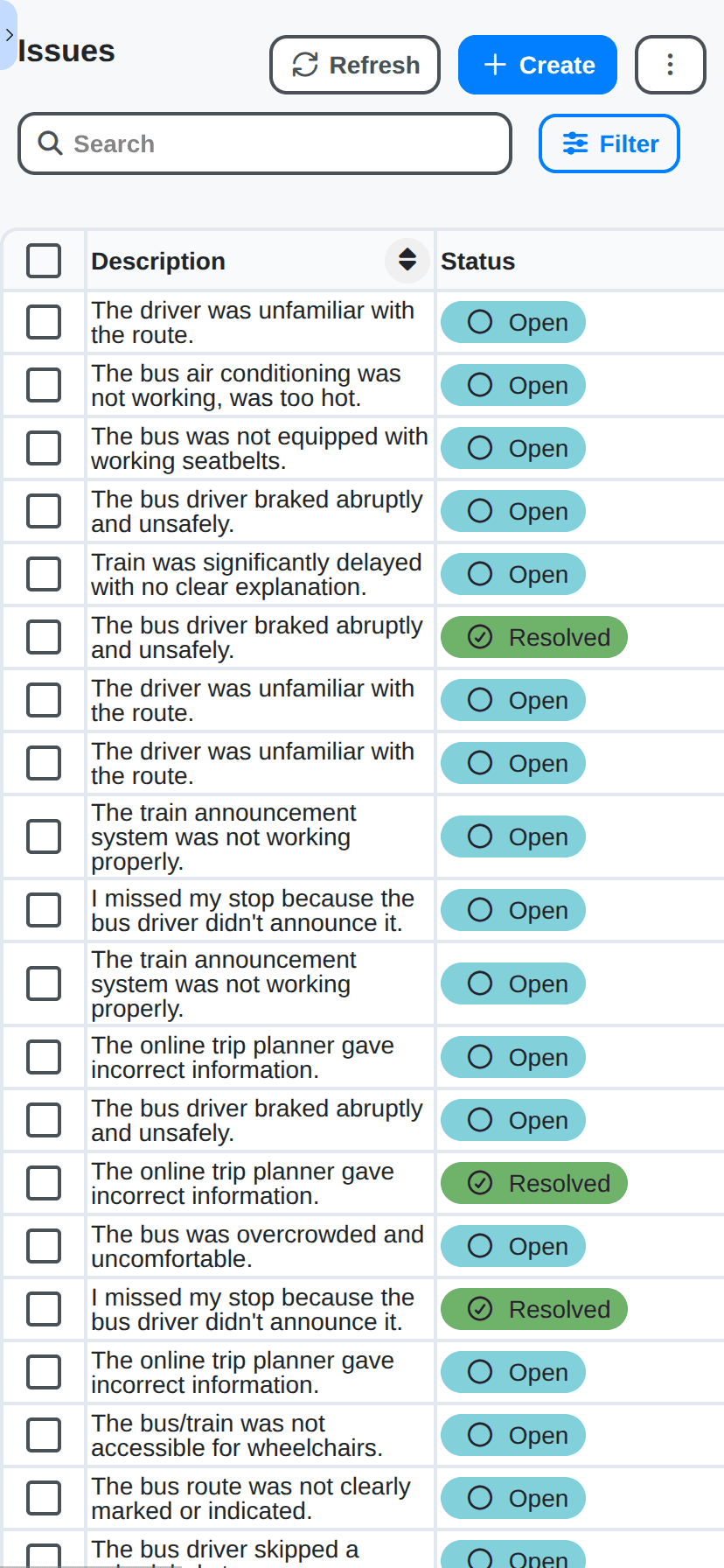
Incident Reporting: Log and report incidents such as accidents, breakdowns, and security breaches.
Revenue Reporting: Track and report revenue generated by different routes, payment methods, and ticket types.
Scheduled vs. Actual Comparisons: Compare planned schedules with actual operations to identify areas for improvement.
Business Process Management (BPM) Features
Incident Management Workflow: Automate the process of logging, investigating, and resolving incidents with appropriate personnel.
Service Disruption Notification Workflow: Automatically generate and distribute notifications to passengers about service disruptions via SMS, email, and app push notifications.
Route Adjustment Workflow: Manage route adjustments due to construction, events, or other factors, automatically updating schedules and communicating changes to passengers.
Schedule Deviation Analysis & Correction Workflow: Trigger automated analysis of schedule deviations and initiate workflows to adjust schedules based on identified patterns.
Maintenance Scheduling Workflow: Integrate maintenance schedules with reporting, ensuring preventative maintenance is tracked and efficiently managed.
Passenger Feedback Processing Workflow: Route passenger feedback (e.g., complaints, suggestions) to appropriate departments for review and action.
Data Sources & Analytics Features
GPS Data Integration: Integrate with GPS tracking devices to receive real-time vehicle location data.
Automatic Passenger Counting (APC) Integration: Integrate with APC systems to receive passenger counts automatically.
Fare Collection System Integration: Integrate with fare collection systems to receive revenue and passenger data.
External Data Integration (Weather, Traffic): Incorporate external data sources like weather and traffic conditions into the reporting and analysis.
Predictive Analytics (Ridership Forecasting): Use historical data to forecast future ridership patterns and optimize resource allocation.
Geofencing and Alerting: Set up virtual boundaries (geofences) to trigger alerts when vehicles deviate from planned routes or enter restricted areas.
Technical & Admin Features
Role-Based Access Control (RBAC): Define user roles and permissions for different stakeholders (drivers, dispatchers, managers, etc.).
Security: Secure data with encryption and access controls.
Scalability: Handle large volumes of data and support a growing number of vehicles and users.
API & Integrations: Provide APIs for integration with other systems (e.g., mobile apps, passenger information displays).
Mobile App Support: Provide mobile apps for drivers and dispatchers to access real-time data and communicate with each other.
Customizable Dashboards: Allow users to create custom dashboards to visualize data and track key metrics.
Report Scheduling & Export: Schedule automated reports and export them in various formats (PDF, CSV, Excel).
No credit card or cancellation needed.
Frequently Asked Questions
What is ChecklistGuro, and how can it help my public transport operation?
ChecklistGuro is a digital checklist and workflow automation platform. It helps streamline incident reporting, improve maintenance processes, enhance passenger satisfaction, and drive data-driven decision-making for your public transport operation.
Who can use this solution?
ChecklistGuro is designed for bus operators, tram networks, train operators, and other public transportation providers of all sizes.
What types of data can ChecklistGuro collect?
ChecklistGuro can collect a wide range of data, including passenger incident reports, vehicle maintenance logs, inspection checklists, driver reports, and real-time vehicle condition data.
Is it easy to use?
Yes! It's designed for simplicity. Our intuitive interface requires minimal training, allowing staff to quickly adopt and utilize the platform effectively.
How do passengers report incidents?
Passengers can report incidents through various channels, including a dedicated mobile app, QR codes at stations, or a web portal. Reports are instantly routed to the appropriate personnel for immediate action.
How does ChecklistGuro ensure accurate incident reporting?
We offer customizable forms with guided fields, image/video attachments, and GPS location tracking to ensure detailed and accurate incident reporting.
Can I customize the incident reporting forms?
Absolutely! ChecklistGuro allows you to fully customize incident reporting forms to match your specific requirements and reporting protocols.
How does ChecklistGuro improve vehicle maintenance?
ChecklistGuro digitizes inspection checklists, maintenance schedules, and repair logs, providing a centralized and transparent view of vehicle maintenance activities.
Can I schedule preventative maintenance?
Yes! ChecklistGuro allows you to schedule and track preventative maintenance tasks, ensuring vehicles are regularly inspected and maintained.
Can I track vehicle repair history?
Yes! ChecklistGuro maintains a detailed repair history for each vehicle, providing valuable insights into maintenance trends and potential issues.
What kind of reports can I generate?
ChecklistGuro offers a wide range of customizable reports, including incident summaries, maintenance trends, vehicle performance data, and passenger feedback analysis.
What devices can ChecklistGuro be used on?
ChecklistGuro is accessible on a wide range of devices, including smartphones, tablets, and computers.
How much does it cost?
Our pricing is based on the number of users. You can find detailed pricing information on our Pricing page.
We can do it Together
Make a Request
Have a question? We're here to help. Please submit your inquiry, and we'll respond promptly.