Ensuring Farm Success: Your Aquaculture Health Assessment Checklist
Published: 11/25/2025 Updated: 12/14/2025
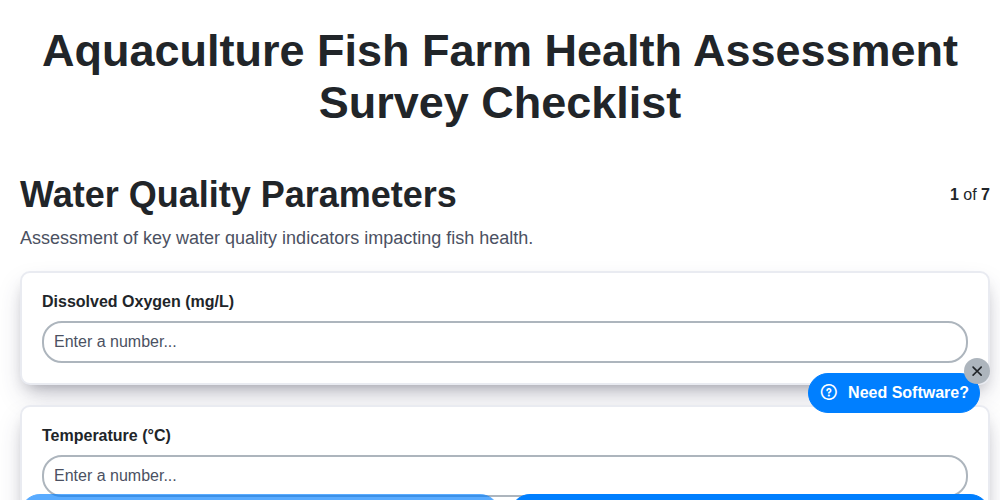
Table of Contents
- Introduction: Why a Health Assessment is Crucial
- 1. Water Quality Parameters: The Foundation of Fish Health
- 2. Fish Health Observation: Spotting Issues Early
- 3. Equipment Functionality: Keeping Operations Running Smoothly
- 4. Feed Management & Nutrition: Fueling Growth and Immunity
- 5. Disease Prevention & Biosecurity: Protecting Your Stock
- 6. Environmental Impact & Sustainability: Responsible Aquaculture
- 7. Record Keeping & Compliance: Maintaining Transparency
- Conclusion: Continuous Improvement for Farm Success
- Resources & Links
TLDR: Feeling overwhelmed managing your fish farm? This checklist is your quick guide to ensuring healthy fish, functioning equipment, and sustainable practices. It covers everything from water quality to biosecurity, helping you stay compliant and boost your farm's overall success - think of it as your essential health checkup for your aquaculture operation!
Introduction: Why a Health Assessment is Crucial
Maintaining a thriving aquaculture fish farm isn't just about throwing fish in water and hoping for the best. It's a complex operation requiring constant monitoring and proactive management. A regular health assessment is absolutely crucial for long-term success and profitability. It's more than just identifying problems after they arise; it's about preventing them in the first place.
Think of it as a preventative medicine approach for your fish farm. A comprehensive health assessment allows you to identify potential risks - from subtle changes in water quality to early signs of disease - before they escalate into major issues. This proactive approach minimizes losses, optimizes growth rates, reduces the need for costly interventions, and ultimately contributes to a more sustainable and resilient operation. This checklist provides a structured framework to ensure you're covering all the essential areas.
1. Water Quality Parameters: The Foundation of Fish Health
Maintaining optimal water quality is the single most critical factor in successful aquaculture. Deviations from ideal ranges can quickly stress fish, compromise their immune systems, and lead to disease outbreaks and mortality. This section outlines the key water quality parameters to monitor regularly and the generally accepted ranges for most common aquaculture species. Note: Specific tolerances will vary depending on the species being farmed, so research and consult with experts for precise requirements.
Here's what to check:
- Temperature: Monitor daily. Fluctuations, especially rapid ones, can be incredibly stressful. Record both minimum and maximum temperatures.
- Dissolved Oxygen (DO): Crucially important for fish respiration. Aim for levels above 5.0 mg/L, ideally higher for optimal growth and health. Low DO can lead to suffocation.
- pH: Most freshwater species thrive in a pH range of 6.5 to 8.5. Sudden shifts in pH can be detrimental.
- Ammonia (NH3) & Nitrite (NO2): These are toxic byproducts of fish waste. Regular testing and proper filtration are essential to keep levels near zero.
- Nitrate (NO3): While less toxic than ammonia and nitrite, high nitrate levels can indicate poor water quality and require dilution or water changes.
- Salinity (for brackish/marine systems): Maintain stable salinity levels within the species' tolerance range.
- Hardness (GH & KH): Affects buffering capacity and ion availability.
- Turbidity: High turbidity can reduce light penetration and affect photosynthesis in any aquatic plants present.
- Alkalinity: Buffering capacity of the water; crucial for pH stability.
Frequency: Daily monitoring of temperature and DO is recommended. Complete water quality testing (including pH, ammonia, nitrite, nitrate, and alkalinity) should be performed at least weekly, with more frequent testing during periods of stress or suspected problems.
2. Fish Health Observation: Spotting Issues Early
Regular and meticulous observation of your fish is the first line of defense against disease outbreaks and production losses. Don't just glance - actively observe your stock. Here's what to look for:
1. Behavior: Note any changes in swimming patterns. Are fish lethargic, swimming erratically, or congregating at the surface or bottom? Erratic swimming, flashing (rubbing against surfaces), and unusual activity levels are red flags.
2. Physical Appearance: Look closely for any visual abnormalities. This includes:
- Skin lesions: Ulcers, sores, discoloration (redness, black spots, white patches).
- Fin rot: Ragged or missing fins.
- Eye problems: Cloudy eyes, bulging eyes, missing eyes.
- Abdominal swelling (bloat): Can indicate parasitic infection, bacterial disease, or nutritional deficiencies.
- Deformities: Spinal curvature, stunted growth.
- Changes in coloration: Unusual fading or darkening.
3. Feeding Response: Is the fish feeding normally? A decline in appetite is often one of the first signs of illness. Observe how aggressively fish approach feed and note if any are excluded from feeding.
4. Mortality Rate: Keep a constant and accurate record of mortalities. An unexplained increase in deaths, even seemingly small, warrants immediate investigation.
5. Sample Collection (as needed): If you suspect illness, collect a small number of affected fish for closer examination or to be sent to a qualified fish health specialist. Document which fish were sampled and why.
Frequency: Daily observation should be standard, with more detailed inspections conducted at least once a week. Early detection is key to successful intervention and preventing widespread problems.
3. Equipment Functionality: Keeping Operations Running Smoothly
A fish farm's equipment is the backbone of its productivity. Regular assessment and maintenance are crucial to prevent costly breakdowns, ensure optimal operating conditions, and protect your investment. This section of the health assessment focuses on evaluating the functionality of your key equipment.
Here's what to check:
- Pumps & Aeration Systems: Verify pump efficiency, check for leaks, and ensure aeration systems are delivering adequate oxygen levels. Listen for unusual noises indicating potential failure.
- Filtration Systems: Inspect filter media for clogging and damage. Assess filtration rates and backwash efficiency. Ensure proper functionality of mechanical, biological, and chemical filtration.
- Feeding Systems: Test automatic feeders for accurate dispensing and timing. Inspect distribution mechanisms for blockages. Manually check feed distribution to ensure even coverage.
- Water Exchange Systems: Evaluate valve operation, pipe integrity, and discharge points. Confirm water flow rates meet design specifications.
- Temperature Control Systems: Check heating and cooling units for proper temperature regulation. Calibrate thermometers and sensors.
- Monitoring Equipment: Verify the accuracy of pH meters, dissolved oxygen sensors, and other monitoring devices. Calibrate regularly and replace batteries as needed.
- Power Supply: Assess the reliability of your power source. Consider backup power solutions (generators) and ensure they are functional.
- Structural Integrity: Inspect tanks, raceways, and other structures for leaks, cracks, or signs of deterioration.
Proactive maintenance and prompt repairs are essential. Keep a log of maintenance activities and schedule regular inspections to prevent minor issues from escalating into major problems.
4. Feed Management & Nutrition: Fueling Growth and Immunity
Proper feed management is the cornerstone of a thriving aquaculture operation. It's not just about providing enough food; it's about providing the right food, at the right amount, and at the right time. Inadequate or inappropriate feeding can lead to stunted growth, weakened immune systems, disease outbreaks, and ultimately, significant economic losses.
This section of the health assessment survey focuses on evaluating your feeding practices. We'll assess the quality and suitability of your feed, its delivery methods, and your ability to adjust feeding strategies based on fish growth stages and environmental conditions.
Key areas of focus include:
- Feed Quality: Are you using feeds formulated for the specific species and life stage of your fish? Check for expiration dates, proper storage conditions (to prevent spoilage and nutrient degradation), and consistent ingredient quality. Look for certifications and reputable suppliers.
- Feeding Rates & Frequency: Are your feeding rates based on fish size, weight, and water temperature? Are you adjusting these rates seasonally and during different growth stages? Overfeeding leads to waste and water quality issues, while underfeeding compromises growth.
- Feed Distribution: Are you utilizing effective feeding techniques that ensure all fish have access to the feed? Consider factors like tank design, fish density, and current patterns.
- Feed Waste & FCR (Feed Conversion Ratio): Monitoring feed waste and calculating the FCR provides valuable insights into feeding efficiency. High waste levels indicate potential issues with feeding rates or distribution.
- Nutrient Analysis: Periodically analyzing feed samples can ensure nutrient content matches label claims.
- Supplementation: Are you providing necessary vitamins, minerals, or other supplements to support optimal health and immunity?
A thorough review of your feed management practices is crucial for maintaining a healthy, productive, and sustainable aquaculture farm.
5. Disease Prevention & Biosecurity: Protecting Your Stock
Maintaining robust biosecurity measures is paramount to a thriving aquaculture operation. Disease outbreaks can devastate a fish farm, leading to significant economic losses and potential environmental damage. This section focuses on proactive strategies to minimize risk.
Key Areas of Focus:
- Access Control: Strictly limit access to the farm. Implement visitor logs, require protective clothing (boots, coveralls, gloves), and consider designated pathways. Regularly disinfect vehicles entering the property.
- Source & Quarantine: All new fish, organisms, or materials (nets, pipes, etc.) MUST undergo a strict quarantine period. This involves observation for signs of disease and potentially diagnostic testing before introduction to the main farm. Length of quarantine varies based on species and origin; consult with a veterinarian or aquaculture specialist.
- Disinfection Protocols: Establish routine disinfection protocols for equipment, tanks, and water sources. Use approved disinfectants appropriate for aquaculture use, following manufacturer instructions carefully. Consider UV sterilization or ozone treatment for water.
- Predator Control: Implement measures to prevent predators (birds, mammals, etc.) from accessing the farm. This might include netting, fencing, or visual deterrents.
- Waste Management: Proper waste management not only protects the environment but also reduces disease vectors. Regularly remove sludge and debris from ponds and tanks.
- Staff Training: Educate all farm personnel on biosecurity protocols and their importance. Emphasize hand hygiene and the proper use of protective gear.
- Water Source Management: Ensure water sources are clean and free from contaminants. Implement filtration and treatment systems as needed. Periodically test water quality for pathogens.
- Mortality Management: Implement a clear protocol for handling and disposing of dead fish. This includes prompt removal, proper burial or incineration, and disinfection of any materials that came into contact with the deceased fish.
Regularly review and update your biosecurity plan to address new threats and improve effectiveness.
6. Environmental Impact & Sustainability: Responsible Aquaculture
Aquaculture's growth must be balanced with a commitment to environmental responsibility. Ignoring the ecological footprint of a fish farm isn't just ethically questionable; it's unsustainable in the long run. This section of the health assessment focuses on minimizing negative impacts and promoting a healthier ecosystem.
Key Considerations:
- Effluent Management: Regularly monitor and assess water discharge for pollutants like ammonia, nitrates, and phosphorus. Implement strategies to reduce waste output, such as biofiltration and optimizing feeding practices. Consider the impact on receiving water bodies - are dissolved oxygen levels sufficient?
- Habitat Protection: Evaluate the potential impact on surrounding habitats, including mangroves, wetlands, and coral reefs. Avoid disturbing sensitive areas and consider restoration efforts where necessary.
- Biodiversity: Assess the impact on local biodiversity. Are non-target species being negatively affected? Promote the health of the surrounding ecosystem to support a diverse range of life.
- Sustainable Feed Sources: Investigate the origins of your feed ingredients. Are they sourced sustainably, minimizing deforestation and overfishing? Explore alternative protein sources like insect meal or algae.
- Energy Efficiency: Analyze energy consumption for pumps, aeration, and other operations. Identify opportunities to reduce energy use through efficiency upgrades or renewable energy sources.
- Waste Reduction: Beyond water, evaluate solid waste generation (e.g., dead fish, fecal matter). Implement composting or other responsible disposal methods.
- Chemical Usage: Minimize the use of chemicals (antibiotics, pesticides). Prioritize preventative measures and explore biological alternatives.
Regularly review these aspects, adapting practices as needed to minimize environmental impact and contribute to a truly sustainable aquaculture operation.
7. Record Keeping & Compliance: Maintaining Transparency
Robust record keeping isn't just about ticking a box - it's the backbone of a successful and sustainable aquaculture operation. Detailed and accurate records provide a clear picture of your farm's performance, allowing you to identify trends, troubleshoot issues, and demonstrate compliance with regulations.
This section of the health assessment survey emphasizes the importance of meticulous documentation across all areas, from daily water quality readings and feed disbursement logs to fish mortality records and biosecurity protocols. Consistent and organized record keeping allows for:
- Regulatory Compliance: Aquaculture operations are subject to increasing scrutiny and regulations. Maintaining thorough records demonstrates adherence to these requirements, minimizing potential legal or financial repercussions.
- Improved Traceability: In case of disease outbreaks or quality concerns, comprehensive records allow for rapid tracing of the affected stock and identifying the source of the problem.
- Performance Optimization: Analyzing historical data reveals patterns and trends that can inform decisions about feed management, water quality adjustments, and disease prevention strategies.
- Facilitating Audits: Well-organized records streamline internal and external audits, ensuring a smooth and efficient process.
- Knowledge Transfer: Detailed records serve as a valuable resource for training new staff and ensuring continuity of operations, even when experienced personnel leave.
A dedicated system - whether digital or a meticulously maintained physical ledger - is crucial. Regularly review and update your record-keeping practices to reflect evolving regulations and operational improvements.
Conclusion: Continuous Improvement for Farm Success
Ultimately, the Aquaculture Fish Farm Health Assessment Survey Checklist isn't a one-and-done task. It's a living document, a cornerstone of proactive farm management. Regularly reviewing and updating this checklist, and diligently following its steps, provides invaluable insights into your farm's strengths and weaknesses. By identifying and addressing potential issues early - from subtle shifts in water quality to the first signs of disease - you can minimize losses, optimize growth, and ensure the long-term health and productivity of your fish. Embrace this checklist as a tool for continuous improvement, fostering a culture of vigilance and adaptation that will contribute significantly to the overall success and sustainability of your aquaculture operation. Remember, a healthy farm is a thriving farm!
Resources & Links
- World Health Organization - Aquaculture: Provides a global overview of aquaculture, including its benefits, challenges, and health considerations. Offers a foundation for understanding the broader context of aquaculture health.
- FAO Fisheries and Aquaculture - Aquaculture: The Food and Agriculture Organization's dedicated aquaculture section. Contains information on best management practices, disease prevention, and sustainability - invaluable for building a robust health assessment framework.
- Aquanic: Aquanic is an online platform providing data & tools for aquaculture health assessment. Explore their resources on disease diagnosis and monitoring protocols.
- Queensland Government - Aquaculture Health: Provides specific guidelines and resources relevant to aquaculture health management, including disease reporting and biosecurity protocols - valuable for understanding practical implementation.
- NOAA Fisheries - Aquaculture: Offers information on sustainable aquaculture practices, regulatory guidelines, and best management practices focused on ecological balance and minimizing environmental impact. Addresses the 'Environmental Impact & Sustainability' section.
- UMass Aquaculture Feed Research Program: Focuses on feed quality, nutrient requirements, and the impact of feed on fish health and growth. A key resource for the 'Feed Management & Nutrition' section.
- Australian Fisheries Base: Provides comprehensive data on fish diseases, parasites, and biosecurity information. Useful for understanding potential threats and implementing preventative measures - directly supports the 'Disease Prevention & Biosecurity' section.
- United States Environmental Protection Agency (EPA): Provides information on environmental regulations and permitting requirements related to aquaculture operations. Important for understanding compliance requirements and responsible farm management - essential for the 'Record Keeping & Compliance' and 'Environmental Impact & Sustainability' sections.
- Industry Code of Practice for Aquaculture: Provides comprehensive resources on maintaining water quality, biosecurity, and regulatory compliance. Helps maintain responsible aquaculture practices - relates to multiple header 2 sections
- Fish Health Europe: A professional network providing resources and information on fish health, disease diagnostics, and research - enhances understanding of aquaculture health management and problem-solving.
- Fish Veterinary Service: Provides information and diagnostic services relating to fish disease, can be an invaluable resource when unexpected issues arise - supports the 'Fish Health Observation' section.
Frequently Asked Questions
What is an aquaculture health assessment and why is it important?
An aquaculture health assessment is a comprehensive evaluation of the health and well-being of your farmed aquatic organisms, including fish, shellfish, and plants. It's crucial for preventing disease outbreaks, minimizing losses, ensuring sustainable production, and maintaining the quality of your product. Regular assessments help identify potential problems early, allowing for proactive management and intervention.
Who should conduct the health assessment?
The assessment can be conducted by trained farm personnel with expertise in aquatic animal health, or by a qualified veterinarian or aquatic health specialist. The level of expertise needed depends on the complexity of your operation and the species you are farming. Regular consultation with a specialist is highly recommended, especially for more complex operations.
What's included in a typical aquaculture health assessment checklist?
A typical checklist includes observation of animal behavior (feeding, swimming, response to stimuli), physical appearance (skin lesions, deformities, unusual coloration), water quality parameters (temperature, salinity, dissolved oxygen, pH), and examination of mortalities. It may also involve laboratory testing for specific pathogens.
How often should I perform a health assessment?
The frequency depends on factors like species being farmed, farm management practices, biosecurity measures, and environmental conditions. Generally, weekly visual assessments are recommended, with more detailed assessments conducted monthly or quarterly. Higher-risk operations should assess more frequently.
What are some red flags indicating a potential health problem?
Red flags include increased mortality rates, unusual swimming patterns (listing, erratic movements), loss of appetite, lesions or abnormalities on the body, discharge from the eyes or mouth, abnormal coloration, and changes in water quality.
What's the difference between observation and laboratory testing?
Observation involves visual inspection and monitoring of behavior. Laboratory testing, like PCR or histopathology, provides more detailed information about the presence of pathogens or underlying health issues, but requires specialized equipment and expertise.
How does biosecurity relate to aquaculture health assessments?
Biosecurity measures, such as preventing unauthorized access, disinfecting equipment, and controlling water sources, are fundamental to preventing disease. Health assessments are then used to monitor the effectiveness of these measures and identify any breaches in biosecurity.
Can I use the checklist as a substitute for veterinary advice?
No, the checklist is a tool for monitoring and early detection. It should be used in conjunction with professional veterinary advice. Suspected diseases or significant findings should always be investigated and treated under the guidance of a qualified veterinarian.
What documentation should I keep during a health assessment?
Maintain detailed records of observations, water quality data, mortality rates, any treatments administered, and recommendations from veterinarians or health specialists. This documentation is crucial for tracking trends and improving management practices.
Where can I find resources and further information about aquaculture health management?
Several organizations offer resources on aquaculture health management. These include government agencies (like your local Department of Agriculture), universities with aquaculture programs, industry associations, and online publications. Search for resources specific to the species you are farming.
Comments
There are no comments yet. Be the first to add one!
Survey Management Solution Demo
Gather valuable insights with ease! ChecklistGuro simplifies survey creation, distribution, and analysis. Automate data collection, improve response rates, and make data-driven decisions. Manage it all with our Work OS.
Related Articles
The Ultimate Veterinary Animal Health Checkup Survey Checklist Template
Your Guide to a Green Business: The Environmental Sustainability Audit Checklist

Paper vs ChecklistGuro in Survey Management
Construction Site Safety Survey Checklist Template
A Checklist for Congregant Feedback: Template for Religious Organizations

Excel vs ChecklistGuro in Survey Management

Mastering the Policyholder Journey: Your Insurance Experience Survey Checklist
Real Estate Property Condition Survey Checklist Template
We can do it Together
Need help with
Survey Management?
Have a question? We're here to help. Please submit your inquiry, and we'll respond promptly.