The Ultimate Bar Service SOP Checklist Template
Published: 08/31/2025 Updated: 09/27/2026
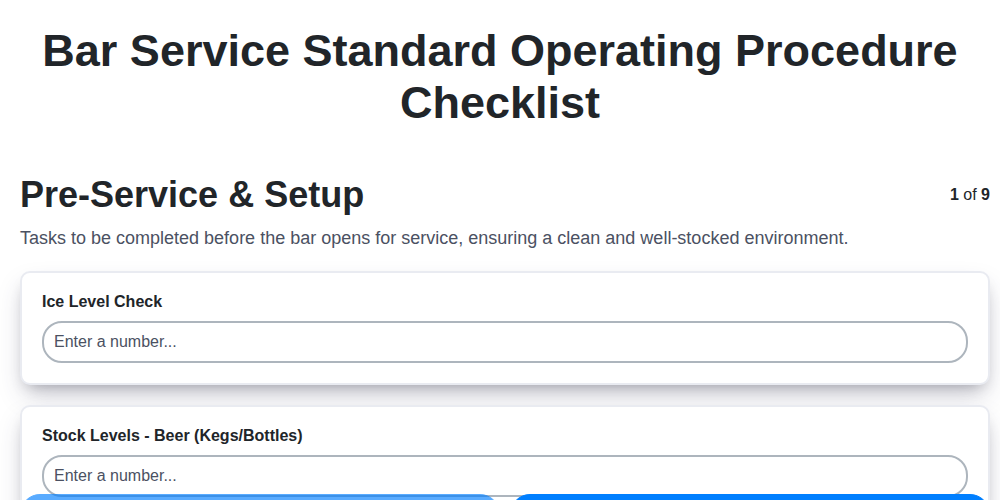
Table of Contents
- Why a Bar Service SOP Checklist is Essential
- Building Blocks: Core Components of Your Checklist
- Daily Operations: Maintaining Consistency
- Inventory Management: Tracking and Ordering
- Safety and Emergency Procedures
- Cleaning and Maintenance Schedules
- Training Your Bar Team: Implementing the SOP
- Customizing Your Checklist for Your Bar
- Reviewing and Updating Your SOP Regularly
- Resources & Links
TLDR: Get a free, ready-to-use checklist to standardize your bar's service - covering everything from cleaning and inventory to emergency procedures and responsible alcohol service. It helps ensure consistency, quality, and legal compliance for your bar team.
Why a Bar Service SOP Checklist is Essential
Beyond simply ensuring drinks are made correctly, a comprehensive Bar Service SOP checklist offers a cascade of benefits that contribute directly to your bar's bottom line and overall reputation. It fosters consistency-every drink, every interaction, aligns with your established standards, creating a predictable and positive experience for your guests. This consistency translates to higher customer satisfaction and repeat business.
Furthermore, a clear SOP checklist minimizes errors, reduces waste (think ingredient spoilage and inaccurate pours), and streamlines operations, freeing up staff to focus on providing exceptional service rather than improvising. It provides a framework for efficient training of new hires, accelerating their learning curve and ensuring they uphold your bar's values from day one.
Crucially, a well-defined SOP acts as a vital layer of legal and risk mitigation. It demonstrates due diligence in responsible alcohol service, protecting your business from potential liabilities related to underage drinking, over-serving, or other alcohol-related incidents. Ultimately, it's an investment in the long-term health and success of your bar.
Building Blocks: Core Components of Your Checklist
Your Bar Service SOP checklist isn't just a list; it's a meticulously constructed system. Let's break down the core components that make it effective and ensure your team consistently delivers exceptional service. These elements work in tandem, supporting each other to create a streamlined and reliable operation.
First, Task Breakdown: Each major area-like drink preparation, guest interaction, or closing procedures-should be divided into granular, actionable tasks. Instead of "Prepare Drinks," think "Measure 2oz Gin, 0.75oz Fresh Lime Juice, 0.5oz Simple Syrup, Shake with Ice, Double Strain into Coupe." This eliminates ambiguity and promotes consistency.
Next, Defined Standards: For each task, establish clear standards. This goes beyond simply listing steps; it defines how those steps should be performed. This might involve specifying precise measurements, acceptable noise levels when blending, or protocols for handling customer complaints.
Responsibility Assignment is critical. Clearly designate who is responsible for each task. This ensures accountability and prevents tasks from falling through the cracks. Even for seemingly minor duties, knowing who owns a specific action promotes ownership and prevents duplication of effort.
Finally, Documentation & Visual Aids significantly enhance understanding and compliance. Checklists, flowcharts, and even short training videos demonstrating proper techniques reinforce the written procedures and make it easier for new hires to onboard quickly and consistently. Don't underestimate the power of a well-placed visual cue!
Daily Operations: Maintaining Consistency
Daily operations are the backbone of any successful bar, and maintaining consistency in those daily routines is crucial. It's not enough to have a great recipe or a fantastic atmosphere; those elements need to be consistently delivered, shift after shift. Think of it like baking a cake - you can have the best ingredients, but if you don't follow the steps consistently, the result will be unpredictable.
This means establishing clear, repeatable processes for everything from opening procedures to closing routines. For example, the opening shift shouldn't be a frantic rush; it should follow a checklist ensuring everything is properly stocked, clean, and functioning. This includes calibrating draft systems, checking ice levels, replenishing glassware, and verifying point-of-sale (POS) functionality. Similarly, a standardized closing procedure-covering cash handling, restocking, deep cleaning, and security checks- prevents costly errors and ensures a smooth start for the next team.
Beyond the basic checklist items, consider implementing a "station reset" system mid-shift. This involves designated periods for bartenders to tidy their stations, restock supplies, and wipe down surfaces, keeping the workspace clean and efficient throughout the service. Regular communication between shifts - a quick handover outlining any issues or specials - ensures everyone is on the same page. Consistent execution of these daily tasks, regardless of who's on shift, minimizes variation and guarantees a consistently positive experience for your guests.
Inventory Management: Tracking and Ordering
Effective inventory management is the backbone of a profitable bar. Without it, you're essentially operating blind - potentially losing money through spoilage, overspending, or stockouts that frustrate customers and halt service. It's more than just knowing when to reorder; it's about understanding consumption patterns, predicting demand, and minimizing waste.
Here's a breakdown of key practices:
1. Implement a Tracking System: Whether you use a sophisticated POS system with inventory tracking capabilities or a simple spreadsheet, consistent recording is essential. Track every bottle, keg, and garnish - even the seemingly insignificant ones. Note opening dates, par levels (the ideal amount to have on hand), and reorder points.
2. Daily Spot Checks: Quick visual checks at the end of each shift can catch discrepancies early. Are bottles missing that shouldn't be? Is the garnish supply dwindling faster than expected? These observations provide valuable context for more detailed inventory counts.
3. Regular Inventory Counts (Weekly/Monthly): Schedule more comprehensive inventory counts - ideally weekly for high-volume items and monthly for less frequently used ingredients. Physical counts should be compared to your tracking system's records, and any variances investigated thoroughly. Don't just note discrepancies; find out why they occurred (theft, breakage, inaccurate ordering, etc.).
4. Understand Consumption Patterns: Analyze past sales data and factor in seasonal variations, special events, and promotional activities. This helps you forecast future demand and order more accurately. A sudden surge in Margarita sales during a Cinco de Mayo promotion should inform your tequila and lime orders for the following year.
5. Build Relationships with Suppliers: Open communication with your suppliers can provide valuable insights into pricing trends and potential shortages. Negotiating favorable terms and securing reliable supply chains can significantly impact your profitability.
6. Par Levels and Reorder Points: Establish clear par levels for each item and calculate corresponding reorder points. These act as your safety net, ensuring you always have enough product on hand without overstocking. Reorder points should factor in lead times (the time it takes for orders to arrive).
7. Waste Reduction Strategies: Minimize waste through proper storage, rotation (first in, first out - FIFO), and creative utilization of ingredients. A spent citrus wedge doesn't have to be trash - it can become a key ingredient in a homemade cleaner or infused spirit.
Safety and Emergency Procedures
A thriving bar isn't just about great drinks and a lively atmosphere; it's about ensuring the safety and well-being of your staff and patrons. A well-defined emergency action plan is not just a nice-to-have, it's a crucial element of responsible bar operation. This section outlines essential procedures to prepare for and respond to potential incidents.
Fire Safety: Be Prepared, React Swiftly
Familiarize all staff with the location and proper use of fire extinguishers. Regular fire drills, even brief ones, can significantly improve response time and reduce panic. Ensure clear and well-lit evacuation routes are posted and easily accessible. Designated fire marshals, trained to assist in evacuation, can be invaluable during emergencies.
Medical Emergencies: First Aid Fundamentals
Basic first aid and CPR training for key personnel is strongly recommended. Knowing how to handle common medical issues, like choking or allergic reactions, can be life-saving. Maintain a well-stocked first aid kit and ensure staff know its location. Post emergency contact numbers, including local emergency services and a designated point of contact for medical assistance.
Security Concerns: Handling Disruptive Situations
Establish clear protocols for dealing with intoxicated or aggressive patrons. Train staff in de-escalation techniques and recognizing signs of potential trouble. Know the location of security personnel (if applicable) and establish a discreet communication system for requesting assistance. Prioritize the safety of everyone and avoid direct confrontation if possible. Cooperate fully with law enforcement.
Natural Disasters & Power Outages:
Develop plans for potential natural disasters common to your region (e.g., hurricanes, earthquakes, floods). Secure outdoor furniture and equipment. Ensure backup lighting is available in case of power outages. Have a system for communicating with staff and patrons during an emergency.
Regular Review & Training:
This emergency action plan is not a static document. Review and update it regularly to reflect changes in regulations, staff, or potential risks. Conduct regular training sessions to ensure all staff are familiar with the procedures and confident in their ability to respond effectively. Practicing these scenarios, even in tabletop exercises, can make all the difference when real-life emergencies arise.
Cleaning and Maintenance Schedules
Consistency is key when it comes to keeping your bar sparkling and your equipment running smoothly. A haphazard approach to cleaning and maintenance can lead to costly repairs, health code violations, and a negative impact on the overall guest experience. Below, we're outlining suggested schedules, but remember to tailor these to your bar's specific needs, volume, and the types of equipment you use.
Daily Tasks (Should be completed by closing staff):
- Bar Top & Rail Wipe-Down: A thorough wipe-down with a sanitizing solution to remove spills, sticky residue, and potential contaminants.
- Glassware Cleaning: Proper washing and rinsing of all glassware, ensuring it's free from spots and fingerprints. Utilize a glasswashing machine if available.
- Speed Rail Organization: Replenish frequently used ingredients and ensure the speed rail remains organized and easy to navigate.
- Floor Spot Cleaning: Address any spills or messes immediately to prevent slips and falls.
- Equipment Surface Wipe-Down: Briefly wipe down the exterior surfaces of blenders, ice machines, and other frequently used equipment.
Weekly Tasks (Assigned to a designated staff member or cleaning crew):
- Deep Bar Top Cleaning: Utilize a commercial-grade cleaner to remove stubborn stains and buildup on the bar top.
- Ice Machine Cleaning & Sanitizing: Follow manufacturer's instructions for cleaning and sanitizing the ice machine. This is crucial for ice quality and safety.
- Refrigerator & Cooler Cleaning: Remove items, clean shelves, and wipe down the interior of refrigerators and coolers.
- Faucet & Drain Cleaning: Address any buildup or blockages in faucets and drains.
- Garnish Preparation Area Cleaning: Thoroughly clean the area where garnishes are prepared, ensuring proper hygiene.
Monthly Tasks (Often requires a more extensive cleaning process):
- Equipment Detail Cleaning: A deeper clean of all equipment, including blenders, coffee machines, and soda machines. This may involve disassembling parts for thorough cleaning.
- Floor Deep Cleaning: Utilize a floor scrubber or professional cleaning service to deep clean the bar floor.
- Ventilation System Cleaning: Clean or replace air filters in ventilation systems to maintain air quality.
- Pest Control Inspection: Schedule a routine pest control inspection to prevent infestations.
Quarterly/Annual Maintenance:
- Ice Machine Descaling: Descale ice machines to remove mineral deposits and ensure optimal performance.
- Soda Machine Maintenance: Schedule professional maintenance for soda machines, including cleaning and calibration.
- Equipment Inspections: Arrange for professional inspections of key equipment, such as refrigerators and ovens, to identify and address potential issues.
- Review and Update Maintenance Logs: Regularly review maintenance logs to track completed tasks and identify any recurring problems.
Implementing a robust cleaning and maintenance schedule demonstrates a commitment to quality, hygiene, and the longevity of your bar's assets.
Training Your Bar Team: Implementing the SOP
Simply having a comprehensive checklist isn't enough; it's the training that brings it to life. A well-crafted SOP is only as effective as the team that follows it. Here's how to ensure your bar team not only understands the checklist, but truly embraces it:
Initial Onboarding: The SOP should be a core component of new employee onboarding. Don't bury it in a stack of paperwork. Dedicate time to walk through each section, explaining the why behind each procedure. This isn't just about compliance; it's about understanding the reasoning that contributes to consistent quality and a positive guest experience.
Hands-on Demonstrations: Pair theoretical learning with practical demonstrations. Have experienced bartenders walk new hires through each task, modeling the correct techniques and answering questions. Real-world scenarios are invaluable.
Role-Playing and Scenario Practice: Don't be afraid to create challenging scenarios - a demanding customer, a spill, a payment discrepancy. Role-playing allows team members to practice their responses in a safe environment, building confidence and preparing them for real-life situations.
Regular Refreshers & Ongoing Coaching: SOPs aren't static. Periodic refresher sessions (e.g., monthly quick reviews) reinforce best practices and address any common mistakes. Ongoing coaching, both formal and informal, helps individuals improve and maintain their skills. Positive reinforcement and constructive feedback are crucial.
Checklists as a Training Tool: Encourage bartenders to use the checklist during training and early shifts. This reinforces the steps and provides a tangible reminder of the expected procedures.
Lead by Example: Management must consistently demonstrate adherence to the SOP. This sets the tone and reinforces the importance of following procedures. A visible commitment from the top is essential for buy-in.
Feedback Loop: Encourage open communication and create a safe space for feedback. Ask your team what's working, what's not, and how the SOP can be improved. This collaborative approach fosters ownership and increases the likelihood of long-term success.
Customizing Your Checklist for Your Bar
No two bars are exactly alike. What works wonders for a bustling sports bar might fall flat in an intimate cocktail lounge. That's why this comprehensive checklist is a starting point, not a rigid blueprint. Truly effective SOPs are deeply ingrained within the unique fabric of your establishment.
Here's how to tailor it:
1. Consider Your Bar's Concept & Clientele: A high-volume, casual bar will necessitate different procedures than a fine-dining cocktail bar. Analyze your target audience - their expectations, preferences, and the overall atmosphere you aim to cultivate. Adjust your checklist to reflect this.
2. Equipment & Inventory Specifics: Replace generic mentions with your precise equipment names and brands. For example, instead of blenders, specify Vitamix blenders. Document specific garnish preparation techniques tailored to your signature cocktails.
3. Local Regulations & Licensing: This is critical. Your checklist must incorporate all relevant local, state, and federal laws regarding alcohol service, sales, and employee conduct. Consult with legal counsel to ensure compliance.
4. Skill Levels & Training Needs: Assess the skill levels of your team. If a particular task requires specialized training, add a note to the checklist indicating the need for instruction and specify the training method (e.g., hands-on demonstration, online module).
5. Continuous Feedback & Iteration: Encourage your staff to provide feedback on the checklist. Regularly review the checklist, observe operations, and make adjustments based on performance and emerging needs. A living document evolves alongside your business.
Reviewing and Updating Your SOP Regularly
A static SOP is a useless SOP. The bar industry is dynamic - regulations change, customer preferences evolve, and your team's expertise grows. What worked perfectly a year ago might be inefficient or even outdated today. That's why a robust review and update cycle is absolutely critical.
Don't just create an SOP and file it away. Schedule regular reviews - ideally quarterly, but at a minimum annually. During these reviews, solicit feedback from your entire team. Bartenders, servers, managers - everyone has valuable insights into what's working and what isn't. Are there bottlenecks in the service process? Are certain tasks unnecessarily complicated? Are new products or techniques being used that should be incorporated into the SOP?
Beyond formal reviews, encourage ongoing feedback. Create a system for staff to easily submit suggestions for improvement. This could be a simple suggestion box, a dedicated email address, or a digital platform.
Document all changes thoroughly. Include the date, the person who made the change, and the reason for the modification. This provides a valuable audit trail and helps ensure accountability. Finally, when updates are made, communicate them clearly to the entire team. Reinforce training on revised procedures to guarantee consistent implementation.
Resources & Links
- Hospitality Skills: Offers a wide range of hospitality training resources, including bartending courses and guides on operational procedures. A good resource for foundational knowledge related to SOPs.
- The Bar Consultant: Provides bar consulting services, often including SOP development and implementation. Their website has articles and insights into best practices for bar operations, which can inform your checklist.
- ServSafe: Industry-leading provider of food and beverage safety training and certification. Crucial for the 'Safety and Emergency Procedures' section - ensure compliance with local regulations.
- POS System Blog (Various POS Providers): Many Point of Sale (POS) providers (like Square, Toast, Revel) have blogs with content on bar management, inventory tracking, and operational efficiency. Search their blogs for relevant articles; inventory management is a key area.
- Restaurant Owner Magazine: A resource for restaurant and bar owners, featuring articles on a variety of topics, including staff training, cost control, and operational efficiency - helpful for contextualizing the SOPs.
- Tips Industry: Specifically addresses legal and operational aspects of tipping, gratuity handling, and service standards, which relates to fair and consistent service - useful for defining service expectations in your SOP.
- Barbot: While a vendor providing automated bar solutions, their website and resources discuss operational challenges and best practices in the bar industry, which can inform your SOP considerations.
- Liquor License: Provides information on liquor laws and regulations, critical for ensuring your SOPs align with legal requirements and responsible alcohol service.
- OSHA (Occupational Safety and Health Administration): Provides information and guidelines on workplace safety and health standards. Essential for ensuring your 'Safety and Emergency Procedures' section complies with regulations.
- CDC (Centers for Disease Control and Prevention): Provides guidance on public health issues, including foodborne illness prevention and hygiene practices, particularly relevant during and after the pandemic.
Frequently Asked Questions
What is a Bar Service SOP Checklist Template?
It's a document outlining the standardized procedures (SOPs) for bar service, presented in a checklist format. It ensures consistency, efficiency, and quality in all aspects of bar operations, from setup to breakdown.
Why do I need a Bar Service SOP Checklist Template?
It helps maintain consistency in service, minimizes errors, ensures legal compliance (alcohol service), trains new staff efficiently, improves operational efficiency, reduces waste, and protects your establishment from liability.
What types of tasks are typically included in a Bar Service SOP Checklist Template?
Common inclusions are bar setup (stocking, glassware, ice), opening procedures, order taking and preparation, responsible alcohol service checks (ID verification, intoxicated guest assessment), cleaning and maintenance, closing procedures, and cash handling.
Is this checklist template customizable?
Yes! Our template is designed to be adaptable. You can add, remove, or modify tasks to align with your specific bar's needs, equipment, and local regulations. We encourage tailoring it to your unique operating procedures.
Who should use this checklist?
This checklist is beneficial for bartenders, bar managers, bar owners, and anyone involved in bar service operations. It's a valuable training tool for new hires and a useful reminder for experienced staff.
Does the template include legal compliance considerations?
The checklist highlights areas related to responsible alcohol service and compliance (e.g., ID checks, refusal of service to intoxicated guests), but it's crucial to consult with legal counsel to ensure complete adherence to all local and state laws.
How can I best implement the checklist into my bar's operations?
Begin by familiarizing yourself with the checklist and customizing it to your specific needs. Train your staff on the procedures outlined, regularly review the checklist to identify areas for improvement, and incorporate it into your daily or shift routines.
Are there any resources for responsible alcohol service training that you recommend?
We recommend exploring resources from organizations like TIPS (Training for Intervention Procedures), ServSafe, and your local alcohol beverage control agency for comprehensive responsible alcohol service training programs.
Comments
There are no comments yet. Be the first to add one!
Hospitality Management Solution Demo
Running a hotel, restaurant, or other hospitality business is demanding. ChecklistGuro's Work OS platform simplifies management, from reservations and guest services to inventory and staff scheduling. Improve efficiency, enhance guest experience, and boost profitability! See how ChecklistGuro can transform your hospitality operations.
Related Articles
Your Ultimate Security Camera Monitoring Log Checklist Template
Payroll Processing Verification Checklist Template: Your Guide to Accuracy
Complaint Handling Checklist Template: Resolve Issues & Retain Customers

Emergency Evacuation Drill Documentation: Your Checklist Template Guide

Mastering Incident Response: Your Free Reporting Protocol Checklist Template
Conquer Your Kitchen: A Monthly Deep Cleaning Checklist Template
Mastering Food Safety: Your Free Temperature Control Checklist Template
Mastering Hand Hygiene: Your Compliance Checklist Template
Need help with
Hospitality?
Have a question? We're here to help. Please submit your inquiry, and we'll respond promptly.