Calibration Management Workflow for Manufacturing Equipment
Published: 03/30/2026 Updated: 03/31/2026
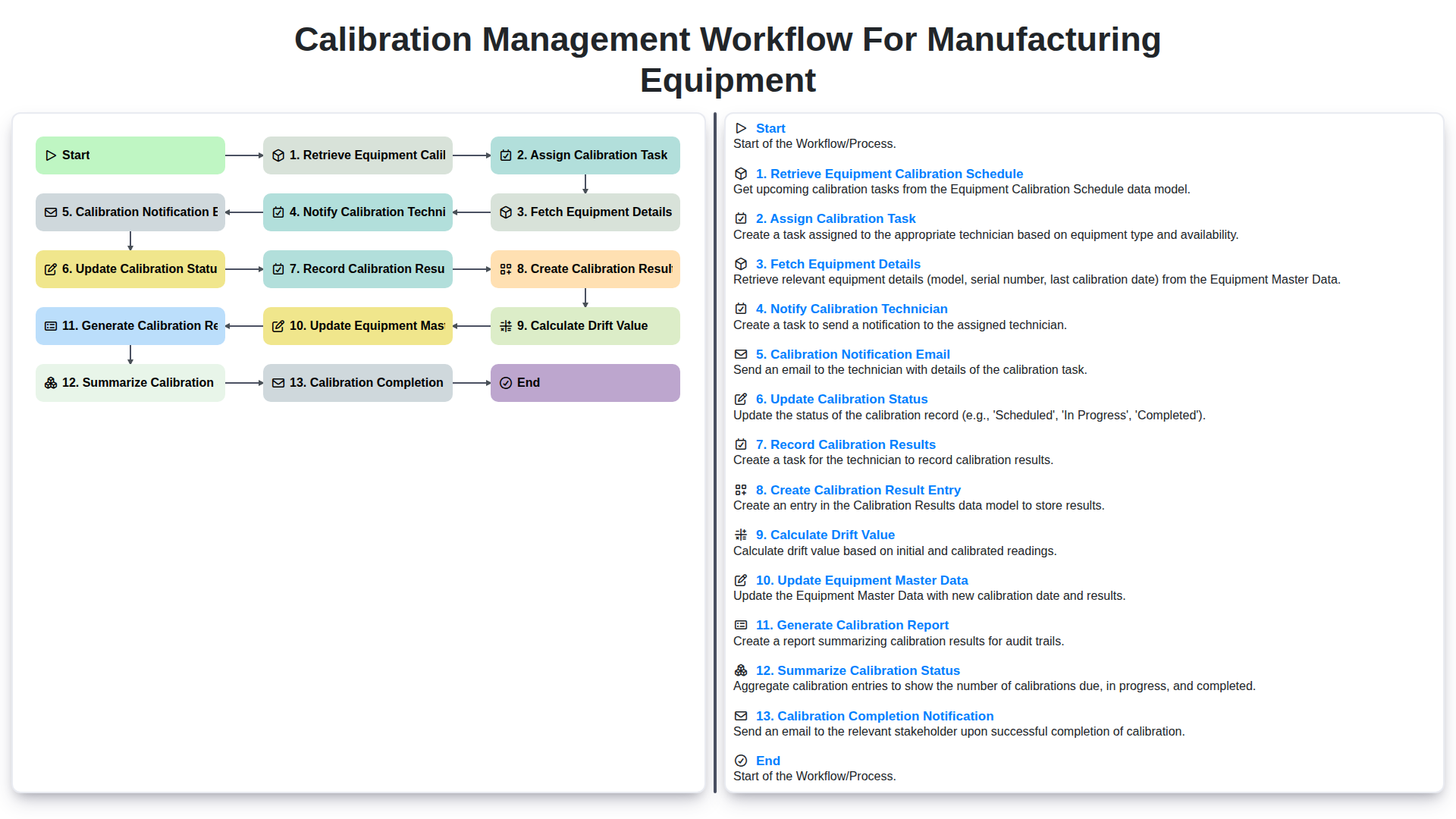
Table of Contents
- Introduction: Why Calibration Management Matters
- The Calibration Management Workflow: A Step-by-Step Guide
- 1. Retrieve Equipment Calibration Schedule
- 2. Assign Calibration Task
- 3. Fetch Equipment Details
- 4. Notify Calibration Technician
- 5. Calibration Notification Email - Ensuring Clarity
- 6. Performing the Calibration: Best Practices
- 7. Record Calibration Results - Accuracy is Key
- 8. Create Calibration Result Entry in the System
- 9. Drift Value Calculation: Identifying Performance Degradation
- 10. Updating Equipment Master Data with Calibration Information
- 11. Generating Calibration Reports for Compliance and Analysis
- 12. Summarizing Calibration Status: Proactive Maintenance
- 13. Calibration Completion Notification: Closing the Loop
- Conclusion: Optimizing Manufacturing Efficiency Through Calibration
- Resources & Links
TLDR: Keep your manufacturing equipment running smoothly and compliant with regulations! This workflow automates calibration management - from scheduling and task assignment to result recording, drift calculation, and reporting. It streamlines communication, ensures accuracy, and reduces the risk of costly downtime by keeping everything organized and on track.
Introduction: Why Calibration Management Matters
In manufacturing, precision is paramount. The reliability of your equipment directly impacts product quality, production efficiency, and ultimately, your bottom line. Calibration management - the process of ensuring instruments and equipment consistently produce accurate results - isn't just a best practice; it's a necessity.
Without a robust calibration program, you risk inaccurate measurements, faulty products, increased downtime due to unexpected failures, and potential regulatory non-compliance. Imagine a filling machine dispensing inconsistent volumes or a temperature sensor providing inaccurate readings - the consequences can be significant. A well-defined calibration management workflow not only minimizes these risks but also contributes to a culture of continuous improvement and operational excellence. This post will delve into a comprehensive workflow that streamlines this critical process, helping you maintain the integrity of your manufacturing operations.
The Calibration Management Workflow: A Step-by-Step Guide
Maintaining the accuracy and reliability of manufacturing equipment is paramount for consistent product quality and operational efficiency. A robust calibration management workflow is the backbone of this process. Here's a detailed breakdown of the steps involved, ensuring a streamlined and traceable calibration process:
1. Retrieve Equipment Calibration Schedule: The process begins by accessing the calibration schedule for each piece of equipment. This schedule outlines the frequency of calibration based on manufacturer recommendations, regulatory requirements, and usage patterns. Systems often leverage a centralized database or CMMS (Computerized Maintenance Management System) to store and manage this information.
2. Assign Calibration Task: Once the calibration date approaches, a calibration task is assigned to a qualified technician. This assignment includes specifying the equipment identifier, calibration due date, and any specific instructions or procedures.
3. Fetch Equipment Details: Before commencing calibration, the technician retrieves comprehensive equipment details. This includes the equipment's make, model, serial number, previous calibration records, and associated documentation - all essential for a thorough assessment.
4. Notify Calibration Technician: Automated notifications alert the assigned technician about the upcoming calibration task. This proactive notification ensures timely scheduling and reduces the risk of missed deadlines.
5. Calibration Notification Email: A formal email confirmation is sent to the technician, detailing the equipment to be calibrated, the due date, and providing links to relevant documentation and procedures.
6. Update Calibration Status: The calibration status is updated to In Progress within the calibration management system, providing real-time visibility into the calibration process.
7. Record Calibration Results: During the calibration process, the technician meticulously records all measurement data, observations, and any deviations from expected performance. This detailed record forms the foundation for analysis and corrective actions.
8. Create Calibration Result Entry: A formal calibration result entry is created in the system, consolidating all recorded data and observations into a structured format. This entry serves as an auditable record of the calibration event.
9. Calculate Drift Value: The system automatically calculates the drift value, which represents the difference between the measured value and the established standard. This key metric highlights potential equipment degradation and informs future maintenance strategies.
10. Update Equipment Master Data: The calculated drift value and all calibration results are integrated into the equipment's master data record. This enriched data provides a historical perspective on equipment performance.
11. Generate Calibration Report: A comprehensive calibration report is automatically generated, summarizing the calibration results, drift values, and any recommended adjustments. This report facilitates communication with stakeholders and provides documentation for audits.
12. Summarize Calibration Status: The system provides a consolidated view of the calibration status for all equipment, highlighting those requiring immediate attention and identifying potential trends in calibration performance.
13. Calibration Completion Notification: Upon successful completion of the calibration, a notification is sent to relevant personnel, confirming the equipment is back in service and its calibration is current.
1. Retrieve Equipment Calibration Schedule
The foundation of any robust calibration management workflow begins with knowing what needs calibration and when. This initial step involves retrieving the equipment calibration schedule. This isn't just a static list; it's a dynamic document that considers factors like manufacturer recommendations, regulatory requirements, equipment usage patterns, and historical performance.
Our system automatically pulls calibration schedules from a centralized database, drawing on information from various sources. This might involve integrating with CMMS (Computerized Maintenance Management System) data, ERP (Enterprise Resource Planning) systems, and even direct input from equipment manufacturers. The system prioritizes equipment based on criticality - identifying which machines are essential for production and require the most frequent and stringent calibration. This automated retrieval minimizes manual effort, reduces the risk of missed deadlines, and ensures a proactive approach to maintaining equipment integrity. It also allows for easy visualization of upcoming calibrations, helping planners anticipate workload and allocate resources effectively.
2. Assign Calibration Task
Once the equipment's calibration schedule is retrieved, the next crucial step is assigning the calibration task to a qualified technician. This isn't just about picking someone available; it's about ensuring the right skillset and availability align with the equipment's specific needs.
The assignment process should ideally be automated within your system. Factors to consider during assignment include:
- Technician Skillset: Matching the technician's expertise to the equipment type. A specialist in pressure gauges wouldn't be the best choice for a temperature sensor.
- Workload: Distributing the workload evenly among available technicians, preventing bottlenecks and delays.
- Prioritization: Assigning higher priority to critical equipment or those nearing their calibration due date.
- Availability: Factoring in scheduled time off or ongoing projects.
The system should automatically generate a task record containing all relevant information about the calibration, including the equipment ID, due date, required standard, and any specific instructions. This clear task assignment ensures accountability and reduces the risk of miscommunication or missed deadlines. Confirmation of task acceptance by the technician should also be captured within the system, providing a clear audit trail.
3. Fetch Equipment Details
Once a calibration task is assigned, the next crucial step is to retrieve comprehensive details about the specific piece of equipment needing calibration. This goes beyond just the equipment ID. We need a complete picture to ensure the calibration is performed correctly and efficiently.
This process typically involves querying the Equipment Master Data system. Key details pulled include:
- Equipment Type & Model: Understanding the equipment's design and specifications informs the appropriate calibration procedures and standards.
- Serial Number: This allows for traceability and identification of the exact unit being calibrated.
- Location: Knowing the equipment's location is vital for the technician to reach it.
- Last Calibration Date & Results: Reviewing prior calibration records provides valuable insights into potential drift patterns and equipment performance history.
- Calibration Standard Used: Knowing the standard used previously helps maintain consistency and comparability.
- Calibration Procedure Document Reference: This ensures the technician follows the correct, approved procedure.
- Acceptance Criteria: Clearly defined limits for acceptable performance are essential for accurate assessment.
Accurate and readily accessible equipment details are foundational for a successful calibration and directly impact the quality and reliability of the entire process.
4. Notify Calibration Technician
Once a calibration task is assigned, the next crucial step is to notify the responsible calibration technician. This isn't just about sending a simple message; it's about providing them with all the necessary information upfront to ensure a smooth and efficient calibration process.
Our system automatically sends a notification, typically through email and/or a dedicated mobile app, containing:
- Equipment Identification: Clearly identifies the equipment needing calibration (including ID, location, and description).
- Calibration Due Date: Highlights the urgency and prevents missed deadlines.
- Calibration Procedure: Provides a direct link to the relevant calibration procedure document.
- Assigned Task Details: Includes any specific instructions or notes related to the task.
- Link to Equipment Details: Allows technicians to quickly access further information (see step 3).
This proactive notification minimizes delays, ensures technicians are aware of their responsibilities, and allows them to prepare adequately for the calibration task. A well-informed technician is a more efficient and effective technician!
5. Calibration Notification Email - Ensuring Clarity
The calibration notification email is a critical touchpoint in the entire workflow. A poorly crafted email can lead to missed calibrations, confusion, and ultimately, equipment downtime. This email serves as the official communication to the assigned calibration technician, providing all the essential information they need to proceed.
Here's what a robust calibration notification email should include:
- Clear Subject Line: Something like Calibration Request: [Equipment Name] - Due [Date] is much more effective than generic subject lines.
- Equipment Identification: Clearly state the equipment name, ID, and location.
- Calibration Due Date: Highlight the deadline for completing the calibration.
- Calibration Standard: Specify the standard or procedure the technician should follow.
- Link to Equipment Details: Provide a direct link to the detailed equipment record containing specifications, maintenance history, and any relevant notes. This reduces the need for technicians to search for information.
- Contact Information: Include contact details for the requestor or a support person in case the technician has questions.
- Prioritization: If applicable, indicate the urgency level (e.g., Critical, High, Medium, Low).
- Confirmation Request: Request a confirmation email once the technician accepts the task, ensuring accountability and visibility.
By focusing on clarity and providing comprehensive information, the calibration notification email minimizes errors, speeds up the process, and contributes to a more efficient calibration management system.
6. Performing the Calibration: Best Practices
The actual calibration process itself demands meticulous attention to detail to ensure accurate and reliable results. Here's a breakdown of best practices to follow during this crucial stage:
- Environment Control: Calibration should ideally be performed in a controlled environment that minimizes external factors like temperature, humidity, and vibration. Deviations from established conditions can significantly impact readings.
- Proper Warm-Up: Many instruments require a warm-up period before calibration to stabilize their internal components. Refer to the manufacturer's specifications for recommended warm-up times.
- Standard Equipment Verification: Ensure your calibration standards and reference instruments are traceable to national or international standards and are recently calibrated themselves. A faulty standard will invalidate the entire calibration process.
- Following Procedures: Adhere strictly to the documented calibration procedure for each piece of equipment. This procedure should detail the specific test points, measurement techniques, and acceptance criteria.
- Multiple Readings: Take multiple readings at each test point to ensure repeatability and identify any outliers that may indicate issues with the equipment or the calibration process itself.
- Visual Inspection: Before and during calibration, perform a thorough visual inspection of the equipment for any signs of damage, wear, or contamination. Document any observations.
- Operator Skill: Calibration should be performed by trained and qualified personnel who understand the equipment, the process, and the importance of accurate results.
7. Record Calibration Results - Accuracy is Key
During the calibration process, meticulous record-keeping is paramount. This isn't just about ticking a box; it's about establishing a historical baseline for equipment performance and ensuring traceability. The data recorded should be comprehensive and include the measured values before and after calibration, the calibration standard used (including its serial number and certification details), environmental conditions during calibration (temperature, humidity), and any observations made by the technician.
A standardized data capture format is crucial. Whether you're using a paper-based system (increasingly rare) or a digital platform, the format should be consistent across all equipment and technicians. This allows for easy comparison of data over time and simplifies analysis. Consider capturing:
- Measured Value Before Calibration: This provides a clear understanding of the initial deviation.
- Measured Value After Calibration: This demonstrates the effectiveness of the calibration process.
- Uncertainty of Measurement: Acknowledging the inherent uncertainty in any measurement provides context.
- Technician Identification: Ensures accountability and allows for tracking technician performance.
- Date and Time of Calibration: Provides a precise timeline for reference.
Furthermore, any anomalies or deviations observed during the calibration, even if they don't directly impact the numerical results, should be documented. These observations can often provide valuable insights into potential equipment issues or environmental factors impacting performance. This section of the workflow is the foundation for robust analysis and preventative maintenance.
8. Create Calibration Result Entry in the System
Once the calibration is physically completed and results are recorded, the next crucial step is to formally create a calibration result entry within your manufacturing equipment management system. This isn't just about typing in numbers; it's about creating a permanent, auditable record of the calibration's outcome.
The system should guide you through a standardized entry process. Typically, this involves inputting:
- Calibration Date: The actual date the calibration took place.
- Technician ID: The identifier of the technician who performed the calibration.
- Measured Values: The recorded readings obtained during the calibration process - both as found and as left values.
- Tolerance Limits: The acceptable range of values for the equipment's parameter.
- Pass/Fail Status: A clear indication of whether the equipment met the defined tolerance limits.
- Notes/Comments: A free-text field for any observations or deviations from the standard procedure that occurred during calibration. These notes are invaluable for future troubleshooting or analysis.
A well-designed system will link this entry directly to the equipment's master data record, the assigned calibration task, and the original calibration schedule. This ensures complete traceability and eliminates data silos. Proper entry here is paramount for later reporting, analysis, and regulatory compliance.
9. Drift Value Calculation: Identifying Performance Degradation
Calibration isn't just about ensuring equipment reads within tolerance; it's about understanding how its performance changes over time. This is where drift value calculation becomes critical. Drift represents the deviation of a measurement from its original, calibrated value - essentially, how much the equipment's output has wandered.
Calculating drift involves comparing the as-found measurement (the reading before calibration) with the as-left measurement (the reading after calibration). The difference between these two values is the raw drift. However, to truly understand the significance of this drift, it's often normalized. This normalization might involve dividing the drift by the original calibrated value or using other established industry standards.
A significant drift value signals potential performance degradation and requires further investigation. It could indicate a need for preventative maintenance, component replacement, or even equipment overhaul. Consistent monitoring and tracking of drift values allows for predictive maintenance strategies, minimizing downtime and maximizing equipment lifespan. Our system automatically calculates and records these drift values, providing invaluable insights into equipment health and identifying trends that might otherwise be missed.
10. Updating Equipment Master Data with Calibration Information
Once calibration results are recorded and analyzed, the insights gained are invaluable for maintaining equipment reliability and performance. This step involves directly updating the equipment's master data with the calibration information. This isn't just about archiving data; it's about integrating critical insights into the equipment's ongoing management.
Here's what typically happens:
- Populating Key Fields: Calibration dates, results (e.g., readings, deviations), technician notes, and the overall "calibration passed/failed" status are added to the equipment's record in your CMMS (Computerized Maintenance Management System) or EAM (Enterprise Asset Management) system.
- Drift Value Integration: The calculated drift value, a vital indicator of equipment degradation, is added as a dedicated field. Tracking drift over time allows for predictive maintenance strategies - anticipating issues before they impact production.
- Impact on PM Schedules: Calibration data can automatically trigger adjustments to preventative maintenance (PM) schedules. Consistently failing equipment might necessitate more frequent inspections or specialized maintenance.
- Historical Trend Analysis: Updated master data feeds into historical trend analysis, allowing you to identify patterns and potential systemic problems with specific equipment types or vendors.
- Data Accessibility: The updated data becomes immediately accessible to maintenance teams, engineers, and supervisors, empowering informed decision-making related to equipment use and repair.
This step closes the loop, ensuring that calibration information directly influences equipment management strategies and contributes to a proactive maintenance approach.
11. Generating Calibration Reports for Compliance and Analysis
A comprehensive calibration management workflow culminates in the generation of detailed calibration reports. These reports are absolutely critical for demonstrating compliance with industry standards (like ISO 9001 or GMP), maintaining product quality, and performing insightful analysis of equipment performance.
The calibration report isn't just a formality; it's a living document. It should clearly outline:
- Equipment Identification: Unique identifiers for each piece of equipment calibrated, linking directly to the equipment master data.
- Calibration Details: Date of calibration, calibration standard used, environmental conditions during calibration, and the technician responsible.
- Before & After Readings: Records of the equipment's readings both before and after calibration, showcasing the initial state and the resulting adjustment.
- Uncertainty of Measurement: A clear indication of the uncertainty associated with the calibration results - essential for understanding the reliability of the measurements.
- Drift Values: The calculated drift values (as determined in the workflow) are a key indicator of equipment stability and potential issues.
- Pass/Fail Status: A definitive determination of whether the equipment passed or failed the calibration, based on pre-defined tolerances.
- Corrective Actions: If the equipment failed, a clear record of the corrective actions taken to bring it back into calibration.
- Traceability: Complete traceability back to national or international standards.
These reports should be easily accessible, secure, and allow for filtering and exporting to support auditing and trend analysis. Trend analysis of drift values over time can proactively identify failing equipment before it impacts production, preventing costly downtime and scrap.
12. Summarizing Calibration Status: Proactive Maintenance
Keeping a pulse on the overall calibration status of your manufacturing equipment isn't just about reacting to overdue calibrations; it's about proactive maintenance and optimized performance. A robust calibration management workflow culminates in a clear and accessible summary of the status across your entire fleet of equipment.
This summary isn't just a list of dates. It should provide a holistic view, encompassing:
- Overall Calibration Compliance: Percentage of equipment meeting scheduled calibration deadlines.
- Upcoming Calibrations: A prioritized list of equipment requiring calibration in the near future.
- Overdue Calibrations: Clearly identifies equipment calibration dates that have passed.
- Calibration Technician Workload: Provides visibility into the current workload and potential bottlenecks for calibration technicians.
- Equipment Group/Area Breakdown: Allows for identifying trends and potential issues within specific areas or equipment groups.
- Drift Analysis Trends: Highlighting equipment showing increasing drift values can signal underlying issues needing further investigation.
By regularly reviewing this summarized status - ideally through a dashboard or report - maintenance managers can anticipate potential equipment failures, optimize calibration schedules to minimize downtime, and ensure consistent product quality. This proactive approach, facilitated by a well-defined workflow, transforms calibration management from a reactive chore into a strategic tool for operational excellence.
13. Calibration Completion Notification: Closing the Loop
Once a calibration is successfully completed and all results recorded, the final step is a Calibration Completion Notification. This isn't just a ceremonial checkmark; it's a crucial element in closing the loop and ensuring ongoing equipment reliability.
This notification serves several important functions:
- Confirmation for Stakeholders: It informs relevant personnel (maintenance managers, production supervisors, and even equipment operators) that the calibration has been finalized and the equipment is back in service.
- Documentation of Closure: It formally marks the calibration cycle as complete within the system, preventing any confusion or overlap with future calibrations.
- Potential for Automated Actions: This notification trigger can initiate further automated actions, such as archiving calibration records or scheduling preventative maintenance tasks based on performance trends.
The notification itself can be delivered via various channels - email, on-screen alerts within the equipment management system, or even SMS depending on the organization's preferences. Regardless of the delivery method, it should clearly state the equipment identifier, calibration date, and technician responsible, along with a link to the complete calibration record for easy reference. This final notification reinforces the effectiveness of the entire workflow and contributes to a proactive maintenance strategy.
Conclusion: Optimizing Manufacturing Efficiency Through Calibration
Implementing a robust calibration management workflow isn't just about adhering to regulations - it's a strategic investment in manufacturing excellence. By automating and streamlining the process, from schedule retrieval to report generation, you're significantly reducing the risk of equipment failure, minimizing downtime, and improving product quality. This workflow, built around proactive maintenance and data-driven insights, fosters a culture of precision and reliability within your operations. Ultimately, a well-managed calibration program translates to increased efficiency, reduced costs, and a competitive edge in today's demanding manufacturing landscape. Embracing this approach moves calibration from a reactive task to a proactive driver of operational success.
Resources & Links
- National Institute of Standards and Technology (NIST): Provides standards, measurements, and research to advance innovation and competitiveness. Crucial for understanding calibration standards and metrology.
- International Organization for Standardization (ISO): Develops and publishes international standards. ISO 9001 and ISO 17025 are key for quality management and laboratory accreditation, relevant to calibration processes.
- Association for the Service Industry (ASIA): Provides resources, education, and advocacy for the service industry, including calibration and maintenance. Offers valuable insights into best practices.
- Quality Digest: A leading online publication covering quality management, reliability, and maintenance. Articles on calibration management and related topics can be found here.
- ReliabilityWeb: Provides resources, training, and consulting services focused on reliability engineering and asset management. Relevant content on predictive maintenance and calibration.
- MRO Software: A provider of asset and equipment management software, with resources on calibration management software and best practices for asset maintenance.
- Fluke Corporation: A leading provider of test and measurement equipment, including calibration tools and services. Useful for understanding calibration equipment and techniques.
- Hexagon Metrology: Offers advanced measurement solutions, including coordinate measuring machines (CMMs) and other calibration equipment. Provides insights into precision measurement technology.
- Emerson: Offers a wide range of industrial automation and asset management solutions, including calibration management systems and software.
- Maintenance.com: Provides resources and a job board for maintenance professionals, including information on equipment calibration and maintenance programs.
Frequently Asked Questions
What is a calibration management workflow?
A calibration management workflow is a structured, step-by-step process used in manufacturing to ensure that all measuring and testing equipment is performing within specified accuracy limits through regular inspection, testing, and adjustment.
Why is a standardized workflow important for manufacturing equipment?
A standardized workflow ensures consistency, reduces the risk of human error, maintains compliance with industry regulations (such as ISO standards), and prevents costly production downtime caused by inaccurate measurements.
What are the key stages in a typical calibration workflow?
The key stages include equipment identification and inventory, scheduling of calibration intervals, performing the actual calibration, documenting results, managing out-of-tolerance findings, and updating the maintenance logs.
How often should manufacturing equipment be calibrated?
Calibration frequency depends on the specific type of equipment, the manufacturer's recommendations, the intensity of use, and regulatory requirements. It is typically determined by a risk-based approach or set intervals (e.g., monthly, quarterly, or annually).
What should be done if a piece of equipment fails calibration?
If equipment is found to be out of tolerance, it should be immediately taken out of service, labeled as 'unfit for use,' and subjected to a root cause analysis to determine if previously manufactured products were affected by the inaccuracy.
How can digital tools improve the calibration management process?
Digital tools, such as Calibration Management Software (CMS), automate scheduling alerts, provide real-time tracking of equipment status, ensure data integrity through digital audit trails, and simplify the generation of compliance reports.
Comments
There are no comments yet. Be the first to add one!
Manufacturing Management Solution Demo
Stop chasing paperwork and wrestling with disconnected systems! Our solution brings clarity and control to your production process. From standard operating procedures (SOPs) and equipment maintenance to quality control and inventory tracking, we simplify every step.
Related Articles
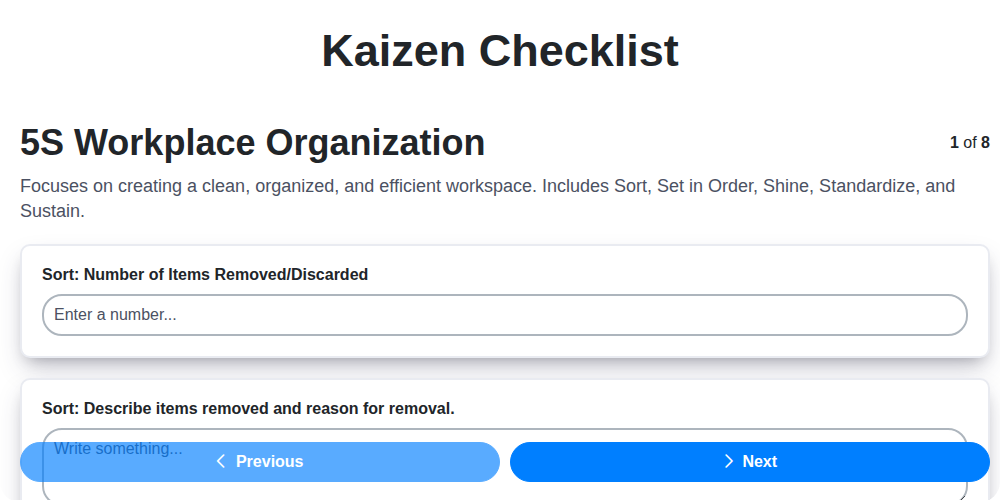
Kaizen Checklist Template: Your Path to Continuous Improvement

Machine Safety Audit Checklist: Your Guide to a Safer Manufacturing Workplace
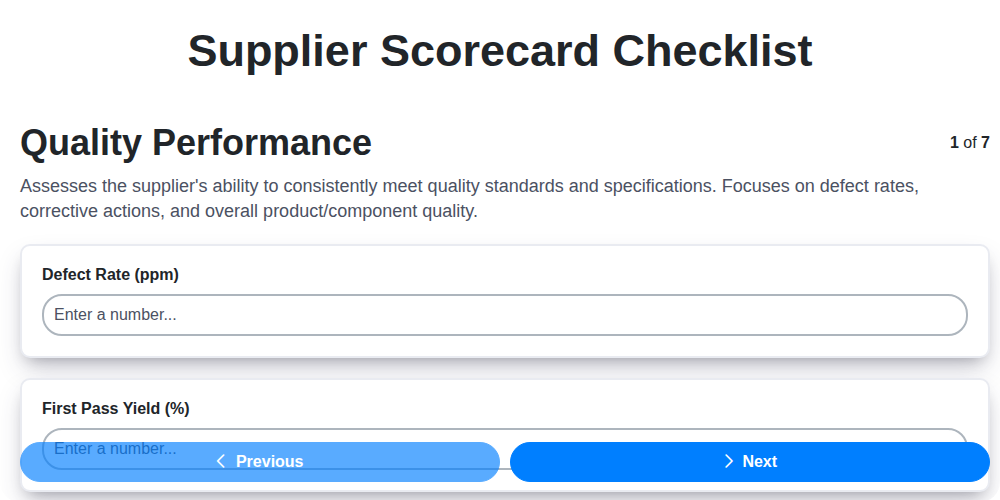
Mastering Supplier Performance: Your Free Supplier Scorecard Checklist Template
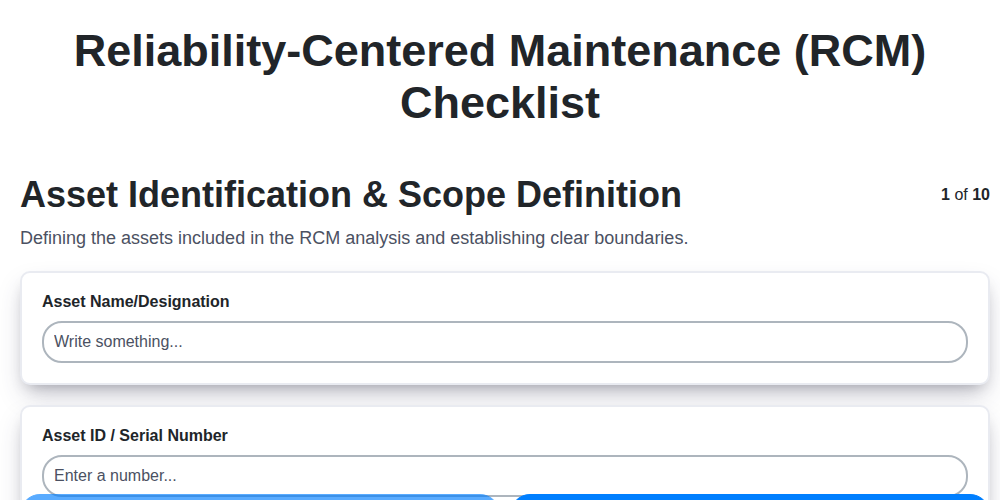
Your Ultimate RCM Checklist Template: A Step-by-Step Guide

LPA Checklist Template: Your Guide to Layered Process Audits

Your Ultimate Lockout/Tagout (LOTO) Checklist Template

Your Ultimate FSC 22000 Checklist Template
Quality Control Inspection Checklist Template: Prevent Defects & Improve Manufacturing Processes
We can do it Together
Need help with
Checklists?
Have a question? We're here to help. Please submit your inquiry, and we'll respond promptly.