Mastering Customer Loyalty Program Management: A Step-by-Step Workflow Template
Published: 06/04/2026 Updated: 10/05/2026
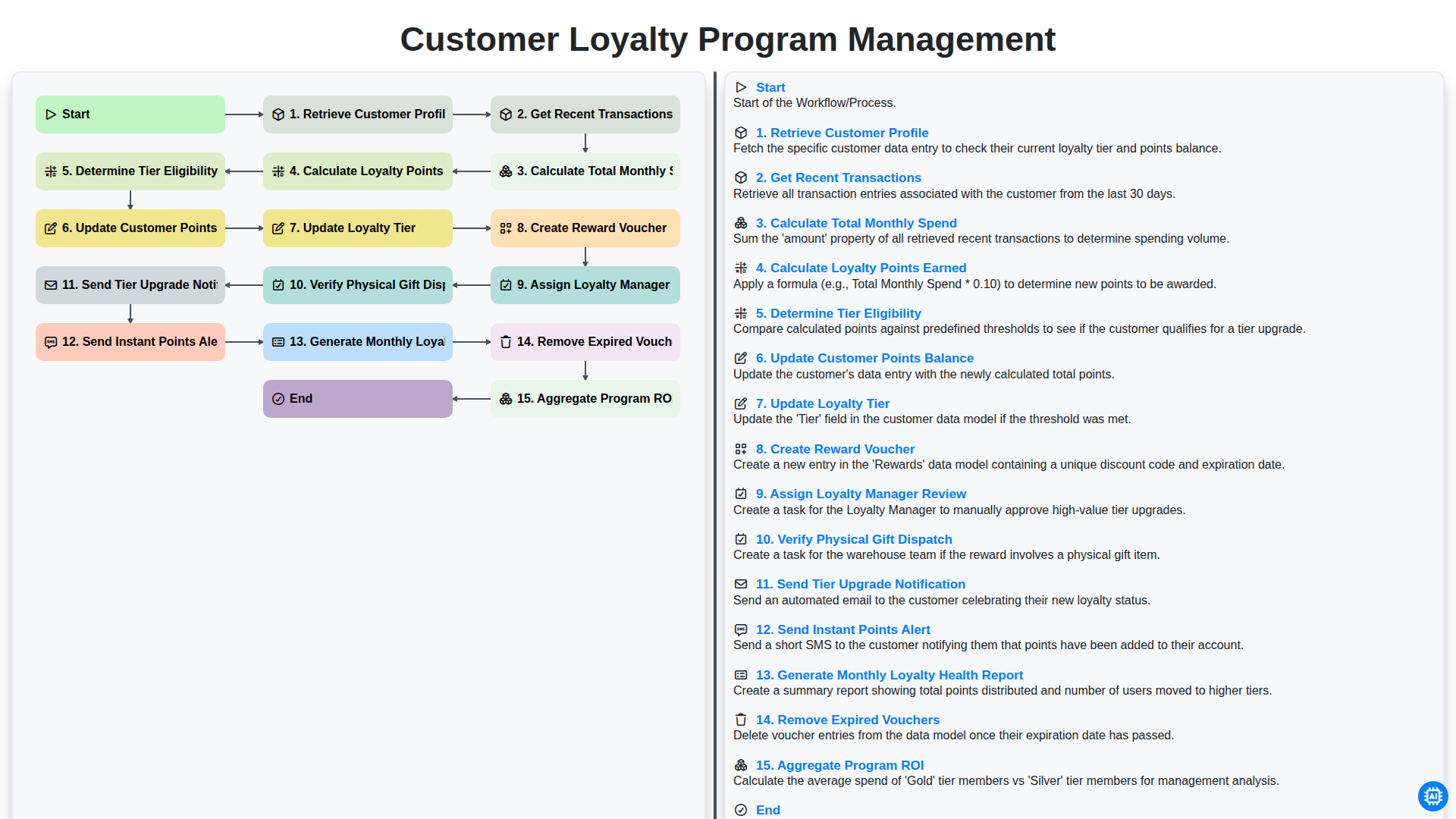
Table of Contents
- Introduction: The Importance of Automated Loyalty Management
- Phase 1: Data Retrieval and Transaction Analysis
- Step 1: Retrieving the Customer Profile
- Step 2: Fetching Recent Transaction History
- Phase 2: Calculating Value and Point Accrual
- Step 3: Analyzing Monthly Spending Patterns
- Step 4: Calculating Earned Loyalty Points
- Phase 3: Tier Logic and Account Updates
- Step 5: Determining Tier Eligibility
- Step 6: Updating Points Balances and Loyalty Tiers
- Phase 4: Reward Fulfillment and Operations
- Step 7: Voucher Generation and Manager Review
- Step 8: Managing Physical Gift Dispatch and Verification
- Phase 5: Communication and Automated Notifications
- Step 9: Sending Instant Alerts and Tier Upgrade Notifications
- Phase 6: Program Maintenance and Performance Analytics
- Step 10: Managing Expired Vouchers and Monthly Health Reports
- Step 11: Evaluating Program ROI and Long-term Growth
- Resources & Links
TLDR: Learn how to automate and optimize your retention strategies with this comprehensive guide to our Customer Loyalty Program Management workflow. This post breaks down a complete, end-to-end automation template-from analyzing real-time transaction data and calculating points to automating tier upgrades and generating ROI reports-designed to help you scale personalized rewards and maximize customer lifetime value.
Introduction: The Importance of Automated Loyalty Management
In today's hyper-competitive marketplace, retaining an existing customer is significantly more cost-effective than acquiring a new one. However, true customer loyalty is no longer achieved through simple discounts alone; it requires a personalized, seamless, and rewarding experience that makes every customer feel valued. This is where a structured, automated workflow becomes the backbone of your retention strategy.
Manually managing rewards, tracking points, and updating tiers is not only prone to human error but also impossible to scale as your database grows. Without a systematic approach, the window of opportunity to surprise and delight a customer-such as sending a timely points earned alert or a tier upgrade notification-can easily be missed. By implementing an automated Customer Loyalty Program Management workflow, businesses can ensure that every transaction triggers a precise chain of events: from calculating real-time spend and adjusting loyalty tiers to the seamless dispatch of physical gifts and vouchers. Automating these complexities allows you to move away from reactive administration and toward proactive relationship building, turning transactional interactions into long-term brand advocacy.
Phase 1: Data Retrieval and Transaction Analysis
The foundation of any effective loyalty strategy lies in the accuracy of your underlying data. Before any rewards can be distributed or tiers adjusted, the workflow must begin with a comprehensive deep dive into existing customer records. This initial phase focuses on Retrieving Customer Profiles to establish a baseline of identity and contact information, ensuring that all subsequent actions are mapped to the correct individual.
Once the profiles are accessed, the system must move into Getting Recent Transactions. This step is critical because loyalty is not static; it is driven by real-time purchasing behavior. By pulling the latest transaction history, the workflow can Calculate Total Monthly Spend, providing a clear snapshot of current engagement levels. This granular analysis allows the system to identify high-value customers and those whose activity may be tapering off.
Furthermore, this phase involves the granular calculation of Loyalty Points Earned based on the specific monetary value of recent purchases. By analyzing these recent data points in unison, the system creates a precise mathematical foundation that informs every subsequent decision in the loyalty lifecycle, from point adjustments to tier migrations.
Step 1: Retrieving the Customer Profile
The foundation of an effective loyalty program lies in personalization, and that personalization begins with the initial step of the workflow: Retrieving the Customer Profile. Before any calculations or rewards can be processed, the system must first pull the comprehensive data set associated with a specific individual.
This step involves accessing your CRM (Customer Relationship Management) or database to identify the customer's unique identity. A robust profile retrieval goes beyond just a name and email address; it encompasses historical data, preferences, and demographic information. By pulling this data at the very start of the workflow, the system ensures that every subsequent action-from calculating spend to assigning a loyalty manager-is contextualized. Without an accurate and up-to-date profile, the entire automation engine would be operating in a vacuum, leading to generic experiences that fail to drive true brand advocacy.
Step 2: Fetching Recent Transaction History
Once the customer profile has been successfully retrieved, the next critical step in the workflow is to Get Recent Transactions. This stage involves pulling a comprehensive list of all recent purchases associated with the specific customer ID from your transaction database or POS system.
This step is the foundation of accurate loyalty calculation. By analyzing the most recent purchase data, the system can identify the specific items purchased, the timestamps of the transactions, and the exact amounts paid. This granular data is essential because it provides the raw material needed for the subsequent calculation of monthly spend and the determination of points earned. Without a precise retrieval of recent transaction history, the entire loyalty engine would lack the real-time accuracy required to reward customers fairly and maintain trust in the program.
Phase 2: Calculating Value and Point Accrual
Once the initial customer profiles and transaction histories are retrieved, the system moves into the core computational phase of the workflow. This stage is where raw data is transformed into actionable loyalty intelligence. The process begins by analyzing recent transaction logs to calculate the total monthly spend, providing a clear picture of the customer's current purchasing power and engagement level.
With the spending data established, the engine then performs the granular work of calculating loyalty points earned based on predefined conversion rules. This isn't just about simple addition; it is about determining the specific value accrued from every dollar spent. Following this calculation, the system performs a critical assessment to determine tier eligibility, checking if the newly accumulated points or spending totals have crossed the threshold required for a status upgrade. Finally, the workflow ensures the database reflects these changes by performing two essential backend tasks: updating the customer points balance and updating the loyalty tier within the CRM, ensuring the customer's current status is always accurate and up to date.
Step 3: Analyzing Monthly Spending Patterns
Once the system retrieves the necessary customer profiles and recent transaction histories, the core of the analytical process begins with calculating the total monthly spend. This step is critical because it transforms raw transaction data into actionable insights. By quantifying exactly how much a customer spends within a specific thirty-day window, the system can identify high-value behaviors and fluctuations in purchasing frequency.
This calculation serves as the foundational metric for the subsequent logic in our workflow. It provides the mathematical baseline required to calculate loyalty points earned, ensuring that rewards are distributed proportionally to the customer's actual contribution to revenue. Without an accurate assessment of monthly spending, the integrity of the entire loyalty ecosystem-from points accrual to tier advancement-would be compromised.
Step 4: Calculating Earned Loyalty Points
Once the system has retrieved the necessary transaction history and calculated the total monthly spend, the next critical step in the workflow is to Calculate Loyalty Points Earned. This stage acts as the bridge between raw spending data and tangible customer rewards.
During this process, the system applies your predefined conversion logic-such as awarding 5 points for every dollar spent-to the total monthly expenditure. It isn't just about simple multiplication, though; this step also accounts for any promotional multipliers, such as double point weekends or category-specific bonuses (e.g., extra points for purchasing organic goods). By precisely calculating these points, you ensure that the rewards distributed are both mathematically accurate and aligned with your current marketing incentives, maintaining the integrity of your loyalty ecosystem.
Phase 3: Tier Logic and Account Updates
Once the system has processed the transaction data and calculated the accumulated points, the workflow enters the critical stage of structural account updates. This phase is where raw data is transformed into meaningful customer status changes. The process begins by performing a real-time calculation of loyalty points earned from the most recent activity, which is then used to update the customer's total points balance.
However, the value of a loyalty program lies in its hierarchy. To maintain engagement, the system must simultaneously determine tier eligibility by comparing the new cumulative totals against your predefined membership thresholds. If the criteria are met, the workflow automatically triggers an update to the customer's loyalty tier, ensuring their profile reflects their new status immediately. This seamless transition is vital for maintaining the instant gratification aspect of modern loyalty programs, ensuring that as customers spend, their status evolves without manual intervention.
Step 5: Determining Tier Eligibility
Once the system has calculated the total monthly spend and the points earned during the current period, the workflow moves into the critical phase of Determining Tier Eligibility. This step acts as the decision engine of your loyalty program, where the raw data is transformed into actionable customer status.
During this stage, the system compares the newly calculated metrics against your predefined loyalty thresholds. For example, if a customer's accumulated points or spending volume crosses the boundary from Silver to Gold, the system identifies this transition in real-time. This isn't just about checking a single number; it involves evaluating the customer's entire journey to ensure they meet all criteria-such as minimum spend requirements or frequency of interaction-necessary for a tier advancement.
Accurate tier determination is vital because it serves as the trigger for all subsequent automated actions, such as upgrading the customer's status and generating new rewards. By automating this logic, you ensure that every high-value customer is recognized instantly and consistently, maintaining the integrity and excitement of your loyalty ecosystem.
Step 6: Updating Points Balances and Loyalty Tiers
Once the system has calculated the points earned from recent transactions and assessed the customer's progress toward new milestones, the workflow moves into the critical execution phase. This stage is where the theoretical calculations translate into tangible value for the customer.
The first step in this phase is to Update Customer Points Balance, ensuring that every earned point is immediately reflected in the user's account profile. This real-time accuracy is essential for maintaining trust and driving immediate engagement. Simultaneously, the system must Update Loyalty Tier status. If the newly calculated points push the customer into a higher bracket, the system automatically upgrades their membership level, unlocking new benefits and prestige.
By automating these updates, you eliminate manual errors and ensure that the customer's perceived value of the program grows the very moment they complete a purchase, creating a seamless and rewarding loop of positive reinforcement.
Phase 4: Reward Fulfillment and Operations
Once the logic of calculating points and tiers is finalized, the workflow shifts from data processing to tangible execution. This phase is where the digital calculations transform into real-world value for the customer. The process begins with the automated creation of reward vouchers, ensuring that customers have immediate access to their earned benefits. To maintain program integrity and prevent fraud, the system then assigns a loyalty manager review step, allowing for human oversight on high-value rewards. For physical-based loyalty programs, the workflow includes a critical checkpoint to verify physical gift dispatch, ensuring that the offline experience matches the online promise.
To keep the customer engaged and informed, the system triggers a dual-notification strategy: sending an instant points alert to celebrate immediate wins, and a formal tier upgrade notification to mark significant milestones in their journey. Finally, the operational loop closes with essential maintenance and auditing tasks. This involves the automated removal of expired vouchers to manage liability and the generation of a monthly loyalty health report. To ensure long-term sustainability, the workflow concludes by aggregating program ROI, providing stakeholders with the necessary insights to measure the program's impact on overall business growth.
Step 7: Voucher Generation and Manager Review
Once the system has successfully updated the customer's loyalty tier and points balance, the workflow transitions from data processing to value delivery. The next critical phase involves Creating Reward Vouchers and initiating the Loyalty Manager Review.
The automated generation of reward vouchers ensures that customers receive tangible benefits immediately following a tier upgrade or a significant points milestone. These vouchers can range from discount codes to exclusive product access, serving as an immediate psychological reinforcement of the brand's value.
However, to maintain the integrity of the loyalty ecosystem and prevent fraudulent activity or margin erosion, the workflow introduces a crucial human-in-the-loop step: Assigning a Loyalty Manager Review. During this stage, the assigned manager audits the newly generated rewards to ensure they align with current promotional budgets and brand guidelines. This manual checkpoint acts as a quality control layer, allowing the team to fine-tune the rewards offered to high-value segments before they are officially released to the customer, ensuring that every incentive is both impactful and financially sustainable.
Step 8: Managing Physical Gift Dispatch and Verification
While digital rewards like points and vouchers are processed instantly, high-value rewards-such as premium anniversary gifts or exclusive physical merchandise-require a more hands-on approach to ensure a seamless customer experience. This stage of the workflow focuses on the critical transition from a digital trigger to a physical delivery.
The process begins with the Verification of Physical Gift Dispatch, a quality control checkpoint designed to prevent errors in the fulfillment chain. Once a reward is triggered, the system must confirm that the item has been picked, packed, and handed over to the logistics provider. This step involves cross-referencing the reward request with actual shipping documentation to ensure that the correct item is being sent to the verified address on the customer's profile.
Effective management in this phase prevents the common loyalty friction that occurs when a customer is promised a reward but experiences delays or incorrect deliveries. By implementing a rigorous verification step, you bridge the gap between automated digital workflows and real-world logistics, maintaining the trust and excitement that your loyalty program aims to build.
Phase 5: Communication and Automated Notifications
Once the backend processes are complete and the loyalty updates are finalized, the final phase of the workflow focuses on closing the loop with your customers. Effective loyalty management relies heavily on timely, personalized communication to ensure that every earned benefit is recognized and celebrated.
Automation plays a critical role here by triggering real-time alerts that drive immediate engagement. This includes sending an Instant Points Alert the moment a transaction is processed, providing customers with that dopamine hit of instant gratification. Similarly, when a customer reaches a new level of membership, the system automatically triggers a Tier Upgrade Notification, reinforcing the value of their continued brand commitment.
However, communication isn't just about outward-facing excitement; it also involves the essential internal step of Assigning Loyalty Manager Review. This ensures that significant changes or high-value rewards are vetted for accuracy before they reach the customer. By automating these notifications, you ensure that your customers feel seen and rewarded in real-time, transforming a simple transaction into a lasting emotional connection with your brand.
Step 9: Sending Instant Alerts and Tier Upgrade Notifications
Once the backend processes have successfully updated the customer's points balance and loyalty tier, the workflow moves into the critical phase of real-time engagement. Communication is the heartbeat of any successful loyalty program; if a customer earns points but doesn't know it, the psychological reward of the transaction is lost.
This step involves two parallel automated triggers:
- Instant Points Alerts: As soon as the system calculates the new points earned from a recent transaction, an immediate notification (via email, SMS, or push notification) is dispatched. This provides instant gratification, reinforcing the positive behavior that led to the purchase and keeping your brand top-of-mind.
- Tier Upgrade Notifications: If the calculation phase determines that the customer has crossed the threshold into a new loyalty tier, a more celebratory, high-impact notification is triggered. This message doesn't just inform; it celebrates their milestone and highlights the new premium benefits they have unlocked, effectively driving deeper brand commitment.
By automating these communications, you ensure that the reward element of your loyalty program feels seamless and impactful, turning a standard transactional process into a personalized customer experience.
Phase 6: Program Maintenance and Performance Analytics
Once the immediate excitement of tier upgrades and reward distribution settles, the workflow transitions into a critical period of oversight and long-term optimization. This phase focuses on two essential pillars: maintaining the integrity of the loyalty ecosystem and measuring the actual business impact of your efforts.
To ensure the program remains seamless and rewarding, the workflow automates the essential housekeeping tasks. First, the system performs a Removal of Expired Vouchers, preventing reward debt and ensuring that the customer's active wallet remains relevant and actionable. This prevents frustration and maintains the perceived value of the program.
However, data collection is only useful if it leads to actionable intelligence. The final stage of the workflow shifts from individual customer management to macro-level analysis. By Aggregating Program ROI, the system pulls data from all recent interactions-from points earned to vouchers redeemed-to determine if the loyalty spend is driving true incremental value. This culminates in the generation of a Monthly Loyalty Health Report, a comprehensive overview that allows stakeholders to monitor engagement trends, churn risks, and overall program profitability. This continuous feedback loop ensures that your loyalty strategy evolves alongside your customers' changing behaviors.
Step 10: Managing Expired Vouchers and Monthly Health Reports
To maintain a high-performing loyalty ecosystem, the workflow must move beyond mere point accumulation and focus on long-term sustainability and data-driven optimization. This involves two critical end-of-cycle processes: removing expired vouchers and generating monthly loyalty health reports.
First, the system must automatically identify and remove expired vouchers from customer profiles. Allowing expired rewards to linger in a user's account can lead to customer frustration and expectation gaps when a user attempts to redeem a reward that is no longer valid. By automating the expiration cleanup, you ensure that the customer's dashboard remains an accurate reflection of their current, actionable rewards, thereby maintaining trust in the program.
Second, the workflow culminates in the generation of a Monthly Loyalty Health Report. This is the strategic heartbeat of your program management. This report aggregates all transactional and behavioral data to provide a high-level view of program performance. It allows stakeholders to move beyond individual customer interactions and instead view the macro-trends: Are customers migrating to higher tiers? Is the cost of rewards being offset by increased lifetime value? By analyzing these metrics monthly, you can transition from reactive management to proactive strategy, ensuring your loyalty program remains a profitable driver of growth rather than just a cost center.
Step 11: Evaluating Program ROI and Long-term Growth
The final stage of a robust loyalty workflow shifts the focus from individual customer interactions to high-level business intelligence. To truly understand the value of your loyalty initiative, you must move beyond simple transaction tracking and begin to Aggregate Program ROI. This involves a deep dive into the data collected during the automated cycles-comparing the total cost of rewards, vouchers, and physical gifts against the incremental increase in customer lifetime value (CLV) and retention rates.
By analyzing the correlation between points redemption and repeat purchase frequency, you can determine whether the program is driving genuine incremental growth or simply subsidizing purchases that would have happened anyway. This analytical layer ensures that your loyalty strategy remains a profit center rather than a cost center. Continuous monitoring of these metrics allows you to refine your reward structures, optimize your budget allocation, and ensure that your loyalty ecosystem is scaling in alignment with your broader business objectives.
Resources & Links
- Salesforce CRM Guide: Learn how to centralize customer data and profiles to streamline the retrieval process in loyalty workflows.
- Stripe Payment Analytics: Resources on analyzing transaction histories and calculating spend patterns for automated point accrual.
- Zendesk Customer Service Automation: Best practices for automating notifications, tier upgrade alerts, and managing customer communication loops.
- HubSpot Marketing Automation: Deep dive into calculating loyalty ROI and creating automated workflows for voucher generation and rewards.
- Tableau Data Visualization: Tools and tutorials for generating monthly loyalty health reports and visualizing program performance metrics.
- Shopify Loyalty Ecosystem: Practical examples of managing physical gift dispatch, inventory verification, and point-based reward systems.
Frequently Asked Questions
What is a customer loyalty program management workflow?
It is a structured, step-by-step process used to design, launch, monitor, and optimize loyalty initiatives to ensure they drive repeat purchases and long-term customer retention.
What are the essential steps in managing a loyalty program?
A successful workflow typically includes defining objectives, selecting a reward structure, choosing the right technology platform, launching the program, and continuously analyzing performance data to make improvements.
How can I measure the success of my loyalty program?
Success can be measured using key performance indicators (KPIs) such as repeat purchase rate, customer lifetime value (CLV), churn rate, and redemption rate of rewards.
What common mistakes should be avoided when managing a loyalty program?
Common pitfalls include creating overly complex reward structures, failing to communicate value to customers, neglecting data analysis, and ignoring customer feedback during the program lifecycle.
How often should I review and update my loyalty program template?
The workflow should be reviewed regularly-at least quarterly-to ensure the rewards remain competitive, the technology is functioning correctly, and the program objectives still align with evolving business goals.
Comments
There are no comments yet. Be the first to add one!
Retail Management Solution Demo
Boost retail efficiency! ChecklistGuro simplifies store operations, inventory management, and employee training. Improve customer experience and maximize profitability. Manage it all with our Work OS.
Related Articles
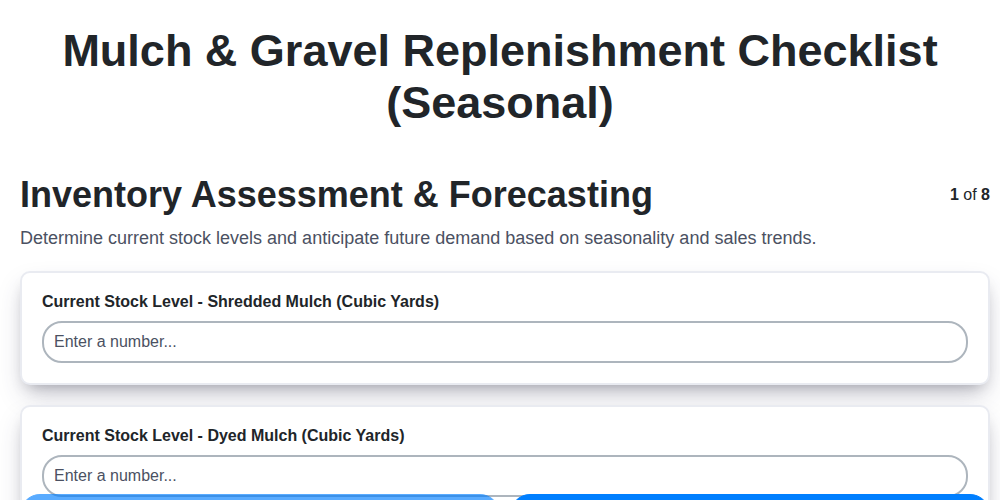
Seasonal Mulch & Gravel Checklist Template: Stay Stocked & Ready
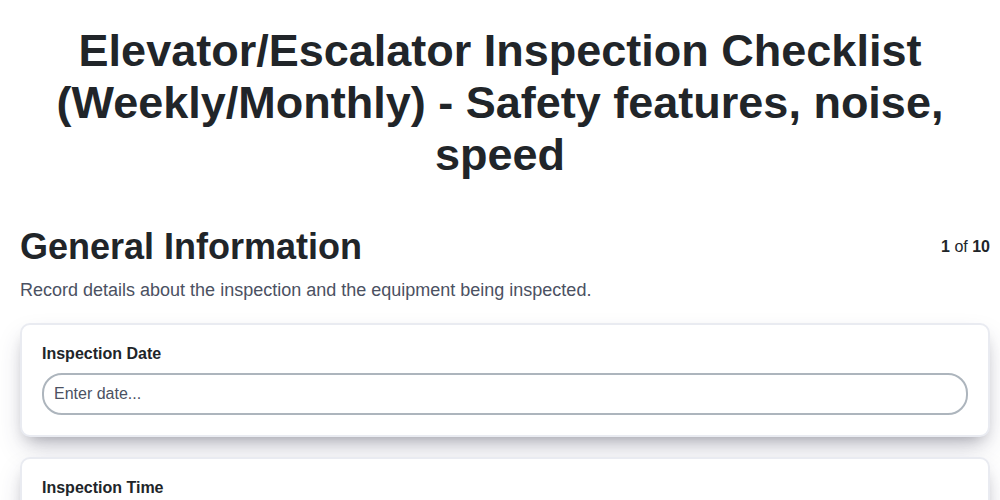
Elevator & Escalator Inspection Checklist Template: Your Guide to Safety & Compliance
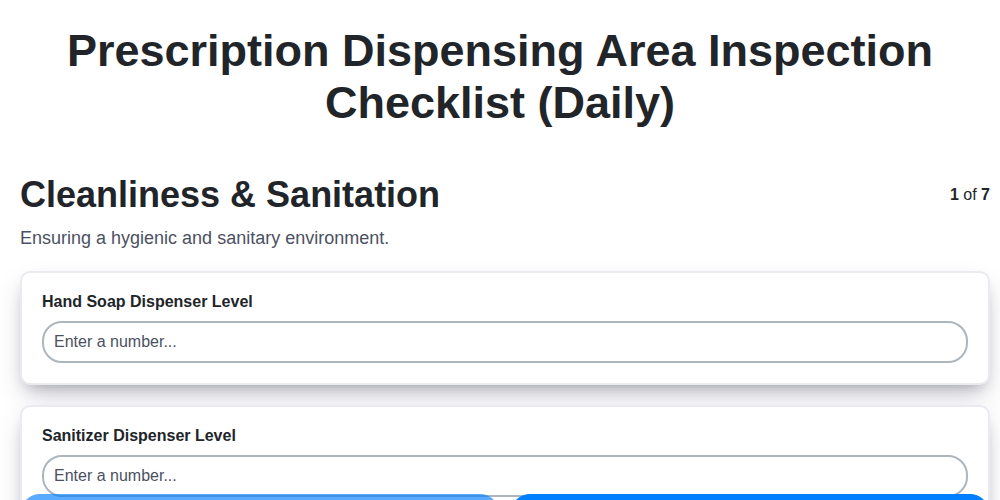
Daily Prescription Dispening Area Inspection Checklist Template

Weekly Waste Management & Recycling Checklist Template
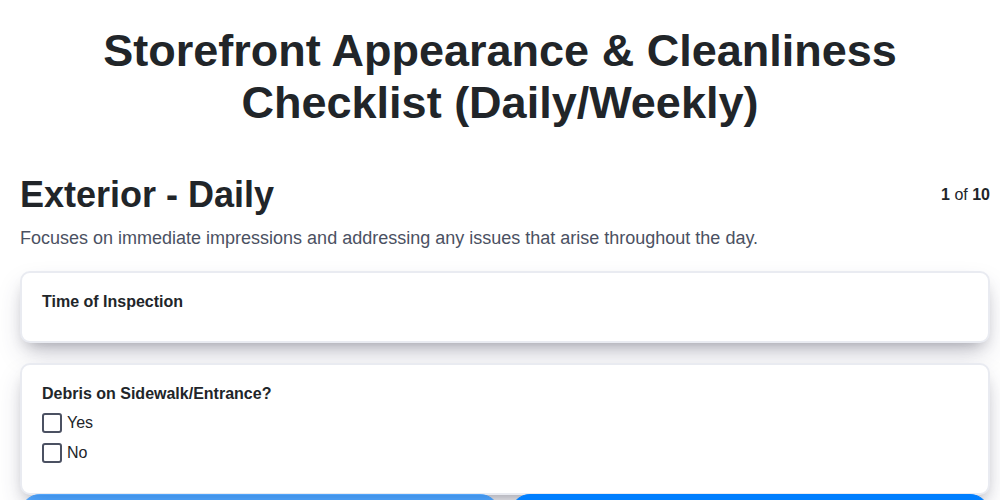
Keep Your Storefront Sparkling: Your Daily & Weekly Cleaning Checklist Template
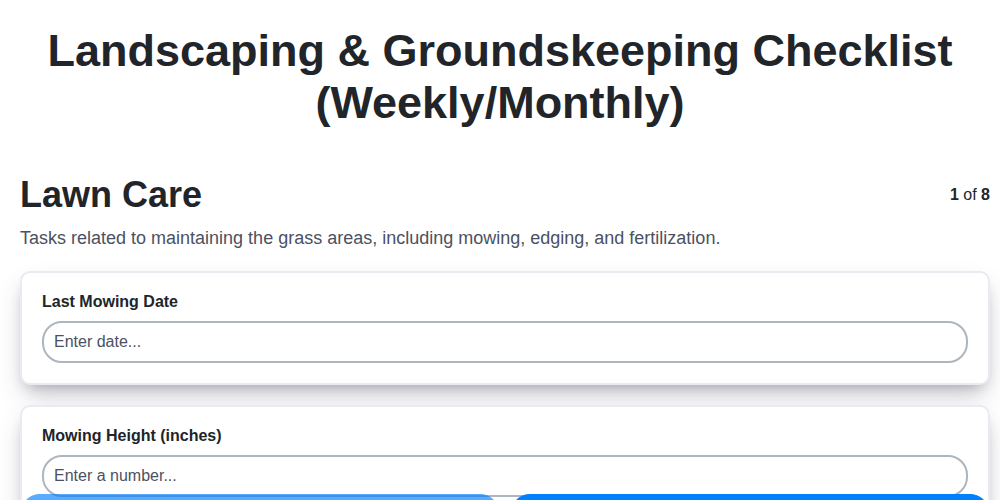
Your Ultimate Landscaping & Groundskeeping Checklist: Weekly & Monthly Templates
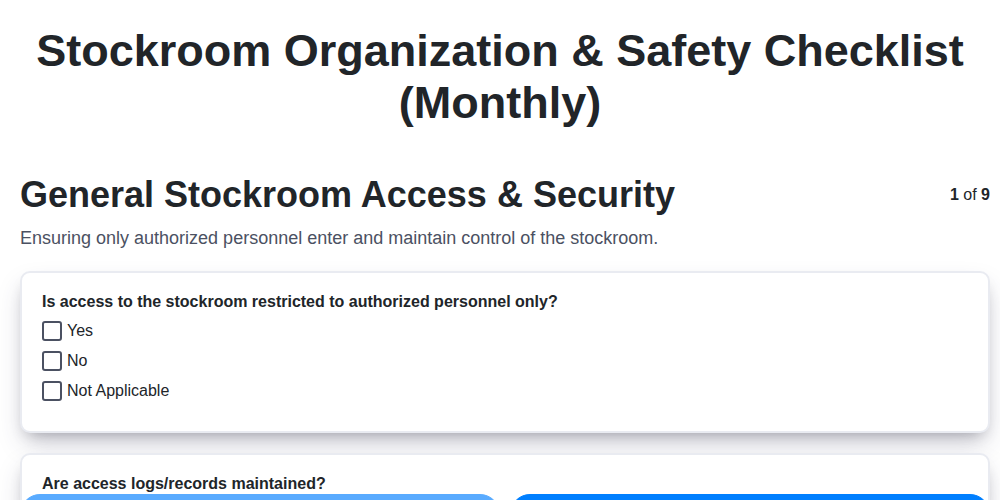
Monthly Stockroom Organization & Safety Checklist Template
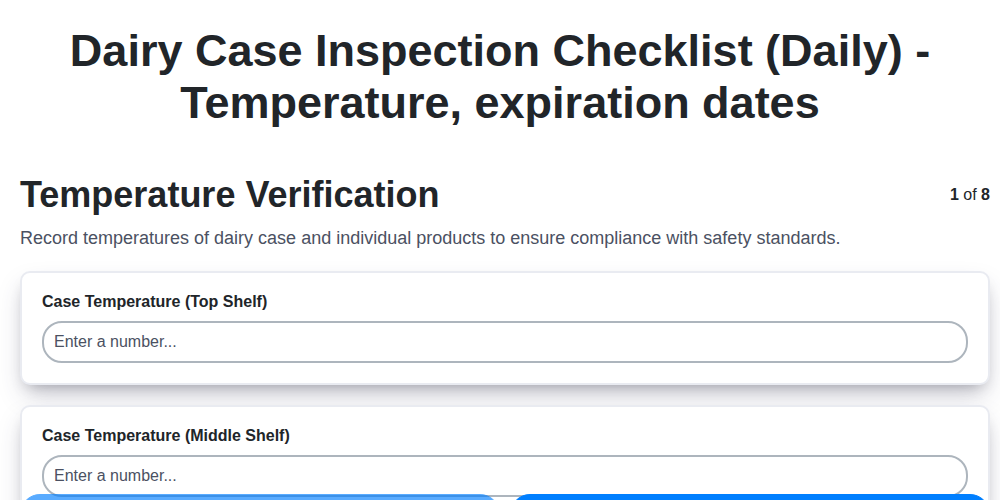
Daily Dairy Case Inspection Checklist Template
Need help with
Checklists?
Have a question? We're here to help. Please submit your inquiry, and we'll respond promptly.