Ensuring Sustainable Timber Harvests: Your Forestry Checklist for Success
Published: 25.11.2025 Updated: 02.07.2026
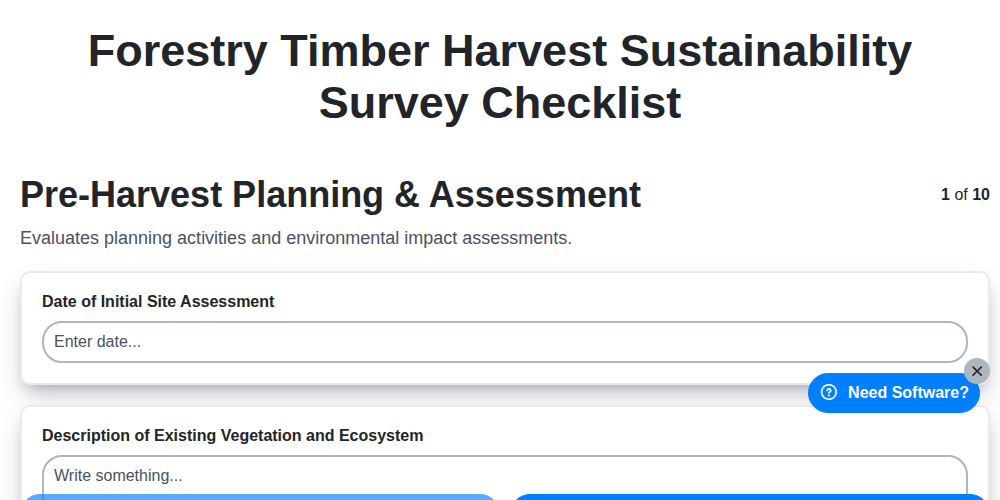
Table of Contents
- Introduction: Why Sustainable Timber Harvests Matter
- 1. Pre-Harvest Planning & Assessment: Laying the Foundation
- 2. Harvesting Practices: Minimizing Environmental Impact
- 3. Road Construction & Maintenance: A Critical Component
- 4. Protecting Our Water Resources: Essential for Ecosystem Health
- 5. Soil Conservation: Preventing Erosion and Maintaining Fertility
- 6. Wildlife Habitat Protection: Ensuring Biodiversity
- 7. Reforestation & Regeneration: Planning for the Future Forest
- 8. Monitoring & Reporting: Tracking Progress and Identifying Improvements
- 9. Compliance & Permits: Navigating Regulations
- 10. Community Engagement & Consultation: Building Trust and Collaboration
- Resources & Links
TLDR: Worried about sustainable timber harvesting? This checklist template covers everything from pre-planning and road construction to reforestation and community engagement. It's your one-stop guide to ensuring your timber harvest is environmentally responsible, legally compliant, and supports long-term forest health.
Introduction: Why Sustainable Timber Harvests Matter
The timber industry plays a vital role in our economy, providing essential materials for construction, furniture, and countless other products. However, traditional timber harvesting practices often resulted in significant environmental degradation, impacting biodiversity, water quality, and long-term forest health. Recognizing these impacts, sustainable timber harvesting has emerged as a crucial approach to balancing economic needs with environmental responsibility.
Sustainable timber harvests prioritize the long-term health and resilience of our forests. They move beyond simply extracting timber to actively managing ecosystems, protecting wildlife habitats, and ensuring future generations can benefit from these valuable resources. This isn't just about feeling good; it's about safeguarding the very foundation of the timber industry itself. Depleted forests mean no timber, and a commitment to sustainability is a commitment to a thriving, enduring industry. This post explores a comprehensive checklist designed to guide forestry professionals in implementing and monitoring these sustainable practices.
1. Pre-Harvest Planning & Assessment: Laying the Foundation
A truly sustainable timber harvest begins long before the first tree is felled. Thorough pre-harvest planning and assessment are absolutely critical to minimizing environmental impact and ensuring long-term forest health. This initial phase isn't just about identifying marketable timber; it's about understanding the entire ecosystem.
Our checklist emphasizes several key elements within this stage:
- Detailed Site Assessment: This includes comprehensive mapping, including topography, slope stability, soil types, existing vegetation (species composition, age classes, and health), and the presence of sensitive areas like wetlands or riparian zones. We analyze historical data, aerial imagery, and conduct ground truthing to build a complete picture.
- Biodiversity Inventory: Identifying and documenting the flora and fauna present is vital. This includes looking for indicator species, rare or threatened plants and animals, and assessing habitat quality.
- Risk Assessment: A thorough risk assessment identifies potential hazards related to slope failure, erosion, water contamination, and impacts on wildlife. Mitigation strategies are developed and incorporated into the harvest plan.
- Defining Harvest Objectives: Beyond timber volume, clearly defined objectives outline desired outcomes for biodiversity, water quality, soil health, and recreational value. This aligns the harvest with broader sustainability goals.
- Sensitivity Mapping: Creation of detailed maps highlighting areas requiring special protection or modified harvesting techniques.
- Stakeholder Input Incorporation: Early consultation with local communities, Indigenous groups (where applicable), and relevant agencies to incorporate their knowledge and concerns into the planning process.
A robust pre-harvest assessment isn't an expense; it's an investment in a sustainable and responsible timber harvest.
2. Harvesting Practices: Minimizing Environmental Impact
Sustainable timber harvesting goes far beyond simply felling trees. It demands careful consideration of how those trees are harvested to minimize disturbance to the surrounding ecosystem. This section of the sustainability survey checklist focuses on the operational aspects of the harvest itself, aiming for efficiency and reduced environmental impact.
Key considerations within this area include:
- Directional Felling: Utilizing directional felling techniques to strategically drop trees, avoiding damage to residual stands and minimizing ground disturbance. This reduces the need for later corrective measures and protects future growth.
- Skidding and Yarding Methods: Implementing low-impact skidding and yarding techniques, such as cable systems or grapple skidders with proper tire pressure, to avoid rutting and compaction of the forest floor. Selection is based on site sensitivity - steeper slopes and fragile soils require more careful approaches.
- Tree Length vs. Shortwood Harvesting: Evaluating the trade-offs between tree-length and shortwood harvesting methods. While tree-length may be more efficient, shortwood can sometimes reduce ground disturbance, especially in sensitive areas.
- Retention of Key Trees and Patches: Identifying and retaining specific trees (e.g., snags, mature trees, species diversity) and areas of untouched forest to provide habitat, maintain biodiversity, and enhance aesthetic value.
- Equipment Calibration and Maintenance: Regularly maintaining and calibrating equipment, particularly felling and skidding machinery, to ensure optimal efficiency and reduce fuel consumption and emissions.
- Slope Management: Adhering to strict slope angle limitations for felling and skidding operations to prevent landslides and erosion.
- Buffer Zones: Maintaining adequate buffer zones around riparian areas, sensitive habitats, and property boundaries, ensuring no timber is harvested within these zones.
By diligently adhering to these practices, timber harvesting can be conducted responsibly, preserving the long-term health and productivity of the forest.
3. Road Construction & Maintenance: A Critical Component
Sustainable timber harvesting hinges on responsible road construction and meticulous maintenance. Poorly planned or maintained roads are a significant contributor to erosion, sedimentation, and overall environmental degradation - directly impacting water quality, soil health, and wildlife habitat. This checklist section focuses on minimizing these impacts.
Here's what's crucial:
- Strategic Planning: Road placement should avoid sensitive areas like riparian zones, wetlands, and steep slopes. A thorough route assessment is essential, considering existing topography and potential impacts.
- Minimizing Road Density: Less road is generally better. Analyze the necessity of each road and explore alternative logging methods where possible to reduce the road network.
- Proper Construction Techniques: Implement best management practices (BMPs) during construction. This includes proper drainage design (water bars, culverts, ditches), erosion control measures (gravel armoring, straw wattles), and compaction techniques to ensure road stability.
- Regular Maintenance: A proactive maintenance program is paramount. This includes inspecting roads regularly for signs of erosion, drainage issues, and structural failures. Prompt repairs - such as culvert cleaning, ditch repair, and gravel replacement - are essential to prevent larger problems.
- Culvert Management: Culverts must be adequately sized to handle peak flows and regularly inspected to prevent blockages that can lead to flooding and erosion. Fish passage should be a key consideration.
- Decommissioning & Rehabilitation: When roads are no longer needed, they should be decommissioned (removed) or, at the very least, stabilized with appropriate measures to prevent further erosion and promote natural regeneration.
Failure to prioritize responsible road construction and maintenance significantly undermines the sustainability of any timber harvest operation.
4. Protecting Our Water Resources: Essential for Ecosystem Health
Timber harvesting operations can significantly impact water quality and availability if not managed responsibly. Our sustainability survey checklist emphasizes robust measures to safeguard these vital resources. This isn't just about meeting regulations; it's about preserving the health of the entire ecosystem.
Our checklist dives deep into protocols covering several critical areas. We assess whether buffer zones, varying in width based on slope and stream size, are adequately maintained alongside streams and wetlands. These buffers filter sediment and nutrients, preventing them from entering waterways. We examine the implementation of erosion and sediment control measures during and after harvest, including the use of silt fences, straw bales, and temporary sediment traps.
Furthermore, the checklist evaluates the presence and functionality of culverts and other water crossings, ensuring they are properly sized and maintained to prevent increased flow rates and stream bank erosion. We verify that plans are in place to minimize stream crossings and that any necessary in-stream work is conducted during low-flow periods. Monitoring water quality parameters like turbidity and dissolved oxygen is also a key component, allowing for prompt corrective action if issues arise. Finally, we assess the implementation of best management practices to prevent fuel and chemical spills from contaminating water sources - safeguarding both aquatic life and downstream users. Protecting water resources isn't just a requirement; it's a cornerstone of sustainable forestry.
5. Soil Conservation: Preventing Erosion and Maintaining Fertility
Healthy soil is the bedrock of a sustainable forest. Timber harvesting, while necessary for providing valuable resources, can significantly impact soil structure and fertility if not managed responsibly. Erosion, compaction, and nutrient depletion are serious threats that can lead to long-term degradation, hindering regeneration and impacting water quality.
Our sustainability survey checklist places a strong emphasis on proactive soil conservation measures. This includes evaluating the soil's inherent vulnerability - factors like slope steepness, soil type, and rainfall patterns - before any harvesting begins. We assess the risk of erosion and tailor our approach accordingly.
Specific practices outlined in the checklist include:
- Minimizing Disturbance: Limiting the area of soil exposed during harvesting operations is paramount. This means careful planning to avoid unnecessary skidding routes and skid-trail widening.
- Contour Felling: Where possible, trees are felled along contour lines to reduce the downslope movement of soil.
- Skid-Trail Planning: Strategically planned and located skid trails minimize soil disturbance and impact.
- Use of Mulch & Ground Cover: Application of slash (fallen branches and leaves) and other organic materials helps protect the soil surface from erosion and retains moisture.
- Riparian Buffer Protection: Establishing and maintaining buffer zones along waterways prevents soil erosion and sedimentation.
- Compaction Mitigation: Implementing practices to reduce soil compaction from heavy equipment, such as using low-impact machinery and designated traffic routes.
- Soil Testing & Amendment: Periodic soil testing to assess nutrient levels and pH, and subsequent amendment with appropriate fertilizers or organic matter to maintain fertility.
By integrating these practices, we aim to preserve soil health, ensuring the long-term productivity and resilience of the forest ecosystem.
6. Wildlife Habitat Protection: Ensuring Biodiversity
Timber harvesting, while essential for providing resources, can significantly impact wildlife habitats. A robust wildlife habitat protection strategy is crucial for maintaining biodiversity and ensuring long-term forest health. Our sustainability survey checklist includes a detailed assessment of practices that minimize harm and promote thriving wildlife populations.
This section of the checklist focuses on several key areas:
- Habitat Mapping & Sensitive Areas: Thorough pre-harvest assessments must identify and map critical wildlife habitats, including nesting sites, denning areas, migration corridors, and feeding grounds. These sensitive areas are then flagged for strict protection and avoidance during operations.
- Buffer Zones: Establishing and maintaining appropriate buffer zones around streams, wetlands, and other critical habitats reduces disturbance and protects vulnerable species. Buffer widths are determined based on habitat sensitivity and potential impacts.
- Timing Restrictions: Scheduling harvesting activities to avoid critical breeding or migration periods minimizes disruption to wildlife life cycles. This includes considering seasonal changes and species-specific behaviors.
- Snag & Downed Wood Retention: Retaining standing dead trees (snags) and downed wood provides essential habitat for cavity-nesting birds, mammals, and insects. These features also contribute to nutrient cycling and soil health.
- Protection of Key Species: The assessment considers the presence of threatened, endangered, or otherwise sensitive species and implements specific protective measures as required. This may include habitat restoration, translocation, or modified harvesting techniques.
- Post-Harvest Habitat Restoration: Plans are in place to restore disturbed areas and create or enhance wildlife habitat following harvesting operations. This may involve planting native vegetation, creating brush piles, or installing wildlife watering sources.
Our survey examines whether these practices are consistently implemented and monitored to ensure lasting benefits for wildlife populations.
7. Reforestation & Regeneration: Planning for the Future Forest
A sustainable timber harvest isn't just about what's removed; it's fundamentally about what grows back. Reforestation and regeneration are critical components, ensuring the long-term health and productivity of the forest ecosystem. This section of the sustainability survey focuses on the methods and planning involved in establishing the next generation of trees.
Our checklist assesses several key areas:
- Species Selection: Are native species prioritized, considering climate change projections and biodiversity needs? We evaluate whether species mixes are designed to promote resilience and stability.
- Regeneration Methods: Are natural regeneration methods (allowing trees to regrow naturally) favored where appropriate? If active reforestation (planting seedlings) is necessary, is the process well-planned, with adequate seedling quality and planting techniques?
- Site Preparation: Does the harvest plan incorporate site preparation techniques (e.g., brush removal, soil scarification) to optimize conditions for successful regeneration?
- Protection from Damage: Are measures in place to protect regenerating trees from browsing by wildlife (e.g., fencing, prescribed grazing) or damage from competing vegetation?
- Long-Term Monitoring: Is there a plan for long-term monitoring of regeneration success, including tracking survival rates, growth, and overall forest health?
- Genetic Considerations: Is consideration given to using genetically diverse and locally adapted seed sources to enhance resilience and adaptability of the new forest?
Successful reforestation and regeneration demonstrate a commitment to a truly sustainable timber harvest - ensuring the forest continues to provide ecological and economic benefits for generations to come.
8. Monitoring & Reporting: Tracking Progress and Identifying Improvements
A robust timber harvest isn't just about the initial work; it's about ongoing assessment and continuous improvement. This is where diligent monitoring and reporting come into play. Implementing a clear monitoring and reporting system allows us to track our progress against sustainability goals, identify areas needing adjustment, and demonstrate accountability.
Our checklist includes a detailed monitoring plan that covers key areas assessed throughout the harvest operation. This involves regular site inspections, photographic documentation, and data collection regarding factors like soil erosion, water quality, regeneration success, and wildlife presence. These observations are meticulously recorded and analyzed to ensure we remain on track and identify potential issues early.
Reporting isn't just for internal use. We are committed to transparency and share key findings with stakeholders, including landowners, regulatory agencies, and the local community. These reports often include graphs and visual aids to clearly demonstrate progress and any corrective actions taken. The data collected fuels adaptive management-allowing us to adjust our practices on the ground to maximize sustainability and minimize environmental impact. Regular review of these reports also provides valuable insights for refining future harvest plans and strengthening our commitment to responsible forestry.
9. Compliance & Permits: Navigating Regulations
Timber harvesting is a heavily regulated industry, and ensuring full compliance with all applicable permits and regulations is absolutely critical for sustainable operations. Failure to do so can result in hefty fines, project delays, and even legal action, ultimately undermining the long-term viability of your forestry practices.
This section isn't just about ticking boxes; it's about demonstrating a proactive commitment to responsible forestry. Here's what your checklist should encompass:
- Identify Applicable Laws & Regulations: This starts long before the first tree is felled. Identify federal, state, and local laws related to timber harvesting, including environmental regulations, worker safety standards, and species-specific protections.
- Permit Acquisition & Maintenance: Secure all necessary permits before any work begins. This often includes permits related to road construction, water usage, erosion control, and harvesting specific tree species. Keep meticulous records of all permit applications, approvals, and renewal dates.
- Regular Updates: Laws and regulations are not static. Establish a system to stay abreast of changes and updates to ensure ongoing compliance. Subscribe to relevant agency newsletters, attend industry workshops, and consult with legal counsel when necessary.
- Record Keeping: Maintain comprehensive records of all permitting activities, inspections, and communications with regulatory agencies. This documentation serves as evidence of your commitment to compliance and facilitates audits.
- Internal Audits: Conduct regular internal audits to assess compliance with permit conditions and identify any areas for improvement. These audits should be documented and corrective actions should be implemented promptly.
- Communication with Agencies: Maintain open communication with relevant regulatory agencies. Proactively address any concerns and seek clarification on complex regulations.
By prioritizing compliance and permits, you're not just avoiding legal pitfalls-you're reinforcing the integrity of your forestry operations and demonstrating a commitment to sustainable resource management.
10. Community Engagement & Consultation: Building Trust and Collaboration
A sustainable timber harvest isn't just about ecological and economic factors; it's fundamentally about people. Meaningful community engagement and consultation are crucial for securing long-term project success and fostering positive relationships with those who live and work near the harvest area.
This checklist item goes beyond simply informing the community about plans. It demands genuine two-way communication. This includes proactively reaching out to local residents, Indigenous communities, landowners, and relevant organizations before any harvesting begins.
Key considerations within this stage include:
- Early and Frequent Communication: Holding public meetings, distributing informational materials (online and physical), and establishing clear contact points for questions and concerns.
- Active Listening: Providing ample opportunity for community members to express their perspectives, concerns, and traditional ecological knowledge. Demonstrating that their input is valued and considered.
- Addressing Concerns & Incorporating Feedback: Responding to concerns in a timely and transparent manner, and where possible, incorporating community feedback into the harvest plan. Explain why certain decisions are made.
- Respecting Traditional Knowledge: Acknowledging and incorporating traditional ecological knowledge (TEK) from Indigenous communities, recognizing their deep understanding of the local ecosystem. This may include traditional land use practices and sensitive areas.
- Building Relationships: Fostering ongoing communication and building strong relationships with the community that extend beyond the duration of the harvest.
By prioritizing community engagement, we can move towards timber harvesting that is not only environmentally sound but also socially responsible and mutually beneficial.
Resources & Links
- Food and Agriculture Organization (FAO) Forestry: FAO provides global leadership and expertise in sustainable forest management, offering guidelines, resources, and data related to timber harvesting and forestry practices. A comprehensive starting point for understanding international standards.
- Forestry Australia: Forestry Australia is the peak professional body for forest managers, scientists, and other forestry professionals in Australia. Offers resources, training and advocacy for sustainable forest management.
- Society of American Foresters (SAF): SAF is a professional organization for foresters in North America. They provide standards, education, and resources related to sustainable forestry practices and certification.
- Programme for the Endorsement of Forest Certification (PEFC): PEFC is a global forest certification system promoting responsible forest management. Provides information on certification standards and best practices.
- Forest Stewardship Council (FSC): FSC is another leading forest certification system providing a global standard for sustainable forest management. They certify forests and products.
- The Nature Conservancy: TNC works to protect forests globally. Provides resources and information on ecosystem-based forestry and sustainable timber harvesting practices.
- American Forest Foundation: AFF focuses on promoting responsible forest stewardship and ensuring healthy forests for future generations, including sustainable timber harvest.
- United States Department of Agriculture (USDA): USDA's Forest Service provides a wealth of information on forestry practices, regulations, and resources, applicable to US timber harvests.
- Timber Production: Provides extensive information on timber harvest planning and best management practices, emphasizing economic viability alongside environmental considerations.
- Sustainable Harvest International: Focuses on rainforest conservation and sustainable forestry practices in Latin America. Provides insights into protecting biodiversity and working with local communities.
- Natural Resources Canada: Offers resources and guidelines on sustainable forest management practices relevant to Canadian timber harvests, including road construction and water protection.
- United States Environmental Protection Agency (EPA): EPA provides information and regulations relating to environmental protection, crucial for sustainable timber harvesting practices, especially concerning water quality and soil conservation.
- National Wildlife Federation: The NWF advocates for wildlife conservation, and offers resources on how to manage forests to protect wildlife habitats during and after timber harvesting.
- Trees for Life: While focused on Scottish native forests, their resources and principles are valuable for understanding ecosystem restoration and the importance of natural regeneration following timber harvests.
- Sustainable Forestry Initiative (SFI): SFI is a North American forest certification program promoting responsible forest management.
Frequently Asked Questions
What does 'sustainable timber harvest' actually mean?
Sustainable timber harvests mean harvesting timber in a way that meets the needs of the present without compromising the ability of future generations to meet their own needs. This involves balancing timber production with ecological integrity, biodiversity conservation, and community well-being. It means forests are managed to regenerate naturally or through replanting, ensuring long-term forest health and productivity.
Why is sustainable timber harvesting important?
Sustainable timber harvesting is crucial for numerous reasons. It protects biodiversity, maintains healthy ecosystems, mitigates climate change by acting as a carbon sink, supports local economies reliant on forestry, and ensures a continuous supply of timber resources for the future. Unsustainable practices lead to deforestation, habitat loss, and ultimately, resource depletion.
What are the key elements of the 'Forestry Checklist' mentioned in the article?
The checklist covers several key areas: forest inventory and planning, regeneration strategies (natural or planted), erosion control measures, protection of water resources, biodiversity conservation (protecting sensitive areas and wildlife habitats), adherence to legal and regulatory requirements, and community engagement. Specific actions within each area are detailed in the full article.
How do I know if a timber operation is truly sustainable?
Look for certifications from reputable organizations like the Forest Stewardship Council (FSC) or the Programme for the Endorsement of Forest Certification (PEFC). These certifications indicate that the operation has been independently assessed against rigorous sustainability standards. Also, inquire about the management plan, regeneration practices, and efforts to protect biodiversity.
What role does forest inventory play in sustainable timber harvesting?
Forest inventory provides critical data on timber volume, tree species distribution, forest health, and growth rates. This data informs harvesting plans, helps predict future yields, and allows for adaptive management strategies to ensure the forest remains productive and healthy over time. It's the foundation for responsible planning.
What are some common erosion control measures used in sustainable timber harvests?
Erosion control measures include minimizing road construction and culvert placement, using temporary sediment traps, establishing filter strips along waterways, contour felling (felling trees across the slope), and using cover crops to stabilize the soil. Proper planning reduces soil loss and protects water quality.
How does biodiversity conservation fit into sustainable timber harvesting?
Sustainable timber harvesting incorporates biodiversity conservation by identifying and protecting sensitive areas like riparian zones, old-growth forests, and habitats for endangered species. It may involve establishing buffer zones, limiting harvesting in specific areas, and promoting a diverse range of tree species.
What are the potential benefits of community engagement in forestry operations?
Community engagement builds trust, ensures local knowledge is incorporated into management plans, addresses potential conflicts, and fosters a sense of ownership and responsibility for the forest's long-term health. It can also lead to economic benefits for local communities.
What are some legal and regulatory requirements I need to be aware of?
Regulations vary by region but typically involve permits for harvesting, restrictions on harvesting methods, requirements for reforestation, and adherence to environmental protection laws. Familiarize yourself with local, regional, and national forestry regulations before commencing any harvesting operations. Consulting with a forestry professional is highly recommended.
Can I implement sustainable timber harvesting practices on a small, privately-owned forest?
Yes! Sustainable practices are applicable at any scale. While obtaining certifications can be more complex for small landowners, you can still implement responsible harvesting techniques, prioritize regeneration, and protect sensitive areas to ensure the long-term health of your forest. Start with a simple management plan.
Comments
There are no comments yet. Be the first to add one!
Survey Management Solution Demo
Gather valuable insights with ease! ChecklistGuro simplifies survey creation, distribution, and analysis. Automate data collection, improve response rates, and make data-driven decisions. Manage it all with our Work OS.
Related Articles
The Ultimate Veterinary Animal Health Checkup Survey Checklist Template
Your Guide to a Green Business: The Environmental Sustainability Audit Checklist

Paper vs ChecklistGuro in Survey Management
Construction Site Safety Survey Checklist Template

A Checklist for Congregant Feedback: Template for Religious Organizations

Excel vs ChecklistGuro in Survey Management

Mastering the Policyholder Journey: Your Insurance Experience Survey Checklist
Real Estate Property Condition Survey Checklist Template
Need help with
Survey Management?
Have a question? We're here to help. Please submit your inquiry, and we'll respond promptly.