Hotel Cleaning Schedule and Sanitation Management Process: An End-to-End Workflow Template
Published: 06/04/2026 Updated: 07/02/2026
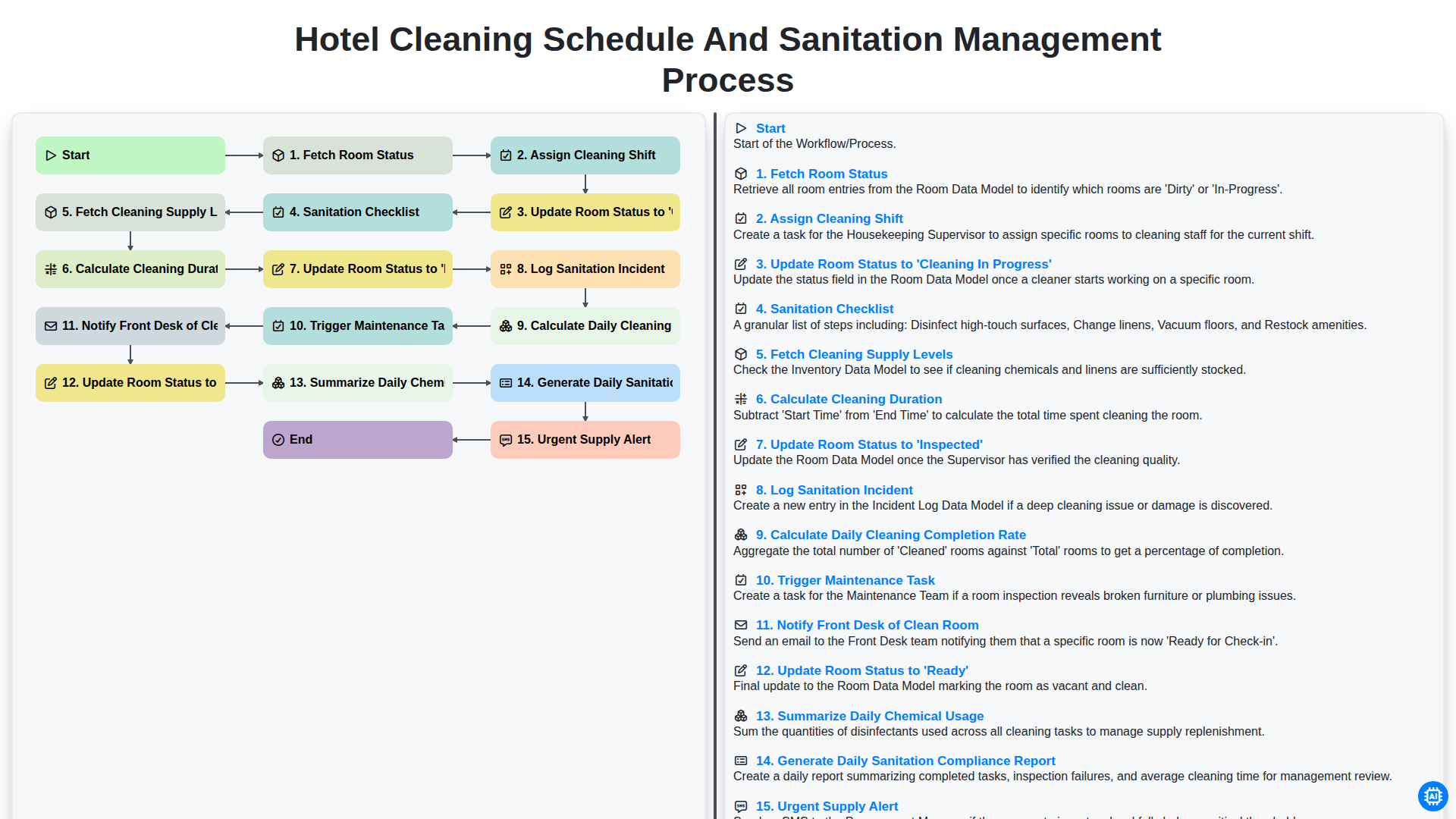
Table of Contents
- Introduction: The Importance of a Standardized Cleaning Workflow
- Step 1: Real-Time Room Status Retrieval
- Step 2: Optimized Staff Assignment and Shift Management
- Step 3: Initiating the Cleaning Cycle: Transitioning to 'Cleaning In Progress'
- Step 4: Implementing the Standardized Sanitation Checklist
- Step 5: Resource Management: Monitoring Cleaning Supply Levels
- Step 6: Time Management: Calculating Cleaning Duration and Efficiency
- Step 7: Quality Assurance: The Inspection and 'Inspected' Status Update
- Step 8: Accountability: Logging Sanitation Incidents and Discrepancies
- Step 9: Maintenance Integration: Triggering Corrective Maintenance Tasks
- Step 10: Seamless Communication: Notifying the Front Desk of Clean Rooms
- Step 11: Finalizing the Room: Updating Status to 'Ready'
- Step 12: Performance Analytics: Calculating Daily Completion Rates
- Step 13: Supply Chain Oversight: Managing Chemical Usage and Urgent Supply Alerts
- Step 14: Compliance and Reporting: Generating Daily Sanitation Audits
- Resources & Links
TLDR: This guide introduces an automated, end-to-end workflow template designed to streamline hotel housekeeping operations. It covers every critical step-from assigning shifts and monitoring real-time room status to managing sanitation checklists, tracking chemical usage, and triggering maintenance alerts-ensuring a seamless transition from dirty to ready while maintaining high hygiene standards and operational efficiency.
Introduction: The Importance of a Standardized Cleaning Workflow
In the hospitality industry, cleanliness is more than just a chore-it is the cornerstone of guest satisfaction and brand reputation. A single missed detail or an overlooked sanitation step can lead to poor reviews, health risks, and a loss of guest trust. However, maintaining high standards across hundreds of rooms every day requires more than just a hardworking team; it requires a precise, repeatable, and automated workflow.
A standardized cleaning and sanitation management process moves housekeeping from a reactive find and fix approach to a proactive, data-driven operation. By implementing a structured sequence-from the moment a room status is fetched to the final generation of a daily compliance report-hotels can ensure that no task falls through the cracks. This systematic approach does not only guarantee a hygienic environment for guests but also optimizes staff productivity, manages essential supply levels, and integrates seamlessly with front-desk operations. In this article, we will break down the essential steps of a high-performance cleaning workflow and how a structured process can transform your hotel's operational efficiency.
Step 1: Real-Time Room Status Retrieval
The foundation of an efficient cleaning workflow begins with the Fetch Room Status step. Before a single cleaning supply is moved, the housekeeping management system must communicate directly with the Property Management System (PMS) to provide a real-time overview of the hotel's current state.
This stage involves identifying which rooms are currently marked as Dirty (following guest checkout), which are Stay-over, and which are Out of Order. By automating the retrieval of this data, housekeeping supervisors eliminate the guesswork and prevent staff from wasting time entering rooms that are still occupied or waiting for guest departure. This real-time visibility ensures that the cleaning team is always working on the highest-priority tasks, laying the groundwork for a seamless transition into the assignment phase.
Step 2: Optimized Staff Assignment and Shift Management
Once the room statuses are retrieved, the workflow moves into the critical phase of resource allocation. Efficiently Assigning Cleaning Shifts is the bridge between knowing what needs to be done and having the workforce ready to execute it. Instead of a manual, reactive approach, an optimized management process allows supervisors to distribute workloads based on real-time availability and room density.
By strategically assigning shifts, management can ensure that high-priority areas-such as check-out rooms or VIP suites-are prioritized during peak morning hours. This step prevents bottlenecks in the housekeeping department and ensures that the cleaning crew is deployed where they are needed most, ultimately setting the stage for the subsequent Cleaning In Progress updates and preventing staff burnout through balanced task distribution.
Step 3: Initiating the Cleaning Cycle: Transitioning to 'Cleaning In Progress'
Once the cleaning shift has been assigned to the housekeeping staff, the next critical step in maintaining operational visibility is updating the room status to 'Cleaning In Progress'. This transition is more than just a status change; it serves as the real-time heartbeat of your hotel's housekeeping operations.
By immediately moving a room from 'Dirty' or 'Vacant' to 'Cleaning In Progress', the system provides the front desk and management with instant transparency. This prevents the common frustration of guests being assigned to rooms that are currently being serviced, thereby reducing check-in delays and improving the guest experience. Furthermore, this step sets the foundation for the Sanitation Checklist to begin, ensuring that the staff knows exactly which protocols must be followed from the moment they enter the room. This stage is the point of no return for the cleaning cycle, signaling to the entire hotel ecosystem that the sanitation process is officially underway.
Step 4: Implementing the Standardized Sanitation Checklist
Once the room status has been updated to Cleaning In Progress, the cleaning crew enters the most critical phase of the workflow: the Sanitation Checklist. This step serves as the operational backbone of your hygiene standards, moving beyond simple tidying to ensure true disinfection.
A standardized checklist ensures that no surface is overlooked, regardless of which staff member is assigned to the task. This stage involves a systematic approach to high-touch point disinfection-focusing on light switches, door handles, remote controls, and faucet handles-alongside the deep cleaning of bathrooms and linens. By utilizing a digital or physical checklist, management can ensure consistency across every room, transforming cleaning into a verifiable sanitation process. This level of detail is what builds guest trust and mitigates the risk of cross-contamination within the hotel.
Step 5: Resource Management: Monitoring Cleaning Supply Levels
To maintain a high standard of hygiene and operational efficiency, a cleaning schedule is only as effective as the supplies available to execute it. Fetching cleaning supply levels is a critical checkpoint in the workflow that prevents delays and ensures that housekeeping staff never encounter a dry station mid-shift.
By proactively monitoring inventory, management can avoid the logistical nightmare of discovering empty disinfectant bottles or depleted microfiber cloths during peak turnover hours. Furthermore, this step acts as a preventative measure for budget management; by tracking usage alongside the cleaning process, the system can trigger an Urgent Supply Alert when stocks hit a predefined threshold. This ensures that replenishment orders are placed before a shortage occurs, maintaining a seamless transition from Cleaning In Progress to Ready for your guests.
Step 6: Time Management: Calculating Cleaning Duration and Efficiency
To maintain a seamless guest experience, a cleaning schedule must be more than just a list of tasks; it must be a data-driven roadmap. A critical component of this workflow is the Calculation of Cleaning Duration. By tracking how long it takes to complete each room, management can identify bottlenecks in the cleaning process and distinguish between routine turnover and deep-cleaning scenarios.
Monitoring duration allows supervisors to move beyond guesswork and implement precise resource allocation. When you understand the average time required per room type, you can more accurately Calculate the Daily Cleaning Completion Rate. This metric is vital for operational health, as it provides a real-time pulse on whether the housekeeping team is meeting the day's turnover demands or if the schedule is falling behind. By integrating time tracking into your sanitation management process, you transform your cleaning workflow from a reactive struggle into a proactive, highly efficient operation.
Step 7: Quality Assurance: The Inspection and 'Inspected' Status Update
Once the cleaning process is complete, the workflow moves into a critical phase of quality control. This step marks the transition from active cleaning to formal verification. After the housekeeping staff has completed the sanitation checklist, the room status is updated to 'Inspected'.
This status serves as a temporary holding period where a supervisor or floor manager conducts a secondary walkthrough to ensure that every surface meets the hotel's hygiene standards and that no details were overlooked. This stage is vital for maintaining consistency; it ensures that clean isn't just a subjective feeling, but a verified standard. By officially moving the status to 'Inspected', the system creates a digital paper trail of accountability, ensuring that no room is released to a guest without passing a rigorous secondary audit.
Step 8: Accountability: Logging Sanitation Incidents and Discrepancies
In a high-standard hospitality environment, transparency is just as important as cleanliness. The Log Sanitation Incident step is a critical component of the workflow, serving as a digital paper trail for any deviations from the established cleaning protocol. Whether it is a missed spot identified during inspection, a broken piece of cleaning equipment, or a failure to adhere to chemical dilution ratios, every discrepancy must be documented in real-time.
By logging these incidents immediately, management gains access to actionable data rather than mere guesswork. This process allows you to identify patterns-such as specific shifts or zones that consistently struggle with compliance-and implement targeted retraining. Rather than viewing logs as a tool for reprimand, view them as a diagnostic instrument for continuous improvement. This level of granular accountability ensures that clean is not just a subjective feeling, but a verifiable, documented standard that protects both your guests and your brand reputation.
Step 9: Maintenance Integration: Triggering Corrective Maintenance Tasks
A seamless cleaning workflow is only as effective as the maintenance support behind it. During the inspection phase, it is common for housekeeping staff to identify issues that fall outside the scope of standard cleaning-such as a leaking faucet, a flickering lightbulb, or a malfunctioning AC unit.
By integrating an automated Trigger Maintenance Task step into your workflow, you eliminate the communication gap between housekeeping and engineering. The moment a defect is identified during the sanitation process, a digital maintenance request is automatically generated and routed to the repair team. This ensures that repairs are logged in real-time, preventing guests from checking into rooms with unresolved issues and significantly reducing the need for room moves later in the day. This proactive loop transforms your cleaning schedule from a simple checklist into a powerful tool for facility management.
Step 10: Seamless Communication: Notifying the Front Desk of Clean Rooms
Once a room has successfully passed the final inspection and the status is updated to Ready, the workflow reaches a critical junction: the handoff to the front office. At this stage, the system triggers an automated notification to the Front Desk, instantly alerting the reception team that the room is available for new arrivals.
This automated communication eliminates the need for manual phone calls or walkie-talkie check-ins, which are often prone to human error and delays. By providing real-time updates, you bridge the gap between the housekeeping and front-of-house teams, significantly reducing guest waiting times during check-in and preventing the frustration of assigning a guest to a room that isn't actually prepared. This seamless loop ensures that your property operates as a single, synchronized unit, maximizing both operational efficiency and guest satisfaction.
Step 11: Finalizing the Room: Updating Status to 'Ready'
The final, critical step in the cleaning workflow occurs once the inspection is successful and the room meets all established sanitation standards. At this stage, the room status must be officially updated to 'Ready' within your property management system (PMS).
This real-time update serves as the essential handshake between the housekeeping and front office departments. By instantly transitioning the room from 'Inspected' to 'Ready', you eliminate the lag time between housekeeping completion and guest check-in. This seamless data synchronization ensures that the Front Desk can assign rooms to arriving guests with absolute confidence, preventing the common frustration of pre-checking a guest into a room that hasn't been officially cleared. Ultimately, this step closes the loop on the cleaning cycle, ensuring that the only thing a guest encounters upon entry is a pristine, sanitized, and perfectly prepared environment.
Step 12: Performance Analytics: Calculating Daily Completion Rates
To ensure your housekeeping operations are running at peak efficiency, monitoring raw output isn't enough-you must measure consistency. Calculating the Daily Cleaning Completion Rate serves as a vital Key Performance Indicator (KPI) for hotel managers. This metric is derived by comparing the total number of rooms assigned for cleaning against the number of rooms successfully transitioned to 'Ready' status within a single shift.
By tracking this rate, management can identify patterns in productivity and pinpoint specific bottlenecks in the workflow. A sudden drop in completion rates might indicate staffing shortages, unexpected delays in the sanitation process, or a surge in late check-outs. Integrating this calculation into your daily workflow allows for data-driven decision-making, enabling you to adjust labor allocation in real-time and ensure that your cleaning team can consistently meet the high standards required for guest satisfaction.
Step 13: Supply Chain Oversight: Managing Chemical Usage and Urgent Supply Alerts
Effective sanitation management extends beyond the cleaning process itself; it requires rigorous oversight of the resources that make cleanliness possible. To ensure that hygiene standards never falter due to a lack of materials, the workflow concludes with a critical focus on supply chain sustainability.
First, the system performs a Daily Chemical Usage Summary. By auditing the volume of disinfectants, detergents, and sanitizers used against the number of rooms cleaned, management can identify patterns of waste or potential misuse. This data-driven approach ensures that chemical concentrations remain within safety guidelines and that the hotel stays within budget.
Simultaneously, the workflow monitors for Urgent Supply Alerts. If the automated check of cleaning supply levels (conducted earlier in the shift) hits a predefined minimum threshold, the system triggers an immediate notification to the procurement team. This proactive alert prevents the catastrophic scenario of a stock-out during a high-occupancy period, ensuring that cleaning teams always have the necessary tools to maintain the highest sanitary standards without interruption.
Step 14: Compliance and Reporting: Generating Daily Sanitation Audits
At the conclusion of every shift, the workflow transitions from active cleaning to high-level oversight through the generation of a Daily Sanitation Compliance Report. This automated report serves as the ultimate single source of truth for management, consolidating every data point collected throughout the day-from completed sanitation checklists to logged hygiene incidents.
This stage is critical for maintaining brand standards and ensuring health regulations are met. By automatically aggregating the daily cleaning completion rates and summarizing chemical usage, the system provides a transparent audit trail that proves every room underwent the required disinfection protocols. Beyond mere record-keeping, this reporting layer allows managers to identify patterns, such as recurring sanitation incidents or discrepancies in supply consumption, enabling proactive adjustments to cleaning protocols. In an era where guest trust is built on visible hygiene, these comprehensive audits transform raw cleaning data into actionable intelligence for long-term operational excellence.
Resources & Links
- Hospitality Net: A leading global news source for the hospitality industry, providing insights into hotel management trends and operational excellence.
- Hotel Management Network: Resources for hotel owners and operators focusing on operational efficiency and staff management strategies.
- OSHA (Occupational Safety and Health Administration): Essential guidelines for sanitation standards, chemical handling safety, and workplace cleanliness compliance.
- Cleaning Answers: Technical resources regarding sanitation protocols, disinfection processes, and chemical usage effectiveness.
- Hotel Tech Report: In-depth reviews of property management systems (PMS) and housekeeping automation tools to help track room status and workflows.
- ECRI Institute: Information regarding best practices in health, safety, and standardized inspection protocols.
Frequently Asked Questions
What is a hotel cleaning schedule and why is it important?
A hotel cleaning schedule is a structured timeline that outlines specific tasks, frequencies, and responsibilities for housekeeping staff. It is essential for maintaining consistent hygiene standards, optimizing labor productivity, and ensuring a high-quality guest experience.
What are the key components of an end-to-end cleaning workflow?
An effective end-to-end workflow includes task prioritization, preparation of cleaning supplies, the actual cleaning and disinfection process, inspection/quality control, and detailed documentation of completed tasks.
How often should high-touch surfaces in hotel rooms be sanitized?
High-touch surfaces-such as door handles, remote controls, light switches, and faucets-should be sanitized during every room turnover and frequently during daily housekeeping rotations to prevent cross-contamination.
What is the difference between cleaning and sanitizing in a hotel context?
Cleaning involves the physical removal of dirt, dust, and organic matter from surfaces, whereas sanitizing refers to using chemicals to reduce the number of microorganisms to a safe level. Both processes are necessary for comprehensive sanitation management.
How can hotel managers ensure the cleaning schedule is being followed?
Managers can ensure compliance through regular supervisor inspections, utilizing digital housekeeping management software for real-time tracking, and implementing standardized checklists for staff to sign off on after each task.
What role does documentation play in sanitation management?
Documentation serves as a verifiable record of cleanliness, which is crucial for health inspections, liability protection, and identifying patterns or gaps in the cleaning process that may require training or resource adjustments.
Comments
There are no comments yet. Be the first to add one!
Hospitality Management Solution Demo
Running a hotel, restaurant, or other hospitality business is demanding. ChecklistGuro's Work OS platform simplifies management, from reservations and guest services to inventory and staff scheduling. Improve efficiency, enhance guest experience, and boost profitability! See how ChecklistGuro can transform your hospitality operations.
Related Articles
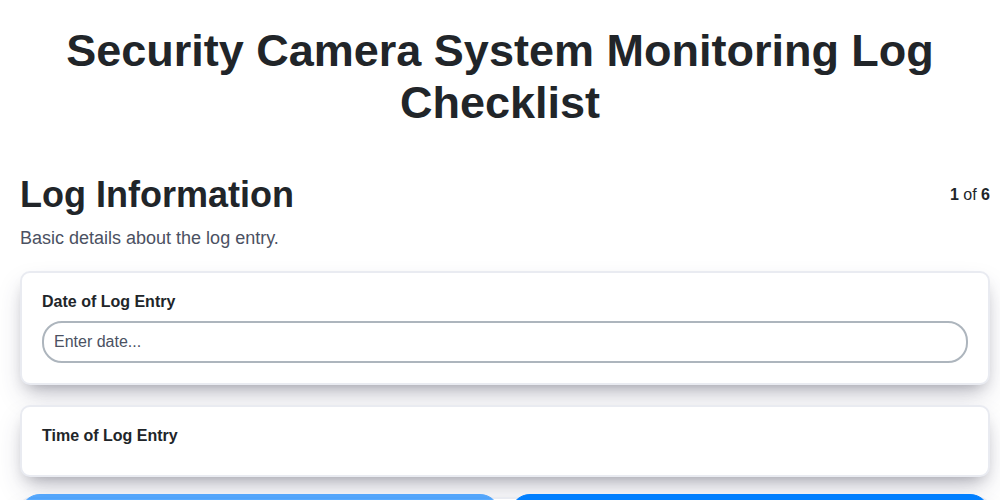
Your Ultimate Security Camera Monitoring Log Checklist Template
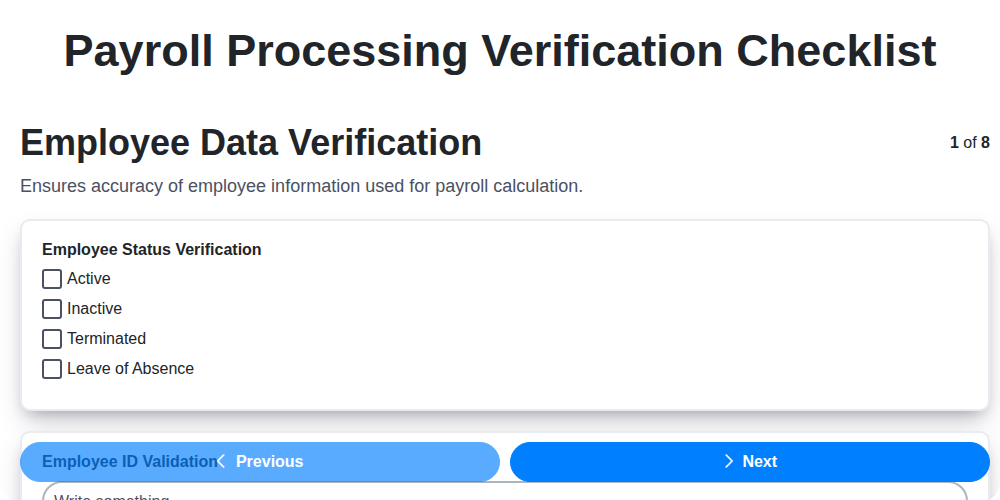
Payroll Processing Verification Checklist Template: Your Guide to Accuracy
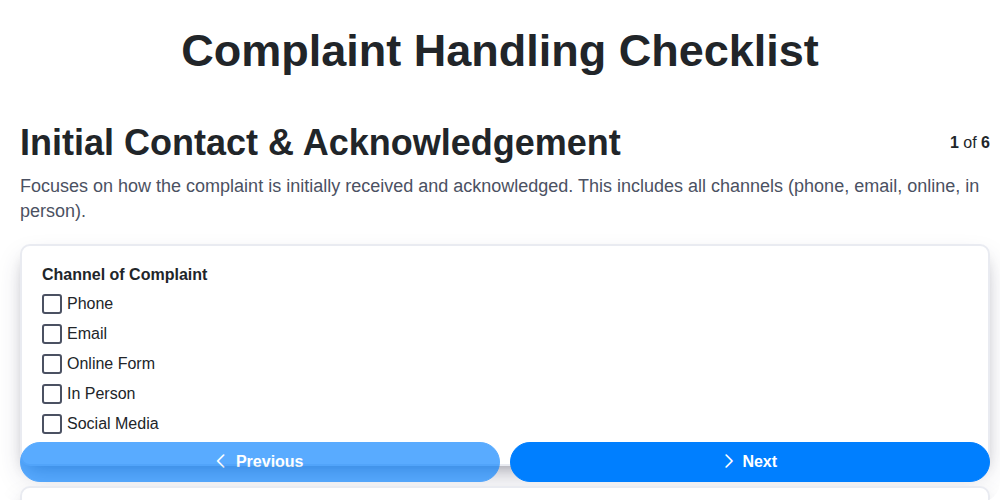
Complaint Handling Checklist Template: Resolve Issues & Retain Customers

Emergency Evacuation Drill Documentation: Your Checklist Template Guide

Mastering Incident Response: Your Free Reporting Protocol Checklist Template
Conquer Your Kitchen: A Monthly Deep Cleaning Checklist Template
Mastering Food Safety: Your Free Temperature Control Checklist Template
Mastering Hand Hygiene: Your Compliance Checklist Template
Need help with
Checklists?
Have a question? We're here to help. Please submit your inquiry, and we'll respond promptly.