Daily Meat & Seafood Display Checklist: Stay Fresh & Safe
Published: 09/02/2025 Updated: 12/13/2025
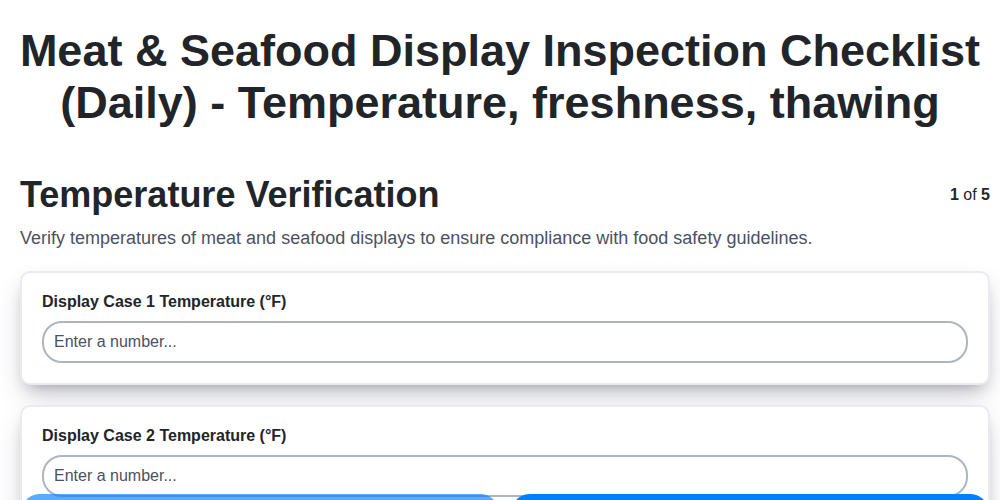
Table of Contents
- Why a Daily Checklist Matters
- Temperature: Your First Line of Defense
- Visual Freshness Assessment
- Decoding Thawing Procedures
- Rotation: Mastering the FIFO System
- Equipment Check: Preventing Downtime
- Spotting Potential Hazards
- Documentation: Your Proof of Due Diligence
- Staff Training: Building a Safety Culture
- Staying Compliant: Meeting Regulations
- Resources & Links
TLDR: Ensure food safety and customer satisfaction with a simple daily checklist! It covers temperatures, freshness, thawing, rotation, and equipment, helping you spot issues early and keep your meat & seafood displays fresh, safe, and compliant with regulations. Download the template and protect your business!
Why a Daily Checklist Matters
Beyond simply following regulations, a daily checklist demonstrates a genuine commitment to your customers' well-being and builds trust. A single instance of improper storage - a slight temperature fluctuation or an overlooked sign of spoilage - can quickly escalate into a public health concern, damaging your reputation and potentially leading to costly legal repercussions. Consistent inspections aren't just about preventing immediate risks; they're about fostering a culture of food safety within your team, identifying potential systemic issues before they become major problems, and proactively safeguarding your business's most valuable asset: your customers' confidence. Think of it as a small investment in peace of mind - for both you and your patrons.
Temperature: Your First Line of Defense
Maintaining precise temperature control is the single most important factor in ensuring the safety and quality of your meat and seafood display. Deviations from recommended temperatures can rapidly accelerate spoilage and create a breeding ground for harmful bacteria. Here's a deeper dive into what to monitor:
Ideal Temperature Ranges:
- Beef, Pork, and Poultry: Aim for a consistent 32°F - 40°F (0°C - 4°C). This range significantly slows bacterial growth.
- Fish and Seafood: Requires even stricter control, ideally maintaining a temperature of 32°F - 40°F (0°C - 4°C). Seafood is inherently more perishable than many meats.
Beyond the Numbers: What to Look For
- Consistent Readings: Temperature fluctuations, even slight ones, can compromise safety. Monitor for stability and identify any patterns of temperature spikes.
- Hot Spots: Uneven airflow within the display case can lead to 'hot spots' where temperatures are higher than the overall reading. Use multiple thermometers at different locations to pinpoint these areas.
- Door Seals: Regularly check door seals for damage or gaps. Compromised seals allow warm air to enter, pushing temperatures upwards.
- Condenser Coils: Dirty condenser coils impede efficient cooling. Schedule regular cleaning based on manufacturer recommendations.
- Calibration is Key: Calibrate your thermometers regularly (at least monthly, or more frequently depending on use) to ensure accuracy. A thermometer that's off by just a few degrees can lead to serious consequences.
Visual Freshness Assessment
Your eyes are your first line of defense! A keen visual assessment can often reveal issues before they're detectable by smell or other methods. Here's what to look for:
- Meat: Look for discoloration (a dull or greyish hue instead of a vibrant red), excessive dryness, bruising, or the presence of a slimy film. Look closely at the fat - it should be white or creamy, not yellowed or rancid.
- Seafood: Pay close attention to the eyes (they should be clear and bulging), gills (bright red or pink, not brown or grey), and flesh. Avoid anything with a sunken appearance, discolored patches, or a dull, lifeless look. Watch for any signs of bruising or damage to the scales.
- Overall: Even subtle changes in appearance can be indicative of a problem. Trust your instincts - if something doesn't look right, investigate further!
Decoding Thawing Procedures
Proper thawing is a critical, often overlooked, step in food safety. Incorrect thawing practices can lead to bacterial growth and significantly increase the risk of foodborne illness. Let's break down the approved methods and why they matter.
The Golden Rule: Keep it Cold!
The key principle of safe thawing is to maintain a consistently cold temperature (below 40°F / 4°C) throughout the thawing process. This prevents rapid bacterial growth. Never leave meat or seafood at room temperature to thaw.
Approved Thawing Methods:
- Refrigerator Thawing: This is the safest and preferred method. Place the frozen item in its original packaging (or a leak-proof container to prevent drips) on the lowest shelf of the refrigerator. Allow ample time for thawing - this can take several hours or even overnight, depending on the size and thickness of the item.
- Cold Running Water: This method is faster than refrigerator thawing, but requires strict adherence to guidelines. Submerge the item in a clean, cold water stream (70°F / 21°C or lower). The water must be changed every 30 minutes. Ensure the packaging is intact or placed in a leak-proof bag.
- Microwave Thawing: This is the fastest option, but should only be used if the item will be cooked immediately after thawing. Microwave thawing can quickly raise the internal temperature and promote bacterial growth if the product isn't cooked right away. Follow your microwave's instructions for thawing.
- Submerged in Cold Water (Not Running): This is generally not recommended due to difficulty maintaining consistent water temperature and increased risk of bacterial growth.
Important Considerations:
- Size Matters: Larger items take significantly longer to thaw, regardless of the method used.
- Documentation: Keep records of thawing times and methods, especially for larger items.
- Refreezing: Refreezing thawed meat or seafood is generally not recommended, as it can affect quality and potentially increase bacterial load. If refreezing is unavoidable, do so quickly and cook the product to a safe internal temperature.
Rotation: Mastering the FIFO System
First In, First Out - it's more than just an acronym; it's the cornerstone of freshness and safety in your meat and seafood display. The FIFO system ensures that the oldest products are sold first, minimizing waste and the risk of spoilage. Think of it as a constant, gentle push of older items to the front of the case.
Here's how to effectively implement FIFO:
- Date Marking is Key: Consistently and clearly mark all products with arrival dates. This is your guide for rotation.
- Regular Reorganization: At least daily, reorganize the display case, bringing older products to the front and pushing newer arrivals to the back. Don't just glance; actively reposition items.
- Visual Cues: Use physical cues, like slightly elevating older packages or using designated FIFO racks, to remind staff of the system.
- Beyond the Main Display: Remember to apply FIFO to all storage areas, including backstock and thawing containers.
- Training & Reinforcement: Regularly train staff on the importance of FIFO and reinforce the process during daily briefings. A quick reminder can make a big difference.
- Check Dates Frequently: Don't just rotate; actively check sell-by and use-by dates throughout the day. Expired products should be removed immediately.
Equipment Check: Preventing Downtime
A refrigeration failure at the worst possible moment can be devastating. Not only does it lead to product loss and financial impact, but it can also compromise food safety. Proactive equipment checks are your best defense.
Beyond the Temperature Readings: Don't just focus on the display case temperature. Regularly inspect the following:
- Condenser Coils: These coils release heat. Dirty coils significantly reduce efficiency and can cause the unit to work harder, leading to breakdowns. Clean them regularly (frequency depends on your environment - consult the manufacturer's instructions).
- Fan Motors: Listen for unusual noises (grinding, squealing) from fan motors. Check for proper airflow.
- Door Seals: Inspect door seals for cracks, tears, or gaps. A compromised seal lets in warm air, forcing the unit to work harder. Replace damaged seals promptly.
- Drain Lines: Clogged drain lines can lead to water buildup and bacterial growth. Flush the drain lines regularly.
- Thermometers: Regularly calibrate thermometers to ensure accuracy. An inaccurate thermometer can mask a temperature problem.
- Power Supply: Visually check power cords and connections for any signs of damage.
Preventative Maintenance is Key: Develop a preventative maintenance schedule and stick to it. This may involve professional servicing as well as your own routine checks. Keep records of all maintenance performed. Small actions now can prevent significant problems later.
Spotting Potential Hazards
Identifying potential hazards goes beyond just checking temperatures and dates. It requires a keen eye and a proactive mindset. Here's what to look for:
- Unusual Odors: Beyond the typical "fresh" smell, be alert for ammonia, sourness, or any off-putting scent. These can indicate spoilage even before visible signs appear.
- Discoloration: Watch for unusual browning, graying, or darkening of meat or fish. This could be a sign of oxidation or bacterial growth.
- Sliminess/Stickiness: A slimy or overly sticky texture on seafood is a major red flag. It indicates bacterial contamination.
- Visible Mold/Spots: Any visible mold, spots, or discoloration beyond what's considered natural variation warrants immediate removal of the product.
- Packaging Defects: Leaks, tears, or compromised packaging can lead to contamination and accelerate spoilage.
- Pest Activity: Signs of insects or rodents nearby should trigger an immediate investigation and pest control measures.
- Condensation: Excessive condensation on display cases or products can create a breeding ground for bacteria.
- Ice Buildup: Excessive ice buildup can obstruct airflow and create temperature inconsistencies within the display case.
Documentation: Your Proof of Due Diligence
Maintaining meticulous records isn't just about ticking boxes; it's your visible commitment to food safety and a powerful tool for demonstrating due diligence. In the unfortunate event of a food safety incident or inspection, these records are your proof that you're actively working to protect your customers.
What should be documented? Everything! This includes:
- Temperature Logs: Record temperatures at regular intervals (at least hourly) and note any deviations from the target range.
- Inspection Dates & Times: Clearly mark when inspections were performed.
- Inspector's Initials/Signature: Assign responsibility and accountability.
- Findings: Briefly describe any issues identified (e.g., "Slight discoloration on salmon fillet - removed from display").
- Corrective Actions Taken: Detail the steps you took to address any problems (e.g., "Salmon fillet discarded. Refrigeration unit temperature adjusted").
- Calibration Records: Keep records of thermometer calibrations, including dates and methods used.
- Thawing Records: If thawing products, document the method used, start time, and completion time.
Paper checklists have their place, but digital checklists offer significant advantages: automated reminders, easier data analysis, and secure storage. Regardless of the method you choose, ensure records are readily accessible and retained for the period required by your local health authority. Consistent and complete documentation is your strongest defense and reflects a serious commitment to food safety excellence.
Staff Training: Building a Safety Culture
A thorough daily inspection checklist is only as effective as the team implementing it. Investing in robust staff training isn't just about compliance; it's about cultivating a true culture of food safety. This means going beyond simply reciting procedures - it's about empowering your employees to understand why these steps are vital and to proactively identify potential risks.
Training should cover all aspects of meat and seafood handling, from proper thawing and rotation techniques to recognizing signs of spoilage and understanding temperature control principles. Hands-on demonstrations and practical exercises are far more effective than lectures alone. Regularly scheduled refresher training is essential to reinforce best practices and keep skills sharp. Encourage open communication; create an environment where employees feel comfortable reporting concerns without fear of reprisal. A well-trained and engaged team is your strongest defense against food safety hazards.
Staying Compliant: Meeting Regulations
Navigating the regulatory landscape surrounding meat and seafood display can feel daunting, but it's a critical investment in your business's longevity and reputation. Local, state, and sometimes even federal regulations dictate specific temperature requirements, labeling protocols, and handling procedures. Familiarize yourself thoroughly with the guidelines applicable to your location and business type. Your local health department is an invaluable resource - don't hesitate to reach out for clarification or training. Maintaining meticulous records of your daily inspections (as outlined in our checklist) is your strongest defense in the event of an audit. These records demonstrate your commitment to food safety and due diligence. Regularly review your processes to ensure ongoing compliance, as regulations are subject to change and best practices evolve. Staying informed and proactive will minimize risk and ensure you're operating within the bounds of the law.
Resources & Links
- Food Safety and Inspection Service (FSIS) - USDA: The FSIS is the primary agency responsible for regulating and supervising meat, poultry, and egg products in the United States. Their website is a crucial resource for understanding federal regulations and best practices.
- U.S. Food and Drug Administration (FDA): The FDA regulates seafood and other food products. Their website contains vital information on seafood safety, handling, and labeling requirements. Crucial for understanding import regulations as well.
- Centers for Disease Control and Prevention (CDC): The CDC provides information on foodborne illnesses, outbreak investigations, and safe food handling practices, helping to understand the risks associated with improper handling of meat and seafood.
- Food Industry Training: Provides a wide range of food safety training courses. Excellent for employee training and refreshers on topics like temperature control, sanitation, and HACCP (Hazard Analysis and Critical Control Points).
- HACCP Guide: A comprehensive resource dedicated to HACCP principles and implementation. Helps understand the systematic approach to identifying and controlling food safety hazards.
- National Restaurant Association: Offers resources and guidelines for restaurants, including food safety best practices, checklists, and educational materials relevant to meat and seafood handling.
- State Food Safety: Provides state-specific food handler certification courses and resources. Essential for ensuring compliance with local regulations.
- Association of Seafood Producers: Focuses on seafood industry best practices, including handling, safety, and traceability. Offers insights specific to seafood-related challenges.
- National Institute of Standards and Technology (NIST): NIST provides information about measurement science and metrology, important for ensuring accuracy in temperature measurement devices (thermometers).
- ThermoWorks: While selling thermometers, ThermoWorks offers excellent resources on accurate temperature measurement, calibration, and best practices for food safety.
- Eater: While primarily a food publication, Eater frequently covers food safety concerns and industry trends. Good for staying updated on emerging issues.
Frequently Asked Questions
What is the purpose of a daily meat & seafood display checklist?
The checklist helps ensure the freshness, safety, and quality of your meat and seafood displays, minimizing spoilage, preventing foodborne illnesses, and maintaining customer satisfaction. It provides a structured approach to daily checks.
Who should use this checklist?
This checklist is designed for anyone responsible for managing meat and seafood displays, including grocery store employees, butchers, fishmongers, and food service staff.
What are the key areas covered in the checklist?
The checklist covers temperature monitoring, visual inspection for spoilage, proper rotation of stock (FIFO - First In, First Out), cleanliness of displays, and adherence to food safety regulations.
Why is temperature so important for meat and seafood?
Meat and seafood are highly perishable. Maintaining proper temperature slows bacterial growth, preventing spoilage and reducing the risk of foodborne illness. Specific temperature requirements vary based on product type.
What does 'FIFO' mean and why is it essential?
FIFO stands for 'First In, First Out.' It means using the oldest products first. This ensures that older items are sold before they expire, minimizing waste and maximizing freshness.
What are some visual signs of spoilage to look for?
Signs of spoilage can include discoloration (slight graying or browning), off-odors, sliminess, a sunken appearance, and changes in texture. When in doubt, throw it out.
How often should I rotate my stock?
Ideally, daily. However, the frequency of rotation depends on sales volume and the type of product. Higher-turnover items need more frequent rotation.
What should I do if I find spoiled meat or seafood?
Immediately remove the affected product from the display. Clean and sanitize the area where it was located to prevent cross-contamination. Document the incident and investigate the cause to prevent recurrence.
Where can I find specific temperature guidelines for different types of meat and seafood?
Refer to local food safety regulations and guidelines from organizations like the FDA (Food and Drug Administration) or your local health department. Product packaging often includes recommended storage temperatures.
Are there any records I need to keep related to the checklist?
Yes, it's important to maintain records of your daily checks, including temperature logs, observations of spoilage, and any corrective actions taken. These records are crucial for demonstrating compliance and identifying trends.
Comments
There are no comments yet. Be the first to add one!
Retail Management Solution Demo
Boost retail efficiency! ChecklistGuro simplifies store operations, inventory management, and employee training. Improve customer experience and maximize profitability. Manage it all with our Work OS.
Related Articles
Seasonal Mulch & Gravel Checklist Template: Stay Stocked & Ready
Elevator & Escalator Inspection Checklist Template: Your Guide to Safety & Compliance
Daily Prescription Dispening Area Inspection Checklist Template

Weekly Waste Management & Recycling Checklist Template
Keep Your Storefront Sparkling: Your Daily & Weekly Cleaning Checklist Template
Your Ultimate Landscaping & Groundskeeping Checklist: Weekly & Monthly Templates
Monthly Stockroom Organization & Safety Checklist Template
Daily Dairy Case Inspection Checklist Template
We can do it Together
Need help with
Retail?
Have a question? We're here to help. Please submit your inquiry, and we'll respond promptly.