Lost & Found Audit: Ensuring Passenger Belongings on Public Transit
Published: 09/26/2025 Updated: 12/13/2025
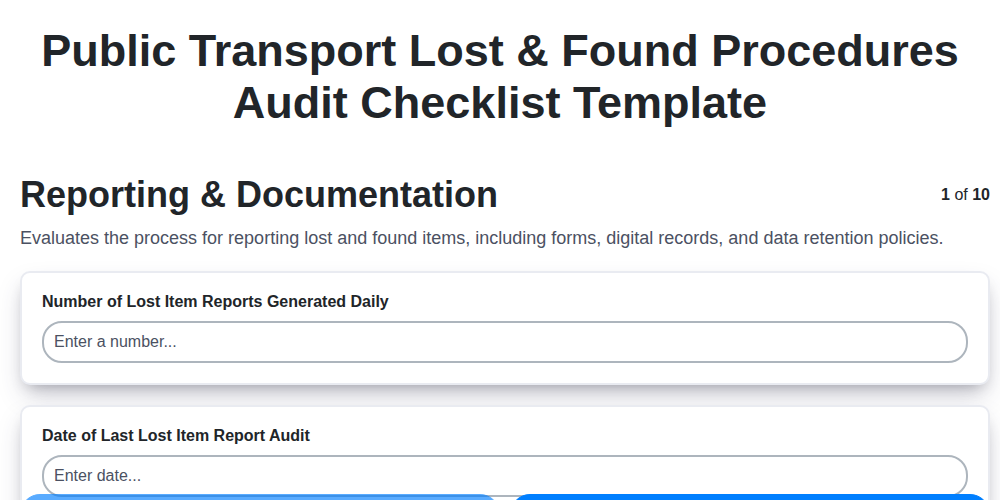
Table of Contents
- Why Public Transit Lost & Found Matters
- The Scope of a Lost & Found Audit
- Building a Foundation: Policy & Procedures
- Detailed Checklist Categories: A Deep Dive
- Reporting & Documentation: The First Point of Contact
- Secure Storage & Inventory Management
- Streamlining the Claim Process
- Handling Unclaimed Items: Disposition & Donation
- Staff Training: Expertise in Lost & Found
- Public Communication: Keeping Passengers Informed
- Data Privacy and Security: Protecting Passenger Information
- Record Retention & Legal Compliance
- Continuous Improvement: Review & Updates
- Resources & Links
TLDR: Lost something on public transit? This checklist helps transit operators ensure their Lost & Found procedures are secure, efficient, and passenger-friendly! It covers everything from reporting and storage to data privacy & disposal - helping you protect belongings, build trust, and avoid legal headaches. Download the template to get started!
Why Public Transit Lost & Found Matters
Beyond simply reuniting people with their belongings, a well-managed Lost & Found operation speaks volumes about the values of your public transit system. It's a tangible demonstration of your commitment to passenger care and builds trust - a critical element for ridership and overall satisfaction. Think about it: a lost phone or wallet can cause significant distress. Knowing that a robust and reliable Lost & Found system is in place can ease that anxiety and foster a sense of safety and security.
Furthermore, efficient Lost & Found practices minimize potential liabilities. Mishandling lost items or failing to follow proper procedures can lead to claims and legal challenges. Proactive, documented processes act as a protective measure.
Finally, consider the impact on your organization's reputation. Positive experiences, even seemingly small ones like recovering a lost item, contribute to a favorable public image and encourage continued patronage. A reputation for caring and competence goes a long way in building a thriving public transit system.
The Scope of a Lost & Found Audit
A comprehensive Lost & Found audit isn't just about ticking boxes; it's a deep dive into every aspect of your system, from initial reporting to final disposition. This scope extends beyond the physical handling of items and encompasses the policies, procedures, technology, and human elements that underpin the entire process.
The audit should evaluate the clarity and accessibility of your Lost & Found policies, ensuring they are easily understood by both staff and passengers. It's crucial to examine the effectiveness of communication channels - both online (website, mobile app) and offline (station signage, announcements) - used for reporting lost items and disseminating information about recovery.
Furthermore, the audit must consider the technological infrastructure supporting your Lost & Found operations. Are you utilizing a digital tracking system? Is it integrated with other relevant departments? Does it allow for efficient searching and reporting? Are data security protocols robust?
Finally, and perhaps most importantly, the audit should assess the training and understanding of your staff. Are they equipped to handle sensitive situations with empathy and professionalism? Do they understand the legal and ethical considerations surrounding lost property? A truly effective audit will identify weaknesses across all these areas and provide actionable recommendations for improvement.
Building a Foundation: Policy & Procedures
A robust Lost & Found system isn't built on good intentions; it's constructed on a solid foundation of clearly defined policies and procedures. These documents aren't just for compliance - they're the roadmap for every interaction, ensuring consistency, fairness, and accountability. A well-written policy outlines the scope of the Lost & Found service, defining what types of items are handled and the limits of responsibility. It should detail reporting protocols, claiming processes, storage guidelines, and timelines for item disposition.
Beyond the core policy, detailed procedures should provide step-by-step guidance for staff, covering everything from initial item documentation to secure storage protocols and claim verification. These procedures should be readily accessible and regularly reviewed to reflect changes in regulations, technology, or operational needs. Investing in clear and comprehensive documentation isn't just about mitigating risk; it's about creating a system that inspires confidence and provides a positive experience for both staff and passengers. A lack of clarity here often leads to inconsistencies, errors, and ultimately, a diminished sense of trust in the overall service.
Detailed Checklist Categories: A Deep Dive
Let's break down each category of the Lost & Found Audit Checklist in more detail. While each point outlined previously is vital, understanding the nuances within each area is key to a truly effective audit.
1. Reporting & Documentation: Beyond the Basics
It's not enough to simply have reporting forms. Audit whether those forms are user-friendly and accessible to passengers in various formats (online, physical). Observe how staff handle initial assessments - do they prioritize detailed descriptions, secure the item immediately, and assign a unique tracking number? Consider incorporating a standardized photo capture process for valuable items.
2. Item Storage & Security: Layered Protection
Evaluate the physical security of your storage area. This means assessing access control (who has keys/codes?), environmental conditions (temperature, humidity), fire safety measures, and even pest control. Are items organized in a way that prevents damage and facilitates retrieval? A risk assessment of potential vulnerabilities is also essential.
3. Claim Procedures: Passenger-Centricity
Go beyond simple accessibility. Are multiple identification methods accepted? Is the process explained clearly in multiple languages where appropriate? Is there a mechanism for handling disputes or appeals? Consider mystery shopping the claim process to identify pain points from a passenger's perspective.
4. Item Disposition: Ethical & Legal Considerations
Document not just how items are disposed of or donated, but why - what criteria are used to determine which items are eligible for donation versus destruction? Confirm all donations are made to registered charities and comply with relevant tax regulations. A detailed record of disposal must be maintained.
5. Staff Training & Awareness: Ongoing Expertise
Assess whether training covers not just procedure adherence, but also customer service skills and legal liabilities. Implement refresher training at regular intervals (e.g., annually) and evaluate its effectiveness through quizzes or practical assessments. Cover sensitive topics like data privacy and handling potentially hazardous items.
6. Public Communication & Information: Clear and Accessible Messaging
Evaluate the clarity and accessibility of your public-facing information. Are instructions easy to understand? Is the information readily available on your website, at stations, and through other channels? Consider using visuals (maps, diagrams) to enhance comprehension. Regularly update information based on feedback and policy changes.
7. Technology Integration:
Explore how technology can enhance the entire process. Could a digital tracking system improve efficiency and transparency? Could online reporting forms simplify the initial reporting process for passengers? Consider mobile apps or self-service kiosks for claiming items.
8. Policy Review and Updates:
The review process shouldn's only involve the head of Lost & Found. Gather input from station staff who interact with the process daily. Consider external legal counsel for periodic policy reviews to ensure compliance with evolving regulations.
Reporting & Documentation: The First Point of Contact
The initial report is everything. It's the foundation upon which the entire Lost & Found process is built. Inaccurate or incomplete reporting at this stage can lead to frustration for passengers, delays in recovery, and ultimately, a less-than-ideal experience. A clear, consistent reporting system should be readily accessible to passengers - both online and, ideally, in physical form at stations or stops.
Your reporting form (digital or paper) should capture essential details: a concise description of the lost item (including any identifying marks), the location where it was lost or found, the date and time, and the reporter's contact information (optional, but recommended). Train staff to guide passengers through the reporting process, ensuring they understand the importance of providing as much detail as possible. Consider using standardized phrasing to prompt for necessary information. Digital reporting systems should include required fields to prevent incomplete submissions. A photo upload feature can also be incredibly valuable for accurate identification. Remember, the better the initial information, the higher the chance of a successful reunion between passenger and lost item.
Secure Storage & Inventory Management
The security and organization of your Lost & Found storage area are paramount. It's not enough to simply collect items; you need a system that protects them from theft, damage, and misplacement. A compromised storage area erodes passenger trust and creates legal vulnerabilities.
Here's what a robust secure storage and inventory management system looks like:
- Restricted Access: Only authorized personnel should have access to the storage area. Implement keycard access, coded locks, or other security measures. Regularly review and update access permissions.
- Environmental Control: Protect items from extreme temperatures, humidity, and direct sunlight. Proper ventilation and climate control can prevent damage to sensitive items like electronics or clothing.
- Detailed Inventory System: Move beyond basic piles. Utilize a digital inventory system (spreadsheet, database, or specialized Lost & Found software) to track each item's description, date of recovery, location within the storage area, and any identifying information. This allows for efficient searching and tracking. Barcode scanning can significantly improve accuracy.
- Regular Audits: Conduct regular (e.g., weekly or monthly) physical audits of the storage area to verify inventory accuracy and identify any discrepancies. Document these audits.
- Categorization and Labeling: Implement a clear categorization system (e.g., by item type, location found) and label items accordingly. This streamlines the search process for both staff and claimants.
- Secure Disposal Procedures: If items are disposed of, follow documented procedures that ensure data security (especially for electronics) and compliance with relevant environmental regulations. Properly wipe data from devices before disposal or donation.
Streamlining the Claim Process
Making the claim process as smooth as possible is paramount to a positive passenger experience. A convoluted or confusing system can lead to frustration, lost confidence in your services, and ultimately, unclaimed items. Here's how to streamline the claim process for both your staff and your passengers:
- Clear Online Portal: Implement a user-friendly online form for reporting lost items and initiating claims. Ensure it's mobile-friendly and includes clear instructions and helpful FAQs.
- Accessible Reporting Options: Offer multiple ways to report lost items: online form, phone, in-person at stations/stops.
- Automated Acknowledgement: Immediately send an automated email or SMS confirmation upon receipt of a claim, detailing the next steps.
- Identification Verification: Establish a consistent and secure identification verification process. Accept multiple forms of ID, and clearly outline requirements on your website and in-person.
- Regular Updates: Provide claimants with automated updates on the status of their claim - "Item Received," "Under Review," "Ready for Collection."
- Collection Instructions: Provide clear and concise instructions for collecting items, including opening hours, location, and any necessary documentation.
- Staff Training: Train staff to handle claim inquiries efficiently and empathetically. Provide them with the resources and authority to resolve common issues.
- Feedback Mechanism: Implement a feedback mechanism to gather claimant opinions and identify areas for improvement in the claim process.
Handling Unclaimed Items: Disposition & Donation
Once an item remains unclaimed for a defined period - typically dictated by local regulations and your internal policy - its disposition requires careful consideration and adherence to legal guidelines. Our procedures prioritize responsible handling, aiming to balance passenger rights with ethical and environmentally conscious practices.
Initially, attempts are made to identify the owner through any available contact information. If unsuccessful, items are categorized based on value and type. High-value items (electronics, jewelry, etc.) may be stored securely for an extended period, while lower-value items are processed more promptly.
Disposal is always a last resort. Before discarding any item, we explore donation opportunities. Partnerships with local charities and non-profit organizations allow us to give unclaimed items a second life, benefiting those in need. Items suitable for donation are carefully assessed for cleanliness and usability, ensuring they are in acceptable condition for recipients.
Records are meticulously maintained throughout the entire disposition process, including details of donation partners, item descriptions, and disposal methods. This ensures transparency and accountability, demonstrating our commitment to ethical and sustainable practices in handling unclaimed possessions. Any sales of unclaimed items (if permitted by local laws) are also carefully documented, with proceeds often directed toward supporting transit system improvements.
Staff Training: Expertise in Lost & Found
Your Lost & Found system is only as good as the people managing it. Consistent, well-trained staff are the backbone of a reliable and passenger-friendly process. Generic customer service training isn't enough; Lost & Found demands specialized knowledge and a proactive approach.
Our audit checklist emphasizes regular, targeted training that covers a range of critical areas. This includes detailed instruction on proper reporting and documentation techniques - ensuring accurate descriptions, photographic evidence when appropriate, and secure record-keeping. Staff must be comfortable verifying identification thoroughly and sensitively, adhering to established protocols for handling potentially valuable items (phones, laptops, jewelry) with extra care.
Beyond the technical aspects, training should foster a customer-centric mindset. Staff should be empowered to resolve issues efficiently and empathetically, understanding that a lost item represents a significant inconvenience and often emotional distress for the passenger. Role-playing scenarios and real-world case studies can be valuable tools for developing these skills.
Crucially, refresher training must be a continuous process. Policies and procedures can change, and staff need to stay informed. Regular updates on data privacy regulations (like GDPR or CCPA) are essential, ensuring compliance and protecting passenger information. Documenting all training sessions - including dates, topics covered, and attendee lists - demonstrates a commitment to continuous improvement and provides valuable evidence for audits. Investing in comprehensive and ongoing staff training isn't just about following procedures; it's about building trust and providing exceptional service to your passengers.
Public Communication: Keeping Passengers Informed
Clear and accessible communication is paramount to a successful Lost & Found system. Passengers need to know how to report a lost item and how to claim it. Relying on word-of-mouth or assuming passengers will simply know the process isn't sufficient.
Here's how to keep your passengers informed:
- Website Presence: A dedicated Lost & Found page on your website is essential. Include clear instructions on reporting lost items (online form, phone number, email address), hours of operation for the Lost & Found office, and a detailed explanation of the claim process, including required identification.
- Station Signage: Prominent signage at stations and stops directing passengers to Lost & Found resources or providing contact information is crucial. Consider multilingual signage where appropriate.
- Social Media Engagement: Utilize social media platforms (Twitter, Facebook, Instagram) to announce Lost & Found updates, provide helpful tips, and respond to passenger inquiries.
- Automated Announcements: Include Lost & Found information in automated announcements, especially during peak travel times.
- Passenger Information Displays: Integrate Lost & Found details into passenger information displays at stations.
- Mobile App Integration: If you have a mobile app, provide easy access to Lost & Found information and reporting tools.
- Regular Updates: Keep all communication channels updated with the latest information and any procedural changes.
Don't underestimate the power of proactive communication - it can significantly improve the passenger experience and reduce frustration.
Data Privacy and Security: Protecting Passenger Information
Lost and found procedures inherently involve collecting and storing personal data - names, contact information, descriptions of lost items, and sometimes even photos. This data is highly sensitive and demands the utmost care to ensure passenger privacy and comply with legal requirements. A data breach or mishandling of information can lead to significant reputational damage, legal penalties, and erode passenger trust.
Our Lost & Found procedures prioritize data minimization: we only collect the information absolutely necessary to identify and return lost items. All data is stored securely, utilizing [Specify your security measures: e.g., encrypted databases, access controls, secure file storage]. Access to this information is strictly limited to authorized personnel only, and regular audits are conducted to verify compliance.
We are committed to adhering to relevant privacy regulations, including [Specify applicable regulations: e.g., GDPR, CCPA, local laws]. Passengers have the right to access, correct, and request deletion of their personal data held within our Lost & Found records. [Provide clear instructions on how passengers can exercise these rights - e.g., contact details, online form]. Regular staff training emphasizes the importance of data privacy and security, reinforcing best practices for handling sensitive information. We also maintain a detailed data retention policy, ensuring that records are securely disposed of when they are no longer needed, further protecting passenger data.
Record Retention & Legal Compliance
Maintaining accurate and organized records is not just about good housekeeping; it's a critical legal obligation for any public transport operator. The information collected during Lost & Found processes - from initial reporting details to item descriptions and claimant information - is subject to various data privacy regulations and potential legal scrutiny.
The timeframe for retaining Lost & Found records varies depending on local legislation and the type of item involved. Generally, records pertaining to potentially valuable items or those involving sensitive personal information should be retained for a longer period. We strongly advise consulting with your legal counsel to determine specific retention periods aligned with applicable laws, such as GDPR, CCPA, or similar regulations in your jurisdiction.
Beyond the general timeframe, specific items may necessitate extended record keeping. For example, items suspected to be connected to a crime or involving a minor should be handled with extra care and retained for a longer period, as dictated by law enforcement requirements.
A documented disposal process is equally vital. When records reach their retention period, they must be securely and permanently disposed of, following established protocols that prevent unauthorized access. This process should be tracked and auditable to demonstrate compliance. Failure to adhere to these regulations can result in significant fines, legal action, and damage to your organization's reputation. Always err on the side of caution - documenting everything related to record retention is your best defense.
Continuous Improvement: Review & Updates
Regular review isn't just a box to tick; it's the engine that drives an effective Lost & Found system. Policies and procedures that worked brilliantly five years ago might be outdated or inefficient today, given changes in technology, passenger behavior, and evolving legal requirements.
We recommend a minimum annual review of your entire Lost & Found policy and related processes. This should be a collaborative effort, involving representatives from Lost & Found, Security, Customer Service, and potentially even passenger advisory groups.
During these reviews, consider:
- Feedback Analysis: Actively solicit and analyze feedback from passengers and staff regarding the Lost & Found experience. Are there common complaints or suggestions for improvement?
- Technological Advancements: Explore how new technologies - from improved CCTV systems to automated item tracking - could enhance the process.
- Legal and Regulatory Changes: Stay abreast of any updates to relevant data privacy laws (like GDPR or CCPA) or transportation regulations that might necessitate adjustments to your procedures.
- Performance Metrics: Track key metrics like claim resolution time, item recovery rates, and staff efficiency to identify areas for optimization.
- Incident Analysis: When incidents do occur, treat them as learning opportunities. Analyze what went wrong and implement corrective actions to prevent recurrence.
Document all review findings and any resulting changes to the policy. Ensure these updates are clearly communicated to all relevant staff and made readily available to passengers. A living, breathing Lost & Found policy is a strong indicator of your commitment to passenger care and operational excellence.
Resources & Links
- Federal Transit Administration (FTA): The FTA provides regulations, guidance, and resources for public transit agencies, including information related to safety and security, which indirectly supports lost and found protocols. Search their website for relevant advisories and best practices.
- American Public Transportation Association (APTA): APTA is a leading resource for public transit agencies. They offer training, conferences, and publications that cover operational best practices, which can include lost & found management. Look for webinars and reports related to passenger experience and safety.
- International Organization for Standardization (ISO): While not specifically about lost & found, ISO standards (e.g., ISO 9001 for quality management) can provide a framework for developing and implementing robust processes, including those for lost property.
- National Institute of Standards and Technology (NIST): NIST provides standards and guidance related to information security and privacy, crucial when handling passenger data within a lost & found system. Their publications on data handling and breach prevention are valuable.
- International Indoor Plant Association: While seemingly unrelated, the information on handling delicate and valuable items and creating a secure environment could be applied when considering best practice for securing recovered items.
- Legal Solutions (Consult a Legal Professional): A legal professional can advise on compliance with local, state, and federal laws regarding lost property, data privacy, and record retention. Essential for ensuring your lost & found policies are legally sound.
- Privacy Rights Clearinghouse: This organization offers consumer guides and resources on data privacy laws and best practices. Helps ensure your lost & found system is compliant with privacy regulations.
- ARMA International: ARMA provides resources and best practices for records management, vital for ensuring proper retention and disposition of lost & found records. Important for record retention and legal compliance.
- Computer Source Inc: An expert in inventory and asset tracking solutions can help automate and improve the processes of cataloging and storing recovered items.
- U.S. General Services Administration (GSA): The GSA provides resources on procurement and asset management. Can be helpful for securing appropriate storage solutions and equipment for lost & found operations.
- U.S. Department of Homeland Security (DHS): DHS offers guidance on security best practices, including those relevant to public spaces and transportation systems. Helps ensure the physical security of recovered items and the safety of transit facilities.
- Spill Control: If your lost & found handles potentially hazardous items, you need protocols for secure disposal.
Frequently Asked Questions
What is a Lost & Found Audit and why is it important for public transit agencies?
A Lost & Found Audit is a systematic review of a public transit agency's lost and found procedures, inventory management, and claim resolution processes. It's important because it helps ensure passenger belongings are properly handled, increasing the likelihood of return and improving passenger satisfaction, while also minimizing potential liabilities and improving operational efficiency.
What are the common types of items found on public transit?
Commonly found items include phones, wallets, keys, bags, umbrellas, hats, gloves, and sometimes even assistive devices like canes or walkers. The types of items vary based on the transit system and the time of year.
What are the key areas typically assessed during a Lost & Found Audit?
An audit typically reviews policies and procedures, staff training, inventory tracking systems, claim handling processes, data analysis (reporting on lost items), storage conditions, and communication protocols between departments and with passengers.
What are some potential benefits of implementing or improving a Lost & Found program based on audit findings?
Benefits include increased recovery rates for lost items, improved passenger trust and satisfaction, reduced risk of theft and liability claims, more efficient staff workflows, and better data for operational improvements (e.g., identifying peak loss times/locations).
How does a Lost & Found Audit help reduce liability for the transit agency?
By ensuring proper procedures are in place for handling lost items - including secure storage, documentation of receipt and disposition, and timely claim resolution - the audit helps demonstrate due diligence and minimizes potential legal risks related to lost or stolen property.
What kind of technology can be used to improve Lost & Found operations?
Technology solutions can include barcode or RFID tracking for items, online claim portals for passengers, automated inventory management systems, GPS tracking (for larger items), and digital record-keeping to enhance tracking and reporting.
What role do passengers play in recovering their lost items?
Passengers are responsible for reporting lost items and providing accurate descriptions. They should also cooperate with the agency's inquiry process and provide any necessary documentation to support their claims. Some agencies may have online reporting systems to facilitate this.
How often should a Lost & Found Audit be conducted?
The frequency of audits depends on factors like the size and complexity of the transit system, past audit findings, and risk assessment. Generally, audits should be conducted at least every 1-3 years, with more frequent reviews if significant issues are identified.
What data should be collected and analyzed as part of a Lost & Found Audit?
Data to be collected includes the types of items lost, date and time lost, location lost, resolution status (returned, unclaimed, disposed), claim processing times, staff workload, and associated costs. Analyzing this data helps identify trends and areas for improvement.
What are some best practices for communicating with passengers regarding Lost & Found services?
Best practices include having a clear and accessible website with information on reporting lost items, providing multiple contact methods (phone, email, online form), responding promptly to inquiries, and providing regular updates on claim status. Transparent communication builds trust.
Comments
There are no comments yet. Be the first to add one!
Public Transport Management Solution Demo
Optimize public transport operations & enhance passenger experience! ChecklistGuro streamlines route planning, vehicle maintenance, and incident reporting. Improve efficiency, safety, and reliability. Manage it all with our Work OS.
Related Articles
Train Depot Emergency Audit: Your Checklist Template for Safety
Mastering the Crush: Your Public Transport Crowded Conditions Audit Checklist
Keeping Our Buses Clean: A Checklist for Air Quality Audits
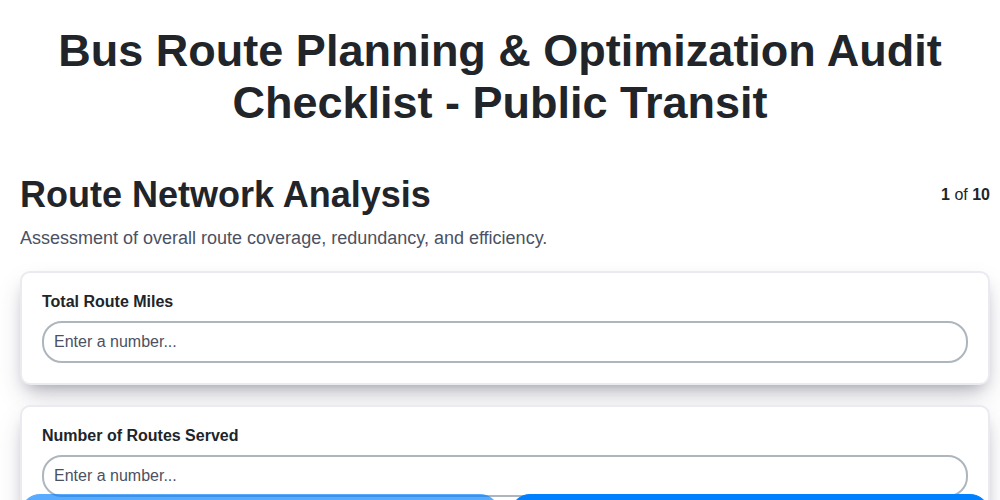
The Ultimate Bus Route Audit Checklist: A Template for Public Transit Success
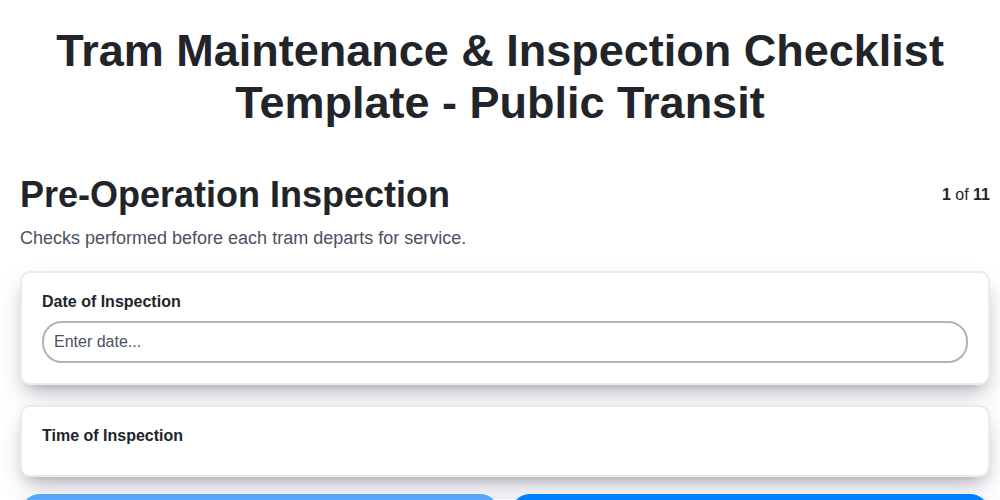
Keeping City Transit Rolling: Your Tram Maintenance Checklist Template
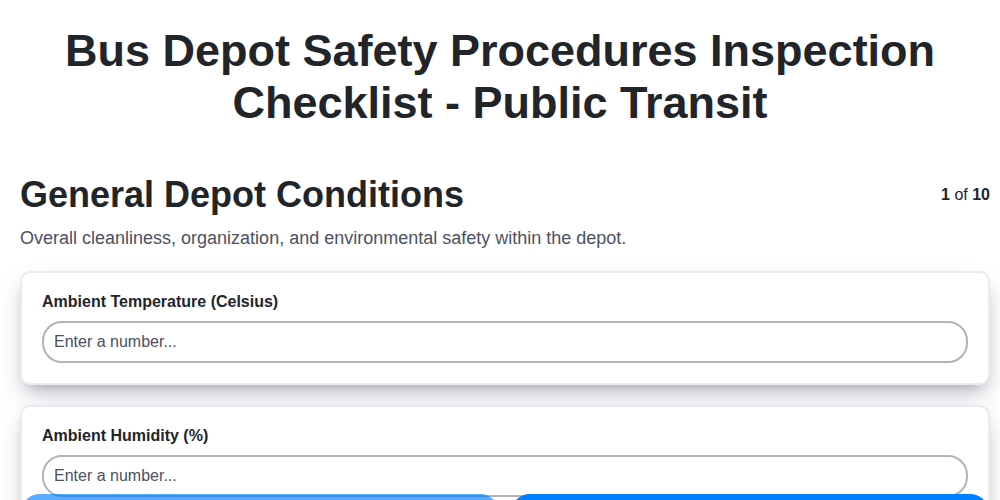
Keeping Wheels Turning Safely: Your Bus Depot Safety Checklist Template
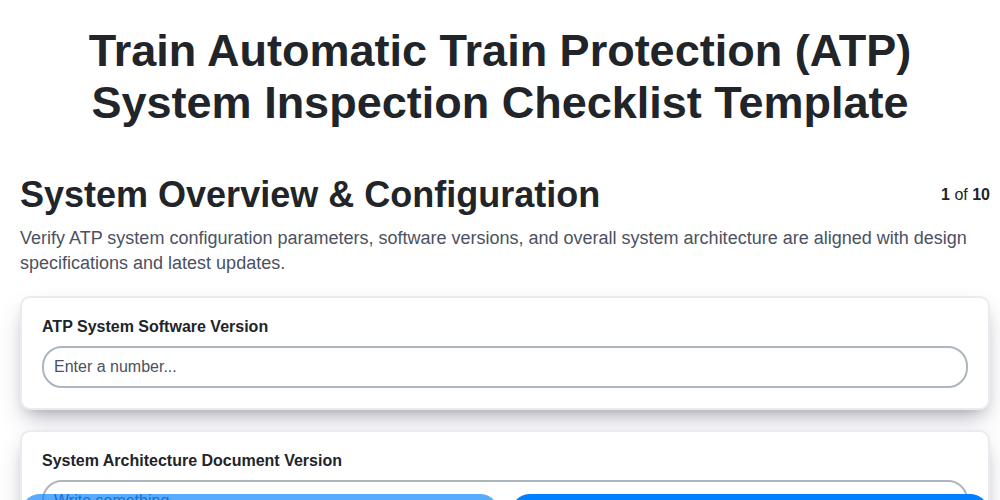
Mastering ATP Safety: Your Train Inspection Checklist Template
Train Depot Safety Inspection Checklist Template: Your Guide to a Safer Facility
We can do it Together
Need help with
Public Transport Management?
Have a question? We're here to help. Please submit your inquiry, and we'll respond promptly.