The 5 Best Inventory Management Software of 2025
Published: 11/29/2025 10:00 PM Updated: 12/14/2025 7:18 AM
Table of Contents
- Why Inventory Management Software is Essential in 2025
- Key Features to Look for in Inventory Management Software
- 1. <a href="https://www.zoho.com/inventory/" target="_blank">Zoho Inventory</a>: The Versatile All-Rounder
- 2. <a href="https://www.fishbowlinventory.com/" target="_blank">Fishbowl Inventory</a>: Manufacturing Powerhouse
- 3. <a href="https://www.cin7.com/" target="_blank">Cin7</a>: E-commerce Focused Solution
- 4. <a href="https://www.unleashedsoftware.com/" target="_blank">Unleashed Software</a>: Subscription-Based Success
- 5. <a href="https://www.inflowinventory.com/" target="_blank">inFlow Inventory</a>: Simplicity & Affordability
- 6. <a href="https://checklistguro.com/solutions/inventory-management" target="_blank">ChecklistGuro</a>: BPM-Powered Inventory Management (Beyond the Basics)
- Beyond the Software: Best Practices for Inventory Management
- Resources & Links
TLDR: Overwhelmed by inventory? We reviewed the top 5 inventory management software solutions for 2025 - think real-time tracking, automated ordering, and streamlined workflows. This post breaks down each option's strengths (and weaknesses!) so you can quickly find the perfect fit for your business's size and specific needs. Stop guessing, start knowing what's on your shelves!
Why Inventory Management Software is Essential in 2025
The business landscape in 2025 is fiercely competitive, and efficiency is no longer a luxury-it's a necessity. Gone are the days of relying on spreadsheets and manual stocktaking. Businesses that thrive will be those leveraging technology to optimize their operations, and inventory management software is a cornerstone of that strategy.
Here's why it's absolutely essential:
- Real-time Visibility: Know exactly what you have, where it is, and its value - instantly. No more guessing or frantic searches.
- Reduced Costs: Minimize stockouts (lost sales) and overstocking (wasted capital). Optimize order quantities based on demand forecasting.
- Improved Accuracy: Eliminate human error in tracking and accounting for inventory.
- Enhanced Customer Satisfaction: Fulfill orders accurately and promptly, leading to happier customers and repeat business.
- Data-Driven Decisions: Gain insights into product performance, sales trends, and supply chain efficiency to inform strategic decisions.
- Scalability: As your business grows, your inventory management needs will become more complex. Software provides the infrastructure to handle that growth seamlessly.
- Integration with Other Systems: Modern inventory software integrates with e-commerce platforms, accounting software, and CRM systems for a unified business view.
Simply put, in 2025, inventory management software isn't just about keeping track of stock; it's about gaining a competitive advantage.
Key Features to Look for in Inventory Management Software
When choosing inventory management software, don't just look at the price tag. Consider what features will actually solve your business's pain points. Here's a breakdown of the key features you should be evaluating:
- Real-Time Tracking: This is non-negotiable. You need to know exactly what you have, where it is, and its value, right now. Look for software with barcode scanning capabilities, mobile access for warehouse staff, and clear visual dashboards.
- Automated Reordering/Low Stock Alerts: Avoid stockouts and overstocking. Automatic reorder points based on sales velocity and lead times are a huge time-saver.
- Multi-Channel Inventory Management: If you sell online (e.g., Shopify, Etsy, Amazon) and in-store, the software must sync inventory across all sales channels. Discrepancies lead to frustrated customers and lost revenue.
- Reporting & Analytics: Data is your friend! Look for features that provide insights into sales trends, inventory turnover, and potential areas for improvement. Custom reporting is a big plus.
- Integration Capabilities: Can the software talk to your accounting software (e.g., QuickBooks, Xero)? Seamless integration minimizes manual data entry and reduces errors. Also consider integrations with your CRM (Customer Relationship Management) system.
- Lot Tracking/Serial Number Tracking: Essential for industries with expiry dates (food, pharmaceuticals) or warranty requirements.
- User Permissions & Access Control: Ensure only authorized personnel can access sensitive inventory data.
- Scalability: Will the software grow with your business? Consider your future needs when making a decision.
1. Zoho Inventory: The Versatile All-Rounder
Zoho Inventory consistently ranks high for a reason: it's remarkably versatile. Whether you're a small startup or a rapidly growing enterprise, Zoho Inventory offers a robust suite of features adaptable to diverse needs. Its core strength lies in its comprehensive approach - from order management and shipping to inventory tracking and accounting integration.
You'll appreciate the multi-channel selling capabilities, allowing you to seamlessly manage sales across marketplaces like Amazon, eBay, and Shopify. The software also boasts powerful reporting tools to analyze your sales data and identify trends. Zoho Inventory excels in handling complex scenarios, like kitting and bundling products, and offers advanced features like batch expiry tracking and serial number management.
One of the best things about Zoho Inventory is its scalability. As your business grows, the software can easily expand to accommodate increased inventory volume and complexity. It's also part of the broader Zoho ecosystem, which means you can integrate it with other Zoho apps like Zoho CRM and Zoho Books for a truly unified business management solution. While the sheer number of features can feel a bit overwhelming at first, the extensive support resources and tutorials available make the learning curve manageable. Consider Zoho Inventory if you're looking for a powerful, scalable, and well-integrated solution that can grow with your business.
2. Fishbowl Inventory: Manufacturing Powerhouse
Fishbowl Inventory isn't your average inventory management system; it's a robust solution specifically built for manufacturing and wholesale businesses. What truly sets it apart is its deep integration with QuickBooks, offering unparalleled financial control and reporting. While many systems claim to integrate, Fishbowl's connection is seamless, handling complex manufacturing processes like bill of materials, work orders, and assembly management with ease.
This makes it ideal for businesses that produce goods, handle intricate supply chains, or require detailed tracking of raw materials and finished products. Forget clunky spreadsheets or manual tracking - Fishbowl provides comprehensive visibility into every stage of your manufacturing cycle.
However, its specialization also means it might be overkill for smaller businesses or those primarily focused on retail. The learning curve can be steeper compared to simpler inventory solutions, and the cost reflects its powerful capabilities. Nevertheless, for manufacturing operations seeking a system designed for their specific needs, Fishbowl Inventory is a serious contender. You'll need to consider the necessary hardware (it's a desktop application) and potentially factor in training for your team.
3. Cin7: E-commerce Focused Solution
Cin7 shines particularly bright for businesses deeply integrated with e-commerce platforms. It's more than just inventory management; it's a complete order management system designed to handle the complexities of online sales across multiple channels. Think Shopify, Amazon, eBay - Cin7 aims to be the central hub connecting all of them.
What sets it apart is its robust manufacturing capabilities. While it caters to a wide range of industries, it's a strong choice for manufacturers needing to manage bills of materials, work orders, and production schedules. The platform offers advanced features like landed cost tracking, which is invaluable for businesses importing goods.
However, Cin7's breadth of functionality also means a steeper learning curve compared to some simpler solutions. It's a powerful tool, but it requires commitment to learn its intricacies. Pricing can also be a factor; it's positioned as a higher-tier solution best suited for growing or established businesses.
Key Features:
- Multi-Channel Order Management: Integrates with major e-commerce platforms.
- Manufacturing Capabilities: Bills of materials, work orders, production scheduling.
- Landed Cost Tracking: Accurately calculates the total cost of imported goods.
- Advanced Reporting: Gain deep insights into your inventory performance.
- Warehouse Management: Optimizes warehouse operations with location tracking and more.
4. Unleashed Software: Subscription-Based Success
Unleashed Software shines for businesses operating on a subscription model, particularly those dealing with recurring revenue and needing detailed cost of goods sold (COGS) tracking. Unlike some solutions focused solely on retail, Unleashed is built to manage complex inventory flows, from raw materials to finished goods, across multiple locations.
A key differentiator is its emphasis on manufacturing and wholesale. It provides robust features for bill of materials (BOM) management, work-in-progress (WIP) tracking, and serial number management, allowing you to meticulously control your production process. The platform also integrates seamlessly with popular e-commerce platforms like Shopify and Xero, further simplifying your operations.
However, the subscription-based pricing model might be a barrier for some smaller businesses with limited budgets. While the functionality is powerful, the learning curve can be steeper than some more basic inventory management tools. If you're dealing with intricate manufacturing processes and need granular cost tracking, Unleashed Software is definitely worth a closer look. They offer a free trial, so you can test its capabilities firsthand.
5. inFlow Inventory: Simplicity & Affordability
inFlow Inventory consistently stands out for its user-friendly interface and competitive pricing, making it an excellent choice for small to medium-sized businesses (SMBs) just getting started with inventory management or looking for a straightforward upgrade. Unlike some of the more complex systems, inFlow prioritizes ease of use, meaning your team can get up to speed quickly with minimal training.
The platform boasts a robust set of features, including barcode scanning, order management (purchase orders, sales orders, and shipping), and manufacturing capabilities - a rarity at its price point. It supports multi-channel sales (e.g., online stores, marketplaces, retail locations) and offers decent reporting features to track key performance indicators.
While the reporting capabilities aren't as extensive as some of the higher-tier options, inFlow's strength lies in its core functionality. Its clean design and intuitive navigation make it a joy to use, preventing frustration and boosting productivity. The free version offers basic inventory tracking, while the paid versions unlock advanced features like landed costs, manufacturing, and integrations. If you value simplicity, affordability, and a gentle learning curve, inFlow Inventory deserves serious consideration. Just be aware that it might lack the granular customization options that larger enterprises often require.
6. ChecklistGuro: BPM-Powered Inventory Management (Beyond the Basics)
While ChecklistGuro isn't solely an inventory management software, its robust Business Process Management (BPM) platform offers a remarkably flexible and powerful way to manage inventory - and so much more. Many "inventory management software" solutions are really just glorified spreadsheets. ChecklistGuro takes a different approach. We empower you to design your inventory workflows, automating everything from purchase order creation and receiving to cycle counts and shipping. This means you're not confined to pre-defined processes; you build processes that perfectly match your business needs.
What sets ChecklistGuro apart?
- True BPM Capabilities: Design custom workflows, automate approvals, and track every step of the inventory process.
- Process Visibility: Gain real-time insights into inventory flow, bottlenecks, and potential issues. No more guesswork.
- Integration Flexibility: While offering native inventory features, it integrates seamlessly with your existing accounting, CRM, and other business systems.
- More Than Just Inventory: Manage all your business processes - from onboarding new employees to managing customer requests - all within a single platform. This can lead to significant efficiency gains and reduced operational costs.
- Suitable for Diverse Industries: From manufacturing and distribution to healthcare and education, ChecklistGuro adapts to your specific industry requirements.
Ideal for: Businesses seeking a highly customizable and integrated solution for managing inventory and other core business processes. Especially well-suited for companies with complex or unique workflows.
Beyond the Software: Best Practices for Inventory Management
Even the best inventory management software is only as effective as the processes that support it. Implementing the right technology is a great start, but you need to establish robust best practices to truly optimize your inventory. Here's a few to consider:
- Regular Stock Audits: Don't wait for problems to arise. Conduct frequent physical inventory counts (daily, weekly, or monthly depending on your volume) to reconcile with your software records. Discrepancies reveal potential errors, theft, or damage.
- ABC Analysis: Categorize your inventory based on value and usage frequency. A items are high-value, frequently used-requiring close monitoring. B items are mid-range, and C items are low-value, less frequently used. This prioritization informs your control measures.
- Safety Stock Optimization: Calculate and maintain appropriate safety stock levels to buffer against unexpected demand or supply chain disruptions. Don't overstock (tying up capital) or understock (risking stockouts).
- Demand Forecasting: Leverage historical data and market trends to predict future demand. This allows for proactive ordering and prevents both overstocking and stockouts. Many software solutions offer forecasting capabilities - learn to use them!
- Supplier Relationship Management: Strong communication and collaboration with your suppliers are crucial. Negotiate favorable terms, ensure reliable delivery, and establish contingency plans for potential disruptions.
- Employee Training: Your team needs to understand how to use the software and the best practices surrounding inventory management. Provide adequate training to minimize errors and maximize efficiency.
Resources & Links
- Zoho: Zoho is a suite of business software, including Zoho Inventory. This resource provides an overview of Zoho's other offerings and can be helpful for understanding the broader ecosystem that Zoho Inventory integrates with.
- Fishbowl Inventory: Official website of Fishbowl Inventory, providing detailed information about their manufacturing-focused features, pricing, and integrations. Useful for deep-diving into their capabilities for manufacturing businesses.
- Cin7: Cin7's website showcases their e-commerce focused solutions, offering more information on features like order management, B2B commerce, and integrations with popular e-commerce platforms.
- Unleashed Software: The official Unleased website provides more information about their subscription-based model, pricing tiers, and integrations, including detailed information about their API and mobile app.
- inFlow Inventory: Official site for inFlow Inventory, covering its features, pricing, and case studies showcasing its ease of use and affordability for small to medium-sized businesses.
- Checklist Guro: Checklist Guro's website details their BPM-powered inventory management platform, providing in-depth information about their workflow automation and checklist capabilities beyond standard inventory management.
- Supply Chain Digital: This website provides news, insights, and trends related to supply chain management, including articles on inventory optimization, technology advancements, and best practices. Offers a broader context for inventory management.
- APICS (The Association for Supply Chain Management): APICS is a professional organization focused on supply chain management. Their website offers resources, certifications, and articles covering a wide range of supply chain topics, including inventory management best practices. Useful for deeper understanding of concepts.
- Gartner: Gartner provides research and insights on technology trends and software solutions. While their full reports are often behind a paywall, they sometimes publish summaries or articles that can offer valuable perspectives on the inventory management software market.
- Shopify: Even if you don't use Shopify directly, their blog and resources offer insights into e-commerce inventory management, covering topics like demand forecasting, order fulfillment, and dropshipping. Relevant for e-commerce focused businesses.
Frequently Asked Questions
What factors were considered when selecting the '5 Best' inventory management software for 2025?
We evaluated software based on features (like barcode scanning, reporting, and integrations), ease of use, scalability, pricing, customer support, and user reviews. Our focus was on solutions catering to a range of business sizes and industry needs projected for 2025's market demands.
Are there any free options included in the list?
While the 'best' options typically involve subscription costs, we're including considerations for solutions with free tiers or trials, highlighting their limitations and suitability for very small businesses or initial evaluation.
How did you determine future needs for 2025? Did you consider emerging technologies?
Our assessment incorporated predicted trends in e-commerce, supply chain disruptions, automation (AI and machine learning), cloud adoption, and the increasing importance of real-time data. We looked for software that offered flexible APIs, integrations with emerging platforms, and features that accommodate evolving business models.
Which software is best for a small business with limited budget?
We're detailing several affordable options with free trials or tiered pricing structures suitable for small businesses. The specific recommendation depends on the small business's unique inventory needs and technical capabilities, which are discussed in the article's specific software reviews.
What if my business has very specific industry needs (e.g., food and beverage, retail, manufacturing)?
The article outlines the strengths and weaknesses of each software concerning various industries. We recommend carefully reviewing the feature comparisons and industry-specific capabilities mentioned for each option to ensure a suitable match.
Do these software solutions integrate with popular accounting platforms like QuickBooks or Xero?
Yes, most of the listed software solutions offer direct integrations with popular accounting platforms like QuickBooks and Xero. Details on supported integrations are provided within each software's review.
What is the difference between cloud-based and on-premise inventory management software?
Cloud-based software is hosted online, accessible from anywhere with internet access, and typically involves subscription fees. On-premise software is installed on your own servers, giving you greater control but requiring more technical expertise and upfront investment. The article explains the pros and cons of each type and which software falls into which category.
How often is the list updated, and what is the criteria for removing or adding a software?
This list is reviewed and updated annually to account for industry changes and new software releases. Removal/addition criteria include software performance, user feedback, features, pricing changes, and overall market relevance.
Found this Article helpful?
Comments
There are no comments yet. Be the first to add one!
Inventory Management Solution Demo
Optimize your inventory & boost profitability! ChecklistGuro streamlines tracking, ordering, & fulfillment. Reduce waste, minimize stockouts, & improve efficiency. Manage it all with our Work OS.
Related Articles
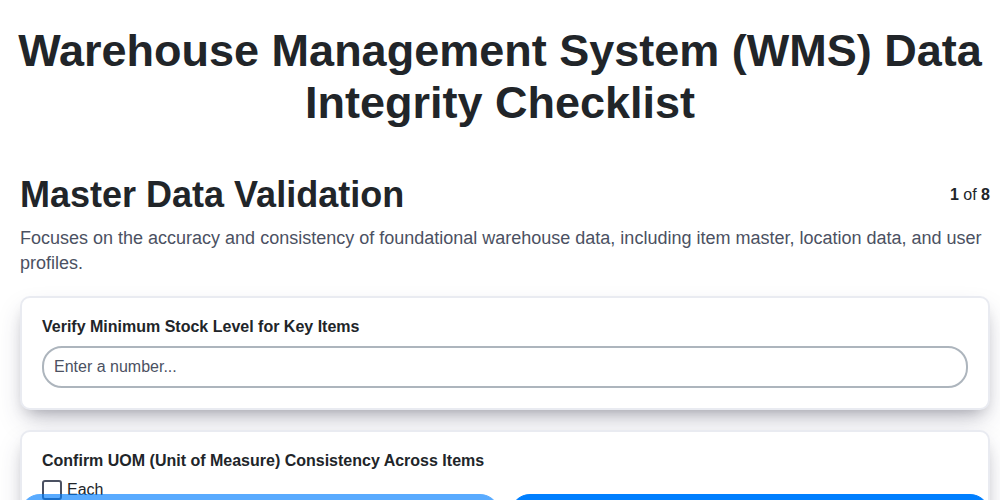
Warehouse Data Integrity: Your WMS Checklist Template

Mastering Inventory Turnover: Your Analysis Checklist Template
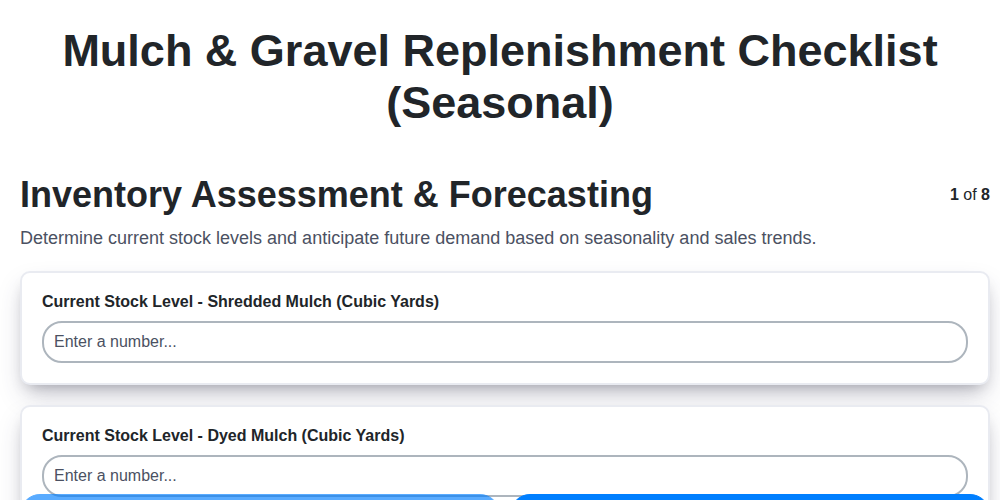
Seasonal Mulch & Gravel Checklist Template: Stay Stocked & Ready
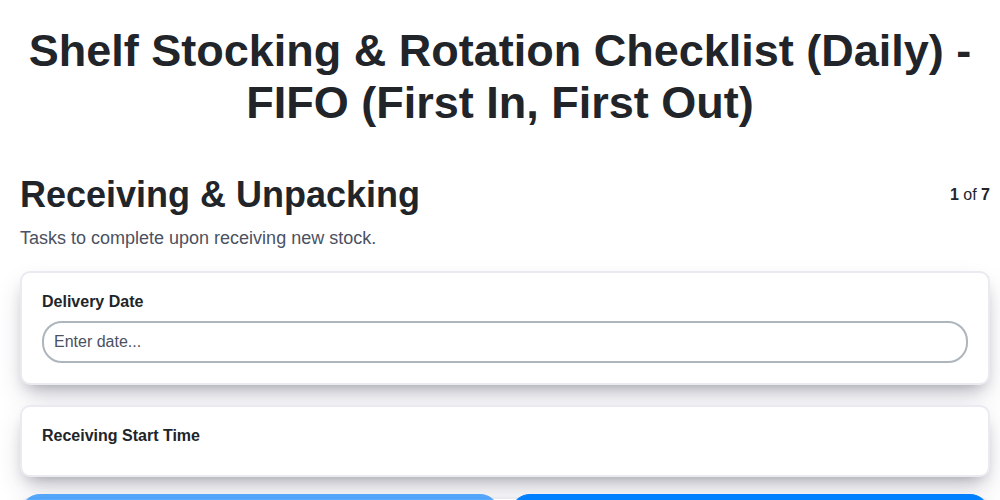
Daily Shelf Stocking & Rotation Checklist: FIFO Made Easy
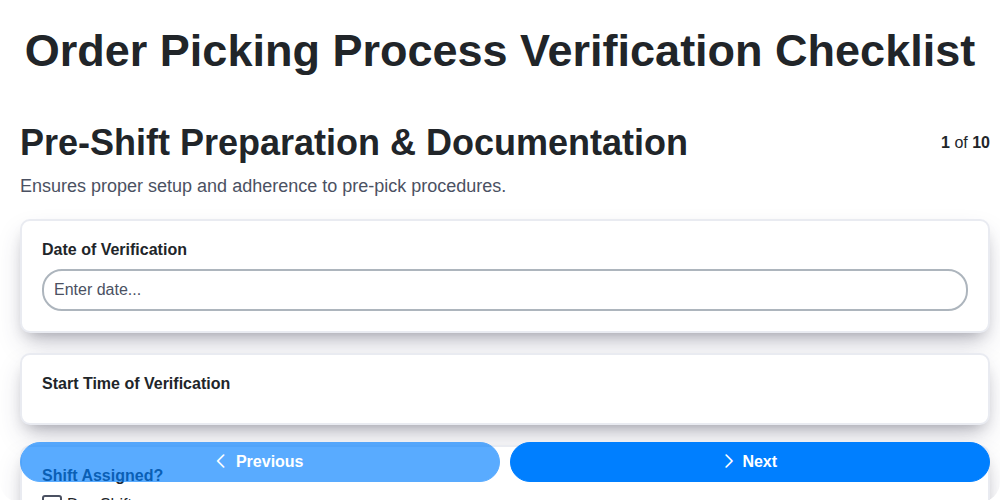
Order Picking Process Verification: Your Checklist Template
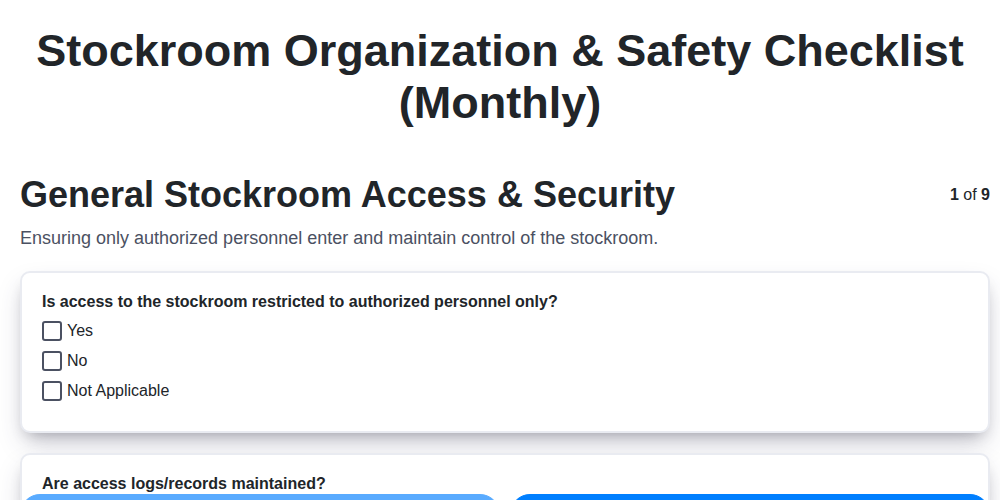
Monthly Stockroom Organization & Safety Checklist Template
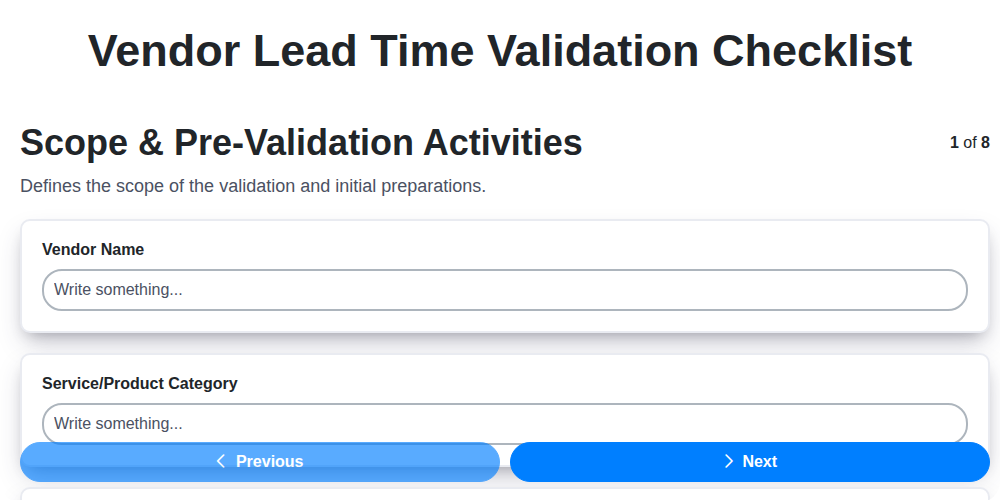
Vendor Lead Time Validation: A Checklist Template for Supply Chain Success
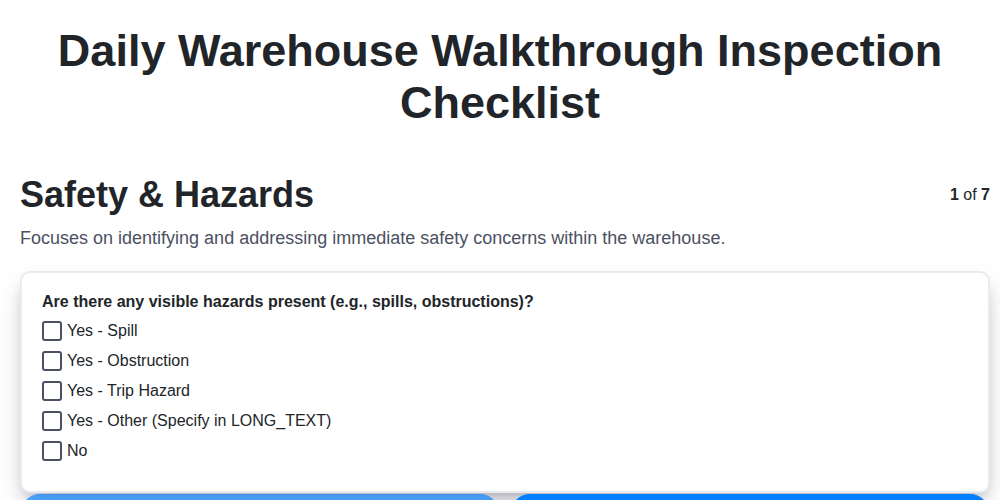
Daily Warehouse Walkthrough Inspection Checklist Template
We can do it Together
Need help with
Checklists?
Have a question? We're here to help. Please submit your inquiry, and we'll respond promptly.