Tool Rental Inventory Maintenance Checklist Template: Your Guide to Peak Performance
Published: 09/10/2025 Updated: 12/13/2025
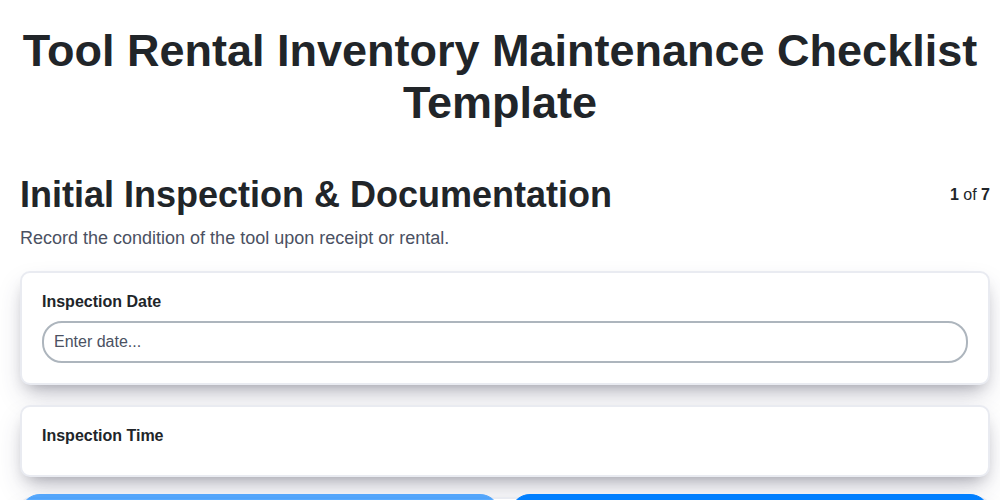
Table of Contents
- Why a Tool Rental Maintenance Checklist is Essential
- Understanding the Costs of Neglecting Maintenance
- Building Your Template: Key Sections & Components
- 1. Initial Inspection & Documentation: Setting the Baseline
- 2. Routine Maintenance Checks: The Heart of Your Program
- 3. Damage Assessment & Repair: Prompt Action for Longevity
- 4. Cleaning and Storage: Protecting Your Investment
- 5. Operational Testing: Ensuring Functionality
- 6. Safety Equipment Checks: Prioritizing Renter Well-being
- 7. Record Keeping & Tracking: Data-Driven Decisions
- 8. Equipment-Specific Checklists: Tailoring Your Approach
- 9. Technician Training & Accountability
- 10. Leveraging Technology: Software Solutions for Efficiency
- 11. Legal Considerations & Compliance
- 12. Continuous Improvement: Reviewing & Updating Your Checklist
- 13. Maximizing ROI: The Long-Term Benefits of a Robust Maintenance Program
- Resources & Links
TLDR: Keep your rental fleet running smoothly & protect your business with a simple checklist! This guide walks you through essential steps - from initial inspection & routine maintenance to damage assessment & storage - ensuring peak performance, safety, and happy renters. It's your blueprint for a hassle-free rental operation!
Why a Tool Rental Maintenance Checklist is Essential
Beyond keeping your equipment running smoothly, a robust maintenance checklist provides tangible benefits that directly impact your bottom line and protect your business. Think of it as a proactive investment, not just an expense. Neglecting maintenance can lead to significantly higher costs down the road - from unexpected breakdowns and costly repairs to decreased rental rates due to unreliable equipment and potential liability claims. A well-documented checklist demonstrates due diligence, offering crucial protection in the event of an incident. It's a powerful tool for showcasing professionalism to your customers, assuring them that they're renting reliable, safe equipment. Ultimately, a comprehensive checklist isn't just about maintenance; it's about safeguarding your reputation, minimizing risk, and maximizing profitability in the competitive tool rental industry.
Understanding the Costs of Neglecting Maintenance
Ignoring routine maintenance isn't just inconvenient; it's a direct hit to your bottom line. While skipping an oil change or delaying a repair might seem like a short-term cost saving, the long-term financial repercussions can be significant. Consider these potential costs:
- Increased Repair Bills: Small issues left unaddressed almost always escalate into larger, more expensive repairs. A minor hydraulic leak can quickly become a major overhaul.
- Reduced Equipment Lifespan: Neglect accelerates wear and tear, shortening the usable life of your equipment. This means you'll need to replace items sooner, incurring substantial capital expenditures.
- Lost Rental Revenue: Broken-down equipment is non-revenue generating. Downtime due to unexpected repairs directly translates to lost rental income.
- Higher Energy Consumption: Poorly maintained engines and hydraulic systems are less efficient, leading to increased fuel or electricity consumption.
- Warranty Voidance: Many equipment warranties require adherence to a specific maintenance schedule. Failing to comply can void your warranty, leaving you responsible for the full cost of repairs.
- Liability Risks: Malfunctioning equipment can lead to accidents and injuries, potentially resulting in costly lawsuits and increased insurance premiums.
- Damage Claims: Equipment returned damaged by renters can be costly to repair. Consistent, thorough inspections help accurately assess pre-existing damage and avoid unfair claims.
Investing in preventative maintenance is a proactive measure that ultimately minimizes these costly consequences and maximizes the return on your equipment investment.
Building Your Template: Key Sections & Components
To create a truly effective tool rental inventory maintenance checklist, you're going to need more than just a simple list of tasks. Think of it as a structured system, built around several key sections that work together. Here's a breakdown of what to include:
1. Equipment Identification: This seems obvious, but it's vital. Each checklist entry must include detailed equipment identification: model number, serial number, rental ID (if applicable), and a clear description. This prevents mix-ups and ensures the correct maintenance procedures are followed.
2. Inspection Dates & Sign-Offs: Don't just record what was done; record when it was done and who performed it. Include fields for inspection dates, technician initials (or digital signatures), and any relevant comments. A digital signature capability is invaluable for tracking accountability.
3. Condition Reports (Pre & Post Rental): Implementing a system for documenting equipment condition before and after each rental is crucial. A quick clean or dirty rating can highlight issues that need immediate attention. Include a notes section for detailing any pre-existing damage. Photos are excellent for visual documentation.
4. Maintenance Task Checkboxes: The core of your checklist. Divide tasks by frequency (daily, weekly, monthly, annual) and use clear, concise language. Use checkboxes or a similar system to indicate completion. Consider a tiered approach reflecting usage intensity.
5. Repair Log & Parts Replacement: When repairs are needed, a dedicated section is essential. Record the description of the problem, the repair performed, parts replaced, and the cost of the repair. This data is invaluable for tracking repair trends and estimating equipment lifespan.
6. Safety Checkpoints: Integrate specific safety checks relevant to each piece of equipment. This shows commitment to safety and provides a documented audit trail.
7. Calibration Records (Where Applicable): Certain equipment, like pressure gauges or scales, requires periodic calibration. Record calibration dates, technician information, and results.
1. Initial Inspection & Documentation: Setting the Baseline
Upon arrival at your rental facility, or immediately following any major service or repair, a meticulous initial inspection is paramount. This isn't just a cursory glance; it's a deep dive into the equipment's condition. Document everything - existing scratches, rust spots, missing bolts, anything out of the ordinary. Capture this information with detailed notes and, ideally, photographs. Record the equipment's serial number, model number, and any identifying marks. This documentation establishes a baseline condition and serves as crucial protection against future disputes regarding pre-existing damage. Think of it as your photographic evidence, clearly demonstrating the state of the equipment before it enters your rental pool. A well-documented initial inspection is your first line of defense against liability and ensures you're accurately representing the equipment's condition to your renters.
2. Routine Maintenance Checks: The Heart of Your Program
Routine maintenance checks are the bedrock of a well-managed rental fleet. It's not enough to simply react to breakdowns; proactive, scheduled maintenance is what keeps your equipment performing reliably and extends its lifespan. Think of it as preventative medicine for your tools.
This section goes beyond a simple oil change reminder. It's about a thoughtfully planned schedule, tailored to each piece of equipment's specific needs and usage patterns. A generator powering a construction site will require a different maintenance schedule than a chainsaw used for occasional landscaping projects.
Here's what a robust routine maintenance program should include:
- Fluid Level Checks: Regularly inspect and top off engine oil, hydraulic fluid, coolant, and fuel. Low fluid levels can lead to premature wear and tear.
- Filter Replacements: Air filters, oil filters, and fuel filters need replacing at prescribed intervals to ensure optimal performance and prevent contaminants from damaging internal components.
- Lubrication: Grease fittings on moving parts to reduce friction and prevent seizing.
- Spark Plug Inspection/Replacement: (For combustion engines) A simple check can significantly impact engine efficiency and reliability.
- Belt and Hose Inspections: Look for cracks, wear, or looseness that could lead to breakdowns.
- Tightening and Adjustments: Regularly check and tighten bolts, screws, and other fasteners. Adjust chains, belts, and other components as needed.
- Performance Testing: Periodically run equipment under load to assess its overall condition. Listen for unusual noises or vibrations.
- Manufacturer Recommendations: Always adhere to the maintenance schedules outlined in the manufacturer's manuals. These are specifically designed to ensure the equipment's longevity and performance.
Creating and sticking to a detailed routine maintenance schedule demonstrates commitment to quality, enhances equipment longevity, and ultimately boosts your rental business's profitability.
3. Damage Assessment & Repair: Prompt Action for Longevity
The rental lifecycle isn's always gentle. Scratches, dents, and more significant issues are inevitable. However, how you respond to damage is what truly impacts the longevity and value of your equipment. A proactive damage assessment and repair process isn't just about fixing what's broken; it's about preventing further deterioration and minimizing your financial exposure.
Here's why a swift and structured approach is crucial:
- Preventing Cascade Failure: A small crack in a protective casing can quickly lead to more significant internal damage if left unattended. Addressing it immediately stops the problem from escalating.
- Accurate Liability Determination: Thorough documentation of damage after each rental establishes a clear timeline and helps determine responsibility. This is invaluable in case of disputes.
- Maintaining Resale Value: Well-maintained equipment commands a higher resale price. Prompt repairs demonstrate a commitment to quality, boosting your equipment's worth when it's time to upgrade.
- Customer Relations: Handling damage claims fairly and efficiently fosters trust and positive customer experiences, even when something goes wrong.
Our Recommended Process:
- Rental Return Inspection: Conduct a meticulous inspection immediately upon equipment return. Use a standardized form or checklist to ensure consistency.
- Damage Reporting: Encourage renters to report any damage they notice during the rental period. A simple reporting form can be extremely effective.
- Documentation: Photograph all damage clearly and thoroughly. Note the date, renter's name (if applicable), and a detailed description of the damage.
- Assessment & Repair Authorization: A qualified technician should assess the extent of the damage and recommend necessary repairs. Obtain authorization before proceeding.
- Timely Repairs: Schedule repairs promptly. Delays can exacerbate damage and increase costs.
- Record Keeping: Maintain meticulous records of all damage assessments, repair authorizations, and completed repairs.
4. Cleaning and Storage: Protecting Your Investment
It's easy to overlook, but proper cleaning and storage are foundational to extending the lifespan and maintaining the value of your rental fleet. Neglecting these steps can lead to accelerated wear and tear, rust, corrosion, and ultimately, costly repairs or premature replacement.
Beyond a Quick Wipe Down
Cleaning isn't just about removing dirt and grime. It's about addressing the specific challenges posed by the environment and the tasks your equipment performs. For example, concrete dust can be incredibly abrasive, while saltwater environments demand rigorous rust prevention.
Here's what a comprehensive cleaning and storage routine should include:
- Post-Rental Cleaning: After each rental, thoroughly clean the equipment, removing all debris, dirt, and residue. Use appropriate cleaning solutions specific to the equipment type and the tasks performed. Consider designating specific cleaning stations with necessary supplies.
- Detailed Inspections During Cleaning: Use the cleaning process as an opportunity for a quick visual inspection. Look for signs of damage, leaks, or wear that might have been missed during the rental return process.
- Rust and Corrosion Prevention: For equipment exposed to moisture or harsh environments, apply protective coatings like lubricants or rust inhibitors. Pay particular attention to exposed metal surfaces.
- Safe and Organized Storage: Store equipment in a clean, dry, and well-organized storage area. Protect it from direct sunlight, rain, and extreme temperatures. Use covers or tarps to further shield equipment from the elements. Proper organization allows for easy access and reduces the risk of damage during retrieval.
- Seasonal Preparations: Before and after peak seasons, perform more intensive cleaning and maintenance tasks, such as greasing fittings, changing fluids, and inspecting tires.
Implementing a robust cleaning and storage program isn't just about aesthetics; it's a direct investment in the longevity and profitability of your rental business.
5. Operational Testing: Ensuring Functionality
Operational testing isn't just about seeing if a piece of equipment starts; it's a comprehensive evaluation of its performance across all critical functions. Think of it as a final quality control check before it leaves your yard. This goes beyond a quick visual inspection. For a concrete mixer, that means verifying the drum rotates smoothly and mixes effectively. For a generator, it's running it under load to confirm stable power output and voltage. A chainsaw requires testing chain speed and sharpness. With excavators, it's checking hydraulic pressure and functionality of all attachments.
The frequency of operational testing should be tied to the routine maintenance schedule, often performed after major services or repairs. Documenting the results-including any observed issues and corrective actions taken-is vital. These records provide valuable insights into the equipment's health and can help predict future maintenance needs, minimizing downtime and maximizing rental efficiency. Don't just assume it works; prove it does.
6. Safety Equipment Checks: Prioritizing Renter Well-being
Safety isn't just a checklist item; it's a core value in any reputable tool rental business. Renter well-being should always be paramount. This section focuses specifically on the crucial safety equipment checks that protect your customers and minimize your liability.
Beyond the equipment itself, you're responsible for the gear renters use to operate it safely. This includes, but isn't limited to:
- Hard Hats: Inspect for cracks, dents, and proper fit. Replace any that show signs of damage.
- Safety Glasses/Goggles: Verify lenses are scratch-free and straps are intact.
- Hearing Protection (Earplugs/Earmuffs): Check for proper sealing and ensure they are the appropriate level of noise reduction.
- Gloves: Inspect for rips, tears, and deterioration. Provide a range of sizes for a secure fit.
- Fall Protection Harnesses & Lanyards: This is critical. Thoroughly inspect harnesses and lanyards for wear, damage, and proper functionality before each rental. Retiring harnesses after a specified number of uses or a significant fall (even if no damage is visible) is a best practice.
- High-Visibility Vests/Clothing: Ensure they are clean, reflective, and in good repair.
Proactive Safety Measures:
- Rental Briefings: Always provide renters with a comprehensive safety briefing, demonstrating the proper use of safety equipment and highlighting potential hazards.
- Documentation: Keep meticulous records of safety equipment inspections and replacements.
- Regular Refreshers: Consider periodic safety refresher courses for renters, especially those operating high-risk equipment.
7. Record Keeping & Tracking: Data-Driven Decisions
Maintaining meticulous records isn't just about ticking boxes; it's about transforming raw data into actionable insights that drive smart business decisions. A robust record-keeping system - whether a detailed spreadsheet, specialized rental management software, or a dedicated maintenance tracking platform - allows you to move beyond reactive fixes and embrace a proactive approach to fleet management.
What kind of data should you be capturing? Think beyond just dates and technician notes. Track equipment usage hours, rental frequency, repair costs, downtime duration, and even customer feedback related to equipment performance. Analyzing this information can reveal valuable trends:
- Predictive Maintenance: Identify equipment prone to breakdowns based on usage patterns and repair history, allowing you to schedule preventative maintenance before failures occur.
- Fleet Optimization: Determine which equipment is underutilized and consider selling or reallocating it. Conversely, identify high-demand items needing acquisition.
- Cost Reduction: Analyze repair costs to identify recurring issues and negotiate better pricing with vendors or explore alternative equipment options.
- Warranty Management: Easily access maintenance records to support warranty claims and maximize coverage.
- Data-Driven Acquisitions: Quantify the return on investment for new equipment purchases based on usage data and potential revenue generation.
Ultimately, a comprehensive record-keeping system isn't just a compliance requirement; it's a critical tool for maximizing profitability and ensuring the long-term success of your tool rental business.
8. Equipment-Specific Checklists: Tailoring Your Approach
One-size-fits-all maintenance simply doesn't work when you're dealing with a diverse rental fleet. A generator's needs are vastly different from a concrete mixer's, and treating them the same will lead to inefficiencies and potential neglect. That's why developing equipment-specific checklists is absolutely critical.
These specialized checklists should detail exactly what to inspect, how often, and by whom. Think beyond the basics. For example, a chainsaw checklist should include details about chain sharpness, bar condition, and throttle response. An excavator checklist needs to cover hydraulic fluid levels, track tension, and bucket cylinder seals.
To create effective equipment-specific checklists:
- Consult Manufacturer Manuals: These are your bible for recommended maintenance procedures.
- Categorize Equipment: Group similar equipment types (e.g., power tools, earthmoving equipment, concrete equipment) to streamline checklist creation.
- Involve Experienced Technicians: Their practical knowledge is invaluable for identifying potential issues and refining checklist items.
- Visual Aids: Consider incorporating photos or diagrams to illustrate key inspection points.
- Regular Updates: Revisit and revise these checklists periodically as equipment ages or new models are introduced.
Investing the time to create detailed, equipment-specific checklists demonstrates a commitment to quality and ensures your fleet operates at peak performance.
9. Technician Training & Accountability
A well-designed checklist is only as effective as the people executing it. Investing in thorough technician training isn't just a nice-to-have; it's a critical component of a successful tool rental maintenance program. Untrained or inadequately prepared technicians can miss crucial issues, perform repairs incorrectly, or even damage equipment further, negating the benefits of a preventative maintenance schedule.
What Does Effective Training Look Like?
Training should go beyond simply reading a checklist. It should encompass:
- Equipment-Specific Knowledge: Technicians need a deep understanding of how each piece of equipment functions, common failure points, and manufacturer-recommended maintenance procedures.
- Safety Protocols: Emphasize safe working practices, including proper use of personal protective equipment (PPE) and adherence to safety regulations.
- Diagnostic Skills: Equip technicians with the ability to accurately diagnose problems, not just perform prescribed maintenance.
- Record-Keeping Procedures: Clearly outline how to document maintenance activities, repairs, and any observations made during inspections.
Accountability: Defining Roles & Responsibilities
Alongside training, clearly defined roles and responsibilities are vital. Each technician should be accountable for their assigned tasks and understand the consequences of neglecting or improperly completing them. Implementing a system for verifying completed work-such as a signature or digital confirmation-can further enhance accountability and ensure that maintenance is performed correctly and on time. Regular performance reviews, focused on maintenance quality and adherence to procedures, can also help identify areas for improvement and reinforce the importance of a proactive maintenance approach.
10. Leveraging Technology: Software Solutions for Efficiency
Gone are the days of relying solely on spreadsheets and paper checklists. Modern rental businesses are embracing technology to streamline operations, and equipment maintenance is a prime area for improvement. Several software solutions can revolutionize your maintenance process, offering features like automated scheduling, digital checklists, real-time tracking, and even predictive maintenance alerts.
Consider these benefits:
- Automated Scheduling: Eliminate manual scheduling errors and ensure timely maintenance.
- Digital Checklists: Replace paper checklists with interactive digital forms, reducing paperwork and improving accuracy.
- Real-Time Tracking: Monitor equipment location, usage, and maintenance history in one central location.
- Predictive Maintenance: Some platforms leverage data analytics to predict potential failures and schedule preventative maintenance before breakdowns occur.
- Integration: Many rental management software packages integrate maintenance tracking directly, creating a seamless workflow from rental to service.
While the initial investment in software may seem daunting, the long-term gains in efficiency, reduced downtime, and improved asset utilization make it a worthwhile investment for any growing rental business. Research different options and find a solution that aligns with your specific needs and budget.
11. Legal Considerations & Compliance
Operating a tool rental business isn't just about keeping equipment in good working order; it's also about adhering to a web of legal and regulatory requirements. Failing to do so can lead to hefty fines, lawsuits, and even business closure. Here's a breakdown of key considerations:
1. Rental Agreements & Liability Waivers: Your rental agreement is your primary defense against liability. It must clearly outline renter responsibilities, usage limitations, and disclaimers of liability for improper use or accidents. Have a legal professional draft and regularly review your rental agreement to ensure its enforceability in your jurisdiction. Don't rely on generic templates; customize it for your specific equipment and business.
2. Safety Regulations: Compliance with OSHA (Occupational Safety and Health Administration) guidelines is critical, even if your renters are not your employees. Provide renters with clear instructions and safety information relevant to each piece of equipment. Consider providing refresher training or demonstrations, especially for more complex tools.
3. Product Liability: As the owner of the equipment, you can be held liable if a renter is injured due to a defect or malfunction. Maintaining thorough maintenance records and promptly addressing any identified issues is paramount in demonstrating due diligence.
4. Warranty Compliance: Adhering to the terms of manufacturer warranties is essential. Improper maintenance or unauthorized repairs can void warranties, leaving you responsible for costly repairs. Document all warranty work carefully.
5. Insurance Coverage: Ensure you have adequate liability insurance to cover potential accidents or injuries related to equipment rental. Review your policy regularly to confirm it aligns with your current business operations and potential risks.
6. Local and State Regulations: Research and comply with all local and state regulations pertaining to equipment rental, including registration requirements, safety inspections, and licensing. Don't assume national standards apply; local ordinances can vary significantly.
7. Record Retention: Establish a clear record retention policy for all maintenance records, rental agreements, and safety documentation. This is essential for demonstrating compliance in the event of an audit or legal inquiry.
12. Continuous Improvement: Reviewing & Updating Your Checklist
Your tool rental maintenance checklist isn't a static document; it's a living system that needs regular attention. The equipment you rent evolves - new models arrive with different maintenance requirements, your rental patterns shift, and industry best practices change. Ignoring this reality can lead to outdated procedures and missed opportunities for optimization.
Here's how to ensure your checklist remains effective:
- Regular Audits: Schedule periodic audits (at least annually, but ideally quarterly) to review your checklist's accuracy and completeness. Involve technicians, rental managers, and even customer feedback to gain diverse perspectives.
- Data Analysis: Leverage the data you're already collecting! Analyze maintenance records to identify recurring issues, frequent repairs, and opportunities to streamline tasks. Are certain components consistently failing? Could a revised inspection process catch problems earlier?
- Technician Input: Your technicians are on the front lines. Encourage them to provide feedback on the practicality and effectiveness of the checklist. They often spot inefficiencies and potential improvements that others miss.
- Manufacturer Updates: Stay informed about manufacturer updates and service bulletins. Changes to equipment design or recommended maintenance procedures should be promptly incorporated into your checklist.
- Embrace Technology: Explore digital checklist solutions that offer features like automated reminders, data analysis dashboards, and version control. This simplifies updates and enhances tracking.
- Don't Fear Change: Be willing to make adjustments to your checklist, even if it means overhauling sections completely. A truly effective checklist is one that continuously evolves to meet the changing needs of your business.
13. Maximizing ROI: The Long-Term Benefits of a Robust Maintenance Program
A proactive maintenance program isn't just about keeping equipment running; it's a strategic investment that directly impacts your bottom line. Consider the ripple effect: reduced repair costs stemming from early problem detection, extended equipment lifespan minimizing replacement expenses, and decreased downtime ensuring maximum rental availability. Think about the cost of a generator breakdown during a crucial construction project - that's more than just a repair bill; it's lost revenue and potential damage to your reputation. A well-maintained fleet commands higher rental rates, too. Customers are willing to pay a premium for reliable, well-cared-for equipment. Moreover, a detailed maintenance history strengthens your business's value if you ever decide to sell. A demonstrable commitment to equipment care is a significant asset that attracts potential buyers and justifies a higher sale price. In essence, a robust maintenance program isn't an expense - it's a powerful engine driving profitability and long-term success for your tool rental business.
Resources & Links
- Reliable Plant: Offers a wide range of resources, articles, and training related to asset reliability, predictive maintenance, and overall equipment effectiveness (OEE). Valuable for understanding maintenance program principles.
- Maintenance World: A comprehensive website dedicated to maintenance professionals, providing news, articles, webinars, and product information related to maintenance practices and technologies.
- Plant Turnaround, Inc.: Provides consulting, training, and software solutions for asset reliability and maintenance programs. Their articles and webinars touch on various aspects of equipment management.
- Computerized Maintenance Management Society (CMMS): A professional organization for CMMS users. They offer resources, standards, and networking opportunities focused on computerized maintenance management.
- Society of Motion Picture and Television Engineers: While focused on media & entertainment equipment, SMPTE's standards for reliability, testing, and documentation can be adapted for tool rental assets; particularly useful for specialized or high-precision tools.
- Occupational Safety and Health Administration (OSHA): Essential resource for understanding safety requirements and compliance regulations related to equipment operation and maintenance. Crucial for section 6 and 11.
- International Organization for Standardization (ISO): Provides information on ISO standards related to quality management (ISO 9001) and environmental management (ISO 14001) which can inform aspects of your maintenance program.
- National Institute of Standards and Technology (NIST): Provides standards, guidelines, and best practices for measurement, calibration, and equipment performance. Helpful for ensuring accuracy in operational testing.
- ToolHound: Example of a tool rental software solution mentioned in section 10, showing how technology can assist with inventory management and maintenance tracking. Explore their offerings for inspiration.
- RentSafe: Focuses on safety in the rental industry, providing guidance, standards, and best practices for safe equipment operation and maintenance, particularly relevant for renter well-being and liability (section 6 and 11).
- Association for Professionals in Infection Control and Epidemiology (APIC): While primarily focused on healthcare, APIC's principles of cleaning and disinfection can inform best practices for tool cleaning and storage (section 4), particularly for tools that may be used across different customers.
- The Fabricator: Website related to welding and metal fabrication equipment. Provides resources for maintenance and inspection of related tools if your rental business includes such equipment.
- Toolbox: Offers various templates (though not specifically tool rental maintenance) which can serve as starting points for adapting your own checklists. Explore their template library for inspiration on structure and content formatting.
Frequently Asked Questions
What is this Tool Rental Inventory Maintenance Checklist Template for?
This template is designed to help tool rental businesses systematically track and maintain their inventory, ensuring tools are in peak working condition, minimizing downtime, and maximizing rental profitability. It's a guide to implementing a robust maintenance program.
Why is inventory maintenance important for a tool rental business?
Regular maintenance prevents breakdowns, extends the lifespan of your tools, improves safety for renters, reduces repair costs, and helps you identify tools needing replacement. It also boosts customer satisfaction and protects your reputation.
What sections are included in the checklist template?
The template typically includes sections for pre-rental inspection, routine maintenance (weekly, monthly, quarterly, annually), repair tracking, and a log for recording all activities performed on each tool. Specific sections may vary based on tool type.
How often should I perform maintenance checks?
The frequency depends on the tool's usage and manufacturer's recommendations. The template provides guidelines (weekly, monthly, quarterly, annually), but you should adjust based on your specific needs and usage patterns. High-use tools need more frequent checks.
Can I customize this template?
Absolutely! This template is a starting point. You can add or remove items, change frequencies, add tool-specific checklists, or incorporate your own internal processes to align with your business's needs and the specific types of tools you rent.
What information should I record in the 'Notes' section?
Record any observations about the tool's condition, specific repairs performed, technician notes, parts used, unusual wear and tear, or anything else relevant to the tool's maintenance history. Detailed notes are crucial for troubleshooting and future reference.
How does this template help with compliance?
By documenting maintenance activities, the template helps you demonstrate compliance with safety regulations and manufacturer's warranties. This documentation can be invaluable in the event of an accident or audit.
Is this template suitable for all types of tools?
While the template offers a general framework, some tools might require specialized maintenance procedures. Always refer to the manufacturer's guidelines for specific models and adjust the checklist accordingly. Consider creating separate checklists for different tool categories.
How can I best implement this checklist into my workflow?
Train your staff on proper inspection and maintenance procedures. Assign responsibility for completing the checklist and regularly review the data to identify trends and areas for improvement. Integrate the checklist into your rental process - ideally completed *before* rental.
Where can I find more information about tool maintenance best practices?
Refer to the manufacturer's manuals for each tool. Industry associations (like the American Rental Association) offer resources and training on best practices for tool rental businesses. Online forums and professional networks can also provide valuable insights.
Comments
There are no comments yet. Be the first to add one!
Inventory Management Solution Demo
Optimize your inventory & boost profitability! ChecklistGuro streamlines tracking, ordering, & fulfillment. Reduce waste, minimize stockouts, & improve efficiency. Manage it all with our Work OS.
Related Articles
Warehouse Data Integrity: Your WMS Checklist Template

Mastering Inventory Turnover: Your Analysis Checklist Template
Seasonal Mulch & Gravel Checklist Template: Stay Stocked & Ready
Daily Shelf Stocking & Rotation Checklist: FIFO Made Easy
Order Picking Process Verification: Your Checklist Template
Monthly Stockroom Organization & Safety Checklist Template
Vendor Lead Time Validation: A Checklist Template for Supply Chain Success
Daily Warehouse Walkthrough Inspection Checklist Template
We can do it Together
Need help with
Inventory Management?
Have a question? We're here to help. Please submit your inquiry, and we'll respond promptly.