Waste Management Workflow for Manufacturing Processes
Published: 03/30/2026 Updated: 03/31/2026
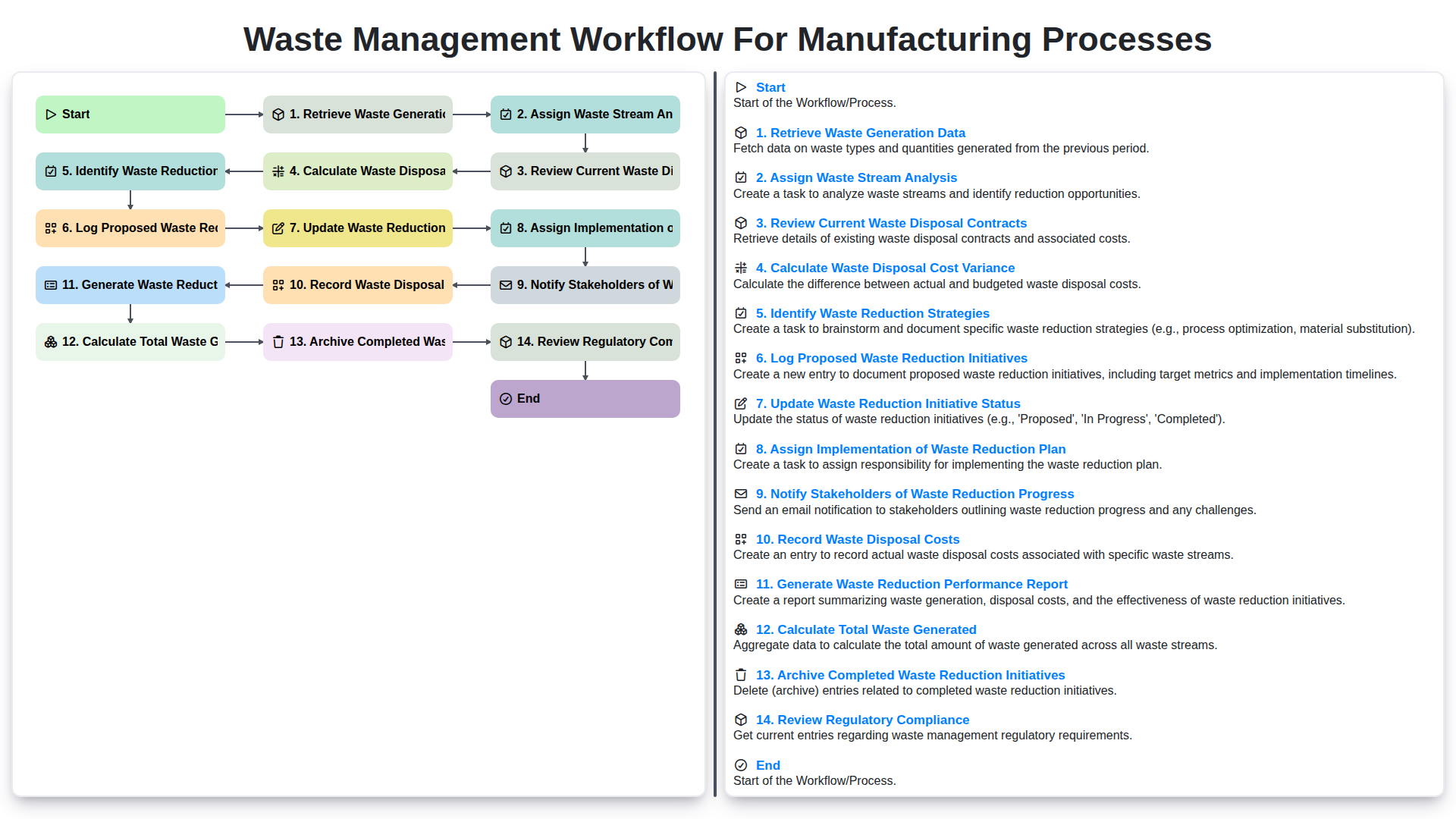
Table of Contents
- Introduction: The Importance of Waste Management in Manufacturing
- 1. Retrieve Waste Generation Data: The Foundation of Your Workflow
- 2. Calculate Total Waste Generated: Establishing a Baseline
- 3. Assign Waste Stream Analysis: Understanding Your Waste Composition
- 4. Review Current Waste Disposal Contracts: Optimizing Existing Agreements
- 5. Calculate Waste Disposal Cost Variance: Identifying Cost Inefficiencies
- 6. Identify Waste Reduction Strategies: Exploring Opportunities for Improvement
- 7. Log Proposed Waste Reduction Initiatives: Documenting Potential Actions
- 8. Assign Implementation of Waste Reduction Plan: Putting Strategies into Action
- 9. Update Waste Reduction Initiative Status: Tracking Progress and Adapting
- 10. Record Waste Disposal Costs: Monitoring Financial Impact
- 11. Notify Stakeholders of Waste Reduction Progress: Ensuring Transparency and Buy-in
- 12. Review Regulatory Compliance: Maintaining Legal Adherence
- 13. Archive Completed Waste Reduction Initiatives: Preserving Knowledge and Lessons Learned
- 14. Generate Waste Reduction Performance Report: Demonstrating Success and Identifying Future Goals
- Resources & Links
TLDR: Streamline your manufacturing waste management with this workflow! It covers everything from tracking waste generation and costs to finding reduction strategies and ensuring regulatory compliance - helping you save money, reduce environmental impact, and stay on track.
Introduction: The Importance of Waste Management in Manufacturing
Manufacturing processes, while vital for producing goods, often generate significant waste. This waste can encompass raw materials, defective products, packaging, and byproducts - impacting both the environment and a company's bottom line. Effective waste management isn't just about responsible disposal; it's a crucial element of operational efficiency, sustainability, and regulatory compliance. A well-defined workflow for managing waste helps manufacturers minimize environmental impact, reduce costs through resource recovery and optimized disposal, improve brand reputation, and mitigate potential legal risks. This article will outline a comprehensive workflow to achieve these benefits, ensuring a proactive and data-driven approach to waste management within your manufacturing operations.
1. Retrieve Waste Generation Data: The Foundation of Your Workflow
Accurate waste management starts with understanding what you're producing. The first step in our workflow, retrieving waste generation data, is the bedrock upon which all subsequent actions are built. This isn't simply about knowing you have waste; it's about quantifying it.
This process involves systematically collecting information from various points within your manufacturing process. Think about incorporating these data points:
- Source: Precisely where is the waste originating? (e.g., cutting scraps from a specific machine, rejected batches from a particular production line).
- Type: What kind of material is it? (e.g., metal, plastic, cardboard, chemical residue). Accurate categorization is vital for proper disposal and potential recycling.
- Quantity: How much waste is being generated? (Weight, volume, number of items - choose the most relevant unit).
- Frequency: How often is this waste being produced? (Daily, weekly, monthly).
Data can be gathered through manual logs, automated sensors (where feasible), or a combination of both. It's crucial to establish a consistent method for data collection and ensure all personnel involved are properly trained. A robust, consistently populated dataset is the foundation for insightful analysis and informed decision-making. Without reliable data, any efforts to reduce waste are essentially shots in the dark.
2. Calculate Total Waste Generated: Establishing a Baseline
Before implementing any waste reduction strategies, it's crucial to understand the scale of the problem. Calculating total waste generated provides a vital baseline against which to measure progress. This isn't just about knowing how much waste you're producing, but also what kind of waste.
Here's a breakdown of how to approach this calculation:
- Identify Waste Streams: First, categorize your waste. Common manufacturing waste streams include metal scrap, plastics, paper, solvents, chemicals, packaging materials, and process byproducts. Be as specific as possible; plastics can be broken down into different resin types for better insights.
- Data Collection: The "Retrieve Waste Generation Data" step feeds directly into this. Data needs to be consistently collected from all relevant points in your manufacturing process - from raw material receipt to finished product dispatch. Weighing systems, visual counts, and material tracking logs are essential.
- Units of Measurement: Standardize your units. While weight (kilograms or pounds) is most common, volume (cubic meters or cubic yards) might be applicable for certain materials like wood shavings.
- Aggregation: Sum the waste generated for each waste stream over a defined period (e.g., weekly, monthly, quarterly). This gives you total waste per stream.
- Overall Total: Add the totals from all waste streams to arrive at the total waste generated for the entire manufacturing process.
- Record Keeping: Thorough record-keeping is paramount. Document the methodology, data sources, and any assumptions made during calculation. This ensures accuracy and allows for comparisons in future assessments.
This baseline calculation is your starting point. It informs prioritization, identifies areas for improvement, and provides a clear target for your waste reduction efforts.
3. Assign Waste Stream Analysis: Understanding Your Waste Composition
Knowing what you're throwing away is the critical first step towards meaningful waste reduction. Simply knowing how much isn't enough; you need to understand the composition of your waste streams. This is where a Waste Stream Analysis comes in.
This process involves a detailed examination of the waste generated from specific areas or processes within your manufacturing facility. It's more than just a visual inspection; it requires a systematic approach. Key steps include:
- Waste Segregation: Initially, delineate your waste into distinct categories. This might include metal scrap, plastic packaging, cardboard, chemical waste, and general refuse. Tailor these categories to accurately reflect your manufacturing processes.
- Sampling: Representative samples of each waste stream need to be collected over a defined period. Larger volumes provide greater accuracy.
- Weighting and Identification: Each type of waste within a sample is weighed and meticulously identified. This provides quantifiable data on the percentage breakdown of each material.
- Analysis: The data collected is analyzed to identify the most significant waste components, highlighting areas with the greatest potential for reduction and recycling.
Assigning this analysis to a qualified individual or team - whether internal environmental specialists or contracted consultants - ensures the data is collected and interpreted correctly. Their expertise is essential for drawing actionable insights and formulating effective reduction strategies. Don't underestimate the importance of accurate data; it's the foundation of a successful waste management workflow.
4. Review Current Waste Disposal Contracts: Optimizing Existing Agreements
Before implementing new waste reduction strategies, it's crucial to understand the current financial landscape. A thorough review of existing waste disposal contracts is a foundational step. This isn't just about understanding what you're paying for; it's about ensuring you're getting the best possible value.
Here's what to look for:
- Contract Expiration Dates: Knowing when your contracts expire allows for proactive renegotiation or exploring alternative providers.
- Service Levels: Are the services being provided (collection frequency, container size, etc.) aligned with your current needs? Overpaying for unused services is a common pitfall.
- Pricing Structure: Understand the per-unit cost, minimum fees, surcharges, and any potential volume discounts. Are you maximizing these opportunities?
- Hidden Fees: Scrutinize the fine print for any unexpected charges or penalties.
- Contract Terms & Conditions: Be aware of any limitations or obligations imposed by the contract.
This review should be conducted regularly, ideally at least annually, and whenever significant changes occur in your manufacturing processes or waste generation volumes. Comparing your current contract terms with market rates for similar services is a vital part of the optimization process.
5. Calculate Waste Disposal Cost Variance: Identifying Cost Inefficiencies
Calculating waste disposal cost variance is a critical step in optimizing your manufacturing workflow. It's more than just knowing how much you're spending; it's about understanding why and where you can save. This involves comparing your actual waste disposal costs against a predetermined budget or benchmark.
Here's how to approach it:
- Establish a Baseline: Define your baseline - this could be your budget, last year's costs, or industry averages. Having a clear point of comparison is vital.
- Track Actual Costs: Meticulously record all waste disposal costs, including hauling fees, landfill charges, recycling fees, and any associated administrative expenses. Ensure costs are accurately categorized by waste stream (e.g., metal scrap, plastic waste, hazardous materials).
- Calculate the Variance: Subtract the baseline cost from the actual cost. A positive variance indicates you've exceeded your budget, while a negative variance means you're under.
- Investigate Significant Variances: Don't just note the numbers - dig deeper. A large variance warrants investigation. Consider factors like changes in waste generation rates, fluctuations in disposal fees, contract terms, or even transportation costs.
- Document Findings: Clearly document the variance calculation, the contributing factors identified, and any corrective actions taken. This record becomes a valuable reference point for future analysis.
By diligently calculating and analyzing waste disposal cost variance, you're proactively identifying areas of inefficiency and paving the way for cost savings and improved sustainability.
6. Identify Waste Reduction Strategies: Exploring Opportunities for Improvement
This step is the heart of your waste management workflow. It's not enough to just know you're generating waste; you need a plan to minimize it. This involves a thorough assessment of your manufacturing processes to pinpoint areas ripe for improvement.
Here's a breakdown of approaches to consider:
- Source Reduction: This is the most desirable option - preventing waste from being created in the first place. Can raw material usage be optimized? Can design changes eliminate waste generated during production? Consider lean manufacturing principles and Design for Environment (DfE) methodologies.
- Material Substitution: Explore alternative materials that require less waste or are easier to recycle. This may involve researching bio-based materials or lighter-weight options.
- Process Optimization: Are there inefficiencies in your processes leading to excess scrap or rework? Analyzing production steps to identify bottlenecks and areas for streamlining is crucial.
- Waste Segregation & Reuse: Can different waste streams be separated to enable reuse within the process or for other applications? Simple changes like dedicated bins and employee training can make a big difference.
- Recycling Opportunities: Research and connect with recycling facilities that can handle your specific waste streams.
- Equipment Maintenance: Poorly maintained equipment often contributes to increased waste. Regular checks and timely repairs are essential.
Don't be afraid to think outside the box and involve a cross-functional team - including production, engineering, and purchasing - to generate a wide range of potential solutions.
7. Log Proposed Waste Reduction Initiatives: Documenting Potential Actions
Identifying waste reduction strategies is only the first step. To ensure accountability, track progress, and avoid reinventing the wheel, it's crucial to meticulously log every proposed initiative. This log serves as a central repository for ideas, providing a historical record of brainstorming and decision-making.
What should be included in this log? Aim for comprehensive documentation. At a minimum, record:
- Initiative Title: A concise and descriptive name for the proposed action.
- Description: A detailed explanation of the initiative, including the specific process it targets and the expected outcome.
- Proposer: Who suggested the initiative?
- Date Proposed: When was the initiative brought forward?
- Estimated Cost: A preliminary estimate of the resources required for implementation.
- Potential Savings: An estimated reduction in waste disposal costs or other benefits (e.g., increased efficiency, improved material utilization).
- Priority Level: Assign a priority (e.g., High, Medium, Low) based on potential impact and feasibility.
- Status: Initial status should be Proposed or Under Review.
Utilize a simple spreadsheet, a dedicated database, or project management software to manage this log. Consistent and accessible documentation allows for easy review, prioritization, and reassessment of proposed initiatives throughout the waste management workflow. This transparency encourages buy-in from stakeholders and fosters a culture of continuous improvement.
8. Assign Implementation of Waste Reduction Plan: Putting Strategies into Action
Once your waste reduction strategies have been identified and logged, the critical step is assigning responsibility for their implementation. This isn't just about handing out tasks; it's about aligning ownership with expertise and resources.
Here's what effective assignment looks like:
- Clearly Defined Roles: Assign specific individuals or teams to each initiative. This ensures accountability and prevents tasks from falling through the cracks.
- Consider Expertise: Match the responsibility to those with the skills and knowledge to execute the plan effectively. For instance, a process engineer might be ideal for optimizing a specific manufacturing step to reduce material waste.
- Resource Allocation: Ensure the assigned individuals/teams have the necessary time, budget, and equipment to implement the strategies. Overburdening them will hinder progress.
- Realistic Timelines: Establish achievable deadlines for each initiative. Overly aggressive timelines can lead to shortcuts and compromises.
- Prioritization: Not all initiatives can be tackled at once. Prioritize based on potential impact (waste reduction and cost savings), ease of implementation, and alignment with broader sustainability goals.
- Documentation: Record who is responsible for each initiative and their assigned deadlines. This promotes transparency and facilitates tracking progress.
This phase transforms planning into action, moving your manufacturing process closer to a more sustainable and cost-effective operation.
9. Update Waste Reduction Initiative Status: Tracking Progress and Adapting
Keeping a close eye on the status of your waste reduction initiatives is critical for sustained improvement. This isn't a set it and forget it process. Regularly updating initiative status allows you to identify what's working, what's not, and adjust your strategies accordingly.
Here's how to effectively manage initiative status:
- Establish Clear Status Categories: Define categories like "Proposed," "Approved," "In Progress," "Delayed," "Completed," and "Abandoned." This provides a standardized framework for everyone involved.
- Regular Updates: Schedule routine check-ins (weekly or bi-weekly) to review the progress of each initiative. This can be facilitated through meetings, short reports, or a centralized tracking system.
- Document Key Milestones: Track important milestones achieved for each initiative. This provides a tangible record of progress and helps identify potential roadblocks.
- Identify and Address Roadblocks: When initiatives face delays or obstacles, document the reason and outline corrective actions. Be proactive in finding solutions.
- Use a Centralized System: Employ a spreadsheet, project management software, or dedicated waste management platform to maintain a transparent and accessible record of initiative status.
- Accountability: Assign responsibility for updating initiative status to a designated individual or team, ensuring consistent monitoring.
By actively tracking and updating initiative status, you're not just demonstrating progress - you're paving the way for continuous improvement and maximizing the impact of your waste reduction efforts.
10. Record Waste Disposal Costs: Monitoring Financial Impact
Tracking waste disposal costs isn't just about accounting; it's a crucial element in understanding the true financial impact of your manufacturing processes and the effectiveness of your waste management efforts. This step involves diligently recording all expenses associated with waste disposal, including tipping fees, transportation costs, processing charges, and any related permits or taxes.
Why is meticulous record-keeping vital?
- Identify Cost Drivers: By breaking down costs by waste stream (e.g., plastic, metal, paper), you can pinpoint which materials are most expensive to dispose of.
- Benchmark Performance: Consistent record-keeping allows you to compare costs over time, identify trends, and assess the impact of waste reduction initiatives.
- Justify Investments: Solid cost data provides a compelling case for investing in waste reduction technologies and process improvements.
- Budgeting & Forecasting: Accurate records are essential for creating realistic budgets and forecasting future waste disposal expenses.
How to effectively record waste disposal costs:
- Centralized System: Utilize a dedicated spreadsheet, database, or waste management software to ensure consistent and organized data entry.
- Detailed Data: Record not only the total cost but also specifics like date, waste stream type, disposal method, and supplier.
- Invoice Reconciliation: Regularly reconcile waste disposal invoices with your internal records to ensure accuracy and prevent discrepancies.
- Automation: Where possible, automate data entry through integration with invoicing systems or waste hauling contracts.
11. Notify Stakeholders of Waste Reduction Progress: Ensuring Transparency and Buy-in
Keeping everyone in the loop is crucial for the success of any waste reduction initiative. Regularly notifying stakeholders-including management, production teams, sustainability officers, and even external partners-demonstrates accountability and fosters a sense of shared responsibility. This isn't just about sharing numbers; it's about communicating why these changes are happening and the positive impact they're having.
What to Share:
- Key Metrics: Share progress against established goals - total waste reduced, cost savings, diversion rates. Visualizations like charts and graphs are particularly effective.
- Success Stories: Highlight specific initiatives that have yielded significant results. Showcasing real-world examples motivates others and reinforces the value of the program.
- Challenges & Lessons Learned: Openly discuss any hurdles encountered and what was learned from them. Transparency builds trust and demonstrates a commitment to continuous improvement.
- Upcoming Initiatives: Briefly outline planned waste reduction strategies to maintain momentum and encourage ongoing engagement.
How to Notify Stakeholders:
- Regular Reports: Distribute concise reports (monthly or quarterly) via email or shared documents.
- Team Meetings: Dedicate a segment of regular team meetings to discuss waste reduction progress.
- Dashboard Visibility: If possible, implement a public-facing dashboard that tracks key metrics in real-time.
- Executive Summaries: Prepare short, impactful summaries for senior management.
By consistently and transparently sharing progress, you cultivate buy-in, encourage participation, and reinforce the importance of sustainable waste management practices.
12. Review Regulatory Compliance: Maintaining Legal Adherence
Manufacturing processes generate waste, and managing that waste responsibly isn't just good practice; it's a legal obligation. This step focuses on ensuring your waste management workflow consistently adheres to all relevant environmental regulations. This involves a thorough review of local, state, and federal laws pertaining to waste classification, storage, transportation, and disposal.
Key considerations include:
- Waste Characterization: Regularly verify that waste streams are accurately classified according to regulatory definitions (e.g., hazardous, non-hazardous, recyclable). Misclassification can lead to significant penalties.
- Permitting & Reporting: Maintain all necessary permits for waste handling and disposal. Ensure accurate and timely reporting to regulatory bodies, adhering to specific formats and deadlines.
- Record Keeping: Maintain meticulous records of waste generation, handling, and disposal, as these are crucial for audits and demonstrating compliance.
- Staying Updated: Environmental regulations are constantly evolving. Establish a process to monitor regulatory changes and update your waste management procedures accordingly. Subscribe to industry publications, engage with environmental consultants, and participate in relevant training programs.
- Emergency Preparedness: Develop and regularly practice procedures for responding to waste-related incidents, such as spills or releases, to minimize environmental impact and ensure regulatory compliance.
Regular audits of your waste management practices, both internal and potentially external, are vital to confirm ongoing adherence and identify areas for improvement.
13. Archive Completed Waste Reduction Initiatives: Preserving Knowledge and Lessons Learned
Once a waste reduction initiative has run its course - whether it was a resounding success, a partial improvement, or ultimately didn't yield the expected results - it's crucial to archive it. This isn't just about clearing out old files; it's about preserving valuable institutional knowledge.
Archived initiatives should include detailed records of:
- Original Goals & Objectives: What were we trying to achieve?
- Implementation Details: How was the initiative carried out?
- Data & Metrics: Pre- and post-implementation data, demonstrating the impact (or lack thereof).
- Lessons Learned: A frank and honest assessment of what worked well, what didn't, and why.
- Key Personnel Involved: Identifying who was instrumental in the initiative can be useful for future projects.
By maintaining a well-organized archive, you create a readily accessible resource for future waste reduction efforts. New teams can learn from past successes and failures, avoiding costly repetition and accelerating progress towards sustainability goals. It prevents reinventing the wheel and fosters a continuous improvement culture within your manufacturing processes.
14. Generate Waste Reduction Performance Report: Demonstrating Success and Identifying Future Goals
A robust waste management workflow isn't complete without a clear method for showcasing progress and planning for the future. The Waste Reduction Performance Report serves as the culmination of all previous steps - a tangible representation of your efforts and a guide for continuous improvement.
This report should move beyond simple cost tracking. While waste disposal costs are important, the report needs to illustrate the broader impact of your initiatives. Key data points to include are:
- Total Waste Generated (Trended): Show the amount of waste generated over time, highlighting reductions achieved. This provides a clear visual of progress.
- Waste Diversion Rate: Demonstrate the percentage of waste diverted from landfills through recycling, reuse, or other methods.
- Cost Savings: Clearly state the financial savings realized from reduced waste disposal costs and the implementation of waste reduction strategies.
- Regulatory Compliance Status: Confirm ongoing compliance with relevant environmental regulations.
- Initiative Success Rates: Outline the effectiveness of implemented waste reduction initiatives, noting both successes and areas for improvement.
- Key Performance Indicators (KPIs): Include KPIs like waste generated per unit produced, or material usage efficiency.
This report isn't just for internal use. Sharing it with stakeholders - management, employees, and even customers - fosters a culture of sustainability and demonstrates your company's commitment to responsible practices.
Finally, the report should conclude with actionable insights and recommendations for future waste reduction goals. Analyze the data to pinpoint areas where further optimization is possible and set realistic, measurable targets for the next reporting period. Continuous analysis and refinement are essential for maintaining and improving your waste management program.
Resources & Links
- United States Environmental Protection Agency (EPA): Comprehensive information on waste management, regulations, and best practices. A primary resource for legal requirements and reduction strategies.
- International Organization for Standardization (ISO): Information on ISO 14001 (Environmental Management Systems) which provides a framework for managing environmental impacts, including waste.
- Waste Management: A leading waste management company providing services and resources on waste disposal, recycling, and sustainability.
- Rubbishing: A website dedicated to waste management news, articles, and resources for professionals.
- Sustainable Brands: A platform dedicated to sustainable business practices, frequently covering waste reduction and circular economy initiatives. Good for identifying innovative strategies.
- GreenBiz: News, insights, and resources for businesses looking to improve their environmental performance, including waste management.
- IndustryWeek: Provides manufacturing-specific news and analysis; search for articles related to sustainability and waste reduction in manufacturing.
- Thomasnet: A sourcing platform; useful for finding vendors offering waste management services or equipment (e.g., recycling, waste auditing).
- ASQ (American Society for Quality): Offers resources on quality management, which can be applied to waste reduction through process optimization and efficiency improvements.
- NIST (National Institute of Standards and Technology): Research and standards related to measurement and efficiency - which can be used to quantify waste and track reductions.
- Circularity Insights: Provides data, tools, and insights into the circular economy, offering a holistic view of waste and resource management.
- Waste Wise Ltd: Specializes in waste audits and consultancy for manufacturing - offers specific expertise in identifying reduction opportunities.
- The Recycling Partnership: Focuses on improving recycling infrastructure and performance, particularly relevant if your manufacturing process generates significant recyclable waste.
Frequently Asked Questions
What is a waste management workflow in a manufacturing context?
A waste management workflow is a structured, step-by-step process designed to identify, collect, sort, treat, and dispose of the various byproducts and waste materials generated during manufacturing operations.
What are the primary stages of a manufacturing waste management workflow?
The typical stages include waste generation identification, segregation at the source, collection and storage, transportation, treatment or recycling, and final disposal or resource recovery.
Why is waste segregation critical in manufacturing processes?
Segregation is vital because it prevents the contamination of recyclable materials with hazardous waste, reduces disposal costs, ensures compliance with environmental regulations, and allows for more efficient resource recovery.
How can manufacturers reduce the amount of waste generated in their workflow?
Manufacturers can implement 'Lean Manufacturing' principles, optimize raw material usage, adopt circular economy practices, invest in more efficient machinery, and perform regular process audits to identify waste-heavy stages.
What role does regulatory compliance play in waste management?
Regulatory compliance ensures that all hazardous and non-hazardous waste is handled, labeled, and disposed of according to local, national, and international laws, helping companies avoid legal penalties and environmental damage.
How does an efficient waste management workflow impact operational costs?
An efficient workflow can significantly lower costs by reducing the volume of waste sent to landfills, identifying opportunities for selling byproducts, minimizing raw material waste, and avoiding heavy fines for improper disposal.
Comments
There are no comments yet. Be the first to add one!
Manufacturing Management Solution Demo
Stop chasing paperwork and wrestling with disconnected systems! Our solution brings clarity and control to your production process. From standard operating procedures (SOPs) and equipment maintenance to quality control and inventory tracking, we simplify every step.
Related Articles
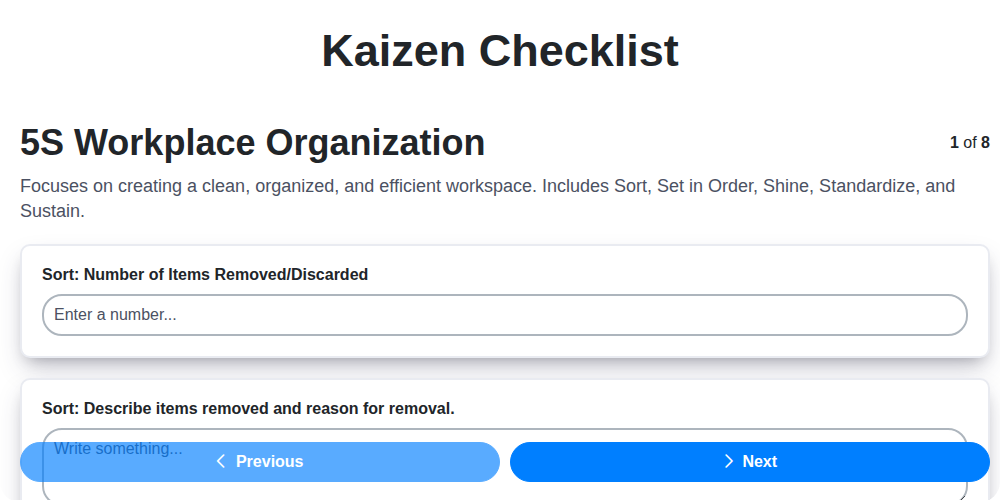
Kaizen Checklist Template: Your Path to Continuous Improvement

Machine Safety Audit Checklist: Your Guide to a Safer Manufacturing Workplace
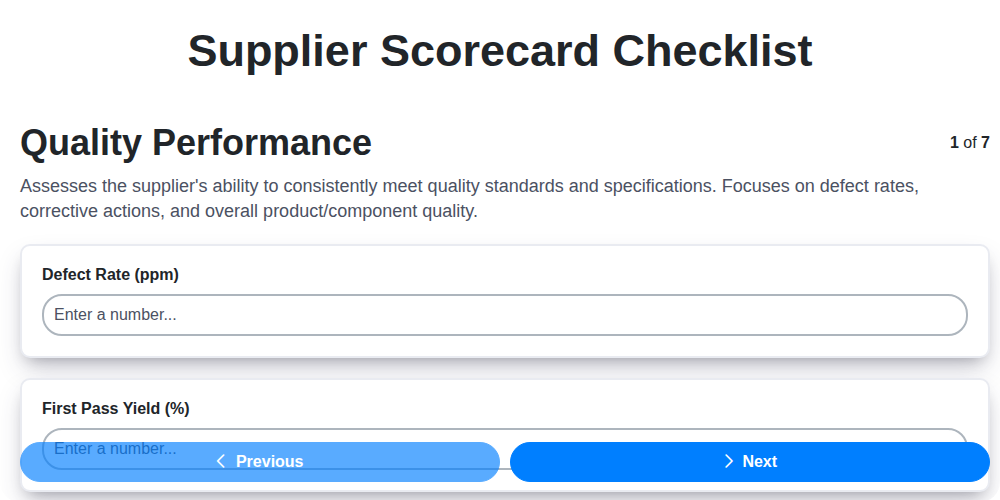
Mastering Supplier Performance: Your Free Supplier Scorecard Checklist Template
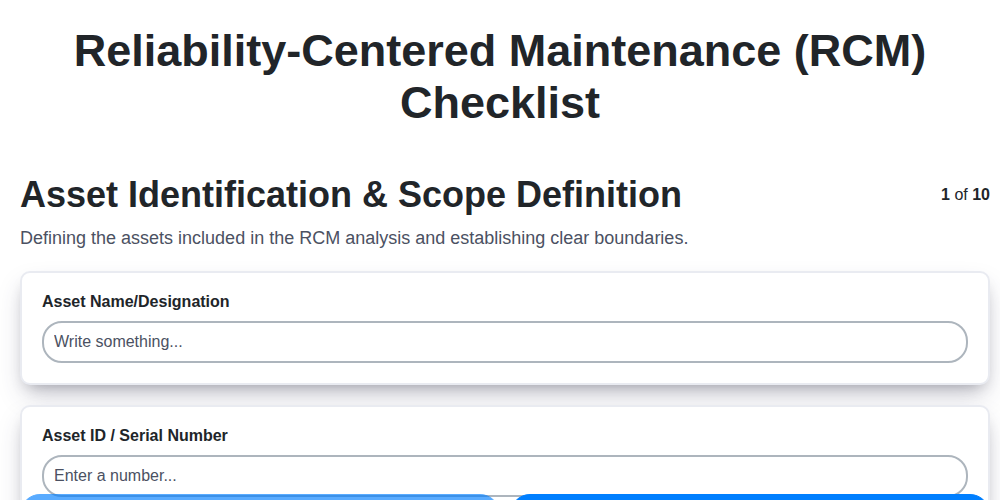
Your Ultimate RCM Checklist Template: A Step-by-Step Guide

LPA Checklist Template: Your Guide to Layered Process Audits

Your Ultimate Lockout/Tagout (LOTO) Checklist Template

Your Ultimate FSC 22000 Checklist Template
Quality Control Inspection Checklist Template: Prevent Defects & Improve Manufacturing Processes
We can do it Together
Need help with
Checklists?
Have a question? We're here to help. Please submit your inquiry, and we'll respond promptly.