 ChecklistGuro
Environmental Regulations Compliance Checklist
Navigate the complex world of eco-friendly logistics! Our Environmental Regulations Compliance checklist helps logistics companies minimize their environmental impact & avoid costly fines. Ensure sustainable practices in transport, warehousing & more. Download now & stay compliant!
This Template was installed 3 times.
Transportation & Fuel Efficiency
Focuses on regulations regarding vehicle emissions, fuel usage, and transportation routes to minimize environmental impact.
Average Fuel Consumption (Miles per Gallon)
Vehicle Emission Standards Compliance (e.g., Euro 6, EPA Tier 4)
Used Alternative Fuels?
Percentage of Fleet Utilizing Low-Emission Vehicles
Date of Last Vehicle Emission Test
Details of Route Optimization Strategies (e.g., minimizing mileage, avoiding congestion)
Compliance with Hours of Service (HOS) Regulations?
Warehouse Operations & Energy Consumption
Addresses energy usage, waste management, and potential pollutant releases within warehouse facilities.
Total Warehouse Energy Consumption (kWh/year)
Primary Energy Source(s)
Description of Energy Efficiency Initiatives Implemented (e.g., LED lighting, HVAC upgrades)
Percentage of Lighting that is LED
HVAC System Maintenance Frequency
Last HVAC System Inspection Date
Waste Diversion Rate (%)
Energy Consumption Data (e.g., utility bills)
Packaging & Waste Reduction
Covers regulations concerning packaging materials, recyclability, and minimization of waste generation during logistics operations.
Percentage of Packaging Materials Recycled (by weight)
Primary Packaging Material Type
If 'Other' selected above, please specify the packaging material.
Sustainable Packaging Initiatives Implemented
Weight of Packaging Waste Generated per Shipment (kg)
Packaging Supplier Environmental Certification (e.g., FSC, SFI)
If 'Other' selected above, please specify the supplier's environmental certification.
Date of last Packaging Waste Audit
Hazardous Materials Handling & Reporting
Focuses on compliance with regulations for the safe handling, storage, and transportation of hazardous materials.
Do you have a documented Hazardous Materials Transportation Plan?
Which hazardous materials are routinely handled?
If 'Other' was selected in the previous question, please specify:
Number of employees trained in hazardous materials handling?
Date of last hazardous materials handling training?
Upload copies of hazardous materials training certifications.
Are SDS (Safety Data Sheets) readily accessible to all employees?
Location of hazardous materials storage area.
Briefly describe the spill prevention and control measures in place.
Time of last spill drill.
Waste Management & Recycling
Covers proper disposal of waste generated during logistics processes, including recycling and hazardous waste management.
Total Waste Generated (kg/month)
Percentage of Waste Recycled (%)
Types of Waste Generated
Specify 'Other' Waste Type (if applicable)
Waste Disposal Method
Specify 'Other' Disposal Method (if applicable)
Waste Manifest Records (last 12 months)
Last Waste Audit Date
Is a Waste Management Plan in place?
Air Emissions & Noise Pollution
Addresses regulations related to air quality and noise levels generated by vehicles and facilities.
Average Vehicle Fuel Efficiency (MPG/kmL)
Vehicle Emission Control Technology (e.g., SCR, DPF)
Average Noise Level at Loading/Unloading Docks (dB)
Are noise barriers used at sensitive locations?
Last Vehicle Emission Test Date
Description of any implemented measures to reduce noise pollution.
Percentage of Fleet with Low-Emission Engines
Water Management & Discharge
Concerns regulations surrounding water usage, stormwater runoff, and potential water contamination from logistics activities.
Stormwater Runoff Volume (Gallons)
Stormwater Permitting Status
Description of any Wastewater Discharge (if applicable)
pH Level of Wastewater Discharge (if applicable)
Presence of Oil/Grease Separator
Date of Last Water Quality Monitoring (if applicable)
Description of Erosion and Sediment Control Measures in Place
Compliance with Spill Prevention, Control, and Countermeasure (SPCC) Plan (if applicable)
Recordkeeping & Reporting
Ensures accurate tracking of environmental performance and timely reporting to relevant regulatory bodies.
Last Environmental Audit Date
Total Fuel Consumption (Litres/Gallons) - Reporting Period
Summary of Environmental Performance Data for the Reporting Period
Quantity of Hazardous Waste Generated (kg/lbs) - Reporting Period
Supporting Documentation for Fuel Consumption Data (e.g., fuel receipts, invoices)
Reporting Status of Emissions Data
Date of Last Regulatory Submission
Description of any Environmental Incidents Reported and Corrective Actions Taken
Employee Training & Awareness
Covers training programs to educate employees on environmental regulations and best practices.
Which environmental topics have you been trained on?
Date of most recent environmental training
Training Delivery Method
Briefly describe your understanding of your role in complying with environmental regulations.
Do you know who to contact with environmental concerns?
Upload copy of training certificate (if applicable)
Emergency Preparedness & Response
Focuses on having plans and procedures in place to respond effectively to environmental incidents.
Describe the emergency response plan for environmental incidents (e.g., spills, leaks, fires).
Number of trained personnel in spill response teams.
Types of environmental incidents covered by the emergency response plan (Select all that apply).
Upload copies of emergency contact lists (internal and external agencies).
Date of last emergency response plan review.
Describe procedures for notifying regulatory agencies in case of an environmental emergency.
Location of spill kits and other emergency equipment.
Primary method for employee notification during an environmental emergency.
Frequently Asked Questions
Can I customize this template after installing it?
Absolutely. Once installed, you can add, remove, or reorder tasks, add custom fields, and adjust deadlines to fit your specific workflow.
Can I add images or photos to these checklist items?
Yes. Our platform allows you to attach photos, signatures, and notes to any checklist item for better verification and proof of completion.
Can I create a custom checklist from scratch instead of using a template?
Yes. You can use our "Create your own checklist" feature to build a unique workflow tailored exactly to your operational requirements.
Can I add dependencies between tasks?
Yes, you can set up conditional logic and dependencies to ensure your team follows the correct sequence of operations.
Can I assign specific checklist items to different team members?
Yes. You can assign individual tasks to specific employees, ensuring clear accountability across your entire team.
Can I use these checklists on mobile devices in the field?
Yes. Our platform is fully responsive, allowing your team to complete, update, and upload photos to checklists directly from any smartphone or tablet.
How do I notify my manager when a checklist is completed?
You can set up automated notifications (via email, push notification, or in-app alerts) to trigger whenever a checklist is finished or if an item fails inspection.
Can multiple people work on the same checklist simultaneously?
Yes, the platform supports real-time updates, allowing multiple users to contribute to a single live checklist.
Where is the data from completed checklists stored?
All completed checklists are stored securely in your Work OS dashboard, creating a permanent, searchable audit trail of your operations.
Can I generate reports based on my checklist results?
Yes. You can track completion rates, identify recurring issues, and monitor team performance through our integrated reporting and analytics tools.
How can I use these checklists for compliance or auditing purposes?
Because our checklists capture timestamps, photos, and digital signatures, they serve as a robust digital paper trail for regulatory compliance and internal audits.
Can I export my completed checklist data for use in other tools?
Yes. You can export your data in various formats (CSV, Excel, etc.) to integrate your operational insights with your other business software.
Comments
There are no comments yet. Be the first to add one!
Logistics Management Solution Demo
Tired of shipping delays, lost packages, and inefficient routes? ChecklistGuro's Work OS platform streamlines your entire logistics operation, from warehouse management and order fulfillment to route optimization and delivery tracking. Gain real-time visibility, reduce costs, and improve customer satisfaction. Learn how ChecklistGuro can transform your logistics business!
Related Checklist Templates
Outbound Shipping Quality Control & Load Integrity Audit 2026
Supply Chain Sustainability & Green Logistics Compliance 2026
Cargo Damage & Discrepancy Investigation Protocol 2026
Warehouse Equipment Maintenance & Battery Management Checklist 2026
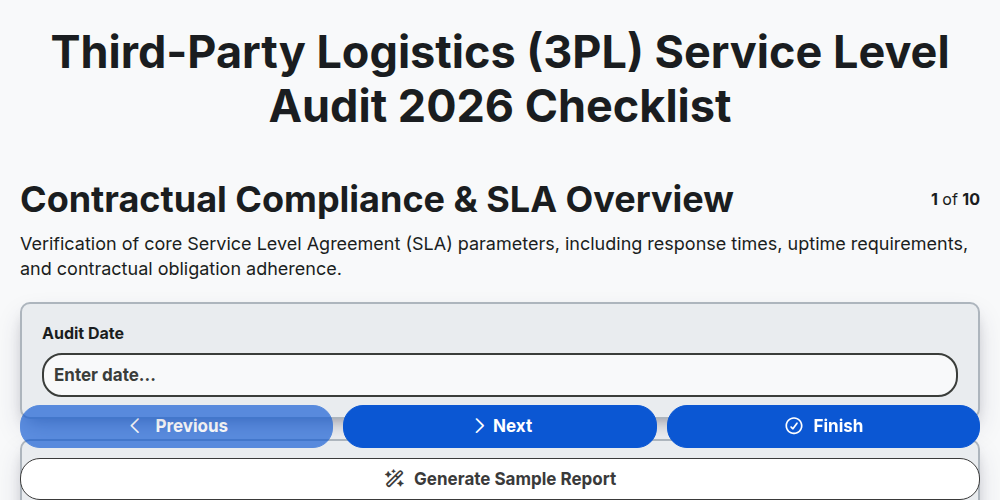
Third-Party Logistics (3PL) Service Level Audit 2026
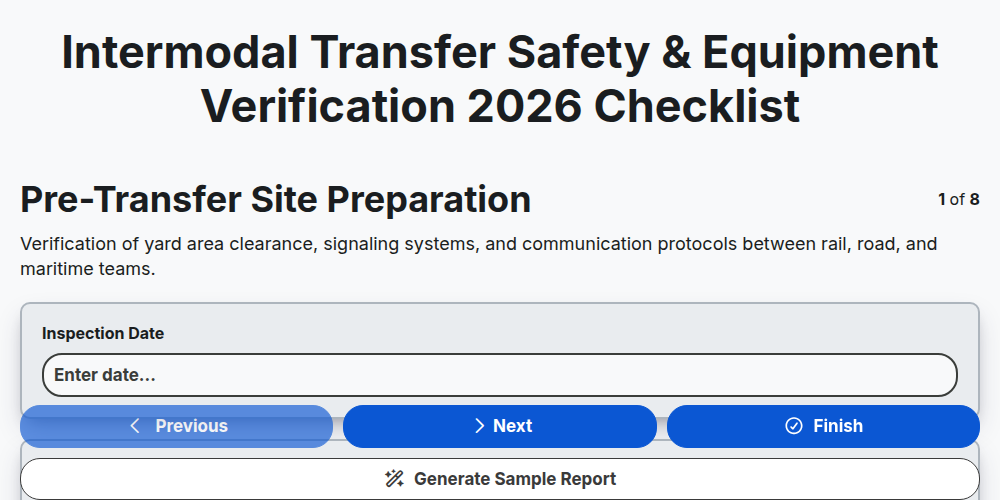
Intermodal Transfer Safety & Equipment Verification 2026
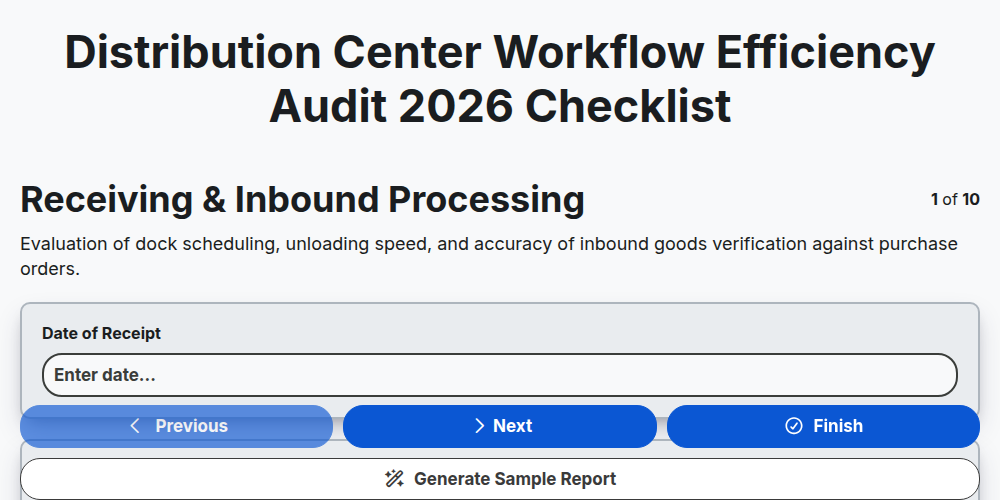
Distribution Center Workflow Efficiency Audit 2026
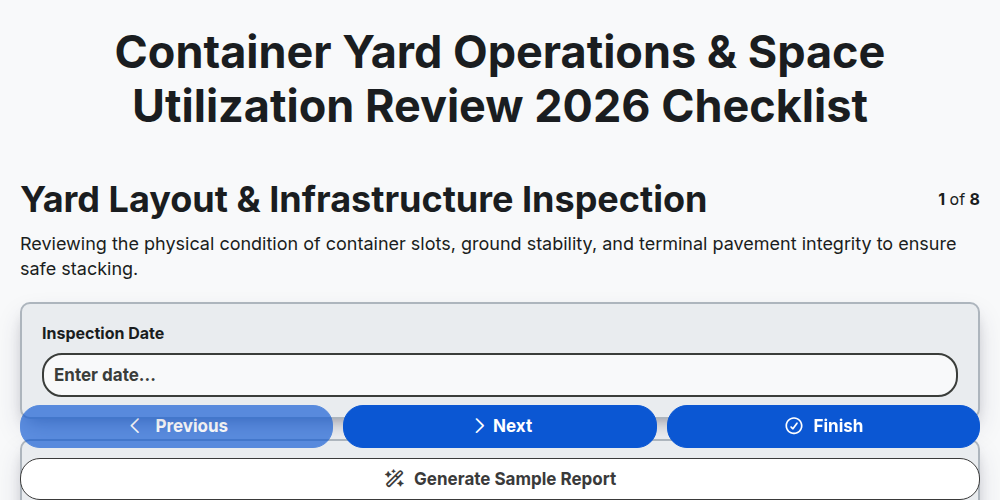
Container Yard Operations & Space Utilization Review 2026
Need help with
Logistics?
Have a question? We're here to help. Please submit your inquiry, and we'll respond promptly.