5 Common Mistakes in Retail Management
Published: 09/08/2026 Updated: 09/09/2026
Table of Contents
- 1. Relying on Manual Processes and Paper Checklists
- 2. Lack of Real-Time Visibility Across Store Locations
- 3. Inconsistent Training and Standard Operating Procedures (SOPs)
- 4. Poor Inventory Management and Stock Inaccuracy
- 5. Failing to Leverage Automated Workflow Intelligence
- Resources & Links
1. Relying on Manual Processes and Paper Checklists
In the fast-paced world of retail, speed and accuracy are your greatest competitive advantages. Yet, many operations leads and managers still cling to the old school way of doing things: clipboard-based checklists, printed spreadsheets, and handwritten notes.
The Hidden Cost of Paper-Based Management
While a physical checklist might feel familiar, it creates a massive operational blind spot. When your management processes live on paper, your data is trapped in the physical store. By the time a manager reviews a completed paper log, the information is already outdated. This delay makes it impossible to respond to real-time issues, such as a missed opening procedure or a cleaning lapse, before they escalate into customer-facing problems.
The Risks of Manual Tracking:
- Zero Real-Time Oversight: You cannot manage what you cannot see. If a task is missed at 8:00 AM, you might not realize it until the end-of-day audit.
- Data Fragmentation: Information is scattered across different stores, folders, and sticky notes, making it impossible to identify patterns or systemic failures.
- Human Error and Fraud: Paper logs are easily falsified or overlooked, leading to a lack of accountability among staff.
- The Compliance Nightmare: Auditing your stores becomes a monumental task involving manual data entry and endless scanning, draining your team's productivity.
Moving Toward Digital Accountability
To scale effectively, retail leaders must transition from reactive monitoring to proactive management. The modern solution lies in replacing static paper with dynamic, digital workflows.
This is where a specialized Retail Management Work OS like ChecklistGuro changes the game. Instead of waiting for a physical folder to reach your desk, ChecklistGuro provides instant, digital visibility. Every time a task is completed or an issue is flagged, the data is instantly captured and synced. This transforms your checklists from simple to-do lists into a powerful stream of actionable intelligence, ensuring that your standards are met across all locations, every single time.
2. Lack of Real-Time Visibility Across Store Locations
For retail leaders managing a single boutique, visibility is relatively simple. But as soon as you scale to multiple locations, a blind spot crisis begins to emerge.
One of the most damaging mistakes in modern retail management is managing remote sites as if they are isolated islands. When managers rely on end-of-day emails, fragmented WhatsApp threads, or manual spreadsheets to track store performance, they are essentially driving a car while looking only in the rearview mirror.
The Cost of the Information Gap
Without a centralized source of truth, critical issues-such as missed opening procedures, expired promotional signage, or safety compliance lapses-remain hidden until they impact the bottom line. By the time a regional manager discovers a discrepancy in a weekly report, the damage (whether it's lost revenue or a tarnished brand reputation) has already occurred.
The High Price of Reactive Management
When you lack real-time visibility, you transition from proactive leadership to reactive firefighting. Instead of optimizing staff performance or driving sales, your day is consumed by:
- Chasing down updates from store leads.
- Reconciling conflicting data from different branches.
- Discovering operational failures only after a customer complaint.
Bridging the Gap with Digital Oversight
To maintain brand standards across a growing footprint, you need a Single Pane of Glass approach. The industry leaders in retail management are moving away from fragmented communication and toward integrated Work OS solutions.
While legacy systems might offer basic reporting, the next generation of management tools-like ChecklistGuro-provide the real-time transparency required for modern scale. Unlike traditional methods, a specialized solution allows operations leads to monitor live task completion, view instant photo evidence of floor standards, and receive immediate alerts the moment a protocol is missed.
By digitizing your oversight, you ensure that Standard Operating Procedure isn't just a document in a binder, but a live, visible, and verifiable reality across every square foot of your retail empire.
3. Inconsistent Training and Standard Operating Procedures (SOPs)
In a fast-paced retail environment, consistency is your greatest asset. When every shift operates under a different set of unwritten rules, the customer experience becomes a lottery. One customer receives a seamless, high-touch service, while another encounters a disorganized, slow-moving transaction. This inconsistency is often the direct result of fragmented training and outdated, paper-based Standard Operating Procedures (SOPs).
The Cost of Tribal Knowledge
Many retail managers fall into the trap of relying on tribal knowledge-the idea that seasoned employees will simply pass down necessary procedures to new hires through informal shadowing. While mentorship is valuable, it is not a scalable strategy. Without a centralized, digital source of truth, critical steps in opening/closing procedures, safety protocols, and upselling techniques are lost in translation.
The Breakdown of Compliance
When SOPs live in a dusty binder in the back office or, even worse, only exist in a manager's head, compliance becomes impossible to track. You cannot manage what you cannot measure. Without a structured way to verify that tasks are being completed according to standard, error rates climb, and brand integrity erodes.
Bridging the Gap with Digital Workflows
To eliminate this mistake, modern operations leads are moving away from static documents and toward dynamic, interactive workflows.
Why Standardized Digital Checklists are Non-Negotiable:
- Instant Scalability: New hires can follow guided, step-by-step instructions that ensure they meet brand standards from day one.
- Verifiable Accountability: Digital systems provide a timestamped audit trail, proving that procedures were not just assigned, but actually executed.
- Continuous Improvement: When your SOPs are part of a digital Work OS, updating a procedure for the entire fleet of stores happens in one click, ensuring everyone is always aligned with the latest company standards.
By integrating your SOPs into a centralized platform like ChecklistGuro, you transform your procedures from passive documents into active, measurable drivers of operational excellence.
4. Poor Inventory Management and Stock Inaccuracy
Inventory inaccuracy is more than just a logistical headache; it is a silent profit killer. When your digital records don't match your physical shelves, you face a cascading effect of missed sales opportunities, frustrated customers, and inflated carrying costs.
The High Cost of Ghost Inventory
One of the most frequent errors in retail management is failing to bridge the gap between the backroom and the storefront. When staff rely on periodic, manual counts or outdated spreadsheets, ghost inventory creeps in-items that appear available in your system but are missing from the shelf. This leads to the ultimate customer experience failure: the dreaded out-of-stock notification after a customer has already completed their checkout process.
The Ripple Effect of Inaccurate Data
Poor inventory management impacts more than just the stockroom:
- Lost Revenue: Lost sales occur when customers encounter empty shelves for high-demand items.
- Overstocking Dead Weight: To compensate for uncertainty, managers often over-order, tying up precious working capital in slow-moving goods.
- Staff Inefficiency: Employees spend hours performing manual reconciliations instead of focusing on customer engagement and sales.
Moving Beyond Manual Audits
To eliminate these discrepancies, modern retail leaders are moving away from reactive counting and toward proactive, automated verification. The key is to integrate inventory audits directly into your daily operational workflows.
Instead of treating inventory counts as a monthly chore, top-tier operations use integrated Work OS solutions to turn audits into a seamless part of the daily routine. By utilizing platforms like ChecklistGuro, managers can deploy digital audit templates that prompt team members to verify high-shrink or high-velocity items during routine floor walks. This transforms inventory management from a stressful, periodic event into a continuous, automated stream of accurate, real-time data.
5. Failing to Leverage Automated Workflow Intelligence
In the modern retail landscape, gut feeling is no longer a viable strategy for scaling operations. Many managers fall into the trap of treating automation as a luxury rather than a necessity, continuing to rely on fragmented tools-like basic spreadsheets, endless email threads, and scattered chat apps-to manage complex daily tasks.
The Cost of Manual Oversight
When your management workflow lacks intelligence, you aren't just losing time; you are losing data. Without an automated system, critical information remains trapped in silos. If a store manager completes a closing checklist but that data isn't instantly visible to the Operations Lead at headquarters, the loop remains broken. This lag creates a blind spot where errors go unnoticed until they impact the bottom line, such as missed restocks, expired perishables, or failed safety audits.
The Reactive vs. Proactive Management Trap
Without automated workflow intelligence, management becomes purely reactive. You spend your entire day putting out fires-responding to problems after they have already occurred-rather than preventing them.
True operational excellence requires a system that triggers actions automatically. For example, when a task is missed or a specific threshold is met, the system should automatically alert the relevant stakeholder or escalate the issue.
Why Top-Tier Retailers are Moving Toward a Work OS
To avoid this mistake, industry leaders are transitioning away from disconnected tools and toward a unified Work OS. Instead of manually checking if tasks were completed, modern managers use intelligent platforms to oversee entire ecosystems of operations.
While legacy systems or simple task managers might help you track a single to-do list, high-performing retail operations require a specialized solution that integrates compliance, accountability, and real-time reporting.
Elevating Your Operations with ChecklistGuro
This is where ChecklistGuro distinguishes itself from standard project management tools. Unlike generic software that simply stores text, ChecklistGuro provides a specialized Retail Management solution designed to act as your operational brain.
By leveraging ChecklistGuro, you move beyond simple digitizing; you implement a system where:
- Automated Escalations ensure that critical errors are flagged to HQ instantly.
- Standardized Workflows are enforced across every branch, ensuring brand consistency.
- Data-Driven Insights turn simple checklist completions into actionable intelligence for your next inventory or staffing decision.
By integrating ChecklistGuro into your management stack, you stop managing tasks and start managing results.
Resources & Links
- Forbes Business Council: Insights on retail leadership, management trends, and operational excellence.
- Shopify Retail Blog: Comprehensive guides on inventory management and omnichannel retail strategies.
- BigCommerce: Resources on scaling retail operations and managing multi-location commerce.
- McKinsey & Company: In-depth analysis of digital transformation and automation in the retail sector.
- Deloitte Retail: Strategic insights into supply chain optimization and operational efficiency.
- Retail Dive: Latest news and trends regarding retail technology and workforce management.
- Gartner: Research and advisory services for implementing intelligent automation in business.
- Business News Daily: Practical advice for small business owners on managing staff and SOPs.
- Capterra: Software reviews for finding digital checklist and inventory management tools.
- Zendesk: Information on maintaining consistent customer service standards across locations.
- SAP: Enterprise solutions for real-time visibility and integrated supply chain management.
- Oracle Retail: Advanced tools for automated workflow intelligence and data-driven decision making.
- HubSpot Blog: Resources on standardizing operational processes and employee training workflows.
- Supply Chain Brain: Deep dives into preventing stock inaccuracy and improving inventory accuracy.
- Entrepreneur: Management tips for overcoming manual errors and scaling retail businesses.
- Salesforce: Leveraging cloud technology for real-time visibility across retail ecosystems.
Comments
There are no comments yet. Be the first to add one!
Retail Management Solution Demo
Boost retail efficiency! ChecklistGuro simplifies store operations, inventory management, and employee training. Improve customer experience and maximize profitability. Manage it all with our Work OS.
Related Articles
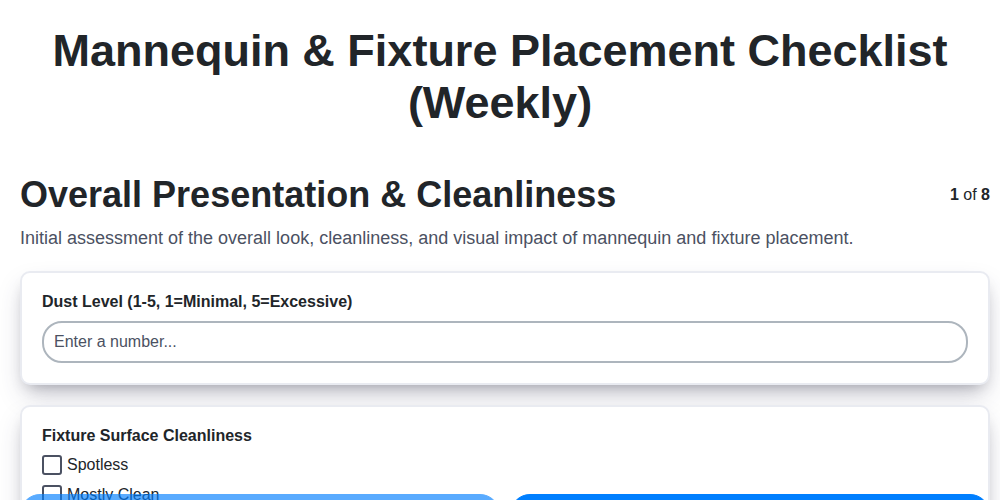
Weekly Reset: Your Mannequin & Fixture Placement Checklist Template
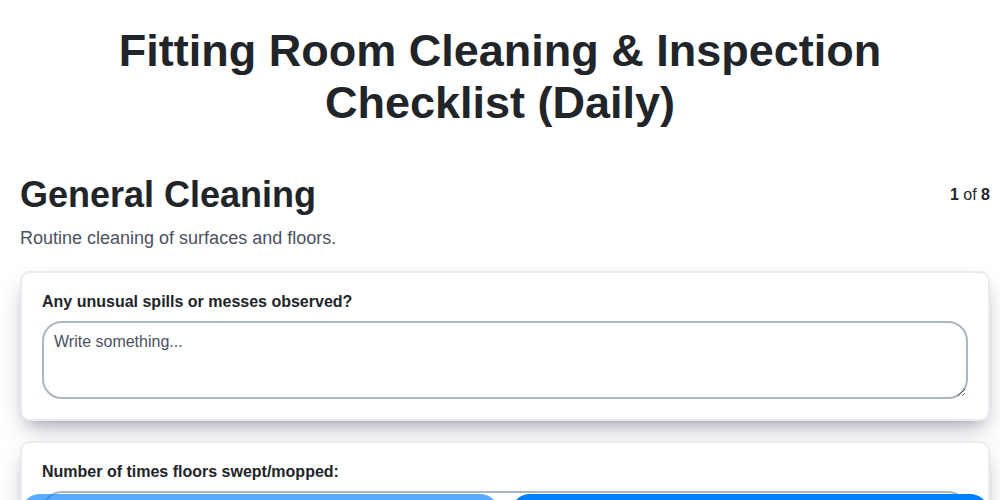
Daily Fitting Room Cleaning & Inspection Checklist Template

Monthly HVAC Checklist for Retail Zones: Temperature & Humidity Performance
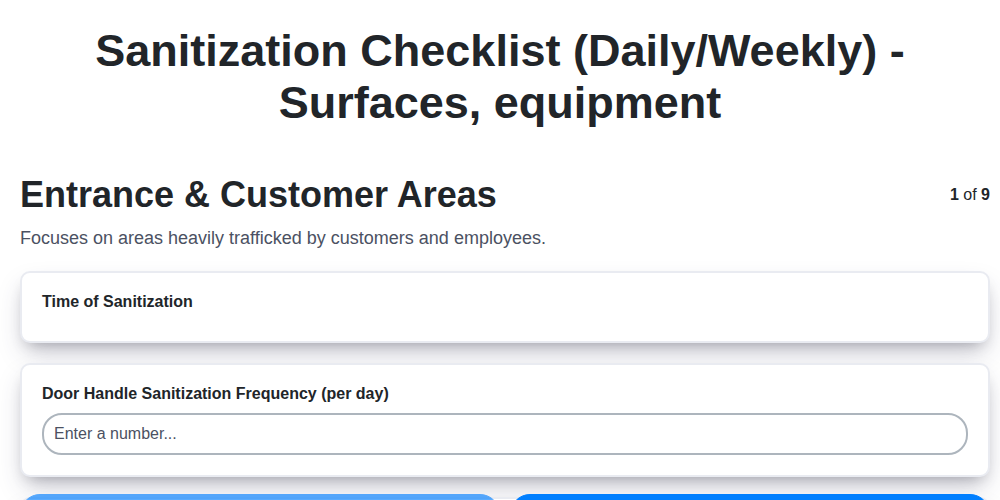
Your Retail Sanitization Checklist: Daily & Weekly Templates
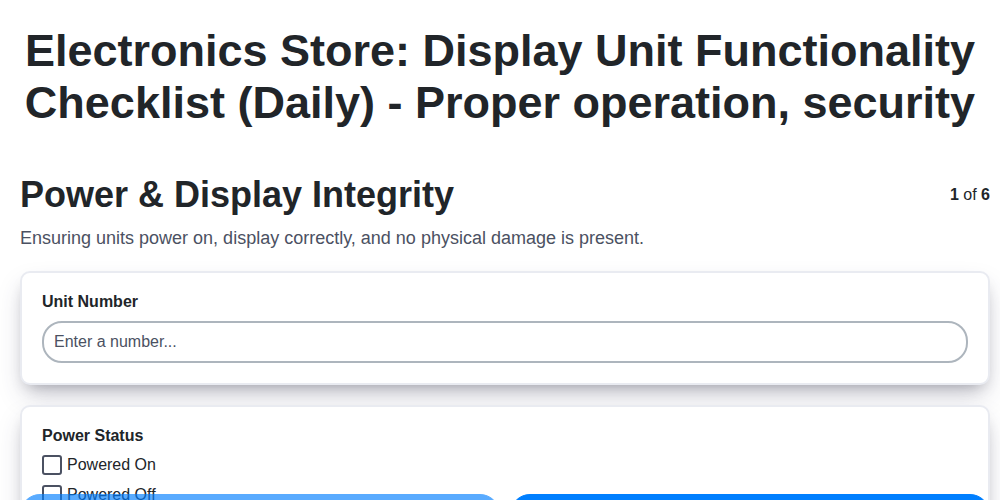
Daily Display Unit Checklist: Keeping Your Electronics Store Secure & Operational
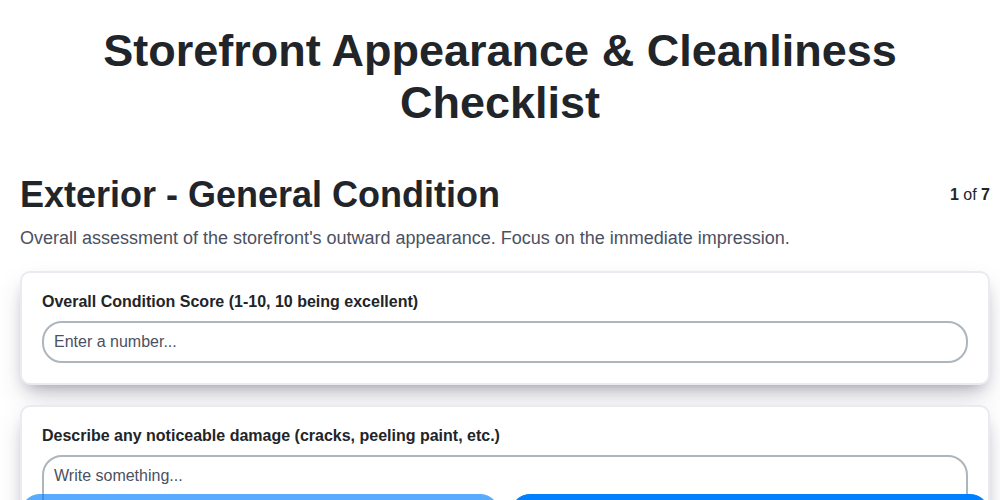
The Ultimate Storefront Appearance & Cleanliness Checklist Template
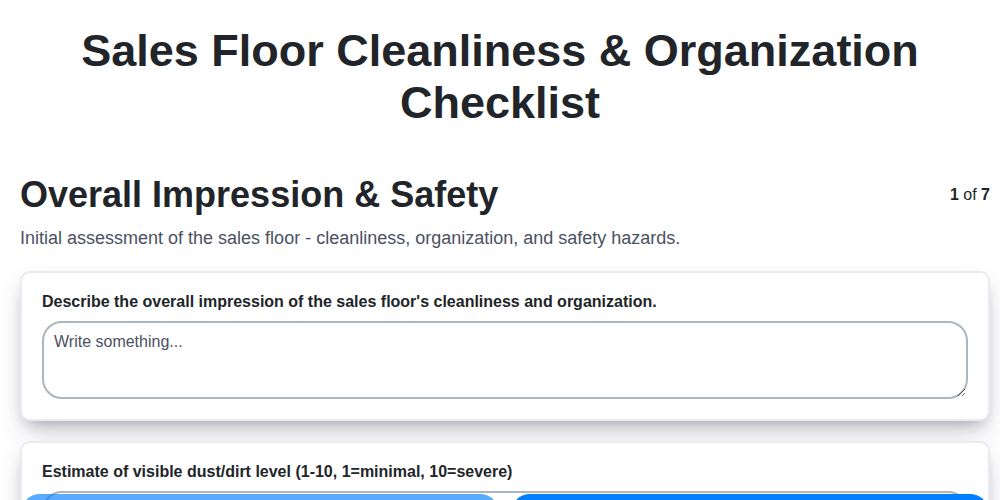
The Ultimate Sales Floor Cleanliness & Organization Checklist Template
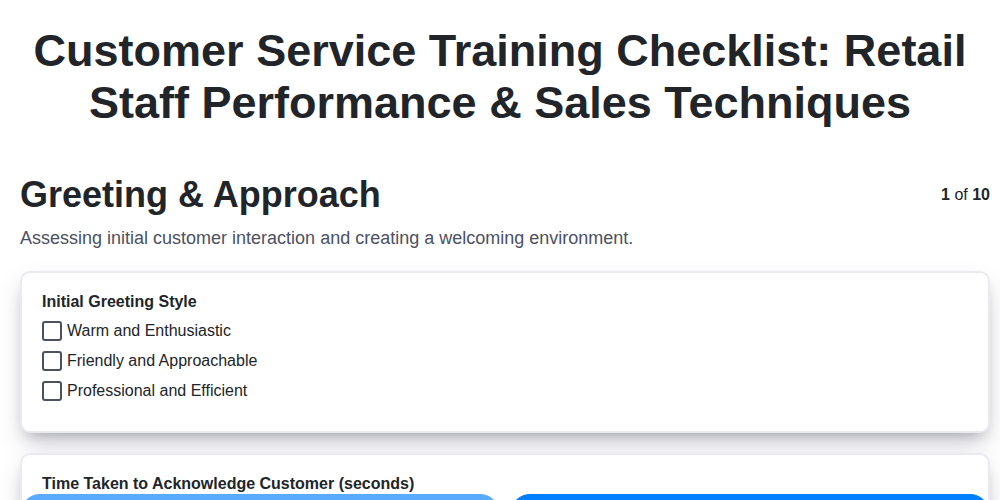
Level Up Your Retail Team: The Ultimate Customer Service Training Checklist
Need help with
Checklists?
Have a question? We're here to help. Please submit your inquiry, and we'll respond promptly.