Claims Processing Audit Checklist: Your Guide to Accuracy & Compliance
Published: 12/01/2025 Updated: 07/02/2026
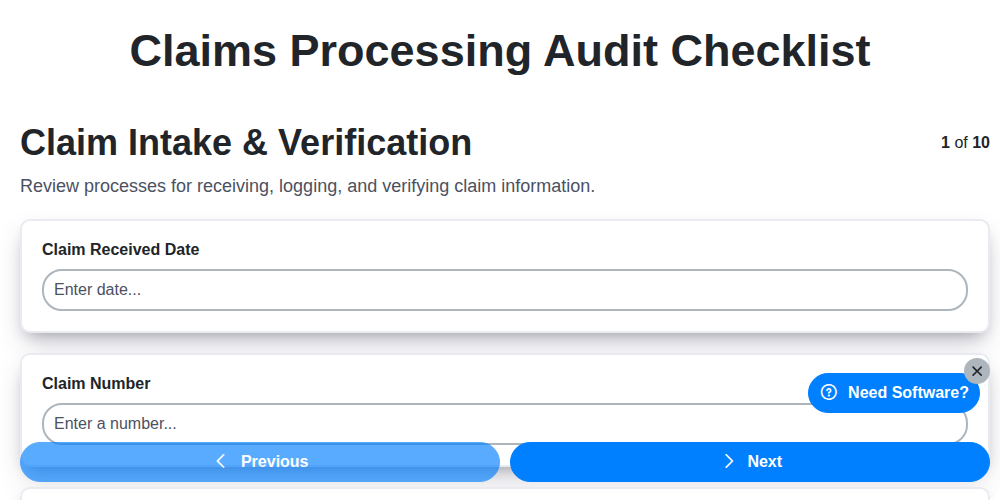
Table of Contents
- Introduction: Why a Claims Processing Audit Matters
- 1. Claim Intake & Verification: The Foundation of Accuracy
- 2. Coverage Validation: Ensuring Policy Alignment
- 3. Damage Assessment & Documentation: Detail is Key
- 4. Reserves & Payment Authorization: Financial Control
- 5. Vendor Management: Oversight and Accountability
- 6. Regulatory Compliance: Staying on the Right Side of the Law
- 7. Customer Communication: Transparency and Satisfaction
- 8. Claim Closure & Reporting: Completing the Cycle
- 9. Fraud Prevention: Identifying and Mitigating Risk
- 10. Data Security & Privacy: Protecting Sensitive Information
- 11. Internal Controls: Strengthening Processes
- 12. Audit Trail and Record Keeping
- Conclusion: Continuous Improvement in Claims Processing
- Resources & Links
TLDR: Worried about claims processing errors and compliance? This checklist template is your shortcut to a thorough audit! It covers everything from initial intake to final reporting, ensuring accuracy, preventing fraud, and protecting sensitive data. Download it and simplify your audit process today!
Introduction: Why a Claims Processing Audit Matters
In today's complex business landscape, a robust claims processing system isn't just about handling requests; it's about safeguarding your reputation, managing risk, and ensuring profitability. A claims processing audit is the crucial tool to evaluate the health of that system. It goes beyond simply identifying errors; it examines how those errors occur, highlighting weaknesses in your processes and exposing potential vulnerabilities. Whether you're dealing with insurance claims, warranty requests, or other types of reimbursements, a thorough audit provides invaluable insights. It helps to identify areas for improvement, optimize efficiency, minimize financial losses from inaccurate payments or fraud, and, most importantly, maintain customer trust. Ignoring claims processing risks can lead to regulatory penalties, increased operational costs, and damage to your brand. This checklist provides a framework to proactively address these concerns and ensure your claims processes are operating at their best.
1. Claim Intake & Verification: The Foundation of Accuracy
The claim intake and verification process is the bedrock upon which an efficient and accurate claims operation is built. It's more than just receiving a claim; it's about ensuring its completeness, accuracy, and legitimacy before any further action is taken. A rushed or inadequate intake process can lead to costly errors, delays, and even legal issues down the line.
Here's what a robust claim intake & verification checklist should include:
- Complete Claim Submission: Confirm all required fields are filled out. This includes policyholder information, incident details, date of loss, and any supporting documentation. Develop clear, concise instructions for claimants on what is needed upfront.
- Legibility & Clarity: Verify that all information is legible and understandable. Request clarification or resubmission if necessary.
- Initial Data Entry Accuracy: Implement double-entry verification or automated data validation rules to minimize typos and inaccuracies during data input.
- Claimant Identification: Confirm the claimant's identity through established verification procedures (e.g., matching information with policy records, utilizing ID verification tools).
- Policy Number Validation: Ensure the provided policy number is valid and active within the system.
- Claim Type Identification: Categorize the claim accurately based on the loss type (e.g., auto, property, liability). This facilitates proper routing and processing.
- Initial Claim Number Assignment: Assign a unique claim number for tracking purposes.
- Acknowledgment of Receipt: Provide the claimant with confirmation that the claim has been received and is being processed. This demonstrates responsiveness and sets expectations.
A well-executed claim intake & verification phase reduces rework, minimizes potential fraud, and ultimately leads to a smoother claims experience for everyone involved.
2. Coverage Validation: Ensuring Policy Alignment
A meticulous coverage validation process is the bedrock of accurate and justifiable claim payments. This step goes far beyond a simple policy number check; it's a deep dive into understanding the specifics of the coverage provided and how they relate to the reported loss.
Key Considerations:
- Policy Review: Thoroughly examine the policy wording, endorsements, exclusions, and deductibles. Don't just look for the presence of coverage; understand its scope.
- Coverage Limits: Verify that the reported loss falls within the applicable coverage limits for each line of coverage. Identify any potential excesses or limitations that need to be communicated to the claimant.
- Named Insured & Insured Interests: Confirm that the claimant is a named insured or an insured interest under the policy and that they have standing to file the claim.
- Policy Period: Validate that the loss occurred within the active policy period. Pay close attention to any retroactive dates or policy changes that might impact coverage.
- Exclusions: Actively check for any exclusions that would negate coverage for the reported loss. Documentation supporting why an exclusion doesn't apply is crucial.
- Endorsements: Scrutinize any policy endorsements for specific conditions or limitations that might affect coverage.
- Legal Interpretation: When ambiguities arise in policy language, consult legal counsel to ensure correct interpretation and consistent application.
- Documentation: Maintain detailed records of the coverage validation process, including the specific policy language reviewed and the rationale behind coverage decisions. This is vital for audit trails and potential disputes.
A robust coverage validation process minimizes unwarranted payouts, reduces legal exposure, and builds trust with policyholders by providing transparent and justifiable claim decisions.
3. Damage Assessment & Documentation: Detail is Key
Accurate and thorough damage assessment and documentation are the bedrock of a defensible claims process. Rushing this stage can lead to disputes, rework, and ultimately, increased costs. Here's what a robust assessment and documentation process should include:
- Detailed Visual Records: High-quality photographs and videos are essential. Capture everything - not just the obvious damage. Include wider shots for context, close-ups for detail, and multiple angles. Ensure photos are date-stamped and clearly labeled.
- Independent Estimates: Whenever possible, obtain independent repair estimates from qualified professionals. This provides an objective valuation of the damage and strengthens your claim justification.
- Comprehensive Damage Descriptions: Don't just note scratches. Describe the size, depth, and location of the damage precisely. Use standardized terminology where possible to ensure consistency.
- Documentation of Pre-Existing Conditions: Carefully document any pre-existing damage or conditions that existed before the incident. This avoids future disputes about responsibility.
- Salvage Valuation: For total losses, a detailed salvage valuation is crucial. This ensures accurate recovery of costs and maximizes value.
- Chain of Custody: If damaged property is recovered, maintain a clear chain of custody log documenting who handled it and when.
- Digital Storage & Accessibility: All assessments, estimates, and documentation should be digitally stored in a secure, easily accessible location with appropriate version control.
Neglecting any of these elements can weaken your claim and increase the risk of challenges. Remember, meticulous documentation builds trust and ensures a smoother claims journey for everyone involved.
4. Reserves & Payment Authorization: Financial Control
This crucial step bridges the assessment of the claim with the actual disbursement of funds. Proper reserves and payment authorization are essential for maintaining financial stability and preventing overpayment or inaccurate settlements.
Here's what this section of the audit should cover:
- Reserve Adequacy: Are initial reserves set appropriately based on the damage assessment and estimated repair/replacement costs? Auditors should review how reserve calculations are performed and whether they consistently reflect actual costs. Look for documented rationale behind reserve amounts.
- Reserve Adjustments: Are reserves adjusted appropriately as new information becomes available throughout the claim lifecycle? This includes updates from adjusters, vendors, or additional documentation. Review the documentation supporting these adjustments.
- Payment Authorization Thresholds: Are there clear authorization levels based on claim value? Claims exceeding certain thresholds should require higher-level approvals. Verify these thresholds are documented and adhered to.
- Payment Review Process: Is there a robust review process before payment is issued? This should include verification of documentation, authorized reserves, and potential discrepancies. Look for evidence of this review - signatures, checklists, or documented notes.
- Payment Accuracy: Are payments calculated correctly based on approved reserves and agreed-upon settlement amounts? Cross-reference payment amounts with supporting documentation.
- Payment Method Verification: Are appropriate payment methods (check, EFT, etc.) being utilized and compliant with company policy and regulatory requirements?
- Duplicate Payment Prevention: Is there a system in place to prevent duplicate payments? Audit for instances of potential overlap or error.
- Payment Reconciliation: Are payments regularly reconciled with reserves and accounting records? Look for evidence of this reconciliation process.
5. Vendor Management: Oversight and Accountability
When outsourcing claim processing or related services to vendors, robust vendor management is paramount. This isn't just about finding the cheapest option; it's about maintaining control, ensuring quality, and mitigating risk. Our checklist emphasizes this with key points including:
- Vendor Selection & Due Diligence: Was a formal selection process followed? Were background checks, financial stability assessments, and security protocols rigorously evaluated before engagement? Document this thoroughly.
- Contractual Agreements: Does the vendor contract clearly define scope of services, performance metrics (SLAs), data security responsibilities (including encryption and access controls), liability limitations, and termination clauses? Are these terms actively monitored?
- Performance Monitoring: Are KPIs regularly tracked and reported? This includes metrics like claim processing time, accuracy rates, customer satisfaction, and adherence to regulatory requirements. Establish clear escalation paths for performance deviations.
- Data Security & Access Controls: Verify the vendor adheres to your organization's data security policies. Review access controls to ensure only authorized personnel can access sensitive claim data. Audit vendor security practices regularly.
- Subcontractor Management: If the vendor uses subcontractors, are they also vetted and monitored to ensure compliance with your standards?
- Regular Audits: Implement periodic audits of vendor operations to confirm adherence to contractual obligations and identify areas for improvement. This should include a review of their internal processes and documentation.
- Business Continuity & Disaster Recovery: Does the vendor have a robust business continuity plan and disaster recovery protocols to minimize disruption in the event of an incident?
6. Regulatory Compliance: Staying on the Right Side of the Law
Navigating the regulatory landscape for claims processing can feel like a constantly shifting maze. Failing to adhere to relevant laws and guidelines isn't just a matter of fines; it can severely damage your organization's reputation and erode customer trust. This section of the audit focuses specifically on ensuring your processes align with applicable regulations.
Here's what we're looking at:
- Federal and State Regulations: Are you compliant with all relevant federal and state laws concerning claims handling, such as those related to prompt payment, unfair claims practices, and privacy (HIPAA, if applicable)? This includes understanding and adhering to specific timelines and required disclosures.
- Industry-Specific Rules: Depending on your industry (insurance, healthcare, etc.), specific regulatory bodies likely have their own rules. We're verifying adherence to these industry-specific mandates.
- Recordkeeping Requirements: Regulations often dictate how long claims records must be retained and the format in which they must be stored. We're assessing compliance with these requirements.
- Updates and Changes: Regulatory environments evolve. This audit confirms a system is in place to monitor for and implement changes to relevant laws and guidelines.
- Internal Policies: We're aligning your internal policies with external regulatory requirements, ensuring they support compliance.
A thorough review here demonstrates a commitment to ethical and legal claims processing, minimizing risk and maintaining a strong foundation for your organization.
7. Customer Communication: Transparency and Satisfaction
Effective customer communication isn't just a 'nice-to-have' in claims processing - it's a cornerstone of a positive claimant experience and, ultimately, successful claims resolution. Lack of communication is frequently cited as a major source of claimant frustration, leading to escalated complaints, negative reviews, and potential legal issues.
This checklist item focuses on ensuring consistent, clear, and empathetic communication throughout the entire claims lifecycle. Key areas to address include:
- Proactive Updates: Don't wait for claimants to chase you. Regularly update them on the status of their claim, even if there's no new information. A simple we've received your documentation and are reviewing it can alleviate anxiety.
- Multiple Communication Channels: Offer choices - phone, email, online portal, text messaging - to cater to different preferences.
- Plain Language: Avoid jargon and technical terms. Explain processes and decisions in a way that's easy to understand.
- Empathy and Active Listening: Train claim handlers to acknowledge the claimant's situation and listen attentively to their concerns.
- Responsiveness: Promptly respond to inquiries, acknowledging receipt and providing realistic timelines for resolution.
- Documentation: Meticulously document all communication with the claimant, including dates, methods, and key details discussed.
By prioritizing clear and compassionate communication, you're not just resolving claims-you're building trust and fostering positive customer relationships.
8. Claim Closure & Reporting: Completing the Cycle
Claim closure isn't just about marking a claim as resolved. It's a critical final step that ensures accuracy, identifies areas for improvement, and provides valuable data for future claims processing. A robust claim closure and reporting process validates the entire claim lifecycle and contributes to overall operational efficiency.
Here's what a thorough claim closure & reporting process should include:
- Final Documentation Review: A final review of all documentation related to the claim, including correspondence, assessment reports, invoices, and payment authorizations. This ensures all necessary information is accounted for and accessible.
- Payment Reconciliation: Confirm that all payments made align with the approved authorization and that any outstanding balances are appropriately handled.
- Subrogation & Salvage Efforts: Implement and track any necessary subrogation efforts (seeking reimbursement from a third party) and salvage processes (recovering value from damaged property).
- Data Entry and System Updates: Accurately update the claims management system with all relevant closure details, including closure dates, final payment amounts, and any relevant notes.
- Reporting & Analytics: Generate reports that provide insights into claim closure times, costs, and trends. This data can be used to identify bottlenecks, improve efficiency, and enhance the overall claims process. Key metrics to track include average closure time, cost per claim, and customer satisfaction scores related to the closure process.
- Archiving & Retention: Establish clear procedures for archiving closed claim files, ensuring compliance with regulatory requirements and facilitating future audits. Adhere to established retention schedules.
Proper claim closure and reporting are vital for maintaining data integrity, demonstrating compliance, and driving continuous improvement in your claims operations.
9. Fraud Prevention: Identifying and Mitigating Risk
Claim fraud is a persistent and costly threat to any insurance organization. It impacts profitability, increases premiums for honest policyholders, and damages reputation. A robust fraud prevention strategy isn't just about catching bad actors; it's about proactively minimizing risk throughout the claims process.
This checklist area focuses on building layers of defense. It's not enough to simply react to suspected fraud - we need to be vigilant at every stage. Here's what's included:
- Data Analytics & Pattern Recognition: Implement systems to analyze claim data for unusual patterns, such as inflated damage claims, coordinated activity involving multiple claimants or vendors, or sudden spikes in specific claim types. Look for outliers and anomalies that deviate from established norms.
- Red Flag Indicators: Train claims adjusters to recognize common fraud red flags, including:
- Injuries inconsistent with the accident description.
- Unexplained delays in reporting the incident.
- Vague or inconsistent witness statements.
- Suspicious vendor relationships.
- Missing or altered documentation.
- Background Checks & Verification: Conduct thorough background checks on claimants, witnesses, and vendors, particularly for higher-value claims or where suspicion arises. Verify employment history, prior claims history, and any connections to known fraud rings.
- Document Authentication: Utilize technology and manual review to verify the authenticity of documents submitted as part of the claim. This includes photos, repair estimates, and medical records.
- Internal Controls & Segregation of Duties: Ensure proper segregation of duties within the claims department to prevent collusion and unauthorized actions. Regularly review internal controls to identify weaknesses and vulnerabilities.
- Collaboration & Information Sharing: Foster collaboration between claims adjusters, investigators, and law enforcement agencies to share information and track down fraudulent activity.
- Reporting Mechanisms: Establish clear and confidential reporting mechanisms for employees, policyholders, and vendors to report suspected fraud without fear of reprisal.
By prioritizing fraud prevention within the claims process, we can protect our organization and our policyholders from financial losses and reputational damage.
10. Data Security & Privacy: Protecting Sensitive Information
Claims processing involves handling a wealth of Personally Identifiable Information (PII) - names, addresses, dates of birth, medical records, financial details, and more. A data breach can lead to significant legal repercussions, reputational damage, and loss of customer trust. This section of the audit checklist focuses on verifying robust data security and privacy practices.
Key Audit Points:
- Encryption: Are all sensitive data at rest and in transit encrypted using industry-standard protocols? This includes claim forms, digital images, and any stored data.
- Access Controls: Are access controls strictly enforced? Are employees only granted access to the data they need to perform their duties? Regularly review and update access permissions.
- Data Retention Policies: Are there clear and documented data retention policies? Are outdated data securely disposed of according to legal and regulatory requirements?
- Security Awareness Training: Do employees receive regular training on data security and privacy best practices, including phishing awareness and safe handling of sensitive information?
- Incident Response Plan: Is there a documented and tested incident response plan in place to address data breaches or security incidents?
- Compliance with Regulations: Are data security and privacy practices compliant with applicable regulations such as GDPR, HIPAA (if applicable), and state-specific privacy laws?
- Third-Party Vendor Security: If using third-party vendors for data storage or processing, are their security practices thoroughly vetted and regularly audited?
- Data Loss Prevention (DLP) Measures: Are DLP tools and processes in place to prevent data leakage or unauthorized data transfer?
- Regular Vulnerability Assessments & Penetration Testing: Are regular assessments conducted to identify and address potential vulnerabilities?
- Audit Trails: Are audit trails implemented to track data access and modifications?
11. Internal Controls: Strengthening Processes
A robust claims processing audit isn't just about identifying errors; it's about fortifying your entire operation. Implementing strong internal controls is the key to proactive risk mitigation and consistent quality. Here's how a checklist audit directly contributes to improved internal controls:
Standardization & Consistency: The checklist provides a standardized process. By consistently following these steps, you minimize variations in how claims are handled, reducing the potential for errors and discrepancies. This uniformity creates a predictable workflow that's easier to monitor and improve.
Segregation of Duties: The checklist naturally highlights opportunities to enforce segregation of duties. For example, the person verifying coverage (Coverage Validation) shouldn't necessarily be the same as the one authorizing payment (Reserves & Payment Authorization). The audit process compels you to analyze and adjust roles to prevent conflicts of interest and reduce fraud risk.
Defined Responsibilities: Each step in the checklist should be clearly assigned to a specific individual or team. This accountability fosters ownership and ensures that everyone understands their responsibilities in the claims process. Regular review of these assignments during the audit can identify gaps or overlaps in responsibility.
Documentation & Audit Trails: The checklist necessitates thorough documentation at each stage. This creates a clear audit trail, allowing for easy tracking of claim history and enabling swift resolution of queries or disputes. Documenting why a decision was made (e.g., why a reserve was set at a particular level) is crucial.
Continuous Improvement: The checklist itself should be viewed as a living document. Audit findings should be used to refine the checklist, update procedures, and retrain staff. This creates a culture of continuous improvement, adapting to evolving regulations and industry best practices.
12. Audit Trail and Record Keeping
A robust audit trail is the backbone of any successful claims processing system. It provides a chronological record of every action taken on a claim, from initial intake to final resolution. This isn't just about compliance; it's about accountability, transparency, and the ability to reconstruct events if errors or disputes arise.
Your audit trail should capture:
- User Identification: Who performed each action? (Timestamped with username/ID)
- Action Details: What specific action was taken? (e.g., Coverage validation, payment authorization, reserve adjustment)
- Timestamp: When was the action performed?
- Data Changes: What data was modified, and what were the original and new values?
- System/Application: Which system or application was used for the action.
Record retention policies are crucial. These policies should dictate how long records are kept, ensuring compliance with legal and regulatory requirements. Secure storage, both physical and digital, is paramount. Access to records should be limited to authorized personnel, with access logs monitored regularly. Regularly review your record retention policies and audit the effectiveness of your audit trail to ensure accuracy and completeness.
Conclusion: Continuous Improvement in Claims Processing
Ultimately, a robust claims processing audit, guided by a comprehensive checklist like the one we've outlined, isn't a one-time event - it's a cornerstone of ongoing operational excellence. Regularly revisiting and refining your processes based on audit findings allows you to proactively address vulnerabilities, improve efficiency, and enhance the customer experience. Embracing a culture of continuous improvement, leveraging data insights from audits, and adapting to evolving regulatory landscapes will ensure your claims processing remains accurate, compliant, and customer-centric for years to come. Don't be afraid to challenge existing workflows and seek opportunities to optimize - the benefits, from reduced costs to increased customer satisfaction, are well worth the effort.
Resources & Links
- National Association of Insurance Commissioners (NAIC): The NAIC provides model laws, regulations, and best practices for insurance regulation. A vital resource for understanding compliance requirements related to claims processing. Search for resources related to claims handling and regulation.
- IRMI (Insurance Risk Management Institute): IRMI provides in-depth information and training on insurance risk management, including claims handling. Offers courses and articles to help with understanding complex claims processes and legal considerations. Look for resources pertaining to claims examination and audit best practices.
- American Institute of Certified Public Accountants (AICPA): AICPA offers guidance on internal controls and auditing standards, which are essential for a robust claims processing audit. Their website features resources on risk assessment and process documentation that can be applied to claims workflows.
- The Insurance Information Institute (III): Provides objective, fact-based information about insurance, including claims. Offers insights into consumer expectations and best practices for claims handling, which can inform audit processes focused on customer satisfaction.
- Actuarial Standards Board (ASB): Relevant particularly for sections on Reserves & Payment Authorization. The ASB sets standards for actuarial practice, crucial for ensuring proper reserve calculations and payment authorizations within claims processing. Research their standards related to claims reserves.
- Association of Certified Fraud Examiners (ACFE): Essential for the Fraud Prevention section. ACFE offers resources, training, and certifications focused on fraud detection and prevention. Their website provides tools and techniques to identify and mitigate fraud risks in claims processing.
- Privacy Rights Clearinghouse: Crucial for the Data Security & Privacy section. Provides clear and accessible information about data privacy laws and consumer rights. Helps understand legal obligations regarding handling sensitive claims information.
- National Institute of Standards and Technology (NIST): NIST provides guidelines and frameworks for cybersecurity and risk management. Useful for strengthening data security practices in claims processing, covering areas like data encryption and access controls.
- International Organization for Standardization (ISO): Offers standards for quality management systems (ISO 9001) and information security management (ISO 27001). Can provide a framework for documenting and improving claims processing processes and safeguarding sensitive data.
- NCC Group: Specializes in cybersecurity consulting. Helps identify vulnerabilities and strengthen cybersecurity posture, relevant to the Data Security & Privacy and Internal Controls sections. Focuses on security audits and penetration testing.
- Federal Trade Commission (FTC): The FTC focuses on consumer protection, including ensuring fair and accurate claims handling. Their website offers guidance on consumer rights and potential violations of law. Relevant to Customer Communication and Regulatory Compliance.
Frequently Asked Questions
What is a Claims Processing Audit and why is it important?
A Claims Processing Audit is a systematic review of your claims processing procedures to ensure accuracy, compliance with regulations, and efficiency. It's vital to minimize errors, prevent fraud, avoid penalties, and maintain a positive reputation with clients and regulatory bodies.
Who should use this Claims Processing Audit Checklist?
This checklist is designed for anyone involved in claims processing, including claims adjusters, processors, supervisors, compliance officers, and anyone responsible for ensuring the accuracy and integrity of claims handling procedures. It's beneficial for organizations of all sizes.
What are the key areas covered by the Claims Processing Audit Checklist?
The checklist covers areas such as data accuracy, policy verification, documentation completeness, adherence to regulations (e.g., HIPAA, state-specific laws), internal controls, fraud detection, and timeliness of processing. It also touches upon system security and record retention.
How often should I conduct a Claims Processing Audit?
The frequency depends on your organization's risk profile and regulatory requirements. A good starting point is an annual audit, with more frequent audits (e.g., quarterly or semi-annually) for high-risk areas or after significant procedural changes.
What is the difference between internal and external audits?
An internal audit is performed by employees within your organization, while an external audit is conducted by an independent third party. Internal audits provide a good baseline check, while external audits offer an unbiased perspective and can be required by certain regulations.
What constitutes a "significant finding" during an audit?
A significant finding is a weakness or deficiency in your claims processing procedures that could materially impact your organization's financial performance, compliance, or reputation. It's typically something that requires immediate corrective action.
How do I document the results of the Claims Processing Audit?
Document your findings clearly and concisely, including the specific checklist items reviewed, any discrepancies found, the severity of the issues, and the corrective actions planned or implemented. Maintain this documentation for future reference and audit trails.
What happens if we find errors or non-compliance during the audit?
Identify the root cause of the errors or non-compliance. Develop and implement corrective actions to address the issues. Track the effectiveness of these actions to prevent recurrence. Update your policies and procedures as needed.
Can this checklist be customized to fit our specific needs?
Absolutely. This checklist is a template. Feel free to add, remove, or modify items to reflect your organization's unique processes, policies, and regulatory environment. Consider adding items specific to your lines of business.
Where can I find more information about relevant regulations?
Consult your legal counsel or compliance officer for guidance on applicable regulations. Resources like the National Association of Insurance Commissioners (NAIC), HIPAA website, and state insurance departments provide detailed information and updates.
Comments
There are no comments yet. Be the first to add one!
Insurance Management Solution Demo
Managing policies, claims, and compliance in the insurance industry is complex. ChecklistGuro's Work OS platform streamlines your operations, from underwriting and renewals to claims processing and reporting. Improve efficiency, reduce errors, and enhance customer satisfaction. Discover how ChecklistGuro can transform your insurance business!
Related Articles
Streamline Claims: Your Insurance Claims Support Process Checklist Template
Your Insurance Policy Review Checklist: A Step-by-Step Guide
Your Property Insurance Review Checklist: A Step-by-Step Guide
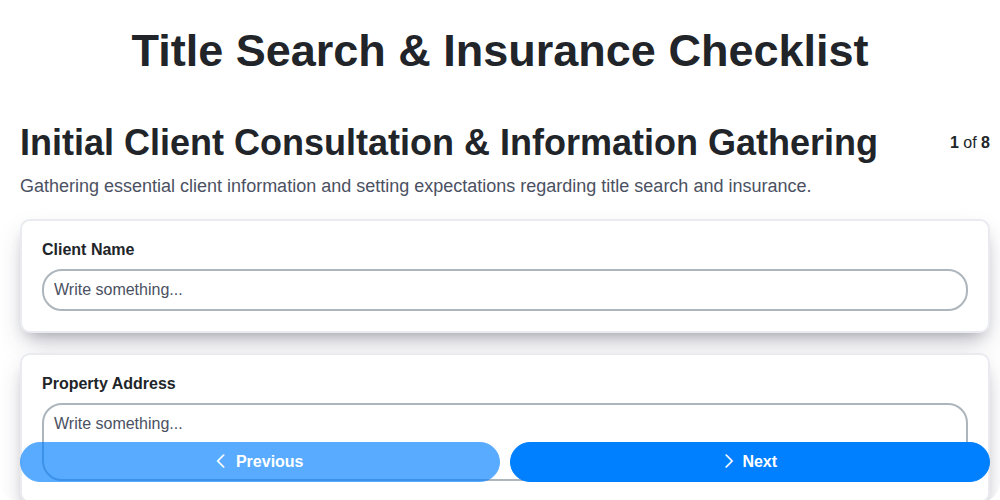
Your Title Search & Insurance Checklist Template
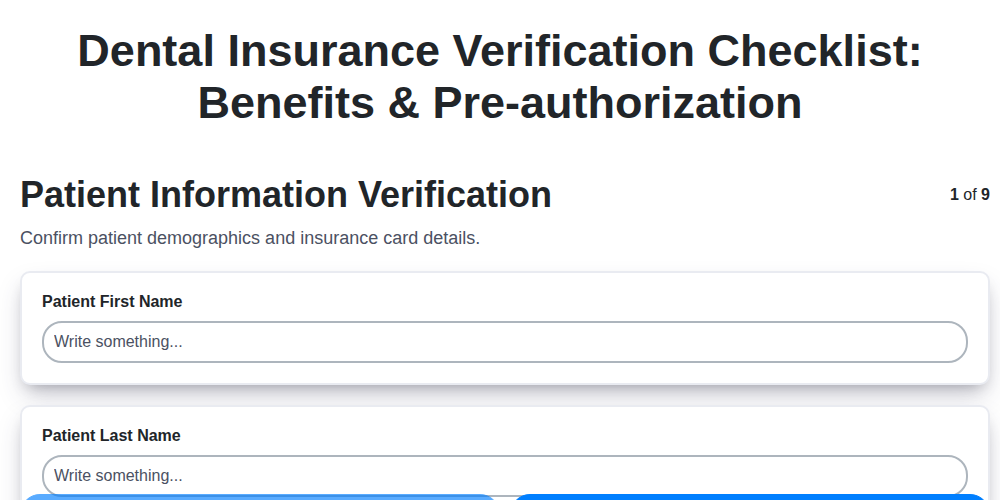
Simplify Insurance Verification: Your Free Dental Checklist Template
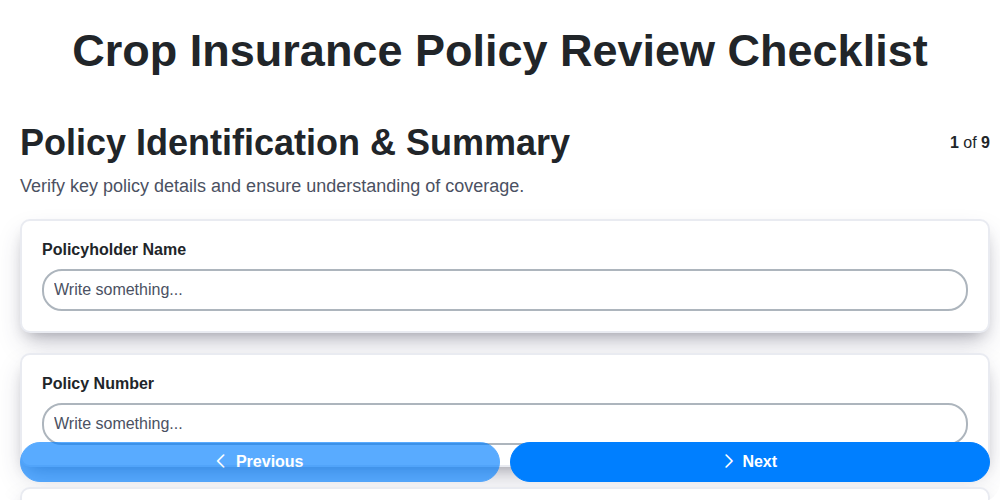
Crop Insurance Policy Review Checklist: A Farmer's Guide

The Ultimate Vehicle Registration & Insurance Validation Checklist
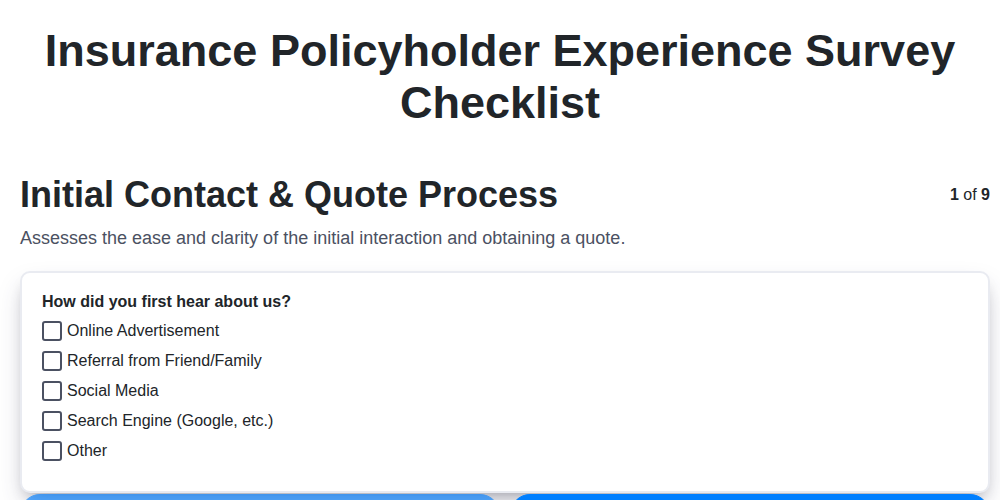
Mastering the Policyholder Journey: Your Insurance Experience Survey Checklist
Need help with
Insurance?
Have a question? We're here to help. Please submit your inquiry, and we'll respond promptly.