Your Insurance Policy Review Checklist: A Step-by-Step Guide
Published: 09/02/2025 Updated: 07/02/2026
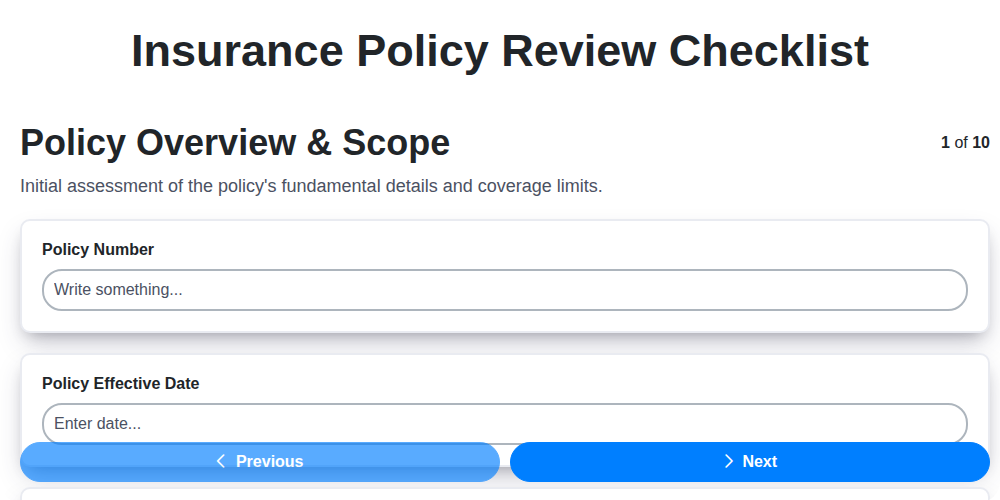
Table of Contents
- Introduction: Why a Regular Insurance Policy Review Matters
- Step 1: Gathering Your Documents
- Step 2: Understanding Your Policy Scope
- Step 3: Assessing Goods in Transit Coverage
- Step 4: Evaluating Warehouse and Storage Facility Coverage
- Step 5: Reviewing Vehicle and Equipment Coverage
- Step 6: Examining Liability Coverage Details
- Step 7: Analyzing Business Interruption Coverage
- Step 8: Deciphering Policy Exclusions
- Step 9: Ensuring Regulatory Compliance
- Step 10: Reviewing Claims History and Reporting
- Step 11: Analyzing Premium and Cost-Effectiveness
- Step 12: Identifying Potential Coverage Gaps
- Step 13: Seeking Professional Advice
- Conclusion: Protecting Your Business, One Step at a Time
- Resources & Links
TLDR: Feeling overwhelmed by your insurance policy? This checklist breaks down the review process into 10 manageable steps - from checking coverage for goods in transit to understanding exclusions - so you can ensure your business is truly protected from unexpected risks. Download the template and start safeguarding your future!
Introduction: Why a Regular Insurance Policy Review Matters
Business ownership is a constant balancing act - managing operations, nurturing growth, and safeguarding against unforeseen challenges. While you're diligently working on all of that, it's easy to let essential tasks, like reviewing your insurance policy, slip down your priority list. However, neglecting this critical step can leave your business vulnerable to significant financial losses.
Think of your insurance policy as a safety net. Just like a safety net needs regular inspection to ensure it's strong and reliable, your insurance policy needs periodic review. The business landscape changes constantly - new risks emerge, regulations evolve, and your own operations likely expand or shift. A policy that was adequate last year might be completely insufficient today.
Regular reviews aren't just about preventing disasters; they's also about ensuring you're not overpaying for coverage you don't need or missing out on valuable protections. Proactive insurance management is an investment in the long-term health and stability of your business, offering peace of mind and protecting your hard-earned success.
Step 1: Gathering Your Documents
Before you can even begin assessing your policy's adequacy, you need to assemble the necessary documents. This might seem straightforward, but a disorganized approach can lead to missed details and a less effective review. Here's what you should gather:
- Your Current Insurance Policy Documents: This includes the declarations page, policy wording, endorsements, and any riders. Don't just rely on a digital copy; having physical copies can be helpful.
- Previous Policy Documents: Reviewing past policies can provide valuable context, highlighting changes in coverage or claims history.
- Business Financial Statements: Income statements, balance sheets, and cash flow statements are crucial for assessing the potential financial impact of losses.
- Inventory Lists: Detailed lists of your inventory, including value, location, and condition.
- Property Records: Deeds, appraisals, and other records related to your buildings and land.
- Equipment Lists: Inventories of all significant equipment, including purchase dates and replacement values.
- Contracts and Agreements: Review any contracts that may trigger insurance obligations or create potential liabilities.
- Claims History: Records of any past insurance claims, including documentation and correspondence.
- Risk Assessments: Any existing risk assessments or safety reports that have been conducted for your business.
Having these documents readily available will streamline the review process and ensure you have all the information needed to make informed decisions.
Step 2: Understanding Your Policy Scope
Your insurance policy isn't a one-size-fits-all document. It's a legally binding contract outlining exactly what your business is covered for. Simply knowing you have insurance isn't enough; you need to deeply understand its scope. This means going beyond the summary and delving into the specifics.
Start by carefully reading the Declarations page. This section details key information like policy period, coverage limits for each peril, and the insured property address. Pay close attention to the Definitions section - often overlooked, but vital for clarifying the meaning of terms used throughout the policy. Ambiguous language can lead to misunderstandings later on.
Next, examine the Covered Perils section. This clearly lists the risks your policy addresses - fire, theft, liability claims, etc. Note any limitations or conditions attached to each peril. For example, does flood coverage require a separate endorsement? Is there a deductible you're responsible for?
Finally, understand the geographic limits of your coverage. Is it limited to a specific region, or does it provide nationwide protection? If you operate in multiple locations, ensure your policy adequately covers all of them. Don't hesitate to contact your insurance broker if any aspect of the policy scope is unclear - their job is to ensure you fully comprehend your coverage.
Step 3: Assessing Goods in Transit Coverage
Your goods in transit coverage is often overlooked, yet it's a critical safety net for businesses reliant on shipping. Whether you're a retailer shipping products to customers, a manufacturer moving raw materials, or a logistics provider handling deliveries, losses during transit can be devastating. But is your current policy actually up to the task?
Let's dig deeper. First, consider your volume. Have your shipping volumes increased significantly since your policy was last reviewed? A rise in shipments often necessitates an increase in coverage limits. Next, examine the modes of transport you utilize. Does your policy comprehensively cover all methods-truck, rail, air, and sea? Many standard policies have limitations on certain modes.
Then, critically assess your per-shipment limits. These limits dictate the maximum amount your insurer will pay for a single loss. Are these limits sufficient to cover your highest-value shipments? Losing a pallet of expensive electronics or a container of specialized components could cripple your business - ensure your coverage reflects this potential impact. Don't forget to check for exclusions related to specific goods, routes, or carriers. Finally, understand the documentation requirements for filing a claim - proper paperwork is essential for a smooth claims process.
Step 4: Evaluating Warehouse and Storage Facility Coverage
Your warehouse or storage facility is likely a cornerstone of your operations, holding significant inventory and representing a substantial investment. Insufficient coverage here can lead to devastating financial losses. Let's break down how to thoroughly evaluate this crucial aspect of your insurance policy.
Assess the Building Itself: Does your policy adequately cover the physical structure of your warehouse? Consider not only the replacement cost but also potential costs associated with debris removal and demolition. Account for potential perils like fire, wind damage, hail, and even earthquake, depending on your geographic location. Don't forget to review coverage for specialized building features like sprinkler systems or loading docks.
Inventory Valuation is Key: Accurately determine the current value of your inventory. Are you using actual cash value (ACV) or replacement cost value (RCV)? RCV typically provides better coverage, as it pays to replace damaged or lost inventory with new items, while ACV factors in depreciation. Regularly update your inventory records to reflect changes in stock levels and pricing.
Peril-Specific Considerations: Think beyond the obvious. Is your warehouse prone to flooding? Do you store hazardous materials that require specialized coverage? Does your location experience significant snowfall or ice accumulation? Review your policy to ensure it specifically addresses these risks.
Business Income Coverage: A disruption to your warehouse operations, even temporary, can halt your entire business. Ensure your policy includes business income coverage, also known as loss of profits, to help offset lost income and cover ongoing expenses while your facility is being repaired or rebuilt.
Security Measures: Document the security measures in place at your warehouse, such as alarm systems, security cameras, and controlled access. These measures can potentially lower your premiums and demonstrate your commitment to risk mitigation.
Step 5: Reviewing Vehicle and Equipment Coverage
Your business likely relies heavily on vehicles and equipment - from delivery trucks and forklifts to specialized machinery. Ensuring adequate coverage for these assets is paramount. This review goes beyond simply confirming you have vehicle and equipment insurance; it's about verifying the coverage is appropriate for your current operations and potential risks.
Here's what to examine:
- Vehicle Inventory: Confirm the policy accurately lists all vehicles owned, leased, or regularly used for business. Don't forget trailers, ATVs, or any specialized equipment used on-site.
- Types of Coverage: Assess the adequacy of liability, collision, and comprehensive coverage for each vehicle. Consider higher liability limits if you transport goods or operate vehicles in high-risk environments. Evaluate whether you need uninsured/underinsured motorist coverage.
- Equipment Breakdown Coverage: Critical equipment failure can halt operations and incur significant repair costs. Review whether you have equipment breakdown (formerly known as "boiler and machinery") coverage for your essential machinery and tools. Consider the limits - are they sufficient to cover replacement costs?
- Scheduled vs. Blanket Coverage: For valuable or specialized equipment, scheduled coverage provides specific limits for each item. "Blanket" coverage provides broader coverage but might have lower per-item limits. Determine the best approach based on your equipment's value and risk profile.
- Hired and Borrowed Equipment: Do you frequently use rented or borrowed equipment? Ensure your policy extends coverage to these assets while they are in your control.
- Driver Safety: Do you have a driver safety program in place? A good safety record can lead to lower premiums and reduce the risk of accidents.
Step 6: Examining Liability Coverage Details
Liability coverage is often the cornerstone of a business's insurance protection, but understanding the specifics is vital. Don't simply assume you have enough - dig into the details. Start by confirming your general liability limits. These limits dictate the maximum amount your insurer will pay for claims related to bodily injury or property damage caused by your business operations. Are these limits adequate to cover potential lawsuits, especially considering the rising costs of litigation?
Next, evaluate product liability coverage if you manufacture, distribute, or sell products. A single product defect can lead to significant legal expenses and settlements. Ensure your coverage extends to the full lifecycle of your products - from design and manufacturing to distribution and use.
Consider professional liability (or errors and omissions) coverage if your business provides professional services, such as consulting, design, or legal advice. Mistakes or negligence, even minor ones, can result in costly claims.
Finally, with the increasing threat of cyberattacks and data breaches, cyber liability coverage is no longer optional. This coverage protects your business from financial losses stemming from data breaches, including legal fees, notification costs, and potential regulatory fines. Scrutinize the policy's scope to ensure it covers all relevant risks - including ransomware attacks, data recovery expenses, and potential lawsuits from affected customers.
Step 7: Analyzing Business Interruption Coverage
Business interruption (BI) coverage is often the unsung hero of a comprehensive insurance policy, yet its importance is frequently underestimated. It's designed to help your business survive a temporary shutdown caused by a covered peril - think fire, flood, severe weather, or even a supply chain disruption. But is your current coverage truly adequate to bridge the financial gap?
Let's delve deeper than just confirming you have BI coverage. Consider these critical questions:
- What's Your Income Dependency? Could your business realistically operate without revenue for weeks, or even months? BI coverage typically replaces lost income and covers ongoing expenses like rent, utilities, and salaries. Calculate your critical revenue dependency period - the maximum time you could survive without income.
- Coverage Limits & Extended Period of Indemnity: Scrutinize your coverage limits. Are they sufficient to cover your estimated losses during the calculated dependency period? Also, pay attention to the extended period of indemnity - this specifies how far out your coverage extends beyond the physical damage repair period. Is it long enough to account for potential disruptions to your supply chain or customer base?
- Dependent Business Interruption: Does your business rely heavily on another company - a supplier, a distributor, or even a key customer? Consider dependent business interruption coverage, which protects you from financial losses if their operations are disrupted.
- Supply Chain Considerations: In today's interconnected world, supply chain disruptions can have a cascading effect. Review if your BI coverage accounts for delays or interruptions in your supply chain.
- Review Regularly: As with all aspects of your insurance, review your BI coverage annually, or whenever there are significant changes to your operations or dependencies.
Don't let an unexpected event cripple your business - ensure your BI coverage is up to the task.
Step 8: Deciphering Policy Exclusions
Understanding what your insurance doesn't cover is just as important as knowing what it does. Policy exclusions are the fine print that outlines the situations and events your insurance won't compensate you for. Ignoring these can lead to unpleasant surprises when you need to file a claim.
Common exclusions you might encounter include acts of war, intentional acts, certain types of natural disasters (depending on your location and policy specifics), and often, damage resulting from faulty workmanship. Some policies might exclude coverage for events occurring outside of a specified geographic area, or those involving specific types of equipment or operations.
Don't just gloss over this section! Take the time to carefully read and understand each exclusion. If you're unsure about the meaning of a particular exclusion, don't hesitate to ask your insurance broker or agent for clarification. In some cases, you might be able to negotiate the removal or modification of certain exclusions, although this often comes with an increase in your premium. Consider whether the risk of a particular exclusion is significant to your business and whether paying a higher premium to remove it is worthwhile. A thorough understanding of exclusions empowers you to proactively manage risk and avoid potential claim denials.
Step 9: Ensuring Regulatory Compliance
Insurance isn't just about protecting your business from financial loss; it's also about adhering to a complex web of laws and regulations. Failing to do so can result in fines, penalties, and even legal action. Understanding and complying with these requirements is a critical aspect of responsible business ownership.
Federal, State, and Local Regulations: Insurance is heavily regulated at all levels. Federal regulations might cover aspects like data privacy and anti-discrimination, while state laws dictate licensing requirements, policy content, and claim handling procedures. Local ordinances might impact specific risks, such as flood zones or fire safety codes.
Industry-Specific Requirements: Certain industries face heightened scrutiny and unique insurance mandates. Construction companies need workers' compensation coverage and bonding. Transportation businesses are subject to DOT regulations. Healthcare providers need professional liability insurance (malpractice). Be sure your policy meets the specific requirements of your industry.
Staying Up-to-Date: Regulations are constantly evolving. Regularly check with your state's insurance department and relevant industry associations for updates. Your insurance broker or agent should also be a valuable resource, helping you stay informed and ensuring your coverage remains compliant.
Documentation is Key: Maintain meticulous records of your insurance policies, compliance checks, and any communication with regulatory bodies. This demonstrates due diligence and can be invaluable in the event of an audit or investigation. Don't assume compliance; prove it.
Step 10: Reviewing Claims History and Reporting
Your claims history is a valuable window into your risk profile and the effectiveness of your current insurance coverage. Regularly reviewing it isn't just about looking backward; it's about proactively shaping your future risk management strategy.
Why is it important?
- Identify Trends: Recurring claims, even seemingly minor ones, can signal underlying issues with safety protocols, operational processes, or inadequate coverage. Spotting these trends allows you to address the root causes before they escalate.
- Impact on Premiums: Your claims history directly influences your insurance premiums. A history of frequent or significant claims will likely result in higher rates. Understanding this connection encourages responsible risk management.
- Coverage Adequacy: Have past claims highlighted gaps in your coverage? Perhaps a specific peril wasn't adequately addressed, or the coverage limits were insufficient. This is an opportunity to adjust your policy accordingly.
- Reporting Accuracy: Verify the accuracy of the information recorded for each claim. Discrepancies can impact future claims or even legal disputes.
What to look for:
- Claim Frequency: How often are you filing claims?
- Claim Severity: What is the average cost of your claims?
- Claim Types: What are the most common types of claims being filed? (e.g., property damage, liability, workers' compensation)
- Claim Resolution: Were claims handled efficiently and fairly? Any lessons learned about the claims process?
Don't hesitate to discuss your claims history with your insurance broker. They can provide valuable insights and help you develop strategies to minimize future risks and optimize your coverage.
Step 11: Analyzing Premium and Cost-Effectiveness
It's easy to get bogged down in the details of coverage, but don's forget the bottom line: your insurance premium. While comprehensive protection is vital, paying exorbitant rates doesn't make good business sense. This step isn't about simply finding the cheapest policy; it's about achieving cost-effectiveness.
Here's how to analyze your premium and ensure you're getting value for your money:
- Shop Around (Seriously!): Obtain quotes from at least three different insurance providers. Don't just accept the first offer you receive. Online comparison tools can be a useful starting point, but always verify information directly with insurers.
- Compare Apples to Apples: Ensure you're comparing policies with similar coverage levels and terms. Don't be tempted by a lower premium if it means sacrificing essential protection.
- Factor in Deductibles: Lower deductibles typically result in higher premiums, and vice-versa. Understand the trade-off and choose a deductible you can realistically afford if you need to file a claim.
- Assess Risk Management Efforts: Have you implemented safety procedures, invested in security systems, or otherwise reduced your business risks? Your insurer may offer premium discounts for demonstrating a commitment to risk mitigation. Document these efforts and bring them to the insurer's attention.
- Bundle & Negotiate: Are you insuring multiple vehicles, properties, or business units? Bundling policies often unlocks significant discounts. Don't be afraid to negotiate with your insurer - they may be willing to match a competitor's offer or adjust coverage to meet your budget.
- Review Annually (or More Often): Insurance rates fluctuate due to market conditions and other factors. Regularly review your premium and explore alternative options to ensure you're still getting the best value.
Step 12: Identifying Potential Coverage Gaps
It's easy to focus on what is covered in your insurance policy, but truly robust risk management requires actively searching for what isn't. Identifying potential coverage gaps is a crucial step in ensuring your business is adequately protected against unforeseen events.
Here's how to uncover those gaps:
- The What If? Game: Brainstorm potential scenarios that could impact your business. Think beyond the obvious - consider supply chain disruptions, cyberattacks, legal challenges, or even changes in regulations. For each scenario, ask yourself: Does my current policy cover this, and is the coverage sufficient?
- Consider Emerging Risks: The business landscape is constantly evolving. Are there new technologies or trends creating unique risks that your policy doesn't address? For example, businesses increasingly rely on remote work, which introduces new liability and cybersecurity concerns.
- Review Your Operations: Have your business operations expanded or changed significantly? A policy drafted a few years ago might not accurately reflect your current activities. Did you launch a new product line? Open a new location? Those changes likely require a policy update.
- Consult with Experts: Talk to your insurance broker or a risk management consultant. They can bring an outside perspective and identify gaps you might have overlooked. They also stay abreast of current industry trends and emerging risks.
- Document Your Findings: Keep a written record of any gaps you identify. This document will be invaluable when discussing policy adjustments with your insurer.
Ultimately, proactive gap identification demonstrates a commitment to responsible risk management and can help prevent costly surprises down the line.
Step 13: Seeking Professional Advice
Navigating insurance policies can feel like deciphering a foreign language. While this checklist provides a solid framework for understanding your coverage, there are times when professional guidance is invaluable. Don't hesitate to seek advice from a qualified insurance broker or agent. They possess the expertise to interpret complex policy language, identify potential gaps in coverage, and ensure your insurance strategy aligns perfectly with your business's evolving risks. A broker can also advocate on your behalf when negotiating with insurance providers and can provide impartial advice, unlike agents who are often tied to a single insurer. Whether you're unsure about a specific exclusion, considering significant business changes, or simply want a second opinion on your overall risk management plan, seeking professional advice is a proactive step towards safeguarding your business's future. It's an investment in peace of mind and can potentially save you considerable costs in the long run.
Conclusion: Protecting Your Business, One Step at a Time
Navigating the world of business insurance can feel overwhelming, but taking the time to systematically review your policy is an investment that pays dividends. This checklist isn's just about ticking boxes; it's about ensuring you have a safety net in place to protect your hard work, your employees, and your future. Remember, a comprehensive insurance policy isn't just about mitigating financial risk - it's about providing peace of mind and enabling you to focus on what you do best: growing your business. Don't wait for an unexpected event to highlight gaps in your coverage. Take proactive steps today, one step at a time, and build a foundation of resilience for your business.
Resources & Links
- RM (Risk Management) Magazine: RM Magazine offers articles, webinars, and resources on risk management and insurance, covering various topics relevant to business insurance review. Great for a deeper understanding of risk assessment and mitigation.
- National Association of Insurance Commissioners (NAIC): The NAIC provides information about insurance regulation, consumer resources, and industry trends. Useful for understanding legal frameworks and consumer rights related to insurance policies.
- Insurance Information Institute (III): The III provides objective, easy-to-understand information about insurance and risk management. It's a good place to find explanations of insurance terminology and policy types.
- U.S. Small Business Administration (SBA): The SBA offers resources for small business owners, including information on insurance requirements and risk management strategies. Particularly relevant for small business coverage needs.
- IRMI (Insurance Risk Management Institute): IRMI is a comprehensive resource providing training, content, and consulting services related to insurance and risk management. Provides detailed explanations of complex insurance concepts.
- Marshajantzen.com: Marshajantzen provides in-depth articles on insurance, particularly useful for understanding complex policies and potential risks.
- The Balance Small Business - Small Business Insurance: Provides a helpful overview of various types of insurance that small businesses often need, including explanations of coverage types and costs.
- Investopedia - Insurance: Investopedia offers clear and concise explanations of insurance-related terms and concepts. Helpful for demystifying jargon found in policies.
- Brokerslink: Brokerslink is a place to find reliable insurance brokers and agents. Important for ensuring you get professional guidance during your policy review.
- SCORE: The U.S. Small Business Administration's Resource Partner: SCORE provides free business mentoring and resources. Mentors can often provide insights on insurance needs and cost-effective strategies.
- Risk & Insurance: Offers news and insights related to risk management and insurance, which can provide context for your policy review.
- Verisk: Verisk provides data analytics and risk assessment solutions for the insurance industry. While primarily for insurers, understanding their perspective can provide insight.
Frequently Asked Questions
What is an insurance policy review and why is it important?
An insurance policy review is a thorough examination of your current insurance coverage to ensure it still meets your needs and circumstances. It's important because your life changes (marriage, kids, new home, etc.), and your insurance needs likely change with them. A review can identify gaps in coverage, potential overspending, and ensure you're getting the best possible value for your money.
How often should I review my insurance policies?
Ideally, you should review your insurance policies at least once a year. However, significant life events like a job change, marriage, birth of a child, buying a new home, or experiencing a major financial change warrant an immediate review.
What types of insurance policies should I include in my review?
Generally, you should review all your insurance policies including (but not limited to): auto, home/renters, life, health, disability, and umbrella insurance. Also consider any specialized coverage you might have, like business insurance or pet insurance.
Where do I find the information I need for a policy review?
You'll need your insurance policy documents, which should be readily available online or in your records. Gather information on your current assets, liabilities, and any recent changes to your lifestyle or financial situation. Also, research current market rates for similar coverage.
What should I look for when comparing coverage amounts?
Assess whether your coverage amounts still accurately reflect the value of what you're insuring. For example, has the replacement cost of your home increased? Are your debts higher? Consider potential liability exposure as well. Don't just look at the face value - look at the details of what is covered and excluded.
How can I determine if I'm paying too much for my insurance?
Shop around! Get quotes from multiple insurance companies to compare pricing. Consider adjusting your deductibles - higher deductibles usually mean lower premiums, but ensure you can afford the higher out-of-pocket expense if needed. Also, inquire about discounts you may be eligible for (bundling, safe driver, good student, etc.).
What is the difference between replacement cost and actual cash value coverage?
Replacement cost coverage pays to replace damaged property with new property, regardless of its age or depreciation. Actual cash value (ACV) coverage pays the current value of the property, which takes depreciation into account. Replacement cost is generally more expensive, but offers greater protection.
Should I work with an insurance agent or broker during the review process?
Both can be helpful. An agent represents a specific insurance company and can advise on their products. A broker works with multiple companies and can shop around for the best rates and coverage. Consider your comfort level and the complexity of your needs when deciding.
What should I do if I find discrepancies or errors in my policy documents?
Contact your insurance company or agent immediately. Request written clarification and correction of any errors. Keep records of all communications.
What is a declarations page and why is it important?
The declarations page is a summary of your policy's key details, including coverage amounts, premiums, and policy period. It's important to review it carefully each year to ensure accuracy and confirm that the information aligns with your expectations.
Comments
There are no comments yet. Be the first to add one!
Logistics Management Solution Demo
Tired of shipping delays, lost packages, and inefficient routes? ChecklistGuro's Work OS platform streamlines your entire logistics operation, from warehouse management and order fulfillment to route optimization and delivery tracking. Gain real-time visibility, reduce costs, and improve customer satisfaction. Learn how ChecklistGuro can transform your logistics business!
Related Articles
The Ultimate Refrigerated Cargo Temperature Control Checklist Template
Mastering Your Fleet: A Vehicle Maintenance Log Review Template
Master Your Returns: The Ultimate Returns Processing Efficiency Audit Checklist
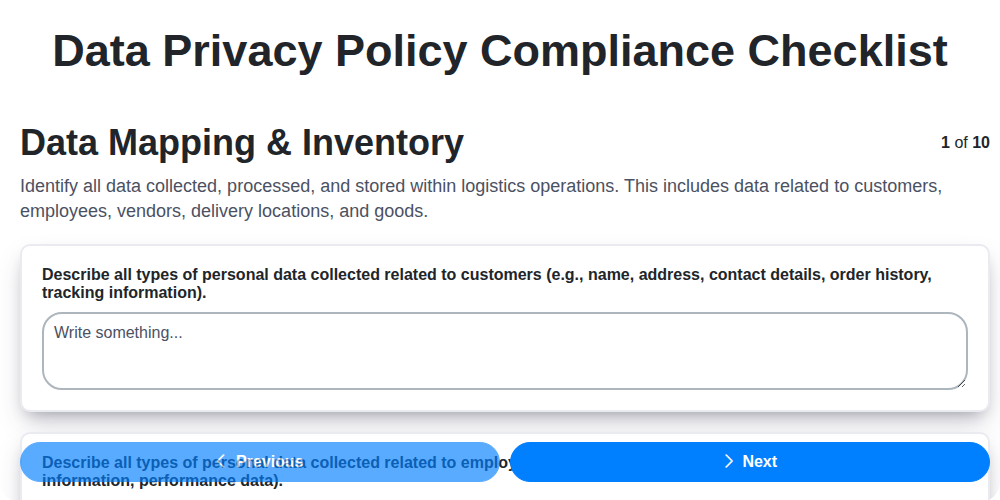
Data Privacy Policy Compliance: Your Essential Checklist Template
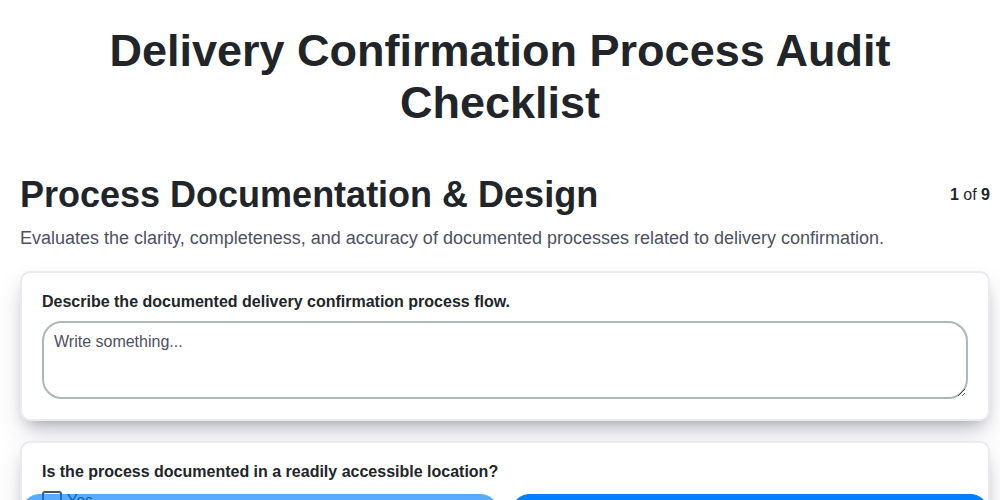
Delivery Confirmation Audit: Your Checklist Template for Process Excellence
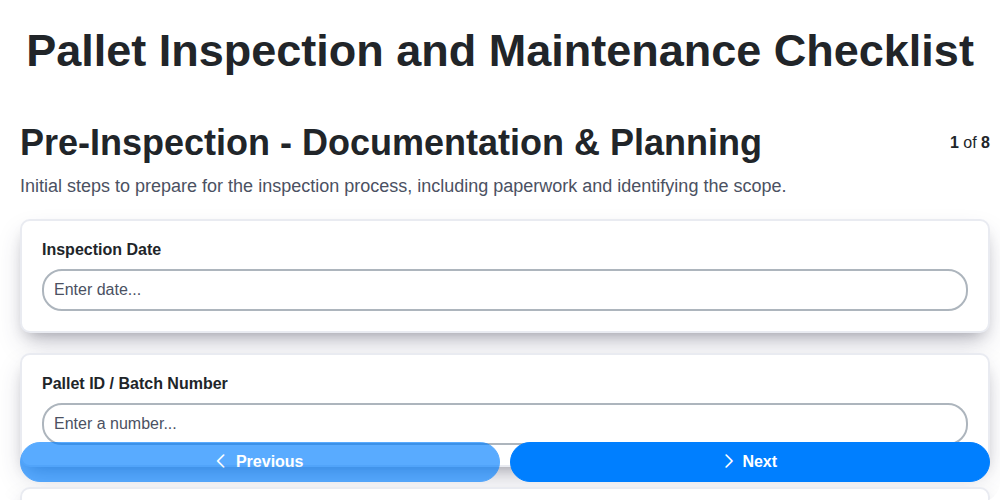
Your Pallet Inspection & Maintenance Checklist Template
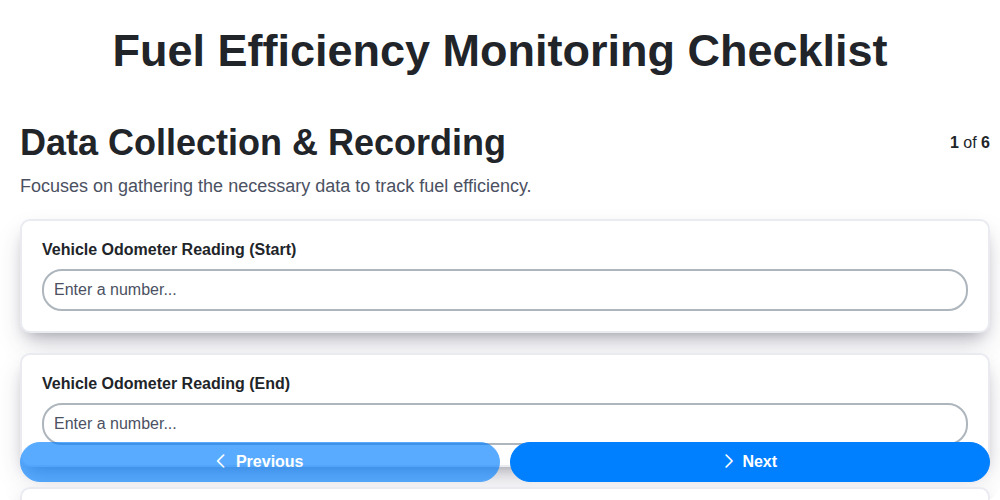
Fuel Efficiency Monitoring: Your Checklist Template for Savings
Supply Chain Risk Assessment: Your Essential Checklist Template
Need help with
Logistics?
Have a question? We're here to help. Please submit your inquiry, and we'll respond promptly.