Mastering Efficiency: A Step-by-Step Guide to the Cross-Docking Operational Management Process
Published: 06/04/2026 Updated: 10/05/2026
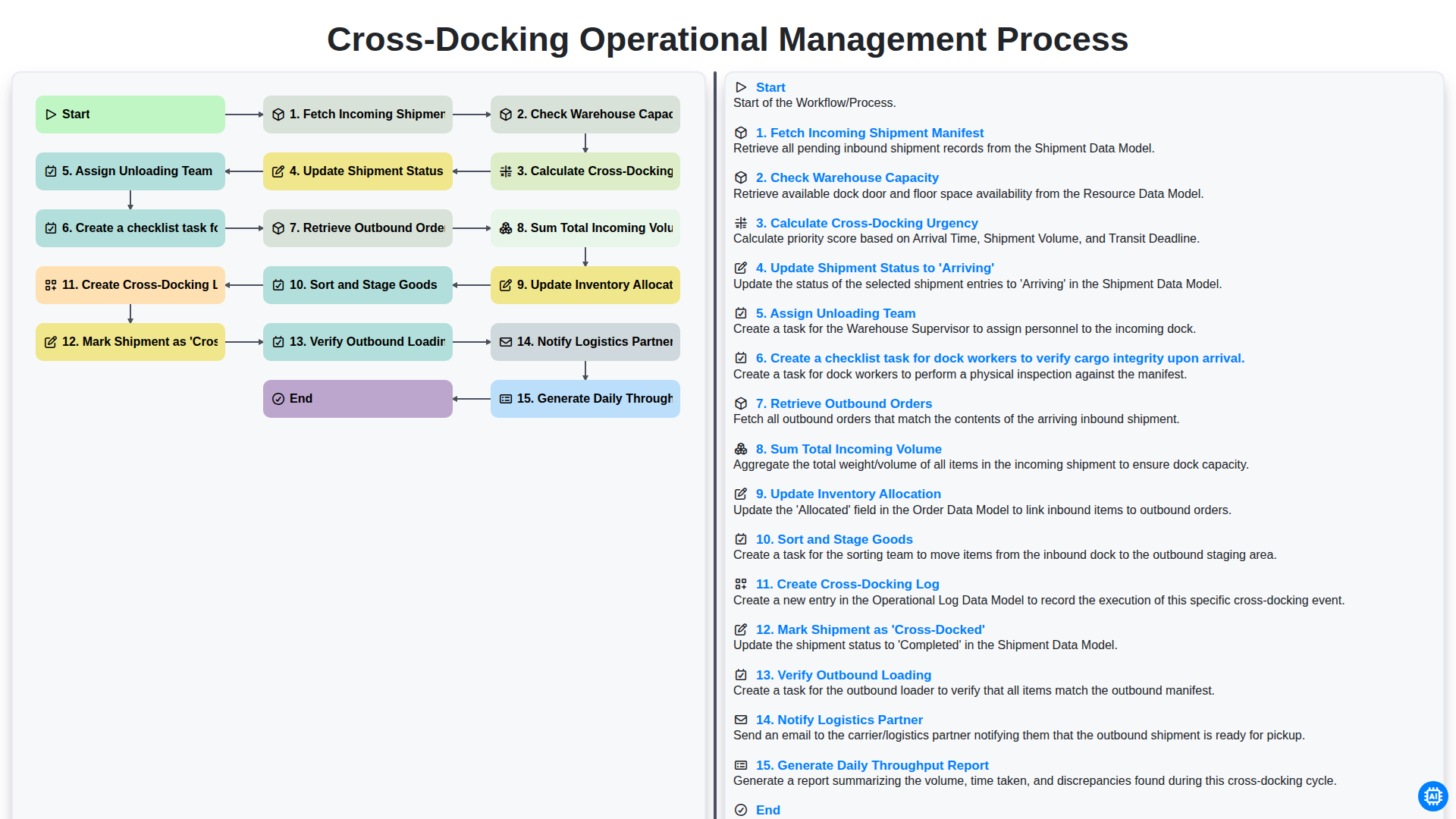
Table of Contents
- Introduction to Cross-Docking Efficiency
- Phase 1: Pre-Arrival Preparation and Planning
- Step 1: Fetching and Reviewing Incoming Shipment Manifests
- Step 2: Assessing Warehouse Capacity and Resource Availability
- Step 3: Determining Cross-Docking Urgency and Prioritization
- Step 4: Proactive Communication: Updating Shipment Status to 'Arriving'
- Phase 2: Arrival and Immediate Processing
- Step 5: Resource Allocation and Unloading Team Assignment
- Step 6: Quality Control: Implementing Dock Worker Integrity Checklists
- Phase 3: Real-Time Sorting and Inventory Integration
- Step 7: Synchronizing Incoming Volume with Outbound Orders
- Step 8: Managing Inventory Allocation and Total Volume Calculation
- Step 9: The Sorting and Staging Execution
- Phase 4: Finalizing Dispatch and Documentation
- Step 10: Closing the Loop: Logging, Status Updates, and Final Verification
- Step 11: Post-Process Reporting and Logistics Coordination
- Resources & Links
TLDR: Streamline your logistics operations with this comprehensive guide to the Cross-Docking Operational Management Process. Learn how to optimize warehouse throughput by automating everything from initial shipment arrival and capacity checking to real-time sorting and outbound loading, ensuring rapid cargo movement with minimal storage time.
Introduction to Cross-Docking Efficiency
In the fast-paced world of modern logistics, the ability to move goods through a facility with minimal delay is the ultimate competitive advantage. Traditional warehousing often relies on a receive-store-pick-ship model, which, while stable, can introduce significant bottlenecks and unnecessary labor costs. Cross-docking redefines this paradigm by transforming the warehouse from a long-term storage center into a high-speed transit hub.
At its core, an efficient cross-docking operational management process focuses on the seamless transition of products directly from receiving docks to outbound shipping docks. By minimizing the time inventory spends sitting on a shelf, companies can drastically reduce handling costs, decrease the risk of product damage, and accelerate delivery cycles. However, achieving this level of fluidity requires more than just fast-moving forklifts; it demands a meticulously orchestrated workflow that synchronizes incoming shipments with outgoing orders in real-time. When executed correctly, cross-docking eliminates the dead time in the supply chain, turning logistics from a cost center into a driver of customer satisfaction.
Phase 1: Pre-Arrival Preparation and Planning
The success of an efficient cross-docking operation is determined long before a single truck hits the loading dock. The initial phase is all about proactive coordination and resource optimization to ensure that incoming goods transition through the facility without ever touching long-term storage. This stage focuses on visibility, capacity management, and strategic decision-making to prevent bottlenecks.
The process begins with the critical task of fetching the incoming shipment manifest. By reviewing this documentation in advance, management gains full visibility into what is approaching the facility. Once the data is available, the next vital step is to check warehouse capacity. Since cross-docking relies on rapid movement rather than storage, ensuring there is sufficient floor space in the staging area is essential to prevent congestion.
With a clear view of incoming cargo and available space, managers must then calculate cross-docking urgency. This involves analyzing transit deadlines and customer requirements to decide which shipments need immediate hot processing versus those that can follow standard procedures. Once priorities are established, the system must update the shipment status to 'Arriving', providing real-time visibility to all stakeholders.
To ensure the facility is physically prepared for the workload, the final step in this preparation phase is to assign an unloading team. By allocating labor precisely based on the expected volume and complexity of the manifest, you ensure that the dock is staffed to meet the incoming demand, setting the stage for a seamless transition from arrival to outbound sorting.
Step 1: Fetching and Reviewing Incoming Shipment Manifests
The cross-docking process begins long before a truck pulls into your loading bay. The foundational step in ensuring a seamless transition from inbound to outbound logistics is the systematic fetching of incoming shipment manifests. This process involves retrieving all digital or physical documentation that details exactly what is arriving, the quantity of goods, and the expected time of arrival (ETA).
Accurate data retrieval is critical because the manifest serves as the primary blueprint for your entire operational workflow. By proactively reviewing these manifests, warehouse managers can gain early visibility into the nature of the incoming cargo. This initial stage is not merely about reading a list; it is about preparing the infrastructure to handle the upcoming volume. Without a precise understanding of the incoming manifest, the subsequent steps-such as calculating urgency or assigning unloading teams-would be based on guesswork, leading to bottlenecked docks and inefficient resource allocation.
Step 2: Assessing Warehouse Capacity and Resource Availability
Once the incoming shipment manifest has been fetched, the next critical phase involves evaluating whether your facility can handle the impending influx without disrupting existing operations. Effective cross-docking relies on real-time visibility; therefore, the first move is to Check Warehouse Capacity to ensure there is sufficient floor space for staging and that dock doors are available for immediate movement.
Simultaneously, the system must Calculate Cross-Docking Urgency. This involves analyzing the time sensitivity of the incoming goods against current outbound requirements. If the incoming shipment contains high-priority items that match pending orders, the urgency level increases, signaling that these goods should bypass storage entirely.
To ensure a seamless transition from the truck to the outbound dock, the operational workflow must also Assign an Unloading Team. By proactively allocating labor based on the expected volume and urgency, you prevent bottlenecks at the receiving bay. Finally, to maintain quality control during this high-speed process, a checklist task must be created for dock workers. This task mandates a formal verification of cargo integrity upon arrival, ensuring that any transit damage is documented immediately before the goods are moved toward the outbound stage.
Step 3: Determining Cross-Docking Urgency and Prioritization
Once the warehouse capacity has been verified, the next critical phase in the workflow is to Calculate Cross-Docking Urgency. Not every incoming shipment is a candidate for immediate cross-docking; the goal is to distinguish between goods that can be placed into long-term storage and those that must bypass the shelves entirely to optimize speed.
To determine priority, managers must analyze the arrival time against existing outbound delivery schedules and delivery deadlines. By evaluating factors such as perishability, contractually obligated delivery windows, and the availability of outbound transport, you can assign a priority level to each shipment. This calculation ensures that high-priority cargo is fast-tracked through the facility, minimizing dwell time and preventing bottlenecks at the loading docks. Proper prioritization is what transforms a standard warehouse operation into a highly responsive, lean supply chain.
Step 4: Proactive Communication: Updating Shipment Status to 'Arriving'
Once the incoming shipment manifest has been fetched and the warehouse capacity has been evaluated, the next critical step in the workflow is proactively updating the shipment status to 'Arriving'.
This step serves as the official heads-up for your entire operational ecosystem. In a high-velocity cross-docking environment, information latency is the enemy of efficiency. By updating the status to 'Arriving' immediately after the urgency calculation, you bridge the gap between the transit phase and the warehouse arrival phase.
This update triggers a chain reaction of readiness: it alerts the receiving dock that a specific volume is imminent, allows the unloading team to prepare their equipment, and ensures that the outbound staging area is cleared for the incoming goods. Moving from a state of unknown arrival to active arrival is what transforms a reactive warehouse into a proactive, streamlined logistics hub.
Phase 2: Arrival and Immediate Processing
Once the incoming shipment is confirmed, the focus shifts from planning to high-velocity execution. This phase is critical because the goal of cross-docking is to minimize the time goods spend on the warehouse floor.
The process begins by fetching the incoming shipment manifest to prepare the receiving area. Before the trucks even hit the dock, management must check warehouse capacity to ensure there is sufficient staging space and calculate cross-docking urgency; this ensures that high-priority shipments are prioritized for immediate movement. To maintain real-time visibility, the system must update the shipment status to 'Arriving', allowing the floor team to prepare for the incoming load.
As the vehicle approaches, the operational workflow moves into physical execution. The warehouse manager must assign an unloading team to the specific bay and create a checklist task for dock workers to verify cargo integrity upon arrival. This step is vital to ensure that any damage is documented before the goods are moved toward outbound transit. By maintaining strict oversight during this transition, the facility ensures that the dock-to-dock flow remains seamless and error-free.
Step 5: Resource Allocation and Unloading Team Assignment
Once the incoming shipment's urgency has been determined and the status is updated to 'Arriving,' the focus shifts from planning to execution. This stage is critical for preventing bottlenecks at the receiving dock. To ensure a seamless transition from inbound to outbound, the system must assign a dedicated unloading team based on the specific volume and complexity of the incoming cargo.
Effective resource allocation involves matching the skill sets of your dock personnel with the requirements of the shipment-for instance, assigning experienced handlers to fragile or high-value goods. Parallel to this assignment, the workflow automatically creates a checklist task for dock workers. This digital checklist serves as a vital quality control measure, requiring team members to verify cargo integrity and inspect for any visible damage immediately upon arrival. By integrating real-time task assignment with rigorous inspection protocols, you ensure that the cross-docking process remains both rapid and highly accurate.
Step 6: Quality Control: Implementing Dock Worker Integrity Checklists
To ensure the seamless flow of goods during a cross-docking operation, the speed of movement must never come at the expense of product quality. As part of the operational workflow, a critical preventative measure is the creation of a mandatory checklist task for dock workers to verify cargo integrity immediately upon arrival.
This step acts as the first line of defense against hidden damage that could lead to costly returns or downstream logistics failures. As soon as the shipment reaches the dock, the unloading team is tasked with executing a standardized inspection. This checklist typically includes verifying that:
- Seal Integrity: Confirming that container seals are intact and match the manifest.
- External Packaging Condition: Checking for crushed corners, punctures, or water damage on pallets and crates.
- Temperature Compliance: For temperature-sensitive goods, verifying that the thermal logs are within the required parameters.
- Quantity Discrepancies: Ensuring the physical count aligns with the incoming shipment manifest.
By integrating this verification step into the digital workflow, the system ensures that no shipment moves to the Sorting and Staging phase without a documented clear status. This proactive approach minimizes the risk of passing damaged goods into the outbound stream, protecting your reputation and reducing the complexity of downstream claims processing.
Phase 3: Real-Time Sorting and Inventory Integration
Once the incoming shipment has been processed and the dock teams are prepared, the workflow moves into the critical execution stage: Real-Time Sorting and Inventory Integration. At this juncture, the focus shifts from arrival preparation to the seamless movement of goods from the receiving dock directly to the outbound staging area.
The process begins with the systematic sorting and staging of goods. Unlike traditional warehousing, where items are put away into long-term storage, cross-docking requires precision in identifying which specific items within the incoming shipment match existing outbound orders. Once the cargo is sorted, the system must update inventory allocation in real-time. This ensures that the digital inventory reflects the physical movement, preventing discrepancies between what is physically on the dock and what is visible in your Warehouse Management System (WMS).
To maintain a continuous audit trail, the system must create a cross-docking log. This log serves as the single source of truth, documenting exactly which units bypassed storage and moved straight to shipping. As the physical transition concludes, the shipment status is officially marked as 'Cross-Docked'. This final step in the integration phase closes the loop on the receiving side and triggers the transition to the outbound logistics phase, ensuring that the velocity of the warehouse remains high and that no cargo sits idle.
Step 7: Synchronizing Incoming Volume with Outbound Orders
The core efficiency of a cross-docking operation lies in the seamless alignment of inbound supply with outbound demand. Once the initial arrival logistics are organized, the process moves into a critical synchronization phase: retrieving outbound orders and calculating the sum total incoming volume.
This step is where the cross-dock truly happens. Rather than treating incoming shipments as new inventory to be stored, the system must immediately cross-reference the incoming cargo against existing outbound requirements. By calculating the total incoming volume against the pending outbound queue, warehouse managers can identify exactly which portions of an incoming shipment are destined for immediate departure and which-if any-require temporary staging.
This synchronization allows the facility to bypass the traditional put-away process entirely. By mathematically matching incoming units to outbound orders, you minimize unnecessary handling, reduce touches, and ensure that the dock remains a high-velocity transit point rather than a bottlenecked storage zone. Successful synchronization ensures that the warehouse footprint is used only for movement, not for stagnant inventory.
Step 8: Managing Inventory Allocation and Total Volume Calculation
Once the incoming shipments are identified and the urgency is established, the focus shifts to the critical bridge between inbound arrival and outbound departure. This stage involves two high-precision tasks: Summing Total Incoming Volume and Updating Inventory Allocation.
Effective cross-docking relies on the ability to maintain a zero-storage mindset. To achieve this, managers must first calculate the total volume of the incoming shipment to ensure it aligns with the available outbound capacity. By summing the total incoming volume, you can prevent dock congestion and ensure that the receiving area does not become a bottleneck.
Simultaneously, the Update Inventory Allocation step is where the cross-dock logic is applied. Instead of directing goods to long-term storage bins, the system must immediately reassign these incoming units to specific outbound orders. This real-time reallocation ensures that goods are pre-assigned to their next destination before they even touch the warehouse floor, drastically reducing handling time and accelerating the flow of goods through the facility.
Step 9: The Sorting and Staging Execution
Once the incoming goods have been processed and inventory allocations are updated, the operation moves into its most critical physical phase: Sorting and Staging. This is where the theoretical workflow meets the reality of the warehouse floor.
At this stage, the goal is to transition goods from the receiving area to the outbound docks with as little dwell time as possible. The sorting process involves organizing the incoming cargo based on its final destination or specific outbound order requirements. This isn't just about moving boxes; it is about strategic placement. Items destined for the same delivery route or priority shipment are grouped together in designated staging lanes to streamline the subsequent loading process.
Effective staging minimizes unnecessary handling and reduces the risk of double-handling, which is the primary enemy of cross-docking efficiency. By carefully organizing goods in these pre-determined zones, you ensure that the outbound team can execute the next steps of the workflow with precision, maintaining the rapid momentum that defines a successful cross-docking operation.
Phase 4: Finalizing Dispatch and Documentation
Once the goods have been successfully transitioned through the facility, the final phase focuses on closing the operational loop through rigorous verification and data logging. The process begins with the Verification of Outbound Loading, a critical quality control step to ensure that the staged items precisely match the outbound manifests and that no damage occurred during the brief period of intra-warehouse movement.
To maintain complete end-to-end visibility, the system must then Mark the Shipment as 'Cross-Docked', officially updating the digital record to reflect that these goods bypassed long-term storage. This is immediately followed by the Creation of a Cross-Docking Log, which serves as the single source of truth for auditing the efficiency and accuracy of the flow.
Communication is the final link in the chain; the system must automatically Notify the Logistics Partner, providing real-time updates so that downstream carriers can prepare for arrival. To wrap up the operational cycle, the system will Generate a Daily Throughput Report. This high-level overview allows management to analyze volume processed, identify potential bottlenecks, and refine the cross-docking strategy for future shipments, ensuring continuous improvement in warehouse velocity.
Step 10: Closing the Loop: Logging, Status Updates, and Final Verification
Once the physical movement of goods is complete, the final stage of the cross-docking workflow focuses on data integrity and downstream communication. This phase ensures that the physical reality of the warehouse matches your digital records, preventing ghost inventory or communication breakdowns with partners.
The process begins with the formal creation of a Cross-Docking Log. This log serves as the single source of truth for the specific shipment, documenting exactly what arrived, what was moved, and any discrepancies noted during the unloading or sorting phases. Following this, the shipment status must be officially updated to 'Cross-Docked' within your Warehouse Management System (WMS). This update is critical as it signals to the rest of the supply chain that these items are no longer pending arrival but are now part of the outbound flow.
To ensure the process was executed without error, the final physical step is to Verify Outbound Loading. This involves a quick audit to confirm that the staged goods have been correctly loaded onto the correct outbound trailers, ensuring that the right products are heading to the right destinations.
The workflow concludes with two vital administrative actions:
- Notify Logistics Partner: Immediate communication with carriers and downstream partners ensures they are prepared for the incoming cargo, minimizing dwell time at their facilities.
- Generate Daily Throughput Report: By aggregating the day's cross-docking data, management can analyze operational efficiency, identify bottlenecks, and measure the total volume successfully bypassed through the warehouse.
By completing these steps, you transform a simple logistics task into a continuous cycle of improvement and visibility.
Step 11: Post-Process Reporting and Logistics Coordination
Once the physical movement of goods is complete, the final stage of the cross-docking workflow focuses on data integrity and communication. This phase ensures that the operational success of the shift is documented and that all stakeholders are aligned for the next leg of the supply chain.
The process concludes with three critical actions:
- Notify Logistics Partner: Real-time communication is vital to prevent bottlenecks. As soon as the shipment is processed, the outbound carriers or downstream logistics partners must be notified of the exact departure time. This allows them to synchronize their arrival at the outbound docks, ensuring a seamless transition from warehouse to transit.
- Generate Daily Throughput Report: Data-driven management requires a clear view of performance. By generating a daily throughput report, managers can analyze the volume of goods processed, the speed of the cross-docking cycle, and any discrepancies encountered during the sorting or staging phases. This report serves as a key performance indicator (KPI) to identify potential friction points in the workflow.
- Closing the Loop: This final step ensures that the digital record matches the physical reality. By finalizing the documentation, you provide the necessary visibility for inventory management systems, ensuring that the Cross-Docked status is accurately reflected across the entire enterprise resource planning (ERP) ecosystem.
Resources & Links
- Supply Chain Management Review: In-depth industry insights and case studies on optimizing logistics and warehousing strategies.
- MHL Smart Software: Advanced Warehouse Management Systems (WMS) solutions for real-time cross-docking and sorting automation.
- Inbound Logistics: Resources and news regarding efficient inbound shipping processes and dock management techniques.
- CargoWise: Global logistics software tools for managing shipment manifests, tracking, and automated workflows.
- Logistics Management: Professional resources for managing warehouse throughput, resource allocation, and supply chain visibility.
- Gartner Supply Chain Research: Expert analysis on warehouse capacity planning and strategic inventory allocation models.
Frequently Asked Questions
What is cross-docking in the context of operational management?
Cross-docking is a logistics strategy where incoming goods are unloaded from an inbound transport vehicle and loaded directly into outbound vehicles with little to no storage time in between, streamlining the supply chain.
What are the primary benefits of implementing a cross-docking process?
The main benefits include significantly reduced inventory holding costs, decreased labor requirements for handling, faster order fulfillment cycles, and minimized warehouse storage space requirements.
What are the key steps involved in a successful cross-docking workflow?
The process involves several critical steps: receiving and unloading, sorting and staging, labeling/verification, and final loading onto outbound transportation for delivery.
What technologies are essential for managing cross-docking efficiency?
Effective cross-docking relies on robust Warehouse Management Systems (WMS), real-time tracking technologies like RFID or barcodes, and automated sorting systems to ensure accuracy and speed.
What are the most common challenges faced during cross-docking operations?
Common challenges include the need for precise synchronization between inbound and outbound schedules, the risk of errors in sorting, and the high dependency on reliable real-time data and carrier punctuality.
How can companies measure the success of their cross-docking process?
Success can be measured using Key Performance Indicators (KPIs) such as dock-to-stock time, order accuracy rates, transportation cost savings, and the reduction in total inventory dwell time.
Comments
There are no comments yet. Be the first to add one!
Logistics Management Solution Demo
Tired of shipping delays, lost packages, and inefficient routes? ChecklistGuro's Work OS platform streamlines your entire logistics operation, from warehouse management and order fulfillment to route optimization and delivery tracking. Gain real-time visibility, reduce costs, and improve customer satisfaction. Learn how ChecklistGuro can transform your logistics business!
Related Articles
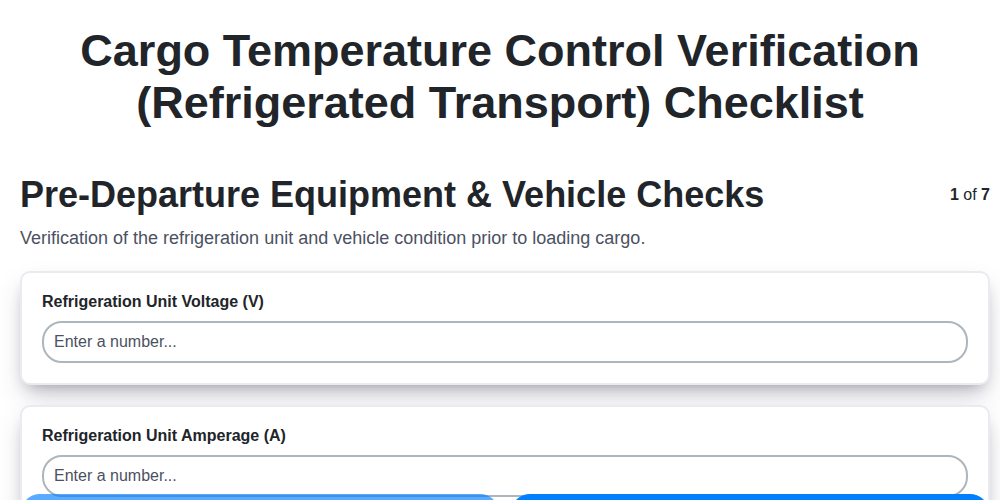
The Ultimate Refrigerated Cargo Temperature Control Checklist Template
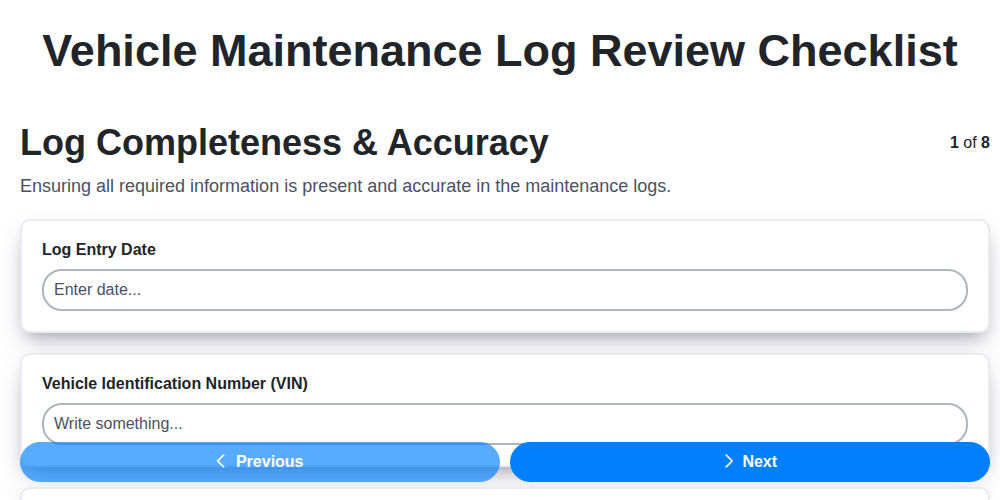
Mastering Your Fleet: A Vehicle Maintenance Log Review Template
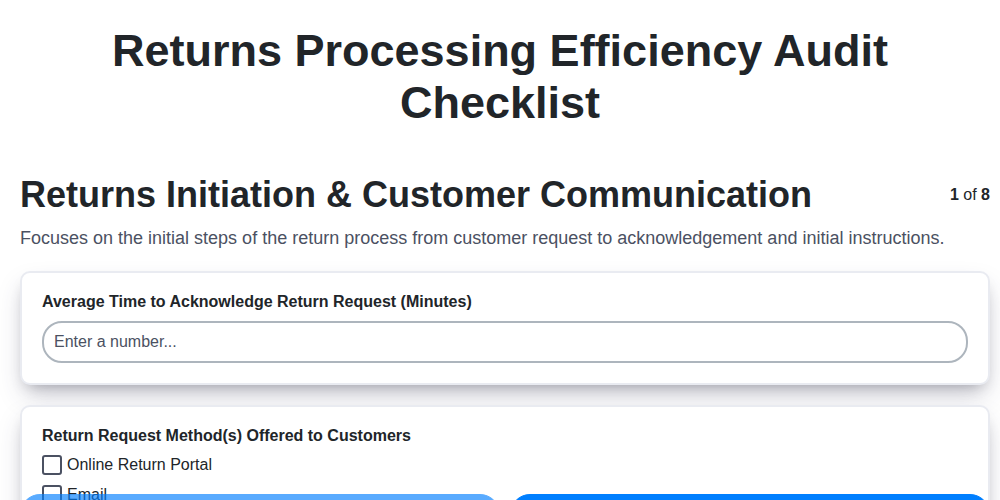
Master Your Returns: The Ultimate Returns Processing Efficiency Audit Checklist
Data Privacy Policy Compliance: Your Essential Checklist Template
Delivery Confirmation Audit: Your Checklist Template for Process Excellence
Your Pallet Inspection & Maintenance Checklist Template
Fuel Efficiency Monitoring: Your Checklist Template for Savings
Supply Chain Risk Assessment: Your Essential Checklist Template
Need help with
Checklists?
Have a question? We're here to help. Please submit your inquiry, and we'll respond promptly.