First Aid Kit Inspection & Restock: Your Printable Checklist Template
Published: 08/31/2025 Updated: 04/23/2026
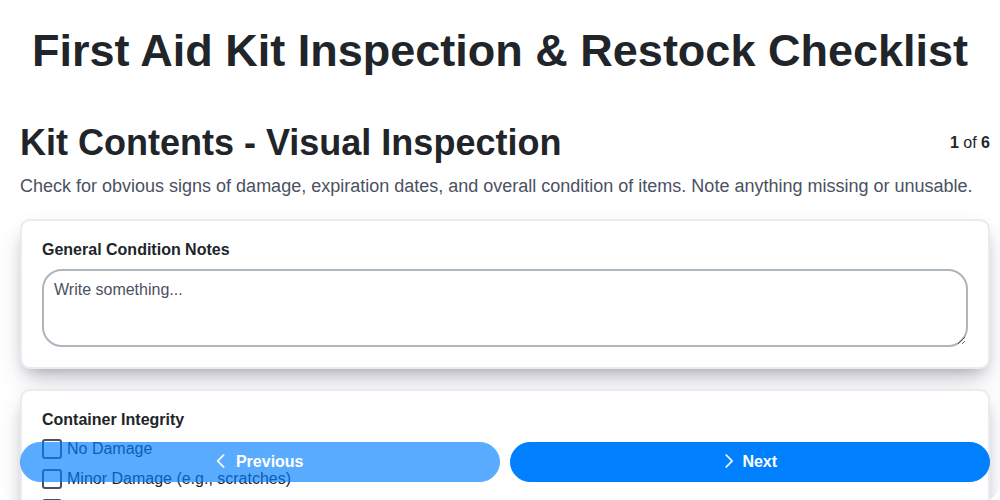
Table of Contents
- Why Regular First Aid Kit Inspections Matter
- Your Printable Checklist Template: A Step-by-Step Guide
- Decoding Expiration Dates: What to Look For
- Restocking Essentials: Building a Complete Kit
- Strategic Placement & Accessibility
- Documentation & Record Keeping
- Beyond the Basics: Tailoring Your Kit
- Download Your Free Printable Checklist!
- Resources & Links
TLDR: Need to keep your first aid kit ready for anything? This printable checklist template makes it easy! It guides you through a full inspection - from checking expiration dates to ensuring accessibility - so you can quickly identify what's missing or needs replacing. Download it, print it, and be prepared!
Why Regular First Aid Kit Inspections Matter
Beyond just ticking a box, regular first aid kit inspections are about safeguarding the wellbeing of those around you. Think of it as preventative maintenance for a vital safety resource. A neglected kit can be worse than no kit at all - offering a false sense of security while lacking the essential supplies needed in an emergency.
Expired medications lose their effectiveness, bandages deteriorate and lose their sterility, and crucial items can simply disappear over time. Imagine needing a specific bandage size for a child's cut, only to find it's been used or expired. That delay, that lack of readiness, could make a stressful situation even more difficult.
Furthermore, consistent inspections demonstrate a commitment to safety - a powerful message to employees, customers, or family members. It's a visible expression of care and responsibility that fosters a culture of preparedness and reduces risk. Regularly reviewing the contents also ensures you're equipped to handle the specific hazards present in your environment, allowing for adjustments to your kit's contents as needs evolve.
Your Printable Checklist Template: A Step-by-Step Guide
Keeping track of your first aid kit inspections can feel overwhelming, but our printable checklist template is here to simplify the process. This guide walks you through using the template and ensures you cover all critical areas.
1. Downloading & Printing:
- Click the link below to download the free, printable checklist. (Link to Download Here)
- Print the checklist on standard letter-size paper (8.5 x 11 inches). Consider laminating it for durability and repeated use.
2. Completing the Checklist:
- Date: Begin by recording the date of the inspection. This is crucial for tracking frequency.
- Inspector: Note the name of the person performing the inspection. This ensures accountability.
- Kit Contents - Visual Inspection: Carefully check each item, marking Yes if present and in good condition, or No if it's missing, damaged, or needs replacement. Add brief notes in the Comments column for any concerns.
- Expiration Date Check: Systematically review expiration dates. Mark Yes if all dates are valid. If dates are expired, mark No and note the items needing replacement.
- Restocking: Use this section to list specific items needing replenishment. Quantities can be noted here too.
- Accessibility & Placement: Confirm the kit is accessible, clearly marked, and protected. Check off the appropriate boxes.
- Documentation & Record Keeping: Sign and date the checklist to officially record the inspection.
- Review & Action: The Review & Action section provides space for a final assessment and a clear plan of action.
3. Utilizing the Checklist:
- Schedule: Set a recurring reminder (e.g., quarterly, semi-annually) to ensure consistent inspections.
- File: Keep completed checklists organized for record-keeping purposes.
- Sharing: Distribute the checklist to responsible personnel for shared responsibility.
This template is your key to a well-maintained and readily available first aid kit. Download, print, and keep your team safe and prepared!
Decoding Expiration Dates: What to Look For
Understanding expiration dates on first aid supplies isn't always straightforward. While it seems simple, nuances exist that impact their effectiveness. Primarily, you're looking at two types of dates: Expiration Date and Use-By Date.
Expiration Date: This is the manufacturer's guarantee that the product is at its peak potency and sterility up to that date. Medications, sterile saline, and oxygen rebreathes almost always have an expiration date. Never use a product past its expiration date.
Use-By Date: This is common on non-sterile items like adhesive bandages. While the adhesive may not completely fail, its stickiness and overall performance could diminish over time. It's a guideline, but replacement is recommended more frequently than with medications.
Beyond the date itself, check the packaging. Compromised packaging - blisters that are punctured, seals that are broken, or containers that are damaged - renders the product unsafe, regardless of the expiration date. Even if the date is good, discard anything in damaged packaging.
Finally, remember that storage conditions play a role. Extreme temperatures, humidity, and direct sunlight can accelerate degradation, shortening the lifespan of even unexpired items.
Restocking Essentials: Building a Complete Kit
Creating a truly complete first aid kit isn't just about tossing in a few bandages. It's about anticipating potential injuries and having the right tools to address them effectively. Here's a breakdown of essential categories and specific items to consider, going beyond the basics.
Wound Care: Don't just rely on standard adhesive bandages. Include sterile gauze pads in multiple sizes, roller gauze for securing dressings, and non-stick pads to prevent dressings from adhering to wounds. Consider adding wound closure strips (butterfly closures) for minor lacerations.
Pain Relief & Medications: While over-the-counter pain relievers are crucial, think about potential allergic reactions. Have a clear understanding of what medications are included and any contraindications. If you serve a population with known allergies, carefully consider alternatives.
Protection & Safety: Non-latex gloves are a must to protect both the caregiver and the injured person. A CPR mask provides a barrier during rescue breathing. Eye protection is vital, especially in environments with potential chemical splashes or flying debris.
Specialized Supplies (Based on Risk): Think about the specific hazards present in your environment. For kitchens, include burn cream and eye wash. For outdoor environments, consider blister treatment supplies. For workplaces with potential for eye injuries, a dedicated eyewash station is essential.
Organization & Accessibility: A well-organized kit is as important as the contents. Use compartments, labeled pouches, or a checklist to ensure everything is easily identifiable and accessible during an emergency. Regularly review and rotate stock to ensure freshness and prevent items from expiring unnoticed.
Strategic Placement & Accessibility
A first aid kit is only useful if it's readily available when needed. Strategic placement and accessibility are just as important as the contents themselves. Don't hide it in a forgotten corner!
Consider these points:
- High-Traffic Areas: Place kits in locations with high foot traffic, such as near entrances, exits, break rooms, or reception areas.
- Known Risks: If certain areas pose higher risks (kitchens, workshops, loading docks), ensure a kit is conveniently located nearby.
- Clear Signage: Use highly visible signage (e.g., a green cross symbol) to clearly mark the kit's location. Avoid ambiguous labels.
- Obstruction-Free Zone: Keep the area around the kit free of clutter and obstructions to allow quick access in an emergency.
- Multiple Kits: For larger facilities or multiple departments, consider multiple strategically placed kits to ensure everyone has reasonable access.
- Accessibility for All: Ensure the kit is accessible to individuals with disabilities, considering height and reach limitations.
Documentation & Record Keeping
Maintaining thorough documentation isn't just about ticking a box; it's about demonstrating responsibility and ensuring continuous improvement in your safety protocols. A simple inspection log is your best friend here. This log should record the date of each inspection, the name of the person who conducted it, and a brief summary of any actions taken. Did you restock supplies? Discard expired items? Note any repairs needed? All of this information belongs in your log.
Beyond the inspection log, keep records of who on your team has received first aid and CPR training - including dates of certification and upcoming renewal deadlines. This is critical for ensuring qualified personnel are available in an emergency. For businesses, accurate documentation can also be invaluable in demonstrating compliance with regulations like OSHA standards. Consider creating a digital template for your log to streamline the process and allow for easy sharing and updates. Regular review of these records can also highlight trends - are certain items used disproportionately often? Does training need to be refreshed? Proactive record keeping empowers you to make informed decisions and enhance overall safety.
Beyond the Basics: Tailoring Your Kit
A standard first aid kit is a great starting point, but truly effective preparedness involves customizing it to the specific risks and needs of your environment. Consider the types of injuries most likely to occur and adjust your supplies accordingly.
For example, an office setting might prioritize eye wash solutions and bandages for minor cuts. A construction site, however, demands heavy-duty gloves, eye protection, and supplies for managing sprains and fractures. Similarly, a household with young children will need blister treatment and children's pain relievers. Outdoor enthusiasts should include insect bite relief, sunscreen, and hydration solutions.
Think about the unique hazards present. Does your workplace involve exposure to hazardous chemicals? Add appropriate safety data sheets (SDS) and specific decontamination supplies. Do you have employees with known allergies? Consider a designated area for epinephrine auto-injectors and ensure trained personnel are readily available. Regularly reassess these needs and update your kit to reflect changes in risk or activity. A little foresight can significantly improve response capabilities and ensure the right tools are available when they're needed most.
Download Your Free Printable Checklist!
Stay organized and never miss a crucial step in your first aid kit maintenance! We're giving away a handy, printable checklist to make the inspection and restocking process even easier. Simply enter your email address below to instantly download your free copy. It's a quick and simple way to ensure your kit is always ready to handle any situation. Don't wait - get your checklist now and prioritize safety!
Resources & Links
- CDC - First Aid Kit Contents: The Centers for Disease Control and Prevention (CDC) provides comprehensive guidelines and a suggested checklist for first aid kit contents, aligning with their recommendations for preparedness and response.
- American Red Cross - First Aid Kits: The American Red Cross offers information about building and maintaining first aid kits, as well as training resources. This is a great resource for understanding general first aid principles and kit construction.
- OSHA - First Aid: The Occupational Safety and Health Administration (OSHA) provides regulations and guidance related to workplace first aid, which includes requirements for first aid supplies and training. Useful for understanding legal requirements.
- Mayo Clinic - First Aid: Mayo Clinic's first aid section offers clear, concise information on how to handle various injuries and illnesses, supporting the 'Beyond the Basics' section of the blog post with practical knowledge.
- St John Ambulance (UK): A reputable source for comprehensive first aid information, training courses, and resources. Their website offers a global perspective on first aid practices, which can add depth to the 'Beyond the Basics' section.
- Wilderness First Aid: While geared towards outdoor settings, Wilderness First Aid's resources (and potential courses) can inform the 'Beyond the Basics' section, especially for tailoring kits for specific activities and environments.
- Healthline: A reliable source for health information. Useful for quick verification of information about specific medical supplies and their uses, to support the accuracy of the 'Restocking Essentials' section.
- eMedicineHealth: eMedicineHealth provides medical information and guidance, good for verifying expiry date considerations and first aid procedure details that relate to medications and medical devices in the kit.
- U.S. Food and Drug Administration (FDA): The FDA website provides information about medical devices and medications, which could be relevant to understanding product labels and expiry information discussed in 'Decoding Expiration Dates'.
Frequently Asked Questions
Why is it important to inspect and restock my first aid kit regularly?
First aid kits expire. Medications lose potency, sterile items can become contaminated, and supplies get used up. Regular inspections ensure everything is fresh, functional, and ready for emergencies, potentially saving lives and preventing infections.
How often should I inspect and restock my first aid kit?
Ideally, you should inspect your first aid kit every 6 months. A full restock is recommended annually, or sooner if supplies are used or expired. Mark your calendar or set a reminder to stay on track.
What's included in the printable checklist template?
The checklist template covers essential first aid supplies, categorized for clarity (wound care, medications, tools, etc.). It includes items with expiration dates to help you identify what needs replacing.
What do I do with expired items I find during the inspection?
Proper disposal is crucial! Expired medications should be taken to a designated drug take-back location or disposed of according to local regulations. Expired sterile items should be discarded in a sealed bag.
Can I customize the checklist to include items specific to my needs?
Absolutely! The printable template is designed to be flexible. Feel free to add or remove items to tailor the checklist to your household, workplace, or specific activities (like camping or travel).
Where can I find a drug take-back location?
You can often find drop-off locations through your local pharmacy, police department, or health department. The DEA website (dea.gov) also has a search tool to find authorized collection sites.
What if I'm unsure if a medication is expired?
When in doubt, throw it out. The effectiveness of medications diminishes over time. It's better to be safe and replace an item you're unsure about.
Is this checklist suitable for a workplace first aid kit?
Yes, but consider OSHA requirements for workplace first aid kits. This checklist can serve as a helpful starting point and should be supplemented with any specific regulations for your industry and location.
What if I lose the printed checklist template?
The template is available for download and printing again. Simply revisit the article to access the printable file.
What is the difference between a first aid kit and a CPR kit?
A first aid kit addresses minor injuries and illnesses. A CPR kit (and training) equips you to handle life-threatening emergencies like cardiac arrest. They are often used together, but serve different purposes.
Comments
There are no comments yet. Be the first to add one!
Hospitality Management Solution Demo
Running a hotel, restaurant, or other hospitality business is demanding. ChecklistGuro's Work OS platform simplifies management, from reservations and guest services to inventory and staff scheduling. Improve efficiency, enhance guest experience, and boost profitability! See how ChecklistGuro can transform your hospitality operations.
Related Articles
Your Ultimate Security Camera Monitoring Log Checklist Template
Payroll Processing Verification Checklist Template: Your Guide to Accuracy
Complaint Handling Checklist Template: Resolve Issues & Retain Customers

Emergency Evacuation Drill Documentation: Your Checklist Template Guide

Mastering Incident Response: Your Free Reporting Protocol Checklist Template
Conquer Your Kitchen: A Monthly Deep Cleaning Checklist Template
Mastering Food Safety: Your Free Temperature Control Checklist Template
Mastering Hand Hygiene: Your Compliance Checklist Template
We can do it Together
Need help with
Hospitality?
Have a question? We're here to help. Please submit your inquiry, and we'll respond promptly.