Mastering the Guest Journey: A Step-by-Step Hotel Pre-Arrival Communication Workflow
Published: 06/09/2026 Updated: 07/02/2026
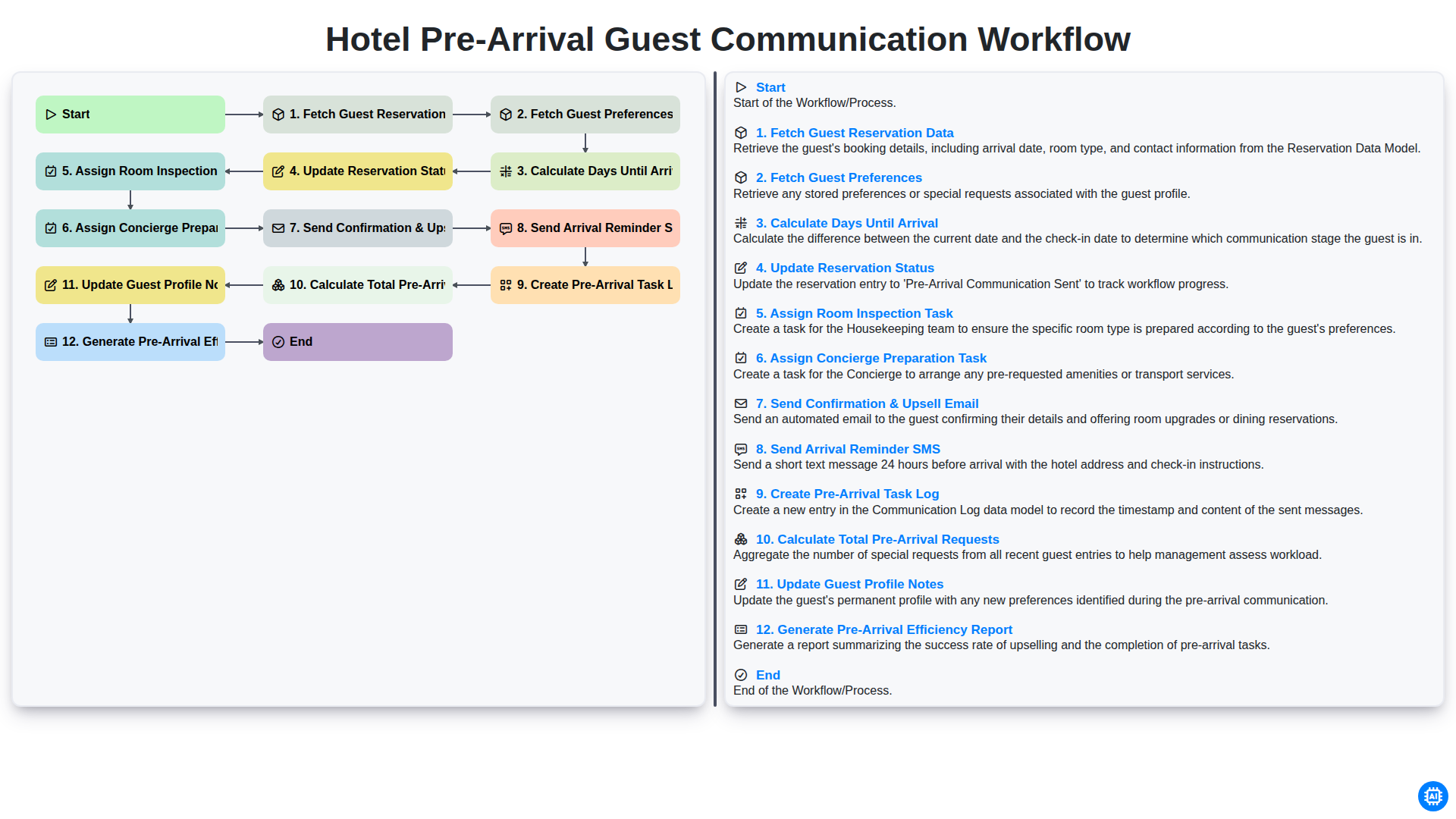
Table of Contents
- Introduction: The Power of Proactive Hospitality
- Step 1: Building the Foundation with Guest Reservation Data
- Step 2: Personalizing the Stay by Fetching Guest Preferences
- Step 3: Timing the Touchpoint: Calculating Days Until Arrival
- Step 4: Synchronizing the System: Updating Reservation Status
- Step 5: Back-of-House Readiness: Assigning Room Inspection Tasks
- Step 6: Elevating the Experience: Assigning Concierge Preparation Tasks
- Step 7: Driving Revenue: Sending Confirmation & Upsell Emails
- Step 8: The Final Reminder: Sending Arrival SMS Notifications
- Step 9: Maintaining Accountability: Creating a Pre-Arrival Task Log
- Step 10: Tracking Demand: Calculating Total Pre-Arrival Requests
- Step 11: Enhancing Long-Term Loyalty: Updating Guest Profile Notes
- Step 12: Measuring Success: Generating Pre-Arrival Efficiency Reports
- Conclusion: Transforming Operations into Exceptional Guest Experiences
- Resources & Links
TLDR: Learn how to automate your hospitality operations with a comprehensive pre-arrival workflow designed to enhance guest satisfaction. This guide explores a step-by-step automation process-from fetching reservation data and calculating arrival timelines to triggering personalized upsells and internal staff tasks-ensuring your team is perfectly prepared to deliver a seamless, personalized guest experience before the guest even arrives.
Introduction: The Power of Proactive Hospitality
In the fast-paced world of hospitality, the guest experience no longer begins at the front desk; it begins the moment a reservation is confirmed. The period between booking and check-in is a critical window of opportunity-a silent phase where much of the guest's perception of your brand is formed.
A reactive approach to hospitality, where staff only engage with guests upon their physical arrival, often leads to missed opportunities for personalization and unexpected friction during check-in. Conversely, a proactive approach leverages data and automation to anticipate needs before they are even voiced. By implementing a structured Hotel Pre-Arrival Guest Communication Workflow, hotels can transition from simply managing bookings to crafting personalized journeys. This strategic foresight allows your team to identify preferences, streamline operations, and drive incremental revenue through timely upselling, ultimately transforming a standard stay into an unforgettable, seamless experience.
Step 1: Building the Foundation with Guest Reservation Data
The foundation of an exceptional guest experience begins long before the traveler reaches your lobby. The first and most critical step in our workflow is Fetching Guest Reservation Data. This stage is about more than just knowing a name and a date; it is about digitizing the core parameters of the upcoming stay.
By automating the retrieval of reservation details-such as check-in/check-out dates, number of guests, and booking source-you eliminate the risk of manual entry errors and ensure that your entire team is working from a single, accurate source of truth. This initial data pull acts as the trigger for the entire automation engine, setting the stage for personalized service. Without this precise data foundation, subsequent steps like calculating arrival timelines or assigning room tasks would be impossible to execute accurately.
Step 2: Personalizing the Stay by Fetching Guest Preferences
Once the initial reservation data is retrieved, the workflow moves into a critical phase of personalization: Fetching Guest Preferences. Generic service is the enemy of luxury; true hospitality lies in the details that make a guest feel known before they even step through your lobby doors.
In this step, the system automatically scans the guest's historical data and profile preferences. Are they a returning VIP who always requests extra hypoallergenic pillows? Do they have a documented preference for high-floor rooms or specific dietary restrictions? By pulling this information into the active workflow, you transition from simply managing a booking to curating an experience. This stage ensures that the subsequent automation steps-such as notifying housekeeping or the concierge-are fueled by actionable, personalized insights rather than just arrival dates.
Step 3: Timing the Touchpoint: Calculating Days Until Arrival
Precision in timing is what distinguishes a thoughtful welcome from an intrusive interruption. Once the system has successfully gathered all relevant guest data and preferences, the next critical step in the workflow is calculating the days until arrival.
This automated calculation serves as the internal clock for the entire pre-arrival sequence. Rather than sending messages at random intervals, the workflow uses this dynamic metric to trigger specific actions at mathematically optimized moments. For example, the system might trigger a room inspection task exactly five days before arrival, while scheduling a personalized upselling email three days prior.
By automating this calculation, the workflow ensures that your communication strategy scales perfectly with your occupancy. Whether a guest is arriving tomorrow or in two weeks, the workflow dynamically adjusts the cadence, ensuring every guest receives the right information at the exact moment they are most likely to engage with it.
Step 4: Synchronizing the System: Updating Reservation Status
Once the essential guest data and preferences have been retrieved, the workflow moves into a critical phase of synchronization. This step involves updating the reservation status within your Property Management System (PMS) to reflect the current stage of the pre-arrival cycle.
Updating the status does more than just change a label in a database; it acts as the trigger for all subsequent automated actions. By transitioning a reservation from Confirmed to Pre-Arrival Processing, you ensure that the system knows exactly which automated communication sequences to trigger and which operational tasks to queue. This real-time synchronization prevents manual errors, ensures that no guest falls through the cracks, and provides your team with a single, accurate source of truth regarding which guests are currently being prepared for their upcoming stay.
Step 5: Back-of-House Readiness: Assigning Room Inspection Tasks
Once the system has processed the guest data and updated the reservation status, the workflow shifts from digital communication to physical preparation. At this stage, the automation engine triggers a specific Room Inspection Task within your property management system (PMS) or task management tool.
This isn't just a generic notification; it is a targeted instruction linked directly to the specific needs identified in the guest's profile. If the system has flagged a preference for extra pillows, a specific room temperature, or a hypoallergenic setup, the housekeeping supervisor receives a high-priority task to ensure the room is verified before the guest ever sets foot on the property. By automating this assignment, you eliminate the risk of human error where a guest preference might be buried in a printed report, ensuring that the room is not just clean, but perfectly tailored to the individual.
Step 6: Elevating the Experience: Assigning Concierge Preparation Tasks
Once the room inspection task ensures the physical space is perfect, the focus shifts from the room to the guest's personalized needs. This is where the Assign Concierge Preparation Task step becomes vital for true luxury service.
At this stage, the system pulls the data gathered from guest preferences and pre-arrival requests to notify your concierge team of specific actionable items. If a guest has previously requested a specific type of pillow, a bottle of vintage champagne, or a reservation at a local high-end restaurant, this task ensures these details are handled long before the guest steps foot in the lobby.
By automating this assignment, you move beyond simple room readiness and into the realm of anticipatory service. It empowers your concierge team to act as personal curators for each guest, transforming a standard stay into a bespoke experience. This step ensures that the magic of hospitality happens behind the scenes, so that when the guest arrives, their preferences are already seamlessly integrated into their stay.
Step 7: Driving Revenue: Sending Confirmation & Upsell Emails
Once the groundwork of preparation is laid, the workflow transitions from internal logistics to guest-facing engagement. This stage is a critical touchpoint where the hotel moves from preparing for a stay to building anticipation.
The primary goal of this step is twofold: to provide peace of mind and to maximize RevPAR (Revenue Per Available Room). First, the automated system sends a personalized Confirmation Email that reinforces the guest's booking details, ensuring they feel confident in their upcoming travel plans. This email serves as the official handshake before they arrive at the front desk.
However, the true strategic value lies in the Upsell component. Within this same communication, the workflow triggers targeted offers based on the guest's profile and the calculated days until arrival. By presenting curated opportunities-such as room upgrades, breakfast packages, spa treatments, or airport transfers-at the moment of peak travel planning, you tap into a high-conversion window. Because these offers are integrated into the automated workflow, they feel like thoughtful hospitality rather than aggressive sales tactics, effectively turning a standard notification into a powerful revenue-generating engine.
Step 8: The Final Reminder: Sending Arrival SMS Notifications
As the arrival date approaches, the goal shifts from preparation to anticipation. The final touchpoint in the pre-arrival workflow is the automated delivery of a personalized SMS arrival reminder. Unlike an email, which may sit unread in an inbox, an SMS reaches the guest directly on their mobile device, ensuring the information is top-of-mind right when they are finalizing their travel plans.
This automated notification serves more than just a functional purpose; it acts as a digital welcome from your property. A well-timed text-sent typically 24 to 48 hours before check-in-should include essential details such as the hotel's address, check-in time, and perhaps a quick link to your digital check-in portal or a map for easy navigation. By providing this seamless stream of information, you reduce arrival anxiety and reinforce the high level of service your hotel promises, setting a positive tone before the guest even steps through your lobby doors.
Step 9: Maintaining Accountability: Creating a Pre-Arrival Task Log
A seamless guest experience is built on more than just great service; it is built on consistent execution. To ensure that no detail slips through the cracks during the busy pre-arrival period, the ninth step in our workflow involves Creating a Pre-Arrival Task Log.
This step serves as the operational paper trail for every action taken between the moment a reservation is confirmed and the moment the guest walks through your lobby doors. Instead of relying on memory or fragmented email threads, a centralized task log captures every completed action-from the moment a room inspection is assigned to the second a personalized upsell email is dispatched.
By maintaining a real-time log, your management team gains several critical advantages:
- Operational Transparency: Any staff member can look at the log and immediately see the current status of a guest's preparation, preventing redundant efforts or missed duties.
- Error Prevention: If a guest arrives with a specific request that was logged but not flagged as completed, the team can identify the breakdown in communication before the guest even checks in.
- Seamless Handover: During shift changes, the task log acts as a briefing tool, ensuring that the morning front desk team is fully aware of the afternoon concierge preparations.
In essence, the task log transforms a collection of individual actions into a cohesive, traceable process, ensuring that accountability is baked into your hotel's DNA.
Step 10: Tracking Demand: Calculating Total Pre-Arrival Requests
As the pre-arrival phase nears completion, the workflow transitions from individual task management to high-level data aggregation. The tenth step, Calculating Total Pre-Arrival Requests, serves as a critical metric for measuring the volume of guest engagement and operational demand.
By totaling every request made during the communication window-ranging from extra pillow requests and late check-in notifications to specific dietary requirements and spa bookings-hotel managers gain a clear picture of the pre-arrival workload. This isn't just about counting emails or SMS replies; it is about quantifying the level of activity your team is managing before a guest even steps through the lobby doors. Monitoring this number allows you to identify trends in guest needs, helping you determine if certain periods (such as holiday weekends) see a spike in complex requests that might require additional staffing or resource allocation.
Step 11: Enhancing Long-Term Loyalty: Updating Guest Profile Notes
The workflow doesn't end once the guest has checked in; in fact, the true value of the pre-arrival process lies in the data it leaves behind. The final, and perhaps most critical, step in this cycle is Updating Guest Profile Notes.
Every interaction that occurs during the pre-arrival phase-whether it is a preference for a high floor, a specific dietary requirement mentioned in an upsell email, or a request for an extra pillow-is a piece of a larger puzzle. By systematically documenting these details back into your Property Management System (PMS) or CRM, you transform a one-time transaction into a personalized relationship.
When a guest returns months or even years later, your team won't be starting from scratch. Instead, they will be greeted with a comprehensive history that allows for instant recognition. This ability to anticipate needs before the guest even asks is what separates standard service from true hospitality. By closing the loop with updated profile notes, you ensure that the intelligence gathered during the pre-arrival workflow serves as the foundation for every future stay, driving long-term loyalty and increasing guest lifetime value.
Step 12: Measuring Success: Generating Pre-Arrival Efficiency Reports
The final step in a truly optimized workflow is turning your operational data into actionable intelligence. Generating the Pre-Arrival Efficiency Report moves your strategy from reactive management to proactive optimization. This report serves as a high-level audit of the entire pre-arrival cycle, allowing management to identify bottlenecks and celebrate wins.
A comprehensive efficiency report should analyze key performance indicators (KPIs) such as:
- Task Completion Rates: Evaluating how many room inspections and concierge preparations were completed within the designated timeframe.
- Upsell Conversion Rates: Measuring the success of your automated Confirmation & Upsell emails by tracking how many guests opted for premium upgrades or add-ons.
- Communication Timeliness: Identifying if any automated SMS or email triggers were delayed due to system latency or data errors.
- Guest Sentiment Trends: Correlating pre-arrival engagement with overall guest satisfaction scores to see if personalized communication leads to higher ratings.
By reviewing these reports weekly or monthly, hotel managers can refine the workflow-perhaps by adjusting the timing of the Days Until Arrival calculation or refining the messaging in the upselling phase. Ultimately, this step ensures that your pre-arrival process is not just a static checklist, but a continuous loop of improvement that drives both operational excellence and increased RevPAR.
Conclusion: Transforming Operations into Exceptional Guest Experiences
Implementing a structured Hotel Pre-Arrival Guest Communication Workflow is more than just an operational upgrade; it is a fundamental shift from being reactive to being proactive. By automating the transition from fetching reservation data to generating efficiency reports, you eliminate the manual friction that often leads to human error and missed opportunities.
When your team moves away from fragmented communication and toward a unified, automated sequence, the benefits manifest in two critical areas: operational excellence and guest loyalty. For your staff, the workflow ensures that room inspections, concierge preparations, and task logs are handled with precision, reducing the chaos of the pre-arrival rush. For your guests, the experience feels personalized and seamless-they receive timely reminders, feel heard through preference tracking, and enjoy a sense of anticipation through thoughtful upselling.
Ultimately, the goal of this workflow is to ensure that by the time a guest walks through your lobby doors, the groundwork for a five-star stay has already been laid. By mastering the pre-arrival stage, you aren't just managing arrivals; you are engineering much deeper, more meaningful connections that turn first-time visitors into lifelong advocates for your brand.
Resources & Links
- Hospitality Net: A leading source for global hospitality news, trends, and operational best practices for hotel professionals.
- Revfine: Comprehensive guides and resources focusing on hotel management, revenue optimization, and guest experience strategies.
- Hotel Management Network: In-depth insights into hotel technology, operational workflows, and the evolution of guest communication.
- Skift: Global intelligence and analysis on the travel and hospitality industry, focusing on the future of the guest journey.
- Hospitality Technology: Expert insights into the software and automation tools used to manage reservation data and pre-arrival workflows.
- TripAdvisor Insights: Resources focused on how pre-arrival service impacts post-stay reviews and overall guest satisfaction scores.
Frequently Asked Questions
What is the 'guest journey' in the context of hotel communication?
The guest journey refers to the entire end-to-end experience a guest has with a hotel, specifically focusing on the touchpoints and interactions that occur from the moment a reservation is made until the guest checks out.
Why is a pre-arrival communication workflow important?
A structured pre-arrival workflow helps reduce no-shows, minimizes front-desk friction during check-in, increases upselling opportunities (like room upgrades or spa bookings), and builds anticipation and trust with the guest before they even arrive.
What are the key stages of a successful pre-arrival communication strategy?
The key stages include the confirmation email immediately after booking, a pre-stay welcome message (3-5 days before arrival), an upsell/special request opportunity, and a final logistical information email (24 hours before arrival) containing check-in details.
How can hotels use pre-arrival emails to increase revenue?
Hotels can incorporate automated upselling opportunities in these emails, such as offering breakfast packages, late check-out options, airport transfers, or curated local experiences, turning a simple informational email into a revenue driver.
What type of information should be included in a 'final logistics' email?
This email should include essential details such as the hotel's physical address, precise check-in/check-out times, parking instructions, directions from the nearest transit hub, and contact information for the front desk.
Comments
There are no comments yet. Be the first to add one!
Hospitality Management Solution Demo
Running a hotel, restaurant, or other hospitality business is demanding. ChecklistGuro's Work OS platform simplifies management, from reservations and guest services to inventory and staff scheduling. Improve efficiency, enhance guest experience, and boost profitability! See how ChecklistGuro can transform your hospitality operations.
Related Articles
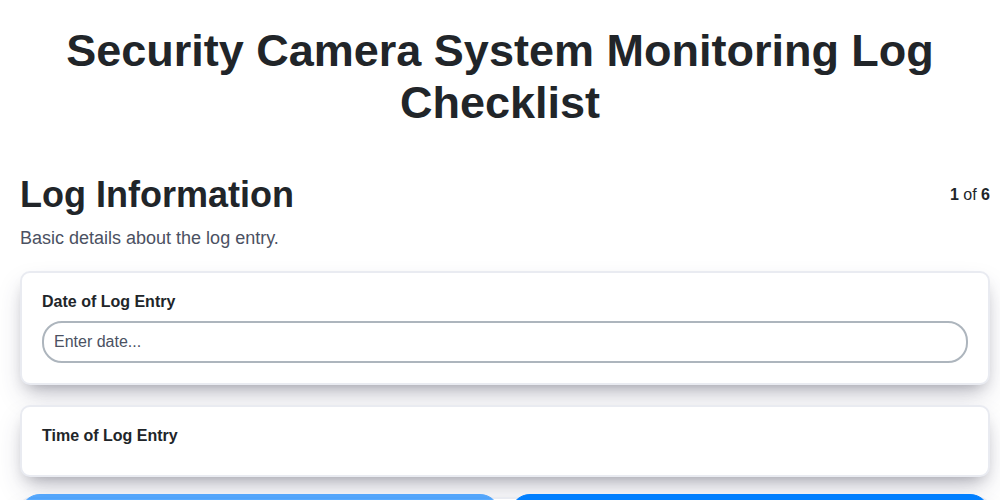
Your Ultimate Security Camera Monitoring Log Checklist Template
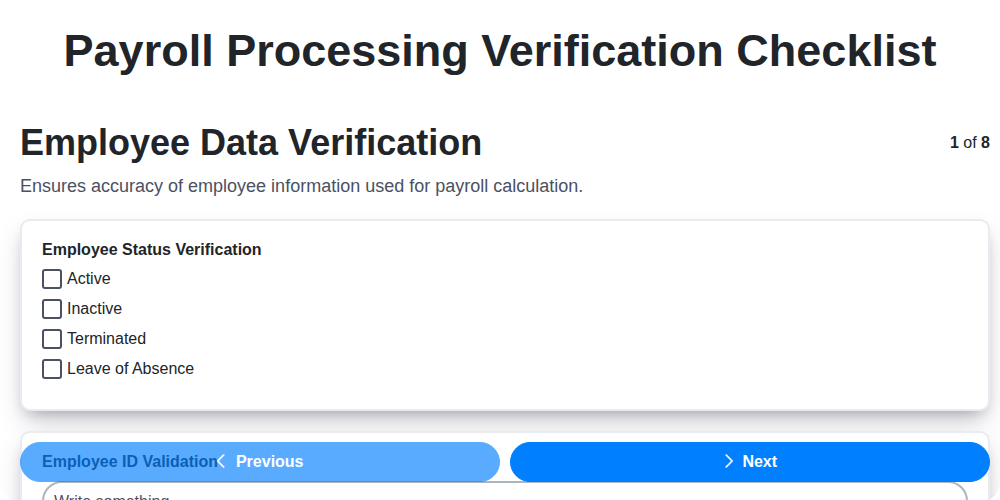
Payroll Processing Verification Checklist Template: Your Guide to Accuracy
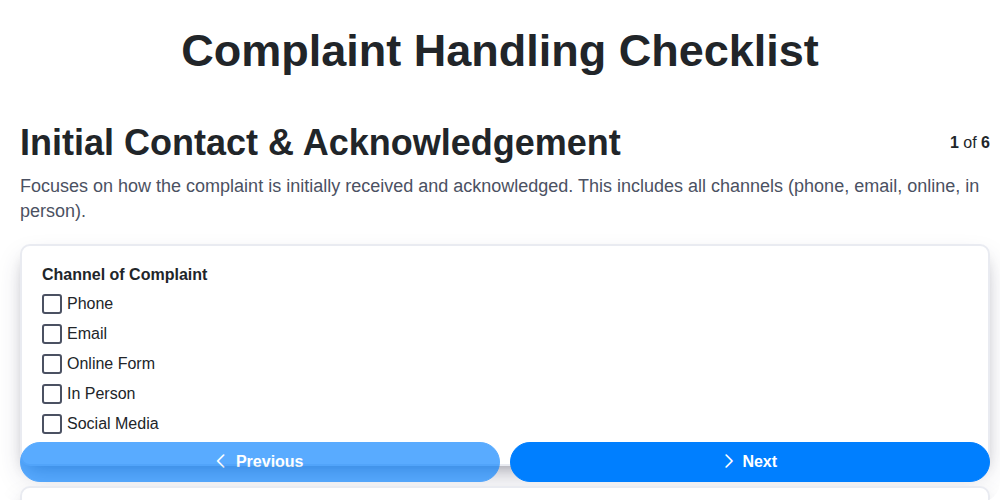
Complaint Handling Checklist Template: Resolve Issues & Retain Customers

Emergency Evacuation Drill Documentation: Your Checklist Template Guide

Mastering Incident Response: Your Free Reporting Protocol Checklist Template
Conquer Your Kitchen: A Monthly Deep Cleaning Checklist Template
Mastering Food Safety: Your Free Temperature Control Checklist Template
Mastering Hand Hygiene: Your Compliance Checklist Template
Need help with
Checklists?
Have a question? We're here to help. Please submit your inquiry, and we'll respond promptly.