The Ultimate HVAC Maintenance Checklist Template (Free Download!)
Published: 03.10.2025 21:00 Updated: 03.04.2026 15:09

Table of Contents
- Why HVAC Maintenance Matters
- Gather Your Tools & Safety First
- Step 1: Initial Inspection & Safety Check
- Step 2: Filter Replacement - A Simple But Vital Task
- Step 3: Coil Cleaning - Inside & Out
- Step 4: Refrigerant Check - When to Call a Pro
- Step 5: Electrical Component Inspection
- Step 6: Blower Motor & Fan Assessment
- Step 7: Drain Line Maintenance - Preventing Water Damage
- Step 8: Thermostat Functionality Check
- Step 9: Performance Evaluation & Notes
- Your Free HVAC Maintenance Checklist Template (Download Now!)
- Resources & Links
TLDR: Keep your HVAC system running smoothly & save money with this free, easy-to-use checklist! It guides you through essential maintenance tasks, from filter changes to drain line cleaning, helping you prevent costly repairs and extend the life of your system. Download it now and breathe easy!
Why HVAC Maintenance Matters
Beyond just keeping your home comfortable, regular HVAC maintenance offers a wealth of benefits that impact your wallet, your health, and the longevity of your system. Think of it this way: your HVAC is a complex machine working tirelessly to regulate your indoor environment. Like any hardworking engine, it's prone to wear and tear. Neglecting it can lead to a domino effect of problems, starting with reduced efficiency and culminating in costly breakdowns.
A well-maintained system operates at peak efficiency, translating directly to lower energy bills. A dirty air filter, for example, forces your system to work harder to circulate air, significantly increasing energy consumption. Similarly, dirty coils hinder heat transfer, making your system less effective and requiring it to run longer.
Furthermore, neglecting maintenance can negatively impact your indoor air quality. Dirty filters and coils can trap dust, pollen, and other allergens, circulating them throughout your home and potentially triggering allergies or respiratory issues.
Ultimately, prioritizing HVAC maintenance is an investment in your home's comfort, health, and financial well-being. It's a proactive approach that can save you money, extend the lifespan of your equipment, and provide peace of mind knowing your system is performing optimally.
Gather Your Tools & Safety First
Before you even think about touching your HVAC system, let's get you prepared. Having the right tools and prioritizing safety is absolutely critical - it prevents frustration, potential damage to your system, and most importantly, keeps you safe.
Here's what you're going to need:
- Gloves: Protect your hands from dirt, grime, and sharp edges.
- Safety Glasses: Keep debris out of your eyes.
- Screwdrivers (Phillips and Flathead): You'll likely need these to access different components.
- Nut Drivers or Wrenches: For accessing and tightening bolts.
- Flashlight or Headlamp: Essential for seeing into dark corners and compartments.
- Shop Vacuum: For removing dust and debris.
- Fin Comb (Optional): Helps straighten bent condenser fins.
- Wet/Dry Vacuum (Optional): Useful for cleaning drain lines.
- Ladder or Step Stool: To reach higher components safely (ensure it's stable).
And most importantly, remember this crucial safety precaution: Always turn off the power to your HVAC system at the breaker box before beginning any maintenance. Double-check that the power is off before proceeding. Your safety is the top priority!
Step 1: Initial Inspection & Safety Check
Before you even think about touching a screwdriver or poking around, safety is paramount. Turn off the power to your HVAC system at the breaker box. Seriously, don't skip this step - electricity and HVAC components don't mix well. After ensuring the power is off, perform a thorough visual inspection of both the indoor and outdoor units. Look for any obvious signs of damage, such as cracks, rust, or disconnected wires. Check the area surrounding the outdoor unit for any obstructions like leaves, branches, or debris that could restrict airflow. A clear path for air to circulate is vital for efficient operation and prevents overheating. Finally, give the system a sniff - any unusual smells could indicate a potential issue that needs further investigation. This initial inspection is your baseline, so make a mental note of everything you observe, even if it seems minor.
Step 2: Filter Replacement - A Simple But Vital Task
Your air filter is the unsung hero of your HVAC system, diligently trapping dust, pollen, pet dander, and other airborne particles. A dirty filter restricts airflow, forcing your system to work harder, consuming more energy, and potentially shortening its lifespan. It also negatively impacts your indoor air quality, circulating allergens and pollutants.
Replacing your air filter is one of the easiest and most impactful maintenance tasks you can perform. Most filters are readily accessible, often behind a panel on the return air vent or near the indoor unit. Check your HVAC system's manual for the exact location and recommended filter size.
How Often Should You Replace It?
That depends on a few factors:
- Pets: Homes with pets require more frequent filter changes (every 1-2 months).
- Allergies/Asthma: Individuals with allergies or asthma benefit from more frequent changes (every 1-2 months).
- Usage: If you run your HVAC system frequently, replace the filter more often.
- Filter Type: Different filter types (pleated, electrostatic, etc.) have varying lifespans.
As a general guideline, aim to replace your air filter every 1-3 months. It's a good habit to check your filter monthly - if it looks dirty, replace it!
Step 3: Coil Cleaning - Inside & Out
Your HVAC system's coils - the condenser coil (outside) and the evaporator coil (inside) - are vital for efficient heat transfer. When these coils are coated in dust, dirt, pollen, and debris, their ability to do their job is drastically reduced, leading to decreased efficiency, higher energy bills, and potentially even system damage.
The Condenser Coil (Outside): Your First Line of Defense
The condenser coil is exposed to the elements, making it particularly susceptible to accumulating debris. Here've what you can do:
- Clear the Area: Start by clearing away any leaves, grass clippings, branches, or other obstructions within a 2-3 foot radius of the unit. Good airflow around the condenser is key.
- Gentle Cleaning: Use a soft brush or fin comb (available at most hardware stores) to gently remove loose debris. Avoid using high-pressure water, as this can damage the delicate fins. A gentle spray with a garden hose, if absolutely necessary, is acceptable.
- Professional Cleaning Recommended: While you can perform this basic cleaning, a professional coil cleaner applied by an HVAC technician is the best way to remove stubborn grime and restore optimal performance. They've got the right equipment and cleaning solutions.
The Evaporator Coil (Inside): A More Delicate Operation
The evaporator coil, located inside your furnace or air handler, is more complex to access and clean. This is generally a job best left to professionals. Attempting to clean it yourself can easily damage the coil or other components.
- Why Professional Cleaning? Evaporator coils are often located in tight spaces and are prone to damage. Professionals have the specialized tools and expertise to thoroughly clean the coil without causing harm. They're also trained to identify and address any underlying issues that may be contributing to coil contamination.
- Signs You Need Professional Cleaning: If you notice reduced airflow, higher humidity levels, or a musty odor coming from your vents, it could be a sign that your evaporator coil needs professional cleaning.
Step 4: Refrigerant Check - When to Call a Pro
Refrigerant, the lifeblood of your air conditioning system, allows it to efficiently transfer heat. Unlike other components you can visually inspect, refrigerant levels and leaks require specialized equipment and expertise. Do not attempt to check or add refrigerant yourself. Improper handling can be dangerous, environmentally damaging, and potentially void your system's warranty.
Low refrigerant levels almost always indicate a leak, which needs to be located and repaired by a qualified HVAC technician. Simply adding more refrigerant is a temporary fix and won't address the underlying problem. Furthermore, attempting to handle refrigerant without proper training and certification is illegal in many jurisdictions.
Signs that your system may be low on refrigerant and require professional attention include:
- Poor Cooling Performance: Your AC isn't blowing cold air, even when set to a low temperature.
- Frost or Ice on Refrigerant Lines or the Outdoor Unit: This indicates a restriction in refrigerant flow.
- Hissing Sounds: These could be signs of a refrigerant leak.
- Higher Than Usual Energy Bills: Your system is working harder to compensate for the reduced refrigerant.
When in doubt, always call a licensed HVAC technician to diagnose and repair refrigerant issues.
Step 5: Electrical Component Inspection
Your HVAC system relies on a complex network of electrical components to function correctly. While a visual inspection can sometimes reveal obvious issues, a thorough electrical component check is best left to a qualified, licensed HVAC technician. They possess the necessary tools and expertise to safely and accurately assess these components.
Here's why professional electrical inspection is vital:
- Safety: Electrical work poses significant safety risks. Improper handling can lead to electric shock or fire hazards.
- Component Identification: Identifying and testing individual components (like capacitors, relays, and wiring) requires specialized knowledge and equipment.
- Early Problem Detection: A technician can detect subtle signs of wear, corrosion, or loose connections that might not be visible during a cursory glance. These early indicators can prevent more serious (and expensive) failures down the road.
- Capacitor Testing: Capacitors are a common point of failure in HVAC systems. A technician has the equipment to test their capacitance and ensure they're operating within acceptable parameters.
- Wiring Integrity: Loose or damaged wiring can lead to inefficiency, safety hazards, and system failure. A technician will inspect wiring for proper insulation and secure connections.
What a professional inspection includes:
- Checking wiring for damage or corrosion.
- Testing capacitors for proper function.
- Inspecting relays and contactors.
- Evaluating the condition of control boards.
- Ensuring all connections are secure and properly insulated.
Important Note: Never attempt electrical work on your HVAC system unless you are a licensed and experienced electrician. If you suspect an electrical problem, contact a qualified HVAC technician immediately.
Step 6: Blower Motor & Fan Assessment
The blower motor and fan work together to circulate air throughout your home, distributing heated or cooled air evenly. A failing blower motor can significantly impact your HVAC system's efficiency and comfort. Here's what to look for during your assessment:
Visual Inspection: Begin by visually inspecting the blower motor and fan blades. Look for any signs of debris buildup (dust, dirt, leaves), physical damage (cracks, bends), or corrosion. A buildup of debris restricts airflow and forces the motor to work harder.
Operational Sounds: Listen carefully during a heating or cooling cycle. Unusual noises like squealing, grinding, or rattling can indicate a problem with the motor's bearings or the fan blades themselves. A slight hum is normal, but anything louder or concerning warrants further investigation.
Motor Lubrication (If Applicable): Some older blower motors require periodic lubrication. Consult your HVAC system's manual to determine if yours does. If lubrication is necessary, use the recommended type of lubricant and apply it carefully. Note: Many newer motors are sealed and do not require lubrication.
Airflow Assessment: While not a precise measurement, you can get a general sense of airflow by feeling the air coming from vents during operation. Reduced airflow could indicate a problem with the blower motor or a blockage in the ductwork.
Important Note: Diagnosing and repairing blower motor issues often requires specialized knowledge and equipment. If you suspect a problem, it's best to contact a qualified HVAC technician for a professional assessment. Attempting repairs yourself can be dangerous and may void your warranty.
Step 7: Drain Line Maintenance - Preventing Water Damage
The condensate drain line is your HVAC system's escape route for moisture pulled from the air. A clogged or poorly maintained drain line can lead to water damage - a messy, potentially expensive problem. Water can back up into your indoor unit, drip into your ceiling and walls, and even promote mold growth.
Fortunately, preventative drain line maintenance is relatively simple. The most common culprit for clogs is algae and slime buildup. A simple, effective solution is to pour a cup of white vinegar down the drain line every 2-3 months. This helps dissolve algae and prevent clogs before they start.
To locate your condensate drain line, it's typically a PVC pipe near your indoor HVAC unit. You might also find a small access panel or tee in the line for easier cleaning. If you notice any standing water near the unit or dripping from the ceiling, investigate the drain line immediately. Use a wet/dry vacuum to carefully suction out any visible blockages. For stubborn clogs, a specialized drain line cleaning tool can be helpful, but proceed with caution. Addressing drain line issues promptly can save you from costly water damage repairs and keep your home comfortable.
Step 8: Thermostat Functionality Check
Your thermostat is the brain of your HVAC system, so ensuring it's working correctly is vital for consistent comfort and energy efficiency. This isn't just about checking the temperature display - it's about confirming it's sending the right signals to your heating and cooling equipment.
Here's what to check:
- Temperature Accuracy: Compare the thermostat's reading with a known accurate thermometer. A small discrepancy (a degree or two) is usually acceptable, but a significant difference indicates a potential calibration issue.
- Heating & Cooling Mode Testing: Briefly switch the thermostat to "Heat" and then to "Cool" mode. Listen for the system to respond (the click of a relay, the sound of the furnace igniting, or the air conditioner starting). If it doesn't respond, double-check that the mode is selected correctly and that the system isn't in a lockout state (consult your thermostat's manual).
- Fan Setting: Test the "Fan Auto" and "Fan On" settings. "Auto" should only activate the fan when heating or cooling is needed. On keeps the fan running constantly, which can increase energy consumption.
- Programming Verification (if applicable): If you have a programmable thermostat, verify that the schedule is correctly set and that the thermostat is transitioning between different temperature settings at the expected times. Manually override the schedule to confirm basic functionality.
- Battery Status (for battery-powered thermostats): Low battery power can lead to inaccurate readings and communication errors. Replace the batteries if necessary. A blinking battery icon usually indicates a low battery warning.
Step 9: Performance Evaluation & Notes
The final step isn't just about ticking boxes; it's about observing your HVAC system in action. After completing the maintenance tasks, run both your heating and cooling cycles for a period of time - ideally a full cycle or two. Pay close attention to:
- Noise Levels: Are there any new or unusual noises emanating from the unit? A slight hum is normal, but rattling, banging, or grinding sounds are cause for concern.
- Airflow: Is the airflow from vents strong and consistent? Weak airflow can indicate a clogged filter or ductwork issues.
- Temperature Consistency: Does the system maintain a stable temperature, or does it cycle on and off frequently? Short, rapid cycles can indicate problems.
- Energy Usage: While difficult to gauge precisely without detailed monitoring, note if your energy bills seem unusually high after the maintenance.
- Unusual Smells: Any new or persistent odors, like a burning smell or musty odor, should be investigated.
Keeping a Maintenance Log: Create a simple notebook or spreadsheet to log these observations alongside the date of your maintenance. Include details like:
- Date of maintenance
- Tasks completed
- Any issues observed (noise, airflow, smells, etc.)
- Notes on overall performance
This log becomes invaluable for identifying trends, tracking the system's health over time, and providing helpful information to your HVAC technician when scheduling service. A little bit of diligence now can save a lot of headaches - and dollars - down the road.
Your Free HVAC Maintenance Checklist Template (Download Now!)
Keeping your HVAC system running smoothly shouldn't feel like a chore. That's why we're excited to offer you a free, downloadable HVAC maintenance checklist template! This handy guide simplifies the process, ensuring you cover all the essential steps to keep your system efficient, reliable, and long-lasting.
(Image: A visually appealing graphic of the downloadable checklist, perhaps a mock-up of the PDF.)
Our template is designed to be user-friendly and adaptable to various HVAC systems. It breaks down the maintenance tasks into manageable steps, including safety checks, filter replacement reminders, coil cleaning guidelines, and performance notes. Whether you're a seasoned DIYer or just starting out, this checklist will empower you to take control of your HVAC maintenance.
Here's what you'll get in our free template:
- A printable checklist: Easily track your progress and stay organized.
- Task frequency reminders: Know when it's time for each maintenance step.
- Space for notes: Record any observations or concerns you have about your system.
- A quick reference guide: Provides helpful tips and resources for HVAC maintenance.
Download your free copy now and start enjoying a more comfortable and energy-efficient home!
Resources & Links
- Energy Star: Provides information and resources on energy-efficient HVAC systems, including tips for maintenance and finding qualified professionals. Useful for understanding efficiency ratings and potential rebates.
- US Environmental Protection Agency (EPA) - HVAC Systems: Offers guidance on environmentally responsible HVAC practices, including refrigerant handling and disposal. Important for understanding regulations and potential environmental impacts.
- HVAC Excellence: Provides training and certification for HVAC technicians. Their website has educational resources and insights into best practices for HVAC system maintenance.
- ACHR News: A leading industry publication covering HVACR news, trends, and technical information. Can provide deeper insights into specific maintenance procedures and emerging technologies.
- SupplyHouse.com - How-To Videos: Offers a large collection of videos demonstrating various HVAC maintenance tasks. Provides visual guidance for tasks like filter replacement and coil cleaning.
- Family Handyman - HVAC Maintenance: Offers more general DIY maintenance guides that complement the checklist, particularly useful for homeowners looking for broader context.
- HVAC Training 101 (YouTube): A YouTube channel offering detailed tutorials on HVAC maintenance and repair. Can be a helpful visual resource for understanding specific tasks outlined in the checklist.
- Air Conditioner Labs: A website dedicated to providing information and guides on air conditioning systems, including maintenance tips, troubleshooting, and system reviews.
- Carrier - Residential: Provides owner's manuals and product information for Carrier HVAC systems. Useful for system-specific maintenance recommendations if you know your unit's brand.
- Trane - Residential: Similar to Carrier, offers resources and owner's manuals for Trane HVAC systems. Useful for specific maintenance guidance if you own a Trane unit.
Frequently Asked Questions
What is an HVAC maintenance checklist and why do I need one?
An HVAC maintenance checklist is a step-by-step guide outlining essential tasks to keep your heating, ventilation, and air conditioning system running efficiently and reliably. It helps prevent costly repairs, extends the lifespan of your system, improves indoor air quality, and optimizes energy usage, saving you money on utility bills.
What's included in the free HVAC maintenance checklist template?
The template covers both heating (furnace, heat pump) and cooling (air conditioner) components. It includes tasks like filter replacement, coil cleaning, checking refrigerant levels, inspecting ductwork, lubricating moving parts, and more. A detailed breakdown is available within the downloadable template.
Is this checklist for homeowners or HVAC professionals?
The checklist is designed for both! Homeowners can use it to perform basic maintenance tasks, while HVAC professionals can use it as a comprehensive guide for servicing clients' systems. Some tasks are better suited for professionals, and we're clear about those in the checklist.
How do I download the free HVAC maintenance checklist template?
Simply click on the download link provided in the article. You'll be prompted to enter your email address (optional) and then the checklist will be available for immediate download in a printable PDF format.
How often should I perform the maintenance tasks listed in the checklist?
The checklist provides recommended frequencies for each task. Generally, filters should be replaced monthly (or more often if needed), annual maintenance is recommended for both heating and cooling systems, and specific tasks like ductwork inspection should be performed every few years. Refer to the checklist for detailed guidance.
What if I'm not comfortable performing some of the maintenance tasks?
Some tasks require specialized knowledge and tools and are best left to qualified HVAC professionals. The checklist identifies these tasks. Don't hesitate to hire a professional for any maintenance you're unsure about.
Can I customize the checklist template?
Yes! The template is provided in a format that allows for customization. You can add or remove tasks, adjust frequencies based on your specific system and environment, and add your own notes.
What file format is the checklist template?
The checklist is available for download in PDF format. This format is easily printable and compatible with most devices.
Does this checklist cover all types of HVAC systems?
The checklist covers most common HVAC systems, including furnaces, air conditioners, heat pumps, and boilers. However, some specialized systems might require additional maintenance. Always refer to your system's manufacturer's recommendations for specific instructions.
Is there a cost associated with using this checklist after downloading?
No, the checklist is completely free to download and use. There are no hidden fees or subscription requirements.
Found this Article helpful?
Comments
There are no comments yet. Be the first to add one!
Maintenance Management Solution Demo
Maximize equipment uptime & reduce costs! ChecklistGuro streamlines maintenance scheduling, work order management, & asset tracking. Prevent breakdowns, optimize performance, & extend equipment life. Manage it all with our Work OS.
Related Articles
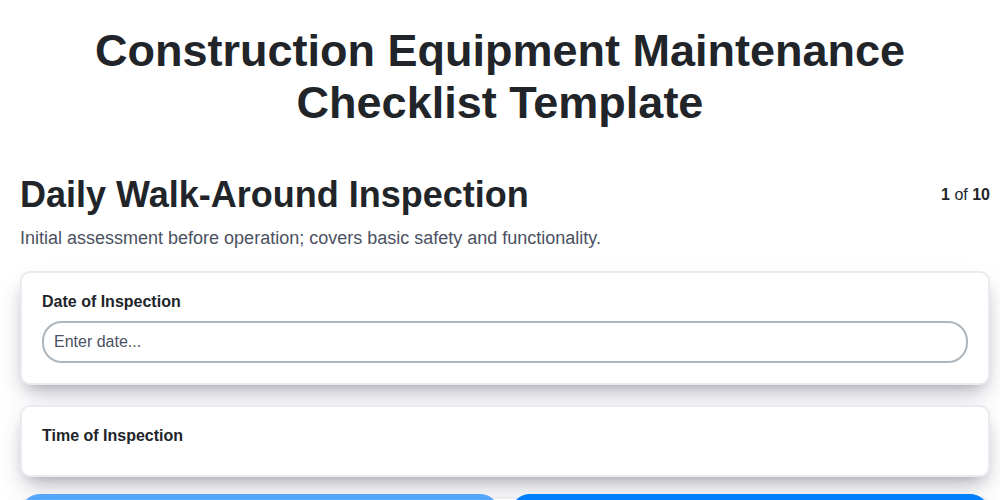
Construction Equipment Maintenance Checklist Template

Paper vs ChecklistGuro in Facility Management
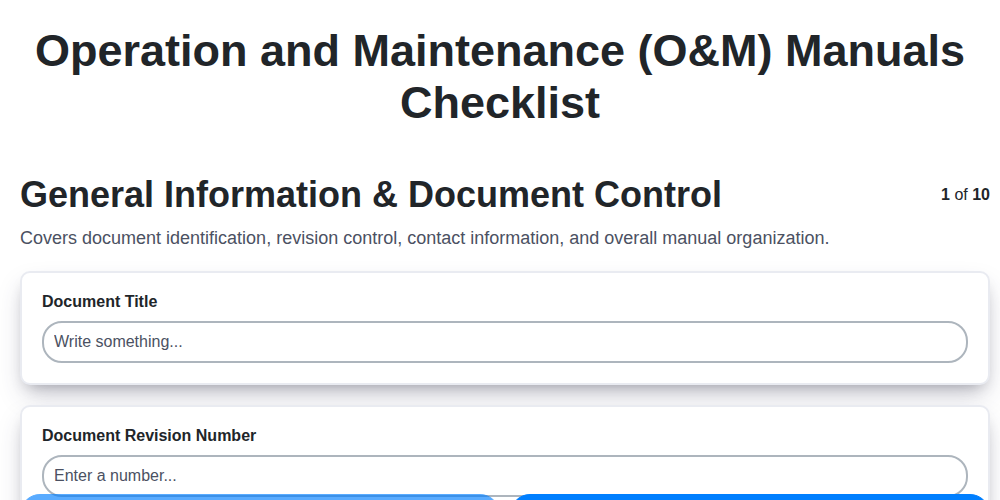
The Ultimate O&M Manual Checklist Template

Excel vs ChecklistGuro in Facility Management
Excel vs ChecklistGuro in Maintenance Management
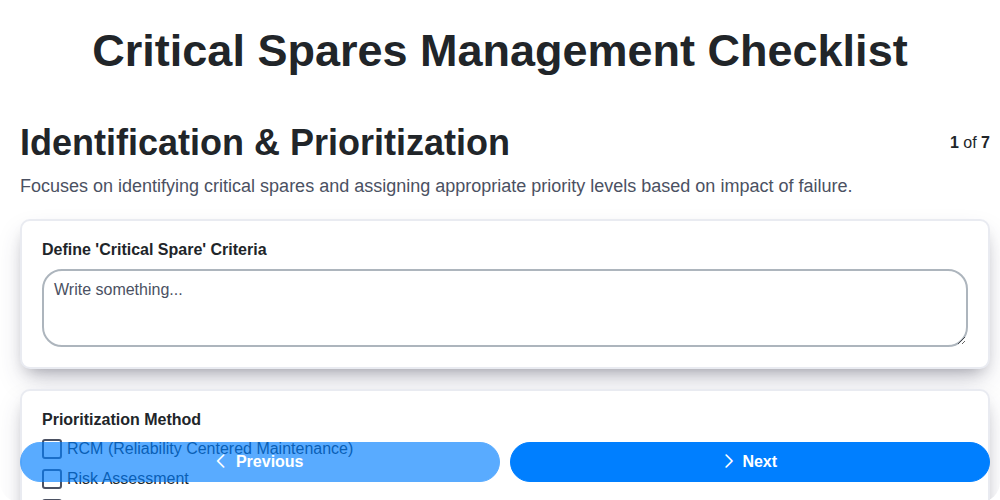
Your Ultimate Guide to Critical Spares Management: A Checklist Template
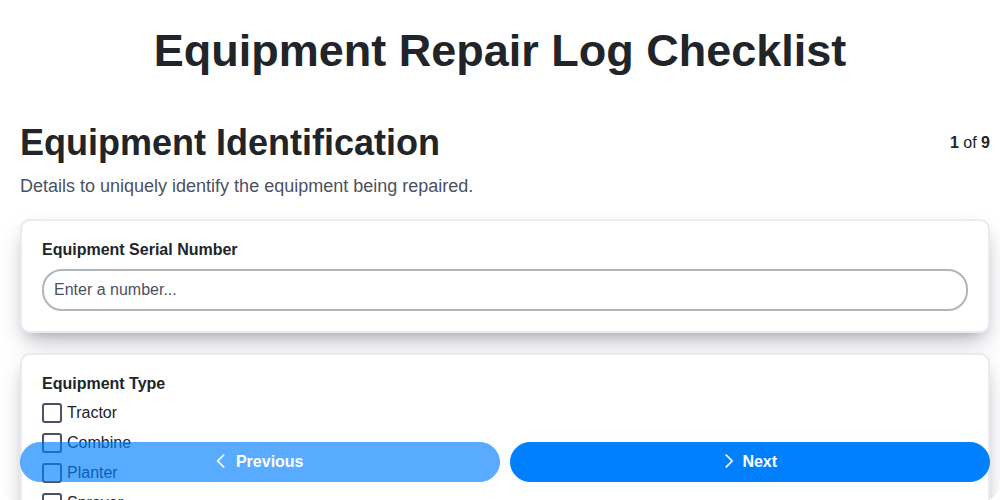
Equipment Repair Log Template: Your Guide to Organized Maintenance
Paper vs ChecklistGuro in Maintenance Management
We can do it Together
Need help with
Maintenance Management?
Have a question? We're here to help. Please submit your inquiry, and we'll respond promptly.