Insurance Contract Management Checklist: A Step-by-Step Guide
Published: 12/01/2025 Updated: 07/02/2026
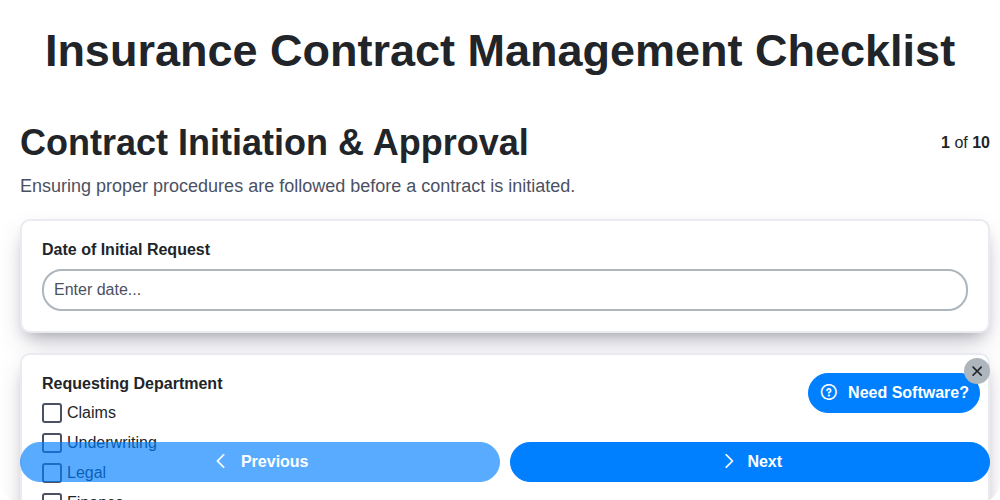
Table of Contents
- Introduction: Why Insurance Contract Management Matters
- 1. Contract Initiation & Approval: Getting Started Right
- 2. Contract Drafting & Review: Ensuring Accuracy and Clarity
- 3. Risk Assessment & Due Diligence: Identifying Potential Pitfalls
- 4. Negotiation & Amendments: Securing Favorable Terms
- 5. Execution & Secure Storage: Formalizing the Agreement
- 6. Performance Monitoring: Tracking Key Metrics
- 7. Renewal/Termination: Planning for the Future
- 8. Compliance & Audit: Maintaining Regulatory Adherence
- 9. Documentation & Record Keeping: Building a Solid Trail
- 10. Escalation & Issue Resolution: Addressing Problems Promptly
- 11. Technology's Role in Insurance Contract Management
- 12. Best Practices for Ongoing Management
- Conclusion: Maximizing Value and Minimizing Risk
- Resources & Links
TLDR: Overwhelmed by insurance contracts? This checklist breaks down the entire lifecycle - from initial approval to renewal/termination - ensuring you cover all the crucial steps (drafting, risk assessment, compliance, and more). It's your guide to staying organized, minimizing risk, and maximizing the value of your insurance contracts!
Introduction: Why Insurance Contract Management Matters
Insurance contracts are the bedrock of risk transfer and protection for businesses of all sizes. Yet, simply having these contracts isn't enough. Effective insurance contract management - a proactive, systematic approach to overseeing the entire lifecycle of your policies - is crucial for maximizing value, minimizing risk, and ensuring your organization's assets are truly safeguarded.
Poor contract management can lead to costly gaps in coverage, missed deadlines, unnecessary expenses, and potential legal issues. Conversely, a well-managed process ensures you're paying the right price for the right coverage, adhering to compliance requirements, and optimizing your insurance program's overall performance. This isn't just about paperwork; it's about strategic risk management and protecting your bottom line. This checklist will guide you through the critical steps to achieve just that.
1. Contract Initiation & Approval: Getting Started Right
The foundation of successful insurance contract management lies in a robust initiation and approval process. Rushing this stage can lead to costly errors and unnecessary risks down the line. This isn't just about receiving a request; it's about ensuring proper authorization and understanding the why behind the contract.
Here's what you need to cover:
- Formal Request Submission: Implement a standardized form or system for requesting new insurance contracts or modifications. This should include clear details like the type of insurance needed, the purpose of the contract, the parties involved, and the estimated value.
- Needs Assessment & Justification: Don't just accept requests at face value. Understand why the insurance is required. Is it regulatory? Does it cover a specific risk exposure? This justification should be documented.
- Budgetary Approval: Ensure sufficient funds are allocated and approved before initiating the contract. This prevents unpleasant surprises later.
- Stakeholder Identification & Alignment: Identify all relevant stakeholders (legal, finance, risk management, operations) who need to be involved and obtain their initial buy-in. Early communication prevents delays and misalignment.
- Risk Appetite Consideration: Does this contract align with your organization's overall risk appetite? A contract that takes on excessive risk, even if seemingly beneficial, can undermine your overall strategy.
- Centralized Tracking: Implement a centralized tracking system to monitor the status of contract requests from initiation to approval. This ensures transparency and accountability.
2. Contract Drafting & Review: Ensuring Accuracy and Clarity
This stage is arguably the most critical in insurance contract management. A poorly drafted contract can lead to disputes, unexpected liabilities, and ultimately, financial loss. It's not enough to simply adapt a template; meticulous attention to detail and a thorough review process are essential.
Here's what needs to happen:
- Define Scope Clearly: Precisely outline the services, coverage, and responsibilities of all parties. Ambiguity invites misinterpretation.
- Legal Review is Mandatory: Involve legal counsel early on. They're vital for ensuring legal soundness, adherence to regulatory requirements, and protection of your organization's interests.
- Insurance Specific Language: Insurance contracts have unique terminology. Ensure all terms are clearly defined and understood by everyone involved - not just legal professionals.
- Risk-Specific Clauses: Include clauses addressing specific risks and contingencies relevant to the insurance relationship. Don't overlook potential pitfalls.
- Plain Language Considerations: While legal precision is important, strive for clarity. Use plain language where possible to minimize misunderstandings.
- Internal Review Loop: Implement a process where multiple stakeholders (e.g., underwriting, claims, finance) review the draft contract before finalization. Different perspectives uncover potential issues.
- Version Control: Maintain strict version control throughout the drafting process. Clearly label revisions and track who made them.
A robust draft and review process mitigates risk and lays the foundation for a successful insurance contract lifecycle.
3. Risk Assessment & Due Diligence: Identifying Potential Pitfalls
Insurance contracts, while essential for risk mitigation, themselves carry inherent risks. Thorough risk assessment and due diligence are paramount to safeguarding your organization. This step goes beyond simply understanding the policy's coverage; it's about scrutinizing the insurer, the terms, and the potential for misinterpretation or unseen liabilities.
What to Consider:
- Insurer Financial Stability: Don't just take the insurer's word for it. Review their financial ratings from reputable agencies (e.g., A.M. Best, Standard & Poor's, Moody's) to ensure they can fulfill their obligations.
- Reputation & Claims Handling: Research the insurer's reputation for claims handling. Online reviews, industry reports, and speaking with other businesses can provide valuable insights into their responsiveness and fairness.
- Policy Exclusions & Limitations: Scrutinize every exclusion and limitation clause. Are there areas of potential risk that aren't covered? Are the limitations reasonable? Understand the fine print before you need it.
- Regulatory Compliance: Verify the insurer's licensing and compliance with relevant regulations in all jurisdictions where they operate and where your organization is exposed.
- Counterparty Risk: Evaluate the counterparty's business practices, financial health, and reputation. Consider their history of disputes or legal issues.
- Conflict of Interest: Identify and assess any potential conflicts of interest involving the insurer, brokers, or anyone involved in the contract.
- Data Security & Privacy: If the contract involves the sharing of sensitive data, ensure the insurer's data security and privacy practices are robust and compliant with regulations.
Documentation is Key: Record all findings from your risk assessment and due diligence process, including sources of information and rationale for decisions. This not only supports your decision-making but also demonstrates due care in case of future claims or disputes. Failing to adequately assess risk can lead to unexpected and costly consequences - prevention is always better than cure.
4. Negotiation & Amendments: Securing Favorable Terms
Negotiation is where the rubber meets the road in insurance contract management. It's not just about accepting the initial draft; it's about proactively shaping the agreement to best protect your organization's interests. This phase requires a strategic approach and a thorough understanding of your needs and potential risks.
Key Considerations During Negotiation:
- Clearly Define Objectives: Before entering negotiations, establish precise objectives. What are your absolute must-haves? Where are you willing to compromise?
- Scope of Coverage: Scrutinize the scope of coverage meticulously. Ensure it aligns with your identified risks and business needs. Pay close attention to exclusions and limitations.
- Policy Wording: Insist on clear, unambiguous policy wording. Ambiguity can lead to disputes later on. Request explanations for any unclear language.
- Pricing & Payment Terms: Compare quotes from multiple insurers and critically evaluate the pricing structure. Negotiate payment terms that are manageable and beneficial.
- Reporting Requirements: Understand and negotiate reporting requirements. Ensure they are feasible and aligned with your capabilities.
- Amendments - A Continuous Process: Insurance contracts aren't static. Amendments are likely to be necessary over time due to changes in your business, regulations, or risk profile. Establish a formal amendment process to track and manage these changes effectively. Document all amendments meticulously, with version control.
Best Practices:
- Involve Stakeholders: Include relevant stakeholders (legal, finance, risk management) in the negotiation process.
- Document Everything: Keep detailed records of all communication, proposals, and agreements reached during negotiation.
- Seek Expert Advice: Consider engaging legal counsel or an insurance broker to guide you through complex negotiations.
5. Execution & Secure Storage: Formalizing the Agreement
This stage marks the culmination of meticulous preparation and negotiation. It's where the rubber meets the road - the actual signing and secure storage of your insurance contract. Don't underestimate its importance!
Formal Execution: Ensure all required parties (insured, insurer, brokers, legal counsel) formally execute the contract. This includes verifying signatures, dates, and any accompanying attachments. It's critical to confirm all appendices and riders are fully integrated into the legally binding document. A simple error here can lead to disputes later.
Secure Storage - Both Physical and Digital: Implement a robust storage system to safeguard the original contract. This shouldn't be a haphazard filing system!
- Physical Storage: The original, signed document should be stored in a secure, fireproof, and waterproof location. Consider a locked cabinet or secure vault.
- Digital Storage: Equally important is a secure digital repository. This could be a document management system (DMS), a dedicated folder on a secure network drive, or a cloud-based solution. Crucially, the digital copy should be password-protected and accessible only to authorized personnel. Implement version control to track changes.
- Accessibility & Redundancy: While security is paramount, ensure authorized personnel can readily access the contract when needed. Having both physical and digital backups is a best practice to avoid loss or inaccessibility.
Key Checklist Items:
- Verify all parties have signed and dated the contract.
- Confirm all appendices and riders are attached and integrated.
- Establish a secure physical storage location.
- Create a secure digital repository with access controls.
- Implement version control for digital copies.
- Establish clear procedures for accessing the contract.
6. Performance Monitoring: Tracking Key Metrics
Insurance contracts aren't static agreements; they're ongoing relationships with inherent performance expectations. Regularly monitoring contract performance is crucial to ensure you're receiving the value you negotiated and identifying potential issues before they escalate.
What metrics should you track? It depends on the specifics of your contract, but here's a breakdown of common areas to focus on:
- Claims Processing Efficiency: Track metrics like claim processing time, claim acceptance/rejection rates, and customer satisfaction with the claims experience. Delays or dissatisfaction can indicate underlying issues with the insurer's processes.
- Coverage Adequacy: Are your coverage limits sufficient to meet your current risk profile? Periodically assess whether your needs have changed and if the policy provides adequate protection.
- Financial Stability of Insurer: Monitor the insurer's financial ratings and reports. A declining rating can signal potential solvency concerns.
- Service Level Agreements (SLAs): If your contract includes SLAs (e.g., response times, reporting frequency), diligently track adherence to these commitments.
- Premium Costs: While not directly a performance metric, track premium increases and compare them against market rates and coverage provided. Significant deviations warrant investigation.
- Reporting & Data Accuracy: If the contract mandates specific reports or data submissions, verify their accuracy and timeliness.
Implementing a system to track these metrics - whether a spreadsheet, specialized software, or regular manual reviews - provides valuable insights. Early warning signs can be addressed proactively, leading to better outcomes and a stronger insurer relationship.
7. Renewal/Termination: Planning for the Future
Insurance contracts aren't set in stone; they have lifecycles. Proactive management of renewals and terminations is crucial to ensure optimal coverage and cost-effectiveness. This section focuses on preparing for both scenarios.
Renewal Planning:
- Establish Renewal Timelines: Set reminders well in advance (at least 90-120 days) to begin the renewal process. This allows ample time for evaluation and negotiation.
- Performance Review: Before renewal, conduct a thorough review of the contract's performance. Did it meet expectations? Were claims handled effectively? Gather feedback from stakeholders.
- Market Analysis: Evaluate current market conditions and compare pricing and coverage options from other providers. Is your current provider still competitive?
- Coverage Assessment: Reassess your needs. Have your business risks changed? Do you require additional coverage or can you reduce existing limits?
- Negotiation Preparation: Armed with performance data and market analysis, negotiate renewal terms with your current insurer or explore alternatives.
Termination Procedures:
- Formal Notification: Follow the contract's specific procedures for termination, ensuring adequate written notice is provided. Failing to do so could result in penalties or continued coverage obligations.
- Coverage Gap Mitigation: Plan for a seamless transition to a new insurer to avoid coverage gaps. Coordinate policy start dates carefully.
- Claim Status Verification: Confirm all open claims are finalized and any outstanding issues are resolved before termination.
- Documentation: Maintain detailed records of termination communications, justifications, and related documents.
- Stakeholder Communication: Inform all relevant stakeholders (e.g., finance, legal, operations) about the termination and any transition procedures.
8. Compliance & Audit: Maintaining Regulatory Adherence
Insurance contracts operate within a complex web of regulations, and failing to stay compliant can lead to hefty fines, legal action, and reputational damage. A robust compliance and audit process is therefore crucial for effective contract management.
This stage isn't just about ticking boxes; it's about proactively ensuring your contract management practices align with all applicable laws, industry standards (like NAIC guidelines), and internal policies. Here's what to focus on:
- Regular Audits: Schedule periodic audits (at least annually, or more frequently depending on the risk profile of your contracts) of your insurance contract management processes. This includes verifying adherence to internal controls and regulatory requirements.
- Regulatory Updates: Stay informed about changes in insurance laws and regulations. Subscribe to industry alerts, engage with legal counsel, and regularly review regulatory websites. Document how these updates impact your contract management procedures.
- Internal Policy Alignment: Ensure your contract management procedures are fully integrated with and support your organization's broader compliance framework.
- Record of Compliance: Maintain a clear and accessible record of all compliance activities, including audit reports, training records, and documented responses to regulatory inquiries.
- Training & Awareness: Provide ongoing training to all personnel involved in contract management to ensure they understand their compliance obligations.
- Data Privacy: Closely monitor and ensure compliance with data privacy regulations (e.g., GDPR, CCPA) relevant to the personal information contained within insurance contracts.
- Reporting: Establish reporting mechanisms to communicate compliance status to stakeholders, including senior management and the board of directors.
9. Documentation & Record Keeping: Building a Solid Trail
Consistent and meticulous documentation is the backbone of any successful insurance contract management system. It's not just about having files; it's about creating a clear, searchable, and auditable record of every action and decision related to your insurance contracts.
Here's what you need to prioritize:
- Centralized Repository: Implement a centralized system - whether it's a dedicated software platform or a well-organized digital folder structure - for storing all contract-related documents. This eliminates scattered files and ensures easy accessibility.
- Version Control: Clearly track document versions. Label documents with dates, version numbers, and descriptions of changes to avoid confusion and ensure you're always working with the most current information.
- Standardized Naming Conventions: Establish and strictly adhere to a consistent naming convention for all files. This simplifies searching and organization. Examples: "InsurerName_PolicyType_ContractID_VersionNumber.pdf"
- Record All Communications: Log all communications related to the contract - emails, phone calls, meeting notes - associating them directly with the relevant contract record.
- Audit Trails: Where possible, leverage system features to maintain audit trails of actions taken on the contract, including who made changes and when.
- Retention Policies: Define and enforce document retention policies to comply with legal and regulatory requirements and to manage storage costs. Clearly document why certain records are kept and for how long.
- Metadata Tagging: Utilize metadata tagging (keywords, descriptions) to improve searchability and categorization within your system.
Effective documentation isn't just about compliance; it's about enabling informed decision-making, streamlining audits, and protecting your organization.
10. Escalation & Issue Resolution: Addressing Problems Promptly
Insurance contract management isn't always smooth sailing. Disputes, performance issues, or unexpected changes can arise, demanding swift and decisive action. A robust escalation and issue resolution process is vital to minimize disruption and protect your organization.
This isn't just about identifying problems; it's about having a clear path for resolution. Your checklist should outline:
- Defined Escalation Levels: Specify who to contact based on the severity and type of issue. For instance, a minor performance deviation might go to the contract administrator, while a potential breach requires involvement from legal counsel.
- Clear Roles & Responsibilities: Who is responsible for investigating, documenting, and resolving specific issues? Clearly assigning ownership ensures accountability.
- Documentation Protocols: Every escalation, communication, and resolution should be meticulously documented. This creates an audit trail and provides valuable insights for future improvement.
- Timeframes for Response & Resolution: Establish realistic deadlines for addressing issues. This prevents problems from lingering and potentially escalating.
- Communication Plan: Ensure all relevant stakeholders (internal teams, the insurer) are kept informed of the issue and its progress.
- Root Cause Analysis: Once an issue is resolved, conduct a brief analysis to understand why it occurred and prevent recurrence.
Ignoring or delaying issue resolution can lead to increased costs, legal disputes, and damage to your organization's reputation. A proactive and well-defined escalation process is a crucial component of successful insurance contract management.
11. Technology's Role in Insurance Contract Management
Let's be honest - manually managing insurance contracts across their entire lifecycle is a recipe for errors, inefficiencies, and potentially significant financial risk. Thankfully, technology offers a powerful solution. Modern contract management software isn't just a nice-to-have; it's becoming essential.
Here's how technology is revolutionizing insurance contract management:
- Automation: Automate repetitive tasks like reminders for renewals, alerts for compliance deadlines, and routing contracts for approval. This frees up your team to focus on more strategic activities.
- Centralized Repository: A secure, cloud-based platform provides a single source of truth for all contracts, eliminating version control issues and ensuring easy access for authorized personnel.
- Enhanced Visibility: Real-time dashboards provide insights into contract performance, key dates, and potential risks, allowing for proactive management.
- Improved Collaboration: Secure portals and automated workflows streamline collaboration between internal teams, brokers, and vendors.
- AI & Machine Learning: AI-powered tools can automate contract review, identify risks, and even predict potential renewal scenarios. They can also extract key data points, reducing manual data entry and improving accuracy.
- Integration: Integration with other insurance systems (CRM, policy administration, claims processing) creates a holistic view of the customer relationship and minimizes data silos.
- Security: Robust security features protect sensitive contract information from unauthorized access and data breaches, crucial for compliance with industry regulations.
Investing in contract management technology isn't just about efficiency; it's about strengthening your risk management posture, improving compliance, and ultimately driving better business outcomes.
12. Best Practices for Ongoing Management
Insurance contract management isn't a "set it and forget it" endeavor. Proactive and consistent management is crucial to maximizing value and minimizing risk. Here's how to maintain control and ensure your insurance contracts are working for you:
- Regular Performance Reviews: Don't wait for renewal. Schedule quarterly or bi-annual reviews of your insurance program's performance. Are claims being handled efficiently? Are coverage limits adequate based on evolving business needs? Are you receiving the level of service promised in the contract?
- Dedicated Point of Contact: Designate a specific individual or team responsible for insurance contract management. This ensures accountability and facilitates efficient communication with insurers.
- Automated Reminders: Utilize technology to set automated reminders for key dates like renewal deadlines, compliance training, and policy reviews. This prevents critical dates from slipping through the cracks.
- Communication is Key: Foster open communication with your brokers and insurers. Regularly discuss any changes in your business operations, risk profile, or regulatory landscape.
- Stay Updated on Regulations: Insurance regulations are constantly evolving. Maintain awareness of changes impacting your contracts and adjust your practices accordingly.
- Continuous Improvement: Treat your insurance contract management process as a living document. Regularly evaluate and refine your procedures based on experience, audits, and industry best practices.
Conclusion: Maximizing Value and Minimizing Risk
Insurance contract management isn't a one-and-done task; it's an ongoing process demanding diligence and attention. Implementing a robust checklist, as detailed above, isn't just about ticking boxes - it's about building a proactive framework for maximizing the value of your insurance contracts while simultaneously minimizing potential risks. By consistently adhering to these steps, from initial contract initiation to eventual renewal or termination, you're fostering transparency, identifying vulnerabilities, and ensuring you're truly getting the coverage you need at the best possible terms. This proactive approach moves beyond reactive problem-solving and positions your organization for long-term financial stability and operational efficiency. Remember, a well-managed insurance portfolio is a strategic asset - safeguard it with a dedicated checklist and continuous improvement.
Resources & Links
- IRMI (Insurance Risk Management Institute): A comprehensive resource for insurance professionals. Offers courses, articles, and publications covering various aspects of insurance, including contract management principles and legal considerations. Good for foundational knowledge and updates on industry standards.
- National Association of Insurance Commissioners (NAIC): The NAIC provides model laws, regulations, and guidance for insurance regulation. Crucial for understanding legal and compliance requirements impacting contract management. Check their publications section for relevant updates.
- American Institute of Certified Public Accountants (AICPA): While focused on accounting, the AICPA provides guidance on internal controls and risk management, applicable to insurance contract management, particularly around financial and operational aspects. Their standards can be referenced for best practices.
- Risk Management Association (RMA): Provides resources and education focused on risk management. While broad, their content often addresses aspects relevant to contract risk assessment and mitigation, a key element of insurance contract management. Useful for identifying risks mentioned in header 3.
- LexisNexis: A legal research service. Essential for researching specific legal precedents and regulatory interpretations related to insurance contracts. Particularly valuable when addressing legal nuances in contract drafting (header 2) and compliance (header 8).
- Westlaw: Similar to LexisNexis, Westlaw is another premier legal research service for accessing case law, statutes, and regulations relevant to insurance contract law and regulatory compliance.
- Society of Corporate Compliance and Ethics: Offers resources and best practices for compliance programs. Relevant to header 8 (Compliance & Audit) and can provide frameworks for developing a robust insurance contract management compliance process.
- PwC (PricewaterhouseCoopers): A global professional services firm. Search their insights and publications for articles on governance, risk management, and compliance, which often touch upon contract management best practices, especially relevant to headers 3, 5, 8 and 12.
- Deloitte: Similar to PwC, Deloitte provides consulting and advisory services. Their publications frequently cover risk management and governance, which are critical to effective insurance contract management, particularly header 12.
- EY (Ernst & Young): Another major consulting firm providing insights into risk management, governance, and regulatory compliance, pertinent to various aspects of insurance contract management.
- The Actuarial Society: Provides resources and guidance related to actuarial analysis, which is helpful for understanding performance monitoring and financial considerations in insurance contracts (header 7).
- DocuWare: A document management system provider. Represents a type of technology mentioned in header 11; browsing their site demonstrates features and functionalities that can facilitate insurance contract management.
- ContractWorks: Specializes in contract management software. Gives examples of tools mentioned in header 11 and illustrates how automation can streamline processes.
Frequently Asked Questions
What is insurance contract management?
Insurance contract management is the process of systematically organizing, tracking, and managing all aspects of insurance contracts, from initial procurement to renewal or termination. It ensures compliance, optimizes costs, and mitigates risks associated with these agreements.
Why is a checklist important for insurance contract management?
A checklist provides a structured and consistent approach, reducing the risk of overlooked tasks, ensuring compliance with regulations, and improving efficiency in managing contracts. It minimizes errors, saves time, and helps avoid costly penalties.
Who should use this checklist?
This checklist is beneficial for anyone involved in insurance contract management, including risk managers, procurement specialists, legal teams, finance departments, and anyone responsible for ensuring compliance with insurance agreements.
What types of insurance contracts does this checklist apply to?
This checklist is designed to be broadly applicable to various insurance contracts, such as property, casualty, liability, workers' compensation, health, and cyber insurance. While specific details might need adjustments, the core principles are relevant across different contract types.
How often should I review the checklist?
Ideally, you should review the checklist at key points in the contract lifecycle, such as during initial procurement, renewal, and termination. Regular, periodic reviews (e.g., quarterly or annually) are also recommended to ensure ongoing accuracy and effectiveness.
What is a 'key contact' listed in the checklist and why is it important?
A 'key contact' is the individual responsible for managing a specific insurance contract or a portion of the contract management process. Identifying and documenting these contacts ensures clear lines of communication and accountability when issues or queries arise.
What does 'risk assessment' mean in the context of this checklist?
Risk assessment involves identifying potential risks associated with the insurance contract, such as coverage gaps, inadequate limits, or vendor performance issues. This assessment informs decision-making and helps proactively address potential problems.
What should I do if I identify a missing or incomplete item on the checklist?
If you find a missing or incomplete item, immediately investigate the reason and rectify the issue. Document the findings and update the checklist accordingly to prevent recurrence. It signifies a potential weakness in the process.
Can this checklist be customized?
Yes, this checklist serves as a template and should be customized to fit your organization's specific needs, risk profile, and contractual obligations. Add or remove items as needed to accurately reflect your unique circumstances.
Where can I store this checklist for easy access and team collaboration?
The checklist can be stored in a shared document repository (e.g., SharePoint, Google Drive), a contract management software platform, or a dedicated folder on a network drive. Accessibility is key to ensure all stakeholders can utilize it effectively.
Comments
There are no comments yet. Be the first to add one!
Insurance Management Solution Demo
Managing policies, claims, and compliance in the insurance industry is complex. ChecklistGuro's Work OS platform streamlines your operations, from underwriting and renewals to claims processing and reporting. Improve efficiency, reduce errors, and enhance customer satisfaction. Discover how ChecklistGuro can transform your insurance business!
Related Articles
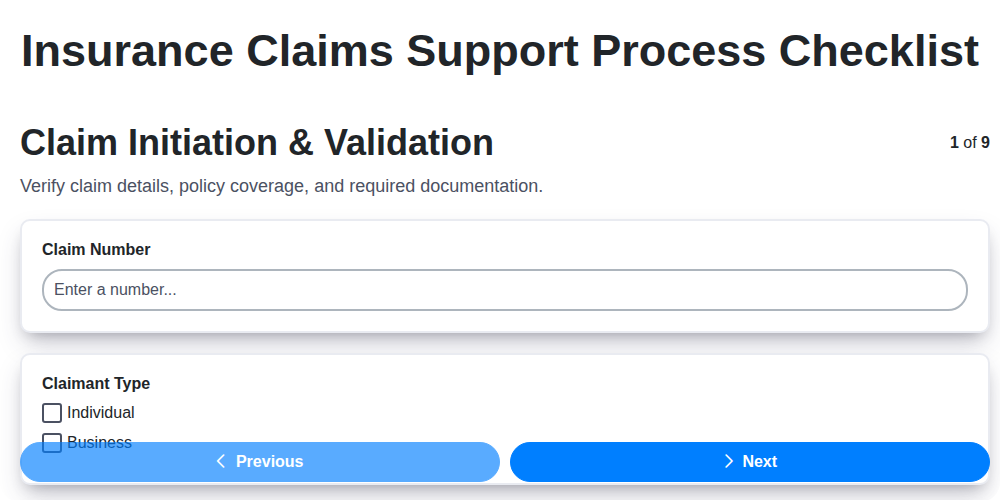
Streamline Claims: Your Insurance Claims Support Process Checklist Template
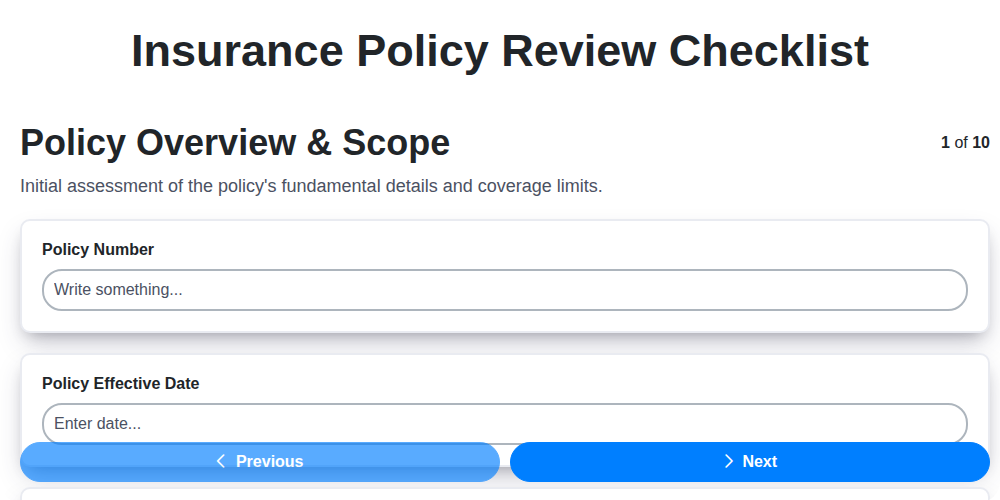
Your Insurance Policy Review Checklist: A Step-by-Step Guide
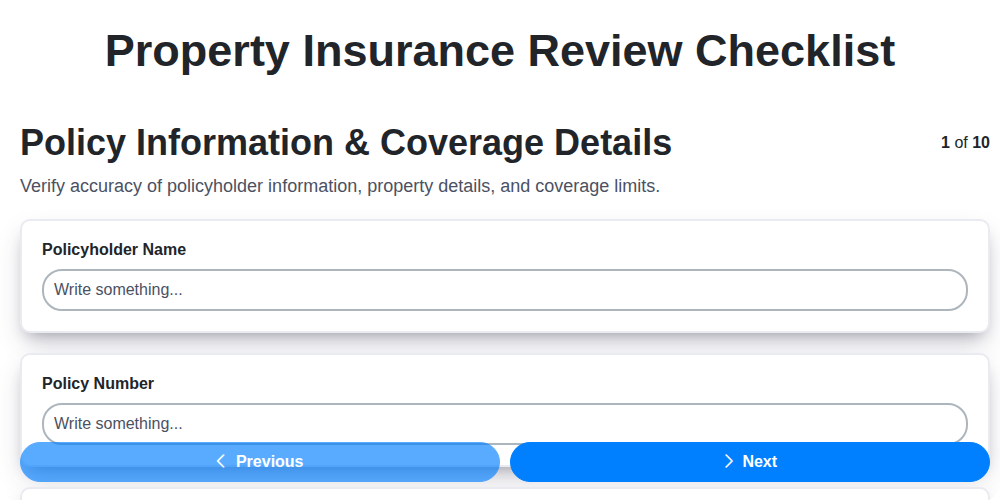
Your Property Insurance Review Checklist: A Step-by-Step Guide
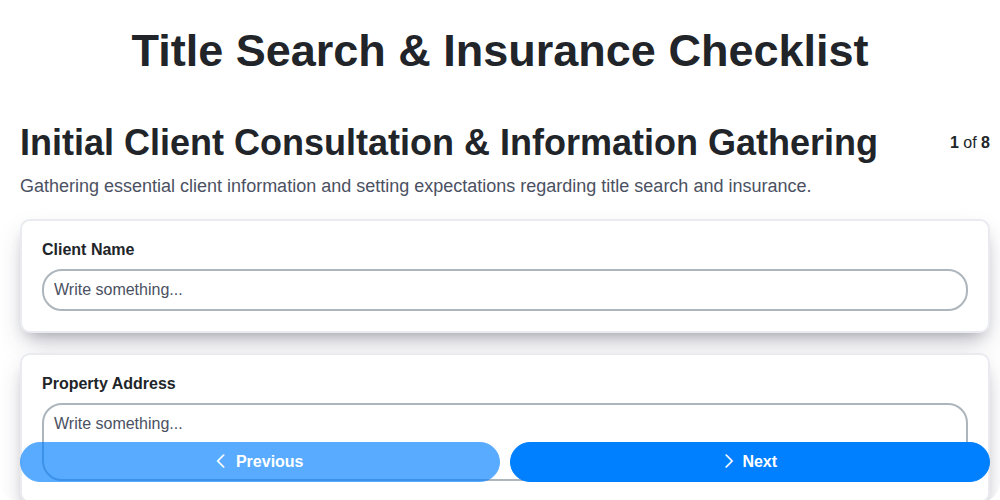
Your Title Search & Insurance Checklist Template
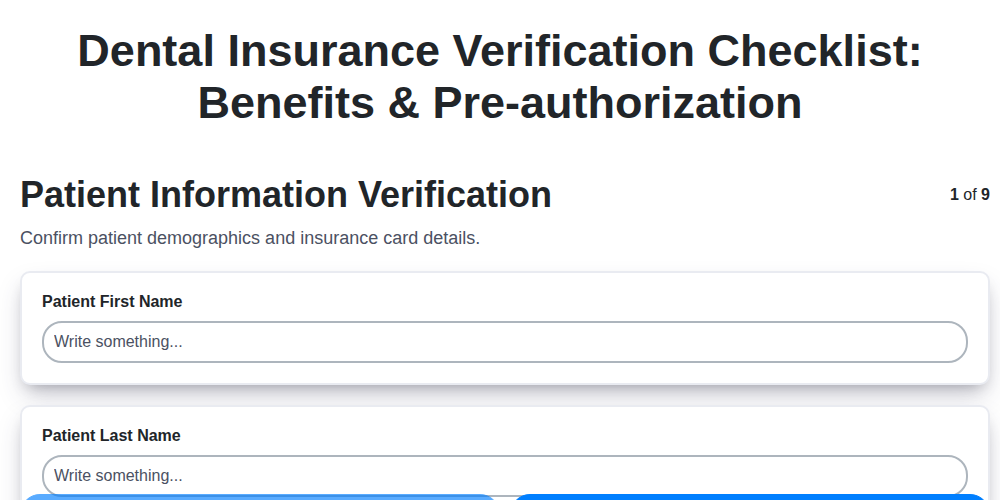
Simplify Insurance Verification: Your Free Dental Checklist Template
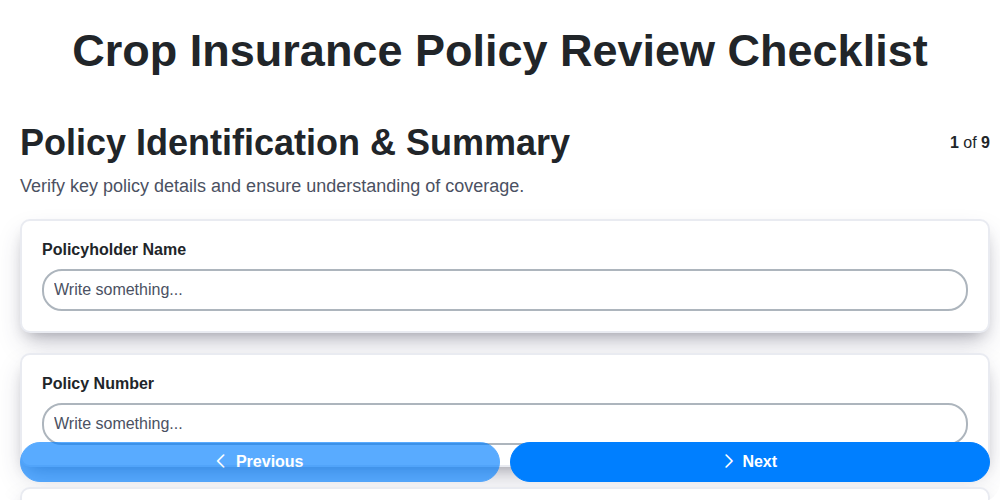
Crop Insurance Policy Review Checklist: A Farmer's Guide

The Ultimate Vehicle Registration & Insurance Validation Checklist
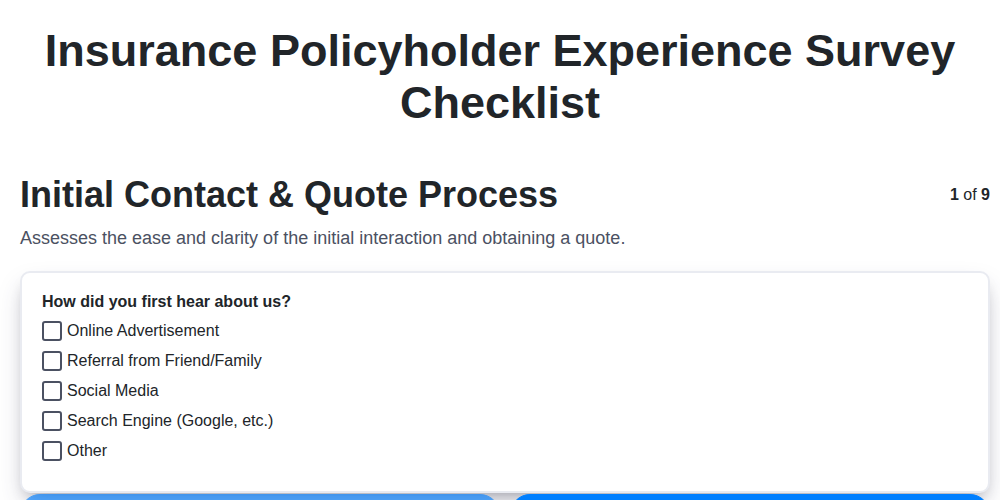
Mastering the Policyholder Journey: Your Insurance Experience Survey Checklist
Need help with
Insurance?
Have a question? We're here to help. Please submit your inquiry, and we'll respond promptly.