The Ultimate Insurance Customer Service Audit Checklist: Ensuring Excellence
Published: 12/01/2025 Updated: 07/02/2026
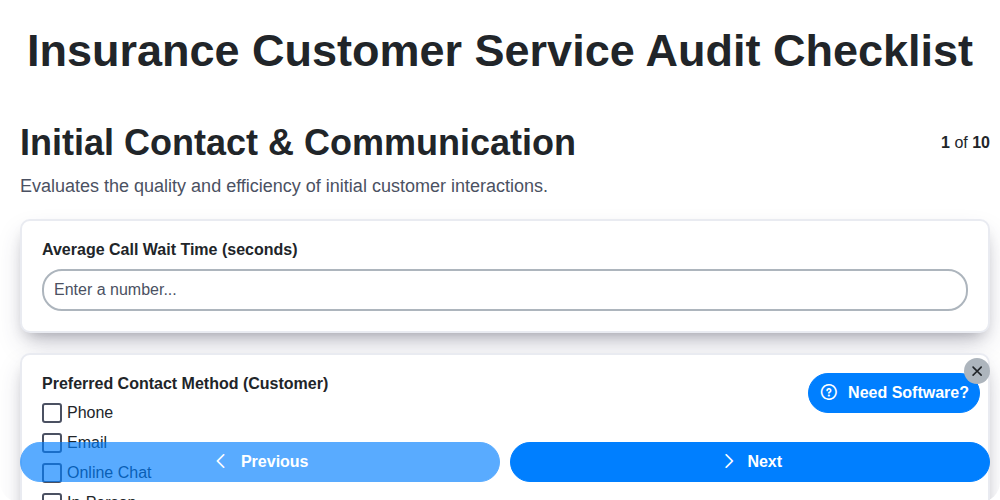
Table of Contents
- Introduction: Why Audit Your Insurance Customer Service?
- 1. Initial Contact & Communication: Setting the Right First Impression
- 2. Policy Explanation & Understanding: Clarity and Transparency
- 3. Claims Handling Process: Efficiency and Empathy
- 4. Issue Resolution & Escalation: Empowering Agents and Solving Problems
- 5. Policy Modifications & Renewals: Seamless Transitions
- 6. Complaint Management: Turning Challenges into Opportunities
- 7. Data Security & Privacy: Protecting Customer Information
- 8. Adherence to Regulations: Staying Compliant
- 9. Feedback & Continuous Improvement: Learning from Interactions
- 10. Staff Training & Development: Building a Skilled Team
- 11. Technology & Tools: Evaluating Support Systems
- 12. Customer Journey Mapping: Understanding the Full Experience
- 13. Audit Reporting & Action Planning: Turning Findings into Action
- Resources & Links
TLDR: Want to make sure your insurance customer service is top-notch? This checklist covers everything from initial contact to data security and staff training, helping you identify areas for improvement and boost customer satisfaction. Think of it as a roadmap to consistent, excellent service!
Introduction: Why Audit Your Insurance Customer Service?
In today's competitive insurance landscape, exceptional customer service isn't just a nice-to-have-it's a business imperative. Customers have more choices than ever, and a single negative experience can easily lead to policy cancellations and damage your reputation. But how do you know your customer service is truly up to par? That's where a robust audit comes in.
An insurance customer service audit goes beyond superficial observations. It's a systematic evaluation of your processes, interactions, and employee performance, designed to identify strengths, pinpoint areas for improvement, and ultimately, enhance the overall customer journey. It's not about finding fault; it's about proactively ensuring your team is equipped to provide the best possible experience, building loyalty, and driving sustainable growth. This checklist provides a framework to systematically assess these vital areas, helping you elevate your insurance customer service to the next level.
1. Initial Contact & Communication: Setting the Right First Impression
The first interaction a customer has with your insurance company significantly impacts their overall experience. A positive initial contact builds trust and sets the stage for a long-term relationship. Conversely, a negative one can quickly lead to frustration and churn. This section of the audit assesses how effectively your team handles these crucial first moments.
Key Areas to Review:
- Accessibility: Are your contact channels (phone, email, chat, online forms) easily discoverable and readily available? Test them yourself - how long does it take to connect?
- Response Times: How quickly are calls answered, emails responded to, and chat requests addressed? Are your published service level agreements (SLAs) being met?
- Professionalism & Friendliness: Are representatives friendly, courteous, and empathetic? Do they use clear, concise language avoiding jargon?
- Identification & Verification: Is the customer promptly and accurately identified and their identity securely verified?
- Greeting & Introduction: Are greetings professional and personalized whenever possible? Do representatives clearly state their name and role?
- Active Listening: Are representatives actively listening to the customer's needs and concerns? Do they paraphrase to ensure understanding?
- Channel Consistency: Is the information provided consistent across all contact channels?
A high score in this area indicates a customer-centric approach focused on building rapport and establishing a foundation of trust. A low score highlights a need for immediate improvements to ensure a welcoming and efficient first experience.
2. Policy Explanation & Understanding: Clarity and Transparency
A comprehensive insurance policy can feel overwhelming, filled with jargon and complex clauses. A customer's true understanding of their coverage is paramount - it builds trust, reduces future disputes, and fosters long-term loyalty. This section of the audit focuses on ensuring your team excels in explaining policies clearly and transparently.
Checklist Items & Considerations:
- Plain Language Communication: Does your team avoid insurance-specific jargon and explain coverage in easy-to-understand language? Are analogies and real-world examples used to illustrate key concepts?
- Active Listening & Confirmation: Are agents actively listening to customer questions and concerns, rather than just reciting policy details? Do they confirm understanding by asking questions like, Can you explain back to me what you understand about this coverage?
- Documenting Understanding: Is there a record (even a simple note) documenting that the customer understands the essential components of their policy? This could be a checkbox on a form or a brief summary in the CRM.
- Visual Aids & Resources: Do you provide visual aids, such as infographics or short videos, to illustrate coverage? Are there accessible online resources (FAQs, glossaries) available to customers after the initial explanation?
- Addressing 'What If' Scenarios: Does the team proactively address common what if scenarios and explain how coverage would apply?
- Disclosure of Limitations & Exclusions: Are limitations and exclusions clearly and understandably explained before a policy is finalized?
- Multiple Communication Channels: Are policy explanations offered through various channels (phone, email, in-person) to cater to different customer preferences?
A failure to ensure genuine policy understanding can lead to frustration, distrust, and ultimately, policy cancellation. A proactive and customer-centric approach to policy explanation is a vital component of excellent insurance customer service.
3. Claims Handling Process: Efficiency and Empathy
The claims process is often the most critical touchpoint for insurance customers. A poorly handled claim can irreparably damage their trust and loyalty, even if they're otherwise satisfied with their policy. This checklist item focuses on ensuring a smooth, efficient, and empathetic claims experience.
Key Audit Points:
- Claim Initiation Ease: Is it simple for customers to initiate a claim? Are multiple channels available (online, phone, app)? Is the process clear and easy to understand? Consider website usability, call center accessibility, and app functionality.
- Acknowledgement & Communication: Are customers promptly acknowledged upon submitting a claim? Are they kept informed of the process and timelines? Automated updates are helpful, but don't replace personalized communication when appropriate.
- Investigation & Assessment: Is the claims investigation thorough and accurate? Are adjusters equipped with the necessary tools and training? Look for consistent application of policy language and fair assessment practices.
- Claim Settlement Speed: Are claims settled as quickly as possible while maintaining accuracy? Identify bottlenecks and areas for process optimization. Regularly review average claim settlement times.
- Payment Accuracy & Transparency: Are payments accurate and delivered in a timely manner? Is the breakdown of costs and coverage clearly explained to the customer?
- Empathy & Support: Are claims handlers trained to demonstrate empathy and provide support to customers who are often experiencing stressful situations? Are they empowered to go the extra mile to provide exceptional service?
- Explanation of Denials (if applicable): If a claim is denied, is the reasoning clearly and respectfully explained in writing? Is the customer informed of their right to appeal?
- Post-Claim Follow-Up: Does the company follow up with customers after the claim is settled to ensure satisfaction and address any outstanding concerns?
4. Issue Resolution & Escalation: Empowering Agents and Solving Problems
A frustrated customer is a lost customer. How your insurance company handles issues and escalates them when necessary can make or break the customer relationship. This section of the audit examines your process for moving beyond routine inquiries and tackling complex problems.
Key Areas to Assess:
- Agent Empowerment: Do agents have the authority to resolve a reasonable range of issues independently? Excessive need to escalate simple problems indicates a lack of trust and slows resolution. Look for documented guidelines on agent discretionary limits.
- Escalation Procedures: Are escalation pathways clearly defined and documented? Do agents know who to escalate to, when to escalate, and what information to provide? Vague processes lead to delays and miscommunication.
- Escalation Timelines: Are there established timelines for escalation response and resolution? Customers shouldn't be left waiting indefinitely.
- Communication During Escalation: Do customers receive updates on the status of escalated issues? Regular communication - even just acknowledging receipt and estimated resolution time - is crucial for maintaining trust.
- Root Cause Analysis: When issues are escalated, is there a process for analyzing why the problem occurred in the first place? This prevents similar issues from recurring.
- Escalation Tracking: Is there a system in place to track escalated issues and monitor resolution times? This data provides valuable insights for process improvement.
- Feedback Loops: Do agents receive feedback on how effectively escalations are handled? This helps them improve their initial problem-solving skills.
A robust issue resolution and escalation process demonstrates your commitment to customer satisfaction and builds loyalty - even when things go wrong.
5. Policy Modifications & Renewals: Seamless Transitions
Policy modifications and renewals represent key touchpoints in the customer lifecycle, offering opportunities to reinforce loyalty and identify areas for improvement. A disjointed or confusing renewal process can easily lead to customer frustration and attrition. Here's what your audit should focus on:
- Proactive Renewal Notifications: Are customers receiving timely reminders well in advance of their policy expiration date? These should be clear, concise, and accessible via multiple channels (email, mail, SMS).
- Easy-to-Understand Renewal Options: Present renewal options clearly, outlining any price changes, coverage adjustments, or new features. Avoid jargon and explain the implications of each choice.
- Simplified Modification Process: Make it effortless for customers to request policy modifications (e.g., adding/removing drivers, adjusting coverage limits). Online portals, clear contact information, and streamlined paperwork are crucial.
- Agent Guidance & Support: Equip agents with the tools and training to guide customers through the renewal and modification process, answering their questions thoroughly and addressing any concerns.
- Documentation and Record Keeping: Ensure all policy modifications and renewals are properly documented and tracked, including customer communication and any agreed-upon changes. This facilitates future service and reduces potential misunderstandings.
- Feedback Collection: Actively solicit feedback on the renewal process to identify pain points and areas for continuous improvement.
6. Complaint Management: Turning Challenges into Opportunities
Customer complaints aren't failures; they't valuable feedback. A robust complaint management process isn't about simply handling complaints, but about actively learning from them and leveraging that knowledge to improve your insurance customer service.
Here's what a strong complaint management approach looks like:
- Easy Reporting Channels: Ensure customers can easily lodge complaints. This includes multiple avenues: phone, email, online form, and potentially even social media. Make sure these channels are clearly advertised and accessible.
- Prompt Acknowledgement: Acknowledge receipt of the complaint quickly - ideally within 24-48 hours. This shows the customer you've received their concern and are taking it seriously. A simple, automated email is fine for initial acknowledgement, followed by a personalized response.
- Thorough Investigation: Conduct a comprehensive and unbiased investigation into the complaint. Gather all relevant information, speak to involved parties, and document your findings clearly.
- Clear Communication Throughout: Keep the customer informed about the progress of the investigation and the steps being taken to resolve their issue. Regular updates build trust and prevent frustration.
- Fair and Timely Resolution: Strive for a fair and appropriate resolution within a reasonable timeframe. This may involve apologies, adjustments to policy coverage, or other forms of compensation.
- Root Cause Analysis: Don't just fix the immediate problem; identify why the complaint arose in the first place. Was it a systemic issue in your processes, training deficiencies, or a misunderstanding of policy terms?
- Complaint Trend Monitoring: Track complaint types and frequency to identify recurring issues and implement preventative measures. This data can highlight areas needing improvement in your overall service delivery.
- Feedback Loop: Share complaint findings and resolutions with relevant teams - underwriting, claims, policy documentation - to improve processes and prevent similar issues from happening again.
By actively managing and analyzing complaints, you're not just resolving individual issues, you're creating a culture of continuous improvement and ultimately enhancing customer loyalty.
7. Data Security & Privacy: Protecting Customer Information
In today's digital landscape, safeguarding customer data isn't just a best practice-it's a legal and ethical imperative. A breach can erode trust, invite regulatory penalties, and severely damage your insurance company's reputation. This section of the audit focuses on verifying that robust measures are in place to protect sensitive customer information.
Key Audit Points:
- Data Encryption: Is customer data encrypted both in transit (when being transferred) and at rest (when stored)? Verify encryption protocols and key management practices.
- Access Controls: Are access permissions to customer data strictly controlled and limited to authorized personnel based on roles and responsibilities? Audit user access logs.
- Data Retention Policies: Does the company have clear and compliant data retention policies? Are records securely disposed of when they are no longer needed?
- Privacy Policy Transparency: Is the privacy policy easily accessible, understandable, and regularly updated to reflect current practices?
- Security Awareness Training: Do employees receive regular training on data security best practices, including phishing awareness and safe password management?
- Breach Response Plan: Does the company have a documented and tested data breach response plan outlining steps to contain, investigate, and report incidents?
- Vendor Management: If third-party vendors handle customer data, are their security practices adequately assessed and monitored?
- Compliance with Regulations: Does the company adhere to relevant data privacy regulations (e.g., GDPR, CCPA)?
8. Adherence to Regulations: Staying Compliant
The insurance industry operates within a complex web of regulations, both at the federal and state levels. Failing to adhere to these regulations isn't just a legal risk; it erodes customer trust and damages your reputation. This section of the audit focuses on ensuring your customer service practices are fully compliant.
Key Areas to Assess:
- Licensing & Permits: Verify all customer service representatives possess the necessary licenses and permits required to handle insurance inquiries and transactions within your operational areas. Regularly check for renewals and any disciplinary actions.
- Disclosure Requirements: Are representatives providing all legally required disclosures regarding policy terms, conditions, fees, and limitations in a clear and understandable manner? Review call scripts and documentation.
- Fair Advertising & Marketing Practices: Ensure all customer communication aligns with regulations regarding insurance advertising, avoiding misleading or deceptive statements.
- Accessibility Standards: Are your customer service channels accessible to individuals with disabilities, adhering to guidelines like the Americans with Disabilities Act (ADA)? This includes website accessibility and alternative communication methods.
- Record Keeping: Verify compliant record-keeping practices are in place, encompassing call recordings, email correspondence, and policy documentation, and that retention periods align with regulatory requirements.
- Privacy Laws (HIPAA, GDPR, CCPA): Explicitly assess compliance with data privacy regulations relevant to your customer base. Do representatives understand how to handle sensitive personal information?
- State-Specific Insurance Laws: Each state has its own unique insurance regulations. Ensure your team is trained and following the specific rules applicable to your operating states.
Documentation is Crucial: Maintain meticulous records of compliance checks, training materials, and any corrective actions taken to address regulatory gaps. Regular updates and a proactive approach are vital for minimizing risk and maintaining a strong foundation of trust with your customers.
9. Feedback & Continuous Improvement: Learning from Interactions
Customer service isn't a static process; it's a journey of constant refinement. A robust insurance customer service audit must include a deep dive into how you collect and act upon feedback. This isn't just about gathering compliments (though those are always welcome!). It's about proactively identifying areas for improvement based on what your customers and your staff are telling you.
Here's what a thorough assessment in this area should cover:
- Multiple Feedback Channels: Do you have a diverse range of options for customers to provide feedback? Consider surveys (post-interaction, annual, etc.), online reviews (Google, Yelp, etc.), social media monitoring, phone call recordings (with consent, of course), and email feedback forms. Don't rely on just one method.
- Regular Analysis: Feedback shouldn't just be collected; it needs to be analyzed. Are you tracking trends? Are specific pain points consistently surfacing? Sentiment analysis tools can be incredibly valuable here.
- Closed-Loop Feedback: This is critical. Do you acknowledge feedback, and, most importantly, do you demonstrate that you're acting on it? Letting customers know their concerns have been heard and addressed builds trust and encourages continued engagement. Even a simple Thank you for your feedback; we're working on this can make a difference.
- Staff Involvement: Your customer service representatives are on the front lines and have invaluable insights. Create opportunities for them to share their observations and suggestions. Regular team meetings and anonymous feedback boxes are good starting points.
- Metrics & Tracking: Define key metrics related to customer satisfaction and feedback response times. Track these metrics over time to gauge the effectiveness of your improvement efforts.
- Integration into Training: Use recurring feedback themes to update training materials and address specific skill gaps within your team.
By fostering a culture of continuous improvement driven by customer and staff feedback, you can create an insurance customer service experience that truly exceeds expectations.
10. Staff Training & Development: Building a Skilled Team
Your insurance customer service team is your frontline - the face and voice of your company. Investing in their training and development isn't just a nice-to-have; it's a critical component of exceptional customer service and business success. A well-trained team is more confident, efficient, and better equipped to handle complex situations and build rapport with customers.
This checklist item focuses on ensuring your team receives ongoing training that covers a wide range of areas:
- Product Knowledge: Regular updates on policy changes, new products, and underwriting guidelines are essential.
- Communication Skills: Active listening, empathy, clear and concise explanations - these are foundational. Consider role-playing exercises and scripts for common scenarios.
- Systems and Technology: Proficiency in CRM, claims processing systems, and other relevant tools is vital for efficiency.
- Compliance & Ethics: Reinforce regulatory requirements, ethical conduct, and data privacy protocols.
- Conflict Resolution: Equip staff with techniques to de-escalate tense situations and find solutions that satisfy both the customer and the company.
- Soft Skills Development: Focus on building rapport, handling difficult personalities, and building trust.
- Mentorship Programs: Pair new hires with experienced team members for guidance and support.
- Ongoing Assessment & Refresher Courses: Regular quizzes, performance reviews, and refresher training ensure knowledge retention and address areas for improvement.
A commitment to staff training and development not only improves customer satisfaction but also boosts employee morale and retention, reducing turnover costs and fostering a culture of excellence.
11. Technology & Tools: Evaluating Support Systems
Insurance customer service isn't just about people; it's increasingly reliant on the technology that empowers them. This section of the audit examines the tools and systems your agents use to provide service and how effectively they're integrated.
Checkpoints:
- CRM Integration: Is your Customer Relationship Management (CRM) system fully integrated with all relevant departments (underwriting, claims, billing)? Does it provide a holistic view of the customer's journey for each agent?
- Self-Service Options: Evaluate the functionality and usability of your online portals, FAQs, chatbots, and mobile apps. Are they intuitive and easily accessible? Are customers finding the information they need without agent interaction?
- Knowledge Base: Assess the completeness, accuracy, and accessibility of your internal knowledge base. Is it readily available to agents to quickly address customer inquiries? Is it regularly updated?
- Communication Channels: Are your agents equipped with the necessary tools for seamless communication across multiple channels (phone, email, chat, social media)? Do these channels integrate with the CRM?
- Automation: Identify opportunities to automate repetitive tasks (e.g., policy status checks, simple claims submissions) to free up agents for more complex interactions. Are these automations transparent and user-friendly?
- Call Recording & Analytics: Are calls recorded for quality assurance and training purposes? Are you leveraging analytics to identify trends and areas for improvement in agent performance and process efficiency?
- System Reliability & Accessibility: Assess the reliability and accessibility of your systems. Are there documented procedures for outages or technical difficulties? Do agents have access to backups or alternative solutions?
- Mobile Capabilities: Do agents have access to the necessary tools and information on mobile devices to provide support outside of the traditional office environment?
12. Customer Journey Mapping: Understanding the Full Experience
Beyond individual interactions, it's crucial to visualize the entire customer journey - from initial awareness to ongoing policy management. A customer journey map outlines all touchpoints, channels, and emotions a customer experiences when interacting with your insurance company.
This isn't just about identifying pain points (though that's incredibly valuable!). It's about understanding why those pain points exist and seeing the journey from the customer's perspective. Are your online resources helpful? Is the claims process clear and empathetic? Does renewal communication feel personalized or automated?
Mapping this journey reveals gaps and opportunities for improvement that a checklist alone might miss. For instance, a checklist might highlight an issue with claims handling time. A journey map might reveal that customers feel lost and unsupported before they even submit a claim, leading to frustration and negative perception.
To build a customer journey map, gather data from various sources: customer surveys, call recordings, online reviews, social media monitoring, and even employee feedback. Then, chart the steps, identify emotional highs and lows, and pinpoint opportunities to enhance the overall experience, ultimately fostering loyalty and advocacy.
13. Audit Reporting & Action Planning: Turning Findings into Action
The audit isn't the finish line; it's the starting point for meaningful improvement. A thorough audit report should clearly articulate the findings, categorizing them by severity (e.g., critical, high, medium, low) and linking them directly back to the checklist items assessed. Avoid simply stating what was found; explain why it's important and the potential impact on customer satisfaction, regulatory compliance, and business reputation.
Key Components of a Robust Audit Report:
- Executive Summary: A concise overview of the audit's purpose, scope, methodology, and key findings for senior management.
- Detailed Findings: Each finding should be described with specifics, including the checklist item violated, the observation made, and the potential impact. Use clear, non-technical language.
- Severity Rating: Categorize findings based on their potential risk and impact.
- Root Cause Analysis: Go beyond the surface level. Investigate why the issue occurred - is it a process failure, lack of training, system error, or something else?
- Recommendations: Provide actionable recommendations to address each finding. These should be specific, measurable, achievable, relevant, and time-bound (SMART).
- Responsible Parties: Clearly assign ownership for implementing each recommendation.
- Timeline for Implementation: Set realistic deadlines for completing corrective actions.
Action Planning and Follow-Up:
The audit report must be more than just a document; it should fuel a clear action plan. This plan should outline:
- Prioritized Actions: Focus on addressing critical and high-severity findings first.
- Resource Allocation: Ensure sufficient resources (time, personnel, budget) are allocated to implement corrective actions.
- Progress Tracking: Establish a system to track the progress of corrective actions and hold responsible parties accountable.
- Regular Reviews: Conduct regular reviews of the action plan to monitor progress and make adjustments as needed.
- Validation: Once corrective actions are implemented, validate their effectiveness through follow-up audits or observations.
Resources & Links
- J.D. Power: A leading global provider of customer satisfaction research and analytics. Their Insurance Studies provide valuable benchmarks and insights into customer perception of insurance companies.
- National Association of Insurance Commissioners (NAIC): Provides resources, model laws, and regulations pertaining to insurance, crucial for understanding compliance requirements.
- Consumer Action: Offers resources and consumer education on insurance, providing insights into customer expectations and common complaints.
- Financial Industry Regulatory Authority (FINRA): Offers guidance and regulations relevant to financial services, impacting insurance customer communication and disclosures.
- CSATribe: Provides customer service analytics and insights, including specific solutions for measuring and improving customer satisfaction in various industries including insurance.
- Zendesk: A popular customer service platform; their blog and resources offer guidance on best practices for customer service, including audits and improving agent performance.
- Help Scout: Another customer service platform; their blog and resources cover topics like customer experience, self-service, and knowledge base optimization, which are relevant to insurance customer service audits.
- NICE: Provides CX (Customer Experience) management and contact center solutions. Their resources offer perspectives on optimizing agent performance and ensuring compliance.
- Call Center IQ: Offers a wealth of articles, guides, and templates related to call center and customer service operations, which are often applicable to insurance customer interactions.
- ServiceNow: Provides a platform for managing digital workflows and customer service. Their resources offer insights into improving operational efficiency and customer experience.
- Gartner: Provides research and analysis on technology and business trends, including customer service and experience management, which can inform your audit's strategic direction.
- Forbes: Forbes often publishes articles on customer service and business strategy, including discussions of how to improve customer loyalty and satisfaction within various industries.
- Harvard Business Review: Provides insights into management best practices, including articles on customer relationship management and service excellence that can inform your audit's scope.
- Accenture: A global professional services company offering expertise in customer experience and digital transformation. Their insights can help benchmark your audit against industry leaders.
- McKinsey & Company: A global consulting firm that frequently publishes research and insights on customer experience and operations, providing a strategic perspective on service excellence.
Frequently Asked Questions
What is an insurance customer service audit and why is it important?
An insurance customer service audit is a systematic evaluation of your customer service processes, channels, and team performance. It's crucial because it identifies areas for improvement, ensures consistent service quality, strengthens customer loyalty, reduces churn, and can positively impact your brand reputation and profitability.
Who should conduct the audit?
Ideally, the audit should be conducted by a qualified professional with experience in insurance, customer service, and auditing. This could be an internal team member with relevant expertise, or an external consultant. A blend of both - internal staff providing context and an external auditor providing objectivity - can be highly effective.
What are the key areas covered in this checklist?
The checklist covers a wide range of areas, including call center operations (call handling times, script adherence), digital channels (website usability, online chat responsiveness), email response times, claims handling process, agent interactions, customer feedback mechanisms, and employee training and development. It also addresses compliance and regulatory aspects.
How do I use this checklist effectively?
Review each item on the checklist, gathering evidence through call recordings, email reviews, website analytics, customer surveys, and employee interviews. Rate your performance against each item (e.g., using a scoring system: Excellent, Good, Needs Improvement, Unacceptable). Document your findings and prioritize areas for improvement based on impact and feasibility.
What metrics should I track during the audit?
Key metrics to track include Average Handle Time (AHT), First Call Resolution (FCR), Customer Satisfaction (CSAT), Net Promoter Score (NPS), email response time, online chat responsiveness, and claims processing time. Also consider metrics related to agent performance and employee engagement.
How often should I conduct a customer service audit?
A comprehensive audit should be conducted at least annually, or more frequently (e.g., quarterly) for areas experiencing significant change or performance issues. Regular spot checks and continuous monitoring are also recommended.
What are some common areas where insurance customer service falls short?
Common issues include long wait times, lack of agent empathy, difficulty navigating self-service options, inconsistent information across channels, slow claims processing, and inadequate training for customer service representatives.
What is the role of employee feedback in the audit process?
Employee feedback is vital. Customer service representatives are on the front lines and have valuable insights into customer pain points and process inefficiencies. Include them in the audit process through interviews, surveys, and focus groups to gather their perspectives and encourage buy-in for improvement initiatives.
How can I incorporate customer feedback into the audit process?
Gather customer feedback through surveys (CSAT, NPS), online reviews, social media monitoring, and direct communication channels. Analyze this feedback to identify trends and prioritize areas where customers are experiencing difficulties. Actively respond to customer feedback and demonstrate that their concerns are being addressed.
What is the connection between customer service and regulatory compliance?
Insurance companies are heavily regulated. Poor customer service can lead to complaints and regulatory scrutiny. The audit checklist should include aspects of compliance, such as transparency in communications, fair claims handling practices, and adherence to data privacy regulations. Failing to do so can result in fines and reputational damage.
Comments
There are no comments yet. Be the first to add one!
Insurance Management Solution Demo
Managing policies, claims, and compliance in the insurance industry is complex. ChecklistGuro's Work OS platform streamlines your operations, from underwriting and renewals to claims processing and reporting. Improve efficiency, reduce errors, and enhance customer satisfaction. Discover how ChecklistGuro can transform your insurance business!
Related Articles
Streamline Claims: Your Insurance Claims Support Process Checklist Template
Your Insurance Policy Review Checklist: A Step-by-Step Guide
Your Property Insurance Review Checklist: A Step-by-Step Guide
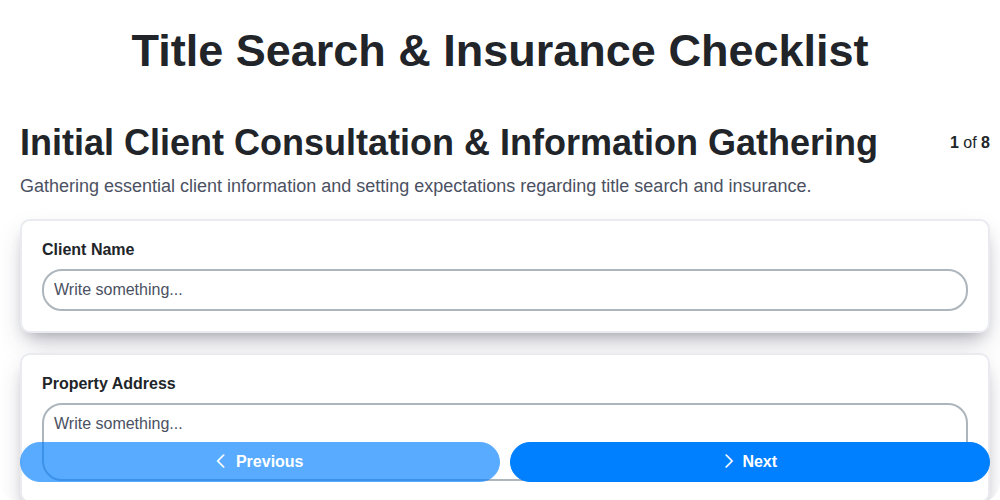
Your Title Search & Insurance Checklist Template
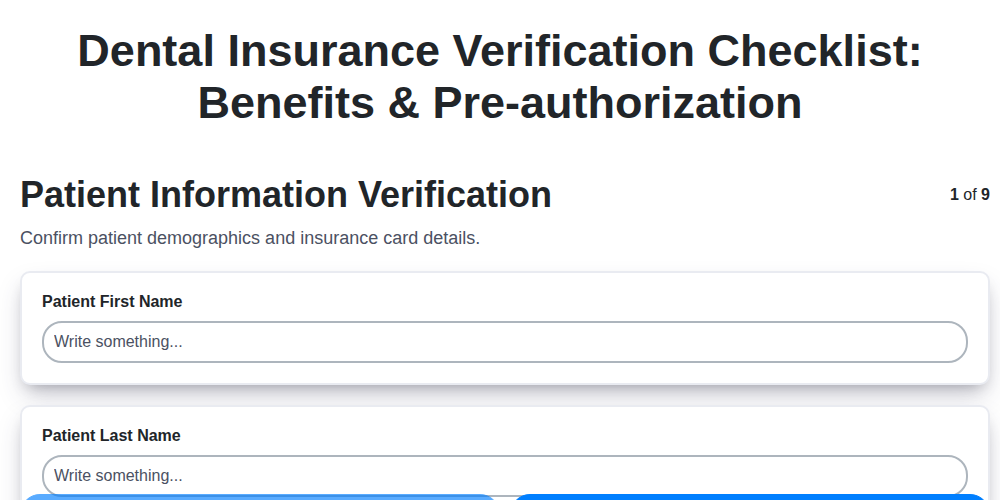
Simplify Insurance Verification: Your Free Dental Checklist Template
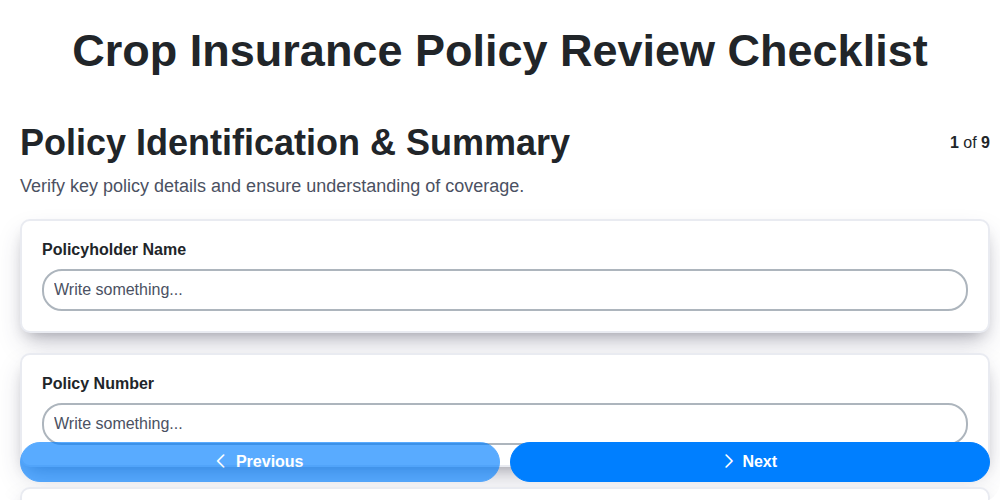
Crop Insurance Policy Review Checklist: A Farmer's Guide

The Ultimate Vehicle Registration & Insurance Validation Checklist
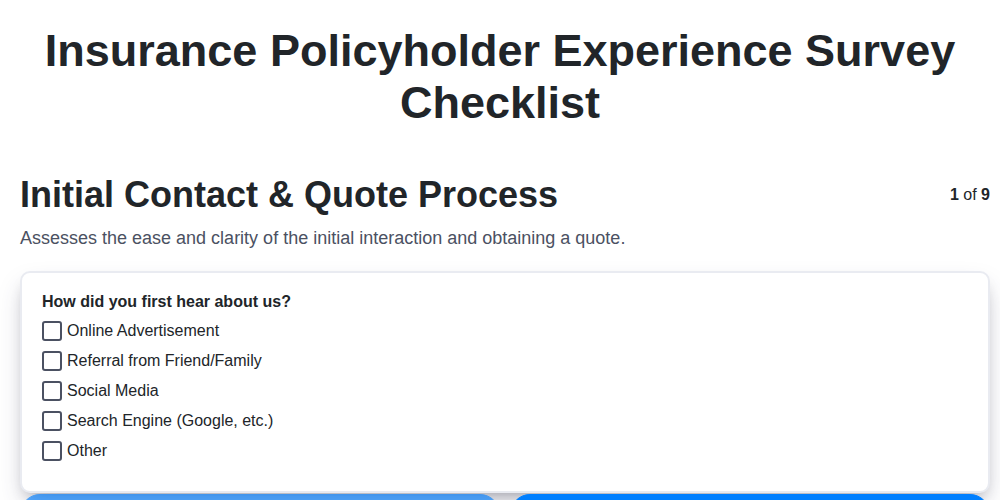
Mastering the Policyholder Journey: Your Insurance Experience Survey Checklist
Need help with
Insurance?
Have a question? We're here to help. Please submit your inquiry, and we'll respond promptly.