Navigating Insurance Financial Reporting: Your Comprehensive Checklist
Published: 12/01/2025 Updated: 07/02/2026
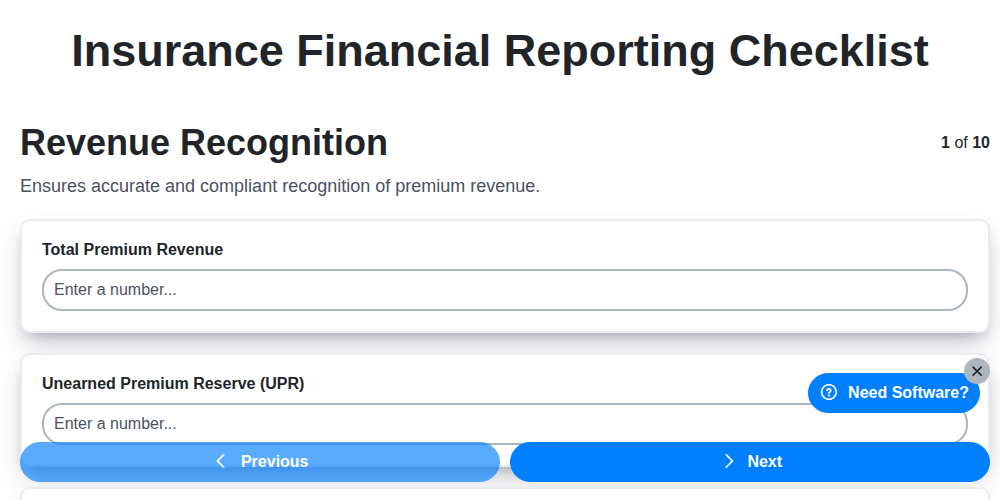
Table of Contents
- Introduction: The Complexity of Insurance Financial Reporting
- 1. Revenue Recognition: A Foundation for Accuracy
- 2. Loss Reserves: Estimating Liabilities with Precision
- 3. Expense Management: Controlling Costs and Maximizing Efficiency
- 4. Investment Portfolio Reporting: Transparency and Performance
- 5. Statutory Accounting Practices (SAP): Meeting Regulatory Demands
- 6. Reinsurance Accounting: Managing Risk Transfer
- 7. Tax Compliance: Minimizing Risk and Optimizing Strategy
- 8. Financial Statement Disclosures: Ensuring Clarity and Understanding
- 9. Audit Trail and Controls: Maintaining Integrity and Accountability
- 10. Regulatory Reporting Requirements: Meeting Specific Jurisdictional Needs
- 11. The Role of Technology in Streamlining Reporting
- 12. Common Pitfalls and How to Avoid Them
- Conclusion: Staying Compliant and Building Trust
- Resources & Links
TLDR: Feeling overwhelmed by insurance financial reporting? This checklist simplifies it! It covers everything from revenue recognition to regulatory reporting, ensuring you're accurate, compliant, and audit-ready. Download it and use it to streamline your process and avoid costly errors.
Introduction: The Complexity of Insurance Financial Reporting
Insurance financial reporting isn't your typical balance sheet exercise. It's a complex, highly regulated process intrinsically linked to the unique risks and obligations inherent in the insurance business. Unlike many industries, insurers deal with future events (claims) and uncertain timelines, demanding specialized accounting methodologies. This requires a robust and meticulously maintained reporting framework to ensure accuracy, transparency, and compliance. A single misstep can lead to regulatory scrutiny, reputational damage, and ultimately, financial instability. This checklist is designed to be a guiding light, helping insurance organizations navigate this intricate landscape and maintain a strong foundation for financial health and stakeholder confidence.
1. Revenue Recognition: A Foundation for Accuracy
Accurate revenue recognition forms the bedrock of reliable financial reporting for insurance companies. It's more than just recording premiums received; it's about meticulously tracking the timing and amount of earned premiums and matching them with incurred claims and expenses. This requires a deep understanding of ASC 944, Insurance Contracts, and a careful consideration of factors such as policy terms, cancellation rates, and claims experience.
Key considerations for an insurance financial reporting checklist within revenue recognition include:
- Premium Allocation: Ensuring premiums are allocated appropriately across policy periods, particularly for multi-year policies.
- Unearned Premium Reserve: Regularly reviewing and adjusting the unearned premium reserve to accurately reflect outstanding obligations.
- Deferred Acquisition Costs (DAC): Properly accounting for and amortizing DAC, which can significantly impact profitability.
- Contract Modifications: Assessing the impact of policy modifications on revenue recognition and ensuring proper accounting treatment.
- System Integration: Verifying that revenue recognition processes are integrated with core insurance systems for accuracy and efficiency.
A robust revenue recognition process mitigates risk, enhances transparency, and provides stakeholders with a clear picture of the company's financial performance.
2. Loss Reserves: Estimating Liabilities with Precision
Accurate loss reserve estimation is a cornerstone of sound insurance financial reporting. These reserves represent the insurer's best estimate of the ultimate costs associated with claims already reported but not yet fully resolved. Underestimating reserves can lead to significant financial strain and regulatory scrutiny, while overestimation unnecessarily ties up capital.
The process isn't simple. It involves a blend of historical data analysis, actuarial science, and judgment. Key considerations include:
- Development Factors: Tracking how claim payments evolve over time is crucial. Development factors reveal patterns - claims often increase in value after initial reporting.
- Loss Severity Trends: Analyzing how expensive claims are trending - are they becoming more or less costly? This requires understanding underlying factors like litigation costs and medical inflation.
- Claim Volume Trends: Are the number of claims increasing or decreasing? This is often linked to underwriting performance and market conditions.
- Catastrophe Losses: Properly accounting for potential losses from catastrophic events (hurricanes, earthquakes, etc.) demands specialized models and often requires adjusting historical data.
- Incurred But Not Reported (IBNR) Reserves: Estimating losses for claims that have occurred but haven't yet been reported requires careful forecasting and consideration of various influencing factors.
Failure to adhere to established actuarial practices and maintain thorough documentation supporting reserve estimates is a significant compliance risk. Regular review and validation of reserve estimates are essential, ensuring they accurately reflect the insurer's current exposure.
3. Expense Management: Controlling Costs and Maximizing Efficiency
Effective expense management is critical for the financial health of any insurance company. It's not simply about cutting costs; it's about optimizing spending to support growth and profitability. For financial reporting, meticulous expense management translates to accurate and reliable data, allowing for better decision-making and more transparent reporting.
Here's what needs to be considered within your financial reporting checklist:
- Detailed Categorization: Expenses should be meticulously categorized - direct expenses (claims, commissions), operating expenses (salaries, rent), and other expenses. Consistent categorization allows for trend analysis and benchmarking.
- Budgeting & Forecasting: Accurate budgeting and forecasting are foundational. Regularly compare actual expenses against budgeted amounts and investigate significant variances. This highlights areas of potential inefficiency or unforeseen issues.
- Cost Allocation: Properly allocate expenses to the relevant lines of business or departments. This provides a clearer picture of profitability at a granular level. Incorrect allocation can skew performance metrics.
- Fraud Prevention: Implement robust controls to prevent and detect fraudulent activity related to expenses. This includes invoice verification, approval processes, and regular audits.
- Technology & Automation: Leverage technology to automate expense tracking, approval workflows, and reporting. This reduces manual errors and improves efficiency.
- Vendor Management: Regularly review vendor contracts and negotiate favorable terms. Scrutinize vendor performance to ensure value for money.
- Expense Reporting Software Integration: Ensure seamless integration with your core financial systems for accurate data flow and real-time insights.
- Regular Review & Adjustment: Expense management isn't a one-time task. Regularly review your processes and adjust them based on changing business conditions and regulatory requirements.
4. Investment Portfolio Reporting: Transparency and Performance
Accurate and transparent investment portfolio reporting is critical for insurance companies, impacting both internal decision-making and external stakeholder confidence. This area demands meticulous attention to detail and adherence to specific accounting standards. Your checklist should include verification of:
- Fair Value Measurement: Ensure all investments are valued at fair value, utilizing appropriate valuation techniques (market-based, model-based, or income-based) and justifying the selected methods. Documentation of these assessments is paramount.
- Classification and Categorization: Confirm investments are correctly classified (e.g., Trading, Available-for-Sale, Held-to-Maturity) based on intent and ability to hold. Misclassification can significantly impact reported earnings and capital ratios.
- Amortization and Premium Recognition: Properly account for any premiums or discounts on bond investments through amortization over the security's remaining life.
- Realized and Unrealized Gains/Losses: Accurately track and report realized and unrealized gains and losses, ensuring correct classification within the financial statements.
- Investment Income Calculation: Verify the calculation of investment income, including interest, dividends, and other related income, using appropriate accounting methods.
- Collateralization & Derivatives: If applicable, meticulously document and report details of any collateralized agreements and derivatives held within the portfolio. This includes valuation methodologies and risk management practices.
- Performance Metrics: Include key performance indicators (KPIs) such as yield, duration, and portfolio diversification metrics, demonstrating performance relative to benchmarks and investment strategy.
5. Statutory Accounting Practices (SAP): Meeting Regulatory Demands
Statutory Accounting Practices (SAP) represent a complex, and often distinct, set of accounting rules designed specifically for insurance companies. Unlike Generally Accepted Accounting Principles (GAAP), SAP are mandated by state insurance regulators and focus on solvency and financial stability - ensuring insurers can meet their obligations to policyholders. Understanding and adhering to SAP is paramount for maintaining regulatory compliance and avoiding penalties.
This area is particularly challenging due to its prescriptive nature and state-by-state variations. Key considerations within SAP include:
- Capital Adequacy: Calculating and maintaining required capital levels based on risk-weighted assets and liabilities. This involves meticulous calculation and documentation.
- Prior Period Adjustments: Handling corrections to prior period statutory financial statements, which require specific approval processes and disclosures.
- Actuarial Opinions: Incorporating actuarial opinions on loss reserves, pricing, and other critical assumptions, ensuring their proper documentation and presentation.
- Investment Valuation: Valuing investments according to statutory guidelines, which may differ significantly from GAAP.
- Cybersecurity Risk: Increasingly, SAP regulations are requiring disclosures and assessments related to cybersecurity risks.
Maintaining a robust SAP framework requires a dedicated team of experts familiar with state-specific regulations and the intricate details of statutory accounting. Failure to comply can result in regulatory scrutiny, limitations on operations, and potentially even revocation of licenses. Continuous monitoring of regulatory updates and proactive adjustments to processes are crucial for sustained compliance.
6. Reinsurance Accounting: Managing Risk Transfer
Reinsurance is a critical risk management tool for insurance companies, but its accounting can be incredibly complex. Essentially, it's insurance for insurance companies - they pay a reinsurance company to cover a portion of their risks. Accurate reinsurance accounting is crucial for reflecting the true financial position of the insurer and complying with regulatory requirements.
Here's what needs careful consideration:
- Unearned Premium and Loss Reserves: Reinsurance agreements impact both unearned premium and loss reserves. You need to accurately allocate these reserves to reflect the portion of risk ceded to reinsurers.
- Commission and Fees: Document and account for commissions and fees associated with reinsurance contracts. These directly impact revenue and expenses.
- Recovery Amounts: Track and account for recovery amounts from reinsurers related to paid losses and loss adjustment expenses. This requires meticulous record-keeping and alignment with claim payments.
- Contract Interpretation: Reinsurance contracts are often intricate. Understanding the precise terms - including triggers, coverage limits, and exclusions - is paramount for correct accounting treatment.
- Embedded Derivatives: Some reinsurance contracts contain embedded derivatives, which may require separate accounting under US GAAP or IFRS. This can be particularly relevant for contracts with variable premium features or profit-sharing provisions.
- Right of Offset: Determining if a right of offset exists regarding reinsurance assets and liabilities is vital for balance sheet presentation and financial statement disclosures.
Proper documentation, adherence to relevant accounting standards (e.g., ASC 940 in the US), and a thorough understanding of reinsurance contracts are essential for robust reinsurance accounting.
7. Tax Compliance: Minimizing Risk and Optimizing Strategy
Insurance companies face a complex web of federal, state, and sometimes even local tax regulations. Staying compliant isn't just about avoiding penalties; it's about strategically managing your tax burden and optimizing your financial performance. This section outlines key areas within tax compliance for insurance financial reporting.
Key Considerations:
- Federal Income Tax: This includes accurately calculating taxable income, considering deductions and credits specifically available to insurance companies (like those related to life insurance reserves), and understanding the impact of corporate tax rates.
- State Income Tax: Each state has its own unique tax laws, often significantly different from the federal level. Maintaining accurate nexus assessments (where your company has a taxable presence) is critical.
- Premium Taxes: These are levied on insurance premiums and vary considerably by state. Proper classification of business activities and premium allocation are vital.
- Property Taxes: Real and personal property owned by the insurer is generally subject to local property taxes.
- Sales and Use Taxes: Understanding and applying sales and use taxes, particularly concerning services offered and the disposition of assets, requires careful attention.
- Unrelated Business Income Tax (UBIT): Certain activities undertaken by insurance companies, outside their core insurance business, may generate UBIT. Accurate tracking and reporting of these activities are essential.
- Transfer Pricing: For insurance groups operating across jurisdictions, transfer pricing rules dictate how transactions between entities are priced, impacting taxable income allocation.
- Tax Credits & Incentives: Staying abreast of available tax credits and incentives, such as those related to investments in renewable energy or research and development, can significantly reduce your overall tax liability.
Why is it critical? Non-compliance in tax reporting carries significant financial penalties, reputational damage, and potential legal action. A proactive and well-documented tax compliance program demonstrates financial integrity and helps the company anticipate future tax liabilities, allowing for better strategic financial planning.
8. Financial Statement Disclosures: Ensuring Clarity and Understanding
Financial statement disclosures are more than just an appendix; they're the crucial narrative that explains the numbers. For insurance companies, these disclosures provide stakeholders-investors, regulators, and policyholders-with a deeper understanding of the company's financial position, performance, and risk profile.
What kind of disclosures are we talking about? They encompass a wide range, including:
- Critical Accounting Policies: Detailing the significant judgments and estimates management uses in preparing the financial statements (e.g., loss reserving methods, revenue recognition policies).
- Segment Reporting: Breaking down performance by business lines or geographic regions to illustrate risk diversification and strategic focus.
- Fair Value Measurements: Providing details on the valuation techniques and inputs used for assets and liabilities carried at fair value.
- Contingencies and Commitments: Disclosing potential liabilities or obligations not yet reflected on the balance sheet.
- Risk Management Activities: Explaining how the company identifies, assesses, and mitigates key risks.
- Details on Loss Reserves: Expanding on the methodologies and assumptions used to estimate future claims.
- Details on Reinsurance Agreements: Providing a thorough understanding of the company's reinsurance arrangements and their impact.
Accuracy and transparency are paramount. Vague or incomplete disclosures can raise red flags and create uncertainty. Compliance with relevant accounting standards (e.g., US GAAP, IFRS) is mandatory, but simply meeting the minimum requirements isn't enough. Effective disclosures should be clear, concise, and tailored to the specific circumstances of the insurance company. Regular review and updates are essential to ensure ongoing relevance and accuracy.
9. Audit Trail and Controls: Maintaining Integrity and Accountability
In the complex world of insurance financial reporting, robust audit trails and internal controls aren't just best practices; they're essential for demonstrating accuracy, reliability, and accountability. This section focuses on the mechanics and importance of these critical components.
What's an Audit Trail? A comprehensive audit trail provides a chronological record of all transactions and adjustments made within the financial reporting system. It tracks who made changes, when, and why. This isn't just about recording changes; it's about providing context. A good audit trail should link back to the original source data, enabling quick and easy verification.
Why are Audit Trails Important? They serve multiple vital functions:
- Error Detection & Correction: Facilitate the identification and correction of errors quickly.
- Fraud Prevention: Act as a deterrent against fraudulent activity and provide evidence for investigation if necessary.
- Regulatory Compliance: Many regulatory bodies mandate specific audit trail requirements.
- Process Improvement: Analyzing audit trail data can highlight inefficiencies and areas for process improvement.
Essential Controls to Implement:
- User Access Controls: Implement role-based access to restrict access to sensitive data and functionalities. Only authorized personnel should be able to make changes.
- Change Management: Formalize the process for making changes to financial reporting systems and policies. This should include approvals and documentation.
- Segregation of Duties: Separate conflicting duties (e.g., approving payments vs. reconciling bank statements) to minimize the risk of error or fraud.
- Data Validation: Implement data validation checks at various points in the reporting process to ensure accuracy and consistency.
- Regular Reviews: Conduct regular reviews of audit trail data and controls to identify weaknesses and ensure effectiveness.
- Secure System Access: Employ robust authentication methods (e.g., multi-factor authentication) to protect financial reporting systems from unauthorized access.
Properly designed and maintained audit trails and controls are a cornerstone of reliable insurance financial reporting, fostering trust with stakeholders and demonstrating adherence to regulatory expectations.
10. Regulatory Reporting Requirements: Meeting Specific Jurisdictional Needs
Navigating the landscape of insurance financial reporting is complex enough, but the addition of regulatory reporting requirements often feels like another layer of intricacy. These requirements aren't uniform; they vary significantly depending on the jurisdictions in which your insurance company operates. What's acceptable in one state or country might be entirely insufficient in another.
This section isn't just about ticking boxes; it's about demonstrating compliance with specific, often detailed, guidelines. Key considerations here include:
- Understanding Jurisdictional Variations: Each regulatory body - state insurance departments, federal agencies, and international equivalents - has its own prescribed forms, deadlines, and reporting standards. A deep understanding of these nuances is paramount.
- Form Filing & Deadlines: Staying on top of filing deadlines is crucial. Late submissions can lead to penalties and even regulatory scrutiny. Systems need to be in place to track deadlines and automate where possible.
- Data Alignment & Mapping: Ensure your internal data aligns with the specific formats and definitions required by each regulator. Data mapping and reconciliation processes are vital.
- Staying Updated: Regulations are not static. Ongoing monitoring of regulatory changes and timely adjustments to your reporting processes are essential. Subscribe to regulatory alerts, participate in industry forums, and maintain strong relationships with your regulatory contacts.
- Technological Solutions: Consider leveraging technology to automate data collection, validation, and submission processes. This can significantly improve efficiency and reduce the risk of errors.
- Documentation: Maintain thorough documentation of all reporting processes, including data sources, calculations, and validations. This provides an audit trail and demonstrates your commitment to compliance.
Failing to adequately address these regulatory reporting requirements can expose your organization to significant financial penalties, reputational damage, and potential operational restrictions. A proactive and diligent approach is non-negotiable.
11. The Role of Technology in Streamlining Reporting
Insurance financial reporting is notoriously complex, involving a multitude of regulations, intricate calculations, and voluminous data. Historically, this process relied heavily on manual spreadsheets and fragmented systems, leading to inefficiencies, errors, and increased compliance risk. Thankfully, technology is rapidly transforming the landscape, offering powerful tools to streamline and automate key aspects of the reporting process.
Modern reporting solutions leverage capabilities like Robotic Process Automation (RPA) to automate data extraction from various source systems - policy administration, claims management, general ledger - reducing manual data entry and improving accuracy. Cloud-based platforms offer centralized data storage and accessibility, facilitating collaboration and version control. Advanced analytics and reporting tools provide real-time dashboards and customizable reports, enabling faster insights and more informed decision-making.
Furthermore, AI and Machine Learning are starting to play a role, automating tasks like anomaly detection in Loss Reserves, assisting with complex tax compliance scenarios, and even improving the efficiency of Statutory Accounting Practices. Regulatory reporting requirements, often necessitating specific formats and disclosures, can be automated with specialized software that interfaces directly with regulatory portals.
Investing in technology isn't just about keeping pace with regulations; it's about enhancing efficiency, reducing operational costs, and freeing up valuable finance professionals to focus on strategic initiatives rather than tedious data reconciliation. The future of insurance financial reporting is undeniably driven by technology, and embracing these advancements is crucial for success.
12. Common Pitfalls and How to Avoid Them
Insurance financial reporting is rife with potential pitfalls that can lead to inaccurate reporting, regulatory scrutiny, and even financial instability. Here are some frequently encountered issues and actionable steps to mitigate them:
- Revenue Recognition Ambiguity: Constantly evolving accounting standards (ASC 2014-03 and subsequent updates) coupled with complex insurance products can lead to misapplication. Avoidance: Stay rigorously updated on the latest guidance. Invest in training for your revenue recognition team and consider consulting with external experts to ensure accurate application to your specific product portfolio.
- Loss Reserve Underestimation: This is arguably the most significant risk. Inadequate loss reserves can artificially inflate profits and mask underlying liabilities. Avoidance: Implement a robust actuarial process with independent reviews, employ appropriate assumptions and data sources, and perform sensitivity analyses to understand the impact of changing assumptions. Documentation is critical.
- Expense Misclassification: Properly categorizing expenses (e.g., acquisition costs vs. operating expenses) can significantly impact profitability ratios. Avoidance: Develop a clear expense classification policy and ensure consistent application across the organization. Periodic review and refinement of this policy are essential.
- Investment Portfolio Reporting Errors: Valuation errors, incorrect classifications of investments, and failure to disclose related party transactions can lead to misleading financial statements. Avoidance: Implement robust valuation controls, including independent price verification. Maintain accurate records of investment holdings and ensure proper disclosure of relationships.
- Statutory Accounting Practices (SAP) Discrepancies: SAP often deviates from GAAP, creating reconciliation complexities. Avoidance: Maintain a dedicated SAP expert and establish clear reconciliation procedures between GAAP and SAP financial statements.
- Reinsurance Accounting Errors: Improper accounting for reinsurance agreements can distort earnings and impact capital adequacy ratios. Avoidance: Ensure contracts are properly analyzed and accounted for, and establish controls to verify ceded premium and loss data.
- Tax Compliance Oversights: Insurance companies face a complex tax landscape with varying state and federal regulations. Avoidance: Engage with experienced tax professionals and implement robust tax planning and compliance processes.
- Insufficient Financial Statement Disclosures: Incomplete or unclear disclosures can hinder users' ability to understand the company's financial position and performance. Avoidance: Establish a comprehensive disclosure checklist aligned with applicable accounting standards and regulatory requirements.
- Weak Audit Trail and Controls: A lack of robust internal controls leaves the organization vulnerable to fraud and error. Avoidance: Implement a strong internal control framework, including segregation of duties and regular testing of controls.
- Failure to Monitor Regulatory Reporting Requirements: Regulatory requirements are constantly evolving. Avoidance: Assign responsibility for tracking regulatory changes and ensure timely updates to reporting processes. Subscribe to relevant regulatory alerts and participate in industry forums.
Conclusion: Staying Compliant and Building Trust
Navigating the complexities of insurance financial reporting isn't a one-time task; it's an ongoing commitment. This checklist provides a robust framework for ensuring accuracy, transparency, and compliance. By diligently addressing each area - from meticulous revenue recognition and loss reserve estimations to rigorous audit trails and adherence to statutory accounting practices - insurance companies can significantly reduce risk and avoid costly penalties.
More than just fulfilling regulatory mandates, a strong financial reporting process builds trust. It fosters confidence among policyholders, investors, and regulators, ultimately contributing to the long-term stability and success of your organization. Regularly reviewing and updating this checklist, alongside staying abreast of evolving regulations and accounting standards, is critical for continued success and a solid foundation for future growth. Don't view compliance as a burden, but as an opportunity to demonstrate financial health and build enduring stakeholder confidence.
Resources & Links
- International Accounting Standards Board (IASB): The IASB develops International Financial Reporting Standards (IFRS), which frequently influence insurance financial reporting practices globally. Useful for understanding broader accounting principles.
- National Association of Insurance Commissioners (NAIC): A U.S.-based organization that develops insurance regulatory standards, models laws, and conducts research. Vital for understanding U.S. insurance reporting requirements, especially Statutory Accounting Practices (SAP).
- Actuarial Standards Board (ASB): Sets standards for actuaries, crucial for loss reserving and other actuarial functions integral to insurance financial reporting. Provides guidance on actuarial assumptions and methodologies.
- American Institute of Certified Public Accountants (AICPA): Provides guidance, resources, and professional development for accountants, including those specializing in insurance. Offers audit and assurance standards related to insurance financial reporting.
- Financial Accounting Standards Board (FASB): Develops Generally Accepted Accounting Principles (GAAP) in the U.S. Relevant for non-statutory financial reporting and understanding broader accounting concepts affecting insurance companies.
- Society of Actuaries (SOA): A global professional organization for actuaries. Provides resources, research, and education on actuarial topics, essential for loss reserving and investment reporting.
- Risk Management Institute (RMI): Offers courses, publications, and resources on risk management and insurance, covering a broad range of topics relevant to financial reporting and compliance.
- Society for Economic and Financial Reporting (SEFR): Provides professional development and resources related to financial reporting, including a focus on complex industries such as insurance. Their publications can offer insights into advanced reporting techniques.
- Deloitte (Insurance Practice): A major accounting firm with a dedicated insurance practice. Their website offers articles, insights, and thought leadership on insurance financial reporting trends and challenges.
- Ernst & Young (EY) (Insurance): Another major accounting firm with an insurance focus. Provides similar resources to Deloitte - thought leadership, insights, and services related to insurance financial reporting.
- PricewaterhouseCoopers (PwC) (Insurance): A global accounting firm with a strong insurance practice. Offers publications and insights on insurance financial reporting, tax, and risk management.
- KPMG (Insurance): Provides similar resources as the other large accounting firms, with a focus on insurance-specific reporting challenges and best practices.
- AccountingTools: Provides a lot of free accounting resources that can be very helpful in understanding complex financial statements.
- Xero: Cloud-based accounting software that help with streamlining process and generating reports.
Frequently Asked Questions
What is insurance financial reporting and why is it important?
Insurance financial reporting involves the preparation and presentation of financial statements specifically tailored for insurance companies. It's crucial for transparency, regulatory compliance, assessing solvency, and informing stakeholders (investors, regulators, policyholders) about the insurer's financial health and performance.
Who needs to comply with insurance financial reporting guidelines?
Generally, insurance companies, reinsurers, and other entities engaged in insurance activities are required to comply. Specific requirements vary depending on jurisdiction and size of the entity. This article provides a general overview and it's important to consult relevant regulatory bodies for specific obligations.
What are the key regulatory frameworks governing insurance financial reporting?
Common frameworks include US GAAP (Generally Accepted Accounting Principles) and IFRS (International Financial Reporting Standards). Statuary accounting practices, mandated by regulatory bodies like state insurance departments (in the US) and similar organizations internationally, are also a crucial part. The checklist in this article addresses elements applicable under various frameworks, but specific requirements will dictate the definitive accounting treatment.
What are some of the common challenges in insurance financial reporting?
Challenges include complexities related to reserving for future claims, actuarial assumptions, investment valuations, deferred acquisition costs, and the need for robust internal controls. Changes in regulations and accounting standards also pose ongoing challenges.
What is a 'reserving' in the context of insurance financial reporting, and why is it important?
Reserving refers to setting aside funds to cover future claims and expenses. Accurate reserving is essential to demonstrate the insurer's ability to meet its obligations to policyholders and is a critical indicator of financial stability. Underestimating reserves can lead to solvency issues.
What are Deferred Acquisition Costs (DAC) and why are they a reporting consideration?
DAC represents the unearned costs incurred to acquire insurance policies, such as commissions and underwriting expenses. These costs are amortized over the policy period and are a significant factor in an insurer's profitability and capital requirements.
What role do actuaries play in insurance financial reporting?
Actuaries provide essential expertise in estimating future claims, determining reserves, and assessing policyholder liabilities. Their work is a crucial component of the financial reporting process and often requires significant input and validation.
What is the purpose of the checklist provided in the article?
The checklist is a practical tool to guide insurance professionals through the key areas of insurance financial reporting. It is not exhaustive but aims to highlight important considerations and facilitate compliance.
How frequently are insurance financial reports prepared?
The frequency varies depending on the regulatory requirements and the size of the insurance company. Many companies prepare reports annually, while others may need to submit more frequent reports, such as quarterly or monthly, particularly for regulatory filings.
Where can I find more detailed information on insurance financial reporting regulations?
Consult the websites of relevant regulatory bodies, such as the SEC (Securities and Exchange Commission) in the US, state insurance departments, the IASB (International Accounting Standards Board), and actuarial professional organizations. The specific requirements depend on the jurisdiction and the type of insurance business.
Comments
There are no comments yet. Be the first to add one!
Insurance Management Solution Demo
Managing policies, claims, and compliance in the insurance industry is complex. ChecklistGuro's Work OS platform streamlines your operations, from underwriting and renewals to claims processing and reporting. Improve efficiency, reduce errors, and enhance customer satisfaction. Discover how ChecklistGuro can transform your insurance business!
Related Articles
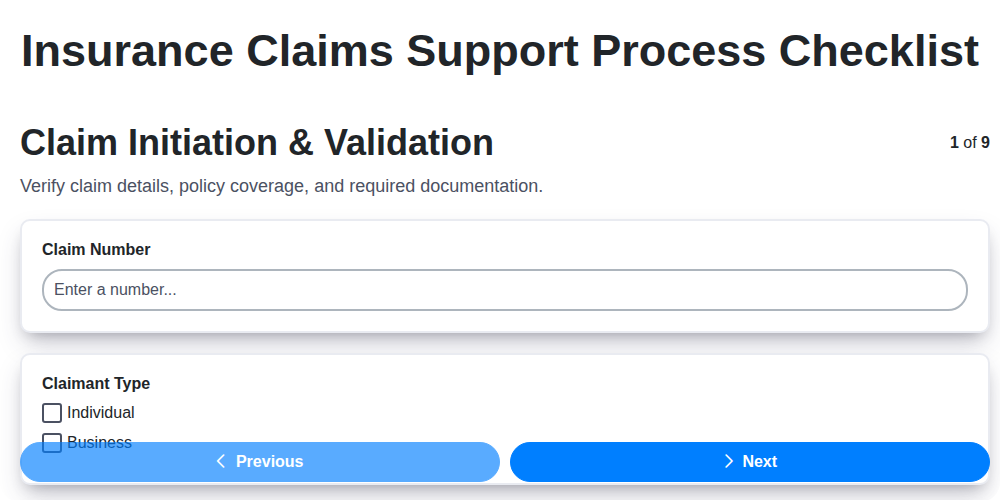
Streamline Claims: Your Insurance Claims Support Process Checklist Template
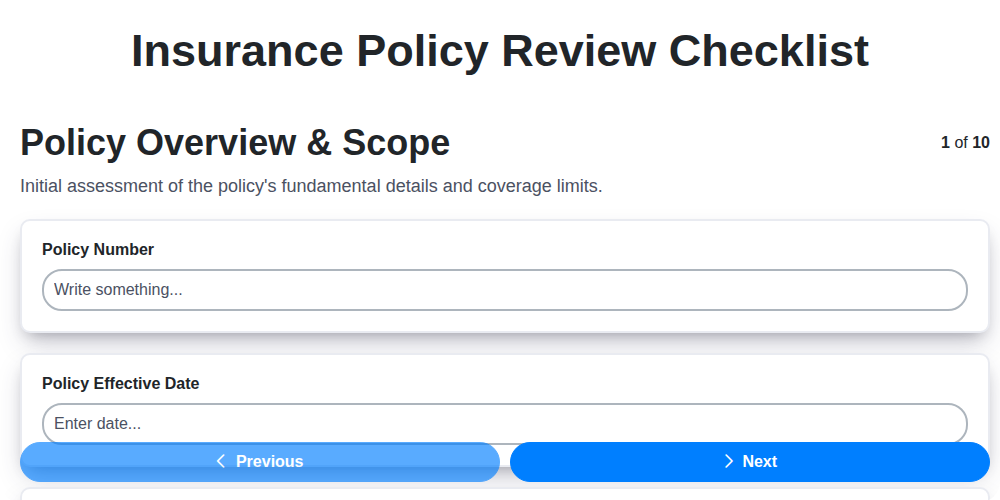
Your Insurance Policy Review Checklist: A Step-by-Step Guide
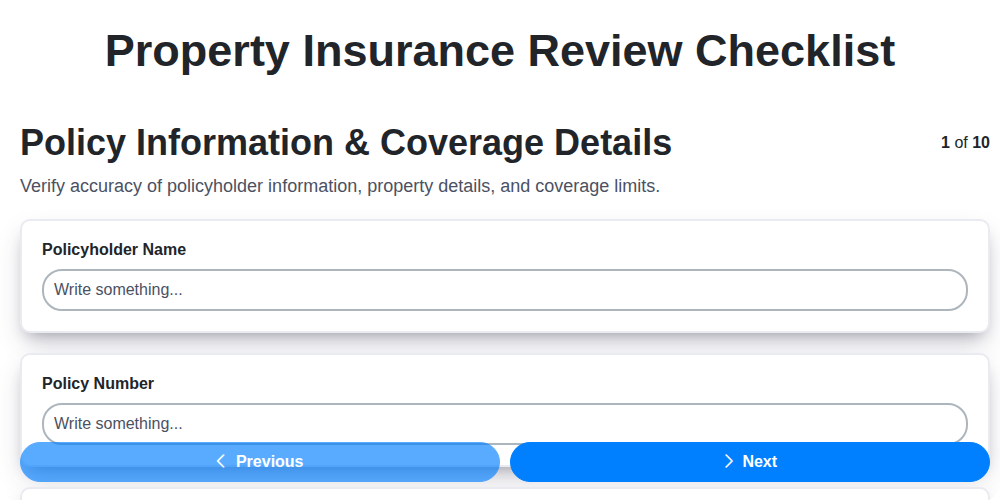
Your Property Insurance Review Checklist: A Step-by-Step Guide
Your Title Search & Insurance Checklist Template
Simplify Insurance Verification: Your Free Dental Checklist Template
Crop Insurance Policy Review Checklist: A Farmer's Guide

The Ultimate Vehicle Registration & Insurance Validation Checklist

Mastering the Policyholder Journey: Your Insurance Experience Survey Checklist
Need help with
Insurance?
Have a question? We're here to help. Please submit your inquiry, and we'll respond promptly.