Insurance Policy Compliance Checklist: Your Guide to Staying on Track
Published: 12/01/2025 Updated: 07/02/2026
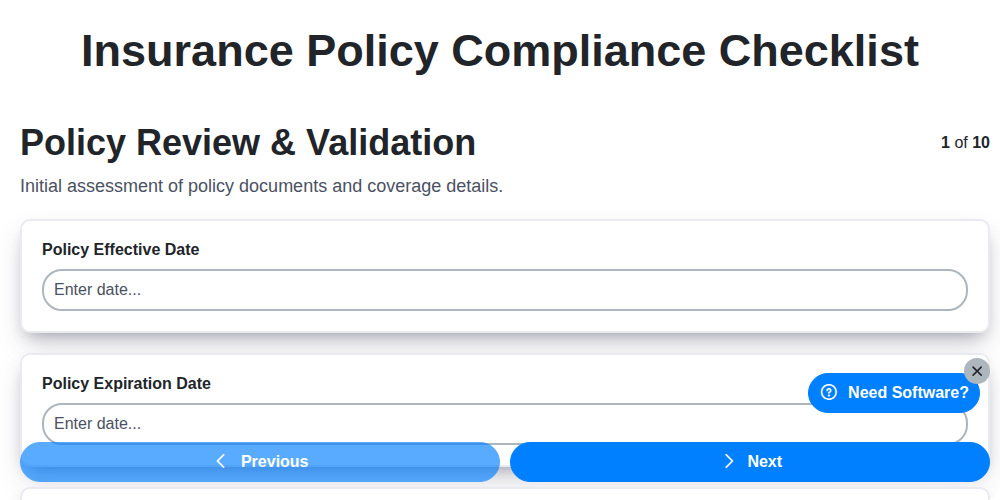
Table of Contents
- Introduction: Why Insurance Policy Compliance Matters
- 1. Policy Review & Validation: The Foundation of Compliance
- 2. Coverage Adequacy Assessment: Ensuring You're Properly Protected
- 3. Regulatory Compliance: Navigating the Legal Landscape
- 4. Documentation & Recordkeeping: Building a Robust Paper Trail
- 5. Premium Payment & Budgeting: Managing Financial Obligations
- 6. Risk Assessment Updates: Adapting to Changing Circumstances
- 7. Renewal Process & Timeline: Proactive Management is Key
- 8. Claims Management Integration: A Seamless Process
- 9. Policy Endorsements & Amendments: Handling Changes Effectively
- 10. Audit Trail & Reporting: Demonstrating Accountability
- 11. Common Compliance Pitfalls to Avoid
- Leveraging Technology for Compliance
- The Role of Your Insurance Broker
- Conclusion: Maintaining Ongoing Compliance
- Resources & Links
TLDR: Feeling overwhelmed by insurance policy compliance? This checklist is your shortcut! It covers everything from reviewing your policy and assessing coverage to managing renewals and keeping accurate records. Using it will help you avoid costly mistakes, stay legally compliant, and ensure your insurance actually protects you.
Introduction: Why Insurance Policy Compliance Matters
Insurance policy compliance isn't just about ticking boxes; it's the bedrock of a robust risk management strategy and a critical safeguard for your business. Failing to adhere to the terms and conditions of your insurance policies can have devastating consequences, ranging from denied claims and legal liabilities to financial instability. This checklist is designed to ensure you're maximizing your coverage, minimizing your risks, and maintaining a healthy relationship with your insurer. Proactive compliance demonstrates good faith, strengthens your position in the event of a claim, and ultimately protects your organization from potentially catastrophic losses. Ignoring compliance can be a silent risk, eroding your financial security and leaving you vulnerable when you need protection the most.
1. Policy Review & Validation: The Foundation of Compliance
Regularly reviewing and validating your insurance policies is the cornerstone of compliance. It's more than just reading the document; it's about verifying its accuracy and relevance to your current operational landscape. Start by confirming all policy details - insured names, addresses, effective dates, and policy numbers - match your records. Then, meticulously compare the policy language with the services you currently utilize. Have you added new assets or expanded operations that might not be covered? Are the described exclusions still appropriate for your business? Don't overlook seemingly minor details - a single inaccurate entry can lead to significant issues down the line. This initial validation provides a critical baseline for all subsequent compliance checks.
2. Coverage Adequacy Assessment: Ensuring You're Properly Protected
Simply having insurance isn't enough; you need to be sure the coverage you have is actually adequate for your current needs and potential risks. A Coverage Adequacy Assessment goes beyond a quick glance at your policy documents. It's a thorough evaluation to determine if your coverage aligns with your evolving circumstances.
What does this assessment involve?
- Evaluate Changing Exposures: Have your business operations expanded? Did you acquire new assets? Has your industry experienced significant shifts? Each of these changes increases your potential exposure, and your coverage needs to reflect that.
- Review Policy Limits: Are your limits sufficient to cover potential losses? Consider worst-case scenarios - a catastrophic event, a major lawsuit, or a significant property damage claim. Can your policy limits comfortably handle such occurrences without leaving you financially vulnerable?
- Assess Coverage Gaps: Identify potential areas where your policy might lack crucial protection. Consider perils not explicitly covered, or situations that could arise due to evolving legal or regulatory landscapes.
- Understand Exclusions: Pay careful attention to policy exclusions. What situations aren't covered? Are these exclusions justifiable given your risk profile, or do they represent a significant weakness?
- Scenario Planning: Run "what-if" scenarios. What would happen if you faced a specific type of loss? Would your coverage fully cover the costs of repair, replacement, legal defense, and business interruption?
A regular Coverage Adequacy Assessment - ideally annually or whenever significant changes occur - is a proactive step toward safeguarding your business. Don't assume your coverage is sufficient; verify it is.
3. Regulatory Compliance: Navigating the Legal Landscape
Insurance is a heavily regulated industry, and staying abreast of ever-changing laws and regulations is paramount to avoiding penalties and maintaining your license. This isn't a one-time check; it's an ongoing process.
What to Consider:
- State-Specific Regulations: Insurance regulations vary drastically from state to state. Ensure your policies and practices align with the specific requirements of each jurisdiction where you operate. This includes understanding licensing requirements, advertising guidelines, and consumer protection laws.
- Federal Regulations: While most insurance regulation occurs at the state level, federal laws like the Gramm-Leach-Bliley Act (GLBA) regarding data privacy, and regulations related to anti-money laundering (AML) also apply.
- Industry-Specific Rules: Certain industries (healthcare, construction, etc.) may have unique insurance requirements mandated by state or federal regulations.
- Ongoing Monitoring: Subscribe to industry publications, participate in regulatory updates, and engage legal counsel to stay informed about regulatory changes.
- Training & Education: Provide regular training to your staff on relevant compliance issues to minimize errors and promote adherence to regulations.
- Documentation is Key: Keep meticulous records of your compliance efforts, including updates to policies, training materials, and responses to regulatory inquiries.
Failing to comply with regulatory requirements can lead to fines, license suspensions, and reputational damage. Prioritize this area to ensure your insurance policy compliance program is robust and effective.
4. Documentation & Recordkeeping: Building a Robust Paper Trail
Maintaining meticulous documentation and recordkeeping is the backbone of insurance policy compliance. It's not just about having papers; it's about creating a comprehensive, organized, and readily accessible trail that demonstrates your adherence to policy terms, regulations, and internal procedures.
Here's what you need to prioritize:
- Policy Versions: Keep track of all policy versions, endorsements, and amendments. Clearly label each version and date them accurately. A centralized system, whether physical or digital, is critical.
- Communication Records: Document all communication with the insurance provider, brokers, and clients regarding policy details, changes, and clarifications. Email correspondence, meeting minutes, and phone call summaries are invaluable.
- Client Agreements: Securely store signed client agreements, declarations of coverage, and any other documents outlining the agreed-upon terms.
- Risk Assessment Data: Maintain records of all risk assessments conducted, including methodologies used, findings, and mitigation strategies implemented.
- Premium Payment History: Track all premium payments, including dates, amounts, and payment methods. This provides a clear audit trail and helps prevent lapses in coverage.
- Training Records: If your team handles policy compliance, document their training and qualifications related to insurance regulations and policy management.
A well-maintained documentation system significantly simplifies audits, facilitates quick access to crucial information, and strengthens your ability to defend your compliance posture if questioned. Consider utilizing cloud-based document management systems for enhanced security and accessibility.
5. Premium Payment & Budgeting: Managing Financial Obligations
Maintaining adequate insurance isn't just about having a policy; it's about managing the financial obligations that come with it. Consistent and proactive premium payment and budgeting are crucial to avoiding lapses in coverage and maximizing your insurance investment.
Here's what you need to consider:
- Payment Schedules & Deadlines: Clearly understand your policy's payment schedule (monthly, quarterly, annually) and mark deadlines on your calendar. Missed payments can lead to penalties or even policy cancellation.
- Budgeting for Premiums: Integrate insurance premiums into your overall financial budget. Treat them as a non-negotiable expense, like rent or mortgage.
- Payment Methods: Explore available payment options. Setting up automatic payments can help ensure timely payments and eliminate the risk of forgetting. Just be sure to regularly review your bank statements to confirm charges.
- Review Payment History: Regularly review your payment history with your insurance provider to identify any discrepancies or errors.
- Explore Discount Opportunities: Ask your insurer about potential discounts that could lower your premium. These could include bundling policies, qualifying for good driver discounts, or being part of a specific organization.
- Budget for Potential Increases: Insurance premiums often fluctuate. Factor in a buffer in your budget to accommodate potential increases during renewal.
By prioritizing premium payment and budgeting, you can maintain continuous insurance coverage and peace of mind.
6. Risk Assessment Updates: Adapting to Changing Circumstances
Risk assessments aren't a "set it and forget it" exercise. Your business environment is constantly evolving - new technologies emerge, regulations shift, and your operations likely change over time. This means your risk assessment needs to be a living document, regularly reviewed and updated to remain effective.
How often should you update your risk assessment? At a minimum, we recommend reviewing it annually, but more frequent updates (quarterly or even monthly for rapidly changing industries) are often necessary. Consider triggering an update whenever:
- Significant Business Changes Occur: This includes new product launches, expansion into new markets, acquisitions, or major shifts in operations.
- New Risks Emerge: Be proactive in identifying potential threats, whether they are cybersecurity vulnerabilities, supply chain disruptions, or changes in consumer behavior.
- Incidents Occur: Any loss, near miss, or claim should prompt a review to understand the root cause and prevent recurrence.
- Regulatory Changes are Introduced: New legislation or industry guidelines necessitate adjustments to your risk mitigation strategies.
During the update process, revisit your initial risk identification and analysis. Are the identified risks still relevant? Have their likelihood or impact changed? Do your current controls adequately address the risks? Document these updates thoroughly - demonstrating your ongoing commitment to risk management is crucial for compliance and business continuity.
7. Renewal Process & Timeline: Proactive Management is Key
Insurance policy renewals shouldn't be a last-minute scramble. A proactive renewal process ensures continuous coverage and minimizes potential disruptions to your business or personal life. Here's what you need to consider:
Start Early: Don't wait until the policy expiration date to begin thinking about renewal. Ideally, start the review process 60-90 days beforehand. This allows ample time to compare quotes, negotiate terms, and address any necessary changes.
Timeline Checklist:
- 90 Days Prior: Initiate the renewal process. Gather current policy documents and start researching alternative options.
- 60 Days Prior: Contact your insurance broker or agent to discuss renewal options and request quotes.
- 45 Days Prior: Review quotes and assess coverage changes. Consider any business or personal changes that might warrant adjustments.
- 30 Days Prior: Discuss any proposed changes with relevant stakeholders and finalize coverage selections.
- 15 Days Prior: Confirm the renewal terms and conditions in writing.
- 7 Days Prior: Double-check all details, including coverage levels, deductibles, and payment methods.
- Expiration Date: Finalize payment and ensure uninterrupted coverage.
Consider These Factors:
- Market Conditions: Insurance rates fluctuate. Compare quotes from multiple carriers to ensure you're getting a competitive price.
- Business/Personal Changes: Have you expanded your operations? Did your family grow? Ensure your coverage aligns with your current needs.
- Policy Performance: Has the policy adequately met your needs? Are there any areas where improvements could be made?
By implementing a structured renewal timeline and proactively addressing these factors, you can ensure a seamless insurance policy renewal process, securing continued protection and avoiding potential gaps in coverage.
8. Claims Management Integration: A Seamless Process
A compliant insurance policy isn't just about ticking boxes; it's about ensuring a smooth experience when a claim arises. Integrating your policy compliance checklist with your claims management process is crucial. This integration ensures that the policy's terms and conditions are clearly understood by claims handlers, preventing delays, disputes, and potential legal issues.
Here's how to achieve seamless integration:
- Policy Information Accessibility: Claims adjusters should have instant access to the policy documents, endorsements, and any related correspondence. This eliminates wasted time searching for information and reduces the risk of errors. Consider a centralized digital repository.
- Coverage Clarification Protocol: Develop a clear protocol for claims handlers to verify coverage under the policy. This might involve a checklist of coverage criteria or a defined escalation path for complex situations.
- Training & Awareness: Regular training for claims personnel on specific policy details and compliance requirements ensures everyone understands the expectations and limitations.
- Automated Notifications: Implement automated notifications to alert compliance teams when claims potentially involve areas of concern or require specific approvals.
- Feedback Loop: Establish a system for claims data to feed back into the policy compliance process. This allows for identification of recurring issues or areas where policy language might need clarification or adjustment.
- Consistent Documentation: Claims adjusters should meticulously document their decisions, referencing specific policy language and compliance guidelines. This creates an audit trail and aids in future reviews.
By actively integrating claims management within your compliance checklist, you can foster trust, improve customer satisfaction, and minimize risk exposure.
9. Policy Endorsements & Amendments: Handling Changes Effectively
Insurance policies aren't static documents; they evolve alongside your business and its risks. Policy endorsements and amendments represent changes to your existing coverage, whether due to new exposures, changes in operations, or simply adjustments to policy terms. Failing to manage these effectively can lead to gaps in coverage, unexpected financial burdens, and potential compliance issues.
Here's why diligent management of endorsements and amendments is crucial:
- Reflecting Business Changes: Your business isn't standing still. New hires, expanded services, changes in location, or adjustments to products all impact your risk profile. Endorsements ensure your policy reflects these realities.
- Addressing Emerging Risks: As new risks emerge (cybersecurity threats, changes in legislation, etc.), amendments provide a mechanism to incorporate necessary protections.
- Maintaining Accurate Coverage: Changes need formal documentation. An endorsement clearly outlines the modification, preventing misunderstandings and disputes with the insurer.
- Avoiding Claim Denials: If a claim arises related to a change not properly endorsed, it could be denied, leaving you vulnerable.
Best Practices:
- Proactive Review: Regularly (at least annually, and more frequently if significant changes occur) review your policies to identify potential endorsement needs.
- Formal Request Process: Initiate the endorsement request in writing, clearly stating the reason for the change and its scope.
- Thorough Review of Endorsements: Always read and understand the endorsed document. Don't assume it automatically covers what you think it does.
- Secure Storage: File endorsements with the original policy in a secure and accessible location.
- Communicate Changes: Inform relevant personnel within your organization about policy amendments and their impact.
10. Audit Trail & Reporting: Demonstrating Accountability
Maintaining a robust audit trail and generating comprehensive reports are crucial for proving insurance policy compliance isn't just a matter of ticking boxes - it's about demonstrating accountability. An audit trail provides a chronological record of every action taken regarding your policies, from initial placement to ongoing amendments and renewals. This includes who made changes, when they were made, and the rationale behind them.
Why is this so vital? Firstly, it facilitates internal reviews and identifies potential areas for improvement. Secondly, it provides a readily available defense in the event of an audit by regulators or a legal challenge. A clear, well-maintained audit trail provides concrete evidence that you're actively managing your insurance program and adhering to best practices.
Your reporting should go beyond just documenting actions. It should highlight key performance indicators (KPIs) such as coverage gaps identified, remediation steps taken, and cost-saving opportunities realized. Consider incorporating dashboards that visualize this data, making it accessible to stakeholders at all levels. Regular reporting not only keeps everyone informed but also proactively identifies potential risks and strengthens your overall insurance governance framework. Ultimately, a strong audit trail and reporting system fosters trust and demonstrates a commitment to responsible insurance management.
11. Common Compliance Pitfalls to Avoid
Navigating insurance policy compliance can feel like traversing a minefield. One misstep and you're facing penalties, audits, or even policy cancellations. Here are some of the most frequent pitfalls we see businesses encounter, and how to steer clear of them:
- Ignoring Policy Wording: It's tempting to skim, but every clause in your policy matters. Failing to fully understand the legal language can lead to unexpected exclusions or denials.
- Assuming Coverage = Complete Protection: Just because you have a policy doesn't mean it covers everything you think it does. Regular coverage adequacy assessments (as highlighted in your checklist) are vital.
- Failing to Stay Updated on Regulations: Insurance laws and regulations change. Relying on outdated information is a significant risk. Subscribing to industry alerts and engaging compliance professionals is crucial.
- Insufficient Documentation: A missing signature, a misplaced email, a forgotten attachment - seemingly minor omissions can seriously undermine your compliance posture during an audit.
- Delayed Premium Payments: Even a single late payment can trigger penalties or policy lapses. Implement robust budgeting and payment reminders.
- Neglecting Risk Assessment Updates: Your business evolves. Your risks evolve. Your risk assessment must evolve with it. Static assessments quickly become obsolete.
- Rushing the Renewal Process: Don't treat renewal as just a formality. It's an opportunity to re-evaluate your needs and ensure your coverage remains appropriate.
- Lack of Claims Management Integration: Poor communication between claims and policy administration can lead to inconsistent application of policy terms.
- Unauthorized Policy Endorsements: Only authorized personnel should make endorsements or amendments. Unauthorized changes can void coverage.
- Poor Audit Trail: A weak audit trail makes it difficult to demonstrate compliance. Implement systems that track all policy-related activity.
- Relying Solely on Broker Recommendations Without Independent Verification: While brokers are valuable resources, always independently verify their advice and confirm it aligns with your specific needs and regulatory requirements.
Leveraging Technology for Compliance
Staying on top of insurance policy compliance can feel overwhelming, but technology offers significant relief. Gone are the days of relying solely on spreadsheets and manual tracking. Several software solutions are available to streamline the process, automating many of the tedious tasks outlined in this checklist.
Consider exploring options like:
- Compliance Management Software: These platforms often offer features for policy tracking, automated reminders for reviews and renewals, and centralized document storage.
- Document Management Systems (DMS): A robust DMS can securely store policy documents, endorsements, and communication logs, making retrieval and auditing much easier.
- Automated Reporting Tools: Many systems can automatically generate reports on compliance status, regulatory changes, and premium payments, saving valuable time and reducing the risk of errors.
- AI-Powered Compliance Checks: Emerging technologies utilizing artificial intelligence can scan policy documents, identify potential gaps, and flag areas needing attention.
Investing in the right technology isn't just about efficiency - it's about minimizing risk, improving accuracy, and freeing up your team to focus on more strategic initiatives. Research and select solutions that integrate with your existing systems and scale with your business needs.
The Role of Your Insurance Broker
Navigating insurance policy compliance can feel overwhelming, and that's where a skilled insurance broker becomes an invaluable asset. They're more than just salespeople; they're risk management partners. A good broker understands the intricacies of your industry, your specific risks, and the complex landscape of insurance regulations.
They can proactively guide you through the entire compliance checklist. Think of them as your advocate, interpreting policy language, ensuring coverage aligns with evolving business needs, and keeping you informed about regulatory changes that impact your insurance obligations. They can assist with negotiating endorsements, understanding claim management processes, and ultimately, helping you minimize risk and maximize the value of your insurance program. Don't hesitate to leverage their expertise - it's often included in the services you're already paying for.
Conclusion: Maintaining Ongoing Compliance
Ultimately, insurance policy compliance isn't a one-and-done task; it's a continuous journey. Regularly revisiting and updating your checklist, as outlined above, demonstrates a commitment to protecting your organization and ensuring you're leveraging your insurance investments effectively. Proactive compliance minimizes potential fines, strengthens your risk mitigation strategies, and provides peace of mind. Remember to adapt this checklist to your specific industry and policy types. By embedding these practices into your operational workflow, you transform compliance from a burden into a strategic asset. Continuous vigilance and adaptation are key to sustained insurance policy compliance.
Resources & Links
- National Association of Insurance Commissioners (NAIC): The NAIC is a U.S. standard-setting and regulatory support organization. Their website provides information on insurance regulation, compliance, and consumer resources - essential for understanding the legal framework.
- Risk & Insurance Management Institute (RIMS): RIMS is a global risk management organization. Their website offers articles, webinars, and resources related to risk management and insurance, which are valuable for understanding the broader context of policy compliance.
- The Institutes: The Institutes offers continuing education and professional designations in insurance and risk management. Their website has a wealth of information applicable to insurance policy understanding and compliance.
- Securities Industry and Financial Markets Association (SIFMA): While primarily focused on securities, SIFMA's resources on financial regulations and risk management principles are relevant to understanding the legal and regulatory environment impacting insurance policies.
- IRMI (Insurance Risk Management Institute): IRMI is a leading provider of insurance and risk management information. Their articles and resources provide in-depth explanations of insurance policy terms, concepts, and compliance requirements.
- National Conference of State Legislatures (NCSL): NCSL provides information about state legislation, including laws related to insurance and financial regulation. Useful for staying updated on state-specific compliance rules.
- Compliance Planet: A dedicated website focusing on compliance topics across various industries, providing insights and news on regulatory changes and best practices relevant to insurance compliance.
- LexisNexis: LexisNexis is a legal research platform that provides access to statutes, regulations, and case law. While requiring a subscription, it's crucial for in-depth legal research related to insurance policy compliance.
- Westlaw: Similar to LexisNexis, Westlaw is a legal research service providing access to legal resources, including statutes and regulations affecting insurance compliance. Requires subscription.
- Governance & Compliance: This website provides resources and insights on governance, risk management, and compliance (GRC) practices, which can be applied to insurance policy management to improve accountability and transparency.
- The Actuarial Society: The Actuarial Society provides resources and standards related to risk assessment and financial modeling, which are relevant to ensuring coverage adequacy and pricing accuracy. Useful for understanding the basis of insurance calculations.
- American Institute of Certified Public Accountants (AICPA): AICPA provides resources on accounting and financial reporting, helpful for managing premium payments, budgeting, and maintaining accurate financial records related to insurance policies.
Frequently Asked Questions
What is an insurance policy compliance checklist and why do I need one?
An insurance policy compliance checklist is a document outlining all the requirements and obligations associated with your insurance policy. It helps you ensure you're adhering to all conditions, preventing potential claim denials, policy cancellations, and maintaining your coverage effectively. Think of it as a roadmap for staying on track with your insurance commitments.
Who needs an insurance policy compliance checklist?
Essentially, anyone with an insurance policy needs a compliance checklist. This includes businesses with commercial insurance (property, liability, workers' compensation, etc.) and individuals with complex or specialized insurance policies (like high-value home or auto insurance). Even seemingly straightforward policies benefit from having a checklist.
What are some common items found in an insurance policy compliance checklist?
Common items include things like maintaining specific safety measures (fire suppression systems, security protocols), performing regular inspections and maintenance, providing accurate and timely reporting of changes in operations or risk factors, completing required training for employees, and properly classifying and handling insured assets.
What happens if I don't comply with my insurance policy's requirements?
Failure to comply can have serious consequences. It could lead to your insurance claim being denied if a loss occurs, your policy being cancelled, increased premiums, or even legal action in severe cases. Compliance is crucial for maintaining valid coverage.
How often should I review and update my insurance policy compliance checklist?
The frequency of review depends on the complexity of your policy and the frequency of changes to your business or operations. However, a minimum of annual reviews are recommended. More frequent reviews (quarterly or even monthly) are advisable if you experience significant changes, such as expansion, new processes, or changes in personnel.
Where can I find a template or example insurance policy compliance checklist?
While this article provides guidance, it is not a substitute for legal advice. Many insurance brokers and consultants can provide templates or help you create a customized checklist. There are also several online resources offering generic templates, but always tailor them to your specific policy requirements.
Can my insurance broker help me create a compliance checklist?
Absolutely! Your insurance broker is a valuable resource and should be able to assist you in understanding your policy requirements and developing a tailored compliance checklist. They can also provide guidance on best practices and potential areas of concern.
What's the difference between insurance policy compliance and risk management?
While related, they aren't the same. Compliance focuses specifically on adhering to the requirements *within* your insurance policy. Risk management is a broader process of identifying, assessing, and mitigating potential risks to your business or assets - which then influences what your insurance policy requires you to do.
Comments
There are no comments yet. Be the first to add one!
Insurance Management Solution Demo
Managing policies, claims, and compliance in the insurance industry is complex. ChecklistGuro's Work OS platform streamlines your operations, from underwriting and renewals to claims processing and reporting. Improve efficiency, reduce errors, and enhance customer satisfaction. Discover how ChecklistGuro can transform your insurance business!
Related Articles
Streamline Claims: Your Insurance Claims Support Process Checklist Template
Your Insurance Policy Review Checklist: A Step-by-Step Guide
Your Property Insurance Review Checklist: A Step-by-Step Guide
Your Title Search & Insurance Checklist Template
Simplify Insurance Verification: Your Free Dental Checklist Template
Crop Insurance Policy Review Checklist: A Farmer's Guide

The Ultimate Vehicle Registration & Insurance Validation Checklist
Mastering the Policyholder Journey: Your Insurance Experience Survey Checklist
Need help with
Insurance?
Have a question? We're here to help. Please submit your inquiry, and we'll respond promptly.