Navigating Insurance Regulatory Reporting: Your Essential Checklist
Published: 12/01/2025 Updated: 07/02/2026
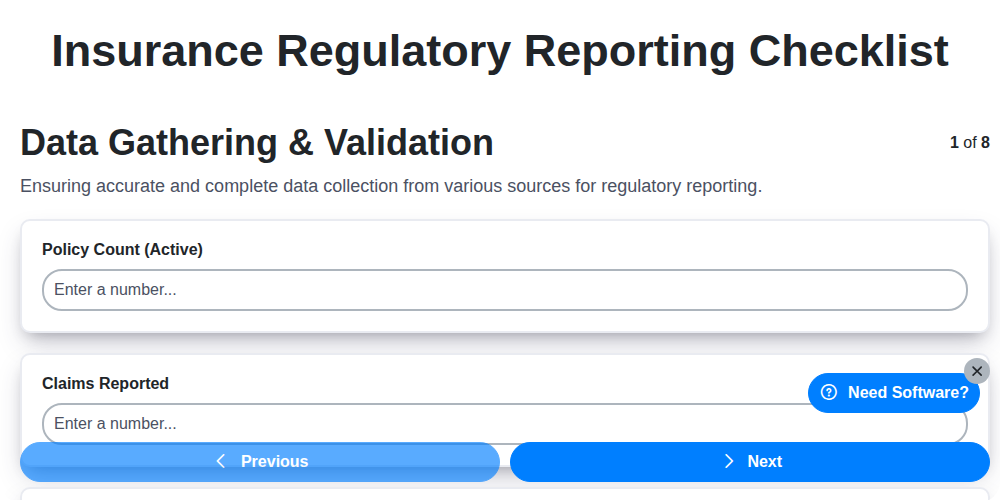
Table of Contents
- Introduction: Why Insurance Regulatory Reporting Matters
- 1. Data Gathering & Validation: The Foundation of Accuracy
- 2. Reporting Form Selection & Completion: Choosing the Right Path
- 3. Calculations & Reconciliation: Ensuring Numerical Integrity
- 4. System & Technology Checks: Validating Your Reporting Infrastructure
- 5. Legal & Compliance Review: Staying Within the Boundaries
- 6. Submission: Meeting Deadlines and Requirements
- 7. Archiving: Securely Preserving Your Records
- 8. Documentation: Building a Clear Audit Trail
- 9. Version Control & Updates: Tracking Changes Effectively
- 10. Common Pitfalls and How to Avoid Them
- 11. Leveraging Technology for Efficiency
- 12. Training and Team Responsibilities
- Conclusion: Streamlining Your Reporting Process
- Resources & Links
TLDR: Regulatory reporting in insurance is complex! This checklist breaks it down into 9 key steps - from gathering data and choosing the right form, to ensuring compliance and archiving everything properly. Think of it as your guide to avoid penalties and streamline your reporting process.
Introduction: Why Insurance Regulatory Reporting Matters
Insurance regulatory reporting isn't just a box to tick; it's the backbone of a stable and trustworthy insurance ecosystem. It's how regulators gain visibility into the financial health and operational practices of insurance companies, ensuring solvency, protecting policyholders, and maintaining market confidence. Accurate and timely reporting demonstrates accountability and allows regulators to proactively identify and mitigate risks. Failure to comply can lead to significant penalties, reputational damage, and even restrictions on business operations. This checklist provides a structured approach to navigate this complex landscape and ensure your organization consistently meets its regulatory obligations.
1. Data Gathering & Validation: The Foundation of Accuracy
Accurate insurance regulatory reporting hinges on a robust and meticulous data gathering and validation process. This isn't just about collecting numbers; it's about ensuring those numbers are correct and represent a true picture of your company's financial health. A single error here can trigger audits, penalties, and reputational damage.
Here's a breakdown of what's involved:
- Identify Data Sources: Clearly map out all sources from which you're pulling data - general ledgers, actuarial systems, policy administration systems, claims databases, and more. Document these sources.
- Define Data Elements: Precisely define each data element required for the specific regulatory report. Ambiguity leads to inconsistent data.
- Data Extraction & Consolidation: Implement reliable methods for extracting data, whether manual, automated, or a hybrid approach. Consolidate data from disparate systems into a centralized location.
- Validation Checks: This is critical. Implement multiple layers of validation:
- Format Checks: Ensure data is in the correct format (date, currency, numeric).
- Range Checks: Verify data falls within expected parameters.
- Reasonableness Checks: Do the numbers make sense based on your business operations?
- Cross-System Validation: Compare data across different systems to identify discrepancies.
- Error Resolution: Establish a clear process for identifying, investigating, and correcting data errors. Document all corrections made.
- Data Lineage: Maintain a complete record of where the data originated and how it was transformed - a crucial element for audit trails.
Without a solid foundation in data gathering and validation, the entire reporting process is vulnerable to errors. Invest time and resources here; it will pay dividends in the long run.
2. Reporting Form Selection & Completion: Choosing the Right Path
Choosing the correct reporting form is the critical second step - getting it wrong can lead to rejections, penalties, and wasted time. Don't just assume you know which form applies; double-check!
Here's a breakdown of considerations:
- Identify the Regulatory Body: Different regulators (state, federal, international) have unique forms. Accurate identification is paramount.
- Understand the Reporting Purpose: Is it a solvency report, a financial statement, or something else? The purpose dictates the required form.
- Review Form Instructions Carefully: These instructions are your guide. They outline what data to include, formatting requirements, and any specific definitions. Don't gloss over them!
- Consider Reporting Frequency: Forms often have specific reporting periods (e.g., quarterly, annually). Use the correct period for the form.
- Form Updates: Regulatory forms change! Ensure you're using the current version. Check the regulator's website regularly for updates.
- Form Completion: Fill out the form accurately and completely. Use clear, concise language. Avoid ambiguity. When in doubt, consult the regulator's guidelines or seek expert advice.
3. Calculations & Reconciliation: Ensuring Numerical Integrity
This stage is arguably the most critical, as it directly impacts the accuracy and reliability of your insurance regulatory reporting. It's not enough to simply gather and input data; you must rigorously verify the calculations used to derive the reported figures.
Here's a breakdown of what's involved:
- Formula Validation: Meticulously review all formulas used in your calculations. Ensure they align with regulatory requirements and accurately reflect the underlying business practices. Document these formulas clearly.
- Cross-Checking with Source Systems: Don't rely solely on internal reports. Reconcile calculated values with the raw data from your core systems (policy administration, claims, accounting). This verifies the accuracy of the initial data and the subsequent calculations.
- Variance Analysis: Identify and investigate any significant discrepancies between calculated results and expected values or historical trends. Determine the root cause of these variances - is it a data error, a formula issue, or a change in business practices?
- Independent Verification: Where feasible, implement an independent review process. A separate team member can perform the calculations and reconciliation using the same source data to ensure accuracy and catch any potential errors.
- Reconciliation with Prior Periods: Compare current reporting periods with prior periods to identify unusual trends or outliers. This can highlight potential data entry errors or systemic calculation problems.
- Documentation of Reconciliation Procedures: Detail the reconciliation processes used, including data sources, formulas, and validation techniques. This is crucial for audit trails and demonstrating due diligence.
Failing to prioritize this stage can lead to inaccurate reporting, potential regulatory penalties, and reputational damage. Robust calculation and reconciliation processes are the bedrock of reliable insurance regulatory reporting.
4. System & Technology Checks: Validating Your Reporting Infrastructure
Insurance regulatory reporting isn't just about the data itself; it's heavily reliant on the systems and technology that collect, process, and transmit that data. A robust and reliable infrastructure is paramount to ensuring accurate and timely submissions. This section of your checklist focuses on validating that very foundation.
Here's what you need to scrutinize:
- Data Integration Testing: Verify data flows seamlessly between your source systems (e.g., policy administration, claims processing) and your reporting platform. Identify and remediate any integration errors that could lead to data discrepancies.
- System Performance: Conduct stress tests to ensure your systems can handle the volume and complexity of data required for regulatory reporting, especially during peak periods. Slow processing can lead to missed deadlines.
- Security Protocols: Confirm your reporting infrastructure adheres to stringent security protocols to protect sensitive data. This includes access controls, encryption, and vulnerability scanning. Are you adhering to relevant data privacy regulations like GDPR or CCPA?
- Reporting Platform Validation: Validate the functionality of your chosen reporting platform. Ensure it accurately translates your data into the required report formats and supports necessary calculations. Check for updates and patches.
- Automated Process Verification: If you're leveraging automation, meticulously test all automated processes. This includes data extraction, transformation, loading, and report generation. Identify and correct any automation errors.
- Disaster Recovery & Business Continuity: Ensure you have documented procedures and tested recovery plans in place to handle system failures or disruptions. Regular backups and failover mechanisms are vital.
By proactively assessing and validating your reporting infrastructure, you minimize the risk of technical errors and maintain the integrity of your regulatory reporting process.
5. Legal & Compliance Review: Staying Within the Boundaries
Insurance regulatory reporting isn't just about crunching numbers; it's fundamentally about adhering to a complex web of laws, regulations, and interpretations. This review stage is crucial for ensuring accuracy and minimizing potential penalties.
This isn't a simple box-ticking exercise. It requires a deep understanding of applicable federal, state, and even local regulations. Key areas to examine include:
- Regulatory Updates: Regulations are constantly evolving. Verify you're using the most current versions of reporting guidelines and instructions. Subscribe to regulatory alerts and participate in industry forums to stay informed.
- Interpretation Alignment: Regulatory language can often be open to interpretation. Ensure your reporting aligns with the official interpretations issued by regulators, as well as any internal guidance.
- Data Privacy & Security: Regulations like GDPR and CCPA impact the types of data you can collect, store, and report. Confirm that your data handling practices meet these requirements.
- Reporting Thresholds & Requirements: Be certain you understand the thresholds that trigger specific reporting requirements. Missing a seemingly minor reporting obligation can lead to consequences.
- Internal Policies & Procedures: Your regulatory reporting must also align with your organization's internal compliance policies and procedures. A gap between internal and external requirements poses a significant risk.
This legal and compliance review should involve legal counsel, compliance officers, and subject matter experts. Document the review process and any adjustments made based on findings. A proactive approach here can save significant resources and reputational damage in the long run.
6. Submission: Meeting Deadlines and Requirements
The submission phase is arguably the most critical point in the regulatory reporting process. A late or incomplete submission can trigger penalties, regulatory scrutiny, and damage your organization's reputation. This isn't just about clicking a button; it's about ensuring everything is absolutely correct and submitted according to the precise requirements.
Here's what to prioritize:
- Confirm Deadlines: Double-check the submission deadlines for each report. These can vary significantly and are often subject to change. Maintain a calendar or tracking system specifically for regulatory reporting deadlines.
- Channel Verification: Verify the correct submission channel - is it an online portal, a secure file transfer, or a physical mailing? Instructions can change, so confirm the current process.
- File Format Compliance: Ensure the submitted data adheres to the specified file format (e.g., XML, CSV, PDF). Incorrect formatting can lead to rejection.
- Encryption & Security: Employ robust encryption methods if required by the regulator to protect sensitive data during transmission.
- Confirmation Receipt: Always request and retain a confirmation receipt upon submission. This serves as proof that the report was successfully received.
- Parallel Runs (If Applicable): If you're implementing a new system or process, consider parallel runs - submitting the report both through the old and new methods - to validate accuracy.
- Escalation Protocol: Have a clear escalation protocol in place for unexpected issues during the submission process, ensuring someone can quickly intervene and resolve any problems.
7. Archiving: Securely Preserving Your Records
Insurance regulatory reporting isn't just about submitting data; it's about maintaining a verifiable record of that process for years to come. Robust archiving practices are crucial for audits, inquiries, and demonstrating compliance.
Your archiving strategy should go beyond simply storing digital files. Consider these key elements:
- Retention Period Compliance: Understand and adhere to specific regulatory retention periods for different report types. These vary widely and failure to comply can lead to penalties.
- Secure Storage: Implement secure, access-controlled storage solutions - whether that's on-premise or in the cloud. Encryption both in transit and at rest is essential.
- Metadata Tagging: Each archived report and its associated files (data extracts, calculations, etc.) should be meticulously tagged with metadata like report type, submission period, regulatory body, and approval status. This facilitates easy retrieval.
- Integrity Checks: Regularly perform integrity checks on archived data to ensure it hasn't been altered or corrupted. Consider utilizing checksums or similar techniques.
- Disaster Recovery: Your archive must be part of your overall disaster recovery plan. Ensure backups are geographically diverse and readily recoverable.
- Accessibility: While secure, the archive should remain reasonably accessible to authorized personnel for legitimate business needs and audit requests.
Consistent adherence to a well-defined archiving policy strengthens your overall regulatory reporting process and minimizes risk.
8. Documentation: Building a Clear Audit Trail
Robust documentation isn't just a "nice-to-have" - it's a critical component of compliant insurance regulatory reporting. A well-maintained audit trail demonstrates accountability, facilitates efficient audits, and significantly reduces the risk of penalties.
Here's what you need to document:
- Data Sources & Definitions: Clearly identify the source systems and data feeds used for each report. Document the definitions of key data elements - how they are calculated, what they represent, and who is responsible for maintaining them.
- Process Flow: Outline the entire reporting process, from initial data extraction to final submission. This visual guide helps identify potential bottlenecks and ensures everyone involved understands their role.
- Assumptions & Methodology: Document any assumptions made during data gathering or calculations. Explain the methodology used for any transformations or adjustments made to the raw data.
- Validation Results: Record all validation checks performed, including the results of those checks. Detail any errors or exceptions encountered and the corrective actions taken.
- Review & Approval Records: Capture evidence of review and approval at each stage of the process. Include dates, initials, and any comments or concerns raised.
- System Changes & Updates: Maintain a log of any changes made to the reporting system, including date, description of change, and the individual who made the change.
- Training Records: Track who has been trained on the reporting process and when.
This detailed documentation provides a complete and traceable record of your regulatory reporting activities, proving due diligence and minimizing exposure to regulatory scrutiny.
9. Version Control & Updates: Tracking Changes Effectively
Insurance regulatory reporting isn't a static process. Regulations evolve, reporting forms are revised, and internal processes adapt. Maintaining robust version control and a proactive update strategy is crucial to avoid errors and demonstrate ongoing compliance.
This isn't just about saving different file names (e.g., Report_v1, Report_v2). It's a formalized system. Here's what you need:
- Document all changes: Clearly record any modifications to reporting forms, calculation methodologies, data sources, or system configurations. This should include the date, description of the change, and the individual responsible.
- Centralized Repository: Store all versions of reporting forms, calculations, and associated documentation in a centralized, easily accessible location. Cloud-based solutions are increasingly popular for this purpose.
- Formal Change Management Process: Implement a documented change management process that outlines how changes are requested, reviewed, approved, and implemented. This helps prevent unauthorized modifications.
- Impact Assessment: Before implementing a change, assess its potential impact on downstream processes and reporting accuracy.
- Communication: Keep all relevant stakeholders informed about changes - this includes reporting teams, IT, and compliance personnel.
- Regular Reviews: Periodically review your version control system to ensure its effectiveness and adapt it as needed.
- Training: Provide training to staff on the version control processes, ensuring everyone understands how to access and utilize the system correctly.
By proactively managing version control and updates, you minimize the risk of submitting incorrect information, demonstrate due diligence during audits, and ensure the long-term accuracy and reliability of your insurance regulatory reporting.
10. Common Pitfalls and How to Avoid Them
Navigating insurance regulatory reporting can feel like traversing a minefield. While the checklist above provides a solid framework, overlooking common pitfalls can lead to delays, penalties, and reputational damage. Here's a look at frequently encountered issues and how to steer clear:
- Data Silos & Inconsistent Definitions: Data residing in separate systems, defined differently, is a reporting nightmare. Solution: Implement a centralized data dictionary and data governance procedures to ensure consistent data definitions across the organization. Cross-functional collaboration is key!
- Reliance on Manual Processes: Copying and pasting data between spreadsheets and forms is prone to error and incredibly inefficient. Solution: Invest in automation tools and consider Robotic Process Automation (RPA) to streamline data extraction, transformation, and loading.
- Lack of Understanding of Regulatory Changes: Regulations are constantly evolving. Failing to stay abreast of updates can lead to incorrect reporting. Solution: Subscribe to regulatory alerts, engage with industry groups, and dedicate resources to regulatory monitoring.
- Ignoring Validation Rules: Skipping validation steps in your data gathering process is a shortcut to disaster. Solution: Implement robust data validation rules and regularly test them to catch errors early.
- Insufficient Reconciliation: Failing to reconcile reported data with underlying source data creates significant risk. Solution: Establish a robust reconciliation process and document discrepancies for investigation and correction.
- Lack of System Documentation: Without proper documentation of your reporting systems and processes, troubleshooting and onboarding new team members becomes a frustrating ordeal. Solution: Create comprehensive documentation outlining system configurations, data flows, and reporting procedures.
- Limited Audit Trail: An incomplete audit trail makes it difficult to trace errors and demonstrate compliance. Solution: Ensure your systems log all relevant data changes and user actions.
- Ignoring Version Control: Outdated forms or calculation methodologies can lead to incorrect reporting. Solution: Implement a robust version control system for all reporting forms, calculations, and supporting documentation.
- Insufficient Staff Training: Inadequately trained personnel are more likely to make errors. Solution: Provide regular training on regulatory requirements, reporting procedures, and system usage.
- Neglecting to Factor in Reporting Deadlines: Missing deadlines can result in penalties and increased scrutiny. Solution: Create a reporting calendar with clear deadlines and reminders, and allocate sufficient time for each step in the process.
11. Leveraging Technology for Efficiency
Insurance regulatory reporting is notorious for its complexity and manual processes. However, technology offers a powerful avenue to streamline workflows, reduce errors, and significantly improve efficiency. Moving beyond spreadsheets and manual data entry is no longer optional; it's essential for maintaining compliance and minimizing operational costs.
Several technologies can be leveraged:
- Reporting Software: Dedicated insurance regulatory reporting software automates much of the process, from data extraction and validation to report generation and submission. These platforms often have pre-built report templates and direct connections to regulatory portals.
- Data Integration Tools: These tools connect disparate data sources (policy administration systems, general ledgers, actuarial models) and automatically extract, transform, and load data into a central reporting repository. This eliminates manual data entry and reduces errors.
- Robotic Process Automation (RPA): RPA bots can automate repetitive tasks like data gathering, form population, and reconciliation. They're particularly useful for handling standardized processes.
- Cloud-Based Solutions: Cloud platforms offer scalability, accessibility, and enhanced collaboration capabilities, enabling teams to work together more effectively and access data from anywhere.
- Data Visualization Tools: While primarily for analysis, data visualization tools can help identify anomalies and discrepancies in reporting data, aiding in reconciliation and validation.
Investing in the right technology isn't just about automation; it's about creating a more robust and auditable reporting process. It frees up valuable time and resources for your team to focus on higher-value activities like analysis and strategic decision-making.
12. Training and Team Responsibilities
Navigating insurance regulatory reporting is complex, and consistent, accurate submissions rely heavily on a well-trained team. This isn't just about understanding the reporting forms; it's about grasping the why behind the data, the impact of errors, and the evolving regulatory landscape.
Key Responsibilities & Training Needs:
- Data Stewards: These individuals are crucial for data gathering and validation. Training should focus on data sources, data quality control, and understanding the data definitions within the regulatory reporting framework. Regular refresher courses are vital.
- Reporting Specialists: These team members are responsible for form selection, completion, and calculations. They require in-depth training on specific reporting requirements, system functionality, and calculation methodologies. Ongoing updates on regulatory changes are paramount.
- IT/System Administrators: Understanding the underlying technology and its integration with data sources is critical. Training should cover system security, data extraction processes, and troubleshooting common errors.
- Compliance Officer: A thorough understanding of the regulatory framework, reporting deadlines, and potential penalties is essential. Ongoing legal updates and compliance training are a must.
- Management Oversight: Management needs to understand the overall process, potential risks, and reporting deadlines. This enables them to provide necessary support and resources.
Beyond Formal Training:
- Cross-Functional Collaboration: Encourage open communication and collaboration between teams.
- Mentorship Programs: Pair experienced team members with newer ones.
- Knowledge Sharing Platform: Create a central repository for documentation, FAQs, and best practices.
- Regular Workshops: Hold workshops to discuss challenges, share insights, and reinforce key concepts.
Investing in robust training and clearly defined team responsibilities significantly minimizes errors, ensures regulatory compliance, and builds a sustainable reporting process.
Conclusion: Streamlining Your Reporting Process
Navigating the complexities of insurance regulatory reporting can feel overwhelming, but implementing a robust checklist, like the one we've outlined, is a significant step towards efficiency and accuracy. By systematically addressing data validation, form selection, calculations, system checks, legal compliance, submission, archiving, documentation, version control, and updates, you can minimize errors, reduce the risk of penalties, and free up valuable resources. Remember, regulatory reporting isn't a one-and-done task; it's an ongoing process. Regularly reviewing and updating your checklist to reflect changes in regulations and internal processes will ensure continued compliance and contribute to a more streamlined and manageable reporting journey. Embrace this proactive approach to transform regulatory reporting from a potential burden into a well-managed and dependable function.
Resources & Links
- National Association of Insurance Commissioners (NAIC): The NAIC is the U.S. standard-setting and regulatory support organization. Provides models, guidance, and resources related to insurance regulatory reporting, including state-specific requirements and frequently asked questions.
- Actuarial Standards Board (ASB): Develops and maintains professional standards and practice guides for actuaries, many of which impact regulatory reporting, especially concerning actuarial certifications and assumptions used in calculations.
- IRMI (Insurance Risk Management Institute): Offers a comprehensive library of insurance information, including regulatory reporting guidelines, training, and resources covering state-specific laws and regulations. Subscription required for full access.
- IRMI Regulatory Reporting Checklist (Example Article): An example article from IRMI, illustrating a checklist approach to regulatory reporting - demonstrates the framework outlined in the blog post.
- CU$ Risk: Specializes in regulatory compliance consulting and technology solutions for the insurance industry. Offers insights and potential tools for streamlining reporting processes.
- Deloitte - Insurance Industry: Deloitte provides consulting services covering regulatory reporting, risk management, and technology implementation for insurance companies. Insights available on their website.
- PwC - Insurance Industry: Similar to Deloitte, PwC offers expertise in insurance regulatory reporting and technology solutions. Provides thought leadership and implementation guidance.
- EY - Insurance Industry: Another major consulting firm with specialized insurance regulatory reporting expertise. Articles and resources provide industry perspectives.
- The Actuarial Profession - Institute and Faculty of Actuaries: Provides resources and guidance on actuarial practices, including those related to regulatory reporting. Important for understanding underlying actuarial assumptions.
- SIFMA (Securities Industry and Financial Markets Association): While primarily focused on securities, SIFMA's resources on regulatory reporting and compliance often have relevance to the broader financial services industry, including insurance.
- The IIA (Institute of Internal Auditors): Provides guidance and standards for internal audit functions, which often play a key role in validating insurance regulatory reporting processes.
- The Insurance Bureau of Canada: Focuses on the Canadian insurance market, but resources are useful for understanding regulatory compliance principles and reporting standards relevant to a North American context. Can be a good comparison point.
- National Conference of State Legislatures: Provides information on state legislation and regulations, including those pertaining to insurance. Useful for state-specific reporting requirements.
- Investor.com: Can provide context on financial reporting standards and regulatory environment that influence insurance reporting requirements, and provide insights from outside the sector.
Frequently Asked Questions
What is insurance regulatory reporting and why is it important?
Insurance regulatory reporting refers to the process of submitting data to governing bodies (like state insurance departments or the NAIC) to ensure compliance with regulations and transparency in the insurance industry. It's important because it allows regulators to monitor the financial health, solvency, and fair practices of insurance companies, protecting consumers and maintaining market stability.
Who needs to comply with insurance regulatory reporting?
Generally, all licensed insurance companies, including those offering life, health, property, and casualty insurance, are required to comply with regulatory reporting. The specific requirements vary depending on the type of insurance, the company's size, and the jurisdiction in which they operate.
What are some common types of insurance regulatory reports?
Common reports include: Statement of Financial Condition (balance sheet), Statement of Operations (income statement), Statutory Underwriting Results, Investment Results, and various liquidity and solvency reports (like the Risk-Based Capital report). There are also event-driven reports for things like mergers, acquisitions, or significant changes in operations.
What is the NAIC and how does it fit into insurance regulatory reporting?
The NAIC (National Association of Insurance Commissioners) is a US organization that assists state insurance regulators in developing consistent regulations and standards. While the NAIC doesn't enforce regulations directly, its guidelines and models are often adopted by states, impacting the content and format of regulatory reporting.
What are the consequences of non-compliance with insurance regulatory reporting?
Consequences can range from monetary penalties and cease-and-desist orders to restrictions on business operations and, in severe cases, revocation of licenses. Reputational damage is another significant risk.
What's the difference between statutory accounting principles (SAP) and GAAP?
SAP is a set of accounting principles specifically designed for insurance companies and used for regulatory reporting. GAAP (Generally Accepted Accounting Principles) is a broader set of accounting standards used for financial reporting to investors. SAP is often more complex due to the unique nature of insurance business, such as reserves for future claims.
How can insurance companies streamline their regulatory reporting process?
Several steps can help: Implement robust data governance processes, utilize automated reporting tools, establish clear roles and responsibilities within the team, perform regular internal audits, and stay informed about regulatory changes.
What is XBRL and how does it relate to insurance regulatory reporting?
XBRL (eXtensible Business Reporting Language) is a standardized format for electronic business reporting. Many jurisdictions now require insurance companies to submit regulatory reports in XBRL format, which facilitates data analysis and comparability.
Where can I find the specific regulatory reporting requirements for my state?
Each state's Department of Insurance (or similar regulatory body) maintains a website with detailed information on reporting requirements, forms, and deadlines. The NAIC website also provides links to state regulator websites.
What is a risk-based capital (RBC) report, and why is it important?
The RBC report assesses an insurance company's capital adequacy based on their risk profile. It helps regulators determine if a company has sufficient capital to cover potential losses and maintain solvency. It's a crucial indicator of financial stability.
Comments
There are no comments yet. Be the first to add one!
Insurance Management Solution Demo
Managing policies, claims, and compliance in the insurance industry is complex. ChecklistGuro's Work OS platform streamlines your operations, from underwriting and renewals to claims processing and reporting. Improve efficiency, reduce errors, and enhance customer satisfaction. Discover how ChecklistGuro can transform your insurance business!
Related Articles
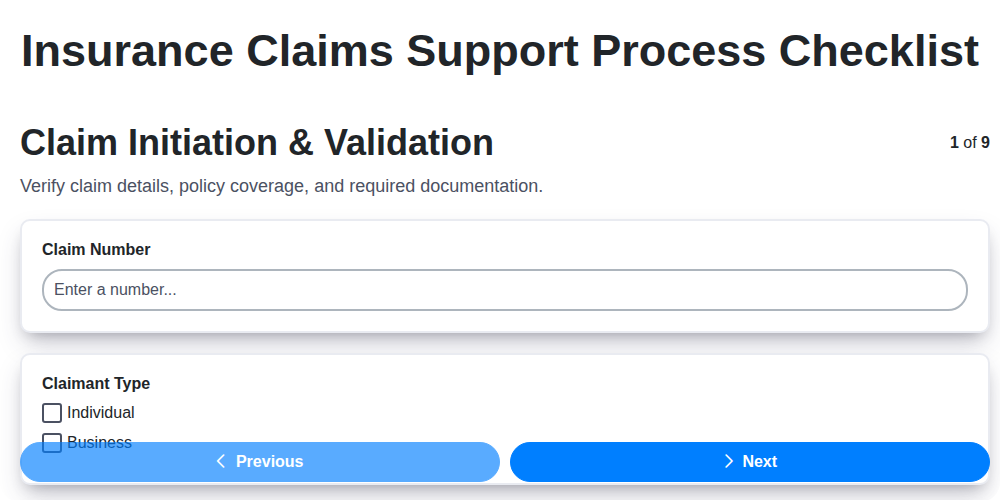
Streamline Claims: Your Insurance Claims Support Process Checklist Template
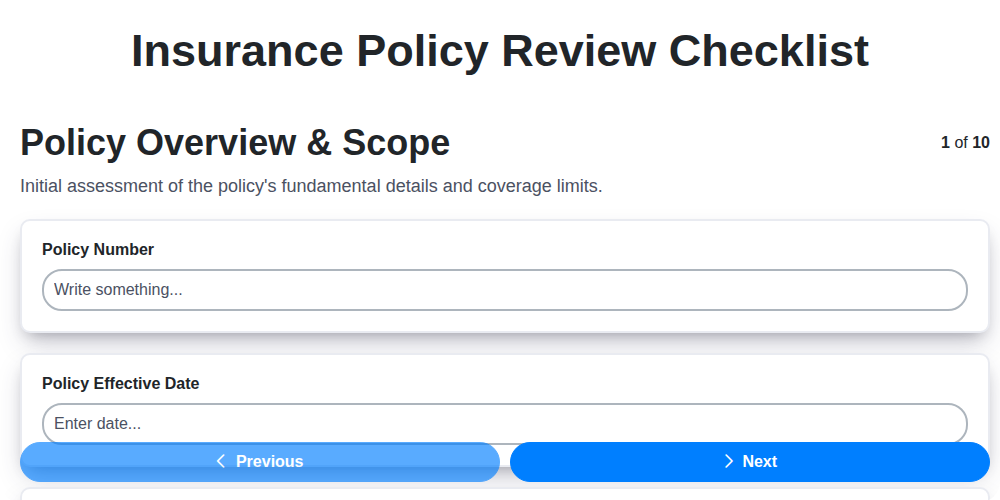
Your Insurance Policy Review Checklist: A Step-by-Step Guide
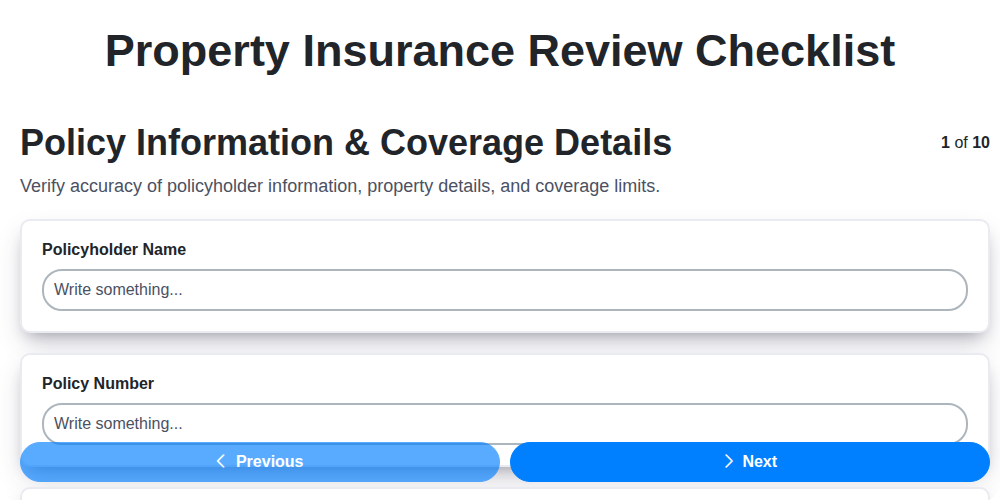
Your Property Insurance Review Checklist: A Step-by-Step Guide
Your Title Search & Insurance Checklist Template
Simplify Insurance Verification: Your Free Dental Checklist Template
Crop Insurance Policy Review Checklist: A Farmer's Guide

The Ultimate Vehicle Registration & Insurance Validation Checklist
Mastering the Policyholder Journey: Your Insurance Experience Survey Checklist
Need help with
Insurance?
Have a question? We're here to help. Please submit your inquiry, and we'll respond promptly.