Lot Traceability Management Workflow: A Step-by-Step Guide
Published: 03/30/2026 Updated: 03/31/2026
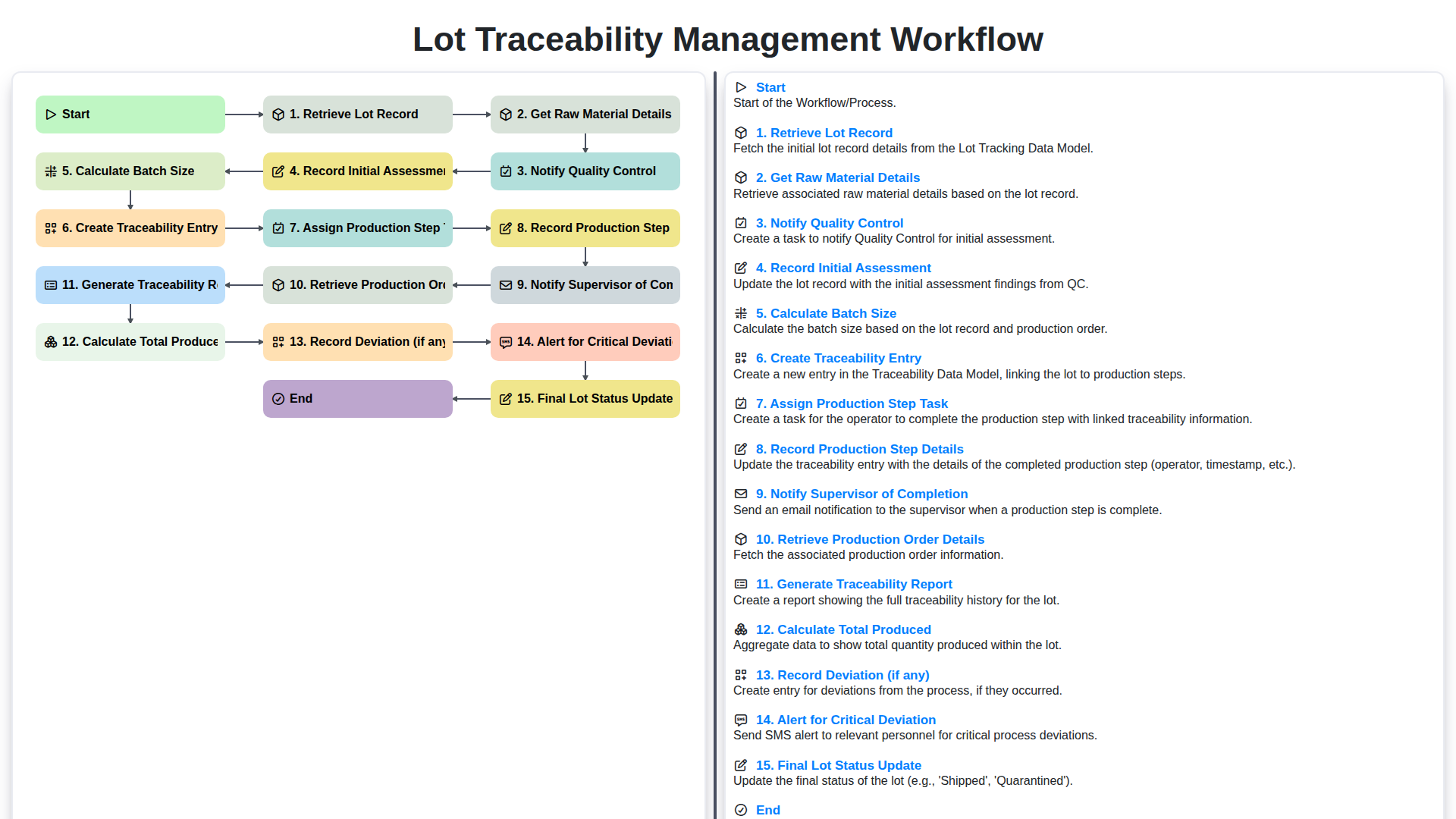
Table of Contents
- Introduction: Why Lot Traceability Matters
- 1. Retrieving the Lot Record: Starting the Trace
- 2. Understanding Raw Material Origins: Getting Raw Material Details
- 3. Quality Assurance Begins: Notifying Quality Control
- 4. Initial Assessment & Documentation
- 5. Batch Size Calculation: Optimizing Production
- 6. Creating the Traceability Entry: Establishing the Link
- 7. Task Assignment: Production Step Initiation
- 8. Detailed Production Step Recording
- 9. Supervisor Notification: Ensuring Oversight
- 10. Production Order Context: Retrieving Production Order Details
- 11. Traceability Report Generation: Monitoring Progress
- 12. Calculating Total Produced: Tracking Output
- 13. Deviation Handling: Recording and Addressing Issues
- 14. Final Lot Status & Critical Alerts
- Resources & Links
TLDR: This workflow guides you through every step of managing lot traceability, from retrieving records and raw material details to producing, tracking, and reporting on batches. It includes quality control checks, deviation recording, and final lot status updates, ensuring complete visibility and accountability throughout the production process.
Introduction: Why Lot Traceability Matters
In today's increasingly regulated and consumer-conscious world, lot traceability isn't just a "nice to have" - it's a necessity. From food and beverage to pharmaceuticals and manufacturing, the ability to track a product's journey from raw materials to the end consumer is paramount. A robust lot traceability system provides a clear audit trail, allowing businesses to quickly identify the source of issues, react swiftly to recalls, and build trust with customers. Beyond compliance with industry standards like FSMA and EU regulations, effective lot traceability provides valuable insights into production processes, helping to optimize efficiency, reduce waste, and improve product quality. It's about having confidence in your products, protecting your brand reputation, and ensuring consumer safety.
1. Retrieving the Lot Record: Starting the Trace
The journey of lot traceability begins with a simple, yet crucial, first step: retrieving the initial lot record. This record acts as the foundation for everything that follows, containing vital information that will be referenced throughout the entire production process.
Typically, this involves accessing a centralized database or system - often an ERP (Enterprise Resource Planning) or specialized Lot Traceability Software. The system will require a unique identifier, such as a lot number or barcode, to pinpoint the specific lot in question. Once retrieved, this initial record will contain details like the lot size, date of creation, intended use, and initial quality parameters. This information sets the stage for subsequent steps, allowing personnel to understand the scope and requirements of the traceability process. Without a clear and accessible lot record, the entire traceability chain is compromised.
2. Understanding Raw Material Origins: Getting Raw Material Details
Traceability isn't just about tracking the finished lot; it begins at the very beginning - with the raw materials. This step, Get Raw Material Details, is crucial for establishing a complete and accurate chain of custody. We need to know exactly where each raw material came from, including supplier information, lot numbers, certifications, and any relevant testing results.
This process typically involves querying our supplier database and linking those records directly to the incoming raw materials. This connection allows us to quickly and easily identify the source of any issues that may arise later in the production process. For example, if a finished lot is flagged for quality concerns, we can instantly trace back to the specific raw material lots used and pinpoint potential contamination or inconsistencies at their origin.
Beyond basic supplier information, we capture vital details like:
- Supplier Name & Contact Information: For verification and follow-up.
- Supplier Lot Number: A critical identifier for the raw material.
- Certificate of Analysis (CoA): Provides testing results and confirms compliance with specifications.
- Date of Receipt: Establishes the timeline of the raw material's journey.
- Quantity Received: Tracks inventory and links it to the production lot.
This detailed information isn't just about compliance; it's about building confidence and transparency in our product quality.
3. Quality Assurance Begins: Notifying Quality Control
Once the initial lot record is retrieved and raw material details are verified, the next critical step is to proactively engage Quality Control (QC). This notification isn't just a formality; it's the beginning of a collaborative quality assurance process.
The system automatically triggers a notification to the designated QC personnel, providing them with a summary of the lot's details: lot number, raw materials used, and relevant production order information. This allows QC to begin reviewing the potential risks and prepare for a thorough assessment.
This early engagement allows for:
- Proactive Assessment: QC can review documentation and plan for necessary testing or inspections.
- Early Issue Detection: Any immediate concerns regarding raw materials or initial conditions can be flagged promptly.
- Clear Communication: Establishes a clear communication channel between production and quality teams from the outset.
The notification includes a direct link to the lot record within the traceability system, facilitating easy access to comprehensive information and fostering a transparent and efficient quality control process.
4. Initial Assessment & Documentation
Once the initial lot record is retrieved and raw material details are confirmed, the next critical step is a thorough initial assessment. This isn't just a cursory glance; it's a documented examination of the lot against established quality standards and specifications. This includes verifying visual characteristics, performing preliminary tests (as defined by the quality control plan), and confirming adherence to required documentation.
The results of this assessment must be meticulously recorded. This record should include:
- Date and Time of Assessment: Ensures a clear timeline.
- Assessor's Name & Role: Provides accountability.
- Lot Number: Identifies the specific lot being assessed.
- Observations: Detailed notes on any visual discrepancies, unusual characteristics, or potential issues.
- Test Results (if applicable): Including specific values and comparisons to acceptable ranges.
- Initial Determination: A preliminary judgment on whether the lot conforms to specifications or requires further investigation.
- Supporting Evidence: Any photographs, analytical reports, or other data used to support the assessment.
This detailed record forms the foundation for subsequent traceability and quality control decisions. It ensures a clear and defensible audit trail throughout the production process.
5. Batch Size Calculation: Optimizing Production
Calculating the batch size is a critical step that directly impacts efficiency, cost, and overall traceability. It's more than just a number - it's a strategic decision. This calculation considers several factors derived from previous steps, including the initial production order details retrieved earlier (demand, planned output) and the raw material details obtained.
Our workflow doesn't just blindly determine a batch size. It's a considered process. We analyze available raw material quantities, considering their quality and lot traceability information already gathered. We factor in machine capacity and the time required for each production step. This allows us to identify the most efficient batch size, minimizing waste and maximizing throughput without compromising quality.
The ideal batch size isn't always the largest possible. Smaller batches can offer increased flexibility for responding to changing customer demands and allow for more frequent quality checks throughout the process, bolstering traceability. Conversely, larger batches can offer economies of scale. The system dynamically balances these competing factors, considering factors like setup times and potential for rework. The result is a calculated batch size that's optimized for the specific production order and material characteristics, ensuring a well-managed and traceable production run.
6. Creating the Traceability Entry: Establishing the Link
Once the production step details are gathered and verified, the crucial step of creating the traceability entry comes into play. This isn't just about adding data; it's about forging a definitive link between the lot, the raw materials used, the production steps completed, and the personnel involved.
The traceability entry should contain several key pieces of information:
- Lot Number: The primary identifier for the batch being tracked.
- Production Step: The specific production stage the entry relates to (e.g., Mixing, Forming, Packaging).
- Raw Material Used (and Quantity): Directly references the raw material details previously retrieved, ensuring accountability and linking usage to source.
- Operator ID: Records who performed the production step.
- Machine ID (if applicable): If a machine was used, its identification is recorded.
- Timestamp: The precise time the production step was completed.
- Any relevant observations: A field for brief notes or observations made during the step, which can be crucial for investigations later on.
This entry is then stored within the traceability system, creating an immutable record of the lot's journey through production. The system should automatically link this entry to previous and subsequent entries, building a chronological chain of events for the lot's lifecycle. This ensures a complete and easily navigable audit trail.
7. Task Assignment: Production Step Initiation
Once the traceability entry is created and the initial assessment is complete, it's time to formally initiate the production process. This step, "Task Assignment: Production Step Initiation," is critical for ensuring accountability and maintaining a clear audit trail.
A production step task is automatically assigned to the designated operator or team responsible for the specific task outlined within the production order. This assignment should include all relevant details like the lot number, specific production step instructions, quality requirements, and any initial observations from the quality control assessment.
The system should provide clear visibility for the assigned operator, confirming receipt of the task and providing access to all necessary information. This proactive assignment reduces ambiguity, minimizes errors, and allows for immediate tracking of progress against the overall production schedule. Furthermore, automated task assignment ensures that no steps are missed and that responsibility is clearly defined throughout the production process.
8. Detailed Production Step Recording
This stage focuses on meticulous documentation throughout the production process for a specific lot. It's far more than just a simple checkbox; it's about capturing the nuances of each step to ensure full traceability and facilitate future analysis.
Here's what's captured during this phase:
- Operator Identification: Clearly record the operator responsible for each production step. This accountability is vital for investigations and training.
- Start and End Times: Accurate timestamps for the beginning and completion of each step. This helps analyze process efficiency and potential bottlenecks.
- Equipment Used: Specify the equipment utilized (e.g., machine ID, tool number). This is crucial for correlating issues with specific equipment and scheduling maintenance.
- Process Parameters: Record critical process parameters (e.g., temperature, pressure, speed, dwell time). These values serve as a benchmark for consistency and identify deviations.
- Material Consumption: Track the exact quantities of materials used in the production step, linking them back to the raw material details captured earlier.
- Visual Inspection Notes: Include any observations made during visual inspections, even if they appear minor. Slight discoloration noted or Minor scratch observed - these details can be significant.
- Attachments (Photos/Videos): Allow for the attachment of photographic or video evidence to provide a visual record of the step. This is particularly valuable for complex processes or when issues arise.
- Deviation Recording (Embedded): A direct link to the 'Record Deviation' step. If any abnormalities are observed during the production step, the operator can immediately flag it and initiate the deviation recording process.
The goal is to create a comprehensive digital footprint for each production step, facilitating quick identification of root causes if quality issues arise and reinforcing a culture of accountability and continuous improvement.
9. Supervisor Notification: Ensuring Oversight
Once a production step is successfully completed, the system automatically notifies the designated supervisor. This notification isn't just a simple alert; it includes a summary of the recorded production step details, linking directly to the lot record and relevant traceability entries. This allows supervisors to quickly and efficiently review the work performed and confirm adherence to established procedures. The notification also highlights any recorded deviations, ensuring supervisors are immediately aware of any potential issues requiring their attention. This proactive communication fosters accountability and facilitates timely intervention if necessary, contributing to overall quality assurance and production efficiency.
10. Production Order Context: Retrieving Production Order Details
Understanding the broader context of the lot's production is crucial for accurate traceability. This is where retrieving Production Order (PO) details becomes essential. The system accesses the PO record associated with the lot, pulling in vital information such as the planned start and end dates, the designated equipment, the assigned production team, the intended quantity, and any specific instructions or variations outlined for that particular order. This data provides a framework against which production progress and potential deviations can be assessed. For example, a discrepancy between the planned quantity and the actual produced quantity immediately flags a point for investigation within the traceability record. Linking the lot to the PO allows for comprehensive reporting and analysis, providing a holistic view of production performance.
11. Traceability Report Generation: Monitoring Progress
Generating a comprehensive traceability report isn't just about documenting steps; it's about actively monitoring the entire production process. These reports consolidate all the data captured throughout the workflow - from raw material details to production step records and any recorded deviations - into a single, easily accessible document.
The power of these reports lies in their ability to provide real-time visibility. Supervisors and quality managers can quickly identify potential bottlenecks, pinpoint areas of concern, and assess the overall health of a production run. Key data points included in the report typically cover:
- Lot Identification: Clear identification of the lot being tracked.
- Raw Material Usage: Detailed breakdown of raw materials utilized, including batch numbers and supplier information.
- Production Step Timeline: A chronological record of each production step, noting start and end times, responsible personnel, and any relevant observations.
- Deviation Records: A consolidated view of any deviations recorded, including the nature of the deviation, corrective actions taken, and their impact.
- Quality Control Assessment: Summary of the Quality Control assessment, including any testing results and associated observations.
- Total Produced: The final quantity produced for the lot.
Regular generation and review of these reports allows for proactive intervention, continuous improvement initiatives, and strengthens the company's ability to respond swiftly to any quality-related issues, ensuring product integrity and regulatory compliance. They act as a vital record for auditing purposes and provide invaluable insights for optimizing the workflow itself.
12. Calculating Total Produced: Tracking Output
Calculating the total produced is a crucial step in your lot traceability workflow, bridging the gap between production execution and final lot disposition. This isn't just about counting finished goods; it's about reconciling what should have been produced versus what was actually produced, considering potential losses or rework.
The process typically begins with pulling the planned batch size (determined earlier in the workflow - see 'Calculate Batch Size' step) and comparing it to the actual output recorded during production. This requires accurate recording of production step details - ideally in real-time - ensuring every unit produced is accounted for.
Any discrepancies need immediate investigation. Were there material losses? Did a portion of the batch require rejection and subsequent rework? These details must be meticulously documented. The difference between the planned and actual production volume directly impacts inventory management, cost analysis, and potential quality impact assessments.
The 'Record Deviation' step, directly preceding this, is critical. Any deviation from the planned output must be properly documented and linked to this total produced calculation. This provides a clear audit trail and helps pinpoint root causes for future process improvement. Finally, this calculated total, alongside any recorded deviations, feeds into the 'Final Lot Status Update', providing a complete and verifiable production history.
13. Deviation Handling: Recording and Addressing Issues
No production process is perfect. Deviations - those unexpected events that fall outside of established procedures - are inevitable. A robust Lot Traceability Management Workflow doesn't shy away from these; it actively anticipates and effectively manages them.
When a deviation occurs during any stage of the process (from raw material receipt to final lot completion), it must be immediately recorded. This isn't about assigning blame; it's about capturing crucial information for analysis and corrective action. The system should provide a clear and intuitive interface for recording:
- Description of the Deviation: A detailed account of what happened, including when and where it occurred.
- Affected Lot Number: Linking the deviation directly to the specific lot.
- Affected Raw Material/Production Step: Identifying the specific component or process step impacted.
- Potential Impact Assessment: A preliminary evaluation of how the deviation might affect the lot's quality or safety.
- Corrective Action Taken: What steps were taken immediately to mitigate the deviation.
- Responsible Personnel: Who took the corrective action.
Crucially, if the recorded deviation is deemed critical - potentially impacting product safety, regulatory compliance, or significant quality compromise - the workflow must trigger an immediate Alert to designated personnel (e.g., Quality Assurance Manager, Production Manager). This escalation ensures rapid response and prevents potential widespread issues.
The recorded deviation becomes a permanent part of the lot's traceability history, allowing for thorough investigations, root cause analysis, and the implementation of preventative measures to minimize the likelihood of recurrence. Regular review of deviation records is vital for continuous process improvement.
14. Final Lot Status & Critical Alerts
Once all preceding steps in the workflow are completed and data has been thoroughly reviewed, the Final Lot Status is updated. This includes marking the lot as "Complete," "Rejected," or "On Hold," based on the accumulated information and any recorded deviations. The system automatically reflects this status change across all associated records and reports.
Crucially, the workflow incorporates a built-in Alert for Critical Deviations. If any deviation recorded throughout the process reaches a pre-defined threshold of severity (e.g., exceeding acceptable limits for impurity levels, significant discrepancies in batch size, or critical non-conformances), the system instantly triggers an alert. This alert is automatically routed to designated personnel (e.g., quality assurance manager, production supervisor) requiring immediate investigation and corrective action. This proactive alerting system ensures rapid response and prevents potentially serious issues from escalating. The alert includes all relevant details of the deviation, the associated lot record, and the steps taken during the workflow.
Resources & Links
- GS1: GS1 is a neutral organization that develops and maintains global standards for supply chain traceability, including barcode symbologies (like GS1-128) and serialization requirements. Crucial for understanding the technical foundations of lot traceability.
- U.S. Food and Drug Administration (FDA): The FDA's regulations and guidance documents (especially for industries like pharmaceuticals and food) are essential for understanding compliance requirements regarding lot traceability. This includes provisions of the Drug Supply Chain Security Act (DSCSA).
- International Organization for Standardization (ISO): ISO standards, particularly ISO 22000 (food safety management) and ISO 9001 (quality management), often include traceability requirements. Provides a framework for robust traceability systems.
- saegedi: saegedi offers comprehensive traceability solutions and resources, demonstrating the practical implementation of lot traceability in various industries. Offers examples of real-world systems.
- BarCode Software: Provides information and software solutions for barcode generation and data capture, which are fundamental to lot traceability systems. Useful for understanding data input methods.
- National Institute of Standards and Technology (NIST): NIST provides resources and guidance on data security and data management, relevant to maintaining the integrity and security of traceability data. Important for preventing data breaches and ensuring accuracy.
- Supply Chain Digital: Provides industry news and insights related to supply chain management, including articles and case studies on traceability implementation across diverse sectors. Offers current trends and best practices.
- LinkedIn: Searching LinkedIn for groups and discussions related to 'lot traceability,' 'supply chain traceability,' or specific industry regulations (e.g., 'DSCSA') can provide valuable peer insights and community expertise.
- Oracle: A major provider of ERP and supply chain management software, Oracle provides traceability modules. Demonstrates solutions for integrating traceability into enterprise systems.
- SAP: Similar to Oracle, SAP offers comprehensive ERP solutions with traceability capabilities. Provides another perspective on enterprise-level implementation.
Frequently Asked Questions
What is lot traceability management?
Lot traceability management is the process of tracking the history, application, or location of a specific batch (lot) of products as it moves through the entire supply chain, from raw material procurement to final delivery to the customer.
Why is a lot traceability workflow important for businesses?
A structured workflow is essential for ensuring product quality, meeting regulatory compliance requirements, enabling efficient product recalls, and improving operational transparency across the supply chain.
What are the key steps in a standard lot traceability workflow?
The standard workflow typically includes: 1) Raw material identification, 2) Incoming inspection and logging, 3) Production processing/transformation, 4) Packaging and labeling, 5) Inventory storage, and 6) Distribution and shipment tracking.
How does lot traceability assist in product recalls?
Traceability allows companies to pinpoint the exact location of affected batches, identify which customers received them, and determine the root cause of the issue, significantly reducing the scope and cost of a recall.
What technologies can be used to implement lot traceability?
Common technologies include Barcode systems, QR codes, RFID (Radio Frequency Identification), and ERP (Enterprise Resource Planning) or MES (Manufacturing Execution Systems) software to automate data collection and storage.
What is the difference between forward and backward traceability?
Backward traceability (trace-back) involves tracking a finished product back to its original raw materials and suppliers, while forward traceability (trace-out) involves tracking a specific lot forward to its destination in the distribution chain.
Comments
There are no comments yet. Be the first to add one!
Manufacturing Management Solution Demo
Stop chasing paperwork and wrestling with disconnected systems! Our solution brings clarity and control to your production process. From standard operating procedures (SOPs) and equipment maintenance to quality control and inventory tracking, we simplify every step.
Related Articles
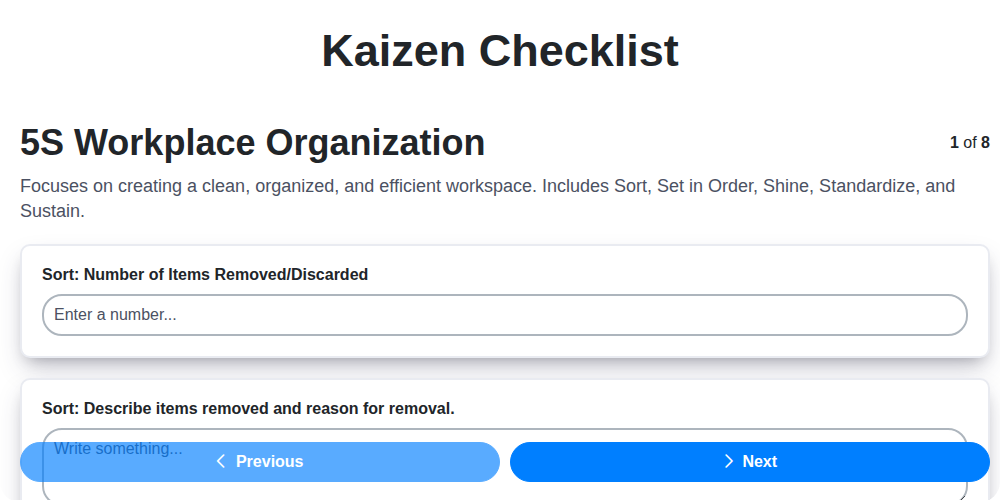
Kaizen Checklist Template: Your Path to Continuous Improvement

Machine Safety Audit Checklist: Your Guide to a Safer Manufacturing Workplace
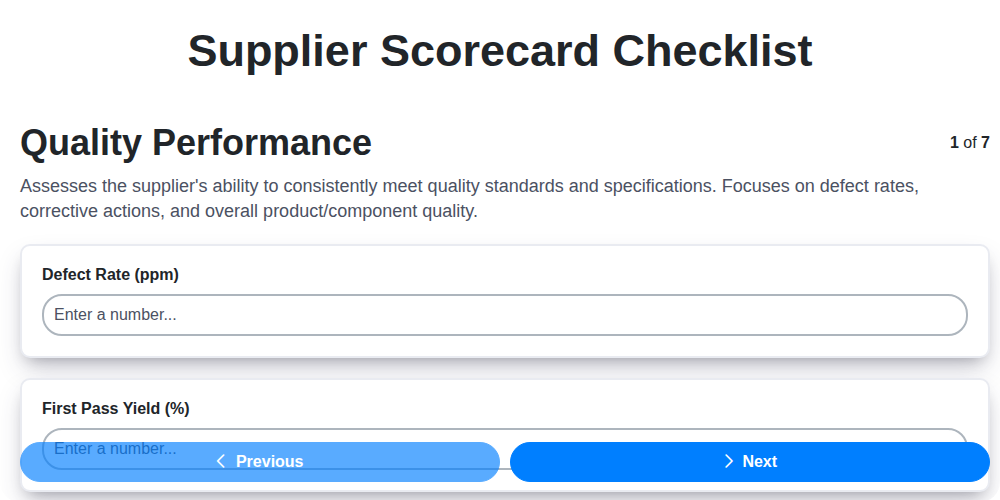
Mastering Supplier Performance: Your Free Supplier Scorecard Checklist Template
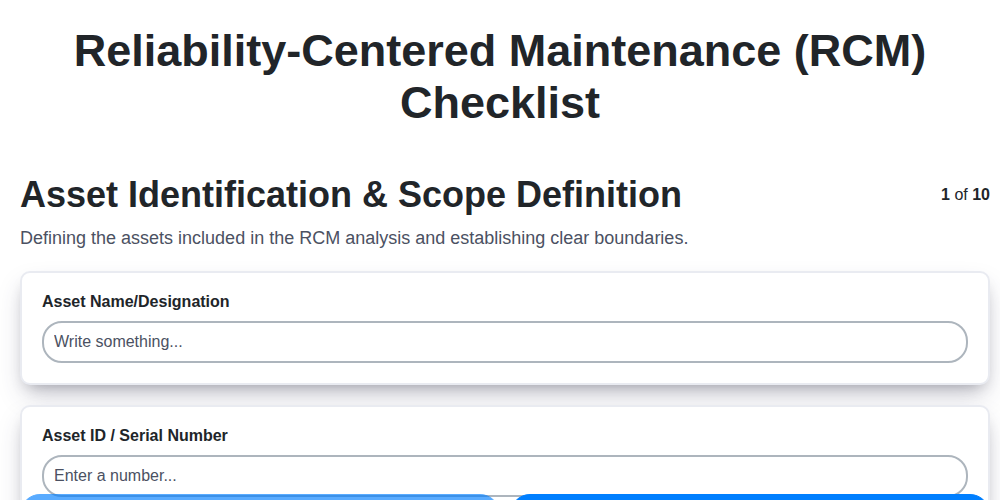
Your Ultimate RCM Checklist Template: A Step-by-Step Guide

LPA Checklist Template: Your Guide to Layered Process Audits

Your Ultimate Lockout/Tagout (LOTO) Checklist Template

Your Ultimate FSC 22000 Checklist Template
Quality Control Inspection Checklist Template: Prevent Defects & Improve Manufacturing Processes
We can do it Together
Need help with
Checklists?
Have a question? We're here to help. Please submit your inquiry, and we'll respond promptly.