Low Stock Alert and Alert Management Workflow
Published: 06/04/2026 Updated: 10/05/2026
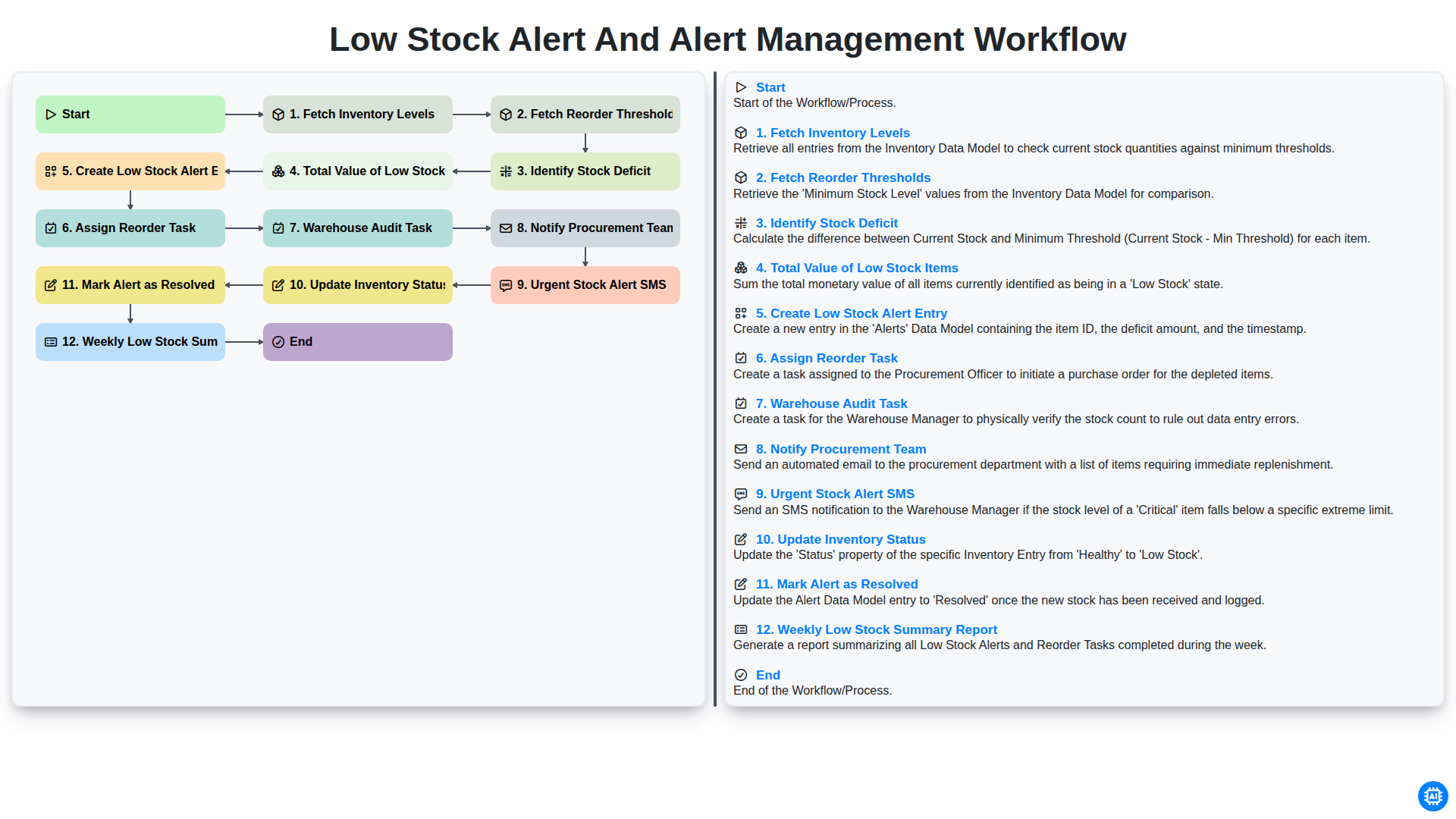
Table of Contents
- Introduction to Automated Inventory Monitoring
- Step 1: Continuous Inventory Assessment
- Step 2: Establishing Reorder Thresholds
- Step 3: Identifying Stock Deficits
- Step 4: Financial Impact Analysis: Total Value of Low Stock Items
- Step 5: Initializing the Alert System
- Step 6: Actionable Task Delegation: Reorder and Audit
- Step 7: Multi-Channel Notification Strategy
- Step 8: Managing Urgent Discrepancies via SMS
- Step 9: Real-time Inventory Status Updates
- Step 10: Closing the Loop: Resolving Alerts
- Step 11: Long-term Oversight with Weekly Summary Reporting
- Conclusion: Benefits of an Automated Alert Workflow
- Resources & Links
TLDR: This guide introduces the Low Stock Alert and Alert Management Workflow, an automated process designed to prevent stockouts by monitoring inventory levels against predefined thresholds, triggering intelligent reorder tasks, and streamlining communication between warehouse and procurement teams through real-time alerts and automated reporting.
Introduction to Automated Inventory Monitoring
In the fast-paced world of supply chain management, manual oversight is no longer a sustainable strategy. Relying on spreadsheets and periodic physical counts leaves businesses vulnerable to the out-of-stock trap, leading to missed sales opportunities and disrupted production schedules. To maintain a competitive edge, modern enterprises are transitioning toward automated inventory monitoring-a proactive approach designed to eliminate human error and ensure seamless operational continuity.
Automated monitoring goes beyond simply tracking numbers; it creates a responsive ecosystem where data flows in real-time between your warehouse and your procurement team. By integrating intelligent triggers into your workflow, you can transform your inventory management from a reactive struggle into a streamlined, predictive process. This shift allows businesses to detect discrepancies the moment they occur, ensuring that replenishment happens long before a shortage impacts your bottom line.
Step 1: Continuous Inventory Assessment
The foundation of an effective alert management system lies in its ability to proactively monitor stock levels before a shortage occurs. The process begins with a continuous, automated cycle of Fetching Inventory Levels and Fetching Reorder Thresholds. By integrating real-time data from your warehouse management system, the workflow pulls current quantities for every SKU and compares them against pre-defined minimum safety levels.
Once these two data points are synchronized, the system moves to Identify Stock Deficit, a critical step where any item falling below its designated threshold is flagged. This isn't just about counting units; the system also calculates the Total Value of Low Stock Items, providing management with immediate insight into the potential capital tied up in replenishment. This automated assessment ensures that your team is never reacting to a crisis, but rather managing a controlled, data-driven replenishment cycle.
Step 2: Establishing Reorder Thresholds
Once the system has successfully fetched current inventory levels, the next critical step is defining the Reorder Thresholds. A threshold is the predetermined minimum quantity of a specific item that, when reached, triggers the replenishment process.
Establishing these thresholds is not a one size fits all task; it requires a strategic look at lead times, demand volatility, and safety stock requirements. If a threshold is set too high, you risk bloating your capital in excess inventory and increasing storage costs. Conversely, if it is set too low, you face the risk of stockouts and missed sales opportunities.
To create an effective threshold, the workflow analyzes historical sales velocity and the time it takes for a supplier to deliver new stock. By precisely calculating these danger zones for every SKU, the system can move from reactive firefighting to proactive management, ensuring that the subsequent identification of stock deficits is both accurate and actionable.
Step 3: Identifying Stock Deficits
Once the system has retrieved the current inventory levels and the predefined reorder thresholds, the engine performs a real-time comparison between the two datasets. This is the critical decision-making stage of the workflow. The system scans every SKU to identify any instance where the Current Stock Level < Reorder Threshold.
By isolating these specific discrepancies, the workflow filters out healthy inventory and focuses exclusively on items at risk of stockouts. This precise identification prevents alert fatigue by ensuring that the procurement team is only notified about items that truly require intervention, rather than being overwhelmed by unnecessary data. This step transforms raw inventory numbers into actionable intelligence.
Step 4: Financial Impact Analysis: Total Value of Low Stock Items
Once the system identifies the specific items falling below their reorder thresholds, the next critical step is to calculate the Total Value of Low Stock Items. This stage moves the workflow from a simple inventory count to a strategic financial assessment.
By aggregating the unit cost of every item identified in the deficit list, the system provides an immediate snapshot of the capital tied up in replenishment needs. This metric is vital for two main reasons:
- Budgetary Planning: It allows the procurement department to understand the immediate cash outflow required to restore optimal stock levels, preventing budget shock when replenishment orders are placed.
- Prioritization: Not all low-stock alerts are created equal. A deficit in low-cost consumables might be manageable, but a deficit in high-value components represents a significant financial risk.
By quantifying the total value of the stock deficit, management can transition from reactive firefighting to informed, data-driven decision-making, ensuring that liquid capital is allocated effectively across the supply chain.
Step 5: Initializing the Alert System
Once the system has successfully identified the stock deficit and calculated the total financial impact of the undervalued inventory, the focus shifts from data analysis to action. This stage is where the workflow transitions from a passive monitoring state to an active management state.
The core of this phase involves Creating a Low Stock Alert Entry within your management dashboard. This entry acts as the source of truth for the shortage, centralizing all relevant data-such as the specific SKU, the current deficit, and the calculated value-into a single, trackable ticket. By formalizing the deficit into an alert entry, you ensure that the shortage is no longer just a line item in a spreadsheet, but a documented task that requires resolution. This step is crucial for maintaining accountability and ensuring that no critical inventory gap falls through the cracks.
Step 6: Actionable Task Delegation: Reorder and Audit
Once the system identifies a stock deficit, the workflow moves from mere observation to active intervention. This stage is critical because an alert is only as valuable as the action it triggers. To ensure the inventory gap is bridged efficiently, the system automatically triggers two distinct, parallel workstreams:
- Assign Reorder Task: The system instantly generates a formal reorder task for the procurement department. This task includes the specific items identified, the current deficit amount, and the required quantity needed to return to safe stock levels. By automating this, you eliminate the lag time between discovering a shortage and initiating a purchase order.
- Warehouse Audit Task: To prevent discrepancies between digital records and physical reality, a warehouse audit task is simultaneously assigned to the floor team. This step serves as a verification layer, ensuring that the low stock status isn't simply the result of a scanning error or misplaced pallet, but a genuine need for replenishment.
By coupling replenishment with verification, the workflow creates a self-correcting loop that maintains high data integrity within your ERP or inventory management system.
Step 7: Multi-Channel Notification Strategy
Once the system identifies a critical stock deficit, the workflow transitions from data processing to active communication. Effective alert management relies on a multi-channel notification strategy to ensure that information reaches the right stakeholders instantly, regardless of their current activity.
The workflow triggers two distinct levels of communication:
- Email Notifications for the Procurement Team: For standard low-stock occurrences, an automated email is dispatched to the procurement department. This email contains a detailed breakdown of the items affected, the current deficit, and the projected impact on inventory levels. This allows the team to integrate the alert into their existing purchasing cycles and review the Total Value of Low Stock Items during their routine operations.
- Urgent SMS Alerts for Critical Shortages: For high-priority items-those where the stock level has fallen below a critical emergency threshold-the system bypasses standard email queues and triggers an Urgent Stock Alert SMS. This immediate, high-visibility notification ensures that warehouse managers and decision-makers are alerted to potential stockouts in real-time, enabling them to take preemptive action even when away from their workstations.
By leveraging both asynchronous (email) and synchronous (SMS) communication channels, the workflow ensures that routine replenishment stays on track while critical shortages receive the immediate attention required to prevent supply chain disruptions.
Step 8: Managing Urgent Discrepancies via SMS
When critical inventory levels drop below an emergency threshold, standard email notifications may not be sufficient to prevent a complete stockout. To mitigate the risk of operational downtime, the workflow includes an Urgent Stock Alert SMS trigger.
This high-priority automated step is designed for red-zone scenarios-instances where the stock deficit is so severe that it threatens immediate production or fulfillment capabilities. By bypassing the traditional inbox and sending a direct text message to key stakeholders, the system ensures that the procurement team and warehouse managers are alerted instantly, regardless of whether they are at their desks. This real-time communication layer minimizes response latency, allowing for immediate manual intervention and expedited replenishment orders to bridge the gap before a stockout occurs.
Step 9: Real-time Inventory Status Updates
Once the alert has been triggered and the necessary tasks have been dispatched, the workflow moves into the critical phase of updating the inventory status. This step ensures that the digital record reflects the current reality of the warehouse floor.
Automating this update prevents the phantom stock phenomenon, where procurement or sales teams believe items are available when they are actually below safety levels. By automatically updating the status of affected SKUs to Low Stock or Reorder Pending, the system provides a single source of truth for all stakeholders. This real-time synchronization ensures that no one makes decisions based on outdated data, effectively closing the loop between identifying a deficit and initiating a replenishment cycle.
Step 10: Closing the Loop: Resolving Alerts
An efficient workflow doesn't end once the procurement team is notified; it ends when the inventory equilibrium is restored. The final stage of the process focuses on accountability and data integrity through two critical actions: Updating Inventory Status and Marking Alerts as Resolved.
Once the replenishment orders have been processed and the new stock has physically arrived and been scanned into the system, the Low Stock status must be updated in your database. This ensures that your real-time dashboard reflects the actual availability of goods, preventing phantom alerts from cluttering your management view.
After the stock levels have been adjusted, the final step is to officially mark the specific alert entry as Resolved. Closing the loop is vital for two reasons:
- Audit Trails: It provides a historical record of how long it took to respond to a deficit, allowing you to calculate your Lead Time to Replenishment.
- Operational Clarity: It clears the active task queue for your warehouse and procurement managers, ensuring they are only focusing on genuine, unresolved emergencies.
By systematically closing every alert, you transform your inventory management from a reactive firefighting mode into a streamlined, data-driven operation.
Step 11: Long-term Oversight with Weekly Summary Reporting
To ensure the workflow remains effective and doesn't just become a series of reactive firefighting moments, the final layer of the process is the Weekly Low Stock Summary Report. While the real-time alerts handle immediate crises, the weekly report provides the high-level visibility necessary for strategic decision-making.
This automated summary aggregates all the data collected throughout the week, highlighting patterns that single alerts might miss. Instead of looking at isolated incidents, management can identify recurring stockouts, analyze which items frequently hit their reorder thresholds, and evaluate the performance of the procurement and warehouse teams. By reviewing this macro-level view, businesses can move from a reactive stance to a proactive one-adjusting safety stock levels and refining reorder thresholds to optimize working capital and prevent future inventory gaps.
Conclusion: Benefits of an Automated Alert Workflow
Implementing an automated Low Stock Alert and Alert Management Workflow transforms inventory management from a reactive struggle into a proactive strategy. By removing the manual burden of tracking every single item, your team can shift their focus from detecting problems to solving them.
The primary advantage of this streamlined process is the elimination of human error and the reduction of costly stockouts. When your system automatically identifies deficits, calculates the financial impact through total value assessments, and instantly notifies the procurement team via multi-channel alerts, you ensure that critical items are replenished long before they hit zero. Furthermore, the integration of audit tasks and automated weekly summaries provides a layer of accountability and visibility that manual spreadsheets simply cannot match.
Ultimately, this workflow does more than just prevent shortages; it optimizes your entire supply chain. It protects your cash flow by preventing overstocking, enhances operational efficiency by automating task assignments, and ensures that your warehouse operations remain agile, informed, and always one step ahead of demand.
Resources & Links
- Shopify Inventory Management Guide: A comprehensive guide on managing stock levels and preventing overselling in e-commerce environments.
- Oracle NetSuite Inventory Management: In-depth resources regarding automated reorder points and real-time inventory visibility.
- Zebra Technologies Warehouse Solutions: Insights into warehouse auditing processes and hardware integration for real-time stock tracking.
- Twilio Programmable SMS: Technical documentation on implementing automated SMS alerts for urgent supply chain notifications.
- Tableau Data Visualization: Tools and tutorials for creating weekly summary reports and analyzing the financial value of inventory deficits.
- Asana Workflow Automation: Best practices for task delegation and managing reorder task assignments within a team.
- McKinsey Operations Insights: Expert analysis on the strategic importance of supply chain resilience and automated monitoring.
Frequently Asked Questions
What is a Low Stock Alert?
A low stock alert is an automated notification triggered when the inventory level of a specific product falls below a predefined minimum threshold.
How does the alert management workflow function?
The workflow begins with a threshold breach, followed by the generation of an alert, which is then routed through a series of actions such as notifications to procurement teams, automated purchase order creation, and status tracking until stock is replenished.
Can I customize the low stock thresholds for different products?
Yes, the system allows you to set individual reorder points for each SKU based on its specific turnover rate and lead time.
What types of notifications are included in the alert management system?
The system supports multiple notification channels, including real-time email alerts, in-app dashboard notifications, and integration with messaging platforms like Slack or Microsoft Teams.
How can I prevent alert fatigue in my warehouse team?
You can manage alerts by configuring notification hierarchies, setting-up grouping for similar product alerts, and implementing escalation rules so only critical shortages trigger immediate high-priority notifications.
Comments
There are no comments yet. Be the first to add one!
Inventory Management Solution Demo
Optimize your inventory & boost profitability! ChecklistGuro streamlines tracking, ordering, & fulfillment. Reduce waste, minimize stockouts, & improve efficiency. Manage it all with our Work OS.
Related Articles
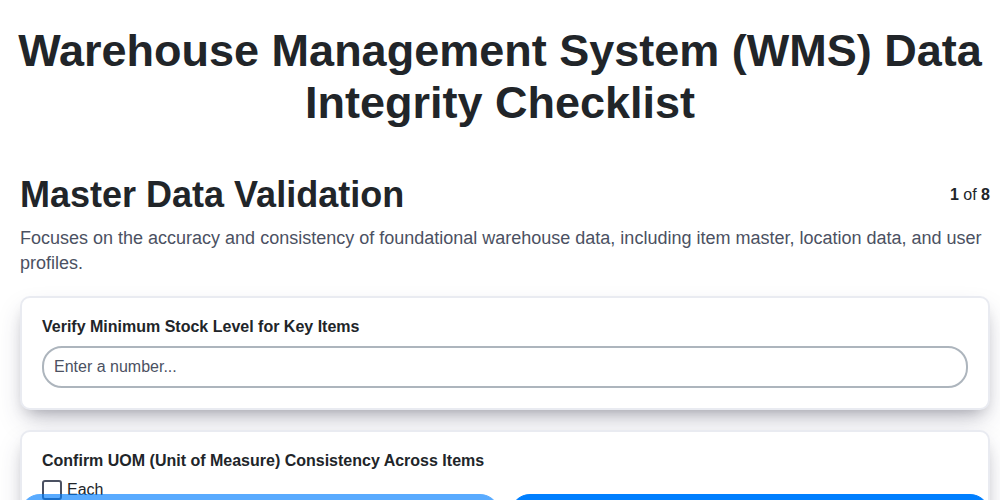
Warehouse Data Integrity: Your WMS Checklist Template

Mastering Inventory Turnover: Your Analysis Checklist Template
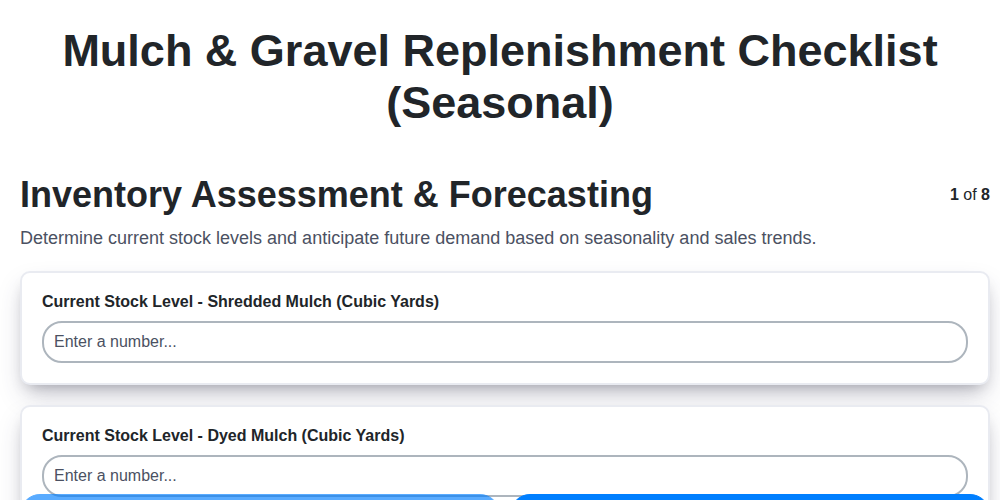
Seasonal Mulch & Gravel Checklist Template: Stay Stocked & Ready
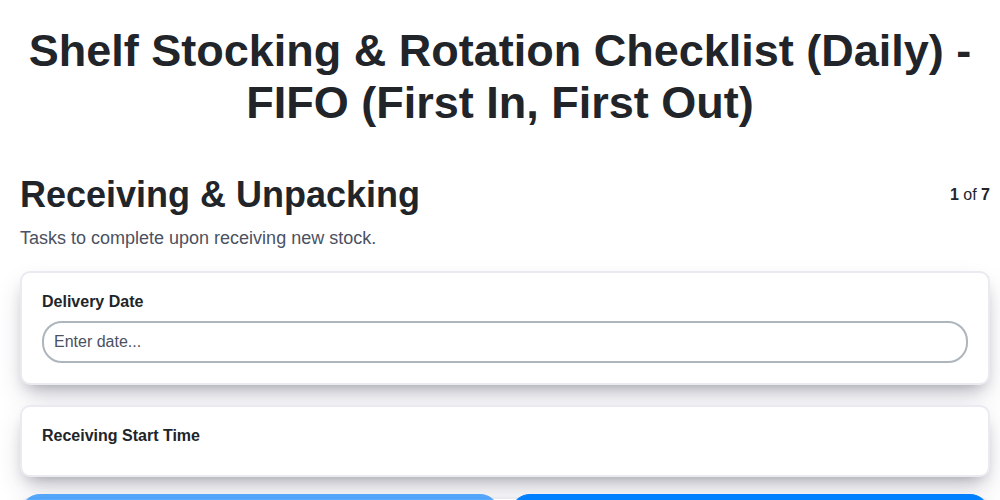
Daily Shelf Stocking & Rotation Checklist: FIFO Made Easy
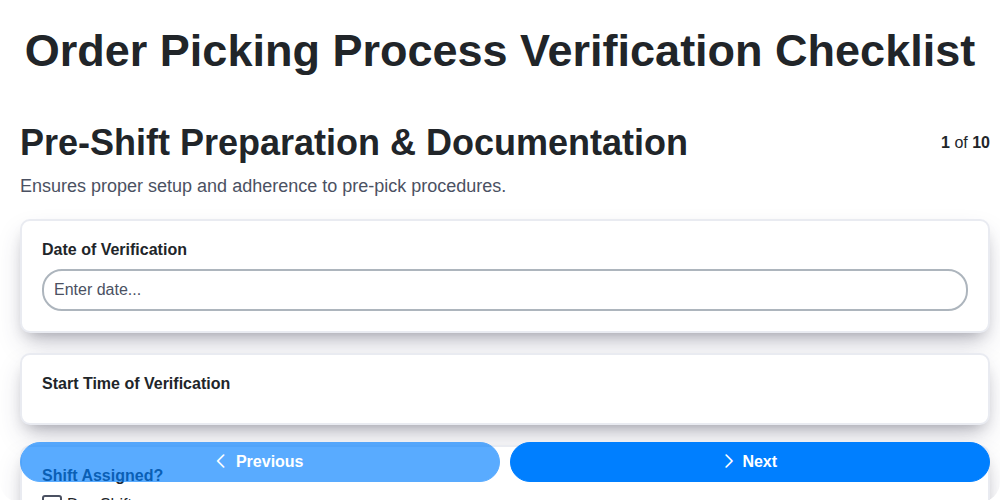
Order Picking Process Verification: Your Checklist Template
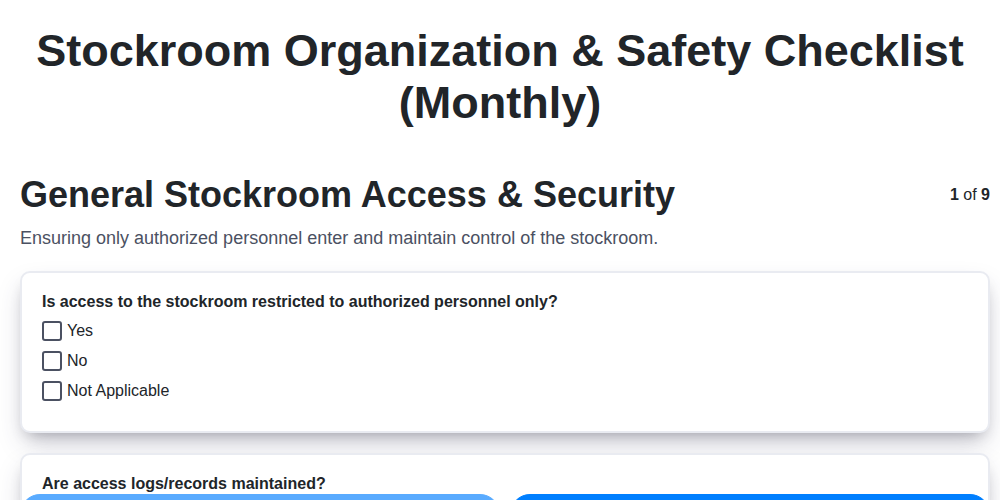
Monthly Stockroom Organization & Safety Checklist Template
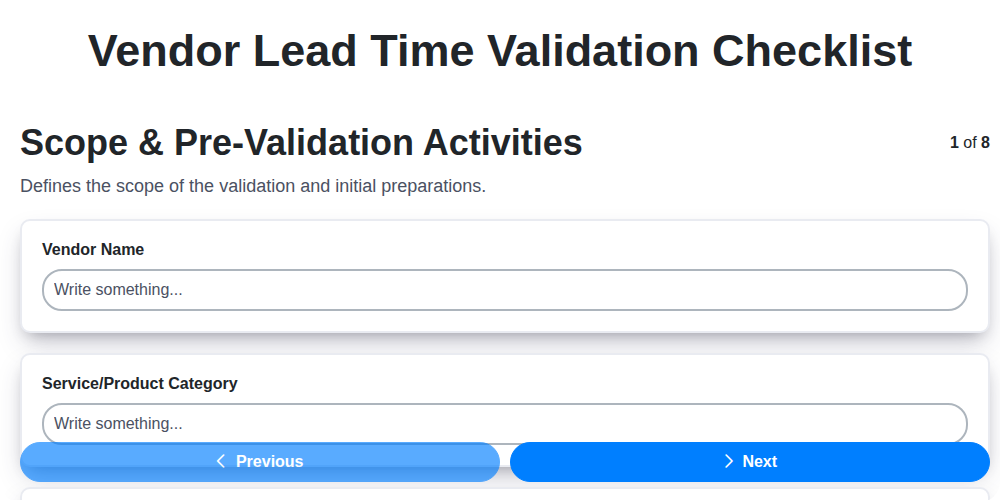
Vendor Lead Time Validation: A Checklist Template for Supply Chain Success
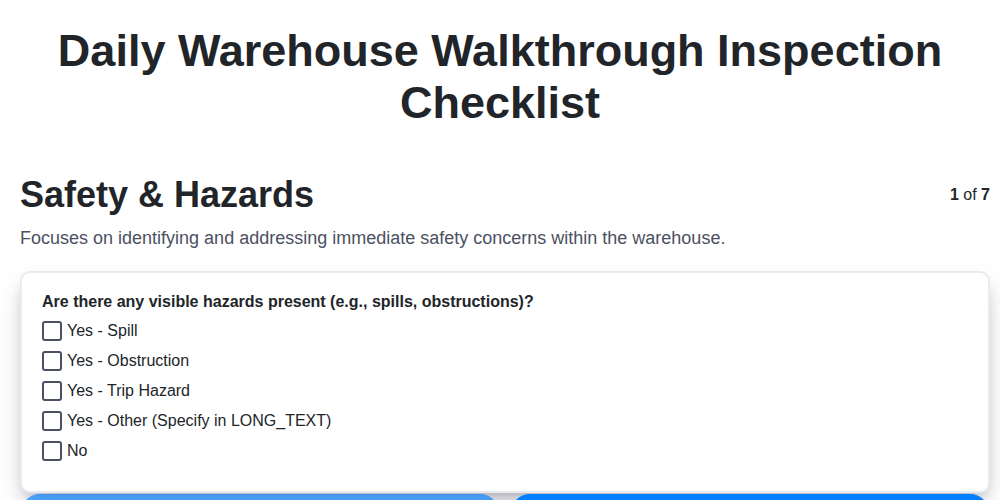
Daily Warehouse Walkthrough Inspection Checklist Template
Need help with
Checklists?
Have a question? We're here to help. Please submit your inquiry, and we'll respond promptly.