Streamlining Retention and Revenue Recovery: A Guide to the Policy Cancellation and Lapsed Workflow
Published: 06/09/2026 Updated: 10/05/2026
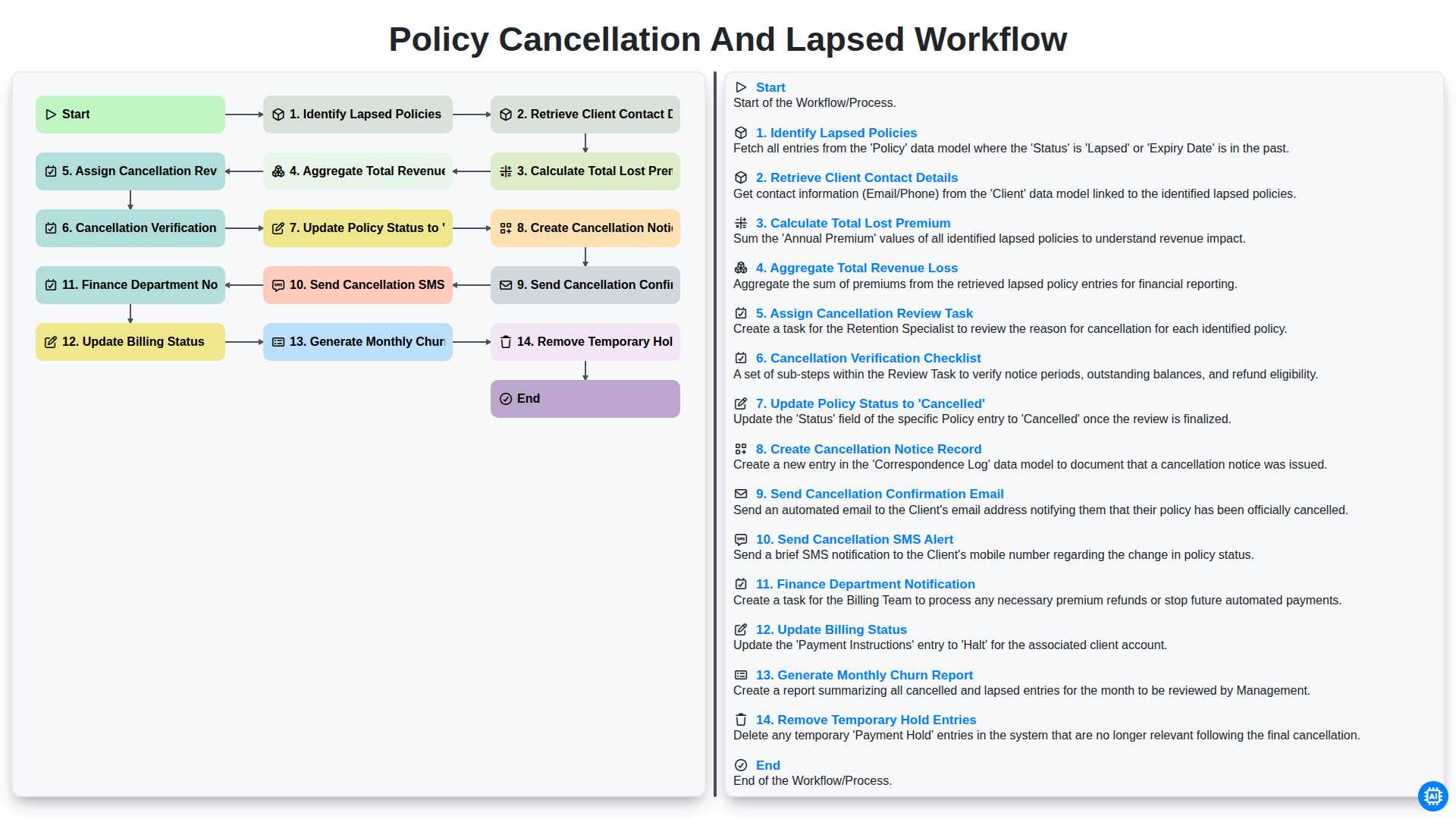
Table of Contents
- Understanding the Impact of Policy Attrition
- Phase 1: Detection and Identification
- Identifying Lapsed Policies and Assessing Exposure
- Phase 2: Data Retrieval and Financial Impact Analysis
- Retrieving Client Contact Details for Re-engagement
- Quantifying the Damage: Calculating Lost Premium and Revenue Loss
- Phase 3: The Review and Verification Process
- Assigning Cancellation Review Tasks to Stakeholders
- Implementing the Cancellation Verification Checklist
- Phase 4: Execution and System Updates
- Updating Policy Status and Creating Formal Records
- Automating Client Notifications: Email and SMS Alerts
- Phase 5: Downstream Integration and Compliance
- Coordinating with Finance and Updating Billing Status
- Closing the Loop: Reporting and Data Integrity
- Resources & Links
TLDR: Learn how to automate your retention efforts and mitigate revenue leakage with our Policy Cancellation and Lapsed Workflow. This guide explores how to systematically identify lapsed policies, automate client notifications, and streamline cross-departmental communication to ensure accurate billing updates and comprehensive churn reporting.
Understanding the Impact of Policy Attrition
Policy attrition is more than just a metric on a spreadsheet; it represents a direct erosion of a company's market share and long-term stability. When policies lapse or are cancelled, the impact radiates far beyond the immediate loss of a single premium payment. It triggers a domino effect that destabilizes predictable cash flow, increases the customer acquisition cost (CAC) as the firm struggles to replace departing clients, and diminishes the overall lifetime value (LTV) of the existing portfolio.
Beyond the immediate financial sting, high attrition rates signal underlying operational friction or competitive vulnerabilities. Each cancellation serves as a critical data point, often highlighting gaps in service delivery, pricing misalignment, or ineffective engagement strategies. If left unmanaged, the cumulative effect of these lost premiums can undermine the scalability of the business, making it increasingly difficult to reinvest in innovation and growth. Therefore, understanding the magnitude of this impact is the first step toward implementing a robust workflow designed to mitigate churn and preserve the integrity of the policyholder base.
Phase 1: Detection and Identification
The initial stage of the cancellation and lapse management process is critical for maintaining data integrity and ensuring no revenue leakage goes unnoticed. This phase begins with the systematic Identification of Lapsed Policies, where the system scans for expired coverage or missed payment deadlines. Once these discrepancies are flagged, the workflow moves immediately into Retrieving Client Contact Details, ensuring that the account information is current and that the communication bridge remains intact. To quantify the impact on the business, the system then performs a dual-layer financial audit: it first Calculates the Total Lost Premium per individual policy and subsequently Aggregates the Total Revenue Loss across the entire identified segment. This provides leadership with real-time visibility into the scale of the churn, transforming raw data into actionable financial intelligence.
Identifying Lapsed Policies and Assessing Exposure
The first critical stage of the cancellation workflow begins with proactive detection and impact assessment. The process initiates with Identifying Lapsed Policies, where the system scans the database for accounts that have failed to meet renewal deadlines or have missed consecutive payment cycles. Once these high-risk policies are flagged, the workflow moves into the data enrichment phase: Retrieving Client Contact Details. This ensures that all relevant communication channels-email, phone, and SMS-are ready for the subsequent notification steps.
Beyond simple identification, it is vital to understand the financial implications of these lapses. The workflow automatically moves to Calculate Total Lost Premium and Aggregate Total Revenue Loss, providing leadership with a real-time view of the fiscal impact. By quantifying the exact dollar amount at risk, the organization can transition from a reactive stance to a strategic one, allowing for a data-driven approach to churn management and resource allocation.
Phase 2: Data Retrieval and Financial Impact Analysis
Once the initial identification of lapsed policies is complete, the workflow transitions into a critical analytical phase focused on quantifying the impact of these cancellations. This stage is not merely about listing inactive accounts; it is about understanding the scale of the loss and ensuring the integrity of the client database.
The process begins by retrieving client contact details to ensure that all downstream communication steps-such as automated notices and alerts-are directed to the correct recipients. Simultaneously, the system performs a deep dive into the financial implications of the lapsed period. This involves calculating the total lost premium for each individual policy and aggregating the total revenue loss across the entire portfolio. This high-level financial summary is vital for stakeholders to assess the immediate impact on the company's bottom line. By combining precise data retrieval with rigorous financial aggregation, the organization can transform raw cancellation data into actionable business intelligence.
Retrieving Client Contact Details for Re-engagement
Once a lapsed policy has been identified, the next critical step in the workflow is to Retrieve Client Contact Details. Effective communication is the only way to bridge the gap between a loss in revenue and a successful retention effort.
To initiate a re-engagement campaign, the system must pull accurate, up-to-date information from the central database, including primary email addresses, phone numbers, and preferred communication channels. This step ensures that the outreach process is not hindered by outdated data or bounced communications. By automating the retrieval of these details, the workflow eliminates manual searching, allowing the retention team to move immediately from identification to action. Precision at this stage is vital; even a single error in a contact record can result in a missed opportunity to offer a policy reinstatement or a new coverage solution.
Quantifying the Damage: Calculating Lost Premium and Revenue Loss
When a policy lapses, the impact extends far beyond a single missed payment; it represents a direct erosion of the company's bottom line. To manage this effectively, the workflow moves from identification to a critical phase of financial assessment. The process begins by calculating the total lost premium-the immediate value of the specific policies that have failed to renew. However, looking at individual premiums only tells half the story.
To understand the true impact on organizational growth, the workflow includes a step to aggregate total revenue loss. This step allows stakeholders to see the cumulative effect of churn across various segments, providing a macro-view of how cancellations are trending. By quantifying these losses, management can distinguish between isolated incidents and systemic issues, turning raw data into actionable intelligence for retention strategies.
Phase 3: The Review and Verification Process
Once the initial identification of lapsed policies is complete, the workflow transitions into a critical period of scrutiny and validation. This phase is designed to ensure that no policy is terminated due to administrative error and that all necessary documentation is in order before the final cancellation is executed.
The process begins with the assignment of a Cancellation Review Task to the appropriate account manager or specialist. This individual is responsible for navigating the Cancellation Verification Checklist, a rigorous set of steps used to cross-reference payment history, communication logs, and any pending grace period extensions. This step acts as a final safeguard to prevent the accidental loss of recoverable revenue.
Once the review confirms that the cancellation is valid and no further action can save the account, the system moves into the execution stage. The policy status is officially updated to 'Cancelled', and the system simultaneously triggers the creation of a formal Cancellation Notice Record. This ensures a permanent, auditable trail of the decision-making process.
To maintain transparency and professional standards, the workflow then initiates a dual-channel communication strategy: the system will Send a Cancellation Confirmation Email containing all pertinent details, followed immediately by a Send Cancellation SMS Alert to ensure the client is notified through their preferred real-time channel. This multi-step verification and notification loop ensures that while the policy is ending, the company's communication remains proactive, clear, and legally compliant.
Assigning Cancellation Review Tasks to Stakeholders
Once the identification and calculation phases are complete, the workflow moves from data processing to human intervention. The Assign Cancellation Review Task step is a critical junction in the process, ensuring that policy cancellations are not merely automated deletions, but reviewed strategic decisions.
By automatically triggering a review task, the system routes the specific case to the appropriate account manager or supervisor. This ensures that before a policy is officially terminated, a stakeholder has the opportunity to investigate the root cause-whether it be a missed payment, a change in client needs, or a competitive threat. This proactive step transforms a reactive administrative task into a proactive retention opportunity, allowing team members to reach out to clients with personalized save offers before the cancellation becomes irreversible.
Implementing the Cancellation Verification Checklist
Once a cancellation review task has been assigned, the next critical phase in the workflow is the execution of the Cancellation Verification Checklist. This stage serves as the ultimate quality control gate, ensuring that no policy is terminated due to administrative error or oversight.
The checklist is designed to audit the accuracy of the cancellation request before any permanent changes are made to the database. During this step, the reviewer must verify that all necessary prerequisites for cancellation have been met, such as confirming that all mandatory notice periods have been honored and that no pending disputes are active on the account.
By systematically checking each requirement-ranging from verifying the accuracy of the identified lapsed policy data to ensuring that the client's contact information is current-the team can prevent accidental churn. This rigorous verification process protects the company from potential legal complications and maintains high levels of customer trust, ensuring that the transition from an active to a 'Cancelled' status is both intentional and legally compliant.
Phase 4: Execution and System Updates
Once the initial audit of lapsed policies is complete, the workflow transitions into the critical execution phase. This stage is where data-driven insights are converted into actionable administrative actions. The process begins with the automated retrieval of client contact details, ensuring that the communication team has the necessary information to reach out to affected policyholders. Simultaneously, the system performs a deep dive into the financial impact by calculating the total lost premium and aggregating the total revenue loss, providing leadership with a clear picture of the impact on the bottom line.
With the financial landscape established, the workflow moves into the verification and task assignment stage. An assignment of a Cancellation Review Task is triggered for the relevant account managers, who must then work through a rigorous Cancellation Verification Checklist to ensure all contractual obligations and notice periods have been met. Once the review is finalized, the system executes the core administrative updates: it automatically updates the policy status to 'Cancelled' and creates a formal Cancellation Notice Record within the CRM to maintain a legal paper trail.
The final layer of this phase focuses on multi-channel communication and cross-departmental synchronization. To ensure transparency, the system concurrently sends a cancellation confirmation email and sends a cancellation SMS alert to the client, preventing any confusion regarding their coverage status. Internally, the Finance Department is notified automatically to trigger the next steps in the accounting cycle, which includes updating the billing status to prevent erroneous future invoicing. To maintain data integrity, the workflow concludes by removing any temporary hold entries that were previously placed on these accounts, and finally, it generates a Monthly Churn Report, providing the essential data needed to refine retention strategies for the upcoming month.
Updating Policy Status and Creating Formal Records
Once the cancellation review has been finalized and the verification checklist is complete, the workflow transitions from the investigation phase to the formal execution phase. The primary objective here is to ensure the system of record accurately reflects the new state of the policy to prevent any-unintended service provision or billing errors.
The first critical step is to Update Policy Status to 'Cancelled' within the core database. This action triggers a cascade of downstream updates, ensuring that the policy is no longer active in the operational queue. Following this status change, the system must Create a Cancellation Notice Record. This permanent audit trail serves as the single source of truth for compliance and regulatory purposes, documenting exactly when and why the policy ceased to be active.
By maintaining strict adherence to this sequence, organizations ensure that their data integrity remains intact, providing a reliable foundation for both customer service inquiries and future-year renewals.
Automating Client Notifications: Email and SMS Alerts
When a policy reaches the cancellation stage, manual communication is no longer a viable option for scaling operations. To ensure transparency and maintain professional standards, the workflow automatically triggers a dual-channel notification system: the Send Cancellation Confirmation Email and the Send Cancellation SMS Alert steps.
The automated email serves as your formal legal record, providing the client with a detailed breakdown of why the policy was cancelled, the effective date, and any final steps required to reinstate coverage if applicable. Simultaneously, the SMS alert provides an immediate, high-visibility touchpoint, ensuring the client is notified instantly on their mobile device.
By integrating these automated alerts directly into the cancellation workflow, you eliminate the risk of human error and communication delays, ensuring that clients are never left in the dark and your agency remains compliant with notification regulations.
Phase 5: Downstream Integration and Compliance
Once the cancellation process is finalized, the workflow transitions into its most critical stage: ensuring data integrity across the entire organization and maintaining regulatory compliance. This phase focuses on synchronizing the update with all interconnected departments to prevent billing errors and ensure the company's financial records remain accurate.
The final sequence of the workflow begins with the Finance Department Notification, which triggers an automated alert to the accounting team. This ensures that the Update Billing Status step is executed immediately, preventing the system from attempting to collect payments on non-existent coverage. Simultaneously, the system must Remove Temporary Hold Entries that were previously placed on the account during the review period, ensuring the ledger reflects the true state of the client's portfolio.
To maintain a high-level overview of business health, the workflow concludes by performing an Aggregate Total Revenue Loss calculation and an Update Total Lost Premium log, which ultimately feeds into the Generate Monthly Churn Report. This automated reporting is vital for stakeholders to analyze churn patterns and refine retention strategies. By integrating these downstream actions, the workflow ensures that a single cancellation triggers a complete, error-free lifecycle of administrative and financial reconciliation.
Coordinating with Finance and Updating Billing Status
Once the cancellation process is finalized, seamless communication between the operations and finance departments is critical to maintaining the integrity of your company's financial records. A breakdown in this transition can lead to inaccurate revenue forecasting and unnecessary collection efforts on non-existent accounts.
The workflow ensures that the Finance Department is automatically notified of every cancellation, preventing any manual oversight. This notification serves as the trigger for the next vital steps in the cycle: updating the billing status and removing temporary hold entries. By immediately updating the billing system, you ensure that no further invoices are generated for lapsed policies, effectively halting the outflow of administrative resources on dead accounts.
Furthermore, this integration allows for the automated generation of the Monthly Churn Report. By synchronizing the cancellation data with your financial reporting, leadership gains an accurate, real-time view of the total revenue loss and aggregated lost premiums. This automated loop transforms a simple administrative task into a powerful tool for strategic decision-making and long-term financial planning.
Closing the Loop: Reporting and Data Integrity
A seamless cancellation workflow extends far beyond the moment a policy is terminated; it is a critical component of long-term financial health and operational accuracy. The final stages of this process-Generating Monthly Churn Reports, Removing Temporary Hold Entries, and Updating Billing Status-are where data integrity is solidified.
Effective reporting ensures that the Aggregate Total Revenue Loss and Total Lost Premium are not just numbers on a page, but actionable insights used to identify patterns in customer attrition. By automating the removal of temporary holds and synchronizing billing updates, the organization prevents ghost revenue from skewing financial forecasts. This rigorous approach to closing the loop ensures that the Finance Department receives precise data, allowing for proactive strategies to mitigate future churn and maintain a clean, reliable database for strategic decision-making.
Resources & Links
- Forbes Business Insights: Expert analysis on the long-term economic impact of customer churn and revenue attrition in the insurance and service sectors.
- Gartner Research: Deep dives into workflow automation best practices and implementing systematic verification processes in enterprise operations.
- McKinsey & Company: Strategic frameworks for managing financial risk and quantifying revenue loss during periods of high policy lapse.
- Salesforce CRM Resources: Guides on automating client communication workflows, including automated email and SMS triggers for-lifecycle management.
- Investopedia: Educational resources on understanding premiums, churn rates, and the financial implications of lapsed accounts.
- Tableau Data Analytics: Tools and methodologies for generating monthly churn reports and visualizing policy status trends for executive reporting.
Frequently Asked Questions
What is the primary goal of a Policy Cancellation and Lapsed Workflow?
The primary goal is to implement a structured process that reduces churn by proactively identifying at-risk policies, automating re-engagement efforts, and recovering revenue from customers who have stopped paying premiums.
What is the difference between a 'cancellation' and a 'lapse' in this context?
A cancellation refers to the formal termination of a policy (often requested by the client or due to specific terms), while a lapse occurs when a policy becomes inactive due to non-payment of premiums.
How does this workflow help in improving revenue recovery?
The workflow improves revenue recovery by using automated triggers to notify customers of upcoming expirations or missed payments, providing them with easy pathways to settle balances before the coverage officially ends.
What are the key components of a successful retention strategy within this guide?
Key components include real-time monitoring of payment statuses, personalized communication multi-channeling (email, SMS, calls), and 'save' offers or flexible payment plan options to prevent churn.
At what stage should the re-engagement process begin?
The re-engagement process should begin before the policy actually lapses-ideally during the grace period or upon the first missed payment notification-to maximize the window for successful intervention.
How can data analytics be utilized in a lapsed workflow?
Data analytics can be used to identify patterns in customer behavior, predict which policyholders are most likely to lapse, and segment customers to tailor specific recovery messages based on their risk profile.
Comments
There are no comments yet. Be the first to add one!
Insurance Management Solution Demo
Managing policies, claims, and compliance in the insurance industry is complex. ChecklistGuro's Work OS platform streamlines your operations, from underwriting and renewals to claims processing and reporting. Improve efficiency, reduce errors, and enhance customer satisfaction. Discover how ChecklistGuro can transform your insurance business!
Related Articles
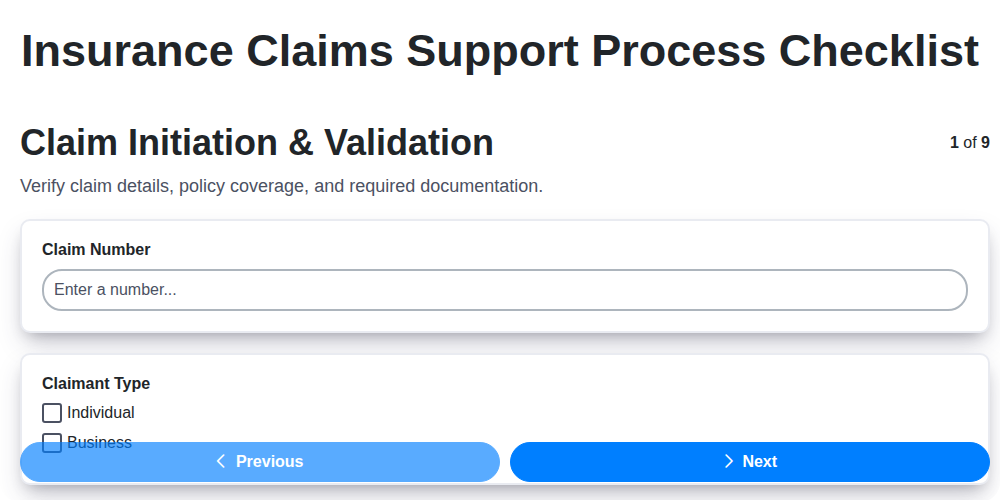
Streamline Claims: Your Insurance Claims Support Process Checklist Template
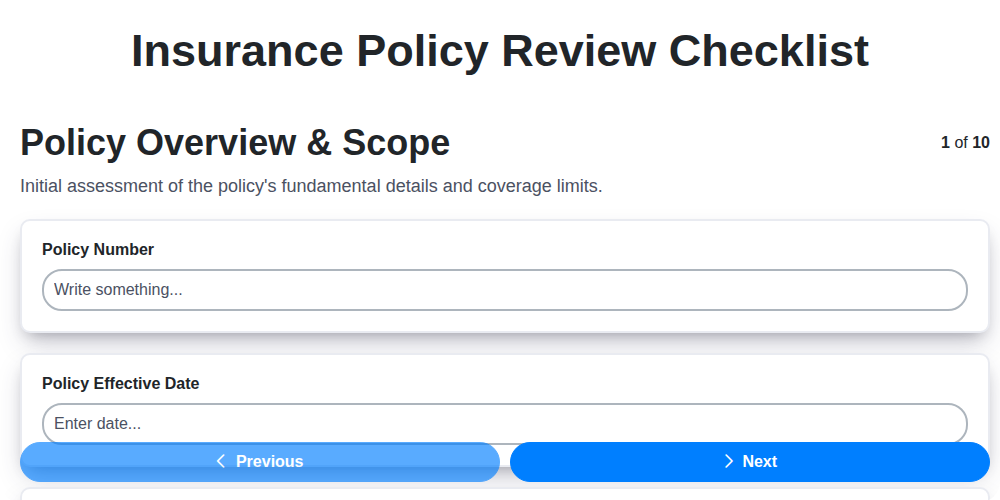
Your Insurance Policy Review Checklist: A Step-by-Step Guide
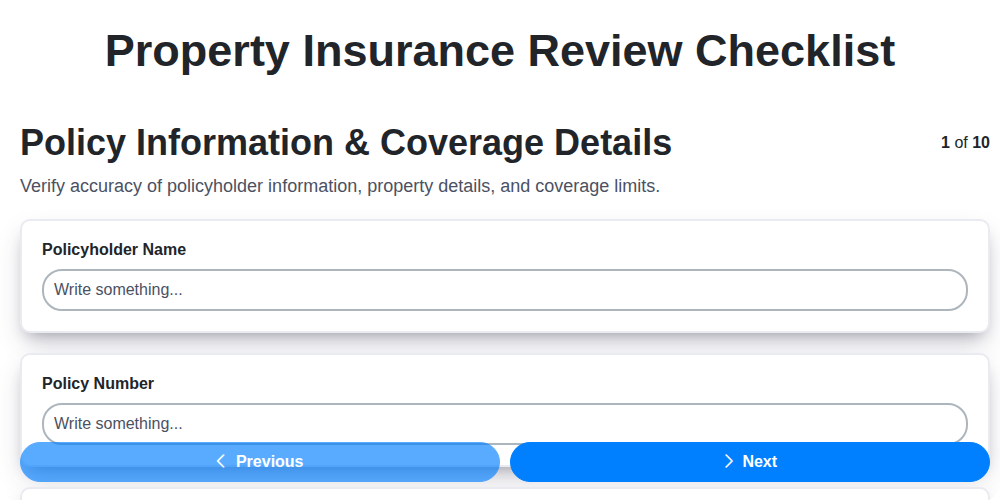
Your Property Insurance Review Checklist: A Step-by-Step Guide
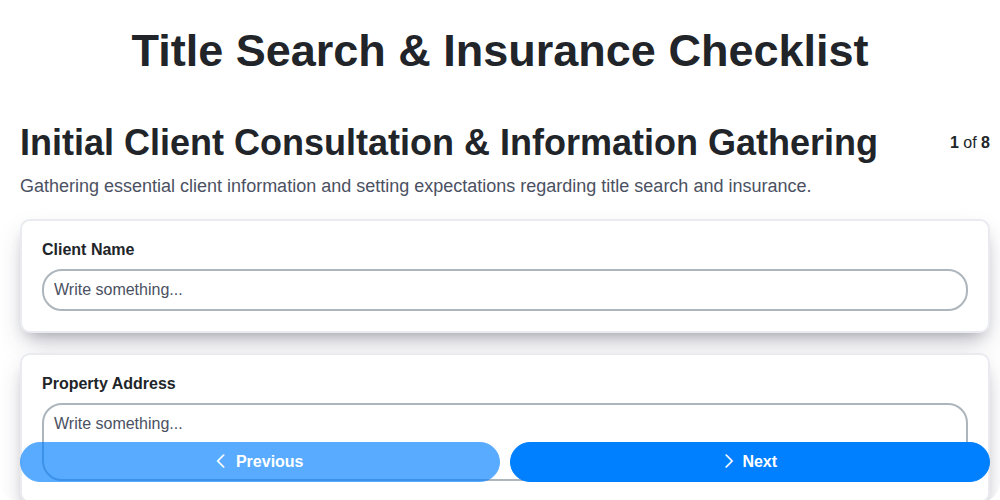
Your Title Search & Insurance Checklist Template
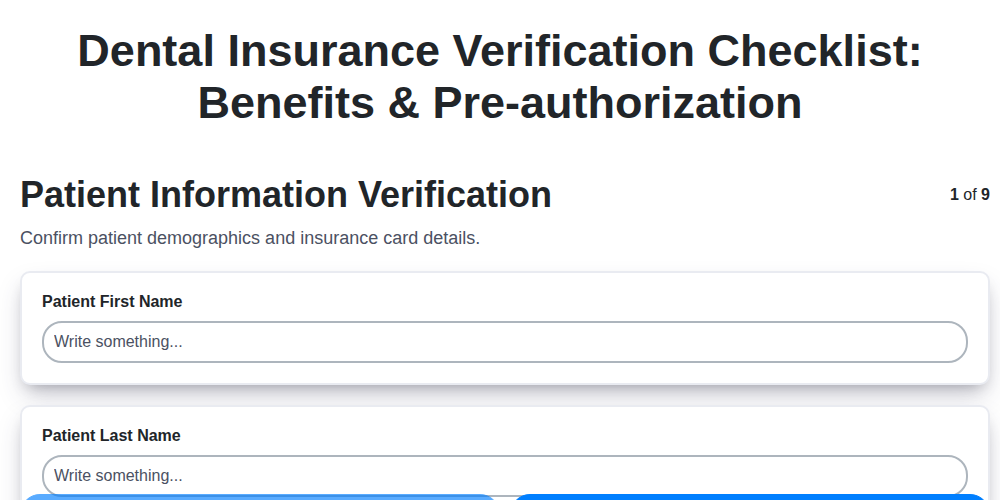
Simplify Insurance Verification: Your Free Dental Checklist Template
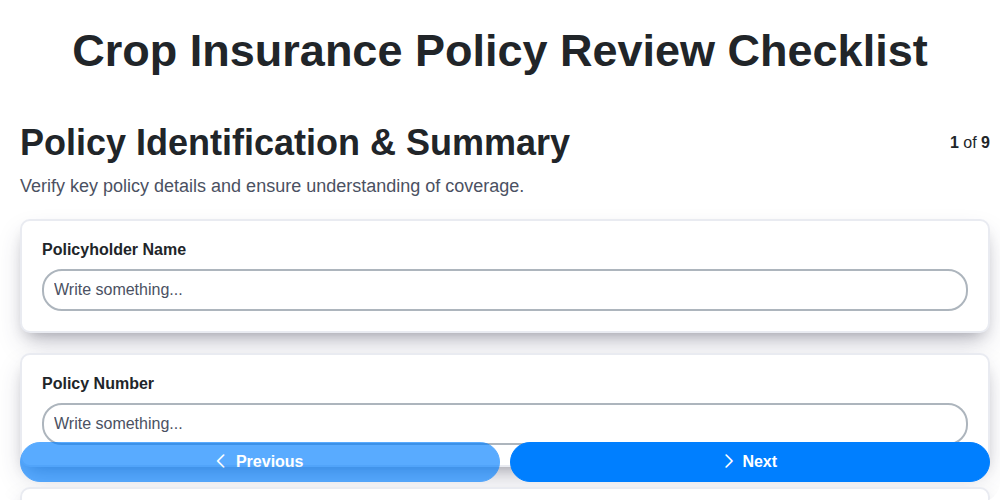
Crop Insurance Policy Review Checklist: A Farmer's Guide

The Ultimate Vehicle Registration & Insurance Validation Checklist
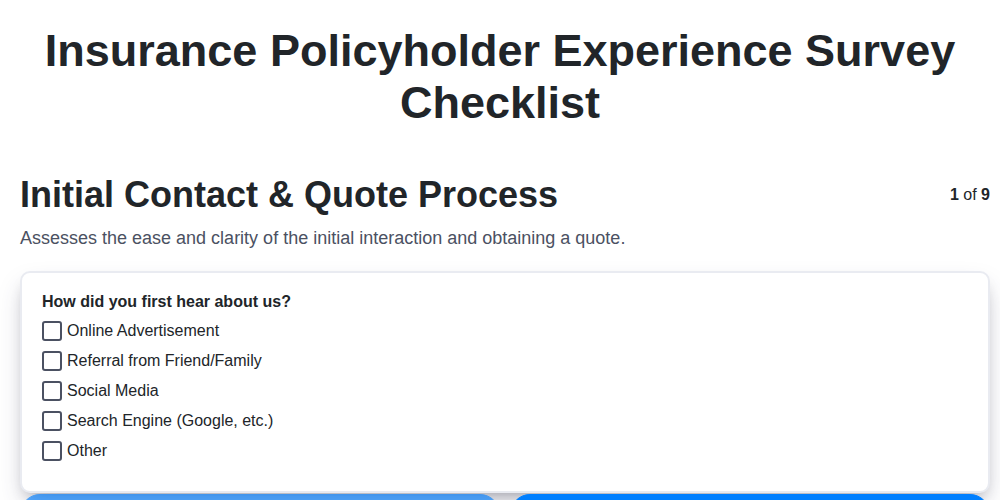
Mastering the Policyholder Journey: Your Insurance Experience Survey Checklist
Need help with
Checklists?
Have a question? We're here to help. Please submit your inquiry, and we'll respond promptly.