Restaurant Opening Checklist Template
Published: 09/10/2025 Updated: 08/26/2026
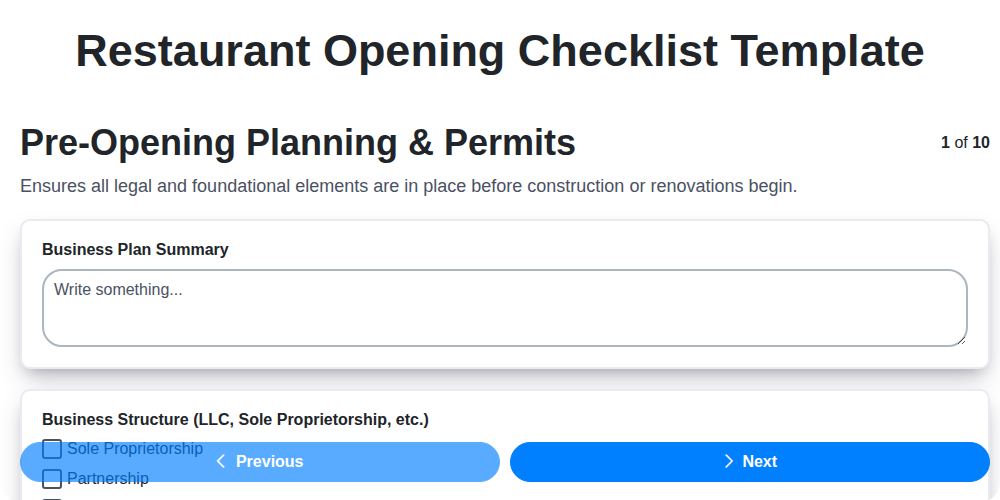
Table of Contents
- From Dream to Dine: Your Ultimate Restaurant Opening Checklist Template
- Why You Need a Restaurant Opening Checklist
- 1. Pre-Opening Planning & Permits
- 2. Restaurant Design & Construction
- 3. Equipment & Inventory
- 4. Staffing & Training
- 5. Menu & Recipes
- 6. Point of Sale (POS) System
- 7. Health & Safety Compliance
- 8. Marketing & Pre-Launch
- 9. Final Walkthrough & Inspections
- 10. Opening Day Procedures
- Download Our Restaurant Opening Checklist Template
- Your Restaurant Journey Starts Now!
- Resources & Links
TLDR: Opening a restaurant is overwhelming! This checklist template breaks down the process into 10 key phases-from permits and design to marketing and opening day-to keep you organized, prevent costly mistakes, and ensure a smooth launch. Download the free template to tackle this journey with confidence!
From Dream to Dine: Your Ultimate Restaurant Opening Checklist Template
Opening a restaurant is exhilarating-the culmination of passion, creativity, and hard work. But it's also a monumental undertaking. The sheer number of moving pieces, from securing funding to training staff, can quickly become overwhelming. Without a structured approach, things inevitably slip through the cracks, leading to costly delays, frustrating setbacks, and potentially, even premature closure.
Think of a chef attempting a complex dish without a recipe - they might have the ingredients and the skill, but the outcome is far from guaranteed. Similarly, launching a restaurant without a comprehensive checklist is like navigating uncharted territory without a map.
This isn't just about ticking boxes; it's about building a solid foundation for your business. A well-crafted checklist acts as your guide, ensuring you address every critical step, minimize risks, and maintain control throughout the entire process. It's your safety net, your organizational lifeline, and your key to transforming that initial dream into a thriving dining destination. Investing the time upfront to create and diligently follow a checklist is an investment in your restaurant's future success.
Why You Need a Restaurant Opening Checklist
Opening a restaurant is a dream for many, but the reality often involves juggling countless tasks, managing a tight budget, and navigating complex regulations. Without a structured approach, it's incredibly easy to overlook crucial steps, leading to costly delays, frustrating setbacks, and even potential legal issues.
Think about it: securing the right permits, sourcing reliable suppliers, training staff, designing a functional kitchen-each of these areas demands meticulous attention. A checklist isn't just about ticking boxes; it's about providing a framework for accountability, ensuring no detail falls through the cracks. It's your safety net against potential pitfalls and a roadmap to a smoother, more successful launch. Beyond preventing mistakes, a well-crafted checklist reduces stress for you and your team, fostering a more organized and positive work environment from day one. It's the difference between launching with confidence and launching in chaos.
1. Pre-Opening Planning & Permits
Opening a restaurant isn't just about delicious food; it's about building a solid foundation of legal compliance and strategic planning. This initial phase can feel daunting, but tackling it head-on will save you headaches (and potential fines) down the road.
First and foremost, define your restaurant concept clearly. What kind of dining experience are you offering? Who is your target audience? This informs every decision you make moving forward. Alongside that, develop a comprehensive business plan that outlines your financials, marketing strategy, and operational plan. Securing funding often hinges on a well-structured business plan.
Location, location, location! Finding the right space is critical, but remember that securing the lease is just the beginning. The next hurdle? Permits. This isn't a process to rush. Research the specific requirements in your city and state, and start the application process early. You'll likely need a business license, food service permit, and possibly a liquor license (if applicable). Don't forget about building permits if renovations are involved, and zoning compliance to ensure your business aligns with local regulations.
Finally, consider consulting with legal and financial professionals early on. An attorney can guide you through the complex legal landscape, while an accountant can help you set up your finances and navigate tax implications. This initial investment can pay dividends by minimizing risks and setting you up for long-term success.
2. Restaurant Design & Construction
The design and construction phase is where your restaurant's vision truly takes shape. It's more than just aesthetics; it's about functionality, flow, and creating an environment that reflects your brand and enhances the customer experience.
Conceptualizing Your Space:
Before a single brick is laid, consider the atmosphere you want to cultivate. Is it a bustling, casual eatery or a refined, upscale dining experience? Your design should support this concept. Think about:
- Traffic Flow: How will customers and staff move through the space? Avoid bottlenecks and create a smooth, efficient layout.
- Kitchen Efficiency: A well-designed kitchen is the heart of your restaurant. Optimize workflow, ensure adequate space for equipment, and prioritize safety.
- Dining Area Layout: Consider table sizes, spacing, and seating options to maximize capacity and comfort.
- Accessibility: ADA compliance is crucial - ensure your space is accessible to everyone.
- Brand Integration: Colors, materials, and décor should all align with your brand identity.
Choosing the Right Professionals:
Partnering with experienced professionals is vital for a successful build.
- Architect: An architect can translate your vision into detailed plans, ensuring structural integrity and compliance with building codes.
- General Contractor: A skilled general contractor manages the construction process, coordinating subcontractors and ensuring the project stays on schedule and within budget.
- Interior Designer: An interior designer specializes in creating the aesthetic elements - from lighting and flooring to furniture and décor.
Staying on Track:
Construction projects rarely go exactly as planned. Be prepared for unexpected challenges and delays. Maintain open communication with your team, proactively address issues, and have a contingency budget to cover unforeseen expenses. Regular site visits and detailed documentation are essential for keeping the project on track.
3. Equipment & Inventory
Equipping your kitchen and stocking your shelves is a major investment, and getting it right from the start is crucial for efficiency, profitability, and minimizing headaches down the line. It's more than just buying a shiny oven - it's about strategic purchasing and smart inventory management.
Essential Equipment Categories:
Let's break down the key areas:
- Cooking Equipment: Ovens, ranges, fryers, grills, mixers - the heart of your kitchen. Consider capacity based on projected volume and energy efficiency. Don't forget smaller appliances like toasters and blenders.
- Refrigeration & Freezers: Reliable refrigeration is non-negotiable for food safety. Assess your storage needs carefully and explore energy-efficient options.
- Dishwashing: A commercial dishwasher will save significant labor costs and ensure hygiene. Size it appropriately to handle the anticipated volume of dishes.
- Food Prep: Tables, cutting boards, sinks, and specialized tools - essential for efficient food preparation.
- Serving & Front of House: Tables, chairs, POS systems, glassware, silverware, and linens - creating a welcoming and functional dining environment.
Inventory Management: Beyond Ordering Stock
Simply placing orders isn't enough. Develop a system for tracking inventory levels, minimizing waste, and optimizing ordering quantities.
- Establish Par Levels: Determine the minimum and maximum stock levels for each item.
- First In, First Out (FIFO): Always use the oldest stock first to prevent spoilage.
- Supplier Relationships: Build strong relationships with reliable suppliers to ensure consistent quality and pricing.
- Technology Integration: Consider inventory management software to automate tracking and ordering. This is especially valuable as your business grows.
- Regular Audits: Conduct regular inventory audits to identify discrepancies and prevent theft.
4. Staffing & Training
Your restaurant's success hinges on the quality of your team. Hiring skilled and motivated individuals isn't enough; you need a robust training program to ensure consistency and excellence in every aspect of the customer experience.
The Hiring Process: Beyond the Resume
While experience is valuable, attitude and a willingness to learn are equally important. Implement a structured interview process that assesses not only technical skills but also personality, problem-solving abilities, and a genuine passion for hospitality. Consider incorporating practical assessments, such as mock service scenarios, to gauge candidate performance under pressure. Don't underestimate the value of referrals - often, your best hires come from within your existing network.
Building a Comprehensive Training Program:
Your training program should extend far beyond simply teaching job duties. Here's a breakdown of key areas:
- Onboarding: Welcome new hires, explain company culture, and provide essential paperwork.
- Food Safety & Hygiene: Mandatory training on proper food handling procedures, cross-contamination prevention, and sanitation practices. ServSafe certification is a crucial component.
- Menu Knowledge: Deep dive into the menu - ingredients, preparation methods, allergy information, and potential modifications. Encourage taste-testing and ongoing education.
- Customer Service Excellence: Role-playing scenarios to practice communication skills, handling complaints, and anticipating guest needs. Emphasize the importance of creating a welcoming and personalized experience.
- POS System & Operational Procedures: Thorough training on the point-of-sale system, table management, order taking, and kitchen communication.
- Cross-Training: Equipping staff with skills to perform multiple roles, ensuring flexibility and coverage during peak hours or staff absences.
- Ongoing Development: Regular refresher courses, performance reviews, and opportunities for professional growth to maintain high standards and boost morale.
Investing in your team is an investment in your restaurant's future. A well-trained and motivated team will translate into happier customers, increased efficiency, and a stronger bottom line.
5. Menu & Recipes
Your menu isn't just a list of food; it's a story, an experience, and a critical driver of your restaurant's profitability. Developing a menu that excites customers while maintaining operational efficiency requires careful planning and execution.
Beyond the Ingredients: A Holistic Approach
Start by revisiting your restaurant's concept. Does your menu reflect your brand's personality and target audience? Consider seasonality; utilizing fresh, in-season ingredients not only enhances flavor but also reduces costs. Don't be afraid to innovate, but always balance creativity with proven customer favorites.
Recipe Standardization: Consistency is King
Once you're happy with your initial menu items, it's essential to standardize your recipes. Document every ingredient, measurement, and preparation method meticulously. This ensures consistent quality and taste, minimizes waste, and simplifies staff training. Think beyond just the ingredient list - include cooking times, temperatures, and plating instructions.
Costing & Pricing: Balancing Profitability & Value
Accurate food costing is paramount. Calculate the cost of each dish, considering ingredient costs, labor, and overhead. Price your menu items strategically to achieve desired profit margins while remaining competitive and appealing to your target customer. Don't undervalue your food, but also avoid pricing yourself out of the market.
Menu Design: Visual Appeal & Readability
Your menu's design influences customer choices. Use clear fonts, organized layouts, and enticing descriptions. Highlight signature dishes with strategic placement and visual cues. Consider using professional photography to showcase your food in its best light. A well-designed menu can increase average order value and enhance the overall dining experience.
6. Point of Sale (POS) System
Choosing the right Point of Sale (POS) system is a cornerstone of your restaurant's operational efficiency and customer experience. It's far more than just a cash register; it's the central hub managing orders, payments, inventory, and even customer data. But with so many options available, how do you choose the right one?
First, consider your restaurant's specific needs. A fine-dining establishment will have different requirements than a quick-service cafe. Key features to look for include:
- Ease of Use: The system should be intuitive for your staff, minimizing training time and reducing errors.
- Order Management: Robust order taking and routing capabilities are essential, especially for restaurants with complex menus or multiple kitchen stations.
- Payment Processing: Secure and reliable payment processing, including credit card, debit card, mobile payments, and potentially online ordering integrations.
- Inventory Management: Real-time inventory tracking helps prevent shortages, minimizes waste, and optimizes ordering.
- Reporting & Analytics: Comprehensive reports on sales, inventory, and customer behavior provide valuable insights for decision-making.
- Integration Capabilities: Seamless integration with accounting software, online ordering platforms, and loyalty programs can streamline operations.
- Hardware Options: Consider whether you need tablets, traditional terminals, or a combination.
Don't just focus on the upfront cost. Factor in monthly fees, transaction charges, and potential hardware maintenance. Read reviews, request demos, and talk to other restaurant owners to find a POS system that aligns with your budget and supports your business goals. A well-chosen POS system can be a significant investment in your restaurant's long-term success.
7. Health & Safety Compliance
Health and safety compliance isn't just about ticking boxes; it's about protecting your customers, your employees, and your reputation. A single incident due to negligence can lead to serious consequences - fines, closures, and irreparable damage to your brand. Let's break down the critical areas you need to prioritize.
Food Safety is Paramount: A robust Food Safety Plan, ideally based on Hazard Analysis and Critical Control Points (HACCP) principles, is essential. This involves identifying potential hazards, establishing control measures, and verifying their effectiveness. Regularly review and update your plan to address new risks and ensure ongoing compliance. Key areas to cover include:
- Proper Food Storage: Implement a First In, First Out (FIFO) system and maintain appropriate temperatures for all perishables.
- Safe Food Handling: Train staff on proper handwashing techniques, cross-contamination prevention, and utensil sanitation.
- Cooking Temperatures: Ensure food is cooked to safe internal temperatures to eliminate harmful bacteria.
- Cleaning and Sanitation: Develop a detailed cleaning schedule and ensure all surfaces, equipment, and utensils are thoroughly sanitized.
Employee Training & Certification: Mandatory ServSafe or equivalent food handler certification for all employees involved in food preparation is crucial. This demonstrates a commitment to safety and provides staff with the knowledge to handle food responsibly. Beyond food safety, employee training should extend to general workplace safety, including fire prevention, emergency procedures, and hazard communication.
Maintaining a Safe Environment: This encompasses more than just food handling. It's about creating a safe environment for everyone. Conduct regular safety inspections to identify and address potential hazards, such as slippery floors, faulty wiring, or inadequate lighting. Ensure fire extinguishers are readily accessible and properly maintained, and conduct regular fire drills to prepare staff for emergencies. Don't forget to consider accessibility for all patrons and employees.
Finally, proactive pest control is vital. Partner with a reputable pest control service to implement a preventative program that minimizes the risk of infestation. Regular inspections and treatments can help protect your business from costly damage and potential health risks.
8. Marketing & Pre-Launch
The weeks leading up to your grand opening are critical for generating excitement and anticipation. It's your chance to introduce your restaurant to the community and create a loyal following before you even open your doors. Here's how to build that buzz:
1. Your Digital Front Door: Website & Social Media
Your website is your 24/7 salesperson. Make sure it's mobile-friendly, visually appealing, and includes essential information: your menu (even a preview!), location, hours, and contact details. Simultaneously, establish a strong presence on relevant social media platforms (Instagram, Facebook, TikTok - consider your target audience!). Share behind-the-scenes glimpses of your restaurant's construction, introduce your team, and tease your signature dishes. Consistent posting and engaging with your audience are essential.
2. Public Relations: Tell Your Story
Don't underestimate the power of local media! Draft a press release announcing your restaurant's opening and highlight what makes you unique. Target local newspapers, magazines, food blogs, and radio stations. Offer exclusive previews or interviews to generate early coverage.
3. Grand Opening Promotion: Create an Event
Plan a grand opening event that will attract a crowd. Consider offering special promotions, live music, or family-friendly activities. Spread the word through flyers, posters, and online event listings.
4. Online Ordering: Convenience is Key
If you plan to offer online ordering, get it set up and tested well in advance of your grand opening. Promote your online ordering options on your website and social media.
5. Build Your Email List: Direct to Your Customers
Start collecting email addresses now! Offer a small incentive (e.g., a discount on their first order) to encourage sign-ups. Your email list will be invaluable for keeping potential customers informed about your opening date and special offers.
9. Final Walkthrough & Inspections
This phase is about verifying everything is as it should be before you officially open your doors. It's your last chance to catch any overlooked details and ensure compliance with regulations.
Contractor Walkthrough: Schedule a final walkthrough with your contractors to meticulously review all completed work. Create a punch list of any outstanding items that need to be addressed before final payment. Don't be afraid to be thorough - this is your opportunity to ensure the quality and accuracy of the construction.
Health Inspection: Contact your local health department to schedule a pre-opening health inspection. Familiarize yourself with local health codes and ensure your team is fully prepared to answer questions and demonstrate proper food handling practices. Addressing any deficiencies promptly is crucial for a successful passing grade.
Fire Inspection: Coordinate a fire inspection with your local fire department. Verify that all fire safety equipment (extinguishers, alarms, sprinkler systems) is installed correctly and functioning properly.
Utilities Verification: Confirm that all utilities (electricity, gas, water) are connected and working as expected. Test all appliances and equipment to ensure they are operating efficiently. Small issues now can prevent bigger problems later.
Final Details: Don't forget the small stuff! Double-check signage, lighting, and overall ambiance to create the desired atmosphere for your guests. This final review is about ensuring a welcoming and safe environment for everyone.
10. Opening Day Procedures
The big day is finally here! But don't let the excitement overshadow crucial opening day procedures. A smooth launch hinges on meticulous preparation and a calm, collected team. Here's what you need to cover:
- Final Staff Briefing: Hold a short but focused meeting with all staff. Reiterate roles, responsibilities, customer service standards, and troubleshooting procedures. Address any last-minute questions.
- Inventory Confirmation: Conduct a final inventory check to ensure you have enough food, beverages, and supplies to handle anticipated demand. Restock as needed.
- Systems Validation: Double-check everything. Test the POS system, online ordering platform, kitchen equipment, music system, and Wi-Fi. Resolve any glitches before doors open.
- Ambience Check: Adjust lighting, music, and temperature to create the desired atmosphere. Make sure the dining area is spotless and inviting.
- Door Team Readiness: Ensure your door team (host/hostess) is briefed on seating procedures, greeting guests, and managing the waitlist (if applicable).
- Emergency Contact List: Keep a readily accessible list of emergency contacts (maintenance, utilities, etc.).
- Contingency Planning: Have backup plans for potential issues like equipment failures, staffing shortages, or unexpected rushes.
- Celebratory Moment: Take a moment to celebrate the culmination of your hard work! But then, back to business - focus on providing an exceptional experience for your first guests.
Download Our Restaurant Opening Checklist Template
We know how overwhelming this journey can be. That's why we've created a detailed, actionable checklist to guide you every step of the way - from securing permits to serving your first customers.
Download our free Restaurant Opening Checklist Template today and:
- Stay organized: Eliminate missed steps and reduce stress.
- Save time and money: Avoid costly mistakes and stay on track.
- Increase your chances of success: A well-planned launch is a successful launch.
Don't just dream of opening a restaurant - make it a reality with our comprehensive checklist!
Your Restaurant Journey Starts Now!
Opening a restaurant is more than just serving delicious food; it's about creating an experience, building a community, and realizing a dream. The journey will undoubtedly present challenges-long hours, unexpected setbacks, and moments of intense pressure. But armed with a solid plan, a dedicated team, and a commitment to excellence, you can navigate these hurdles and emerge stronger.
Remember, flexibility is crucial. Things rarely go exactly as planned, so be prepared to adapt and adjust your strategies as needed. Celebrate your successes along the way, learn from your mistakes, and always prioritize your passion for creating something special. This checklist is your foundation-build your restaurant's success upon it, and savor every step of the journey!
Resources & Links
- U.S. Small Business Administration (SBA): Provides resources, guidance, and funding opportunities for small businesses, including restaurants. Crucial for understanding legal structures, loan options, and general business planning.
- National Restaurant Association: A leading authority on the restaurant industry. Offers valuable data, research, and resources related to trends, legislation, and best practices for restaurant operators. Useful for staying up-to-date on industry standards.
- Internal Revenue Service (IRS): Essential for understanding tax obligations, employer identification numbers (EINs), and other financial compliance aspects of running a restaurant. Contains information on payroll taxes and business deductions.
- U.S. Department of Labor: Provides information on labor laws, wage and hour regulations, employee rights, and workplace safety standards, vital for compliant staffing practices.
- Food Safety.gov: Offers guidance and resources on food safety practices, including HACCP plans, preventing foodborne illnesses, and maintaining a safe environment for customers. This is critical for restaurant health inspections.
- State & Local Health Department Websites: Provides access to state and local regulations relating to food safety and health department inspections. This is a necessary resource to ensure compliance.
- Point of Sale (POS) Systems Comparison: Resource comparing different POS systems to help you find the one that fits your restaurant's needs. Consider features, pricing, and integration with other tools.
- Toast POS: Popular cloud-based POS system tailored for restaurants. Good for research on feature sets. A good place to find POS solutions.
- Square POS: Square offers simple and affordable POS solutions suitable for small restaurants. It's good to compare different systems and see which offers the best fit for your needs.
- Unsplash: Source for high-quality, free images for your blog post and marketing materials.
- Canva: A user-friendly graphic design platform for creating visually appealing graphics, social media posts, and marketing collateral.
Frequently Asked Questions
What is a restaurant opening checklist and why do I need one?
A restaurant opening checklist is a comprehensive document outlining all the tasks that need to be completed before, during, and after opening a new restaurant. It's crucial to ensure you don't miss any critical steps, avoid costly delays, and set your restaurant up for success.
What types of tasks are included in a restaurant opening checklist?
Checklists typically cover areas like legal & permits, design & construction, equipment procurement, staffing & training, menu development, marketing & advertising, inventory, and financial preparation. They are broken down into categories based on these phases.
Is the checklist template provided customizable?
Yes! The template is designed to be a starting point. You can add, remove, or modify tasks to fit your restaurant's specific needs, concept, and location. We highly encourage customization.
What if I don't have experience with restaurant openings? Can this checklist still help?
Absolutely! The checklist provides a structured approach and a comprehensive list of considerations that may not have occurred to you. It's a valuable resource for first-time restaurant owners and those needing a refresher.
Does the checklist include information on permits and licenses?
The checklist highlights the *need* to obtain necessary permits and licenses, but it doesn't provide the specific list for your location. You're responsible for researching and securing those from your local and state authorities. We provide links to resources to help with this.
What's the difference between 'pre-opening' and 'post-opening' tasks?
'Pre-opening' tasks are those completed *before* the grand opening - these are about preparation. 'Post-opening' tasks are those that need attention *after* you're open - think customer feedback, operational tweaks, and ongoing marketing.
Can I use this checklist for a food truck instead of a brick-and-mortar restaurant?
While the core principles apply, a food truck opening will have some differences. You'll need to adapt the checklist, focusing on mobile permitting, vehicle maintenance, and limited space considerations. Consider it a foundation to build from.
How frequently should I review and update the checklist?
Review the checklist regularly throughout the opening process, at least weekly. As tasks are completed, mark them off and update the checklist with any unexpected issues or changes to your plans. Post-opening review monthly for at least the first 3 months.
What should I do if I'm overwhelmed by the number of tasks?
Break down the checklist into smaller, manageable chunks. Assign tasks to team members or consultants, and prioritize based on deadlines and importance. Don't be afraid to ask for help!
Where can I find more information about specific tasks mentioned in the checklist?
The checklist includes links to resources and websites that provide more detailed information on various topics, such as permitting, insurance, and menu development. You can also consult with industry professionals for specialized advice.
Comments
There are no comments yet. Be the first to add one!
Hospitality Management Solution Demo
Running a hotel, restaurant, or other hospitality business is demanding. ChecklistGuro's Work OS platform simplifies management, from reservations and guest services to inventory and staff scheduling. Improve efficiency, enhance guest experience, and boost profitability! See how ChecklistGuro can transform your hospitality operations.
Related Articles
Your Ultimate Security Camera Monitoring Log Checklist Template
Payroll Processing Verification Checklist Template: Your Guide to Accuracy
Complaint Handling Checklist Template: Resolve Issues & Retain Customers

Emergency Evacuation Drill Documentation: Your Checklist Template Guide

Mastering Incident Response: Your Free Reporting Protocol Checklist Template
Conquer Your Kitchen: A Monthly Deep Cleaning Checklist Template
Mastering Food Safety: Your Free Temperature Control Checklist Template
Mastering Hand Hygiene: Your Compliance Checklist Template
We can do it Together
Need help with
Hospitality?
Have a question? We're here to help. Please submit your inquiry, and we'll respond promptly.