Smart Dock Scheduling Process: A Streamlined Workflow for Efficient Warehouse Operations
Published: 06/04/2026 Updated: 10/05/2026
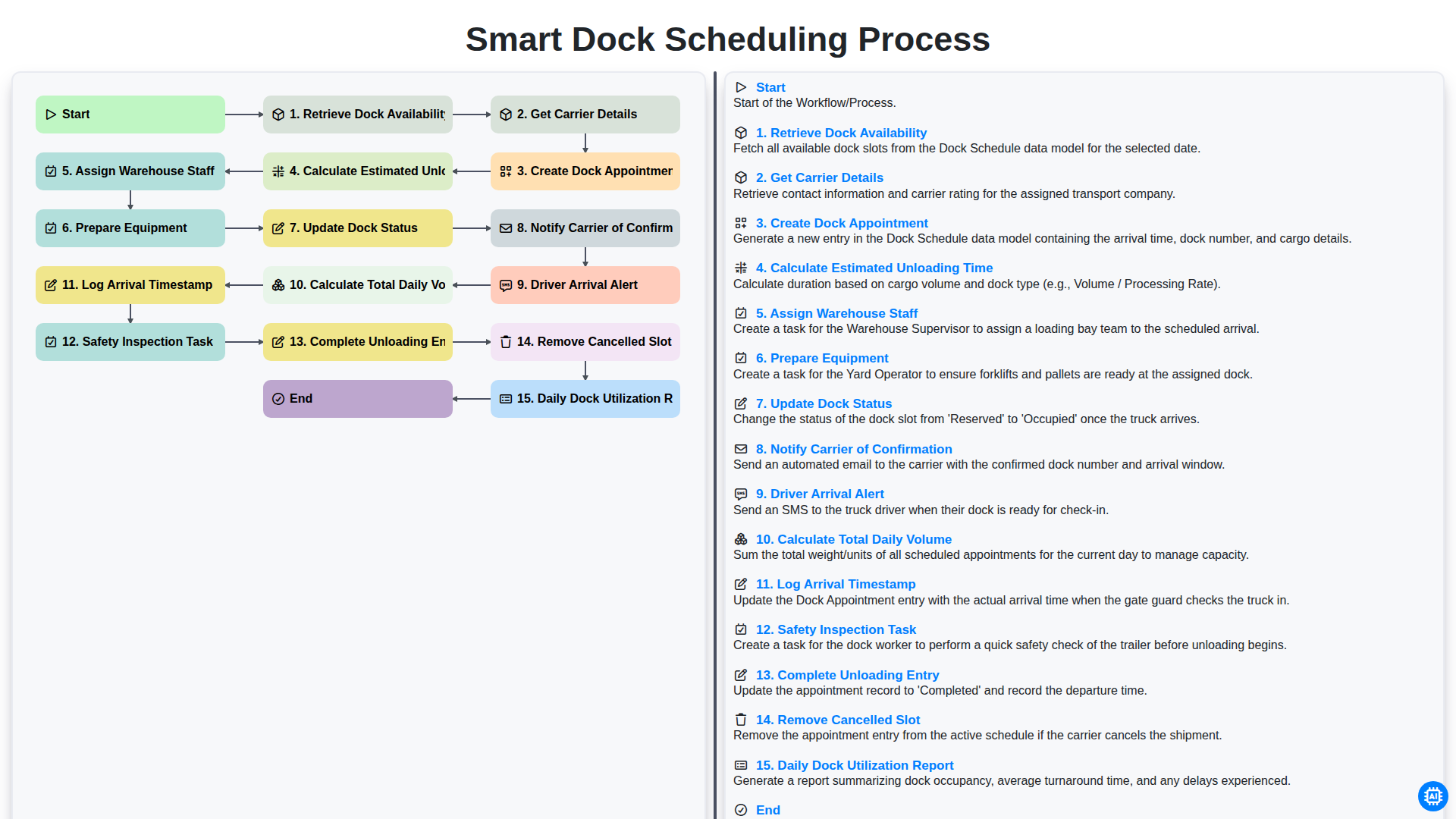
Table of Contents
- The Importance of an Automated Dock Scheduling Workflow
- Step 1: Assessing Real-Time Dock Availability
- Step 2: Retrieving Essential Carrier Details
- Step 3: Formalizing the Dock Appointment
- Step 4: Precision Planning with Estimated Unloading Time
- Step 5: Resource Allocation: Assigning Warehouse Staff
- Step 6: Pre-Arrival Readiness and Equipment Preparation
- Step 7: Real-Time Updates and Carrier Notifications
- Step 8: Managing Arrivals and Driver Check-ins
- Step 9: Safety Protocols and On-Site Inspections
- Step 10: Executing the Unloading Process and Data Entry
- Step 11: Dynamic Slot Management and Cancellation Handling
- Step 12: Analyzing Performance via Daily Utilization Reports
- The Benefits of a Data-Driven Docking Strategy
- Resources & Links
TLDR: This guide explores the Smart Dock Scheduling Process, an automated workflow designed to optimize warehouse efficiency by orchestrating everything from dock availability retrieval and carrier notifications to real-time staff assignment and daily utilization reporting. Learn how to implement this end-to-end system to reduce bottlenecks, improve driver arrival management, and maximize dock productivity.
The Importance of an Automated Dock Scheduling Workflow
In the fast-paced world of logistics, manual dock scheduling is often a recipe for chaos. Without a structured, automated workflow, warehouses frequently face a domino effect of inefficiencies: missed delivery windows, congested yard areas, and frustrated drivers. Implementing a standardized, automated process transforms the loading dock from a bottleneck into a streamlined engine of productivity.
The primary importance of an automated workflow lies in its ability to eliminate human error and real-time uncertainty. Instead of relying on spreadsheets or fragmented emails, an automated system provides a single source of truth. By automating repetitive tasks-such as retrieving dock availability, calculating estimated unloading times, and notifying carriers of confirmations-you reduce the administrative burden on your team, allowing them to focus on high-value operations rather than constant troubleshooting.
Furthermore, automation enhances visibility and predictability. When every step-from the initial appointment creation to the final unloading entry-is captured digitally, management gains unprecedented insights into dock utilization and labor requirements. This level of control minimizes idle time for both staff and carriers, optimizes equipment preparation, and ensures that safety protocols, like mandatory inspections, are never bypassed in the rush of a busy shift. Ultimately, a smart dock scheduling process doesn't just save time; it stabilizes your entire supply chain.
Step 1: Assessing Real-Time Dock Availability
The foundation of an efficient logistics operation lies in knowing exactly how much breathing room your facility has at any given moment. The process begins with Retrieving Dock Availability, a critical step that moves beyond mere guesswork. Instead of relying on manual spreadsheets or verbal updates, a smart workflow pulls real-time data from your Warehouse Management System (WMS) to identify which bays are open, which are occupied, and which are reserved for scheduled arrivals.
By assessing real-time availability before any scheduling begins, you eliminate the risk of overbooking and the dreaded bottleneck effect. This proactive visibility allows dock managers to see the true capacity of the facility, ensuring that every new appointment is grounded in the reality of your current physical constraints. This prevents the cascade of delays that typically occur when a facility attempts to schedule more volume than its physical infrastructure can support.
Step 2: Retrieving Essential Carrier Details
Once the initial dock availability has been confirmed, the next critical phase in the workflow is gathering all relevant information regarding the incoming shipment. Retrieving carrier details is not merely about knowing which company is arriving; it is about capturing a comprehensive data set that ensures the entire logistics chain is synchronized.
During this step, the system pulls essential data points including the carrier's name, the specific driver's contact information, the trailer number, and the specific nature of the cargo. By automating the retrieval of these details, you eliminate the risk of manual entry errors that often lead to mismatched paperwork or misplaced shipments. Having this information readily available allows the warehouse team to cross-reference the shipment with existing purchase orders, ensuring that the right cargo is matched with the right slot before the truck even reaches the facility gates.
Step 3: Formalizing the Dock Appointment
Once the carrier details have been verified and the initial availability is confirmed, the process moves into the critical phase of formalizing the dock appointment. This stage is where the theoretical schedule transforms into a concrete operational plan.
The core of this step involves the system performing a precise calculation of the Estimated Unloading Time. Rather than relying on guesswork, the workflow analyzes historical data and shipment complexity to allocate an accurate duration for the task. Once this window is determined, the system proceeds to Create the Dock Appointment, effectively locking in a specific time slot within the digital calendar.
To ensure the dock is ready for the incoming shipment, this stage also triggers the necessary internal preparations. The system automatically begins to Assign Warehouse Staff to the specific bay and initiates the Prepare Equipment task, ensuring that forklifts, pallet jacks, or specialized loading tools are staged and ready before the truck even arrives. By finalizing these details during the appointment creation phase, you eliminate the bottleneck effect caused by unprepared docks and idling drivers.
Step 4: Precision Planning with Estimated Unloading Time
Once the dock appointment has been officially created, the workflow moves into a critical phase of predictive logistics: Calculating the Estimated Unloading Time.
Efficiency in a warehouse isn't just about how fast you move, but how accurately you predict your capacity. By analyzing variables such as the shipment size, cargo type, and historical unloading benchmarks, the system generates a precise window for the task. This step is the brain of the scheduling process; it prevents the common pitfall of overbooking docks by ensuring that the duration of one appointment doesn't overlap with the next. By calculating these durations in real-time, you transform a static calendar into a dynamic, high-precision execution plan that minimizes idle time and maximizes throughput.
Step 5: Resource Allocation: Assigning Warehouse Staff
Efficient dock scheduling is only as effective as the team executing the tasks on the ground. Once an appointment is set and the workload is quantified, the next critical phase is Assigning Warehouse Staff.
Effective resource allocation ensures that your labor capacity aligns perfectly with your incoming shipment volume. This step involves analyzing the complexity of the incoming loads-such as whether they are palletized, loose cargo, or temperature-sensitive-and deploying the right number of personnel to handle them. By strategically assigning staff in advance, you prevent the common pitfall of bottlenecking, where docks are available but the workforce is spread too thin to process the arrivals. This proactive approach minimizes idle time for drivers and ensures that your warehouse floor remains a streamlined, high-throughput environment.
Step 6: Pre-Arrival Readiness and Equipment Preparation
Once the dock appointment is officially created and the unloading time is calculated, the focus shifts from administrative planning to physical readiness. Success in dock management relies heavily on the seamless transition between digital scheduling and on-the-ground execution. During this critical phase, the workflow moves into Assigning Warehouse Staff and Preparing Equipment.
Effective scheduling is meaningless if there isn't a dedicated team ready to handle the incoming freight. This step involves mobilizing the appropriate number of forklift operators, loaders, and floor personnel based on the expected workload. Simultaneously, the facility must ensure that all necessary machinery-such as pallet jacks, forklifts, and dock levelers-is inspected and functional. By ensuring that both human and mechanical resources are synchronized with the appointment schedule, you mitigate the risk of bottlenecks and reduce the dwell time of arriving carriers.
Step 7: Real-Time Updates and Carrier Notifications
Once the dock appointment is officially established, the workflow shifts from planning to communication. The system immediately triggers the Notify Carrier of Confirmation step, ensuring that the logistics provider receives an automated, real-time alert containing all critical appointment details. This eliminates the manual burden of email chains and reduces the risk of misinformation.
To ensure seamless transitions at the gate, the system also facilitates a Driver Arrival Alert. As the vehicle approaches the facility, the incoming data triggers an automated notification to the warehouse team, providing instant visibility into the truck's proximity. This proactive communication loop ensures that the dock crew is prepared for the incoming load well before the wheels stop turning, significantly reducing idle time and streamlining the entire intake process.
Step 8: Managing Arrivals and Driver Check-ins
Once the appointment is confirmed, the workflow transitions from digital planning to real-time operational management. The efficiency of your dock operations relies heavily on how you handle the moment a vehicle reaches your facility.
The process begins with a Driver Arrival Alert, which triggers the system to prepare the dock area for the incoming load. As the vehicle approaches, the system prompts a Log Arrival Timestamp action, ensuring that every minute of dwell time is recorded for accurate performance tracking. To maintain high operational standards and mitigate risk, a mandatory Safety Inspection Task is then integrated into the arrival sequence, ensuring that the vehicle and the driver adhere to site-specific protocols before unloading commences. This seamless transition from notification to inspection ensures that your team is proactive rather than reactive, minimizing congestion at the gate and keeping the yard moving smoothly.
Step 9: Safety Protocols and On-Site Inspections
Efficiency in dock scheduling isn't just about managing time; it's about managing risk. Once a driver arrives and the appointment is confirmed, the workflow transitions from digital coordination to physical safety management. The Safety Inspection Task is a critical checkpoint in this process, ensuring that every vehicle entering the bay meets your facility's rigorous compliance standards.
During this stage, site supervisors must verify that the carrier's equipment is in good working order and that the driver is adhering to necessary PPE (Personal Protective Equipment) requirements. This step serves as a vital buffer, preventing accidents caused by faulty equipment or improper procedures. By integrating safety inspections directly into the automated workflow, you ensure that no vehicle proceeds to the unloading dock until a clear status is logged, effectively neutralizing potential liabilities before they reach the warehouse floor.
Step 10: Executing the Unloading Process and Data Entry
Once the physical task of unloading is finished, the workflow moves into its critical final phase: Complete Unloading Entry. This step ensures that the digital record matches the physical reality of the warehouse floor. As the last pallet is moved into the facility, the team must immediately finalize the entry in the system to reflect that the dock is now vacant and the goods are officially received.
However, the process doesn't end with just moving cargo. To maintain operational integrity, two vital sub-steps must occur:
- Log Arrival Timestamp: Accurate data is the backbone of logistics optimization. By logging the exact time the unloading was completed, you create a precise data trail that allows for later analysis of dock turnaround times and carrier efficiency.
- Safety Inspection Task: Before the dock is cleared for the next scheduled appointment, a quick safety sweep is mandatory. This includes checking for debris, ensuring the dock plate is properly stowed, and verifying that no hazards remain that could endanger the next driver or warehouse associate.
By diligently completing these final entries, you ensure that your Smart Dock Scheduling system remains a single source of truth, preventing bottlenecks and maintaining a seamless flow for the next incoming shipment.
Step 11: Dynamic Slot Management and Cancellation Handling
Efficiency in dock scheduling isn't just about filling every available minute; it is about maintaining an accurate, real-time view of your facility's capacity. A critical component of a truly smart workflow is the ability to Remove Cancelled Slots instantly.
In a high-volume logistics environment, delays and last-minute cancellations are inevitable. When a carrier notifies you that a pickup or delivery is no longer possible, your system must automatically purge that slot from the active schedule. This prevents ghost appointments from creating false impressions of workload and, more importantly, immediately reopens that window for other carriers in need of a slot. By automating the removal of cancelled entries, you ensure that your dock remains optimized, preventing wasted downtime and allowing for much higher throughput throughout the day.
Step 12: Analyzing Performance via Daily Utilization Reports
The final stage of a truly optimized workflow isn't just about managing the present, but preparing for the future. The Daily Dock Utilization Report serves as the analytical engine of the entire scheduling process. By aggregating data from every completed unloading entry, arrival timestamp, and dock status update, this report provides a high-level overview of how effectively your facility is operating.
Rather than relying on guesswork, managers can use these reports to identify specific bottlenecks-such as recurring delays during certain shifts or particular carriers that consistently exceed their estimated unloading times. This data-driven approach allows you to move from reactive troubleshooting to proactive optimization, enabling you to adjust staffing levels, reconfigure dock assignments, and refine your scheduling windows based on real-world performance metrics. Ultimately, this step transforms raw operational data into actionable intelligence, ensuring your dock remains a streamlined gateway rather than a logistical bottleneck.
The Benefits of a Data-Driven Docking Strategy
Transitioning from manual, reactive scheduling to a structured, data-driven workflow transforms a warehouse from a bottleneck into a competitive advantage. By implementing a systematic approach-starting from the initial retrieval of dock availability and moving through to the final daily dock utilization report-organizations can eliminate the guesswork that often leads to yard congestion and driver detention fees.
A data-driven strategy provides granular visibility into every stage of the docking lifecycle. When you calculate estimated unloading times and assign warehouse staff based on real-time capacity, you aren't just managing space; you are optimizing labor productivity. Furthermore, the ability to calculate total daily volume and log arrival timestamps allows management to identify recurring patterns and inefficiencies that are invisible in a manual system.
Beyond mere efficiency, this structured workflow enhances safety and communication. Integrating tasks like safety inspections and automated carrier notifications ensures that compliance is never overlooked and that all stakeholders-from warehouse managers to third-party drivers-are aligned. Ultimately, moving toward a digital, automated process allows you to proactively remove cancelled slots and manage resources, ensuring that your facility operates with maximum precision and minimal downtime.
Resources & Links
- Gartner Supply Chain Research: In-depth industry reports and market trends regarding warehouse automation and logistics technology implementation.
- MHI (Material Handling Institute): Industry-leading resources on material handling, distribution automation, and supply chain optimization best practices.
- Inbound Logistics: Comprehensive news and insights on logistics management, carrier relations, and dock management strategies.
- Supply Chain Brain: Expert analysis on streamlining warehouse workflows and integrating real-time data into supply chain operations.
- WERC (Warehousing Education and Research Council): Resources and benchmarks for warehouse operational excellence and labor productivity management.
- ISS World (International Standards for Safety): Guidelines and resources for managing safety inspections and compliance within industrial and warehouse environments.
Frequently Asked Questions
What is smart dock scheduling?
Smart dock scheduling is the use of automated software and optimized workflows to manage the arrival, loading, and unloading of vehicles, replacing manual processes like spreadsheets or paper logs.
How does a streamlined dock scheduling process improve warehouse efficiency?
It reduces vehicle congestion, minimizes detention fees, optimizes labor allocation, and ensures that dock doors are utilized effectively, leading to smoother dock operations and faster turnaround times.
What are the key components of an efficient dock scheduling workflow?
A robust workflow includes real-time visibility, automated appointment booking, automated notifications for carriers, real-time dock door monitoring, and integrated data analytics for performance tracking.
How can smart dock scheduling reduce operational costs?
By preventing bottlenecks and unplanned arrivals, companies can avoid costly driver detention fees, reduce overtime pay for warehouse staff, and lower the overhead associated with manual administrative tasks.
Can smart dock scheduling improve communication with carriers?
Yes. Through automated booking portals and real-time updates, carriers receive instant confirmation of their appointments and are notified of any changes or delays, creating a more transparent and collaborative supply chain.
Comments
There are no comments yet. Be the first to add one!
Logistics Management Solution Demo
Tired of shipping delays, lost packages, and inefficient routes? ChecklistGuro's Work OS platform streamlines your entire logistics operation, from warehouse management and order fulfillment to route optimization and delivery tracking. Gain real-time visibility, reduce costs, and improve customer satisfaction. Learn how ChecklistGuro can transform your logistics business!
Related Articles
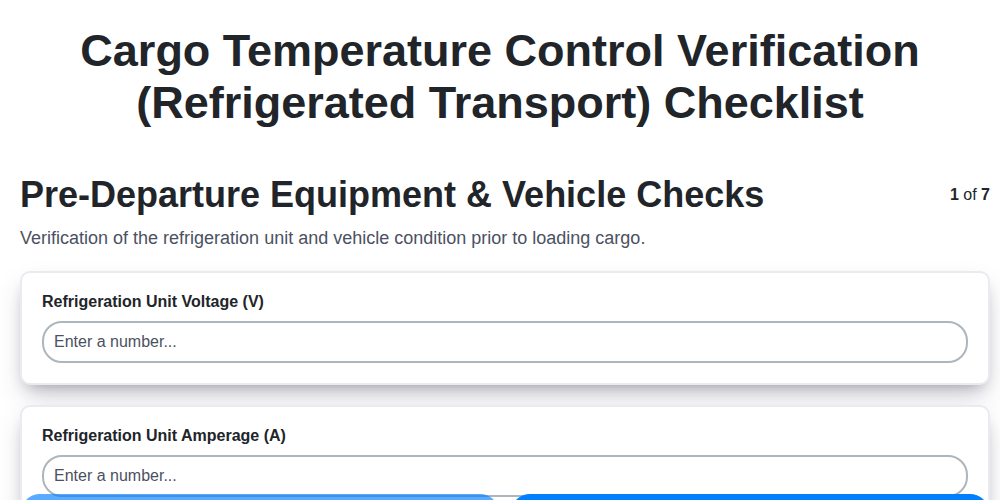
The Ultimate Refrigerated Cargo Temperature Control Checklist Template
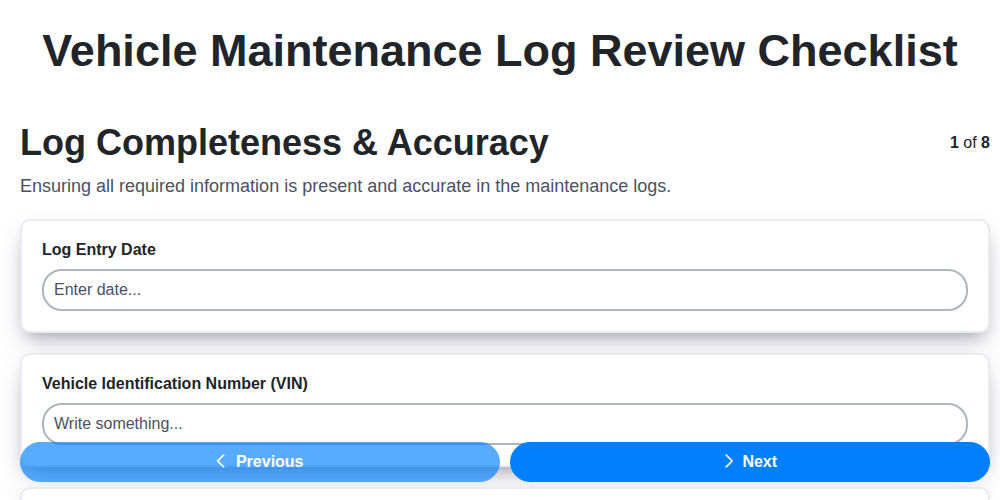
Mastering Your Fleet: A Vehicle Maintenance Log Review Template
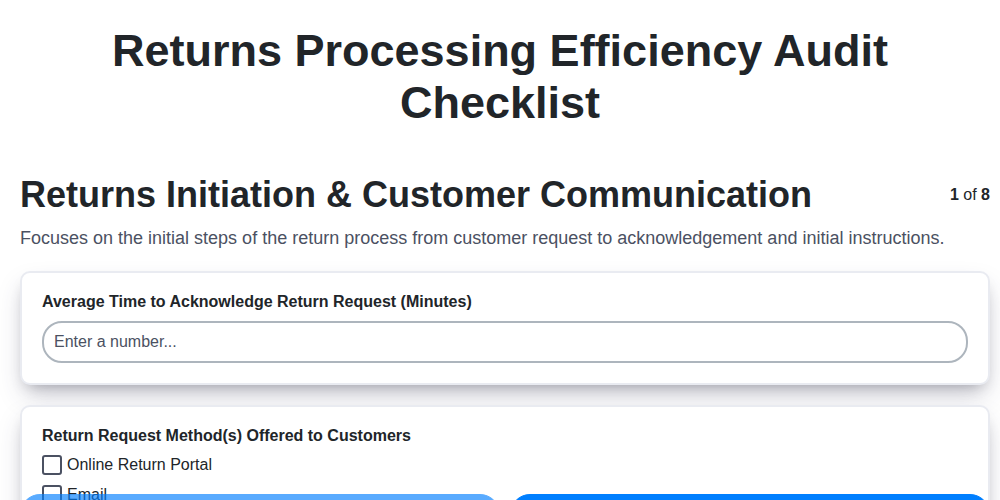
Master Your Returns: The Ultimate Returns Processing Efficiency Audit Checklist
Data Privacy Policy Compliance: Your Essential Checklist Template
Delivery Confirmation Audit: Your Checklist Template for Process Excellence
Your Pallet Inspection & Maintenance Checklist Template
Fuel Efficiency Monitoring: Your Checklist Template for Savings
Supply Chain Risk Assessment: Your Essential Checklist Template
Need help with
Checklists?
Have a question? We're here to help. Please submit your inquiry, and we'll respond promptly.