Your Weekly Grounds Maintenance Checklist Template
Published: 09/02/2025 Updated: 05/06/2026
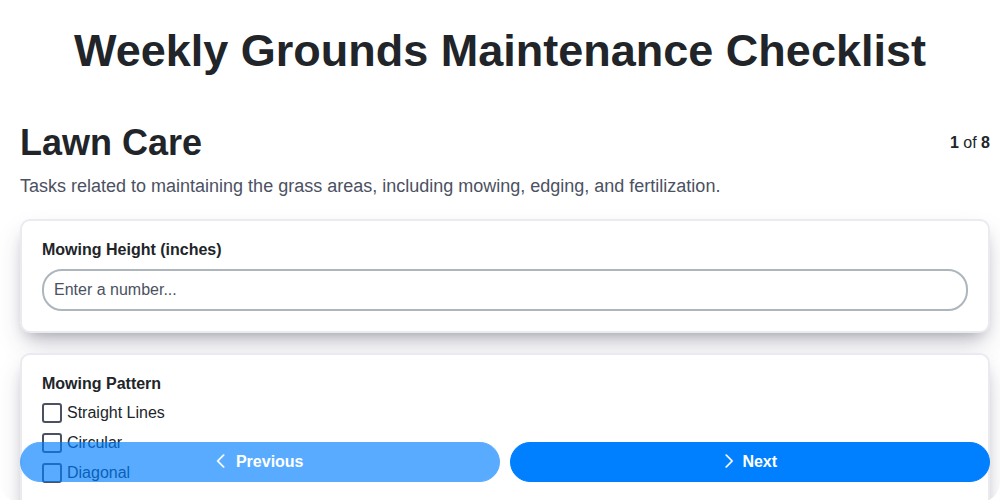
Table of Contents
- Why a Weekly Grounds Maintenance Checklist Matters
- Lawn Care: Mowing, Edging, and More
- Plant Bed TLC: Weeding, Watering, and Deadheading
- Tree & Shrub Essentials: Pruning and Inspection
- Walkway & Patio Refresh: Cleaning and Repairs
- Irrigation System Check-Up: Efficiency and Leak Prevention
- Debris Control: Keeping Your Space Tidy
- Outdoor Furniture Care: Protecting Your Investments
- Seasonal Adjustments: Adapting Your Routine
- Resources & Links
TLDR: Get a free, printable checklist to easily manage your yard's upkeep! It breaks down weekly tasks - from lawn mowing and weeding to irrigation checks - so you can keep your outdoor space looking its best without feeling overwhelmed. Download it and start enjoying a beautiful, well-maintained yard!
Why a Weekly Grounds Maintenance Checklist Matters
A consistently well-maintained outdoor space isn't just aesthetically pleasing; it's an investment in the health and value of your property. Skipping weekly maintenance might seem inconsequential at first, but those small neglects compound over time, leading to bigger, more costly problems down the road.
Think of it this way: a quick weekly weeding session prevents invasive plants from choking out your desired blooms. Regular lawn mowing not only keeps your yard looking tidy but also encourages healthy grass growth. Addressing minor repairs on walkways or patios now can prevent them from becoming major hazards (and expensive fixes) later.
Beyond the tangible benefits, a well-maintained yard contributes to a sense of pride and enhances your enjoyment of your outdoor living space. It's a welcoming environment for relaxation, entertainment, and connection with nature. Ultimately, a weekly grounds maintenance checklist isn't just about chores; it's about creating and preserving a thriving, beautiful outdoor oasis you can truly appreciate.
Lawn Care: Mowing, Edging, and More
Keeping your lawn looking lush and inviting starts with consistent mowing. But it's more than just a quick chop - it's about promoting healthy growth and a clean, polished appearance.
Mowing Height Matters: Don't scalp your lawn! Generally, aim to mow at a height of 2.5 to 3.5 inches. Cutting too short can stress the grass, making it more susceptible to weeds and disease. The ideal height also depends on your grass type - research what's best for your specific variety. Avoid removing more than one-third of the grass blade length at a time (scalping) as this stresses the plant and hinders growth.
Sharp Blades are Key: Dull mower blades tear the grass, leaving ragged edges that are prone to disease and drying out. Sharpen your blades regularly - at least once or twice a season.
Edging: Defining the Boundaries: Edging isn't just about aesthetics; it's about keeping your lawn neatly defined and preventing grass from creeping into your walkways and flower beds. Use an edger to create a clean, crisp line along driveways, sidewalks, and garden borders. A string trimmer can also be used for this purpose.
Striping for Extra Appeal (Optional): For a truly professional look, consider striping your lawn. This involves mowing in alternating directions to create a visually striking pattern. Many modern mowers have a striping kit attachment, but you can also achieve a similar effect by using a weighted roller or even a piece of cardboard.
Plant Bed TLC: Weeding, Watering, and Deadheading
Your flower beds and shrub borders are the heart of your landscape's beauty, and they deserve a little extra care. Beyond simply planting, consistent TLC - that's Tender Loving Care - keeps them thriving and vibrant. Let's break down the key elements:
Weeding: The Constant Battle
Weeds compete with your desirable plants for vital nutrients, water, and sunlight. The sooner you tackle them, the better! Hand-pulling is often the most effective method, especially for smaller gardens. Get the roots! Regular, even brief, weeding sessions are much easier than letting weeds take over. Consider mulching - a thick layer of organic matter (wood chips, shredded bark) not only suppresses weeds but also helps retain moisture and regulate soil temperature.
Watering: Finding the Right Balance
Watering needs vary depending on your plant types, soil type, and weather conditions. Generally, it's better to water deeply and less frequently than shallowly and often. Deep watering encourages roots to grow deeper, making plants more drought-tolerant. Check the soil moisture before watering - stick your finger about an inch or two into the soil; if it feels dry, it's time to water. Morning watering is ideal, as it allows foliage to dry before nightfall, reducing the risk of fungal diseases.
Deadheading: Encouraging Blooms and Cleanliness
Deadheading, the process of removing spent flowers, is a simple yet rewarding task. Why bother? It encourages the plant to produce more blooms, extends the flowering season, and keeps your beds looking tidy. Pinch or snip off the faded flowers just below the bloom, following the plant's natural growth habit. Some plants, like coneflowers, can be left standing for winter interest and to provide seeds for birds.
Tree & Shrub Essentials: Pruning and Inspection
Healthy trees and shrubs are the backbone of any thriving landscape. But beyond just watering, they require regular pruning and vigilant inspection to ensure their long-term health, safety, and aesthetic appeal.
Pruning: Shaping for Success
Pruning isn't just about making trees look nice; it's a vital practice that encourages new growth, improves airflow, and removes potentially hazardous branches. Here's a breakdown:
- When to Prune: The best time to prune most trees and shrubs is during their dormant season - late winter or early spring, before new growth begins. This minimizes stress on the plant and allows it to focus energy on recovery. However, always research specific species as some benefit from pruning at different times.
- What to Remove: Prioritize removing:
- Dead, Damaged, or Diseased Branches: These are a risk to the plant and surrounding areas. Cut them back to healthy wood.
- Crossing or Rubbing Branches: These can create wounds and allow disease to enter.
- Water Sprouts & Suckers: These are undesirable shoots that steal energy from the main plant.
- Low-Hanging Branches: These can obstruct walkways or views.
- Proper Technique: Use sharp, clean pruning shears or a pruning saw. Make clean cuts just outside the branch collar (the swollen area where the branch joins the trunk). Avoid leaving stubs.
Inspection: Early Detection is Key
Regularly inspecting your trees and shrubs can help you identify problems early, before they become severe. Look for these signs:
- Leaf Discoloration or Spotting: This can indicate a fungal disease or pest infestation.
- Branch Dieback: This could be a sign of root problems, disease, or nutrient deficiencies.
- Insect Activity: Watch for signs of insect damage, such as chewed leaves, webbing, or holes in the bark.
- Fungal Growths: Look for mushrooms or other fungal growths on the trunk or branches.
- Structural Weaknesses: Be aware of any branches that appear weak or unstable, especially after storms.
If you suspect a serious problem, consult with a certified arborist for professional diagnosis and treatment. Preventative care and prompt action are your best defenses against tree and shrub diseases and pests.
Walkway & Patio Refresh: Cleaning and Repairs
Your walkways and patios are the welcoming spaces that connect your home to your outdoor haven. Over time, dirt, grime, algae, and general wear and tear can dull their appearance and even create safety hazards. A little refresh can make a world of difference!
Cleaning for a Sparkling Surface
Start with a thorough cleaning. The best method depends on the material of your walkway or patio:
- Concrete: A pressure washer is your best friend for concrete! Be careful not to use too much pressure, which can damage the surface. Alternatively, scrub with a stiff brush and a solution of mild detergent and water.
- Pavers: Similar to concrete, paver cleaning can benefit from pressure washing (again, be cautious). For stubborn stains, try a specialized paver cleaner.
- Brick: Brick is porous, so a gentle scrubbing with a stiff brush and a solution of vinegar and water can lift dirt and algae.
- Stone (Flagstone, Slate): Stone surfaces often require a milder approach. Use a gentle soap and water solution and a soft-bristled brush to avoid scratching.
Don'll forget to tackle algae growth! Algae thrives in damp, shady areas. A solution of oxygen bleach (sodium percarbonate) can be effective at removing it. Always test any cleaning solution in an inconspicuous area first.
Repairing Damage: Safety and Aesthetics
Regular inspections are key to catching and addressing repairs early.
- Cracks: Small cracks in concrete or pavers can often be repaired with concrete crack filler or paver sealant. Larger cracks may require more extensive repairs or replacement.
- Loose Pavers: Re-level loose pavers by adding fresh sand underneath them and compacting it.
- Uneven Surfaces: Address any uneven surfaces to prevent tripping hazards. This might involve leveling the base material or re-laying pavers.
- Grout Repair (for Tile): If your patio features tile, inspect and repair any damaged or missing grout. This not only improves the appearance but also protects the tile from water damage.
A clean and well-maintained walkway and patio create a welcoming and enjoyable outdoor space. Regular upkeep is an investment in both the aesthetics and safety of your property.
Irrigation System Check-Up: Efficiency and Leak Prevention
Your irrigation system is the unsung hero of a thriving landscape, but it requires regular attention to perform optimally and prevent costly water waste. A quick weekly check-up can make a significant difference in both your water bill and the health of your plants.
Here's what to look for:
- Sprinkler Head Function: Walk your entire system and visually inspect each sprinkler head. Are they spraying evenly? Are any clogged with debris? Adjust spray patterns to avoid overspray onto sidewalks or driveways. Replace any broken or damaged heads immediately.
- Leak Detection: Listen carefully for the sound of running water, even when the system isn't scheduled to be on. Look for wet spots in your lawn or around sprinkler heads. Small leaks can quickly add up to significant water loss.
- Pressure Checks: If you suspect low pressure, it could indicate a pipe blockage or a problem with your water supply. Consider having a professional assess your system's pressure.
- Timer Accuracy: Ensure your timer is operating correctly and running your programmed schedules. Double-check that run times are appropriate for your plant's needs and current weather conditions.
- Backflow Preventer: (Important - May Require Professional Service) Backflow preventers protect your water supply from contamination. Many local codes require annual inspections and testing - ensure you're in compliance.
- Winterization (in colder climates): Before the first freeze, thoroughly winterize your irrigation system to prevent damage from frozen pipes. This typically involves blowing out the lines with compressed air.
By incorporating these simple checks into your weekly routine, you'll not only conserve water but also extend the lifespan of your irrigation system and ensure a lush, healthy landscape.
Debris Control: Keeping Your Space Tidy
Beyond the occasional leaf blower session, proactive debris control is about consistently preventing build-up and maintaining a clean, welcoming outdoor area. This isn't just about aesthetics; accumulated debris can become a breeding ground for pests, harbor moisture that damages surfaces, and create hazards.
Start with a simple daily sweep or quick tidy after use-especially on patios and walkways. Regularly clear gutters of fallen leaves and branches to prevent water damage and clogs. Pay attention to corners and under bushes, where debris tends to accumulate unnoticed.
Consider designating a specific container or area for yard waste, making disposal quick and easy. For larger properties, periodic raking and sweeping, particularly during fall and spring, are essential. Even a few minutes dedicated to debris control each week will make a noticeable difference, creating a healthier and more enjoyable outdoor space.
Outdoor Furniture Care: Protecting Your Investments
Your outdoor furniture is a significant investment, designed to enhance your relaxation and entertainment spaces. Protecting it from the elements and general wear and tear ensures it remains beautiful and functional for years to come. Here's a breakdown of how to care for common outdoor furniture materials:
Wood Furniture (Teak, Cedar, Acacia):
- Regular Cleaning: Wipe down with mild soap and water weekly to remove dirt and grime.
- Sealing/Oiling (Optional): While naturally durable, sealing or oiling (especially for teak) can help preserve the wood's color and protect it from moisture. Follow manufacturer's instructions for application. Reapply as needed.
- Covering: When not in use, especially during harsh weather, use furniture covers to shield from sun, rain, and snow.
- Storage: During winter, store wood furniture in a dry, covered location.
Metal Furniture (Aluminum, Wrought Iron):
- Aluminum: Generally low-maintenance. Wash with mild soap and water. Inspect for scratches and touch up with appropriate paint if needed.
- Wrought Iron: Prone to rust. Regularly clean to prevent buildup. Consider applying a protective sealant or paint to inhibit rusting.
- Rust Removal: If rust appears, use a wire brush or rust remover product, following product instructions carefully.
Resin Wicker/Synthetic Wicker:
- Easy to Clean: Simply wipe down with mild soap and water.
- Resistant to UV Damage: Most synthetic wicker is UV-resistant, but prolonged exposure to intense sunlight can still cause fading.
- Check for Loose Weaving: Regularly inspect for loose or broken strands, and repair as needed.
Cushions & Fabrics:
- Regular Washing: Wash cushion covers according to the manufacturer's instructions.
- Sun Protection: Use UV-resistant fabric protectors to prevent fading.
- Indoor Storage: When not in use, store cushions indoors or in a waterproof container.
- Mold Prevention: Ensure cushions dry completely after rain or cleaning to prevent mold and mildew growth.
Seasonal Adjustments: Adapting Your Routine
The beauty of a well-maintained landscape lies in its ability to thrive year-round, but that requires more than just a rigid schedule. Nature's rhythms dictate that your grounds maintenance routine must evolve with the seasons. Here's how to adapt:
Spring Awakening: As temperatures rise and plants emerge from dormancy, your focus shifts to rejuvenation. Increase watering frequency for newly planted items and apply a spring fertilizer to promote lush growth. Be diligent with weed control, as spring is when many annual weeds germinate. Continue edging and mowing as grass growth accelerates.
Summer Heat: During the hottest months, prioritize water conservation. Water deeply and less frequently to encourage strong root growth. Adjust mowing height slightly higher to shade the soil and reduce moisture loss. Monitor plants for signs of heat stress and adjust watering accordingly. Consider using mulch to retain moisture and regulate soil temperature.
Fall Transition: As temperatures cool and leaves change, focus on preparing your landscape for winter. Rake and remove fallen leaves regularly to prevent disease and pest problems. Reduce watering frequency as rainfall increases. Apply a fall fertilizer to strengthen roots and increase cold hardiness. Consider applying a pre-emergent herbicide to prevent winter annual weeds.
Winter Rest: During the winter months, grounds maintenance slows down considerably. Focus on essential tasks like snow removal and protecting vulnerable plants from frost. Inspect trees and shrubs for damage from snow and ice. Sharpen or replace worn-out tools in preparation for the next growing season. A little preventative care now will set you up for success in the spring.
Resources & Links
- The Spruce - Lawn Care: Comprehensive guides to lawn care, including mowing heights, fertilization, and common lawn diseases. Provides detailed information for healthy turf.
- Better Homes & Gardens - Weeding: Tips and techniques for effective weeding in flower beds and gardens. Includes information on different weeding tools and preventative measures.
- Proven Winners - Pruning Guide: Detailed guide to pruning different types of trees and shrubs. Covers timing, techniques, and tools for optimal growth and appearance.
- Cortec - Irrigation Maintenance Checklist: An in-depth checklist specifically focused on irrigation system maintenance, covering inspection, adjustments, and troubleshooting.
- EPA - Integrated Pest Management (IPM): Information on Integrated Pest Management techniques - a holistic approach to pest control that minimizes pesticide use and promotes a healthy ecosystem.
- Gardener's Supply Company - Outdoor Furniture Care: Guide to cleaning, protecting, and maintaining various types of outdoor furniture materials, including wood, metal, and resin.
- The Old Farmer's Almanac - Seasonal Gardening Tasks: A comprehensive list of gardening tasks organized by season, helping you adapt your grounds maintenance routine throughout the year.
- Bob Vila - Walkway Repair: Provides guidance on repairing and maintaining different types of walkways, including concrete, brick, and stone. Addresses common issues and offers solutions.
- Miracle-Gro - Lawn Care Tips: Helpful articles and advice from Miracle-Gro covering various aspects of lawn care and beyond.
- Planet Natural - Organic Gardening Tips: Sustainable and eco-friendly gardening practices with practical advice on pest control, soil health, and water conservation.
Frequently Asked Questions
What is the purpose of this weekly grounds maintenance checklist?
This checklist provides a structured guide to ensure consistent and thorough grounds maintenance throughout the week, helping you maintain a healthy, attractive, and safe outdoor space.
Who is this checklist designed for?
It's designed for groundskeepers, landscaping professionals, property managers, or anyone responsible for maintaining outdoor areas, regardless of the size of the property.
Can I customize this template?
Absolutely! This is a template, so feel free to add, remove, or modify tasks to fit your specific needs and the unique characteristics of your property. Add tasks like pest control or seasonal planting as needed.
How often should I review this checklist?
Ideally, review the checklist at the beginning of each week to plan your activities and at the end of each week to confirm tasks were completed and identify any issues. Adjust frequency based on seasonality and property needs.
What kind of equipment will I need to use this checklist?
The checklist itself requires no special equipment. However, you'll need standard grounds maintenance tools like lawnmowers, trimmers, blowers, rakes, shovels, and possibly specialized equipment for specific tasks (e.g., fertilizer spreaders, pruning shears).
What should I do if a task can't be completed during the week?
Record the reason why the task couldn't be completed and reschedule it for the following week. Documenting the reason helps identify recurring issues that might require adjustments to your schedule or resources.
Where can I find further information on specific grounds maintenance techniques?
Many resources are available online and through local horticultural societies or landscaping supply stores. Consult with local experts for advice tailored to your region and plant varieties.
Comments
There are no comments yet. Be the first to add one!
Hospitality Management Solution Demo
Running a hotel, restaurant, or other hospitality business is demanding. ChecklistGuro's Work OS platform simplifies management, from reservations and guest services to inventory and staff scheduling. Improve efficiency, enhance guest experience, and boost profitability! See how ChecklistGuro can transform your hospitality operations.
Related Articles
Your Ultimate Security Camera Monitoring Log Checklist Template

Payroll Processing Verification Checklist Template: Your Guide to Accuracy

Complaint Handling Checklist Template: Resolve Issues & Retain Customers

Emergency Evacuation Drill Documentation: Your Checklist Template Guide

Mastering Incident Response: Your Free Reporting Protocol Checklist Template
Conquer Your Kitchen: A Monthly Deep Cleaning Checklist Template
Mastering Food Safety: Your Free Temperature Control Checklist Template
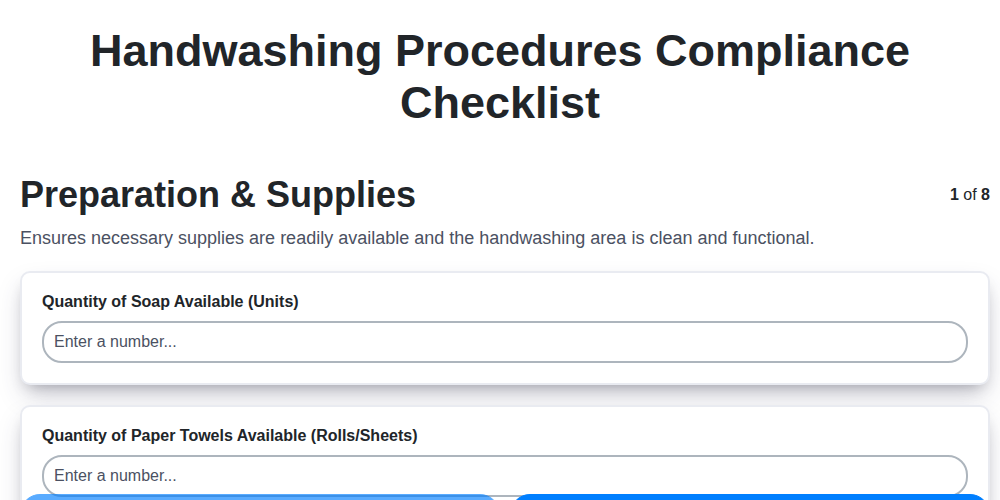
Mastering Hand Hygiene: Your Compliance Checklist Template
We can do it Together
Need help with
Hospitality?
Have a question? We're here to help. Please submit your inquiry, and we'll respond promptly.