 ChecklistGuro
 Building Automation System (BAS) Monitoring Process
Optimize your facility operations with our Building Automation System (BAS) Monitoring Process. Learn how to streamline real-time data tracking, enhance HVAC efficiency, and implement proactive maintenance workflows to reduce energy costs and ensure seamless building performance through automated system oversight.
This Template was installed 2 times.
Start
Start of the Workflow/Process.
1. Fetch Sensor Telemetry
Retrieve latest temperature, humidity, and pressure readings from the BAS sensor data model.
2. Calculate Average Daily Temperature
Aggregate the retrieved sensor readings to find the mean temperature over the last 24 hours.
3. Check Threshold Deviation
Compare the average temperature against the predefined setpoint to calculate the degree of deviation.
4. Create Alert Incident
Create a new entry in the 'Incidents' data model when a deviation exceeds the allowed tolerance.
5. Update Equipment Status
Update the status of the specific HVAC unit in the 'Equipment' data model to 'Warning' or 'Critical'.
6. Assign Technician Investigation
Create a task for the On-call Maintenance Engineer to inspect the hardware.
7. Visual Inspection Checklist
A set of sub-tasks for the technician: check physical wiring, verify power supply, and inspect sensor calibration.
8. Notify Facility Manager
Send an automated email to the Facility Manager summarizing the critical deviation and the created incident.
9. Urgent Alert SMS
Send a high-priority SMS to the Lead Engineer for immediate-action-required-threshold-breach.
10. Retrieve Maintenance Logs
Get the history of previous repairs for the affected equipment to identify recurring patterns.
11. Log Incident Resolution
Update the 'Incident' entry with the technician's findings and resolution notes once the task is complete.
12. Generate Weekly Performance Report
Create a summary report aggregating all incidents, deviations, and resolution times for the weekly management review.
End
End of the Workflow/Process.
Start of the Workflow/Process.
Retrieve latest temperature, humidity, and pressure readings from the BAS sensor data model.
Aggregate the retrieved sensor readings to find the mean temperature over the last 24 hours.
Compare the average temperature against the predefined setpoint to calculate the degree of deviation.
Create a new entry in the 'Incidents' data model when a deviation exceeds the allowed tolerance.
Update the status of the specific HVAC unit in the 'Equipment' data model to 'Warning' or 'Critical'.
Create a task for the On-call Maintenance Engineer to inspect the hardware.
A set of sub-tasks for the technician: check physical wiring, verify power supply, and inspect sensor calibration.
Send an automated email to the Facility Manager summarizing the critical deviation and the created incident.
Send a high-priority SMS to the Lead Engineer for immediate-action-required-threshold-breach.
Get the history of previous repairs for the affected equipment to identify recurring patterns.
Update the 'Incident' entry with the technician's findings and resolution notes once the task is complete.
Create a summary report aggregating all incidents, deviations, and resolution times for the weekly management review.
End of the Workflow/Process.
Comments
There are no comments yet. Be the first to add one!
Facility Management Solution Demo
Keep your facilities running smoothly! ChecklistGuro streamlines maintenance, inspections, and vendor management. Reduce downtime, optimize efficiency, & improve safety. Manage it all with our Work OS.
Related Workflow Templates
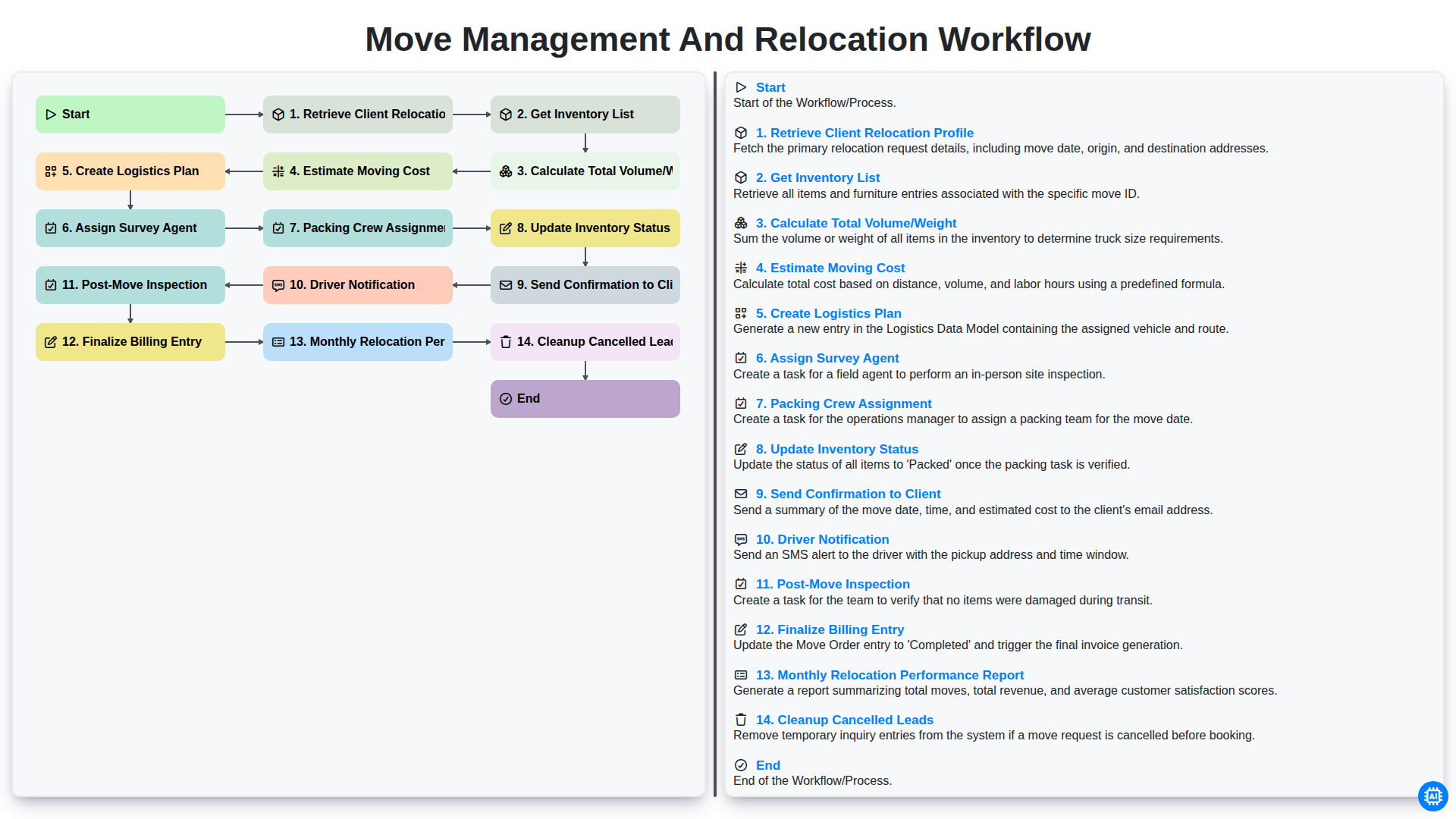
Move Management and Relocation Workflow
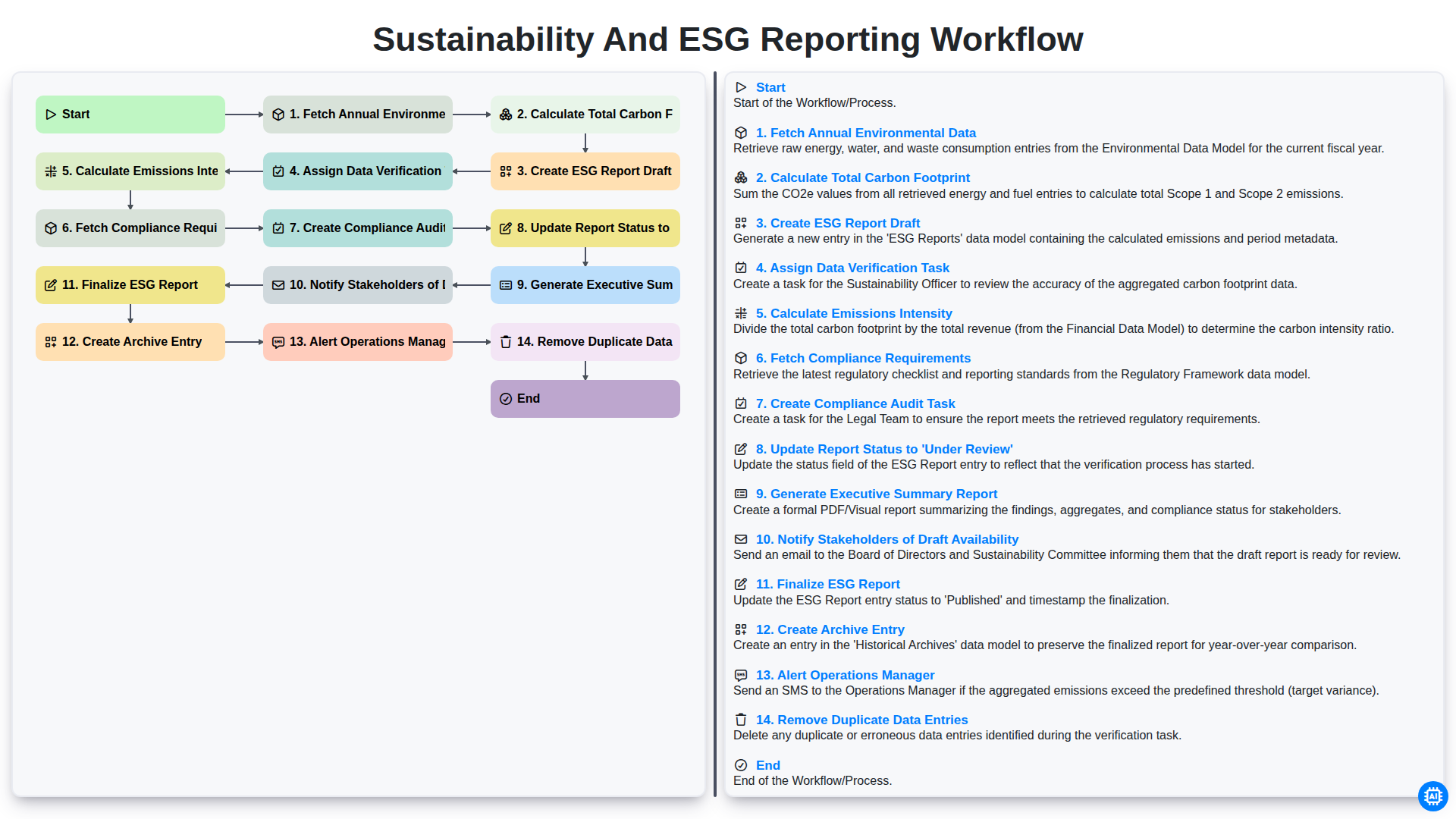
Sustainability and ESG Reporting Workflow
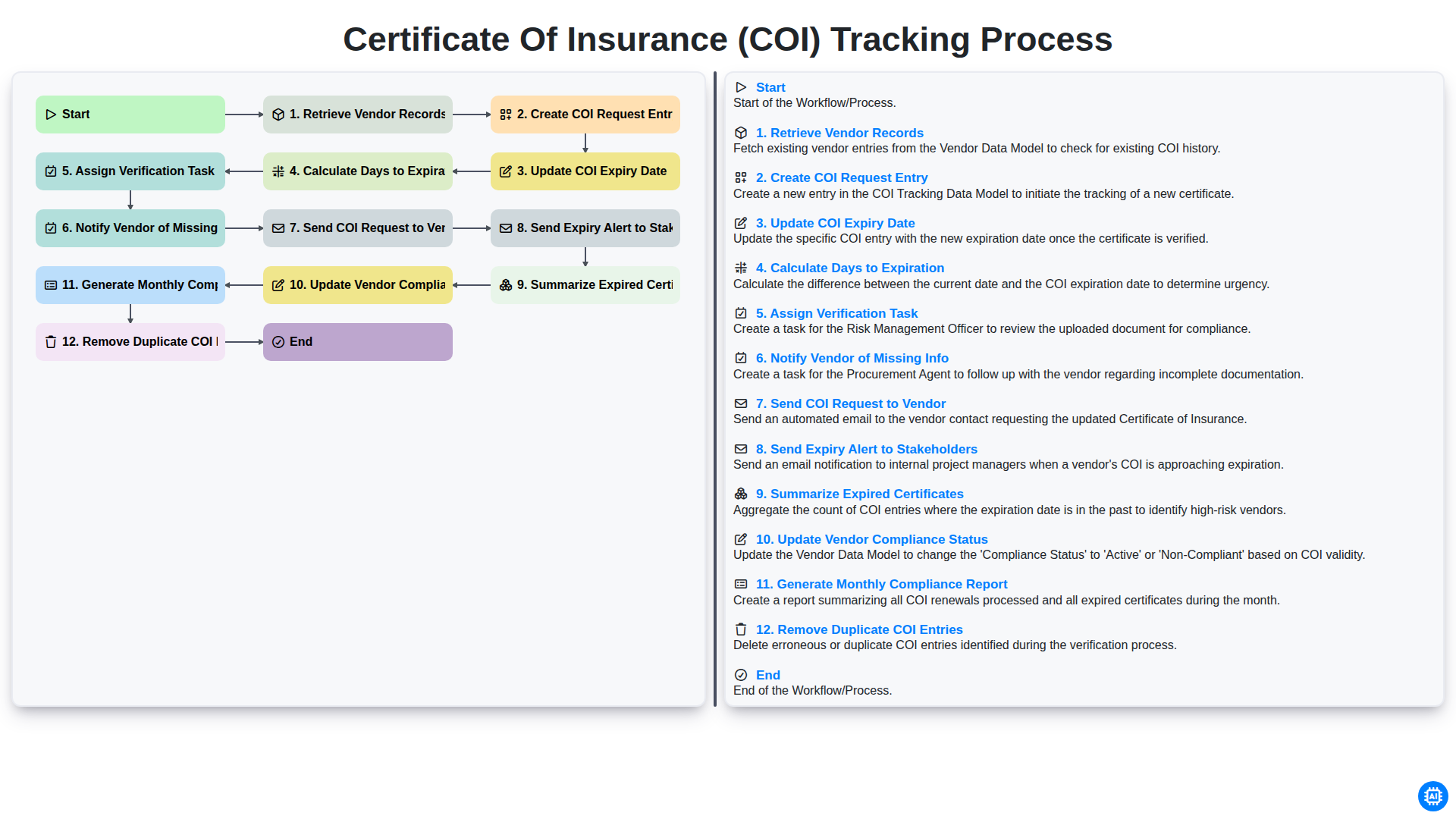
Certificate of Insurance (COI) Tracking Process
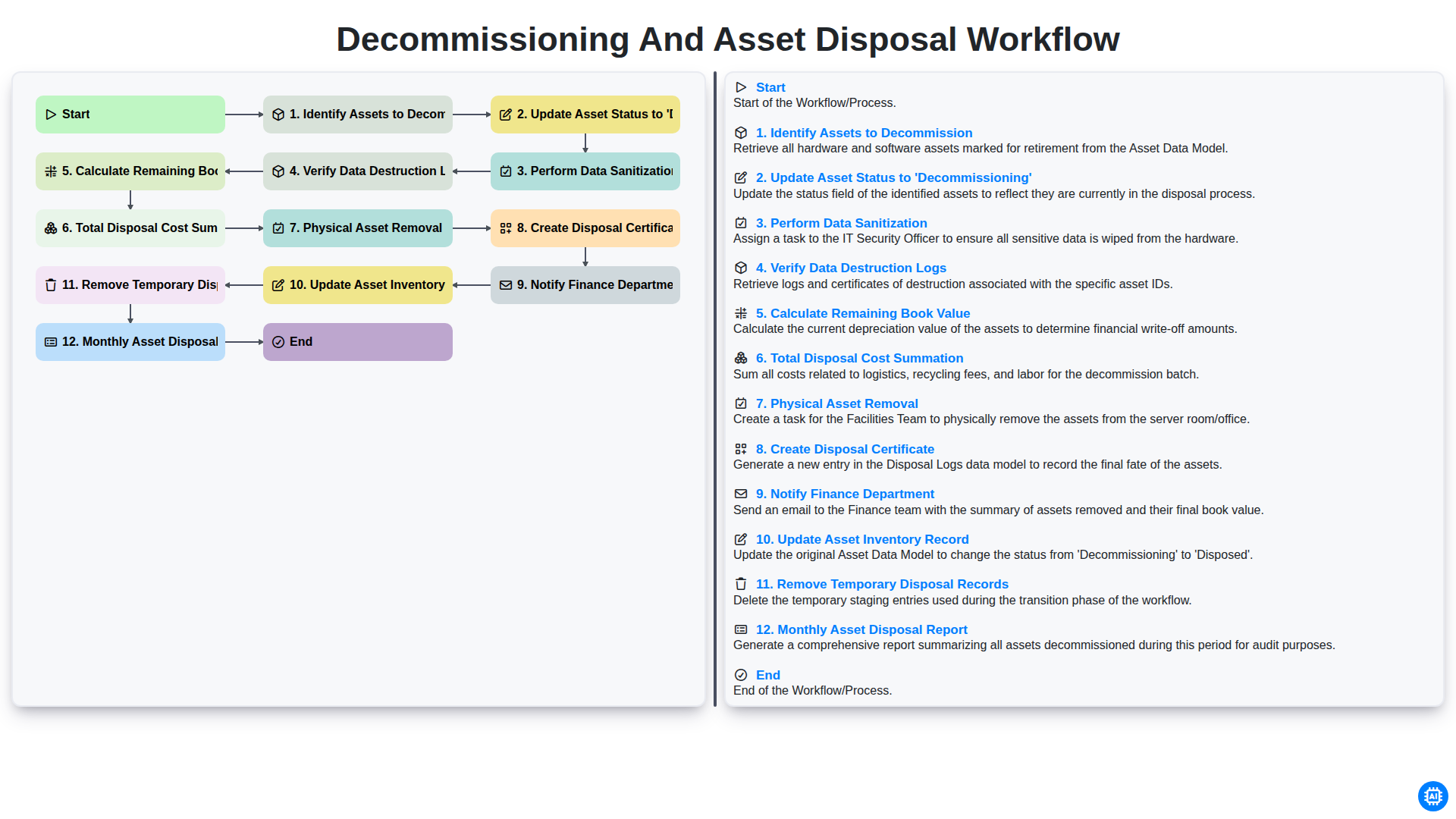
Decommissioning and Asset Disposal Workflow
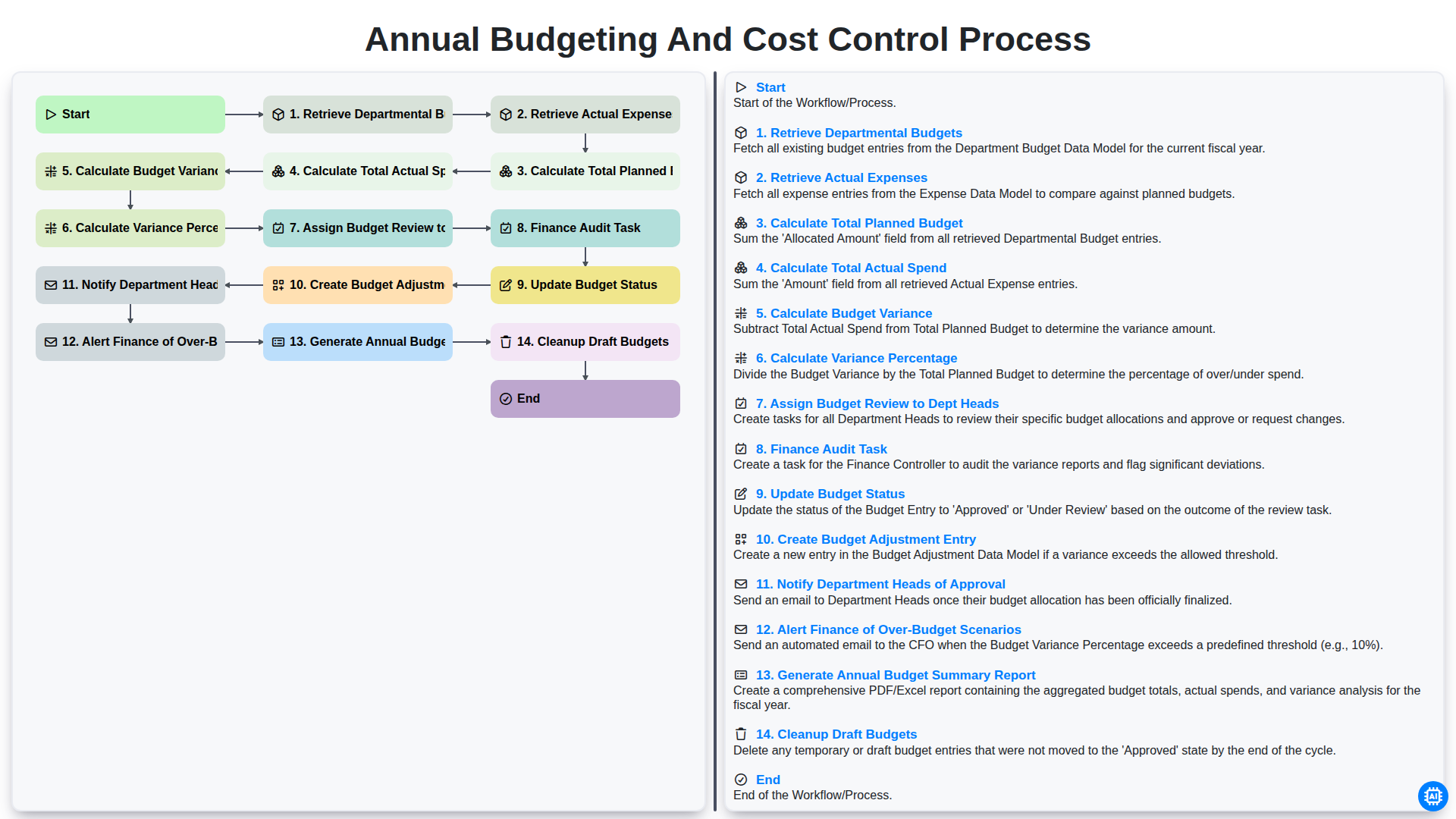
Annual Budgeting and Cost Control Process
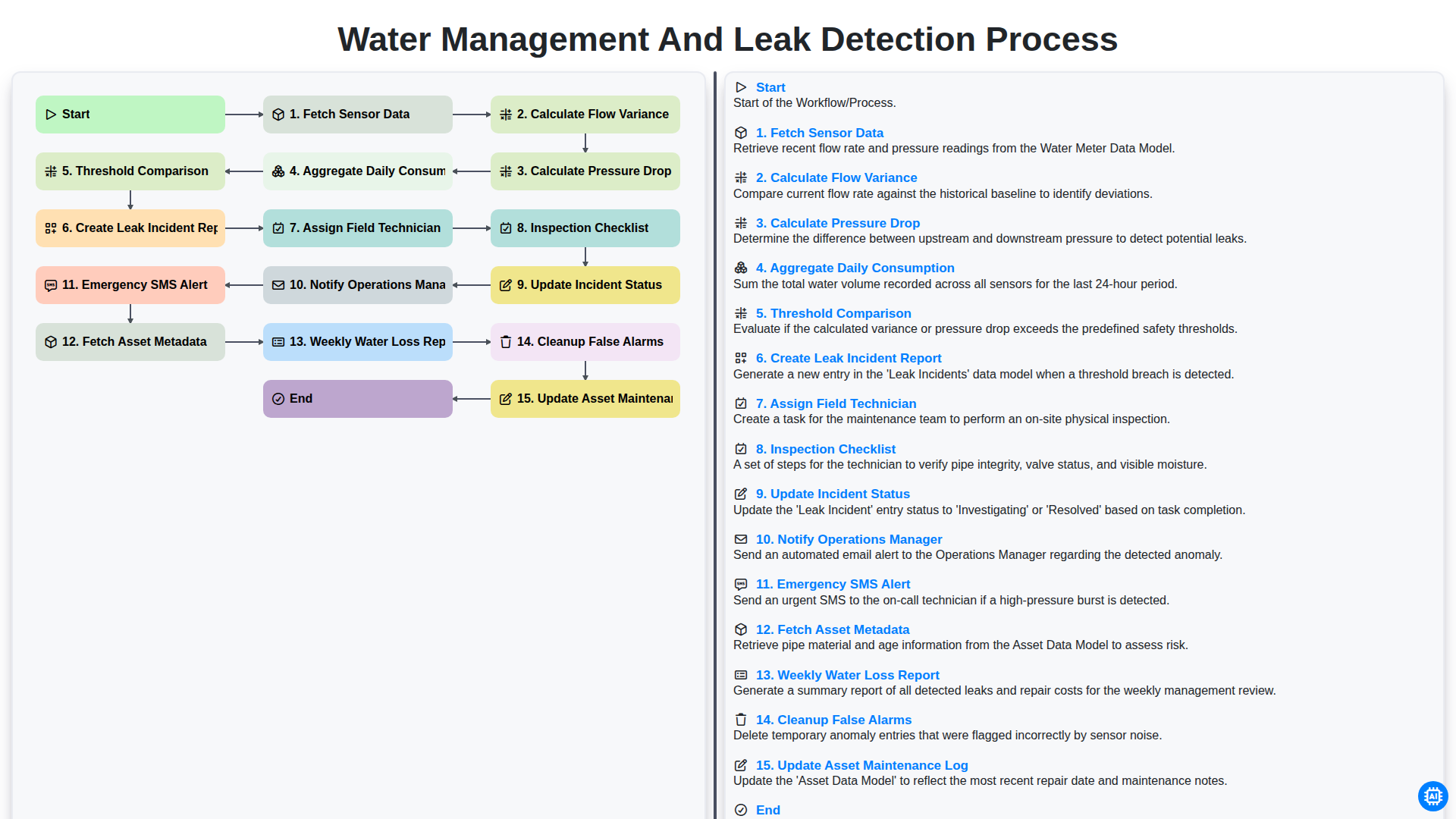
Water Management and Leak Detection Process
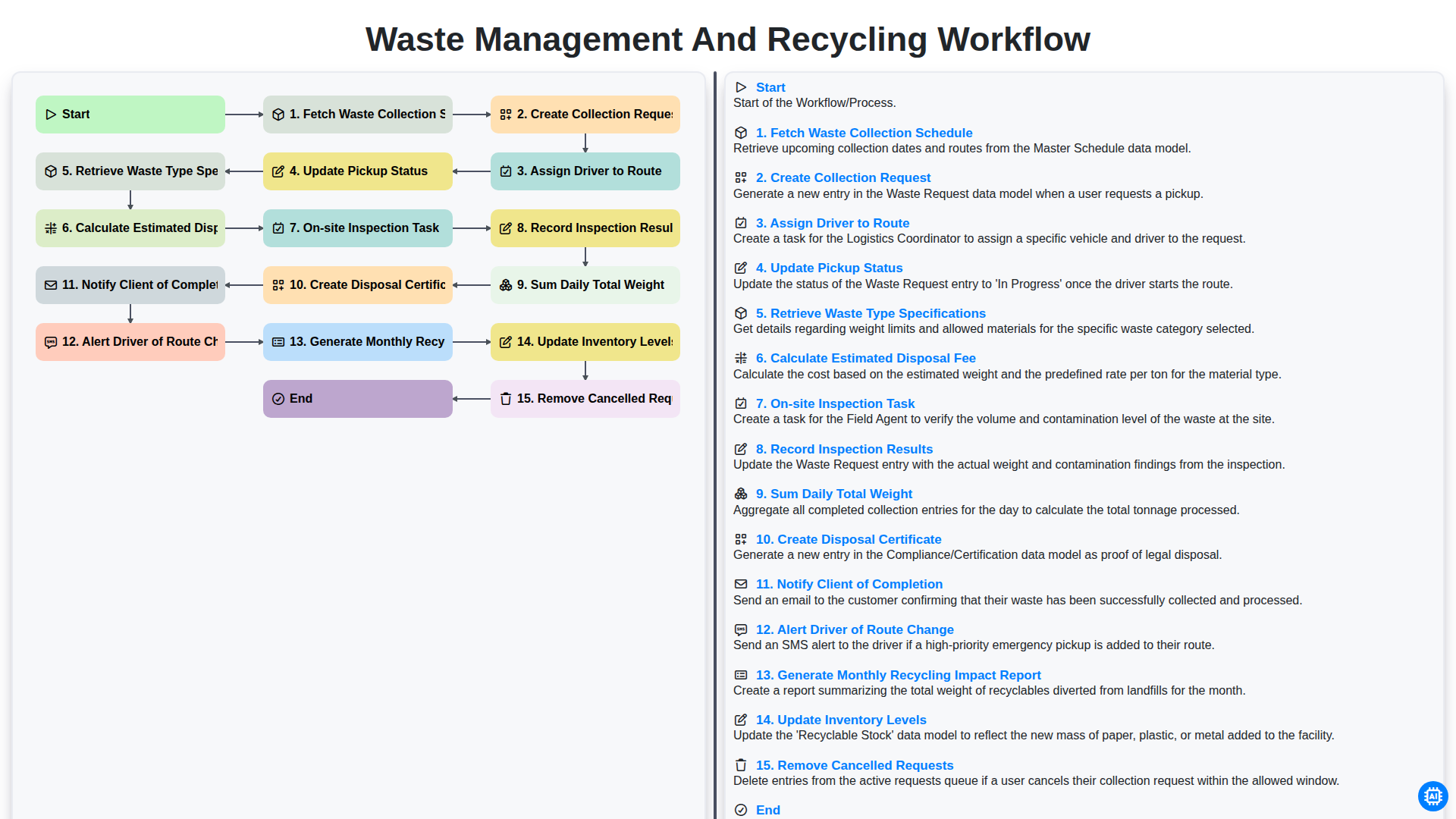
Waste Management and Recycling Workflow
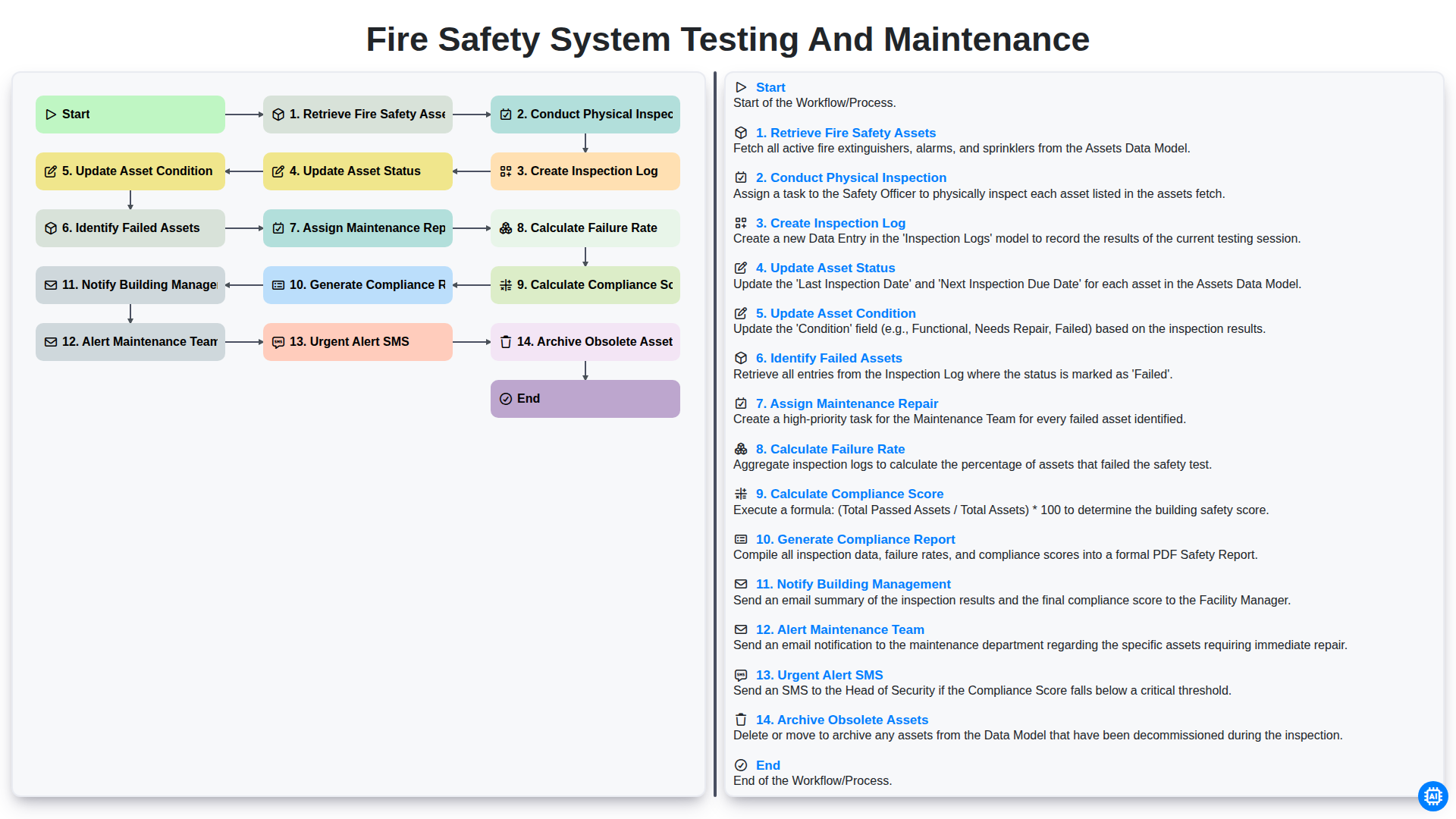
Fire Safety System Testing and Maintenance
We can do it Together
Need help with
Facility Management?
Have a question? We're here to help. Please submit your inquiry, and we'll respond promptly.