 ChecklistGuro
 Warehouse Slotting Optimization Process
Maximize warehouse efficiency and reduce travel time with our Warehouse Slotting Optimization Process. Master the art of strategic product placement by analyzing velocity, demand patterns, and picking density to streamline your WMS workflows, boost picking accuracy, and slash operational costs through data-driven inventory organization.
This Template was installed 4 times.
Start
Start of the Workflow/Process.
1. Retrieve Inventory Data
Fetch all current stock levels, item dimensions, and turnover rates from the Inventory Data Model.
2. Retrieve Warehouse Layout
Fetch existing bin locations, zone capacities, and aisle dimensions from the Warehouse Map Data Model.
3. Calculate Total SKU Velocity
Aggregate the sales frequency of all SKUs to identify high-moving (A-class) vs. low-moving (C-class) items.
4. Calculate Product Cube Volume
Calculate the physical volume (Length x Width x Height) for each SKU to determine space requirements.
5. Determine Heat Index Score
Execute a formula combining turnover rate and physical size to calculate a 'Slotting Priority Score'.
6. Create Optimization Plan
Create a new entry in the 'Slotting Optimization Plan' model containing the proposed new mapping.
7. Update Bin Assignment
Update the 'Location ID' field in the Inventory Data Model to reflect the new suggested slot.
8. Assign Re-slotting Task
Create a task for the Warehouse Floor Manager to oversee the physical movement of goods.
9. Generate Move List
Create a task for Pickers to execute the physical relocation of items from old bins to new bins.
10. Notify Operations Manager
Send an email to the Operations Manager with the summary of the new Slotting Optimization Plan.
11. Generate Post-Optimization Report
Create a report comparing 'Before' and 'After' picking travel distances and space utilization metrics.
12. Update Warehouse Capacity Status
Update the Warehouse Zone occupancy percentages in the Warehouse Map Data Model.
End
End of the Workflow/Process.
Start of the Workflow/Process.
Fetch all current stock levels, item dimensions, and turnover rates from the Inventory Data Model.
Fetch existing bin locations, zone capacities, and aisle dimensions from the Warehouse Map Data Model.
Aggregate the sales frequency of all SKUs to identify high-moving (A-class) vs. low-moving (C-class) items.
Calculate the physical volume (Length x Width x Height) for each SKU to determine space requirements.
Execute a formula combining turnover rate and physical size to calculate a 'Slotting Priority Score'.
Create a new entry in the 'Slotting Optimization Plan' model containing the proposed new mapping.
Update the 'Location ID' field in the Inventory Data Model to reflect the new suggested slot.
Create a task for the Warehouse Floor Manager to oversee the physical movement of goods.
Create a task for Pickers to execute the physical relocation of items from old bins to new bins.
Send an email to the Operations Manager with the summary of the new Slotting Optimization Plan.
Create a report comparing 'Before' and 'After' picking travel distances and space utilization metrics.
Update the Warehouse Zone occupancy percentages in the Warehouse Map Data Model.
End of the Workflow/Process.
Found this Workflow Template helpful?
Comments
There are no comments yet. Be the first to add one!
WMS - Warehouse Management System Solution Demo
Optimize your warehouse operations & boost efficiency! ChecklistGuro's WMS streamlines inventory management, order fulfillment, and shipping. Reduce errors, improve accuracy, & maximize space utilization. Manage it all with our Work OS.
Related Workflow Templates
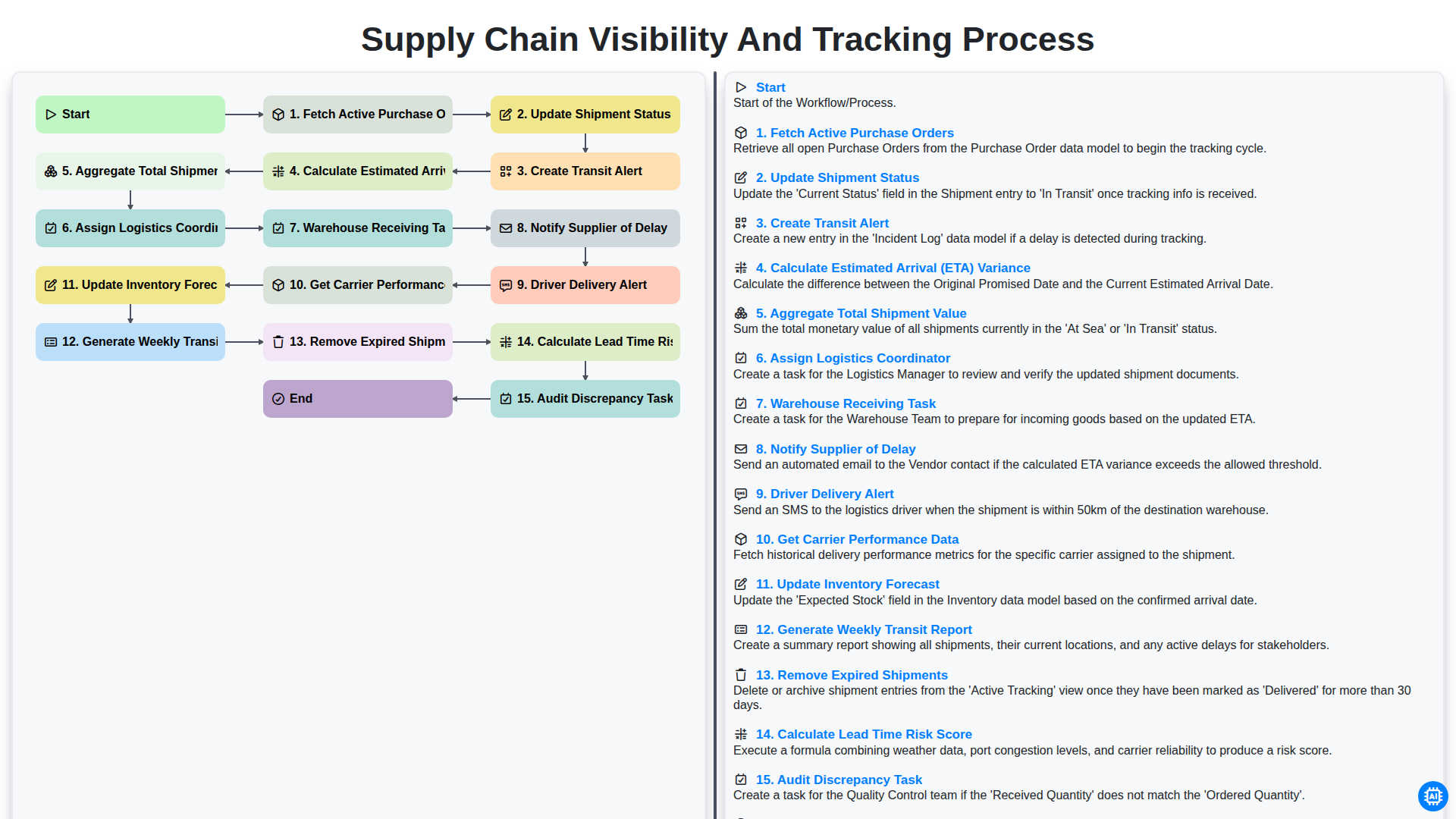
Supply Chain Visibility and Tracking Process
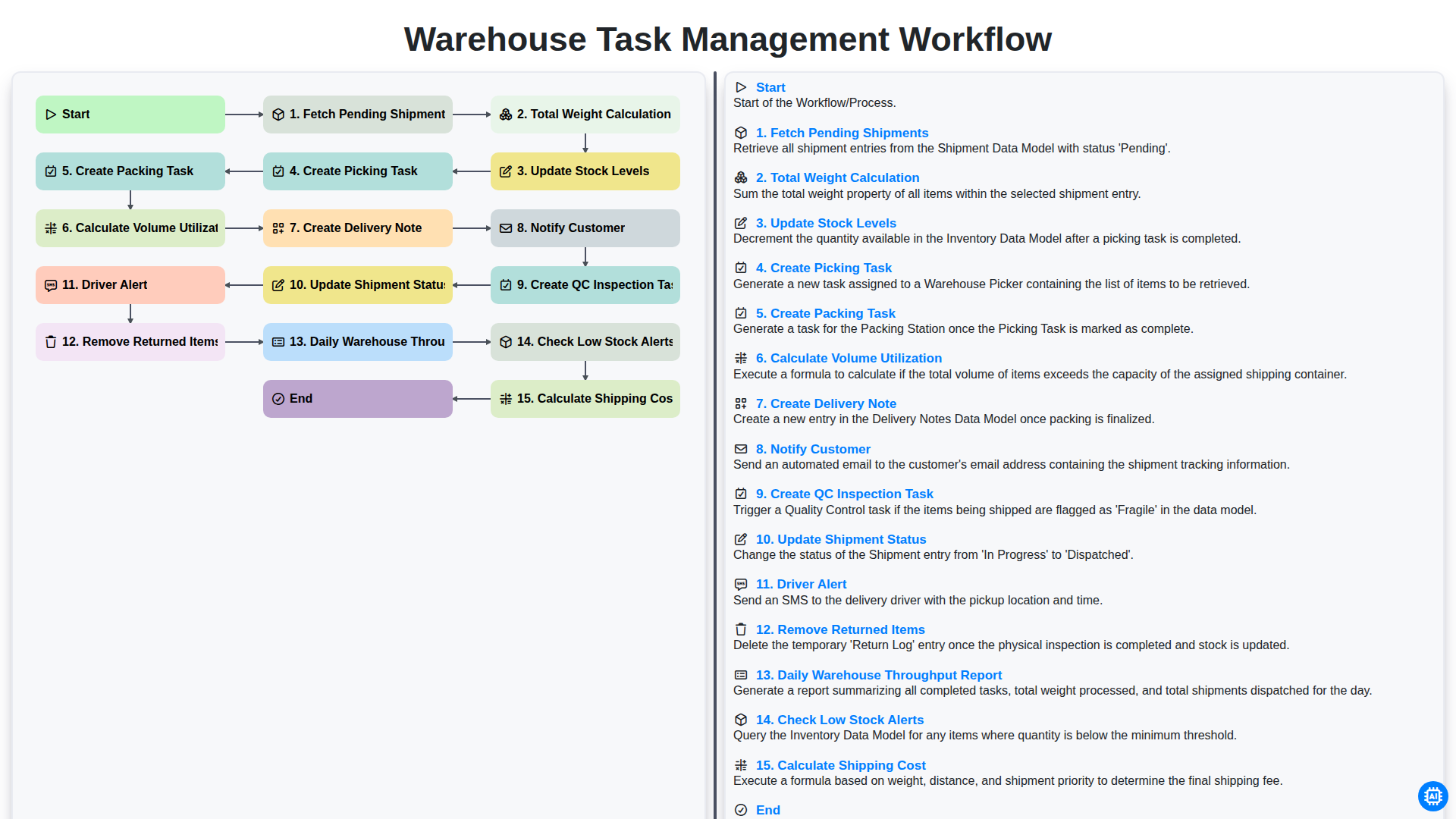
Warehouse Task Management Workflow
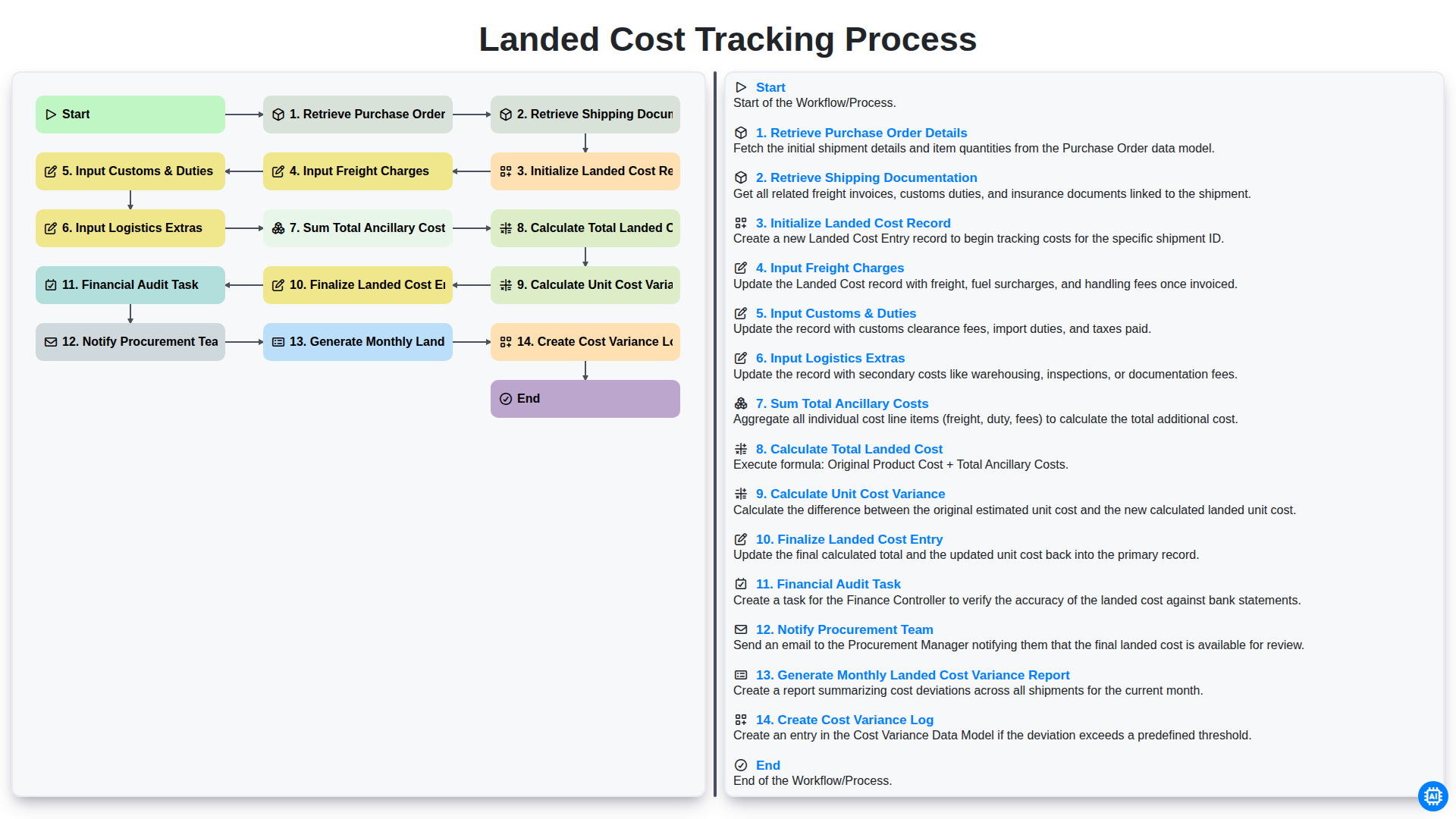
Landed Cost Tracking Process
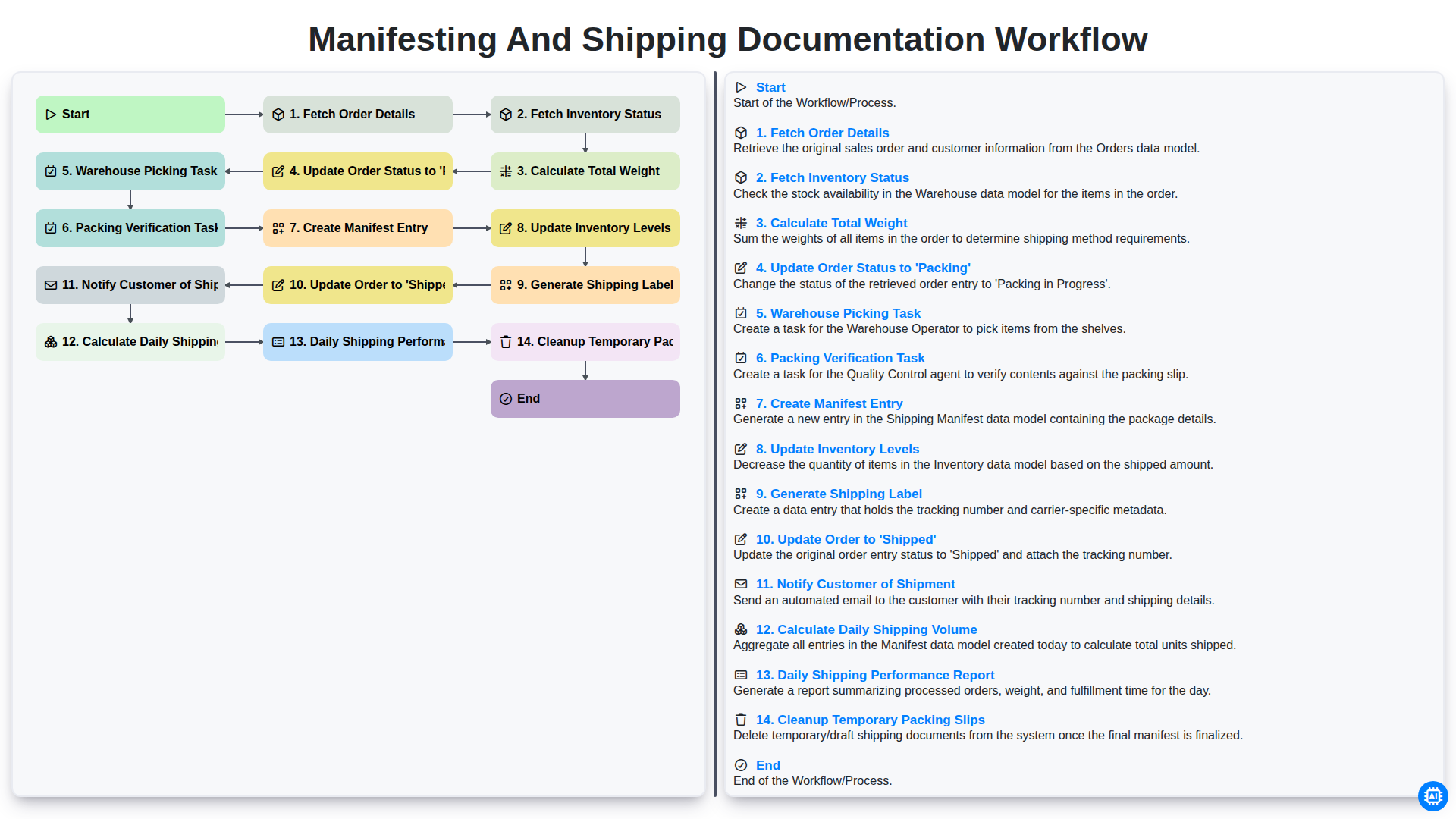
Manifesting and Shipping Documentation Workflow
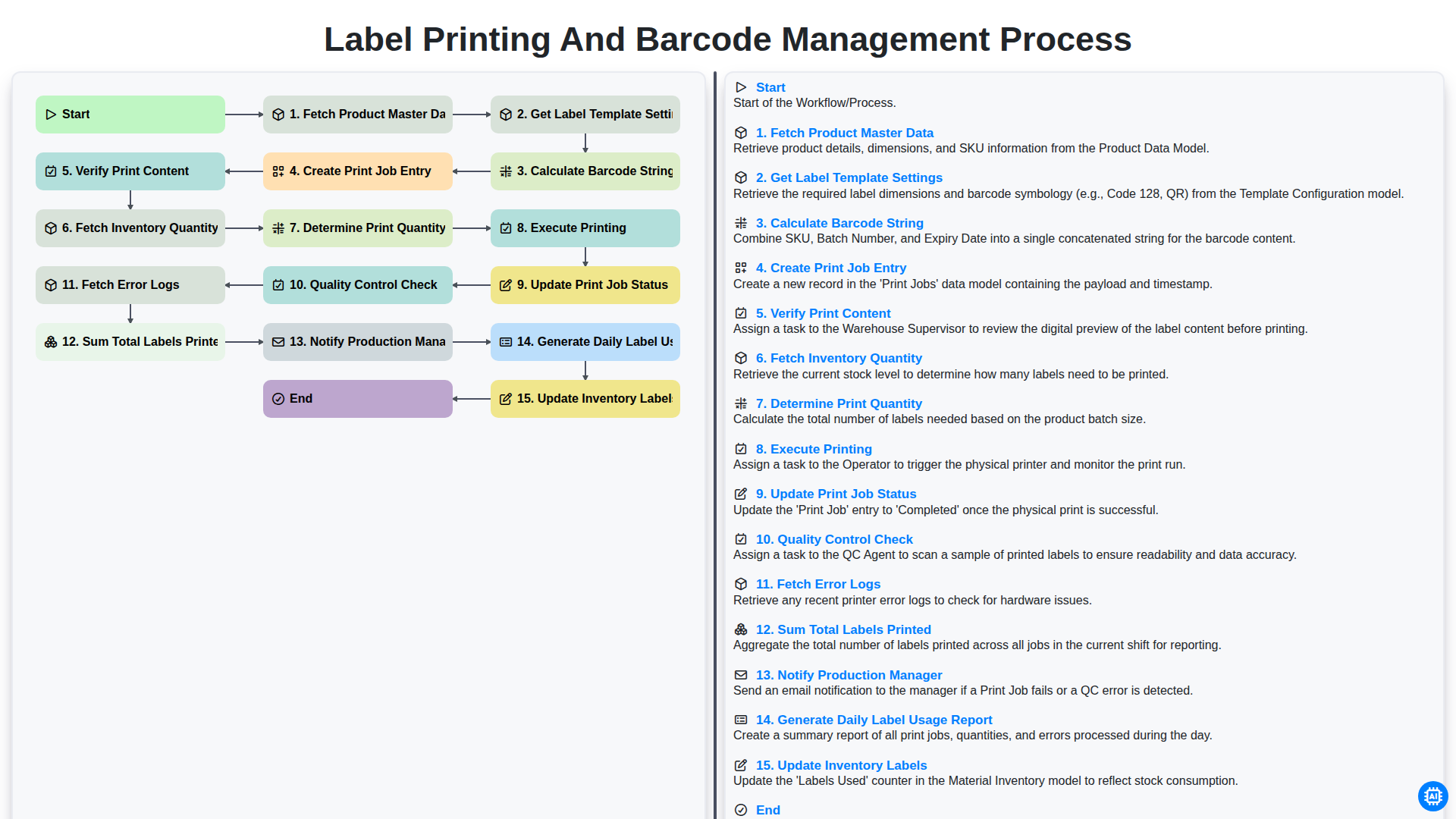
Label Printing and Barcode Management Process
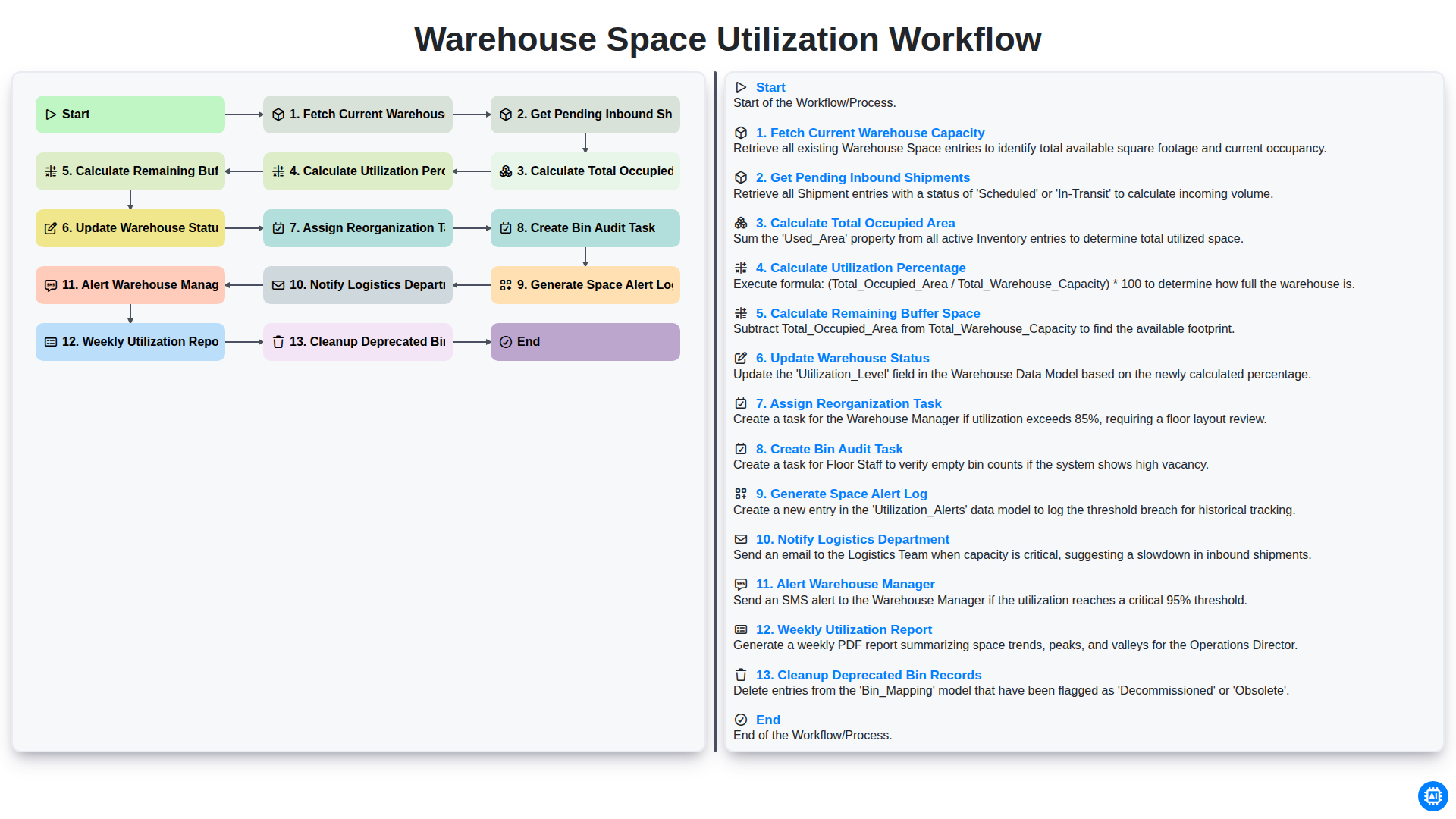
Warehouse Space Utilization Workflow
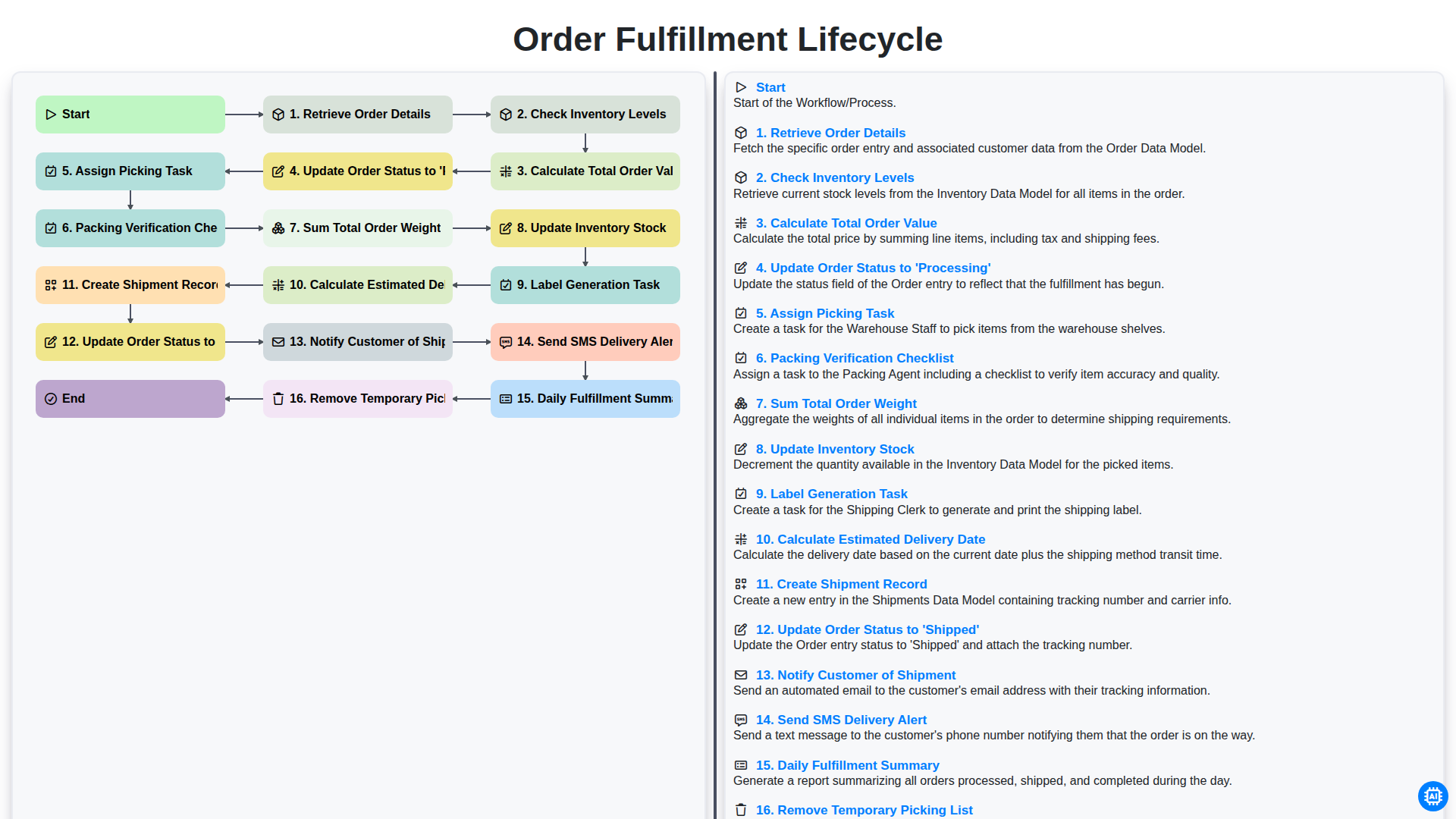
Order Fulfillment Lifecycle
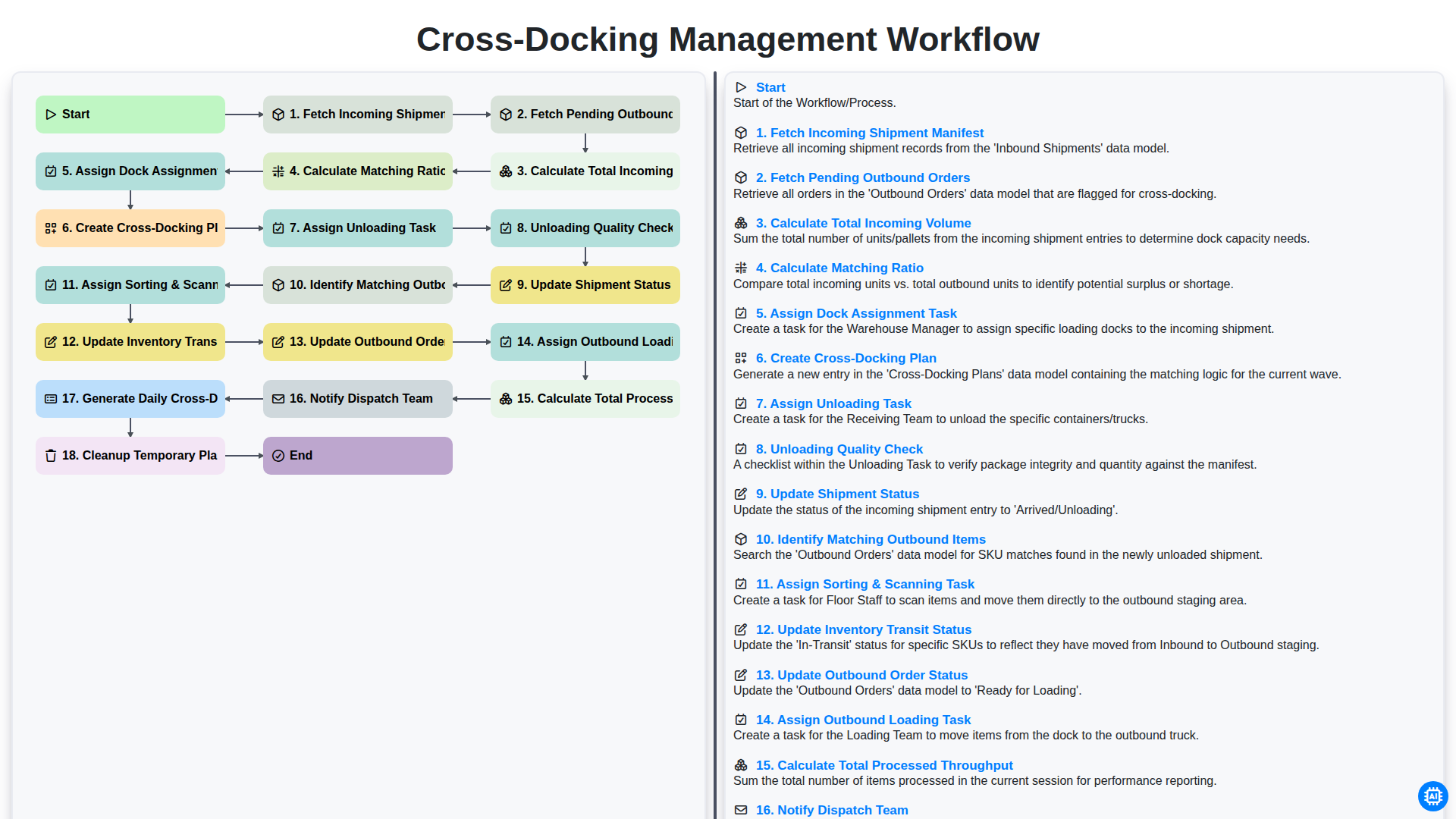
Cross-Docking Management Workflow
We can do it Together
Need help with
Warehouse Management System (WMS)?
Have a question? We're here to help. Please submit your inquiry, and we'll respond promptly.