5 Common Mistakes in Facility Management
Published: 08/28/2026 Updated: 08/29/2026
Table of Contents
- The Hidden Costs of Reactive Maintenance: Why 'Fixing it When It Breaks' Fails
- Fragmented Data Silos: The Danger of Relying on Spreadsheets and Paper Checklists
- Lack of Real-Time Visibility: How Poor Monitoring Impacts Operational Continuity
- Inconsistent Compliance and Safety Protocols: The Risk of Manual Oversight
- Underutilizing Automation: The Gap Between Manual Management and Smart Work OS Solutions
- Resources & Links
TLDR: Managing facilities effectively requires moving beyond reactive maintenance and fragmented manual processes. This post identifies five critical pitfalls-including reliance on spreadsheets, lack of real-time visibility, and inconsistent compliance-and explores how transitioning to a specialized Work OS like ChecklistGuro can automate workflows, centralize data, and prevent costly operational downtime.
The Hidden Costs of Reactive Maintenance: Why 'Fixing it When It Breaks' Fails
The High Price of Firefighting
In the world of facility management, there is a tempting but dangerous trap: the run-to-failure mentality. It is easy to justify a reactive approach when budgets are tight or staffing is lean-after all, if a machine is working, why spend money on it? However, treating maintenance as an emergency-only service is one of the most expensive mistakes a Project Manager can make.
The Ripple Effect of Unplanned Downtime
When you wait for a critical system-be it an HVAC unit, an elevator, or an entire power grid-to fail before intervening, you aren't just paying for a repair. You are paying for:
- Emergency Labor Rates: Urgent, unscheduled repairs almost always come with premium technician fees and overtime costs.
- Secondary Damage: A small leak that could have been caught during a routine inspection can quickly escalate into structural damage or mold remediation.
- Operational Disruption: Unplanned outages halt productivity, impact employee safety, and can lead to costly downtime for the entire organization.
From Reactive to Predictive
The most efficient operations leaders are moving away from firefighting and toward a proactive, scheduled maintenance model. By implementing standardized digital checklists, you can identify the early warning signs of wear and tear before they turn into catastrophic failures.
Transitioning from a reactive to a preventive mindset requires more than just a change in attitude; it requires a single source of truth. This is where a specialized Work OS like ChecklistGuro excels. Instead of waiting for a breakdown report, ChecklistGuro allows you to automate inspection schedules and track asset health in real-time, ensuring that small fixes never turn into big disasters.
Fragmented Data Silos: The Danger of Relying on Spreadsheets and Paper Checklists
Many facility managers still rely on a legacy approach to data: a disorganized mix of printed logs, disconnected Excel spreadsheets, and endless email threads. While these methods might feel familiar, they create dangerous information silos that paralyze decision-making.
The Illusion of Control
Spreadsheets provide a sense of organization, but they are fundamentally static. A spreadsheet can tell you what happened last week, but it cannot tell you what is happening right now. When your maintenance logs live in a folder on one manager's desktop and your equipment history lives in a physical binder in a utility closet, you are operating in the dark.
The Cost of Information Fragmentation
When data is fragmented, the following operational risks become inevitable:
- Delayed Response Times: When critical information is trapped in a paper log, technicians waste precious minutes searching for context instead of performing repairs.
- Lack of Historical Accountability: It becomes nearly impossible to perform trend analysis. You cannot predict when a transformer might fail if your historical data is scattered across unsearchable files.
- The Single Point of Failure Risk: If the one person who knows where everything is goes on vacation or leaves the company, your operational intelligence leaves with them.
Bridging the Gap with a Unified Work OS
To move from reactive chaos to proactive management, you need a single source of truth. This is where modernizing your toolkit becomes essential.
While traditional ERPs can be overly complex and cumbersome for floor-level teams, a specialized Work OS like ChecklistGuro bridges the gap. By digitizing workflows into a centralized platform, ChecklistGuro eliminates silos by ensuring that every inspection, maintenance task, and equipment update is captured in real-time, accessible to everyone from the technician on-site to the Operations Lead in the office.
Transitioning from disconnected sheets to a unified digital ecosystem doesn't just organize your data-it turns your facility's history into actionable intelligence.
Lack of Real-Time Visibility: How Poor Monitoring Impacts Operational Continuity
In the world of facility management, what you can't see can hurt you. Many operations leads fall into the trap of believing that because a facility is running today, everything is under control. However, relying on periodic manual inspections or retrospective reports creates a dangerous blind spot in your operational strategy.
The Illusion of Control
When your monitoring relies on physical walk-throughs or end-of-week paper logs, you aren't managing your facility; you are merely reacting to its past state. This delay between an incident occurring and management becoming aware of it is where downtime thrives. Without real-time visibility, a minor leak or a critical equipment fluctuation remains undetected until it escalates into an expensive emergency repair or a complete operational shutdown.
The Domino Effect of Information Delays
Operational continuity depends on a seamless flow of information. When data is trapped in disconnected formats-like sticky notes, disparate emails, or individual spreadsheets-the truth about your facility's health is always outdated.
This lack of visibility leads to:
- Delayed Response Times: Critical maintenance needs sit in an inbox instead of triggering an immediate work order.
- Poor Resource Allocation: Managers struggle to assign technicians effectively because they lack a live view of task progress and asset status.
- Unpredictable Downtime: Without continuous monitoring, you lose the ability to predict failures before they disrupt your core business functions.
Bridging the Visibility Gap with Intelligent Work OS
To achieve true operational continuity, facility leaders must move away from snapshot management and toward a continuous stream of actionable data.
This is where modern software becomes a strategic asset. While traditional tools might simply digitize a checklist, a specialized Work OS like ChecklistGuro transforms visibility. By integrating real-time data capture with instant automated alerts, ChecklistGuro ensures that the moment a deviation is detected on the floor, it is visible to the entire management team. This eliminates the information lag and allows you to transition from a reactive posture to a proactive, data-driven operation.
Inconsistent Compliance and Safety Protocols: The Risk of Manual Oversight
In the high-stakes environment of facility management, compliance isn't just a regulatory requirement-it is the backbone of operational integrity. One of the most critical mistakes leaders make is treating safety protocols as static documents rather than active workflows.
The Peril of the Paper Trail Trap
Many operations leads still rely on physical logbooks or disconnected digital documents to track safety inspections and regulatory compliance. This creates a dangerous gap in oversight. When compliance data lives in a binder or a single person's email inbox, you lack a single source of truth.
Manual tracking leads to several high-risk scenarios:
- Delayed Detection: You only realize a safety check was missed during an audit, rather than at the moment the failure occurred.
- Human Error: Manual data entry is prone to fatigue and oversight, making it nearly impossible to guarantee 100% accuracy across large-scale facilities.
- Lack of Accountability: Without a digital audit trail, it is difficult to verify exactly who performed a task, when it was completed, and whether the standards were actually met.
Moving from Reactive Auditing to Proactive Compliance
To mitigate these risks, industry leaders are moving away from manual oversight toward automated, closed-loop systems. The goal is to transform compliance from a periodic event into a continuous, automated process.
How Modern Work OS Solutions Bridge the Gap
This is where specialized software changes the game. Unlike traditional methods, a robust Facility Management solution like ChecklistGuro ensures that compliance is baked into the daily workflow.
Instead of checking a box after the fact, a Work OS allows you to:
- Enforce Standardized Workflows: Ensure every technician follows the exact same safety steps, every single time, through intelligent, unskippable digital checklists.
- Instant Audit Readiness: Maintain a real-time, immutable record of all inspections and maintenance tasks, making audit season a non-event rather than a period of panic.
- Automated Escalations: If a safety threshold is breached or a critical inspection is missed, the system automatically alerts the relevant Project Manager, ensuring no risk goes unaddressed.
By integrating compliance into your digital ecosystem, you stop managing by hoping everyone followed the rules and start managing with the certainty provided by real-time, verifiable data.
Underutilizing Automation: The Gap Between Manual Management and Smart Work OS Solutions
In the modern era of smart buildings and IoT-driven operations, many facility managers are still stuck in a manual loop. The most significant mistake isn't just a lack of effort; it's the reliance on outdated, manual workflows that fail to scale.
When you rely on manual inspections, physical logs, or disconnected digital files, you aren't just wasting time-you are creating a massive visibility gap. This gap is where critical maintenance tasks fall through the cracks, and where operational costs begin to spiral.
The Manual Trap and Its Consequences
Many teams believe that if they are simply working harder, they can overcome the limitations of manual processes. However, manual management leads to:
- Delayed Response Times: Without automated triggers, a fault is only addressed after someone notices it, rather than when the data indicates a need.
- Information Decay: Paper-based or disconnected digital notes lose their value the moment they are filed away, making it impossible to perform trend analysis.
- Resource Drain: Highly skilled technicians spend more time on administrative documentation than on actual preventative maintenance.
Bridging the Gap with a Smart Work OS
To bridge this gap, the industry is shifting away from standalone, single-use tools toward integrated Work OS platforms. The goal is to move from reactive monitoring to predictive management.
Why a Specialized Solution Wins
While generic task managers can track simple to-do lists, a specialized Facility Management solution within a Work OS-like ChecklistGuro-transforms how work is executed. Instead of just recording that a task was done, these platforms allow you to:
- Automate Workflows: Automatically trigger maintenance requests based on predefined schedules or sensor inputs.
- Standardize Execution: Ensure every technician follows the exact same high-standard protocol every single time, eliminating human error.
- Centralize Intelligence: Transform every completed checklist into actionable data that feeds into your broader operational strategy.
By transitioning to a platform like ChecklistGuro, organizations stop managing tasks and start managing intelligence. You move from a state of constant firefighting to a streamlined, automated environment where the software does the heavy lifting of monitoring, leaving your team free to focus on high-value optimization.
Resources & Links
- Facility Executive: A leading industry publication providing news, trends, and deep dives into facility management strategies and technology.
- International Facility Management Association (IFMA): The global community for facility management professionals, offering resources on best practices, certification, and industry standards.
- UpKeep: A comprehensive platform for maintenance management that provides insights into moving from reactive to proactive maintenance.
- Planet Doer: Resources focused on operational excellence and overcoming inefficiencies in maintenance and asset management.
- Buildings.com: An information resource for professionals in the building industry, covering everything from construction to long-term facility operations.
- FacilitiesNet: A digital magazine providing technical information and management news for facility managers and building owners.
- IBM - CMMS Explained: Educational resources regarding Computerized Maintenance Management Systems and the impact of data integration.
- Gartner: Global research and advisory services that provide insights into the digital transformation of enterprise operations and automation.
- OSHA (Occupational Safety and Health Administration): The official source for safety standards and compliance protocols essential for facility management oversight.
- McKinsey & Company: In-depth reports on digital transformation, automation, and the economic impact of operational efficiency.
- Facility Management Association: Insights into the evolution of smart buildings and the integration of IoT in facility operations.
- Zero Science: Exploration of the intersection between technology, automation, and the future of maintenance workflows.
- Forbes (Business Section): Articles on the broader business implications of operational downtime and the costs of mismanagement.
- TechCrunch: Updates on the latest advancements in PropTech (Property Technology) and smart building software solutions.
- The Economist: Global perspectives on supply chain, infrastructure, and the macro-economic importance of efficient facility management.
Comments
There are no comments yet. Be the first to add one!
Facility Management Solution Demo
Keep your facilities running smoothly! ChecklistGuro streamlines maintenance, inspections, and vendor management. Reduce downtime, optimize efficiency, & improve safety. Manage it all with our Work OS.
Related Articles
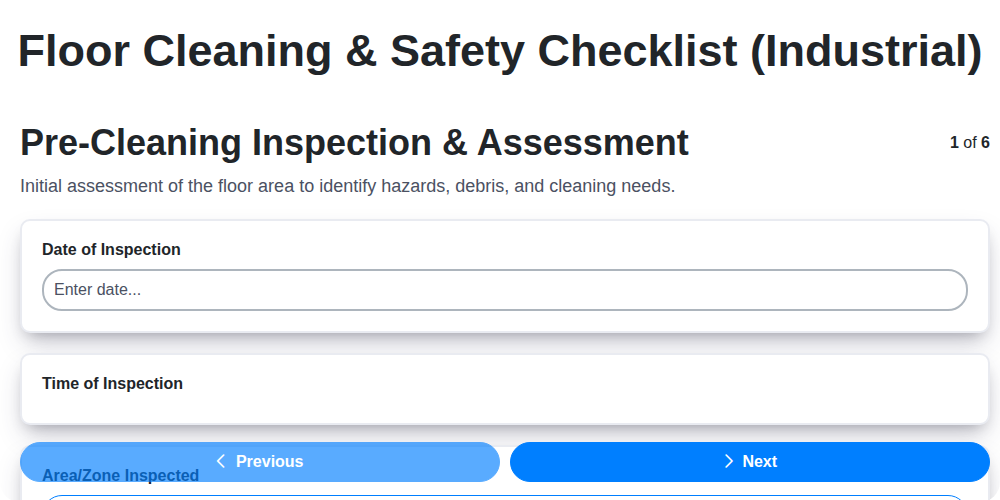
Industrial Floor Cleaning & Safety Checklist Template
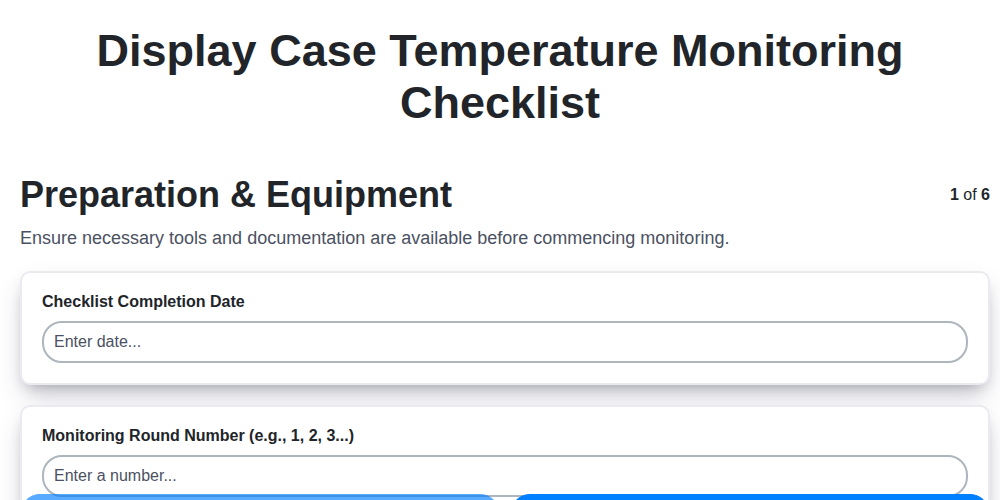
Display Case Temperature Monitoring Checklist Template
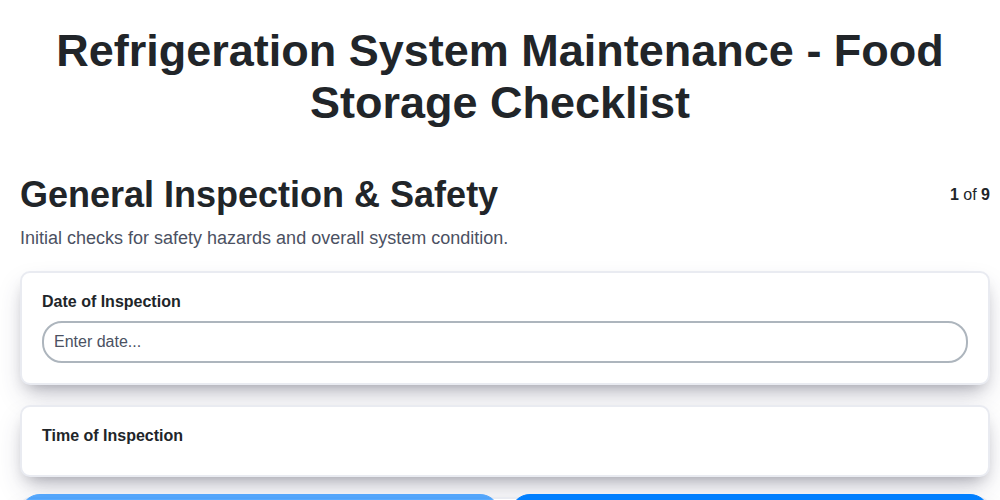
The Ultimate Refrigeration Maintenance Checklist: Keeping Your Food Safe
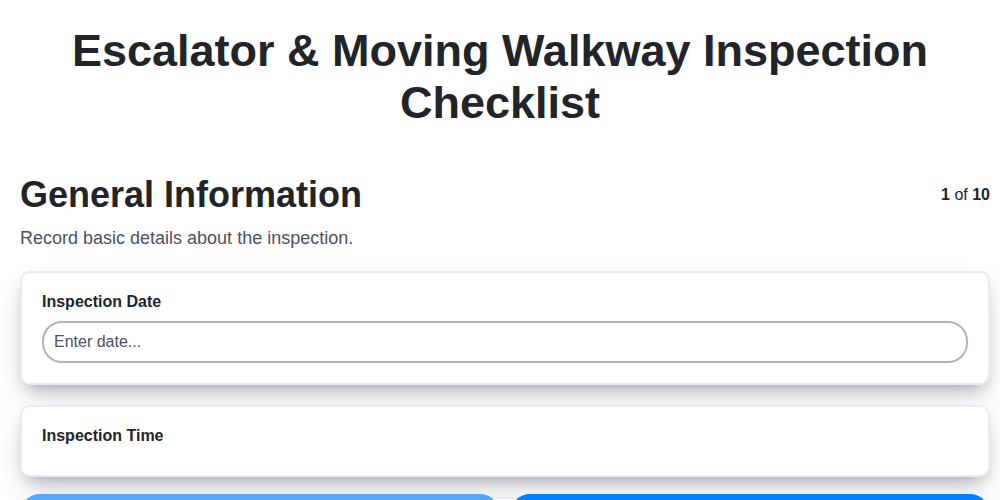
Escalator & Moving Walkway Inspection Checklist Template
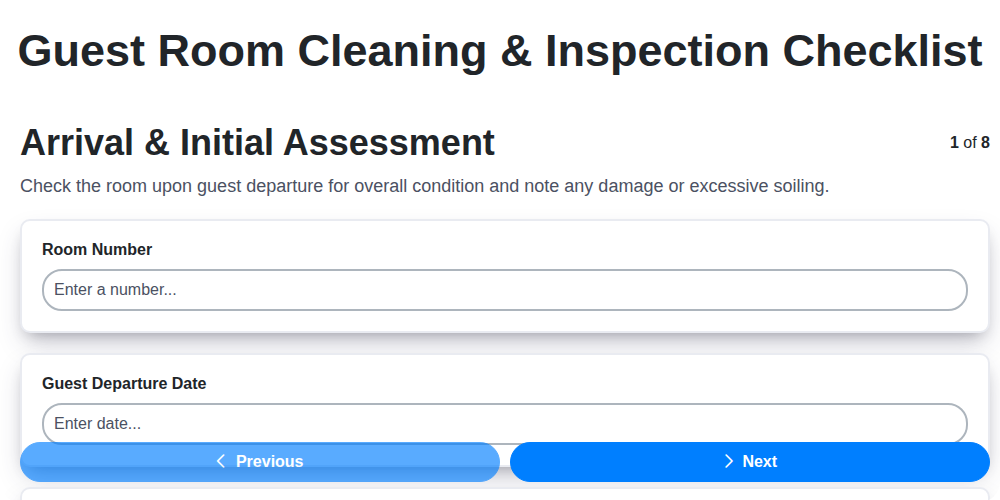
The Ultimate Guest Room Cleaning & Inspection Checklist Template
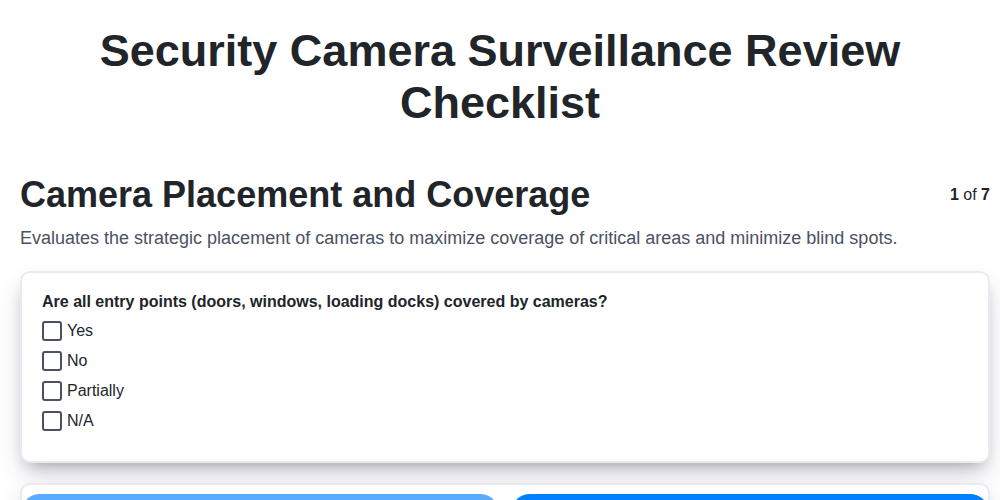
The Ultimate Security Camera Review Checklist Template
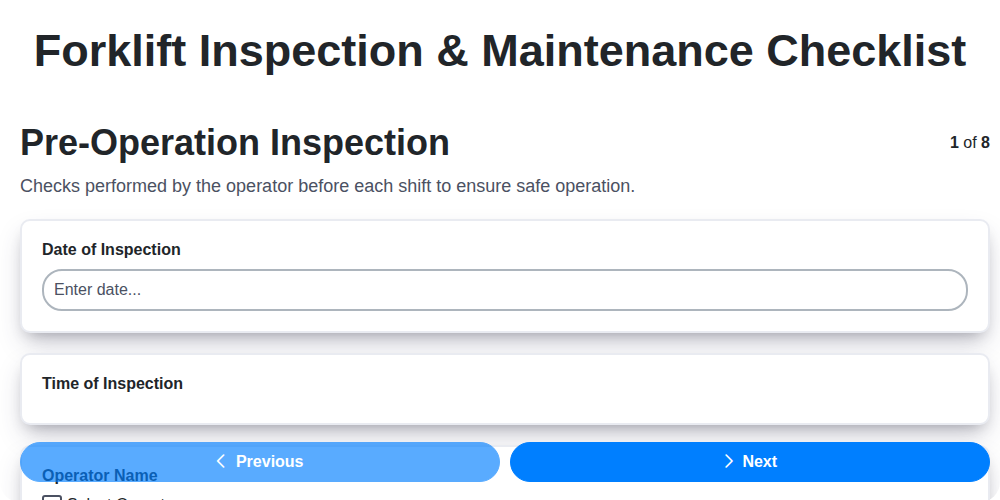
Forklift Inspection & Maintenance Checklist Template
Emergency Generator Load Testing Checklist Template
Need help with
Checklists?
Have a question? We're here to help. Please submit your inquiry, and we'll respond promptly.