Agricultural Resource Allocation Workflow: Smart Farm Management for Efficiency
Published: 06/04/2026 Updated: 10/05/2026
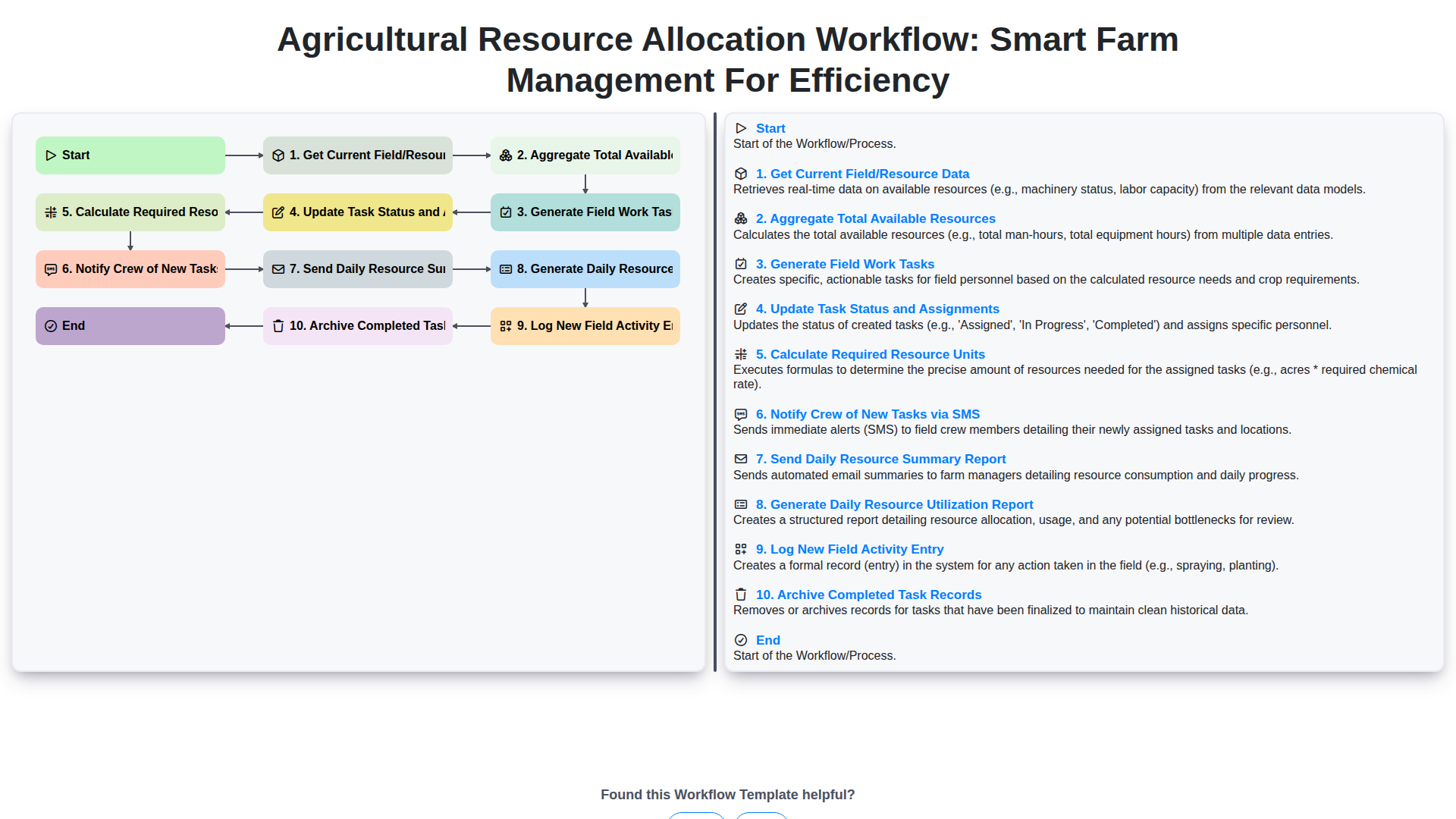
Table of Contents
- Introduction: The Need for Precision in Modern Agriculture
- Step 1: Foundation of Planning - Getting Current Field and Resource Data
- Step 2: Assessing Capacity - Aggregating Total Available Resources
- Step 3: Translating Data into Action - Generating Field Work Tasks
- Step 4: Precision Resource Planning - Calculating Required Resource Units
- Step 5: Real-Time Execution - Updating Task Status and Assignments
- Step 6: Streamlining Communication - Notifying Crews via SMS
- Step 7: Monitoring Progress - Logging New Field Activity Entries
- Step 8: Daily Oversight - Sending Resource Summary Reports
- Step 9: Performance Analysis - Generating Daily Resource Utilization Reports
- Step 10: Maintaining Data Integrity - Archiving Completed Task Records
- The Benefits of an Automated Allocation Workflow
- Conclusion: Driving Long-Term Farm Efficiency
- Resources & Links
TLDR: Discover how to optimize farm productivity using the Agricultural Resource Allocation Workflow. This guide explains how to streamline operations-from aggregating real-time field data and automating task generation to notifying crews via SMS and generating automated utilization reports-ensuring every resource is used with maximum efficiency.
Introduction: The Need for Precision in Modern Agriculture
In the era of rapid technological advancement, the agricultural industry is facing a dual challenge: the increasing global demand for food production and the growing scarcity of essential resources like water, labor, and arable land. The traditional method of guessing resource distribution-relying on intuition or manual, fragmented logs-is no longer sustainable. Inefficiency in allocating machinery, fuel, or manpower doesn't just lead to wasted time; it results in increased operational costs and diminished crop yields.
To remain competitive and sustainable, modern farming requires a transition from reactive management to proactive orchestration. Precision agriculture is not just about using GPS-guided tractors; it is about the seamless integration of data and action. This necessitates a structured, automated workflow that ensures every unit of resource is deployed exactly where and when it is needed most. By implementing a systematic approach to resource allocation, growers can transform their operations from a series of disconnected tasks into a synchronized, data-driven ecosystem designed for maximum efficiency.
Step 1: Foundation of Planning - Getting Current Field and Resource Data
Every successful agricultural strategy begins with a clear understanding of the ground reality. The first and most critical step in the workflow is getting current field and resource data. Before any decisions can be made regarding irrigation, fertilization, or harvesting, you must have a real-time snapshot of your farm's current state.
This stage involves gathering precise data from various touchpoints across your operations, including soil moisture levels, crop growth stages, pest activity reports, and the real-time location of machinery. By integrating sensor data (IoT), drone imagery, and manual field observations, you eliminate the guesswork that often leads to wasted inputs. This foundational step ensures that your entire resource allocation strategy is built upon ground truth rather than outdated assumptions, setting the stage for high-precision farming.
Step 2: Assessing Capacity - Aggregating Total Available Resources
Once your initial field and resource data are gathered, the next critical phase in the workflow is Aggregating Total Available Resources. This step serves as the reality check for your operational planning. It is not enough to simply know what tasks need to be done; you must have a precise, real-time understanding of your total operational capacity.
In this stage, the system pulls data from various streams-such as machinery availability, fuel levels, irrigation capacity, and labor hours-to create a unified view of your available assets. By aggregating these resources, you move away from guesswork and toward data-driven decision-making. This prevents the common pitfall of over-scheduling, which leads to burnt-out crews and equipment fatigue, or under-scheduling, which results in wasted labor costs and missed planting or harvesting windows. By establishing a clear baseline of your total available strength, you create the foundation necessary to distribute tasks effectively across your entire farm operation.
Step 3: Translating Data into Action - Generating Field Work Tasks
Once the system has aggregated your available resources and assessed your current field data, the engine moves from analysis to execution. This is where the intelligence of a smart farm truly shines. In this phase, the software processes the available labor, machinery, and supplies against the specific needs of each plot to Generate Field Work Tasks.
Rather than relying on manual guesswork or paper checklists, the workflow automatically creates a structured list of actionable objectives. Each task is intelligently scoped based on real-time requirements-whether it's an irrigation cycle, a fertilization pass, or a harvest window. By automating this transition, you eliminate the bottleneck of manual planning and ensure that every task is grounded in actual field necessity rather than mere estimation. This step effectively bridges the gap between high-level resource oversight and boots-on-the-ground operations.
Step 4: Precision Resource Planning - Calculating Required Resource Units
Once your field work tasks have been generated and assigned, the workflow moves into its most critical analytical phase: Calculating Required Resource Units. This step serves as the bridge between planning and execution, ensuring that every task is backed by the precise amount of physical and human capital needed to complete it successfully.
In this stage, the system analyzes the complexity of each pending task alongside the current availability of your fleet and personnel. It doesn't just look at what needs to be done, but how much is required to do it efficiently. For example, if a task involves fertilizing a specific acreage, the system calculates the exact volume of fertilizer, the necessary machinery (such as a tractor or spreader), and the specific labor hours required to cover that area.
By automating these calculations, you eliminate the guesswork and the common pitfall of under-resourcing-which leads to costly delays-or over-resourcing, which leads to wasted fuel and idle labor. This precision ensures that your resource allocation is mathematically optimized, allowing you to maintain a lean, high-performance operation where every drop of fuel and every hour of labor is accounted for.
Step 5: Real-Time Execution - Updating Task Status and Assignments
Once the field work tasks have been generated and distributed, the workflow moves into the most critical phase: real-time execution. This stage is where the digital plan meets the physical reality of the farm. As field teams begin their work, the Update Task Status and Assignments step ensures that the management system remains a living document rather than a static schedule.
As workers progress through their assigned duties-whether it be irrigation, fertilization, or pest control-they update the status of each task within the system. This immediate feedback loop allows managers to track progress in real-time, seeing exactly which plots have been serviced and which are still pending. Furthermore, this step allows for dynamic reassignment; if a sudden weather shift or equipment failure occurs, managers can pivot resources instantly by reassigning tasks to different crews, ensuring that no part of the farm is neglected and that labor is always directed where the need is greatest.
Step 6: Streamlining Communication - Notifying Crews via SMS
In a fast-paced agricultural environment, timely information is the backbone of productivity. Once field work tasks are generated and resources are allocated, the next critical step in the workflow is ensuring that the people on the ground actually know what needs to be done. Manual communication-such as phone calls or waiting for workers to check a central office-is prone to delays and human error.
By integrating automated SMS notifications, the workflow bridges the gap between management and the field. As soon as a new task is assigned, the relevant crew members receive an instant text message directly to their mobile devices. This notification contains essential details such as the specific field location, the type of task required, and the allocated resources.
This automated alert system provides several key advantages:
- Immediate Action: It eliminates the information lag, allowing crews to begin mobilization the moment a task is created.
- Reduced Administrative Burden: Managers no longer need to spend hours calling individual team members to relay instructions.
- Enhanced Accountability: By delivering precise instructions digitally, you create a clear trail of when information was dispatched, ensuring everyone is aligned with the daily objectives.
By automating this communication loop, you transform your farm management from a reactive process into a proactive, streamlined operation.
Step 7: Monitoring Progress - Logging New Field Activity Entries
Once the heavy lifting of the day is done, the workflow moves into a critical phase of documentation: Logging New Field Activity Entries. This step serves as the digital ledger of your farm's operations.
Logging real-time activity is about more than just checking a box; it is about capturing the granular details of what actually occurred on the ground. Whether it is the exact amount of fertilizer applied, the specific moisture levels recorded during an irrigation cycle, or the arrival of a particular pest sighting, these entries provide the raw data necessary for precision agriculture.
By documenting these entries immediately after a task is completed, you eliminate the memory gap that often occurs when crews wait until the end of the week to report. This creates a continuous loop of accountability and accuracy, ensuring that every action taken in the field is accounted for, providing a reliable foundation for future decision-making and long-term crop analysis.
Step 8: Daily Oversight - Sending Resource Summary Reports
To ensure that farm managers and stakeholders remain informed without needing to dive into the granular details of every single task, the workflow includes a critical automated step: Sending the Daily Resource Summary Report.
Once the day's activities are logged and the tasks are updated, the system automatically compiles a high-level overview of the day's operations. This report serves as a single source of truth, providing a snapshot of how much labor, machinery, and fuel were deployed versus what was originally planned. By delivering this summary directly to management, the system eliminates the need for manual end-of-day tallying, allowing for immediate identification of any discrepancies in resource usage. This proactive oversight ensures that any inefficiencies or unexpected resource drains are caught within 24 hours, allowing for rapid course correction in the following day's schedule.
Step 9: Performance Analysis - Generating Daily Resource Utilization Reports
The final stage of the daily workflow is the transition from execution to insight. Once the day's field activities are logged, the system automatically generates a Daily Resource Utilization Report. This is where raw data transforms into actionable intelligence.
Rather than simply looking at what was accomplished, this report provides a granular look at efficiency. It compares the planned resource allocation against the actual resources consumed. By analyzing these metrics, farm managers can identify specific patterns, such as:
- Efficiency Gaps: Are certain fields requiring more labor hours or fuel than originally estimated?
- Resource Leakage: Are there discrepancies between the task assignments and the actual equipment usage logged?
- Productivity Trends: Which crews or machinery units are operating at peak efficiency and which might require maintenance or retraining?
By automating this report, the workflow eliminates the manual burden of end-of-day bookkeeping. It ensures that every decision made for the following day's planning is rooted in empirical data, turning the Daily Resource Summary into a powerful tool for continuous operational improvement.
Step 10: Maintaining Data Integrity - Archiving Completed Task Records
The final step in our optimized workflow is the critical process of archiving completed task records. While it might be tempting to leave all historical data in your active dashboard for quick reference, true smart farm management requires a clean, high-performance digital environment.
Archiving serves two vital purposes: system optimization and long-term intelligence. By moving completed tasks into a dedicated archive, you reduce clutter in your active workspace, ensuring that your team is only focused on current, actionable data. This prevents information fatigue and minimizes the risk of error when assigning new resources.
However, archiving is not about deletion; it is about structured preservation. These archived records become the backbone of your farm's historical dataset. By maintaining a well-organized archive, you can perform longitudinal studies on seasonal productivity, compare resource usage across different years, and refine your predictive models for future planting seasons. This ensures that as your farm grows, your data remains both lightweight for daily operations and deep enough for strategic long-term planning.
The Benefits of an Automated Allocation Workflow
Transitioning from manual scheduling to an automated allocation workflow offers transformative advantages for modern agribusinesses. By replacing fragmented spreadsheets and verbal instructions with a structured, data-driven process, farms can unlock several key operational benefits:
- Enhanced Resource Optimization: Automation ensures that every unit of input-whether it be fuel, machinery, fertilizer, or labor-is precisely matched to the specific needs of each field. By automatically calculating required resource units against available inventory, you eliminate both costly over-provisioning and the productivity gaps caused by shortages.
- Real-Time Operational Visibility: With a continuous loop of updating task statuses and logging field activities, management gains an instantaneous view of farm operations. This eliminates the information lag typically found in manual systems, allowing for proactive adjustments to be made before minor delays turn into significant losses.
- Improved Labor Productivity and Accountability: By automating task generation and delivering instant SMS notifications to crews, you eliminate the time wasted on manual communication. Crew members receive clear, actionable instructions directly on their devices, while the automated logging of completed tasks creates a transparent audit trail of work performed.
- Data-Driven Decision Making: The automated generation of daily resource summaries and utilization reports converts raw field data into actionable intelligence. These insights allow farm managers to identify patterns in resource consumption, spot inefficiencies in machinery usage, and refine planting or harvesting schedules based on historical performance.
- Reduced Administrative Burden: Automating the archival of completed records and the aggregation of resource data frees up farm managers from tedious paperwork. This allows your team to shift their focus from managing the spreadsheet to managing the land, driving higher efficiency across the entire enterprise.
Conclusion: Driving Long-Term Farm Efficiency
Implementing an Agricultural Resource Allocation Workflow is more than just a technical upgrade; it is a strategic shift toward data-driven farming. By transitioning from reactive decision-making to a structured, automated system, you eliminate the guesswork that often leads to wasted fuel, unused labor, and depleted supplies.
As the workflow moves from initial data collection to the final archiving of task records, it creates a continuous loop of intelligence. Each completed task becomes a data point that informs future planning, allowing you to refine your resource usage and optimize your seasonal strategies. Ultimately, this systematic approach ensures that every seed, every liter of fuel, and every man-hour is utilized to its maximum potential, paving the way for a more sustainable, profitable, and resilient agricultural enterprise.
Resources & Links
- USDA - Precision Agriculture Resources: In-depth studies on how precision technology and automated workflows are transforming modern crop management and resource efficiency.
- ASABE - Agricultural and Biological Engineering: Technical insights into the engineering principles behind automated resource allocation and farm machinery task management.
- AgDaily - Smart Farming News: Latest industry updates on the integration of SMS notification systems and real-time data logging in large-scale farming operations.
- Forbes - AgTech Insights: Analysis of the economic benefits of transitioning from manual field logging to automated digital resource utilization reporting.
- MDPI - Sensors in Agriculture: Scientific research regarding the importance of accurate field data collection and real-time resource monitoring in smart farming.
Frequently Asked Questions
What is the primary goal of an Agricultural Resource Allocation Workflow?
The primary goal is to optimize the distribution of essential inputs-such as water, fertilizers, labor, and machinery-to ensure maximum crop yield and operational efficiency while minimizing waste.
How does smart farm management improve resource efficiency?
Smart farm management utilizes IoT sensors, real-time data analytics, and automated systems to monitor field conditions, allowing for precision application of resources only when and where they are needed.
What are the key components of an effective allocation workflow?
Key components include real-time data collection (via sensors and drones), data processing and analysis, decision-making protocols, and the automated or manual execution of resource deployment.
Can this workflow help in reducing operational costs?
Yes, by preventing the overuse of fertilizers and pesticides and optimizing fuel and labor usage through precise scheduling, the workflow significantly reduces unnecessary expenditures.
What role does automation play in the resource allocation process?
Automation reduces human error and ensures that tasks like irrigation or nutrient delivery are executed with high precision and at the optimal time based on real-time environmental triggers.
Comments
There are no comments yet. Be the first to add one!
Agriculture Management Solution Demo
Running a farm or agricultural business is complex. ChecklistGuro's Work OS platform simplifies your operations, from crop planning and irrigation management to livestock tracking and harvest scheduling. Increase efficiency, reduce waste, and boost yields! See how ChecklistGuro can revolutionize your agriculture business.
Related Articles
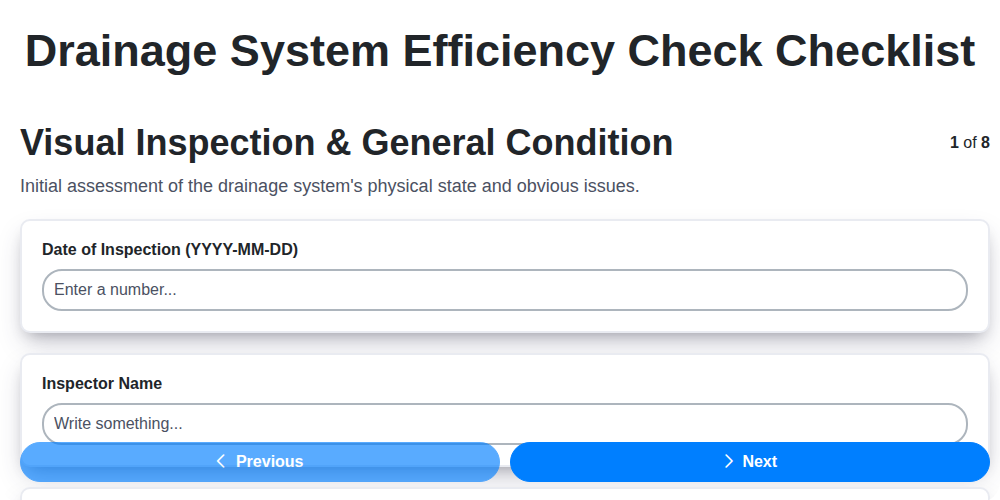
10 Simple Steps to a Healthy Drainage System: Your Checklist Template

Mastering the Daily Crop Scouting Report: Your [Specific Crop] Checklist Template
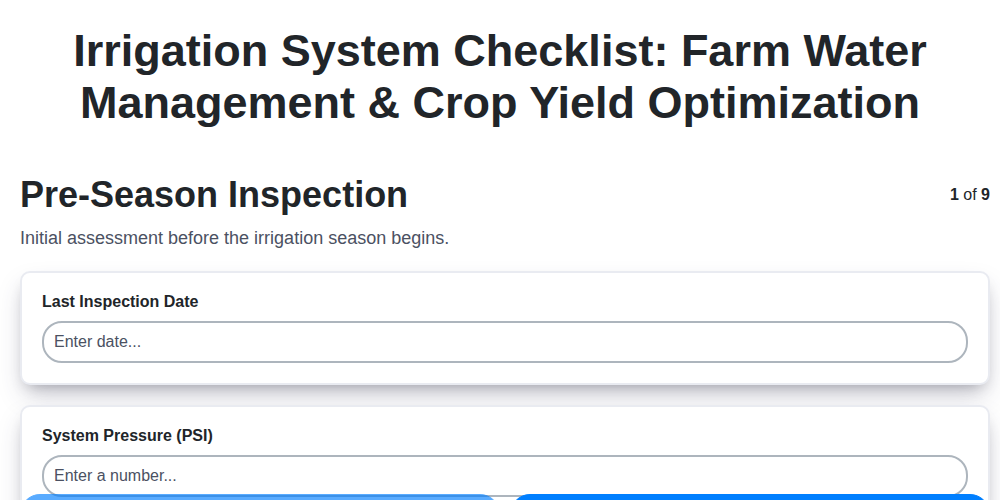
Irrigation System Checklist: Farm Water Management & Crop Yield Optimization
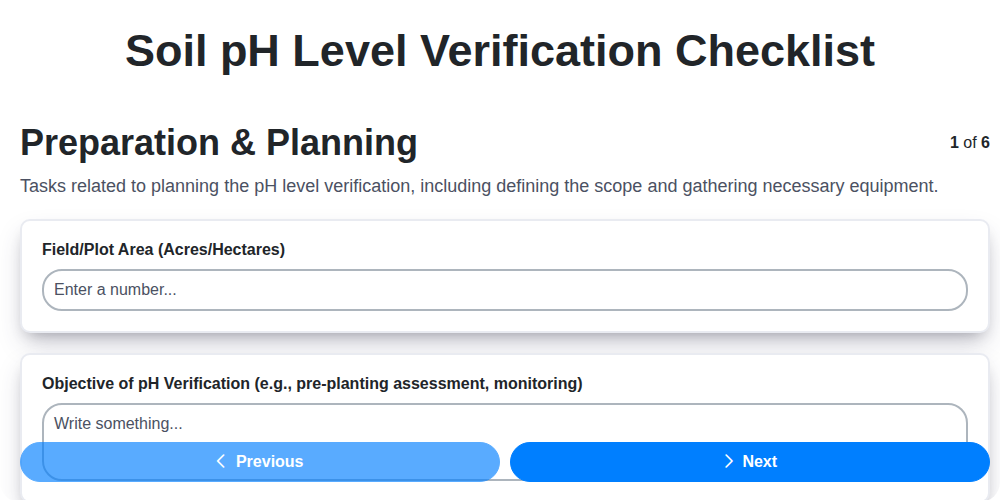
Unlock Your Garden's Potential: A Soil pH Verification Checklist

PPE Usage Checklist Template: Your Guide to Safety
Water Discharge Permit Compliance Checklist Template
The Ultimate GPS & Precision Farming Calibration Checklist Template
Water Runoff Analysis Checklist Template
Need help with
Checklists?
Have a question? We're here to help. Please submit your inquiry, and we'll respond promptly.