Clinical Decision Support System Workflow
Published: 06/18/2026 9:00 PM Updated: 06/19/2026 11:50 AM
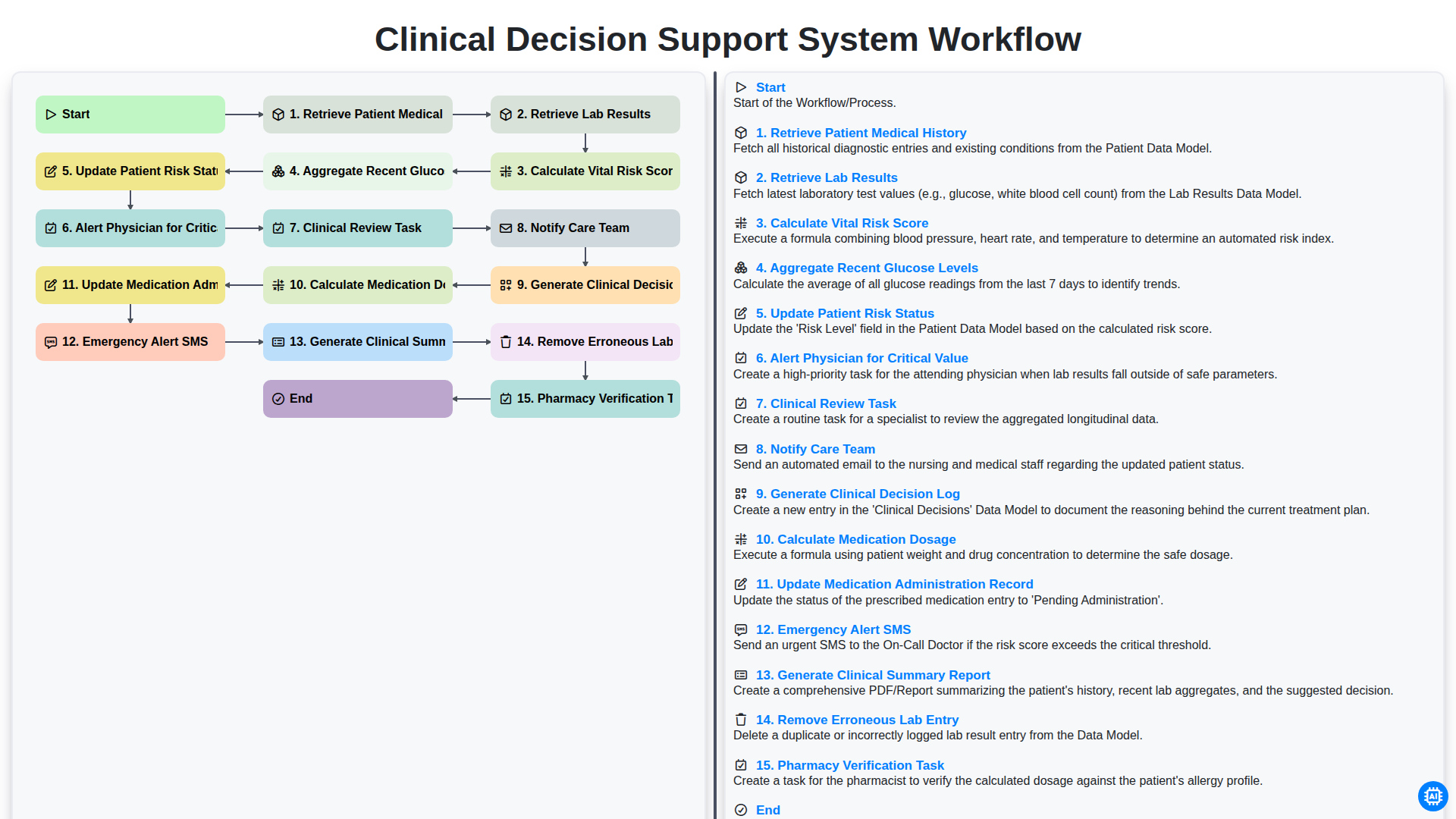
Table of Contents
- Introduction to Clinical Decision Support Systems (CDSS)
- Phase 1: Data Acquisition and Patient Assessment
- Retrieving Patient Medical History and Lab Results
- Aggregating Vital Metrics and Glucose Levels
- Phase 2: Automated Risk Analysis and Calculation
- Calculating Vital Risk Scores and Updating Patient Status
- Phase 3: Alerting and Physician Intervention
- Managing Critical Value Alerts and Physician Reviews
- Phase 4: Clinical Action and Care Coordination
- Notifying the Care Team and Executing Clinical Review Tasks
- Automated Medication Dosage Calculation and Administration
- Phase 5: Emergency Protocols and Pharmacy Integration
- Handling Emergency SMS Alerts and Pharmacy Verification
- Phase 6: Documentation, Audit Trails, and Data Integrity
- Generating Clinical Summary Reports and Decision Logs
- Resources & Links
TLDR: This guide provides an overview of the Clinical Decision Support System (CDSS) workflow, explaining how the automated sequence integrates patient data retrieval, real-time risk calculation, and automated alerting to streamline clinical reviews and ensure timely medical interventions.
Introduction to Clinical Decision Support Systems (CDSS)
In the modern healthcare landscape, the sheer volume of patient data can often overwhelm even the most experienced medical professionals. As clinics and hospitals transition toward data-driven care, the Clinical Decision Support System (CDSS) has emerged as a vital technological ally. At its core, a CDSS is an intelligent software layer integrated into electronic health records (EHR) designed to provide clinicians, staff, and patients with person-specific information, intelligently filtered or presented at appropriate moments, to enhance health-related decisions.
The primary objective of a CDSS is not to replace human judgment, but to augment it. By analyzing complex datasets-ranging from real-time vital signs to historical laboratory trends-these systems act as a continuous safety net. They identify potential errors, highlight critical diagnostic values, and surface actionable insights that might otherwise remain buried in a sea of documentation. In an era where information overload is a significant barrier to patient safety, implementing a structured, automated workflow within a CDSS ensures that the right information reaches the right person at the right time, ultimately driving better clinical outcomes and reducing the margin for human error.
Phase 1: Data Acquisition and Patient Assessment
The initial stage of the Clinical Decision Support System (CDSS) workflow focuses on building a comprehensive, real-time digital snapshot of the patient's current health status. This phase is critical, as the accuracy of all subsequent automated alerts and clinical interventions depends entirely on the integrity of the incoming data.
The process begins with two foundational steps: Retrieve Patient Medical History and Retrieve Lab Results. By integrating seamlessly with the Electronic Health Record (EHR) and Laboratory Information Systems (LIS), the CDSS pulls longitudinal data-including past diagnoses, allergies, and chronic conditions-alongside the most recent diagnostic outputs. This ensures that the system is not looking at data in a vacuum, but rather within the context of the patient's unique clinical trajectory.
Once this baseline data is gathered, the system moves into active computation. The engine begins to Aggregate Recent Glucose Levels, identifying patterns or trends in metabolic stability. Using this longitudinal data in conjunction with current vitals, the system will then Calculate Vital Risk Score. This transformation of raw data into actionable metrics allows the workflow to transition from simple data retrieval to active clinical intelligence, setting the stage for the risk-assessment phase.
Retrieving Patient Medical History and Lab Results
The foundation of an effective Clinical Decision Support System (CDSS) lies in its ability to construct a comprehensive, real-time view of a patient's clinical state. The workflow begins with the automated retrieval of the Patient Medical History, a critical step that pulls longitudinal data from Electronic Health Records (EHR). By accessing past diagnoses, surgeries, allergies, and chronic conditions, the system provides the necessary context for all subsequent clinical assessments.
Parallel to this, the system initiates the Retrieval of Lab Results. This process ensures that the most recent diagnostic data-ranging from metabolic panels to complete blood counts-is integrated into the current clinical picture. By seamlessly pulling these laboratory values alongside the patient's historical data, the CDSS eliminates the need for manual data entry and reduces the risk of human error, ensuring that the decision-making engine operates on a single, unified source of truth.
Aggregating Vital Metrics and Glucose Levels
To ensure a truly comprehensive view of a patient's physiological state, the system moves beyond looking at isolated data points to a more holistic approach of calculating vital risk scores and aggregating recent glucose levels.
Rather than simply viewing a single blood sugar reading in a vacuum, the workflow pulls historical data to identify trends, such as rising glycemic volatility or sustained hyperglycemic patterns. By integrating these glucose trends with other real-time vital signs-such as blood pressure, heart rate, and temperature-the system can perform complex algorithmic processing. This aggregation allows the software to move from simple data storage to intelligent computation, transforming raw numbers into a predictive risk score that reflects the patient's true clinical trajectory.
Phase 2: Automated Risk Analysis and Calculation
Once the necessary patient data is gathered, the system moves into the core computational phase, where raw data is transformed into actionable clinical intelligence. During this stage, the engine performs a series of automated high-precision operations to assess the patient's current physiological state.
The process begins with the Calculation of the Vital Risk Score, where the system analyzes real-time biometric data to determine the degree of clinical instability. To provide a longitudinal view of the patient's metabolic health, the system will Aggregate Recent Glucose Levels, identifying trends such as hyperglycemia or hypoglycemia that a single snapshot might miss.
By integrating these various data points, the system can autonomously Update the Patient Risk Status, transitioning the patient's profile from Stable to At Risk or Critical based on predefined clinical thresholds. This continuous monitoring ensures that the clinical picture is always current, allowing for a proactive rather than reactive approach to patient care.
Calculating Vital Risk Scores and Updating Patient Status
The core intelligence of a Clinical Decision Support System (CDSS) lies in its ability to transform raw data into actionable clinical insights. This process begins with the automated retrieval of patient medical history and the seamless retrieval of lab results from the Electronic Health Record (EHR). Once this foundational data is gathered, the system performs the critical task of aggregating recent glucose levels and other key biometric data to provide a longitudinal view of the patient's health trends.
With this comprehensive dataset in hand, the system proceeds to calculate the vital risk score. By applying sophisticated clinical algorithms to the retrieved variables, the CDSS identifies deviations from the norm that might escape manual observation. As these scores are computed, the system immediately works to update the patient risk status, ensuring that the clinical dashboard reflects the most current physiological state of the patient. This real-time update mechanism is vital for transitioning from reactive care to proactive intervention, allowing clinicians to see at a glance which patients require immediate attention.
Phase 3: Alerting and Physician Intervention
Once the system has processed the patient data and identified a significant deviation from the baseline, the workflow transitions from automated calculation to active clinical intervention. This phase is critical, as it bridges the gap between data processing and life-saving medical action.
The process begins when the system executes the Alert Physician for Critical Value protocol. If the calculated risk score or the aggregated glucose levels cross a predefined safety threshold, the system triggers an Emergency Alert SMS to ensure immediate visibility, even if the physician is away from their primary workstation.
Upon receipt of the alert, the physician enters the Clinical Review Task stage. During this period, the physician evaluates the real-time data to determine the necessity of intervention. To support this decision-making process, the system will Calculate Medication Dosage based on the newly updated risk status, ensuring precision in pharmacological adjustments. Once a decision is reached, the system will Update Medication Administration Record to maintain an immutable trail of the new treatment plan.
To ensure accountability and continuity of care, the system will automatically Notify Care Team members (such as nurses and specialists) of the updated instructions and Generate Clinical Decision Log, documenting every automated alert and manual intervention. This closed-loop communication ensures that all stakeholders are aligned, reducing the risk of manual oversight during high-pressure clinical events.
Managing Critical Value Alerts and Physician Reviews
When a patient's clinical data indicates a life-threatening deviation, the system initiates a high-priority automated response sequence. The process begins the moment the system is able to Alert Physician for Critical Value based on real-time data analysis. This trigger acts as the catalyst for the Clinical Review Task, where the physician must evaluate the specific laboratory anomalies against the patient's current physiological state.
To ensure no critical information is missed during this window, the system immediately triggers a Notify Care Team protocol, ensuring that nursing staff and specialists are aware of the impending review. Simultaneously, the system maintains a rigorous audit trail by performing a Generate Clinical Decision Log, documenting every automated alert and manual intervention. In extreme scenarios where a critical threshold is breached, the workflow escalates further via an Emergency Alert SMS to ensure immediate visibility. This seamless integration of automated alerting and manual clinical oversight ensures that critical values are not just flagged, but are met with a rapid, coordinated, and documented clinical response.
Phase 4: Clinical Action and Care Coordination
Once the risk assessment is complete, the system transitions from passive monitoring to active clinical intervention. This phase is the most critical stage of the workflow, as it transforms raw data into actionable medical intelligence. The process begins with automated precision: the system immediately proceeds to Calculate Medication Dosage based on the newly updated risk parameters and simultaneously Update the Medication Administration Record (MAR) to ensure the nursing staff has real-time, accurate instructions.
To ensure patient safety and closed-loop communication, the workflow triggers a series of multi-layered notifications. If the calculated risk scores cross a predefined threshold, the system will trigger an Emergency Alert SMS to provide instant notification to on-call staff. For non-emergency but urgent changes, the system will Alert the Physician for Critical Value and subsequently Notify the Care Team, ensuring that all multidisciplinary members are synchronized.
However, human oversight remains the cornerstone of the process. Every automated alert initiates a Clinical Review Task, where healthcare professionals validate the system's findings. During this period, the workflow allows for manual corrections, such as the ability to Remove Erroneous Lab Entry if a diagnostic error is identified. To maintain high standards of accountability and auditability, the system will Generate a Clinical Decision Log detailing every automated calculation and human intervention. Finally, once the intervention is complete, the system will trigger a Pharmacy Verification Task to double-check orders and Generate a Clinical Summary Report, providing a comprehensive overview of the patient's status and the actions taken for the next shift's handover.
Notifying the Care Team and Executing Clinical Review Tasks
Once the system identifies a critical value or an escalated risk status, the workflow transitions from automated data processing to active clinical intervention. The primary objective of this stage is to ensure that the right medical professionals are alerted with the right information at the right time.
The workflow triggers a Notify Care Team action, which dispatches urgent notifications to the multidisciplinary team-including nurses, specialists, and attending physicians-ensuring that no critical change in patient status goes unnoticed. This is often complemented by an Emergency Alert SMS for high-priority-one (P1) events, ensuring that even if clinicians are away from their primary workstations, the urgency of the situation is communicated immediately.
With the alert active, the process moves into the Clinical Review Task. This is a critical manual checkpoint where a clinician must review the aggregated data-specifically the recent glucose levels and calculated risk scores-to validate the system's findings. During this review, the clinician performs a secondary audit to Remove Erroneous Lab Entry if any data is found to be inaccurate, preventing faulty data from driving incorrect treatment decisions.
This phase ensures that while the CDSS provides the intelligence, the final clinical decision remains human-led, creating a seamless loop between automated surveillance and professional medical judgment.
Automated Medication Dosage Calculation and Administration
Once the system has processed the patient's clinical data and updated their risk status, the workflow moves into a critical phase of precision care: Automated Medication Dosage Calculation and Administration.
To ensure patient safety and minimize human error, the system utilizes the aggregated real-time data-including recent glucose levels and vital risk scores-to automatically calculate medication dosage tailored to the patient's current physiological state. This eliminates the risks associated with manual calculations in high-pressure clinical environments.
Immediately following the calculation, the workflow triggers a seamless update to the Medication Administration Record (MAR), ensuring that the electronic health record reflects the most current prescription details. To provide an extra layer of clinical oversight, the process integrates a Pharmacy Verification Task, where pharmacists can review the automated calculation against the patient's profile before the dose is dispensed. This integrated loop between automated intelligence and professional verification ensures that every dose administered is both mathematically precise and clinically sound.
Phase 5: Emergency Protocols and Pharmacy Integration
In critical clinical scenarios, the workflow transitions from routine monitoring to high-priority intervention. When the system detects life-threatening anomalies, the Emergency Alert SMS is triggered immediately, ensuring that healthcare providers are notified instantly, even when away from their primary workstations. This rapid response capability is essential for managing acute clinical deteriorations.
Simultaneously, the system handles the integration of clinical orders with the pharmaceutical supply chain. Once a physician completes a clinical review, a Pharmacy Verification Task is automatically routed to the pharmacy department to ensure the accuracy of the prescribed treatment. This loop is further closed by a final validation step, which allows for the manual Remove Erroneous Lab Entry action if data discrepancies are identified, ensuring that subsequent medication dosing and clinical summaries are based on precise, validated information.
Handling Emergency SMS Alerts and Pharmacy Verification
In high-stakes clinical environments, the margin for error is non-existent, making the integration of Emergency Alert SMS and Pharmacy Verification Task critical components of a robust CDSS workflow. When the system detects a critical value-such as a life-threatening drop in glucose or an extreme vital risk score-the workflow bypasses standard notification queues to trigger an immediate Emergency Alert SMS to the attending physician. This ensures that even when clinicians are away from their primary workstations, the urgency of the situation is communicated instantly, minimizing response latency.
However, rapid intervention must be balanced with rigorous safety protocols. Once an emergency alert is addressed and a new medication dosage is calculated, the workflow transitions into a mandatory Pharmacy Verification Task. This secondary layer of defense requires pharmacists to review the automated dosage recommendations against the patient's updated clinical summary and medical history. By inserting this verification step immediately following the emergency alert and dosage calculation, the system prevents potential medication errors, ensuring that life-saving interventions are both rapid and pharmacologically sound.
Phase 6: Documentation, Audit Trails, and Data Integrity
The final stage of the Clinical Decision Support System (CDSS) workflow focuses on closing the loop through meticulous documentation,-driven accountability, and rigorous data integrity. Once the clinical decision-making process is complete, the system initiates a sequence of automated tasks to ensure every action is recorded and every discrepancy is corrected.
To maintain a continuous loop of clinical intelligence, the system will Generate a Clinical Decision Log, capturing the logic behind every automated calculation and clinical suggestion. This is complemented by the automatic Generation of a Clinical Summary Report, which synthesizes the patient's journey-from the initial retrieval of medical history to the final intervention-into a digestible format for longitudinal care planning.
Data integrity is further bolstered by proactive error management; for instance, the workflow includes protocols to Remove Erroneous Lab Entry, ensuring that incorrect data does not pollute the patient's longitudinal record or skew future risk calculations.
Finally, the workflow ensures that all interventions are formalized and verified. This includes the systematic process to Update the Medication Administration Record (MAR), ensuring that the transition from clinical decision to bedside action is seamless. To prevent medication errors at the point of fulfillment, a Pharmacy Verification Task is triggered, providing a critical layer of cross-referencing between the physician's decision and the pharmacist's review. Through these automated documentation and verification steps, the CDSS transforms from a mere alerting tool into a robust framework for institutional safety and clinical excellence.
Generating Clinical Summary Reports and Decision Logs
After the critical care interventions and real-time adjustments have been processed, the system transitions from active alerting to the vital documentation phase. This stage involves two parallel processes: the Generation of a Clinical Decision Log and the Generation of a Clinical Summary Report.
The Clinical Decision Log serves as the system's immutable audit trail. Every automated action-from the calculation of a vital risk score to the automated medication dosage adjustments-is timestamped and recorded. This log captures not just the outcome, but the logic used by the CDSS, ensuring that every automated decision can be reviewed for clinical accountability and-regulatory compliance.
Simultaneously, the system automates the Generation of a Clinical Summary Report. Rather than requiring clinicians to manually compile data from disparate sources, the workflow pulls from the newly aggregated glucose levels, recent lab results, and the updated patient risk status to create a cohesive narrative of the patient's recent clinical trajectory. This high-level summary provides a single source of truth that allows the care team to quickly grasp changes in patient stability during handovers or multidisciplinary rounds, significantly reducing the cognitive load on medical staff and minimizing the risk of information loss during transitions of care.
Resources & Links
- ONC (Office of the National Coordinator for Health Information Technology): Official US government resource for standards, regulations, and best practices regarding Clinical Decision Support and EHR interoperability.
- PubMed Central (PMC): A repository of biomedical and life sciences literature to explore clinical studies on automated risk scoring and CDSS efficacy.
- HIMSS (Healthcare Information and Management Systems Society): Global advisor and thought leader in health information and technology, providing insights into digital health workflows and clinical automation.
- World Health Organization (WHO): Global health intelligence and guidelines regarding patient safety, medical error prevention, and standardized clinical protocols.
- ISO (International Organization for Standardization): Resources regarding international standards for medical device software and data integrity in healthcare information systems.
- U.S. Food and Drug Administration (FDA): Regulatory information regarding the oversight of Clinical Decision Support Software and its classification as a medical device.
Found this Article helpful?
Comments
There are no comments yet. Be the first to add one!
Healthcare Management Solution Demo
Streamlining healthcare operations and improving patient care? ChecklistGuro's Work OS platform simplifies everything from patient scheduling and billing to compliance and staff management. Enhance efficiency, reduce administrative burden, and focus on what matters most: your patients. Learn how ChecklistGuro can transform your healthcare organization!
Related Articles
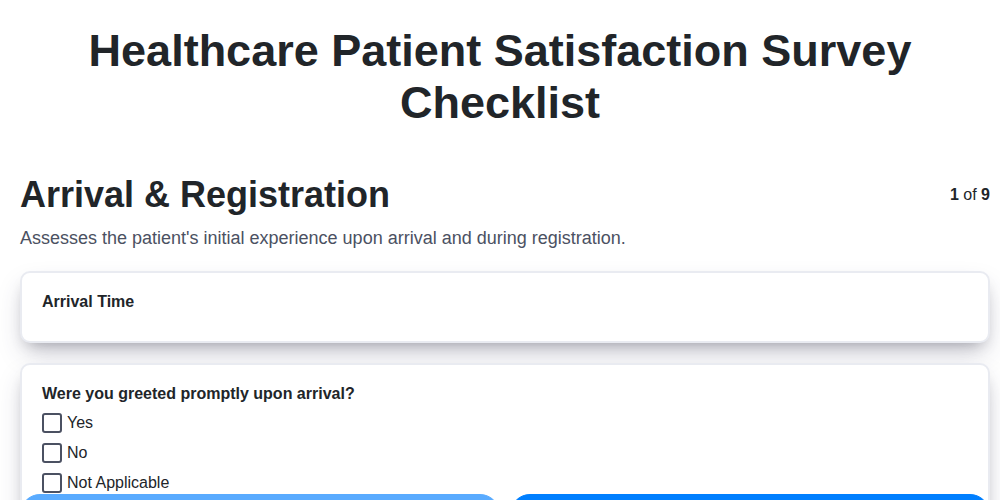
The Ultimate Healthcare Patient Satisfaction Survey Checklist Template
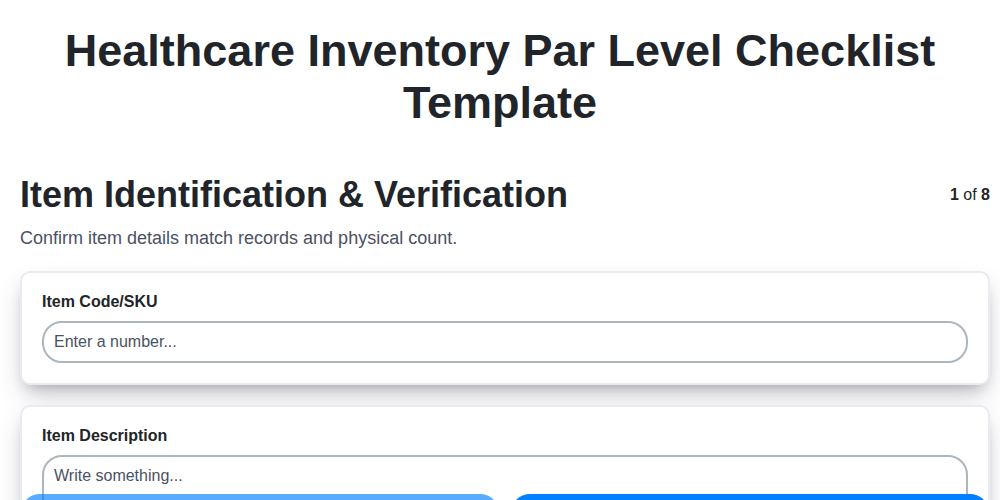
Mastering Healthcare Inventory: Your Par Level Checklist Template
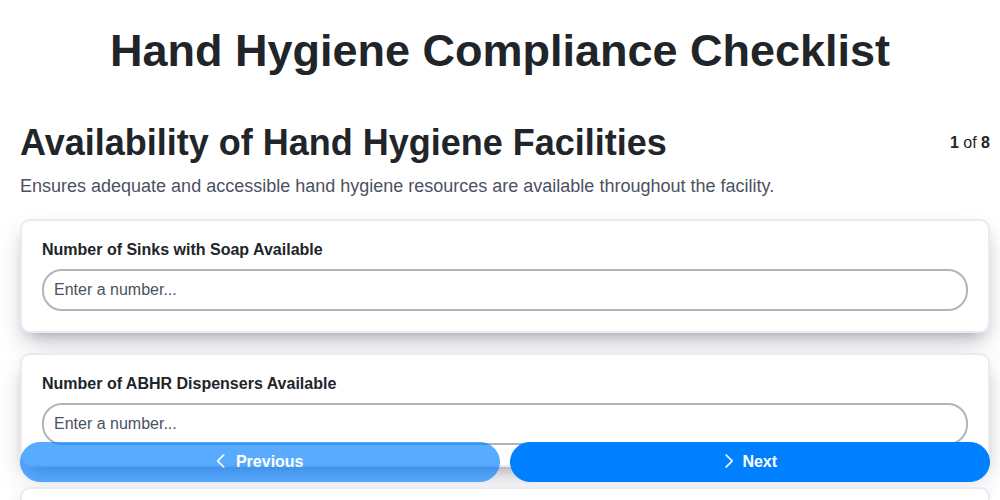
Mastering Hand Hygiene: Your Compliance Checklist Template
Protecting Patients: Your Fire Safety Checklist for Patient Areas
Your Ultimate Healthcare Construction Checklist Template
Mastering Hand Hygiene: Your Compliance Checklist Template
Your Radiology Equipment Maintenance Checklist Template

Your Ultimate Guide to Healthcare Waste Management: A Checklist Template
We can do it Together
Need help with
Checklists?
Have a question? We're here to help. Please submit your inquiry, and we'll respond promptly.