Boosting Patient Safety & Efficiency: Your Clinical Workflow Checklist Guide
Published: 11/28/2025 Updated: 07/02/2026
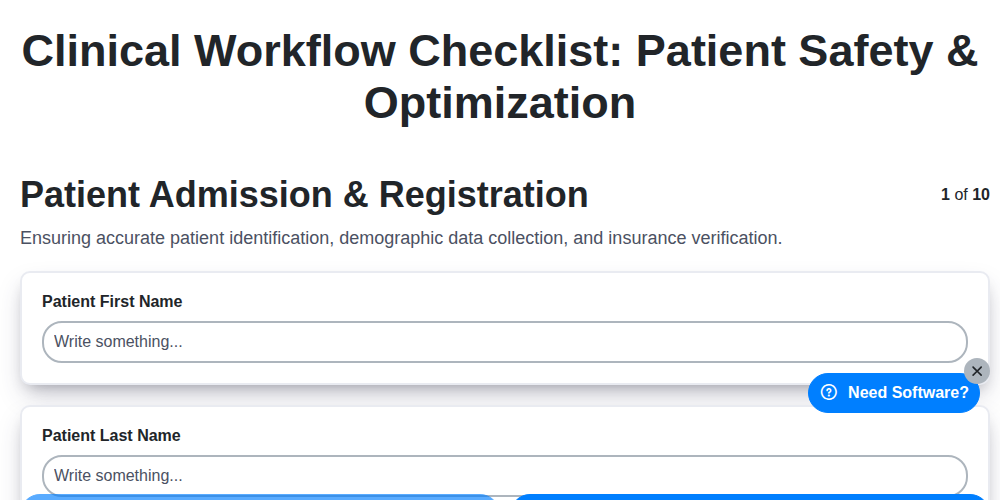
Table of Contents
- Introduction: Why a Clinical Workflow Checklist Matters
- 1. Patient Admission & Registration: Setting the Foundation
- 2. Pre-Procedure Verification & Preparation: Ensuring Readiness
- 3. Procedure Execution & Monitoring: Maintaining Vigilance
- 4. Post-Procedure Recovery & Documentation: Comprehensive Care
- 5. Medication Management & Safety: A Critical Focus
- 6. Infection Control & Prevention: Minimizing Risk
- 7. Patient Communication & Education: Empowering Patients
- 8. Equipment Maintenance & Calibration: Reliable Tools
- 9. Incident Reporting & Analysis: Learning from Experiences
- 10. Regulatory Compliance & Auditing: Meeting Standards
- Resources & Links
TLDR: Overwhelmed by clinical workflows? This checklist template (covering admission, procedures, meds, infection control, and more!) streamlines processes, minimizes errors, boosts patient safety, and frees up your team's time - leading to better patient care and a more efficient practice. Download it and start improving your workflow today!
Introduction: Why a Clinical Workflow Checklist Matters
In today's complex healthcare environment, patient safety and operational efficiency are paramount. A single missed step, a forgotten detail, can have serious consequences. That's where a clinical workflow checklist becomes an invaluable tool. More than just a list of tasks, a well-designed checklist is a structured framework designed to standardize processes, minimize errors, and ultimately, enhance the quality of patient care. It ensures consistency across different practitioners and shifts, reduces the risk of human error-especially under pressure-and frees up clinicians to focus on what matters most: the patient. By incorporating a checklist into your daily routine, you're proactively building a safety net and contributing to a more reliable and optimized clinical workflow.
1. Patient Admission & Registration: Setting the Foundation
The patient admission and registration process is more than just paperwork; it's the crucial first step in ensuring patient safety and setting the tone for a positive clinical experience. A thorough and accurate admission lays the groundwork for effective care coordination and minimizes potential errors down the line.
Key Checklist Items:
- Verify Patient Identity: Confirm patient name, date of birth, and address using two identifiers. Match information against legal documentation (driver's license, insurance card).
- Insurance & Financial Clearance: Verify insurance coverage and discuss any financial responsibilities. Clear communication prevents disruption of care and unexpected bills.
- Allergy Assessment: Meticulously document all known allergies, including medication, food, environmental, and latex allergies. Highlight severe allergies prominently in the patient's chart and electronic health record (EHR).
- Medical History Review: Obtain a comprehensive medical history, including previous surgeries, chronic conditions, and current medications. Probe for relevant social history factors that may influence treatment.
- Advance Directives: Inquire about and document any advance directives (living will, power of attorney) and ensure their accessibility to the care team.
- Consent Forms: Obtain appropriate informed consent for the planned procedures and treatments, explaining the risks and benefits in understandable terms.
- Patient Demographics & Contact Information: Confirm accurate contact information for emergencies and communication regarding appointments.
A rushed or incomplete admission process can lead to misidentification, incorrect billing, and potentially, compromised patient care. Prioritize accuracy and thoroughness at this stage.
2. Pre-Procedure Verification & Preparation: Ensuring Readiness
Before any procedure begins, meticulous verification and preparation are paramount for patient safety and optimal outcomes. This checklist step goes beyond simply gathering supplies; it's about confirming everything is aligned for a smooth and secure process.
Key Elements Include:
- Patient Identification & Consent: Double-check patient identification using two identifiers (name, date of birth, medical record number). Confirm informed consent is on file and understood by the patient. Address any questions or concerns.
- Procedure Order Verification: Confirm the procedure order is complete, legible, and accurately reflects the intended actions. Verify the ordering physician and their credentials.
- Allergy & Medical History Review: Re-verify patient allergies, medications, and relevant medical history, paying particular attention to any contraindications or potential risks associated with the procedure.
- Equipment Check & Functionality: Inspect all necessary equipment (monitors, pumps, tools, etc.) to ensure it's in proper working order. Perform preliminary function checks and calibrate as needed.
- Supply Availability: Confirm all required supplies are readily available, sterile, and within expiration dates. Anticipate potential needs and have backup options prepared.
- Team Briefing & Roles: Conduct a brief team huddle to review the procedure plan, assign roles and responsibilities, and discuss any potential challenges.
- Patient Positioning & Comfort: Properly position the patient for the procedure, ensuring their comfort and safety. Address any patient discomfort or anxieties.
- Environmental Safety: Ensure the procedure environment is clean, organized, and free of hazards. Confirm proper lighting and ventilation.
Thorough completion of this phase significantly reduces the likelihood of errors and contributes to a safer, more efficient procedure.
3. Procedure Execution & Monitoring: Maintaining Vigilance
This phase is the core of patient care and demands unwavering focus. A robust checklist here isn't about slowing things down; it's about preventing errors and ensuring optimal patient outcomes. Here's what your procedure execution & monitoring checklist should encompass:
- Real-time Physiological Data Review: Regularly check vital signs (heart rate, blood pressure, oxygen saturation, respiratory rate, temperature) against established baseline and expected ranges. Document any deviations immediately.
- Procedure-Specific Parameters: Include checks for parameters unique to the procedure being performed. This might involve monitoring drainage rates, blood loss, or other key indicators.
- Team Communication: Establish clear communication protocols. Ensure everyone understands their roles and responsibilities and can readily escalate concerns. Use standardized terminology to avoid misunderstandings.
- Patient Positioning & Support: Verify proper patient positioning to prevent pressure ulcers, nerve damage, or other complications. Ensure adequate support and padding where needed.
- Equipment Functionality During Procedure: Regularly check the functionality of equipment throughout the procedure. Don't assume it's working correctly just because it was checked before.
- Sterility & Asepsis: Constant vigilance regarding sterility is paramount. Maintain strict adherence to aseptic technique to prevent infection.
- Patient Comfort & Response: Actively assess the patient's comfort level and response to the procedure. Address any signs of pain, anxiety, or distress promptly.
- Unexpected Events Protocol: Have pre-defined steps for handling unexpected events or complications. Ensure the team is familiar with these protocols.
- Documentation of Key Events: Meticulously document all significant events and interventions during the procedure, including any deviations from the planned course of action.
The goal is to maintain a culture of proactive monitoring and rapid response, ensuring patient safety and contributing to a positive procedural experience.
4. Post-Procedure Recovery & Documentation: Comprehensive Care
The transition from procedure to recovery is a critical phase demanding meticulous attention to detail. A robust checklist ensures patient safety and facilitates a smooth, well-documented recovery process.
Immediate Post-Procedure Assessment: Begin with a thorough assessment of the patient's vital signs (heart rate, blood pressure, respiration, oxygen saturation, temperature) and pain levels. Document findings clearly and promptly. Observe for any immediate complications - bleeding, swelling, nausea, dizziness - and address them swiftly according to established protocols.
Pain Management: Implement the prescribed pain management plan, continuously reassessing effectiveness and side effects. Patient-controlled analgesia (PCA) requires diligent monitoring and education for both patient and caregivers.
Wound Care (If Applicable): Meticulously follow the prescribed wound care instructions. Document dressing changes, observe for signs of infection (redness, swelling, drainage), and educate the patient on proper care at home. Ensure appropriate supplies are available and stocked.
Monitoring & Observation: Establish a consistent monitoring schedule based on the procedure's complexity and the patient's individual risk factors. Document all observations, including any changes in condition. Be alert for delayed complications.
Documentation - The Cornerstone of Continuity: Accurate and complete documentation is paramount. This includes:
- Vital Sign Trends: Graphing or recording trends helps identify potential issues.
- Medication Administration: Verify all medications administered, including dosage, route, and time.
- Patient Communication: Document patient reports of pain, discomfort, or concerns.
- Interventions: Record all interventions performed and their outcomes.
- Discharge Instructions: Clearly document all discharge instructions provided to the patient and/or caregiver, ensuring understanding.
Discharge Planning: Initiate discharge planning early. Anticipate needs, coordinate with relevant departments (e.g., social work, physical therapy), and ensure a safe and supported transition home.
Ultimately, a comprehensive post-procedure recovery & documentation checklist minimizes risks, enhances patient satisfaction, and contributes to a culture of safety and continuous improvement.
5. Medication Management & Safety: A Critical Focus
Medication errors are a leading cause of preventable harm in healthcare. A robust medication management process is paramount to patient safety and operational efficiency. This checklist element isn't just about dispensing the right drug; it's a comprehensive approach spanning the entire medication lifecycle.
Here's what this section of your clinical workflow checklist addresses:
- Accurate Prescription Verification: Double-checking all prescriptions for accuracy, including dosage, route, frequency, and patient details, is the first critical step. Automated systems can assist, but human verification remains essential.
- Medication Reconciliation: A complete and accurate medication history must be obtained during admission and updated throughout the patient's stay. Discrepancies should be investigated and resolved promptly.
- Safe Dispensing Practices: Utilize barcode scanning and other verification methods to minimize dispensing errors. Ensure proper storage and handling of medications, particularly high-alert medications.
- Patient Education & Understanding: Clearly explain the purpose, dosage, potential side effects, and contraindications of each medication to the patient (or caregiver). Verify comprehension.
- Controlled Substance Management: Strict adherence to protocols for controlled substance storage, dispensing, and documentation is vital to prevent diversion and ensure accountability.
- Monitoring and Adverse Event Reporting: Implement systems for monitoring patients for adverse drug reactions and promptly reporting any unexpected events.
- Regular Review of Medication Regimens: Pharmacists and clinicians should periodically review medication lists to identify opportunities for optimization and potential interactions.
This consistent focus on medication safety isn't just about avoiding errors; it's about fostering a culture of safety and ensuring patients receive the best possible care.
6. Infection Control & Prevention: Minimizing Risk
Infection control remains a cornerstone of patient safety and a critical area for clinical workflow optimization. A robust infection prevention program isn't just about adhering to protocols; it's about proactively minimizing the risk of Healthcare-Associated Infections (HAIs). Our checklist helps ensure adherence to these essential practices.
Here's a breakdown of key elements covered within the checklist relating to infection control:
- Hand Hygiene Verification: Frequent handwashing and sanitization are paramount. The checklist ensures staff are following proper techniques and utilizing appropriate hand hygiene solutions before and after patient contact and after touching surfaces.
- Personal Protective Equipment (PPE) Compliance: Proper selection, donning, and doffing of gloves, masks, gowns, and eye protection are regularly verified, considering the specific procedure and patient risk factors. Checklist items detail specific PPE requirements for different scenarios.
- Environmental Cleaning & Disinfection: Maintaining a clean and disinfected environment is crucial. The checklist includes checks for appropriate cleaning and disinfection of patient rooms, equipment, and high-touch surfaces using approved agents and protocols.
- Sterilization & High-Level Disinfection: Ensuring proper sterilization and high-level disinfection of reusable instruments and equipment is vital. Our checklist confirms adherence to established procedures, including cycle validation and documentation.
- Isolation Precautions: Correct implementation of isolation precautions (e.g., contact, droplet, airborne) for patients with known or suspected infections is a critical checklist item. This includes proper signage and staff training.
- Waste Management: Safe handling and disposal of infectious waste are verified to prevent contamination and protect personnel.
- Sharps Safety: Checklist items cover adherence to sharps safety protocols, including the use of appropriate disposal containers and safe handling practices.
- Surveillance & Reporting: Ongoing surveillance for HAIs and prompt reporting of any identified infections are included to enable timely intervention and prevent further spread.
7. Patient Communication & Education: Empowering Patients
Effective patient communication and education are cornerstones of both patient safety and optimized clinical workflows. It's not simply about delivering information; it's about fostering understanding, building trust, and actively involving patients in their care. A well-executed communication strategy directly impacts adherence to treatment plans, reduces anxiety, and ultimately contributes to better outcomes.
Our clinical workflow checklist emphasizes the critical role of this interaction. This includes, but isn't limited to:
- Pre-Procedure Explanations: Clearly explaining the procedure's purpose, risks, benefits, and alternatives in understandable language before it occurs. This should be documented.
- Post-Procedure Instructions: Providing detailed, written instructions regarding recovery, medication, follow-up appointments, and potential warning signs. Ensure the patient and/or a designated caregiver understand these instructions.
- Addressing Concerns & Questions: Creating opportunities for patients to ask questions and express concerns throughout the entire process. Active listening and empathetic responses are key.
- Promoting Shared Decision-Making: Encouraging patients to participate in decisions regarding their care, considering their preferences and values.
- Language & Accessibility: Providing information in the patient's preferred language and ensuring materials are accessible to individuals with disabilities.
- Confirmation of Understanding: Employing the "teach-back" method - asking patients to explain the information back in their own words - to verify comprehension.
By prioritizing patient communication and education, we not only enhance patient safety but also create a more collaborative and supportive care environment. This strengthens the patient-provider relationship and contributes to a more positive healthcare experience overall.
8. Equipment Maintenance & Calibration: Reliable Tools
In healthcare, relying on faulty equipment isn't an option; patient safety demands precision and dependability. A robust equipment maintenance and calibration program is a critical component of a streamlined clinical workflow. This isn't just about keeping things running; it's about ensuring accurate readings, consistent performance, and minimizing the risk of equipment-related errors.
Our checklist incorporates scheduled preventative maintenance for all essential equipment, encompassing everything from diagnostic imaging machines and monitoring devices to surgical instruments and infusion pumps. This includes regular inspections, cleaning, and repair or replacement as needed. Calibration, equally important, guarantees that equipment delivers accurate results by comparing its output against a known standard.
The checklist details:
- Scheduled Maintenance Schedules: Defined timelines for routine checks and servicing based on manufacturer recommendations and usage frequency.
- Calibration Procedures: Step-by-step instructions for calibrating specific equipment types, ensuring accuracy and reliability.
- Documentation: Meticulous records of all maintenance and calibration activities, including dates, technicians involved, and any issues found.
- Deviation Reporting: A clear process for reporting any equipment malfunctions or calibration failures promptly.
By diligently following these guidelines, we minimize downtime, extend equipment lifespan, and - most importantly - contribute to a safer and more effective patient care environment. Remember, well-maintained equipment is a cornerstone of quality healthcare.
9. Incident Reporting & Analysis: Learning from Experiences
No clinical workflow is perfect. Despite our best efforts, incidents - from near misses to adverse events - can and will occur. The key isn't to eliminate them entirely (an impossible goal), but to create a robust system for reporting, analyzing, and learning from these experiences.
A comprehensive incident reporting system should be easily accessible to all staff, encouraging open and honest reporting without fear of blame. This means fostering a just culture that prioritizes learning and improvement over punishment. The reporting process itself needs to be streamlined - a cumbersome system will discourage reporting.
Once incidents are reported, thorough analysis is essential. This goes beyond simply documenting what happened. It requires digging deeper to identify root causes. Were there systemic failures in processes? Was training inadequate? Was communication unclear? Fishbone diagrams and the 5 Whys technique are invaluable tools for uncovering these underlying issues.
The insights gained from incident analysis shouldn't be kept hidden. Share the findings with the team, along with clear action plans for preventative measures. These actions could include revising protocols, providing additional training, or improving communication strategies. Regularly review these preventative actions to ensure their effectiveness.
Finally, track trends in incident reports. Are certain types of incidents recurring? This highlights areas where further investigation and intervention are needed. Incident reporting isn't just about reacting to problems; it's a proactive tool for continuously improving patient safety and optimizing workflows. It's a vital component of a learning healthcare system.
10. Regulatory Compliance & Auditing: Meeting Standards
Healthcare is a heavily regulated industry, and maintaining compliance isn't just about avoiding penalties - it's a critical component of patient safety and quality care. This checklist recognizes the ongoing nature of regulatory adherence.
Why It's Crucial: Regular audits and compliance checks ensure your clinic operates within established guidelines set by bodies like HIPAA, OSHA, CMS (depending on your area and services offered), and state-specific regulations. Failing to comply can result in fines, legal action, and, most importantly, damage to your reputation and patient trust.
Checklist Actions:
- Stay Informed: Designate a team member (or hire a compliance specialist) responsible for tracking regulatory updates and changes impacting your clinical workflow. Subscribe to relevant newsletters and attend continuing education courses.
- Schedule Regular Audits: Conduct internal audits at least annually, and consider engaging external auditors for a more objective assessment. Develop a schedule and document the audit process.
- Document Everything: Detailed record-keeping is paramount. Maintain records of training, equipment maintenance, incident reports, and audit findings.
- Corrective Action Plans: When deficiencies are identified, implement corrective action plans with clear timelines and assigned responsibilities. Document the implementation and verification of these actions.
- Policy & Procedure Updates: Regularly review and update clinic policies and procedures to reflect current regulations and best practices.
- Staff Training: Ensure all staff members receive training on relevant regulations and understand their roles in maintaining compliance.
- Stay abreast of changes in accreditation standards (if applicable).
This section of the checklist reinforces that compliance is not a one-time event; it's a continuous process of monitoring, adapting, and improving.
Resources & Links
- Agency for Healthcare Research and Quality (AHRQ): AHRQ provides evidence-based resources, guidelines, and tools for improving patient safety and quality in healthcare settings, covering various clinical workflows and processes.
- The Joint Commission: Offers accreditation and certification programs, standards, and resources related to patient safety and clinical workflow optimization. They cover aspects from admission to discharge and beyond.
- Centers for Disease Control and Prevention (CDC): Provides guidelines and information on infection control, prevention, and safety practices crucial for healthcare facilities. Key for sections 6 and potentially across all workflows.
- U.S. Food and Drug Administration (FDA): Provides information and regulations regarding medical devices, medication safety, and pharmaceutical processes, important for equipment maintenance and medication management.
- Centers for Medicare & Medicaid Services (CMS): Provides information on regulations and requirements related to patient safety and quality, particularly relevant for sections on regulatory compliance and auditing.
- American Society of Anesthesiologists (ASA): Offers guidelines and resources specifically for anesthesia workflows, relevant to pre-procedure verification, procedure execution, and post-procedure recovery (if anesthesia is involved).
- American Nurses Association (ANA): Provides resources, position statements, and practice guidance for nurses, essential for multiple aspects of clinical workflow, patient communication, and incident reporting.
- The Patient Safety Movement Foundation: Focuses specifically on patient safety initiatives and provides resources, toolkits, and advocacy for improving patient safety outcomes.
- Institute for Healthcare Improvement (IHI): Offers tools, training, and resources for implementing evidence-based practices to improve healthcare quality and safety, many of which are applicable to clinical workflows.
- ECRI: Provides risk management and patient safety solutions, including checklists, guidelines, and consulting services related to healthcare technology and clinical processes.
- Institute for Safe Medication Practices (ISMP): Dedicated to preventing medication errors, with resources and guidelines specifically for medication management and safety (Section 2.5).
- Healthcare Information and Management Systems Society (HIMSS): Focuses on the role of health information technology in improving patient safety and clinical workflows. Important for efficient process mapping and digitization.
Frequently Asked Questions
Where can I find additional resources for improving clinical workflows?
Look for resources from organizations like The Joint Commission, the Agency for Healthcare Research and Quality (AHRQ), and professional nursing and medical associations. Your hospital's quality improvement department is also a good resource.
Comments
There are no comments yet. Be the first to add one!
Healthcare Management Solution Demo
Streamlining healthcare operations and improving patient care? ChecklistGuro's Work OS platform simplifies everything from patient scheduling and billing to compliance and staff management. Enhance efficiency, reduce administrative burden, and focus on what matters most: your patients. Learn how ChecklistGuro can transform your healthcare organization!
Related Articles
The Ultimate Healthcare Patient Satisfaction Survey Checklist Template
Mastering Healthcare Inventory: Your Par Level Checklist Template
Mastering Hand Hygiene: Your Compliance Checklist Template
Protecting Patients: Your Fire Safety Checklist for Patient Areas
Your Ultimate Healthcare Construction Checklist Template
Mastering Hand Hygiene: Your Compliance Checklist Template
Your Radiology Equipment Maintenance Checklist Template

Your Ultimate Guide to Healthcare Waste Management: A Checklist Template
Need help with
Healthcare?
Have a question? We're here to help. Please submit your inquiry, and we'll respond promptly.