Your Confined Space Entry Checklist: A Template for Safety
Published: 08/23/2025 Updated: 07/02/2026
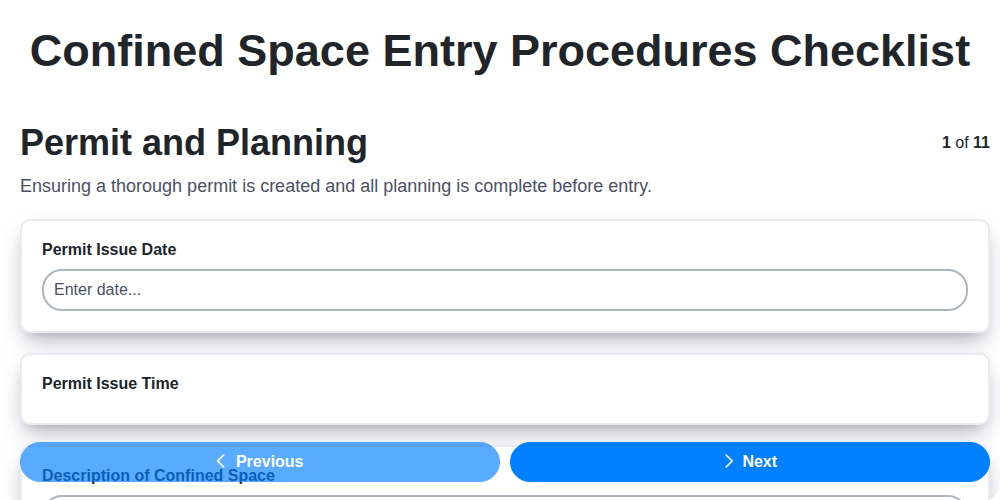
Table of Contents
- Planning & Permits: Laying the Foundation
- Hazard Identification & Risk Assessment
- Atmospheric Testing: Ensuring Breathable Air
- Ventilation & Air Supply: Maintaining a Safe Environment
- Isolation & Lockout/Tagout: Preventing Uncontrolled Energy
- Roles & Responsibilities: Teamwork for Safety
- Communication Protocols: Staying Connected
- Personal Protective Equipment (PPE): Your Shield
- Emergency Procedures & Rescue Planning: Preparing for the Unexpected
- Resources & Links
TLDR: Need to safely enter a confined space? This checklist template outlines essential steps - from permit review and hazard assessment to atmosphere testing, ventilation, and emergency procedures. It's a straightforward guide to ensure a safe working environment, minimize risks, and comply with regulations. Download the template and customize it to your specific needs!
Planning & Permits: Laying the Foundation
Before a single foot enters a confined space, meticulous planning and a valid permit are absolutely crucial. This isn't just about ticking a box; it's about proactively identifying and mitigating risks before they become hazards. The permit itself serves as a documented agreement that all necessary safety precautions are in place.
The planning process should involve a thorough hazard assessment, identifying potential atmospheric, physical, and biological dangers specific to the space. This assessment informs the permit requirements - whether continuous atmospheric monitoring is needed, what ventilation methods are appropriate, and if rescue services must be on standby. A clear scope of work defines the tasks to be performed, preventing scope creep and minimizing exposure time. Critically, a pre-entry briefing for all personnel involved ensures everyone understands the plan, their roles, and the potential hazards. Don's forget to review previous entry records - have any recurring issues or unforeseen conditions been noted? Addressing these upfront can prevent surprises and reinforce safety protocols. The permit itself must clearly outline all these elements, acting as a constant reminder of the safety commitments made before entry begins.
Hazard Identification & Risk Assessment
Before anyone steps foot inside, a thorough hazard identification and risk assessment is absolutely paramount. This isn't just about listing potential problems; it's about understanding their likelihood and potential severity. Start by brainstorming - involve the entire team; different perspectives often reveal hidden dangers.
Consider these categories:
- Atmospheric Hazards: Oxygen deficiency or enrichment, flammable gases (like methane or propane), toxic substances (hydrogen sulfide, carbon monoxide), and potential for dust explosions.
- Physical Hazards: Engulfment (by grain, sand, or other materials), entrapment (due to space constraints), crush hazards, falling objects, noise, and vibrations.
- Biological Hazards: Exposure to bacteria, mold, viruses, or other harmful microorganisms.
- Chemical Hazards: Exposure to corrosive substances, irritants, or other hazardous chemicals.
- Mechanical Hazards: Rotating or moving parts, sharp edges, or other mechanical dangers.
Once you've identified the hazards, assign a risk level (e.g., low, medium, high) based on the probability of occurrence and the potential severity of the consequences. A simple matrix can be helpful here. For example:
| Probability | Severity: Minor Injury | Severity: Serious Injury/Illness | Severity: Fatality |
|---|---|---|---|
| High | Medium Risk | High Risk | High Risk |
| Medium | Low Risk | Medium Risk | High Risk |
| Low | Low Risk | Low Risk | Medium Risk |
Hazards categorized as "High Risk" must be addressed with stringent controls before entry is permitted. This might involve ventilation, engineering controls, or procedural changes. Medium Risk hazards require careful planning and mitigation measures. Even Low Risk hazards should be considered and addressed where practical. Document your findings and the control measures implemented.
Atmospheric Testing: Ensuring Breathable Air
Before a single foot enters a confined space, atmospheric testing is paramount. This isn't just a formality; it's the critical first step in verifying the air is safe to breathe. But what exactly are we testing for, and how do we do it correctly?
The primary concerns are: oxygen levels, flammable gases, and toxic substances. Oxygen deficiency (below 19.5%) is a major hazard, as is an excess of oxygen (above 23.5%). Flammable gases, even in small concentrations, pose a significant explosion risk. Toxic substances can cause immediate or long-term health effects.
Testing should always be conducted by a designated and trained individual using calibrated equipment. A multi-gas meter is commonly used, capable of measuring oxygen, flammable gases (like methane or propane), and potentially carbon monoxide, hydrogen sulfide, and other toxic compounds relevant to the specific confined space.
The testing process is more than just taking a reading:
- Pre-Entry Test: This initial test establishes the baseline conditions before entry.
- Continuous Monitoring: Atmospheric conditions can change rapidly. Continuous monitoring throughout the entry period is crucial, typically using a portable monitor worn by the entrant.
- Probe Placement: The probe needs to be placed in a representative location within the space, avoiding areas near walls or obstructions that could skew the results.
- Record Keeping: All testing results, including date, time, readings, and the name of the tester, must be meticulously recorded and kept on file.
If any readings are outside the acceptable limits, entry is prohibited until the atmosphere can be properly ventilated and the conditions are verified as safe. Never compromise on safety - a few extra minutes of testing can prevent a life-threatening situation.
Ventilation & Air Supply: Maintaining a Safe Environment
Adequate ventilation and a reliable air supply are absolutely critical for a safe confined space entry. Simply put, you need to ensure breathable air is present before anyone enters, and maintain it throughout the operation.
Why Ventilation Matters: Confined spaces often lack natural airflow. This means hazardous atmospheres - oxygen deficiency, toxic gases, flammable vapors - can quickly build up, posing immediate and potentially fatal risks.
Types of Ventilation:
- Forced Ventilation: This is the most common method, using fans to actively circulate fresh air into the space. Consider the fan's power and placement to ensure effective air movement throughout the entire confined space. Ensure the exhaust is directed away from the entry point.
- Supplemental Air Supply (Continuous Forced Air): If forced ventilation alone isn't sufficient (e.g., due to continuous gas buildup or the need for a higher oxygen concentration), a continuous air supply system is essential. These systems deliver clean, breathable air directly to the entrants.
Key Considerations:
- Pre-Entry Ventilation: Ventilate the space for a sufficient period before entry to remove any accumulated contaminants. The duration will depend on the size of the space and the nature of the contaminants.
- Monitoring: Continuously monitor the atmosphere inside the confined space for oxygen levels, flammable gases, and toxic substances using appropriate monitoring equipment.
- Redundancy: Where possible, incorporate redundancy into your ventilation system (e.g., backup power sources) to prevent system failure.
- Wind Direction: Consider wind direction when positioning ventilation equipment to ensure fresh air is drawn in effectively.
- Exhaust Location: Ensure exhaust air is directed away from the entry point to avoid recirculation of contaminated air.
Isolation & Lockout/Tagout: Preventing Uncontrolled Energy
Lockout/Tagout (LOTO) is arguably the most critical step in confined space entry. It's your primary defense against unexpected, and potentially catastrophic, release of energy into the space. Think of it as building a protective barrier - preventing equipment from starting up, releasing hazardous materials, or otherwise creating a dangerous situation while personnel are inside.
The process isn't just about physically locking something off; it's a meticulous, documented procedure. Here's a breakdown of what it entails:
- Identify Energy Sources: This goes beyond obvious electrical power. Consider mechanical drives, hydraulic lines, pneumatic systems, chemical feeds, and anything else that could release energy or hazardous materials.
- Develop a Written Procedure: Your company must have a detailed, written LOTO procedure specific to the equipment and task. Generic procedures are insufficient.
- Implement Control Measures: This involves physically disconnecting, de-energizing, and isolating each energy source. Think valve closures, circuit breaker deactivation, and line disconnection.
- Apply Locks and Tags: Each worker involved in the LOTO procedure should apply their own lock and tag. This signifies their responsibility for verifying the energy source is isolated. Locks should be durable and uniquely identifiable. Tags should clearly state "Do Not Operate" and include the worker's name.
- Verify Isolation: This is the vital step often skipped. After applying locks and tags, always verify that the energy source is truly isolated. Use appropriate testing equipment to confirm no residual energy remains. Seeing is believing - visually confirm the equipment is immobile and no pressure is present.
- Group Lockout (if applicable): If multiple workers are involved or the equipment requires multiple isolations, a group lockout system should be implemented to ensure everyone's protection.
- Pre-Startup Verification: Before entrants access the confined space, a designated person must conduct a pre-startup verification to confirm the LOTO procedures have been followed correctly and the space is safe to enter.
Roles & Responsibilities: Teamwork for Safety
Confined space entry isn't a solo endeavor; it demands a well-defined team working in concert. Each role carries distinct responsibilities crucial for a safe operation. Let's break down the key players:
The Entrant(s): These are the individuals physically entering the confined space. Their primary responsibility is to follow established procedures, communicate any concerns or changes in conditions to the attendant, and actively participate in the overall safety plan. They must be aware of potential hazards and wear appropriate PPE.
The Attendant: This is arguably the most critical role outside the space. The attendant's sole focus is monitoring the entrants and the surroundings. They must maintain constant visual and verbal contact, be alert for any signs of distress or changes in atmospheric conditions, and have the authority to stop the entry if necessary. They cannot be assigned other duties. This isn't a passive observation role; it's a vigilant guardianship.
The Competent Person: This individual is responsible for overall site safety and the confined space program. They evaluate hazards, develop procedures, issue permits, and ensure everyone involved is properly trained and equipped. They oversee the entire operation, making sure all safety protocols are followed.
The Rescue Team: While not always present within the immediate work area, the rescue team stands ready to respond in an emergency. They are trained and equipped to safely retrieve entrants if a rescue is required, acting swiftly and effectively. Their presence provides an additional layer of security and reassurance.
Effective communication and clear understanding of roles are paramount. Any ambiguity can compromise safety. Teamwork, respect for each other's responsibilities, and a commitment to safety are the cornerstones of a successful confined space entry operation.
Communication Protocols: Staying Connected
Maintaining clear and reliable communication is paramount during confined space entry. It's not merely about talking; it's about establishing a system that ensures everyone is aware of the conditions, potential hazards, and any developing issues. Here's a breakdown of key communication protocols:
Two-Way Voice Communication: Direct voice communication between the entrant(s) and the attendant is the primary method. This could involve radios, headsets, or verbal communication if the space allows. Test the communication system before entry to ensure clarity and functionality. Redundant communication methods (e.g., a backup radio) are highly recommended.
Visual Signals: Pre-determined visual signals should be established and understood by all team members. These can be hand signals, flags, or other easily recognized indicators to convey messages when verbal communication is difficult or impossible. Regularly review these signals before each entry.
Attendant's Constant Observation: The attendant's role extends beyond simply hearing; they must actively observe the entrants for signs of distress, changes in behavior, or any unusual conditions within the confined space.
Regular Check-ins: The attendant should periodically check in with the entrants, even if no communication is initiated by the entrants. This reinforces the presence of monitoring and allows for a quick assessment of their status.
Emergency Signals: Distinct emergency signals must be defined and practiced. These signals should immediately alert the rescue team and initiate emergency procedures. Clearly define what constitutes an emergency requiring such a signal.
Communication Failure Contingency: A plan should be in place for situations where communication fails. This might involve a pre-arranged signal for the entrants to exit the space or a designated individual outside to monitor the entrants visually.
Personal Protective Equipment (PPE): Your Shield
Your PPE is your last line of defense against the hazards you might encounter within a confined space. Selecting the right equipment and ensuring it's properly used are critical for your safety and the safety of your team. This isn't a one-size-fits-all scenario; the required PPE is determined by the specific hazards identified during your risk assessment.
Commonly required PPE includes, but isn't limited to:
- Respiratory Protection: This could range from air-purifying respirators (APRs) to supplied-air respirators (SARs), depending on the contaminants present. Proper fit testing and cartridge selection are vital.
- Harness & Lifeline: Essential for retrieval in case of an emergency. Ensure the harness is the correct size and the lifeline is securely attached to a retrieval system.
- Gloves: Protect your hands from chemical exposure, sharp objects, and other potential hazards. Choose the appropriate glove material based on the substances present.
- Eye Protection: Safety glasses or goggles are crucial to shield your eyes from dust, debris, and chemical splashes.
- Hearing Protection: If noise levels are high, earplugs or earmuffs are necessary to prevent hearing damage.
- Protective Clothing: Coveralls or other protective clothing can shield your skin from contaminants and abrasions.
- Head Protection: A hard hat may be required if there's a risk of head injury.
Remember: Simply having the equipment isn't enough. You must be properly trained on how to inspect, don, doff, and maintain all PPE. Regular inspection and maintenance are essential to ensure equipment functionality. Don't hesitate to ask questions if you're unsure about any aspect of your PPE.
Emergency Procedures & Rescue Planning: Preparing for the Unexpected
Even with the most meticulous planning and safety precautions, emergencies can arise. A robust emergency procedures and rescue plan is not an afterthought; it's a vital, proactively developed component of any confined space entry operation. This section outlines the essential elements for effective emergency response.
Defining the Scope of the Plan:
Your emergency plan should clearly define:
- Potential Emergency Scenarios: Envision realistic scenarios, including atmospheric hazards (oxygen deficiency, toxic gas release), engulfment, equipment failures, and medical emergencies.
- Communication Protocols: Establish clear communication pathways for alerting rescue teams and external resources. Include backup communication methods in case primary systems fail.
- Rescue Team Availability & Capabilities: Identify and pre-qualify a dedicated rescue team, ensuring they possess the necessary training, equipment, and physical capabilities to safely execute a rescue. Consider if internal or external rescue services are required.
- Equipment Inventory & Location: Maintain a readily accessible inventory of rescue equipment, including lifelines, harnesses, retrieval systems, breathing apparatus, and medical supplies. Ensure everyone knows the location of this equipment.
Key Components of an Effective Rescue Plan:
- Pre-Entry Briefing: Review the rescue plan with all entrants and the attendant before each entry, ensuring everyone understands their roles and responsibilities.
- Fixed Rescue Systems: Whenever feasible, incorporate fixed rescue systems, like a traveler-assisted retrieval system, to expedite rescue operations.
- Standby Personnel: Ensure a dedicated standby person is present outside the confined space, able to monitor the situation and summon assistance if needed.
- Mock Drills & Training: Regularly conduct mock rescue drills to test the effectiveness of the plan and identify areas for improvement. Rotate roles to familiarize all personnel with different aspects of the rescue operation.
- Post-Incident Review: Following any incident, conduct a thorough review to identify root causes and implement corrective actions to prevent recurrence.
- Contingency Planning: Address potential barriers to rescue, such as limited access or unpredictable atmospheric conditions, and outline alternative rescue strategies.
Resources & Links
- Occupational Safety and Health Administration (OSHA): OSHA is the primary regulatory body for workplace safety in the United States. Their website provides extensive guidance, standards, and resources related to confined space entry, including regulations (29 CFR 1910.146), training materials, and FAQs. Essential for understanding legal requirements and best practices.
- Confined Space Safety: A dedicated resource offering training courses, consulting services, and informative articles related to confined space safety. They provide practical advice and insights beyond basic regulatory requirements.
- American National Standards Institute (ANSI): ANSI develops voluntary consensus standards for a wide range of industries. While not legal requirements themselves, ANSI standards (like those related to hazard assessment and PPE) often inform best practices and are referenced in regulations and training programs.
- Centers for Disease Control and Prevention (CDC): The CDC's website offers information on health hazards that can be encountered in confined spaces, including the risks of gases, vapors, and oxygen deficiency. Useful for understanding the potential health consequences of confined space entry.
- American Society of Safety Professionals (ASSP): ASSP is a professional organization for safety professionals. Their website provides resources, training, and networking opportunities related to all aspects of workplace safety, including confined space entry. Membership isn't required to access many helpful articles.
- MIT Environmental Health & Safety: MIT's EHS department provides detailed guidance and procedures for confined space entry, often including practical checklists and considerations for complex situations. Their publicly available resources can be a helpful reference.
- Industrial Training International: Offers comprehensive confined space training programs and resources, including downloadable checklists, videos, and articles. A good source for supplemental training materials and practical examples.
- Tetra Tech: Tetra Tech provides environmental, safety, and industrial hygiene consulting services. Their site often publishes articles and white papers on confined space hazards, risk assessment, and remediation - providing real-world examples and detailed analysis.
- Specialty Gas Services: While primarily a supplier, their site often contains useful information and resources related to atmospheric testing, gas detection, and confined space monitoring equipment. Good for understanding the technical aspects of air quality monitoring.
- 3M: A leading manufacturer of personal protective equipment (PPE), 3M's website provides information on different types of PPE suitable for confined space entry, including respirators, harnesses, and fall protection gear. Understanding PPE selection is critical.
Frequently Asked Questions
How often should this checklist be reviewed and updated?
At least annually, or more frequently if there are changes to procedures, equipment, or identified hazards.
Comments
There are no comments yet. Be the first to add one!
Agriculture Management Solution Demo
Running a farm or agricultural business is complex. ChecklistGuro's Work OS platform simplifies your operations, from crop planning and irrigation management to livestock tracking and harvest scheduling. Increase efficiency, reduce waste, and boost yields! See how ChecklistGuro can revolutionize your agriculture business.
Related Articles
10 Simple Steps to a Healthy Drainage System: Your Checklist Template

Mastering the Daily Crop Scouting Report: Your [Specific Crop] Checklist Template
Irrigation System Checklist: Farm Water Management & Crop Yield Optimization
Unlock Your Garden's Potential: A Soil pH Verification Checklist
PPE Usage Checklist Template: Your Guide to Safety
Water Discharge Permit Compliance Checklist Template
The Ultimate GPS & Precision Farming Calibration Checklist Template
Water Runoff Analysis Checklist Template
We can do it Together
Need help with
Agriculture?
Have a question? We're here to help. Please submit your inquiry, and we'll respond promptly.