Your Guide to Sustainable Events: The Convention Center Waste Management Checklist Template
Published: 10/10/2025 Updated: 12/13/2025
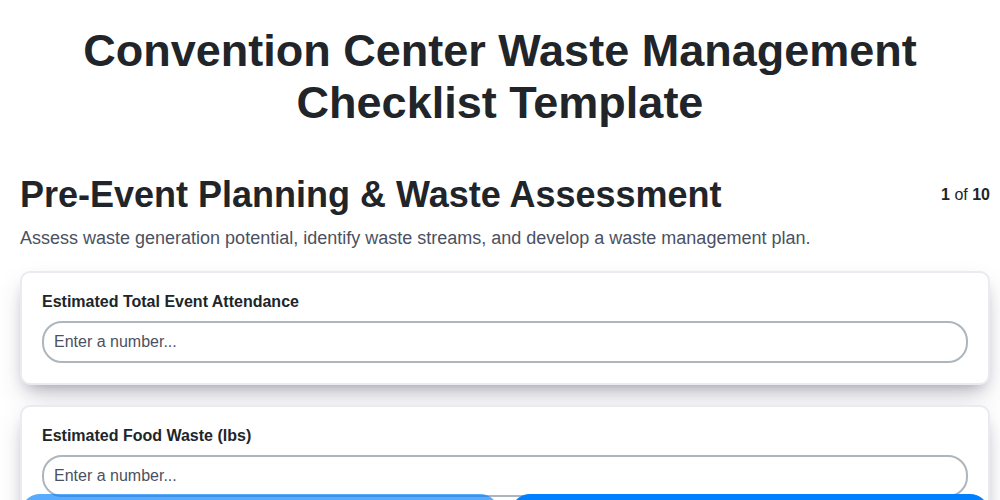
Table of Contents
- Planning for a Greener Future: Why Sustainable Events Matter
- The Foundation: Your Convention Center Waste Management Checklist Template
- Pre-Event Assessment: Laying the Groundwork for Waste Reduction
- Vendor Partnerships: Integrating Sustainability into Your Supply Chain
- Bin Placement & Signage: Guiding Attendees Towards Responsible Disposal
- Food & Beverage Strategies: Minimizing Waste, Maximizing Impact
- Recycling & Composting Programs: Building a Diversion System
- Attendee Engagement: Empowering Guests to Participate
- Post-Event Audit & Reporting: Measuring Success and Identifying Improvements
- Resources & Links
TLDR: Overwhelmed by event waste? This checklist template is your roadmap to sustainable conventions! It breaks down essential steps - from vendor contracts to attendee education - to minimize waste, maximize recycling & composting, and ensure your next event is both impressive and eco-friendly. Download it now and simplify your journey to greener events!
Planning for a Greener Future: Why Sustainable Events Matter
The environmental impact of large-scale events is often overlooked, but the cumulative effect of countless conventions, conferences, and trade shows is significant. Beyond the immediate visual impact of overflowing bins, consider the resource depletion involved in producing event materials, the transportation emissions from attendees and vendors, and the long-term consequences of landfill waste.
However, embracing sustainable event practices isn't just about minimizing harm; it's about creating a positive ripple effect. It showcases a commitment to environmental responsibility, attracts environmentally conscious attendees and sponsors, enhances your organization's reputation, and can even unlock cost savings through reduced waste and resource consumption. Furthermore, it inspires attendees and stakeholders to adopt more sustainable behaviors in their own lives, contributing to a wider culture of environmental awareness and action. Investing in a greener future for events is an investment in a healthier planet and a more responsible way of doing business.
The Foundation: Your Convention Center Waste Management Checklist Template
A successful waste management program isn't built overnight. It requires a structured approach, documented processes, and consistent execution. This checklist acts as your roadmap, ensuring every crucial step is considered and addressed. Think of it not just as a list to tick off, but as a living document, subject to review and improvement based on your specific event needs and the evolving landscape of sustainable practices.
This template is divided into ten key areas, each addressing a critical element of the waste management process. We've designed it to be adaptable - customize it with your center's unique data, regulations, and goals. Remember, a proactive, well-planned strategy minimizes environmental impact, reduces costs, and enhances your convention center's reputation as a leader in sustainability. Each section within the checklist is designed to be clear, actionable, and easily integrated into your existing event planning workflow. Let's start building a greener future, one event at a time.
Pre-Event Assessment: Laying the Groundwork for Waste Reduction
Before a single attendee walks through your convention center doors, a thorough pre-event assessment is paramount. This isn't just about estimating attendance numbers; it's about understanding the types and quantities of waste your event is likely to generate. Think of it as detective work - uncovering the hidden waste hotspots that can derail your sustainability goals.
Begin by analyzing data from previous events, if available. What materials were most frequently discarded? Was there significant food waste? Which areas consistently saw overflowing bins? If you're hosting a new type of event, research similar events and their waste profiles.
Next, consider the event's scope - the number of attendees, the types of exhibitors, and the catering arrangements. Each factor contributes to the waste equation. Engage with event organizers and caterers early on to discuss sustainable practices and potential waste reduction strategies. A detailed understanding of these elements provides the vital information needed to create a targeted and effective waste management plan. Ignoring this crucial step can lead to ineffective strategies and a disappointing outcome.
Vendor Partnerships: Integrating Sustainability into Your Supply Chain
Your convention center's sustainability efforts are only as strong as the commitment of your vendors. A truly eco-friendly event requires a collaborative approach, and that starts with aligning your suppliers' practices with your own goals. It's not enough to simply use vendors; you need to partner with them to drive meaningful change.
Here's how to foster vendor partnerships that integrate sustainability:
- Comprehensive Vendor Questionnaires: Go beyond basic contact information. Include detailed questions about their environmental policies, waste reduction practices, sourcing of materials, and transportation methods. Look for vendors who can demonstrate a genuine commitment to sustainability, not just greenwashing.
- Prioritize Sustainable Suppliers: Actively seek out and prioritize vendors who have already implemented sustainable practices. Look for certifications like B Corp, ISO 14001, or those recognized by credible sustainability organizations.
- Offer Support and Resources: Recognize that transitioning to more sustainable practices can be challenging. Provide vendors with resources, training, and support to help them make the changes needed. This might include access to recycling guidelines, information on compostable products, or connections to sustainable suppliers.
- Collaborative Goal Setting: Work with your vendors to establish clear, measurable sustainability goals for your events. This collaborative approach fosters a sense of shared responsibility and ensures buy-in.
- Regular Performance Reviews: Incorporate sustainability performance into vendor contract renewals. Regularly evaluate vendors based on their progress towards established goals and provide constructive feedback.
- Lead by Example: Demonstrate your own commitment to sustainability by implementing eco-friendly practices within the convention center itself. This creates a positive influence and encourages vendors to follow suit.
Ultimately, successful vendor partnerships are built on open communication, mutual respect, and a shared commitment to creating a more sustainable future for events.
Bin Placement & Signage: Guiding Attendees Towards Responsible Disposal
Strategic bin placement and clear, intuitive signage are the unsung heroes of effective waste management. It's not enough to have recycling and compost bins; attendees need to know where they are and what goes in them. Think of it as wayfinding for waste!
Here's how to nail it:
- High-Traffic Zones: Position waste, recycling, and compost stations in high-traffic areas - near food service areas, exhibit halls, restrooms, and registration desks. Don't tuck them away; make them accessible and visible.
- Consistent Layout: Implement a consistent layout for your bin stations. A standard arrangement (e.g., waste - recycling - compost, from left to right) creates familiarity and reduces confusion.
- Signage is EVERYTHING: This is where clarity wins.
- Large and Legible: Use large, easy-to-read fonts.
- Visual Cues: Incorporate pictures or icons alongside text descriptions. (A picture of an aluminum can for recycling is far more effective than just the word Recycling).
- Multiple Languages: If your event attracts an international audience, provide signage in multiple languages.
- Strategic Placement: Place signage above and near the bins, ensuring it's easily visible from a distance.
- Staff Support: Train event staff and volunteers to guide attendees and answer questions about proper disposal. A friendly face and helpful information can make a huge difference.
- Regular Maintenance: Keep bin areas clean and organized. Overflowing bins or scattered litter create a negative impression and discourage responsible disposal.
Food & Beverage Strategies: Minimizing Waste, Maximizing Impact
Food and beverage services are often a significant contributor to event waste. However, with careful planning and implementation, substantial reductions are achievable. Here's a breakdown of strategies to minimize waste and maximize your event's positive impact:
1. Accurate Catering Estimates & Portion Control: Overestimating food quantities is a common mistake. Work closely with your caterer to accurately predict attendee needs based on registration numbers, demographics, and event format. Encourage smaller portion sizes to reduce plate waste. Buffet lines are notorious for food waste; consider family-style service or plated meals as alternatives.
2. Donation Partnerships - Food Rescue is Key: Establish partnerships with local food banks, shelters, or organizations that distribute surplus food to those in need. This not only prevents food from ending up in landfills but also supports your community. Ensure food safety protocols are followed carefully for donation.
3. Sustainable Sourcing & Menus: Prioritize locally sourced, seasonal ingredients to minimize transportation-related emissions and support local farmers. Offer vegetarian and vegan options - plant-based meals generally have a lower environmental footprint.
4. Composting and Food Waste Diversion: Implement a comprehensive composting program for food scraps and compostable tableware. Clearly label bins and provide training for both catering staff and attendees.
5. Beverage Strategies: Reduce single-use plastic bottles and cups by encouraging attendees to bring their own reusable containers. Offer filtered water stations instead of bottled water. Explore compostable cups for hot beverages.
6. Leftover Management: Develop a clear protocol for handling leftover food. This may include donation, composting, or animal feed (where permitted and safe). Track leftover amounts to refine future catering estimates.
By implementing these strategies, you can transform your food and beverage services from a waste generator into a force for positive change.
Recycling & Composting Programs: Building a Diversion System
A successful waste management plan hinges on robust recycling and composting programs. These aren't simply about placing bins around the venue; it's about building a system that's easily understood, consistently implemented, and demonstrably effective.
Recycling: Beyond the Basics
Many events offer basic recycling, but maximizing diversion requires a more strategic approach. First, clearly define acceptable materials. Don't assume everyone knows what can be recycled - be explicit. This means posting signage that specifically lists what is accepted (e.g., "Aluminum cans, plastic bottles #1 & #2, paper"). Common contaminants like plastic bags, polystyrene foam, and soiled paper significantly reduce the value of recyclable materials.
Consider a single-stream recycling system for ease of use, but ensure your recycling partner can handle the mixed materials. If separation is required, clearly marked, multi-bin stations become essential. Partnering with a reputable recycling service provider is crucial. Verify their processing capabilities and ensure they are transparent about where your materials are ultimately sent.
Composting: A Powerful Addition
Composting goes beyond reducing landfill waste; it returns valuable nutrients back into the ecosystem. Implementing a composting program requires careful planning. Start by identifying acceptable materials: food scraps (fruit & vegetable peels, coffee grounds, eggshells), paper napkins, compostable tableware (ensure it's certified!).
Contamination is a major challenge with composting. Thorough staff training and attendee education are vital. Dedicated, clearly labeled compost bins are a must. You'll need a reliable composting partner-either a local composting facility or a service provider that can manage the collected material. Consider the logistics of collection and transport to ensure the compost is handled properly.
Continuous Improvement
Regularly assess your recycling and composting programs to identify areas for improvement. Monitor contamination rates, track diversion rates, and solicit feedback from attendees and staff. Adapt your strategies based on these insights to continually enhance your diversion system and maximize its positive impact.
Attendee Engagement: Empowering Guests to Participate
Events thrive on the energy and enthusiasm of their attendees, and their participation is vital for a successful waste reduction program. It's not enough to simply have recycling and compost bins - you need to empower guests to use them correctly. Here's how to foster a culture of sustainability amongst your audience:
Clear & Consistent Communication: Start early! Incorporate waste reduction messaging into your event website, registration confirmation emails, and social media posts. Use simple, clear language and visuals explaining what can and cannot be recycled or composted. Avoid jargon.
Interactive Signage: Go beyond basic labels. Utilize engaging graphics, QR codes that link to detailed recycling guides, and even interactive games to educate attendees. Consider incorporating fun facts or tips to reinforce the message.
Staff & Volunteer Champions: Equip your staff and volunteers with the knowledge and resources to answer attendee questions and provide guidance on proper bin usage. Create a designated "Sustainability Ambassador" to proactively engage with guests and promote best practices.
Gamification & Incentives: Introduce a friendly competition - perhaps rewarding attendees for consistently using the correct bins or suggesting improvements to the waste management program. Offer small incentives like branded reusable items or discounts.
Feedback Mechanisms: Create easily accessible channels for attendees to provide feedback on the waste management program. This shows you value their input and demonstrates a commitment to continuous improvement. A simple suggestion box (physical or digital) can go a long way.
Highlight Success Stories: Share impactful stories and statistics about the event's waste reduction efforts to inspire and motivate attendees. Showcase the positive impact their participation is making.
Post-Event Audit & Reporting: Measuring Success and Identifying Improvements
The event is over, the attendees have departed, but the work isn't quite finished. A thorough post-event waste audit and comprehensive reporting are essential for truly understanding the impact of your efforts and identifying opportunities for continuous improvement. It's not enough to simply do waste management; you need to measure it.
The Waste Audit: A Detailed Look
A post-event waste audit involves physically sorting a representative sample of the remaining waste and recyclables. This provides a far more accurate picture of what was actually being discarded than relying solely on estimates. Here's what to look for:
- Waste Composition Breakdown: Quantify the percentage of each waste stream - general waste, recycling, compost.
- Contamination Levels: Identify contaminants in recycling and compost bins. Common culprits include food waste in recycling, or plastic bags in compost. High contamination rates can lead to entire loads being rejected by processing facilities.
- Unexpected Waste Streams: Are there any significant waste streams you hadn't anticipated? This could highlight a missed opportunity for reduction or diversion.
Reporting: Sharing Your Story and Setting New Goals
Your findings need to be translated into a clear and concise report. This report shouldn't just be for internal consumption; share it with stakeholders - attendees, vendors, sponsors, and even the broader community. Transparency builds trust and reinforces your commitment to sustainability. Include:
- Key Metrics: Waste generation rate (waste per attendee), diversion rate (percentage of waste diverted from landfill), contamination rates.
- Comparison to Baseline: How do your current results compare to previous events or established goals?
- Lessons Learned: Highlight what worked well, what didn't, and what adjustments you're planning for future events.
- Recommendations: Specific, actionable recommendations for improving waste management practices.
By embracing a culture of measurement and continuous improvement, you can transform your convention center into a model of sustainable event planning.
Resources & Links
- The Sustainability Hub (formerly Green Meeting Industry Council - GMIC): A comprehensive resource for event professionals looking to integrate sustainability. Offers certifications, guidelines, and a community forum. Provides actionable strategies aligned with the checklist content, especially in vendor selection and reporting.
- International Sustainable Apparel Coalition (ISAC): While focused on apparel, ISAC's principles around lifecycle assessment and transparency are hugely valuable for understanding event material sourcing and disposal, relating to vendor partnerships and overall sustainability planning.
- United States Environmental Protection Agency (EPA): Provides information and resources on waste reduction, recycling, composting, and best practices for environmental stewardship. Useful for understanding legal requirements and gaining insights into effective diversion strategies - especially relevant to Recycling & Composting Programs.
- Zero Waste Events: Provides guidance and training for event organizers wanting to achieve zero-waste goals, which can inform ambitious goals outlined in the Post-Event Audit & Reporting section and offers concrete action plans for Food & Beverage Strategies.
- Eventbrite Blog: While not solely sustainability-focused, Eventbrite's blog often publishes articles about event planning best practices, including discussions around attendee engagement and the importance of clear communication (relevant to Bin Placement & Signage and Attendee Engagement).
- Green America: Offers resources and tools for businesses seeking to improve their environmental and social responsibility. Can assist with due diligence for Vendor Partnerships and evaluating the overall sustainability impact of the event.
- WasteAid: Provides training and resources on waste management, particularly in developing countries. Useful for understanding the broader impact of waste and guiding choices around responsible disposal methods. While geographically focused, the principles are universally applicable.
- Sustainable Brands: A leading online community exploring sustainability across industries, including events. Offers insights into innovative approaches and case studies for Planning for a Greener Future and post-event auditing.
- Earth911: Provides comprehensive information on recycling and waste disposal guidelines by location. Essential for understanding local requirements for Recycling & Composting Programs and informing vendor selection.
- Sustainability Accounting Standards Board (SASB): While focusing on corporate reporting, SASB's standards offer a framework for quantifying sustainability performance, which can be adapted for event reporting in the Post-Event Audit & Reporting section. Helps measure and communicate the event's environmental impact effectively.
Frequently Asked Questions
What is a sustainable event, and why is it important?
A sustainable event minimizes environmental impact and considers social and economic responsibility. It's important because events generate significant waste and consume resources. Sustainable events reduce these impacts, conserve resources, and promote responsible practices, benefiting the environment and community.
What is the purpose of this Convention Center Waste Management Checklist Template?
The checklist template is designed to help convention centers and event planners systematically assess and improve their waste management practices, ensuring alignment with sustainability goals and minimizing environmental footprint.
Who is this checklist template for?
This template is designed for convention center management, event planners, catering services, and anyone responsible for managing waste at events hosted within convention centers. It's applicable to events of all sizes.
What types of waste are covered by the checklist?
The checklist covers a wide range of waste streams, including food waste, recyclables (paper, plastic, glass, metal), general waste, compostables, and potentially hazardous materials (e.g., batteries, electronics).
How should I use the Convention Center Waste Management Checklist Template?
1. Review the checklist and understand each item. 2. Assess your current practices against each item. 3. Rate your current level of compliance (e.g., Not Started, Partial, Full). 4. Identify areas for improvement. 5. Develop action plans to address gaps. 6. Regularly review and update the checklist.
What does 'Zero Waste' mean in the context of events?
'Zero Waste' aims to eliminate waste sent to landfills and incinerators. It involves maximizing reuse, recycling, composting, and minimizing waste generation in the first place. It's an aspirational goal, and achieving it requires significant effort and commitment.
What are some examples of actions I can take based on the checklist's recommendations?
Examples include: implementing composting programs, providing clearly labeled recycling bins, reducing single-use plastics, partnering with sustainable vendors, and educating attendees about waste reduction practices.
Can I customize the checklist template?
Yes! The checklist is designed to be a starting point. Feel free to add, remove, or modify items to reflect your convention center's specific needs and the nature of events hosted.
Where can I find information about local recycling and composting regulations?
Contact your local municipality or waste management authority. They can provide information on acceptable materials, collection schedules, and any specific requirements.
How can I measure the success of my waste management program?
Track key metrics like waste diversion rates (percentage of waste diverted from landfills), total waste generated, recycling rates for different materials, and the amount of food waste composted. Regularly analyze data and adjust strategies as needed.
Comments
There are no comments yet. Be the first to add one!
Waste Management Solution Demo
Optimize your waste management & reduce environmental impact! ChecklistGuro streamlines collection, tracking, and reporting. Minimize waste, lower costs, & promote sustainability. Manage it all with our Work OS.
Related Articles

Your Ultimate Guide to a Waste Management Facility Project Checklist Template

Your Complete Vegetation Removal Compliance Checklist Template
Your Ultimate Hazardous Materials Waste Management Checklist Template
Streamline Biohazard Waste: Your Essential Checklist Template
Your Dental Office Safety Net: The Compliance & Patient Safety Checklist Template

Weekly Waste Management & Recycling Checklist Template
Your Environmental Compliance Checklist Template: A Step-by-Step Guide
Auto Repair Shop Checklist Template: Operations & Compliance
We can do it Together
Need help with
Waste Management?
Have a question? We're here to help. Please submit your inquiry, and we'll respond promptly.