Auto Repair Shop Checklist Template: Operations & Compliance
Published: 09/29/2025 Updated: 07/08/2026
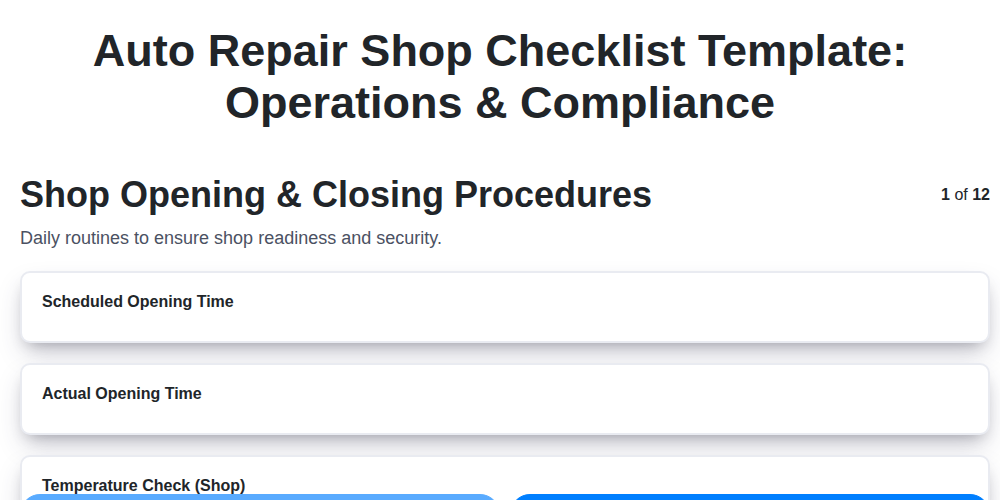
Table of Contents
- Why Your Auto Repair Shop Needs a Checklist
- Essential Elements: A Comprehensive Checklist Overview
- 1. Shop Opening & Closing Procedures
- 2. Vehicle Intake & Documentation: Setting the Foundation
- 3. Diagnostic & Repair Verification: Accuracy is Key
- 4. Quality Control & Testing: Ensuring a Reliable Repair
- 5. Customer Communication & Delivery: Building Trust
- 6. Safety & Hazard Mitigation: Protecting Your Team
- 7. Equipment Maintenance & Calibration: Keeping Things Running Smoothly
- 8. Waste Management & Environmental Compliance
- 9. Inventory Management & Parts Ordering: Optimizing Your Supplies
- 10. Regulatory Compliance: Federal & State Requirements
- 11. Employee Training & Records: Building Expertise
- 12. Digital vs. Paper Checklists: Choosing the Right Approach
- Resources & Links
TLDR: Running a compliant and efficient auto repair shop can be overwhelming. This checklist template covers everything from opening procedures to regulatory compliance, helping you reduce errors, improve safety, satisfy customers, and protect your business. Download the starter template and customize it to your shop's specific needs - it's a critical tool for success!
Why Your Auto Repair Shop Needs a Checklist
Beyond simply keeping things organized, a checklist provides tangible benefits that directly impact your shop's bottom line and reputation. Think of it as a proactive shield against common pitfalls. Consistent adherence to a checklist minimizes costly errors - a missed diagnostic step, incorrect parts installation, or overlooked safety precaution can lead to repeat repairs, customer dissatisfaction, and potential liability. It also demonstrably improves regulatory compliance; a well-maintained checklist serves as clear evidence of due diligence during inspections, potentially reducing fines and penalties. Furthermore, a checklist fosters a culture of accountability among your team, ensuring everyone understands their responsibilities and contributing to a more efficient and professional workflow. Ultimately, a checklist isn't just about ticking boxes-it's about protecting your business, safeguarding your customers, and building a sustainable, thriving auto repair shop.
Essential Elements: A Comprehensive Checklist Overview
A truly comprehensive auto repair shop checklist isn't just a list; it's a roadmap for operational excellence. Think of it as your shop's standard operating procedure, consistently applied. We've broken down the critical areas into manageable sections, but the underlying principle is consistent documentation and accountability. Each item on the checklist should have a clear owner (the technician or staff member responsible) and a system for verification - a simple initial or digital signature is usually sufficient. Regularly reviewing completed checklists provides invaluable insight into potential bottlenecks, areas for improvement, and overall shop performance. Don't treat it as a burden; view it as a tool for continuous improvement and a safeguard against costly errors and compliance issues. The effectiveness of your checklist hinges on consistent use and periodic updates to reflect changes in regulations, equipment, or best practices.
1. Shop Opening & Closing Procedures
The first few minutes and last few moments of each workday set the tone for everything that follows. Consistent opening and closing procedures are about more than just turning lights on and off; they's about ensuring safety, security, and operational readiness.
Opening Procedures:
- Security System Check: Verify the alarm system is disarmed correctly. Note any unusual activity.
- HVAC & Lighting: Confirm heating, ventilation, and air conditioning are functioning properly, and that adequate lighting is available throughout the shop and work areas.
- Work Schedule Review: Briefly review the day's schedule, prioritizing urgent repairs and customer appointments.
- Cleanliness Assessment: A quick walk-through to identify any overnight spills, debris, or potential hazards.
- Equipment Readiness: Visually inspect critical equipment (lifts, scanners) for any obvious issues.
Closing Procedures:
- Secure Equipment: Lower all lifts, secure all tools, and lock up any valuable parts or equipment.
- Waste Disposal: Dispose of any waste materials (rags, used parts) according to environmental regulations.
- Work Area Cleanup: Ensure all work areas are tidy and organized.
- Alarm System Arming: Properly arm the security system and verify its functionality.
- Final Walk-Through: A last check to ensure everything is secured and all lights are off. Document anything unusual.
2. Vehicle Intake & Documentation: Setting the Foundation
The initial vehicle intake process is far more than just writing up a work order. It's the bedrock upon which your repair service is built - influencing customer satisfaction, minimizing disputes, and protecting your business from liability. A comprehensive and well-documented intake establishes clear expectations and provides a record of the vehicle's condition before any work begins.
Here's what a robust vehicle intake and documentation process should include:
- Thorough Visual Inspection & Photos: Before the vehicle leaves your lot, conduct a meticulous visual inspection. Document everything - existing damage (scratches, dents, tire condition), mileage, and any pre-existing issues. High-quality photos are essential, capturing all angles and details. These serve as irrefutable evidence of the vehicle's condition upon arrival.
- Accurate Work Order Creation: The work order should be clear, concise, and detailed. Describe the customer's complaint in their own words, then add your diagnostic findings. Avoid ambiguous language. Be specific about the requested repairs.
- Customer Authorization & Estimates: Never proceed with work without documented customer authorization. Provide a detailed estimate outlining the scope of work, parts needed, and associated costs. Ensure the customer understands and signs the estimate before any repairs commence. Explain any potential for additional work due to unforeseen circumstances and obtain further authorization if necessary.
- Mileage Recording: Accurately record the vehicle's mileage at intake - it's crucial for warranty claims and potential odometer fraud concerns.
- Key Handling & Security: Implement a secure key management system to prevent loss or theft. Document who has possession of the key at all times.
- Pre-existing Condition Disclosure: If the vehicle has any pre-existing conditions (mechanical issues, body damage) that are not immediately apparent, clearly document them and obtain customer acknowledgment.
A meticulous intake process isn't just about ticking boxes; it's about building trust and setting the stage for a successful repair experience.
3. Diagnostic & Repair Verification: Accuracy is Key
Rushing diagnostics or skipping verification steps can lead to repeat repairs, frustrated customers, and a hit to your shop's reputation. This isn't just about fixing the immediate problem - it's about identifying the root cause and ensuring a lasting solution.
Here's a breakdown of critical steps for accurate diagnostic and repair verification:
- Follow Manufacturer's Procedures: Always adhere to the vehicle manufacturer's diagnostic flowcharts and repair procedures. Don's "guess" - use the provided resources.
- Double-Check Repair Plans: Before starting any repair, review the diagnostic findings with the technician and confirm the proposed solution aligns with the work order and customer authorization.
- Document Diagnostic Steps: Meticulously document every diagnostic step taken, including scan tool data, visual inspections, and test results. This creates a clear audit trail and helps pinpoint issues if further investigation is needed.
- Verify Repair Completion: Once the repair is complete, use scan tools and other diagnostic equipment to confirm that all related systems are functioning correctly and that any error codes have been cleared.
- Test Drive Confirmation: A thorough test drive by a qualified technician is essential. Pay attention to any unusual noises, vibrations, or performance issues.
- Pre-Delivery Inspection: A final inspection prior to vehicle delivery should confirm all repairs have been completed and all systems are operating within specifications.
4. Quality Control & Testing: Ensuring a Reliable Repair
Quality control isn't just a final inspection; it's woven into every stage of the repair process. A rushed or skipped QC step can lead to callbacks, dissatisfied customers, and potential liability issues. Our rigorous quality control and testing procedures go beyond the basics, ensuring the vehicle leaves your shop in peak condition.
Here's what our process includes:
- Post-Repair Inspection: A meticulous visual inspection, checking for correct parts installation, proper torque, and overall neatness. This isn't just about appearances; it verifies that all connections are secure and no parts were overlooked.
- System Verification: Utilizing diagnostic scan tools to verify the proper function of all repaired systems. This includes checking for error codes, sensor readings, and actuator performance.
- Test Drive Protocol: A structured test drive route designed to evaluate the repair under various driving conditions (acceleration, braking, cornering). Experienced technicians observe vehicle behavior and listen for unusual noises or vibrations. Specific parameters are monitored and documented.
- Alignment and Handling Checks: For repairs impacting steering and suspension, a four-wheel alignment is performed and documented. Handling characteristics are evaluated to ensure a smooth and predictable ride.
- Fluid Level Verification: All fluid levels (oil, coolant, brake fluid, power steering fluid) are checked and topped off as needed, with details recorded.
- Final Walk-Around: Before delivery, a final walk-around is conducted to ensure customer satisfaction and address any remaining concerns.
These quality checks are vital. They minimize the chance of future issues, promote customer trust and safeguard the reputation of your auto repair shop.
5. Customer Communication & Delivery: Building Trust
Clear, consistent communication is the cornerstone of a positive customer experience and a thriving auto repair business. It's about more than just informing customers about repairs; it's about building trust and fostering loyalty. Here's how to elevate your customer communication and delivery process:
Proactive Updates: Don't wait for customers to call. Provide regular updates on their vehicle's status - even if there's no significant change. A simple text or phone call saying Vehicle is still in diagnostics, we're working on it goes a long way.
Explaining the Why: When explaining repairs, avoid technical jargon. Clearly articulate the problem, the recommended solution, and the associated costs in easy-to-understand terms. Why is this repair necessary? What are the potential consequences of not addressing it?
Estimate Transparency: Ensure estimates are detailed and accurate, outlining all labor and parts costs. Be upfront about potential surprises and obtain written authorization before proceeding with any work beyond the initial estimate.
Delivery Excellence: Before returning a vehicle, perform a final inspection to ensure all repairs have been completed to your quality standards. Clean the interior and exterior - a little extra effort shows you care. When delivering the vehicle, thoroughly explain the repairs and answer any remaining questions. Provide a clear invoice with a breakdown of charges and a warranty explanation. Secure the keys and ensure the customer is completely satisfied before they leave.
Follow-Up: A brief follow-up call or email a few days after the service can demonstrate your commitment to customer satisfaction and identify any potential issues early on.
6. Safety & Hazard Mitigation: Protecting Your Team
The auto repair shop environment presents inherent risks. From heavy equipment to hazardous chemicals, prioritizing safety isn't just a moral obligation; it's essential for protecting your team, minimizing workplace injuries, and avoiding costly fines and legal repercussions. A proactive safety program starts with a thorough hazard assessment and a well-defined mitigation strategy.
Daily Walk-Throughs: Your First Line of Defense
Start each day with a comprehensive walk-through of the entire shop. Look for potential hazards like:
- Spills: Oil, coolant, brake fluid - these create slip and fall risks. Clean them up immediately and ensure proper signage.
- Obstructions: Tools, parts, or debris blocking walkways or access to equipment. Keep the shop organized and clear.
- Equipment Malfunctions: Listen for unusual noises and visually inspect lifts, compressors, and other machinery. Report any issues immediately.
- Poor Ventilation: Ensure adequate ventilation, especially when working with paints, solvents, or exhaust fumes.
- Trip Hazards: Damaged flooring, exposed wiring, or uneven surfaces.
Beyond the Basics: Essential Safety Measures
- Personal Protective Equipment (PPE): Provide and enforce the use of appropriate PPE, including safety glasses, gloves, hearing protection, and respirators.
- Fire Safety: Ensure fire extinguishers are readily accessible, inspected regularly, and employees are trained in their proper use.
- Lockout/Tagout Procedures: Implement and strictly adhere to lockout/tagout procedures when servicing equipment.
- Compressed Air Safety: Never use compressed air to clean clothing or skin - it's a serious injury risk.
- Ergonomics: Provide training on proper lifting techniques and ergonomic workstation setups to prevent musculoskeletal injuries.
- Emergency Procedures: Regularly review and practice emergency procedures (fire drills, evacuation plans, first aid protocols).
- OSHA Compliance: Stay up-to-date on all relevant OSHA regulations and ensure your shop is in full compliance.
Regular safety meetings and toolbox talks are also invaluable for reinforcing safe work practices and fostering a culture of safety within your team.
7. Equipment Maintenance & Calibration: Keeping Things Running Smoothly
Your shop's equipment is the backbone of your operations. From lifts and alignment machines to diagnostic scanners and tire changers, breakdowns aren't just inconvenient - they're costly, disruptive, and potentially dangerous. A proactive equipment maintenance and calibration program is vital for safety, accuracy, and maximizing the lifespan of your investments.
Beyond the Basics: While a simple "check the oil" approach is a start, a truly effective program involves scheduled inspections, preventative maintenance, and regular calibration.
- Scheduled Inspections: Create a calendar for routine visual inspections of all equipment. Look for signs of wear and tear, leaks, unusual noises, and potential hazards. Document these inspections.
- Preventative Maintenance: Follow manufacturer recommendations for maintenance tasks like lubrication, filter changes, and belt replacements. These tasks are designed to prevent breakdowns and extend equipment life.
- Calibration is Crucial: Many pieces of equipment, like brake testers, alignment machines, and scan tools, require periodic calibration to ensure accurate readings. Calibration confirms that your equipment is functioning within specified tolerances. Don't skip this!
- Record Keeping is Paramount: Maintain detailed records of all maintenance and calibration activities, including dates, technician initials, and specific actions taken. This documentation demonstrates due diligence and can be invaluable in case of an audit or legal issue.
- External Service Providers: For complex calibration or repairs, consider engaging qualified external service providers. Ensure they are properly certified and insured.
- Employee Training: Train technicians on basic equipment maintenance and inspection procedures. Empower them to identify and report potential issues early.
Proactive equipment maintenance and calibration aren't just about preventing breakdowns; they's about ensuring the safety of your technicians, the accuracy of your repairs, and the long-term profitability of your shop.
8. Waste Management & Environmental Compliance
The auto repair industry generates a significant amount of waste, much of which is considered hazardous. Proper waste management isn's just good for the environment; it's a legal requirement. Failing to comply can lead to hefty fines, environmental damage, and a damaged reputation.
Here's what you need to know:
- Hazardous Waste Identification: Familiarize yourself with EPA regulations and state guidelines for identifying hazardous waste. Common examples include used motor oil, antifreeze, brake cleaner, solvents, lead-acid batteries, and mercury-containing components.
- Proper Segregation & Storage: Keep hazardous waste separate from general waste. Store it in clearly labeled, leak-proof containers in a designated area that meets regulatory standards (often including secondary containment).
- Permitted Disposal: Utilize licensed and permitted waste disposal companies specializing in hazardous waste management. Never dispose of hazardous waste in regular trash or down drains.
- Record Keeping: Maintain meticulous records of waste generation, storage, and disposal. This includes manifests, certificates of destruction, and waste tracking logs. These records are essential for demonstrating compliance during inspections.
- Universal Waste Handling: Lead-acid batteries, fluorescent lamps, and mercury-containing devices are often classified as universal waste and have specific handling requirements.
- Spill Prevention & Response: Develop a spill prevention and response plan, including training for employees on proper cleanup procedures and reporting requirements.
- Antifreeze Recycling Programs: Explore antifreeze recycling programs to minimize waste and conserve resources.
- Stay Updated: Environmental regulations are constantly evolving. Regularly review federal, state, and local guidelines to ensure ongoing compliance.
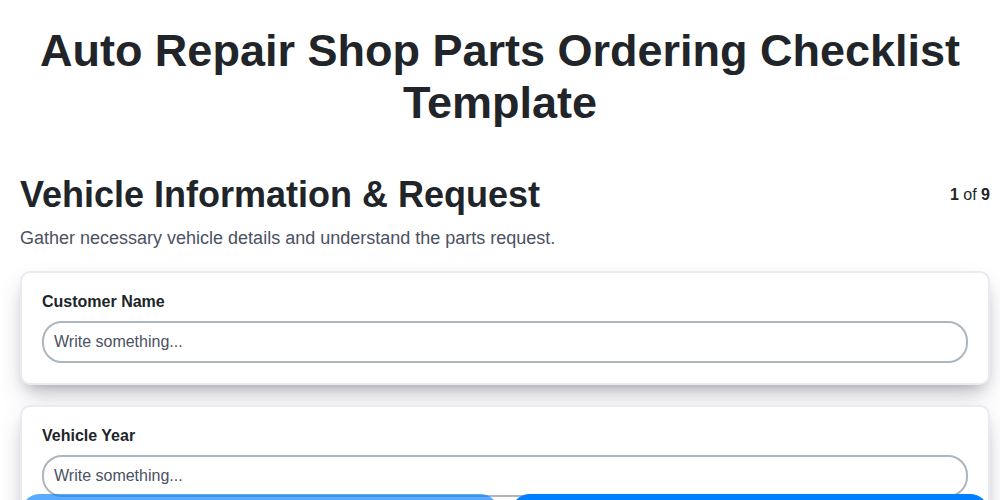
9. Inventory Management & Parts Ordering: Optimizing Your Supplies
Effective inventory management is the backbone of a profitable auto repair shop. Holding too much stock ties up capital, while running out of essential parts frustrates customers and disrupts workflow. Finding the sweet spot requires a proactive and data-driven approach.
Understanding Your Demand:
Start by analyzing your historical repair data. Which parts are most frequently used? What are the typical lead times from your suppliers? Categorize your parts based on usage frequency (fast-moving, slow-moving, obsolete). This allows you to prioritize inventory levels and ordering frequency accordingly.
Implementing a System:
- Part Numbering & Tracking: Implement a clear and consistent part numbering system. Barcode scanning and digital inventory tracking software are invaluable for accuracy and efficiency.
- Reorder Points: Calculate reorder points for each part, factoring in lead times and average daily usage. Don's wait until you're completely out!
- Supplier Relationships: Build strong relationships with your suppliers. Negotiate favorable pricing and payment terms. Explore vendor-managed inventory (VMI) options, where your supplier takes responsibility for maintaining your stock levels.
- Regular Cycle Counts: Conduct regular cycle counts (smaller, more frequent inventory checks) to identify discrepancies between physical stock and your records. Investigate and correct any errors promptly.
- Obsolete Parts Management: Establish a process for identifying and disposing of obsolete parts. Consider offering discounts or promotions to clear out slow-moving inventory.
- Returns & Core Charges: Implement a clear policy for handling returns and managing core charges. This ensures proper credit and reduces waste.
Effective inventory management isn't just about counting parts - it's about optimizing your operations, improving cash flow, and providing exceptional service to your customers.
10. Regulatory Compliance: Federal & State Requirements
Staying compliant with federal and state regulations is non-negotiable for any auto repair shop. Failure to do so can result in hefty fines, legal action, and even suspension of your business license. Here's a breakdown of key areas to focus on:
Federal Regulations:
- Environmental Protection Agency (EPA): Strict rules govern the disposal of hazardous waste, including used oil, antifreeze, batteries, and brake cleaner. You're required to have a manifest system to track waste and ensure proper handling. Learn about your obligations under the Resource Conservation and Recovery Act (RCRA).
- Occupational Safety and Health Administration (OSHA): OSHA sets standards for workplace safety. This includes requirements for hazard communication (SDS sheets), lockout/tagout procedures, machine guarding, and respiratory protection. Regular inspections are common, so ensure your shop adheres to these standards.
- Federal Motor Vehicle Safety Standards (FMVSS): While you're not directly responsible for creating vehicles to these standards, awareness of them is helpful, particularly if you do any significant structural repairs.
State-Specific Requirements:
- Vehicle Inspection Programs: Most states have inspection programs that dictate what repairs must be performed to pass inspection. You need to be thoroughly familiar with these requirements.
- Sales Tax and Licensing: Ensure you're properly licensed and collecting sales tax on applicable services and parts.
- State Environmental Regulations: Many states have their own, more stringent environmental regulations that go beyond federal requirements.
- Labor Laws: Stay up-to-date on state labor laws regarding employee wages, overtime, and worker's compensation.
- Repair Disclosure Laws: Some states have laws requiring specific disclosures to customers regarding repairs, estimates, and warranties. Understand and comply with these.
It's critical to consult with your state's Department of Motor Vehicles and Department of Environmental Protection to understand specific requirements that apply to your business. This information is for guidance only and should not be considered legal advice.
11. Employee Training & Records: Building Expertise
Your auto repair shop's reputation hinges on the skills and knowledge of your team. Robust employee training and meticulous record-keeping are non-negotiable for quality service and legal protection. It's not just about getting technicians certified; it's about creating a culture of continuous learning and documenting that progress.
What to Track & Why:
- Certifications: Maintain records of all technician certifications (ASE, manufacturer-specific, etc.), including expiration dates and renewal processes. This demonstrates competence and boosts customer confidence.
- Initial Training: Document the initial training provided to each employee, covering safety procedures, shop policies, diagnostic techniques, and repair processes.
- Ongoing Training: Regularly schedule and track ongoing training on new technologies, repair procedures, and regulatory updates. This keeps your team current and adaptable. Include dates, topics, and attendance.
- Safety Training: Mandatory and documented safety training is essential. Cover topics like HAZMAT handling, fire safety, and lift operation.
- Performance Reviews: Formal performance reviews should address skill development, areas for improvement, and progress toward goals.
- Disciplinary Actions: Any disciplinary actions related to performance or safety should be thoroughly documented.
- Training Records Accessibility: Ensure training records are readily accessible for audits and employee inquiries, while adhering to privacy regulations.
Beyond Compliance: Fostering a Learning Culture:
- Mentorship Programs: Pair experienced technicians with newer hires for on-the-job training and knowledge transfer.
- Manufacturer Training: Encourage participation in manufacturer-sponsored training programs.
- Cross-Training: Expand technician skillsets by cross-training in different areas of the shop.
- Feedback Mechanisms: Create opportunities for technicians to provide feedback on training effectiveness and suggest improvements.
By investing in comprehensive employee training and maintaining detailed records, you're not only building a team of highly skilled professionals, but also safeguarding your shop against potential liabilities and demonstrating a commitment to excellence.
12. Digital vs. Paper Checklists: Choosing the Right Approach
The decision between digital and paper checklists isn't always straightforward. Both have their pros and cons, and the best approach depends on your shop's size, budget, and tech savviness.
Paper Checklists: The Familiar Choice
Paper checklists are inexpensive and easy to implement. They don't require any special software or training. However, they can be easily lost or misplaced, making it difficult to track compliance history. Data entry is manual, which can be time-consuming and prone to errors. Analyzing data across multiple checklists can also be a major challenge. Finally, paper checklists aren't environmentally friendly, contributing to paper waste.
Digital Checklists: Embracing Efficiency
Digital checklists offer significant advantages. Real-time updates and centralized storage eliminate the risk of lost or misplaced documents. Automated data capture reduces errors and saves time. Reporting and analytics features provide valuable insights into operational efficiency and compliance gaps. Many shop management software packages integrate checklist functionality, streamlining workflows. Cloud-based digital checklists allow for easy access from anywhere, ideal for shops with multiple locations or mobile technicians. While there's an initial investment in software or subscription fees, the long-term benefits often outweigh the costs. Consider factors like ease of use for your team and integration with existing systems when evaluating digital checklist solutions.
Resources & Links
- Auto Repair Shop Owner: A website dedicated to providing resources and information for auto repair shop owners, covering business operations, marketing, and legal considerations. Offers insights that often correlate with checklist implementation and compliance requirements.
- Automotive Service Association (ASA): The ASA provides information, training, and advocacy for independent automotive repair shops. Their website features resources on industry standards and best practices, which are crucial for checklist development related to operational compliance.
- RepairShopMetrics: Provides business management software and resources tailored for auto repair shops. Their focus on operational efficiency can inform how checklists are integrated into daily workflows and measure performance.
- NAPA Auto Parts: While primarily a parts supplier, NAPA offers technical training and resources that can be relevant to ensuring proper diagnostic and repair procedures are followed, often reflected in checklist items. Their website's technical articles and training are useful.
- Environmental Protection Agency (EPA): Crucial for understanding and complying with environmental regulations related to auto repair waste management (fluids, solvents, batteries, etc.). The EPA's website provides guidance and regulations to include in your waste management checklist.
- Occupational Safety and Health Administration (OSHA): Provides information and regulations related to workplace safety. Your safety & hazard mitigation checklist should directly reference OSHA guidelines, and this website is the primary source for those.
- U.S. Small Business Administration (SBA): Provides resources and guidance for small business owners, including information on legal requirements, insurance, and financial management - all important facets to consider in developing a robust checklist.
- RepairDriver: Provides shop management software and marketing tools for auto repair shops. Their blog and resources often discuss operational best practices that align with effective checklist usage.
- ShopKeep: Offers point-of-sale (POS) software and retail management solutions. While not auto-repair specific, understanding inventory management and customer communication (covered in sections 2 and 5) is crucial and their resources can offer insights.
- Certified Automotive Bodywork & Diagnostics: Offers professional certifications in automotive diagnostics and repair. This can be vital in developing Employee Training & Records checklist content.
- AA1Car: A great resource for finding technical information and articles on auto repair, which can be integrated into diagnostic and repair verification (section 3) and training.
Frequently Asked Questions
What is this Auto Repair Shop Checklist Template used for?
This template is designed to help auto repair shop owners and managers systematically review their operations and ensure compliance with relevant regulations. It covers areas like safety, environmental practices, quality control, and customer service to help minimize risks and maintain a successful business.
Who should use this checklist template?
This template is suitable for all auto repair shop owners, managers, technicians, and supervisors. It's a valuable tool for anyone responsible for overseeing the shop's operations and ensuring compliance.
What types of operations does the checklist cover?
The checklist covers a wide range of operations including shop safety (fire extinguishers, ventilation, PPE), environmental compliance (waste disposal, fluid handling), quality assurance (inspection procedures, repair documentation), customer service, and equipment maintenance. It also includes sections for legal and regulatory compliance.
Is this checklist customizable?
Yes, absolutely! The template is designed to be a starting point. You can add, remove, or modify checklist items to reflect your shop's specific processes, equipment, and local regulations. We encourage tailoring it to your unique environment.
What are some examples of 'compliance' items included in the checklist?
Compliance items may include verifying proper disposal of used oil and fluids, ensuring mechanic certifications are up-to-date, confirming adherence to OSHA safety guidelines, verifying emissions testing procedures, and maintaining required permits.
How often should I use this checklist?
We recommend using the checklist regularly, ideally on a monthly or quarterly basis. Critical safety and environmental checks should be performed more frequently, such as weekly or even daily. The frequency can also depend on the nature of your shop's operations and local regulations.
Where can I find more information about auto repair shop regulations?
Regulations vary greatly by location. You can typically find information from your state's Department of Motor Vehicles (DMV), the Environmental Protection Agency (EPA), the Occupational Safety and Health Administration (OSHA), and local environmental agencies. Consulting with a legal professional specializing in auto repair shop regulations is also recommended.
What happens if I fail to comply with regulations?
Failure to comply with regulations can result in fines, penalties, legal action, and even the suspension or revocation of your business license. Maintaining compliance is crucial for the long-term success and legality of your auto repair shop.
Does this checklist include record-keeping requirements?
Yes, the checklist includes prompts and reminders related to record-keeping. Accurate and organized records are essential for demonstrating compliance during inspections and resolving potential issues.
Comments
There are no comments yet. Be the first to add one!
Auto Repair Shop Management Solution Demo
Level up your auto repair shop & boost profits! ChecklistGuro simplifies job tracking, inventory management, and customer communication. Improve efficiency, reduce errors, & enhance customer satisfaction. Manage it all with our Work OS.
Related Articles
The Ultimate Auto Repair Shop Customer Follow-Up Checklist Template
Level Up Your Auto Repair: The Ultimate Customer Service Checklist Template
Mastering Warranty Claims: Your Auto Repair Shop Checklist Template
Auto Repair Shop Digital Marketing Checklist Template
The Ultimate Vehicle Return Checklist for Auto Repair Shops
The Ultimate Auto Repair Shop Employee Training Checklist Template
Your Ultimate Guide to Auto Repair Shop Environmental Compliance: A Checklist Template
Streamline Your Shop: The Ultimate Auto Repair Parts Ordering Checklist Template
We can do it Together
Need help with
Auto Repair Shop Management?
Have a question? We're here to help. Please submit your inquiry, and we'll respond promptly.