Streamlining Your Harvest: A Step-by-Step Guide to the Crop Planning and Planting Workflow
Published: 05/31/2026 Updated: 10/05/2026
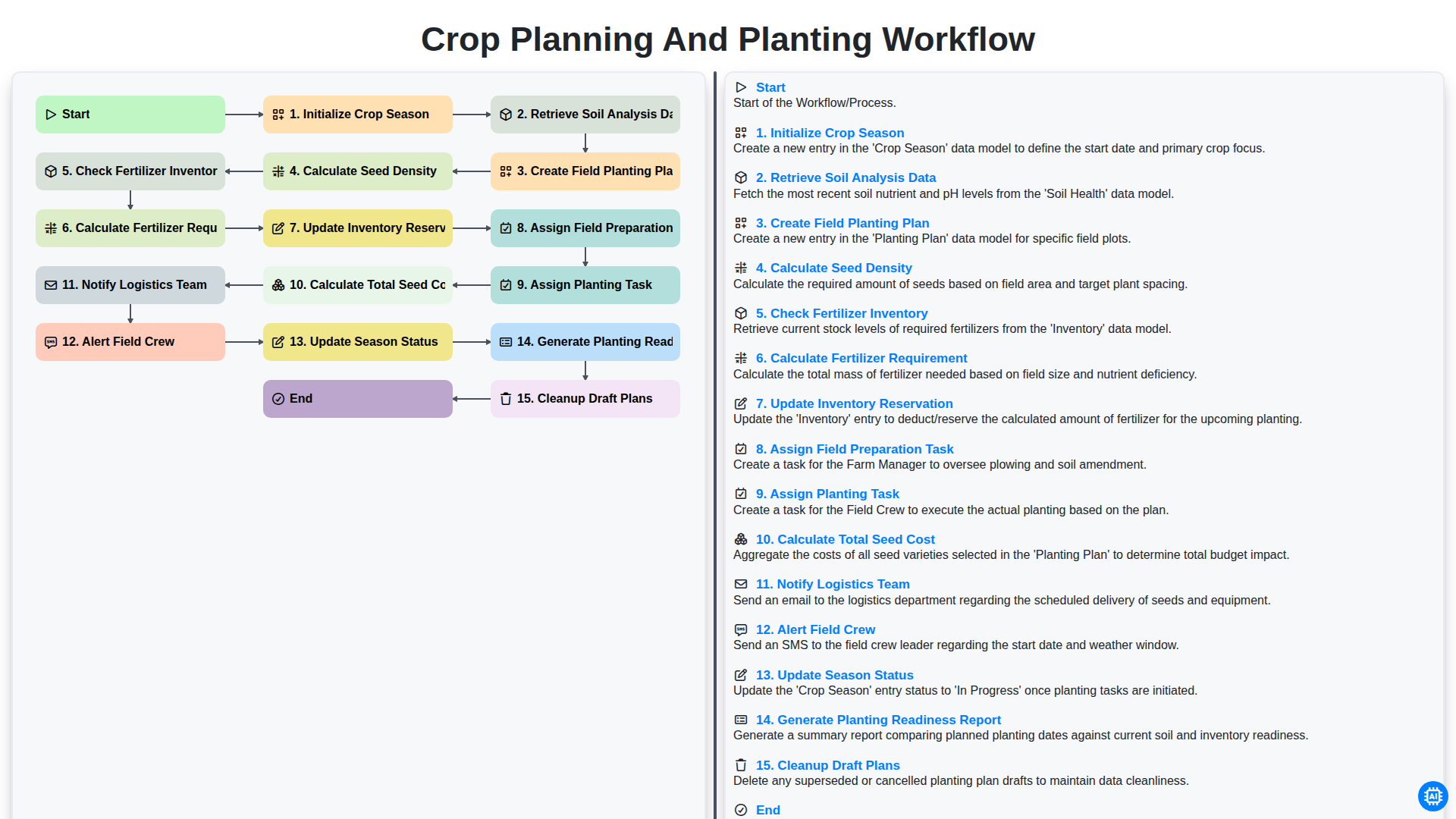
Table of Contents
- Introduction: The Importance of a Structured Planting Workflow
- Phase 1: Setting the Foundation - Initializing the Crop Season
- Phase 2: Data-Driven Decisions - Analyzing Soil and Field Preparation
- Phase 3: Designing the Strategy - Creating Your Field Planting Plan
- Phase 4: Precision Calculations - Seed Density and Resource Optimization
- Phase 5: Inventory Management - Fertilizer Audit and Requirement Calculation
- Phase 6: Resource Allocation - Updating Inventory and Task Assignment
- Phase 7: Financial Oversight - Calculating Total Seed Costs
- Phase 8: Communication and Logistics - Notifying Teams and Crew Alerts
- Phase 9: Finalizing the Plan - Generating Readiness Reports and Cleanup
- Conclusion: Ensuring a Successful Planting Season
- Resources & Links
TLDR: Learn how to optimize your agricultural productivity using our comprehensive Crop Planning and Planting Workflow. This guide breaks down the end-to-end process-from initial soil analysis and seed density calculations to automated inventory management and crew notifications-designed to ensure your planting season is organized, cost-effective, and execution-ready.
Introduction: The Importance of a Structured Planting Workflow
In the unpredictable world of agriculture, the difference between a bountiful harvest and a wasted season often lies in the precision of your preparation. Planting is not merely the act of putting seeds in the ground; it is the culmination of complex variables, including soil health, resource availability, and labor coordination. Without a structured workflow, even the most experienced growers can fall victim to costly errors, such as over-ordering expensive fertilizers, miscalculating seed density, or deploying field crews before the soil is truly ready.
A systematic approach to crop planning transforms chaotic seasonal transitions into a streamlined, data-driven process. By following a standardized workflow-from the initial seasonal setup to the final readiness report-agronomists and farm managers can ensure that every decision is backed by real-time data. This structured methodology allows for better resource allocation, minimizes waste through precise inventory management, and ensures that every task, from field preparation to logistics notification, is synchronized perfectly with the biological needs of the crop. In short, a well-defined workflow turns agricultural uncertainty into operational excellence.
Phase 1: Setting the Foundation - Initializing the Crop Season
The success of any successful harvest begins long before the first seed touches the soil. The foundational phase of our workflow, Initializing the Crop Season, is where strategy meets preparation. This stage is about transitioning from the dormancy of the off-season into a structured, data-driven operational period.
The process begins with formalizing the seasonal timeline, establishing the start and end dates that will govern all subsequent tasks. However, a season cannot be planned in a vacuum. To build a realistic roadmap, the workflow immediately moves into Retrieving Soil Analysis Data. By integrating recent soil nutrient, pH, and moisture levels into our planning engine, we ensure that our decisions are rooted in the actual biological reality of the land.
This phase is not merely about dates and data; it is about setting the parameters for every decision that follows. By establishing a source of truth during initialization, we eliminate guesswork, ensuring that every subsequent step-from seed density calculations to labor assignments-is built upon a stable, scientifically verified foundation.
Phase 2: Data-Driven Decisions - Analyzing Soil and Field Preparation
Once the initial season parameters are set, the workflow transitions from administrative setup to the critical analytical stage. Successful farming is never a guessing game; it is a process of translating raw environmental data into actionable intelligence.
The core of this phase begins with retrieving soil analysis data. By integrating recent soil test results directly into the workflow, the system provides a precise baseline of nutrient levels, pH, and organic matter. This data serves as the foundation for the next critical step: creating a field planting plan. Instead of a one-size-fits-all approach, each field is treated as a unique entity with specific requirements based on its composition and historical performance.
With a customized plan in place, the workflow automates the technical calculations necessary for precision agriculture. The system automatically calculates seed density to ensure optimal plant population per acre, minimizing waste and maximizing yield potential. Simultaneously, it performs a deep dive into nutrient management by checking the fertilizer inventory against the specific needs of the plan. By calculating the fertilizer requirement based on the soil data, the system ensures that the prescription is accurate, preventing both under-application and costly over-fertilization.
To ensure seamless operational continuity, the workflow proactively updates inventory reservations, earmarking the necessary supplies before they are needed in the field. This prevents the common pitfall of arriving at the field only to realize a critical component is missing. Finally, this data-driven analysis culminates in the precise assignment of field preparation tasks, ensuring that soil amendments and leveling are completed exactly when and where they are needed to prepare the ground for the upcoming planting window.
Phase 3: Designing the Strategy - Creating Your Field Planting Plan
Once the initial soil analysis data is retrieved, the workflow transitions from data collection to strategic execution. This is where the raw data is transformed into an actionable roadmap through the Creation of a Field Planting Plan.
During this phase, the system utilizes the unique nutrient profiles and moisture levels identified in your soil reports to map out precisely which crops should be allocated to specific plots. This isn't just about deciding what to plant, but determining the optimal spatial arrangement to maximize yield and minimize resource waste.
The complexity of this stage lies in the intersection of biology and logistics. The plan serves as the single source of truth, ensuring that every square meter of your farmland is utilized according to its specific capacity, setting the foundation for all subsequent resource calculations and task assignments.
Phase 4: Precision Calculations - Seed Density and Resource Optimization
Once the planting plan is established, the workflow transitions from high-level strategy to the granular technicalities that determine actual yield potential. This phase is where data-driven precision meets resource management, ensuring that every square meter of the field is utilized to its maximum efficiency.
The process begins with calculating the Seed Density, a critical step where we determine the optimal number of seeds required per hectare based on the specific crop variety and soil characteristics. This is not a one-size-fits-all calculation; it requires a precise integration of the previously retrieved soil analysis data to ensure the spacing and population levels are tuned for the specific nutrient profile of the field.
Simultaneously, the workflow moves into resource auditing. We perform a rigorous Check of the Fertilizer Inventory to ensure that the projected needs align with current stock. This is immediately followed by the Calculation of Fertilizer Requirement, an automated process that determines the exact volume of nutrients needed to satisfy the density requirements. To prevent bottlenecks during the peak planting window, the system automatically performs an Update of the Inventory Reservation, earmarking the necessary supplies and preventing them from being allocated to other tasks.
Finally, this phase concludes with the financial and logistical preparation necessary for execution. The workflow automatically calculates the Total Seed Cost, providing real-time visibility into the budget impact of the current plan. By quantifying these variables upfront, we eliminate the guesswork, ensuring that when the planting season begins, the resources are already secured, accounted for, and ready for deployment.
Phase 5: Inventory Management - Fertilizer Audit and Requirement Calculation
Once the planting plan is established and the required seed density is determined, the workflow shifts focus from the field design to the critical task of resource availability. This phase, known as the Fertilizer Audit and Requirement Calculation, ensures that the nutrient strategy for the upcoming season is both scientifically sound and logistically feasible.
The process begins by performing a Check of Fertilizer Inventory against the specific needs of the newly created planting plan. This step is vital to prevent mid-season delays caused by unexpected shortages. By cross-referencing the soil analysis data with current warehouse stock, the system can identify discrepancies between what is needed and what is physically available.
Immediately following the audit, the workflow performs a precise Calculation of Fertilizer Requirements. Using the field dimensions and the specific nutrient profiles derived from the soil analysis, the system determines the exact tonnage of nitrogen, phosphorus, and potassium needed for each specific plot.
To ensure these nutrients are locked in for the upcoming season, the workflow triggers an Update to Inventory Reservation. This prevents the double-counting of stock, ensuring that the fertilizer allocated for the current planting plan is not accidentally assigned to other operational needs. This automated reservation creates a closed-loop system, providing the procurement team with an accurate, real-time view of available surplus and immediate deficit.
Phase 6: Resource Allocation - Updating Inventory and Task Assignment
Once the planting requirements are calculated, the workflow shifts from planning to execution by formalizing the commitment of resources. This phase is critical to ensure that the theoretical plan translates into real-world availability.
First, the system performs an Update Inventory Reservation, automatically earmarking the necessary quantities of seeds and fertilizers from the warehouse stock. This step is vital for preventing phantom inventory issues, ensuring that the supplies needed for the upcoming planting are not inadvertently allocated to other tasks or lost to degradation.
With the resources secured, the workflow moves into the operational mobilization phase:
- Assign Field Preparation Task: The system identifies the specific plots and assigns the necessary machinery and personnel to handle tilling, harrowing, or soil conditioning.
- Assign Planting Task: Once preparation is scheduled, the actual planting duties are dispatched to the relevant field crews, ensuring they have the precise instructions and timing required for the specific crop varieties.
- Calculate Total Seed Cost: To maintain financial oversight, the system aggregates the costs associated with the allocated seeds, allowing for real-time budget tracking against the season's projections.
By linking inventory management directly with task assignment, the workflow eliminates the gap between procurement and field operations, ensuring that when the crew arrives at the field, every necessary resource is already accounted for and ready for deployment.
Phase 7: Financial Oversight - Calculating Total Seed Costs
Once the operational logistics and planting tasks are finalized, the workflow shifts focus toward financial accountability. The step Calculate Total Seed Cost serves as a critical bridge between field preparation and actual expenditure. By integrating the precise seed density calculations with current market pricing, the system automatically aggregates the total projected investment required for the upcoming season.
This step ensures that the farm management team can validate the budget against the planting plan before any seeds are physically moved to the field. By automating this calculation, you eliminate the risk of manual entry errors and provide an immediate, real-time view of the planting season's financial commitment, allowing for better cash flow management and more informed decision-making regarding procurement.
Phase 8: Communication and Logistics - Notifying Teams and Crew Alerts
Once the planting plan is finalized and the costs are calculated, the workflow moves from the planning phase to the execution phase through critical communication loops. A successful planting season depends not just on having a plan, but on ensuring that the right people have the right information at the right time.
The process automatically triggers a notification to the Logistics Team, ensuring that all necessary-to-move equipment, seeds, and fertilizers are scheduled for transport to the designated fields. Simultaneously, an automated Alert to the Field Crew is dispatched, providing them with the finalized planting schedule and specific field instructions. This eliminates the risk of manual communication errors and ensures that the crew is prepared for the upcoming workload. By bridging the gap between the digital plan and the physical labor, this stage ensures that the transition from strategy to action is seamless and synchronized.
Phase 9: Finalizing the Plan - Generating Readiness Reports and Cleanup
Once the operational tasks are assigned and the logistics are notified, the final stage of the workflow focuses on closing the loop and ensuring data integrity. This phase is critical for transitioning from planning mode to execution mode.
The process begins with the generation of the Planting Readiness Report. This comprehensive document serves as the single source of truth for the upcoming season, consolidating all the calculated data-from seed density and fertilizer requirements to the finalized field preparation schedules. By reviewing this report, management can verify that every prerequisite, such as soil analysis alignment and inventory availability, has been successfully met before a single seed hits the ground.
With the plan validated, the workflow moves into the Cleanup Draft Plans stage. This essential housekeeping step involves archiving preliminary calculations and deleting any superseded versions of the planting strategy. By purging outdated drafts, the system ensures that the field crew and logistics teams only interact with the most current, approved datasets, preventing costly errors caused by working from obsolete information. This final step transforms a complex planning process into a streamlined, actionable directive, setting the stage for a successful planting season.
Conclusion: Ensuring a Successful Planting Season
Mastering your Crop Planning and Planting Workflow is more than just a matter of convenience; it is a fundamental requirement for modern, data-driven agriculture. By transitioning from fragmented manual processes to a structured, end-to-end digital workflow, you eliminate the guesswork that often leads to costly errors in seed density, fertilizer shortages, or missed planting windows.
A well-executed workflow ensures that every stakeholder-from the logistics team managing inventory to the field crew preparing the soil-is aligned with the same real-time data. This level of integration allows you to move from reactive troubleshooting to proactive management, ensuring that when the planting window opens, your resources, tasks, and budgets are already optimized for success. Ultimately, implementing this systematic approach minimizes waste, reduces operational overhead, and paves the way for higher yields and a more predictable, profitable harvest season.
Resources & Links
- AgWeb Agriculture News: Stay updated with the latest global agricultural trends, market prices, and crop management technologies to inform your planting strategy.
- Nutrient Management Resources: Deep dive into soil science and fertilizer application guides to assist in the precision calculation phase of your workflow.
- NOAA Climate Prediction Center: Access seasonal weather forecasts and climate outlooks to better initialize your crop season and prepare for environmental variables.
- Esri ArcGIS for Agriculture: Advanced GIS tools for creating detailed field planting plans and analyzing spatial soil data for precision farming.
- John Deere Precision Ag: Explore technology solutions for managing field preparation tasks, seed density automation, and fleet logistics.
- EPA Nutrient Management Guide: Regulatory guidelines and best practices for fertilizer inventory management and sustainable nutrient application.
Frequently Asked Questions
What is the primary goal of a crop planning and planting workflow?
The primary goal is to optimize resource allocation, maximize yield, and reduce waste by organizing tasks like seed selection, soil preparation, and planting schedules in a logical, efficient sequence.
What are the essential first steps in the crop planning process?
The process begins with analyzing your available land, assessing soil health, reviewing historical yield data, and determining which crops are most suitable for your climate and season.
How can I minimize errors during the planting phase?
Errors can be minimized by maintaining accurate planting logs, preparing all necessary tools and seeds in advance, and following precise spacing and depth instructions for each specific crop variety.
Why is documentation important in the planting workflow?
Documentation allows you to track success rates, identify patterns of pest or disease outbreaks, and refine your strategy for future growing seasons based on empirical evidence.
How often should I review and adjust my crop plan?
While a master plan is set early, you should review it periodically-specifically after major weather events or during transitions between planting seasons-to account for unforeseen environmental changes.
Comments
There are no comments yet. Be the first to add one!
Farm Management Solution Demo
Grow your farm smarter & more efficiently! ChecklistGuro streamlines crop planning, task management, & resource tracking. Maximize yields, reduce waste, & improve profitability. Manage it all with our Work OS.
Related Articles
Unlock Higher Yields: Your Precision Agriculture Checklist Template
The Ultimate Farm Safety Inspection Report Checklist Template
Irrigation System Checklist: Farm Water Management & Crop Yield Optimization

Livestock Health & Welfare Checklist: Your Farm Animal Care & Biosecurity Template
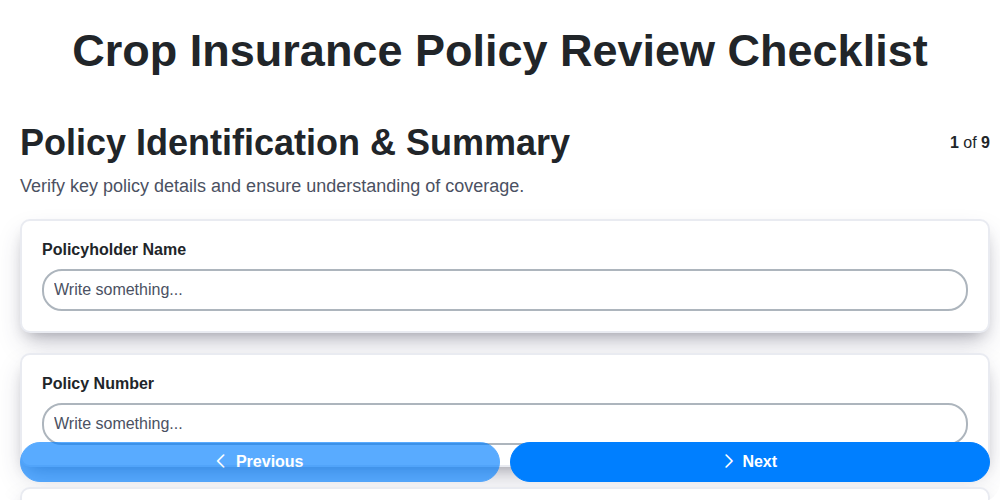
Crop Insurance Policy Review Checklist: A Farmer's Guide
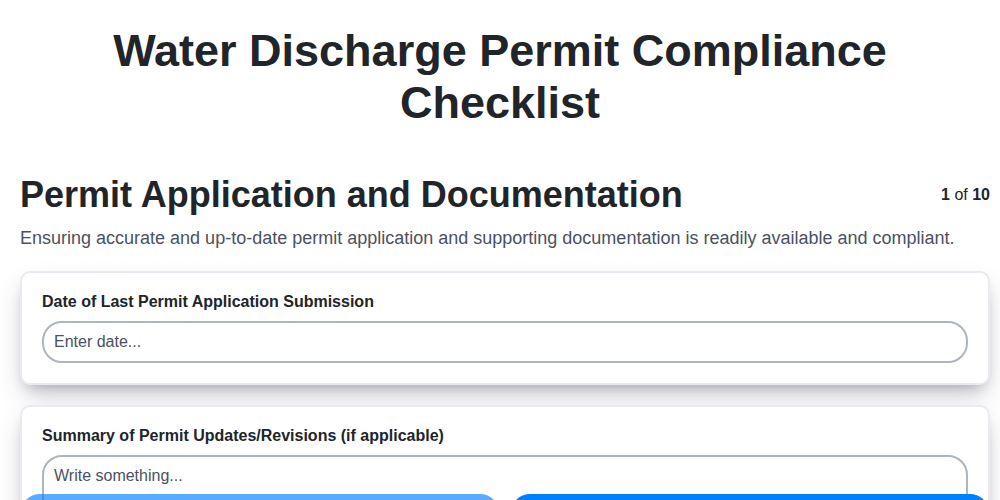
Water Discharge Permit Compliance Checklist Template
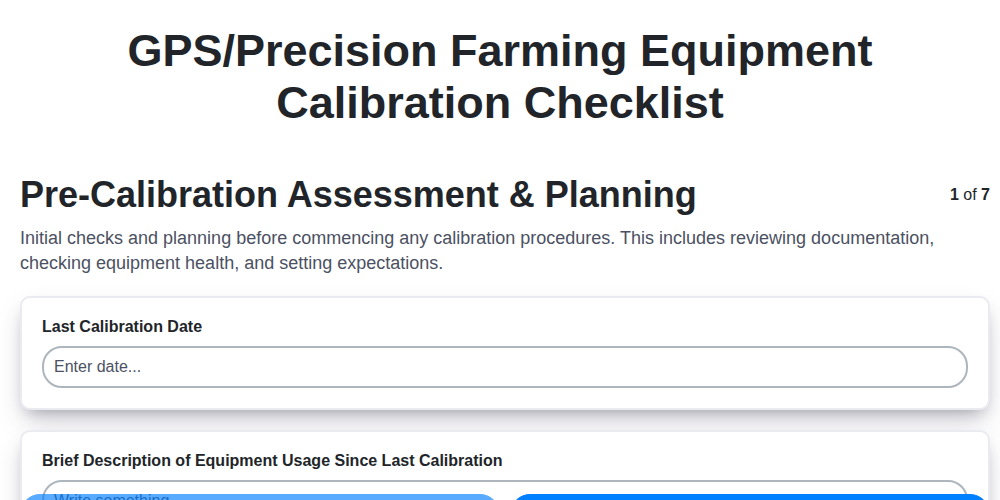
The Ultimate GPS & Precision Farming Calibration Checklist Template
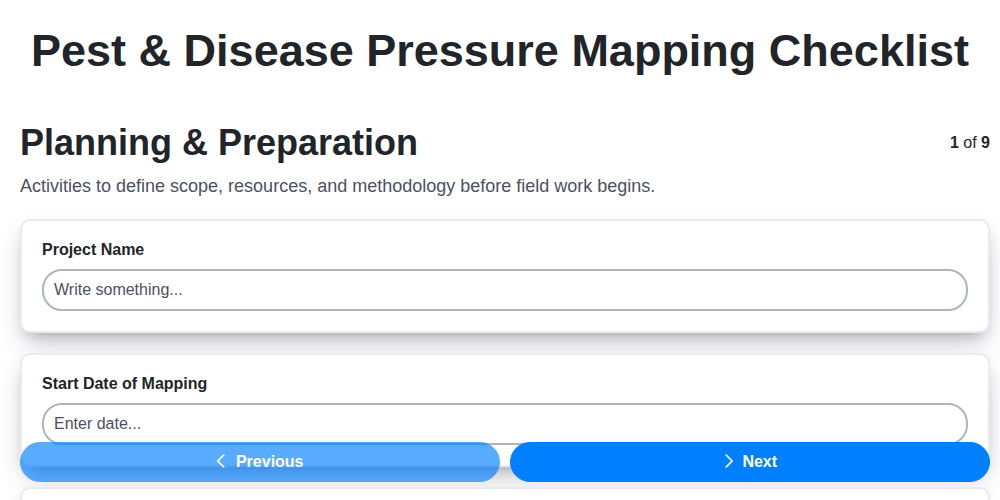
Mapping the Threat: A Checklist for Proactive Pest & Disease Pressure Management
Need help with
Checklists?
Have a question? We're here to help. Please submit your inquiry, and we'll respond promptly.