Farm Emergency Response Checklist: Your Guide to Preparedness
Published: 11/22/2025 Updated: 07/02/2026
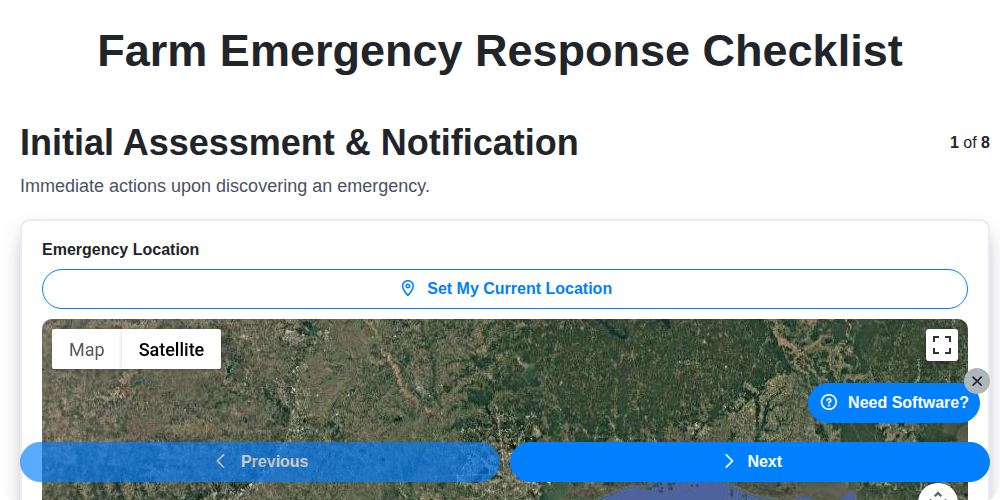
Table of Contents
- Introduction: Why a Farm Emergency Response Checklist is Essential
- 1. Initial Assessment & Notification: The First Critical Minutes
- 2. Fire Emergency Procedures: Protecting Your Assets and People
- 3. Medical Emergency Response: Immediate Action and Care
- 4. Animal Escape/Release Protocol: Containment and Recovery
- 5. Hazardous Material Spill Control: Minimizing Environmental Impact
- 6. Severe Weather Preparedness & Response: Staying Ahead of the Storm
- 7. Communication & Contact List Verification: Who to Call When It Matters
- 8. Post-Emergency Review & Reporting: Learning and Improving
- 9. Checklist Customization: Tailoring it to Your Farm
- 10. Training and Drills: Practicing Your Response
- Resources & Links
TLDR: Chaos happens - even on the farm. This checklist is your quick guide to handling emergencies like fires, animal escapes, medical issues, spills, and severe weather. It walks you through assessment, action, communication, and review so you can react calmly and effectively when the unexpected hits. Download the template and be prepared!
Introduction: Why a Farm Emergency Response Checklist is Essential
Farms present unique challenges when it comes to emergency preparedness. We're not just dealing with a house and a yard; we're often managing livestock, equipment, chemicals, and expansive acreage - all factors that can escalate a minor incident into a full-blown crisis. A sudden fire, a distressed animal, a chemical spill, or even severe weather can quickly disrupt operations and pose significant risks to people, animals, and property.
Simply hoping for the best isn't a strategy. A farm emergency response checklist isn't just a good idea; it's an essential tool for safeguarding your livelihood, protecting your family and employees, and ensuring the well-being of your animals. It provides a clear, concise roadmap for action, minimizing panic and maximizing the effectiveness of your response. This guide will outline key emergency scenarios and provide a framework for building a comprehensive checklist you can adapt to your specific farm needs.
1. Initial Assessment & Notification: The First Critical Minutes
The moments immediately following an emergency are crucial. Your initial assessment and notification process sets the stage for a coordinated and effective response. Don't rush, but act swiftly.
First, Observe and Assess: Briefly scan the scene. What's happening? Is anyone injured? What are the immediate dangers? This quick evaluation will inform your next steps.
Prioritize Safety: Your safety and the safety of those nearby are paramount. Do not put yourself at risk while assessing the situation.
Immediate Notification: Who needs to know? This isn't just about calling 911 (though that's often necessary). It involves notifying key personnel on the farm - supervisors, designated emergency responders, and potentially family members. Have a pre-determined notification system in place, whether it's a phone tree, group text, or other readily accessible method. Clearly and concisely communicate the what, where, and severity of the emergency. Avoid unnecessary details initially; let responders gather more information.
Document the Initial Findings: Even a brief note - a few sentences scribbled on a notepad - can be invaluable later for investigation and insurance purposes. Note the time of the incident, what you observed, and who you notified.
2. Fire Emergency Procedures: Protecting Your Assets and People
Fires on a farm can spread rapidly, threatening buildings, equipment, livestock, and, most importantly, human life. A swift and well-rehearsed response is critical. Here's what your fire emergency procedures should include:
1. Immediate Actions:
- Alert Everyone: Shout Fire! and activate the nearest fire alarm (if available). Ensure everyone on the farm is aware of the situation.
- Assess and Evacuate: Quickly determine the fire's location and size. If safe to do so, attempt to identify the fuel source. Prioritize evacuation of people and livestock away from the fire's path.
- Call 911/Emergency Services: Provide the dispatcher with your location, the nature of the fire (e.g., building fire, equipment fire, hay fire), and any known injuries.
2. Fire Suppression (If Safe and Trained):
- Small, Contained Fires: Only if you are properly trained and equipped, attempt to extinguish small, contained fires with appropriate firefighting equipment (e.g., fire extinguishers, water hoses). Know your equipment's limitations.
- Hay/Manure Fires: These fires can burn for days and release toxic gases. Do NOT attempt to extinguish them yourself. Focus on containment and ventilation. Contact the fire department immediately.
- Equipment Fires: Shut off power to the equipment if safe to do so.
3. Containment & Prevention:
- Protect Adjacent Areas: If possible, attempt to prevent the fire from spreading to nearby structures or areas containing flammable materials.
- Water Source: Ensure easy access to a reliable water source (e.g., well, pond, hydrant).
- Clear Brush: Maintain vegetation clearance around buildings and equipment to reduce fire risk.
4. Post-Fire Actions:
- Secure the Area: Prevent access to the damaged area until it's declared safe by authorities.
- Inventory Damage: Document the extent of the damage for insurance purposes.
- Investigate the Cause: Determine the cause of the fire to prevent recurrence.
Important Note: Your fire emergency procedures should be reviewed and practiced regularly. Consider a demonstration by your local fire department to ensure everyone knows what to do.
3. Medical Emergency Response: Immediate Action and Care
A medical emergency on the farm can happen quickly and unexpectedly. Having a clear plan and acting swiftly can significantly impact the outcome. Here's what to do:
1. Assess the Situation & Call for Help: Immediately determine the nature and severity of the injury or illness. Is the person conscious? Are they breathing? Are there any obvious, life-threatening conditions? Call 911 (or your local emergency number) immediately. Provide clear details about the location (farm name, address, specific area) and the nature of the emergency. Don't hang up until instructed to do so.
2. Secure the Scene: Ensure the area is safe for both the injured person and potential rescuers. This might involve moving hazards, securing animals, or providing visibility for emergency responders.
3. Provide First Aid (If Trained): If you have first aid and CPR training, provide immediate care while waiting for professional help. This could include:
- Controlling bleeding with direct pressure.
- Stabilizing fractures.
- Clearing the airway.
- Administering oxygen (if available and you are trained).
4. Designate a Person to Meet Emergency Services: Someone should be assigned to meet the paramedics/fire department and guide them to the patient, providing a clear route to the farm and the exact location of the emergency. This prevents delays and helps responders navigate the property efficiently.
5. Keep the Injured Person Comfortable: While waiting for help, keep the injured person as comfortable as possible. Cover them with a blanket to prevent shock, and reassure them that help is on the way.
6. Document the Incident: After the emergency is resolved, document what happened, the treatment provided, and any relevant observations. This information can be invaluable for future planning and review.
Important Note: This information is not a substitute for proper first aid and CPR training. Invest in training for your farm employees to ensure they are prepared to handle medical emergencies effectively.
4. Animal Escape/Release Protocol: Containment and Recovery
Losing animals can be devastating - both emotionally and financially. A clear and practiced escape/release protocol is crucial. This isn't just about rounding up livestock; it's about preventing injury to the animals, the public, and your team.
Immediate Actions:
- Sound the Alarm: Immediately alert all farm personnel. A pre-determined signal (horn, specific verbal command) ensures everyone knows there's an issue and knows to assist.
- Determine the Scope: Quickly assess how many animals are missing and the direction they're heading. Understanding the number and direction is vital for resource allocation.
- Secure Boundaries: Close gates, set up temporary barriers (vehicles, strategically placed equipment), and alert neighboring properties to the situation. This prevents the animals from wandering further and potentially onto roads.
- Designated Personnel: Assign specific individuals to designated zones for search and recovery. Clear roles ensure efficiency and avoid confusion.
Containment & Recovery:
- Prioritize Safety: Never put yourself or others at risk trying to recapture animals. Use appropriate tools like ropes, lassos (if skilled), or livestock handling equipment.
- Gradual Approach: Don't chase escaping animals; this can lead to panic and injury. Slowly guide them towards a secure area using strategic movement and sounds.
- Consider Terrain: Adapt your recovery methods based on the terrain. Hilly or wooded areas require different approaches than flat pasture.
- Specific Species Considerations: Different species require different recovery techniques. Poultry are handled differently than cattle or pigs. Consult species-specific handling guides.
Post-Recovery:
- Accountability: Ensure all animals are accounted for and returned to their proper locations.
- Identify the Cause: Investigate how the animals escaped. Was it a gate malfunction, faulty fencing, or an external factor? Address the root cause to prevent future incidents.
- Record the Event: Document the escape, recovery process, and identified cause for future reference and potential insurance claims.
5. Hazardous Material Spill Control: Minimizing Environmental Impact
Farm operations often utilize chemicals and materials that, while essential, pose a risk if spilled. A swift and well-executed response is crucial to minimize environmental damage and protect human health. This section outlines procedures for handling hazardous material spills.
Immediate Actions:
- Identify the Substance: Quickly determine the name and properties of the spilled material. Refer to Safety Data Sheets (SDS) readily available for all chemicals on the farm.
- Secure the Area: Isolate the spill zone to prevent further contamination and exposure. Restrict access to only trained personnel.
- Personal Protective Equipment (PPE): Don appropriate PPE as outlined in the SDS. This may include respirators, gloves, eye protection, and protective clothing. Never attempt cleanup without the correct PPE.
- Stop the Source: If safe to do so, attempt to stop the leak or spill at its source.
Containment & Cleanup:
- Containment: Use absorbent materials (sand, vermiculite, commercially available absorbents) to create a barrier and prevent the spill from spreading. Build dikes or berms if necessary.
- Cleanup: Follow SDS instructions for cleanup procedures. Properly dispose of contaminated materials according to local, state, and federal regulations. Never dispose of hazardous materials down drains or into waterways.
- Documentation: Thoroughly document the spill, including the material involved, quantity released, actions taken, and personnel involved. This documentation is critical for reporting and potential regulatory investigations.
Reporting:
- Internal Reporting: Immediately notify the farm owner/manager and designated safety personnel.
- External Reporting: Determine if the spill requires reporting to regulatory agencies (e.g., EPA, state environmental agencies). Reporting thresholds vary depending on the material and quantity released. Consult with your local authorities for guidance.
6. Severe Weather Preparedness & Response: Staying Ahead of the Storm
Farms are uniquely vulnerable to severe weather - from damaging winds and hail to flooding and extreme temperatures. Proactive preparation is crucial for protecting your livestock, crops, structures, and ultimately, your livelihood. This section outlines essential steps to take before, during, and after severe weather events.
Before the Storm:
- Monitor Weather Forecasts: Regularly check reliable weather sources (National Weather Service, local news, weather apps) and understand terminology like watch versus warning.
- Secure Loose Objects: Anything that can become a projectile in high winds - tarps, equipment, fencing materials - should be secured or brought indoors.
- Reinforce Structures: Inspect and reinforce vulnerable buildings like barns, sheds, and greenhouses. Consider windbreaks for sensitive areas.
- Develop an Evacuation Plan: Know where to move livestock and personnel in case of severe flooding or tornado risk. Identify safe locations on and off the farm.
- Assess Drainage: Ensure proper drainage to prevent flooding around buildings and fields. Clear ditches and culverts.
During the Storm:
- Seek Shelter: During a tornado warning, take shelter in a designated safe room or the most interior room on the lowest level of a sturdy building.
- Protect Livestock: Move livestock to higher ground if flooding is expected. Provide shelter from wind and rain.
- Stay Informed: Continue to monitor weather updates.
After the Storm:
- Assess Damage: Carefully inspect buildings, fences, and fields for damage.
- Prioritize Repairs: Focus on restoring essential services like power, water, and livestock shelter.
- Document Damage: Take photos and videos of any damage for insurance claims.
- Check on Neighbors: Offer assistance to neighbors who may be affected.
7. Communication & Contact List Verification: Who to Call When It Matters
In a farm emergency, clear and rapid communication is absolutely critical. A chaotic situation amplified by confusion about who to contact can be disastrous. Don't wait for an emergency to discover your contact list is outdated or incomplete!
Regularly - we recommend at least quarterly, but ideally monthly - verify and update your farm's emergency contact list. This list should be prominently displayed in multiple locations on the farm and accessible to all employees.
What should your list include?
- Emergency Services: Local fire department, police, ambulance/EMS. Confirm addresses and direct phone numbers (not just 911 - have specific station numbers when possible).
- Veterinarian(s): Include both daytime and emergency contact information.
- Key Farm Personnel: List names and cell phone numbers for managers, supervisors, and individuals responsible for specific areas (e.g., livestock manager, equipment operator).
- Specialized Contractors: Include contacts for services like equipment repair, pest control, or specialized animal care.
- Insurance Provider: Policy number and contact information.
- Local Government Contacts: Relevant officials for reporting incidents or seeking assistance.
- Neighboring Farms: Build a network of support; sharing contact information can be invaluable.
Beyond the List:
- Test Your Communication: Don't just create the list; periodically test it. A quick, planned call to a few contacts ensures everyone understands their roles and contact information is accurate.
- Digital Backup: Keep a digital copy of the contact list stored securely (cloud-based or a password-protected drive) accessible remotely.
- Employee Training: Ensure all employees know where the contact list is located and who is responsible for updating it.
8. Post-Emergency Review & Reporting: Learning and Improving
The immediate aftermath of an emergency is critical, but the work doesn't end there. A thorough post-emergency review and reporting process is essential for continuous improvement and ensuring you're better prepared for future incidents.
What to Review:
- Checklist Effectiveness: Did the checklist guide you effectively? Were there any steps missing or unclear? Document any suggested changes.
- Response Performance: Evaluate the overall effectiveness of your response. What went well? What could have been done better? Be honest and objective.
- Resource Adequacy: Were your resources (equipment, personnel, supplies) sufficient? Identify any gaps.
- Communication: Assess the communication flow - both internal (within the farm) and external (with emergency services, neighbors, etc.). Were lines of communication clear and functional?
- Training Needs: Did the event highlight any areas where additional training is needed for staff?
Reporting & Documentation:
- Detailed Report: Compile a comprehensive report documenting the incident, response actions taken, and the review findings.
- Photographic Evidence: If possible, include photos or videos of the incident and response.
- Sharing & Discussion: Share the report with all relevant farm personnel and hold a debriefing meeting to discuss findings and recommendations.
- Update Emergency Plan: Incorporate the lessons learned from the review into your farm's emergency plan and checklist. Regularly update the plan to reflect changes in farm operations and personnel.
By consistently implementing a robust post-emergency review and reporting process, you're investing in the long-term safety and resilience of your farm.
9. Checklist Customization: Tailoring it to Your Farm
No two farms are exactly alike. Your farm's layout, livestock, equipment, and surrounding environment all contribute to a unique set of potential emergencies. That's why a generic checklist, while a great starting point, needs to be customized to your specific operation.
Here's how to tailor your farm emergency response checklist:
- Inventory Your Risks: Beyond the standard categories, consider your farm's specific vulnerabilities. Do you store large quantities of specific chemicals? Are you located near a flood zone? Do you raise livestock with unique health concerns?
- Location, Location, Location: Adjust distances and response times based on the layout of your farm. What's the fastest route to the nearest water source? Where are your key equipment locations?
- Personnel and Training: Assign specific roles within each procedure. Who is responsible for what? Ensure everyone assigned a task is properly trained and comfortable fulfilling it. Include backup personnel for each role, too.
- Equipment Specifics: List the specific models and locations of critical equipment like fire extinguishers, first aid kits, tractors, and communication devices.
- Livestock Considerations: Include species-specific protocols. Different animals will require different handling and evacuation strategies.
- Regular Review & Updates: Revisit your checklist at least annually, or more frequently if there are significant changes to your farm's operation.
By personalizing your checklist, you're ensuring it's a practical, relevant, and life-saving tool for your farm.
10. Training and Drills: Practicing Your Response
Having a comprehensive emergency response checklist is fantastic, but it's only half the battle. Knowing what to do in theory doesn't guarantee a smooth, effective response when the real thing happens. That's where regular training and drills come in.
Think of your checklist as the blueprint - drills are the construction process. They allow you to identify gaps in your plan, refine procedures, and ensure everyone understands their roles and responsibilities.
Here's why training and drills are crucial:
- Muscle Memory: Repeated practice builds muscle memory, allowing team members to react quickly and confidently under pressure.
- Identify Weaknesses: Drills expose shortcomings in your checklist or reveal areas where training is lacking.
- Role Clarity: Ensure everyone understands their specific tasks and responsibilities during an emergency.
- Equipment Familiarity: Drills provide opportunities to practice using emergency equipment, from fire extinguishers to first aid kits.
- Boost Confidence: Knowing you've practiced and are prepared builds confidence and reduces panic.
Types of Drills to Consider:
- Tabletop Exercises: Discuss potential scenarios and walk through the checklist.
- Fire Drills: Simulate a fire emergency and practice evacuation procedures.
- Medical Emergency Simulations: Act out scenarios involving injured individuals and practice first aid response.
- Animal Release Drills: Simulate an animal escape and practice containment procedures.
- Severe Weather Drills: Practice sheltering in place or evacuating based on weather alerts.
Frequency & Documentation: Aim for at least annual full-scale drills, with more frequent tabletop exercises. Always document drills - what went well, what needs improvement, and any changes made to the checklist or procedures as a result.
Resources & Links
- USDA Farm Service Agency (FSA): The FSA provides disaster assistance programs and resources for farmers and ranchers affected by natural disasters. Includes information on emergency loans and other aid.
- USDA Natural Resources Conservation Service (NRCS): Offers technical and financial assistance to help farmers implement conservation practices that can help prevent or mitigate natural disasters. They also have information on erosion control and water management.
- Ready.gov: A comprehensive website from FEMA with checklists, guides, and resources for emergency preparedness for all types of disasters, including those relevant to farms. Provides general preparedness information.
- Centers for Disease Control and Prevention (CDC): Provides guidance on medical emergency response, including first aid, CPR, and disease prevention - relevant to the Medical Emergency Response section.
- Occupational Safety and Health Administration (OSHA): Provides information and resources for workplace safety, including hazard communication, personal protective equipment (PPE), and emergency action plans, useful for hazardous material spill control and overall farm safety.
- Environmental Protection Agency (EPA): Offers resources and information regarding hazardous material spill response and cleanup procedures, essential for minimizing environmental impact.
- USDA Agricultural Marketing Service (AMS): Provides information on animal disease outbreaks and guidance for biosecurity practices. Relevant for the Animal Escape/Release Protocol and disease prevention.
- American Farm Bureau Federation (AFBF): A national organization that provides resources and advocacy for farmers and ranchers, including information on risk management and disaster planning.
- National Institute for Occupational Safety and Health (NIOSH): NIOSH is part of the CDC and focuses on workplace safety and health. They have valuable resources on emergency preparedness and response related to agricultural settings.
- American Red Cross: Offers first aid and CPR training, as well as disaster relief services. Provides resources for preparing for and responding to various emergencies.
- Federal Emergency Management Agency (FEMA): FEMA's website provides disaster planning information, guidelines, and resources for individuals, families, and businesses - relevant to all sections but especially severe weather preparedness.
- State Farm: While an insurance provider, State Farm often publishes resources and articles on risk management, disaster preparedness, and safety for homeowners and farmers, with practical tips.
- Allstate: Similar to State Farm, Allstate offers resources for understanding and mitigating risks, including guides for home and farm disaster preparedness.
Frequently Asked Questions
Where can I find resources or templates to help me create a farm emergency response checklist?
Many agricultural organizations and government agencies (like your local Extension office, USDA, and state departments of agriculture) offer resources, templates, and guidance on developing farm emergency response plans. Search online for 'farm emergency response plan templates'.
Comments
There are no comments yet. Be the first to add one!
Farm Management Solution Demo
Grow your farm smarter & more efficiently! ChecklistGuro streamlines crop planning, task management, & resource tracking. Maximize yields, reduce waste, & improve profitability. Manage it all with our Work OS.
Related Articles
Unlock Higher Yields: Your Precision Agriculture Checklist Template
The Ultimate Farm Safety Inspection Report Checklist Template
Irrigation System Checklist: Farm Water Management & Crop Yield Optimization

Livestock Health & Welfare Checklist: Your Farm Animal Care & Biosecurity Template
Crop Insurance Policy Review Checklist: A Farmer's Guide
Water Discharge Permit Compliance Checklist Template
The Ultimate GPS & Precision Farming Calibration Checklist Template
Mapping the Threat: A Checklist for Proactive Pest & Disease Pressure Management
Need help with
Farm Management?
Have a question? We're here to help. Please submit your inquiry, and we'll respond promptly.