Protecting Your Farm: A Comprehensive Insurance Policy Review Checklist
Published: 11/22/2025 Updated: 07/02/2026
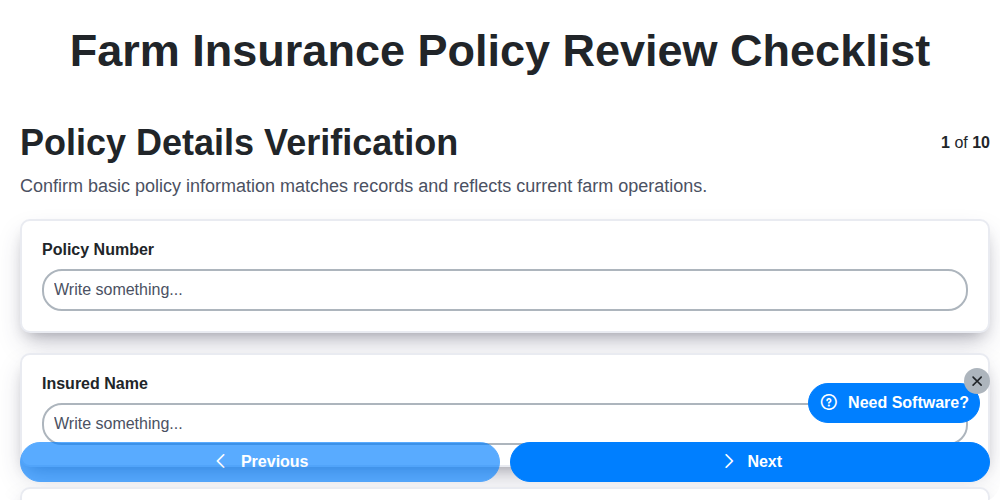
Table of Contents
- Protecting Your Farm: A Comprehensive Insurance Policy Review Checklist
- Why Regular Farm Insurance Reviews Matter
- 1. Policy Details Verification: Confirming the Basics
- 2. Coverage Limits Review: Are They Still Adequate?
- 3. Property Coverage Assessment: Buildings, Livestock, and More
- 4. Liability Coverage Evaluation: Protecting Your Farm from Lawsuits
- 5. Business Interruption Coverage: Planning for Unexpected Downtime
- 6. Farm Product Liability: Addressing Potential Product-Related Issues
- 7. Equipment Breakdown Coverage: Safeguarding Your Farm Machinery
- 8. Crop Insurance Integration: Maximizing Your Harvest Protection
- 9. Exclusions and Conditions Review: Understanding What's Not Covered
- 10. Policy Updates and Renewals: Keeping Your Coverage Current
- 11. Working with Your Insurance Broker: A Collaborative Approach
- 12. Creating a Farm Insurance Action Plan
- Resources & Links
TLDR: Feeling overwhelmed by your farm insurance? This checklist walks you through every key area - from coverage limits and property protection to liability and business interruptions - so you can confidently ensure your farm is adequately protected and avoid nasty surprises. Download the checklist and proactively review your policy today!
Protecting Your Farm: A Comprehensive Insurance Policy Review Checklist
Farming is a complex business with inherent risks. Your insurance policy is a crucial safety net, but it's not a "set it and forget it" solution. Regular reviews ensure your coverage remains adequate and relevant to your evolving farm operation. Here's a detailed checklist to guide you through a thorough farm insurance policy review:
1. Policy Details Verification:
Start with the basics. Confirm all details on your policy are accurate. This includes your farm's legal name, address, contact information, and the policy effective dates. Even small discrepancies can impact claims processing.
2. Coverage Limits Review:
Are your coverage limits still sufficient? Consider changes in asset value, livestock numbers, acreage, or potential liabilities. Increasing farm size or expanding operations often necessitate higher limits. Don't assume your original limits are still appropriate.
3. Property Coverage Assessment:
List all structures, equipment, and stored products on your farm. Ensure each is adequately covered for perils like fire, theft, vandalism, and natural disasters. Account for potential increases in replacement costs.
4. Liability Coverage Evaluation:
Farming involves inherent liability risks. Evaluate your liability coverage for potential claims related to accidents on your property, product liability, or injuries to employees. Consider the potential cost of legal defense and potential settlements.
5. Business Interruption Coverage:
If your farm's operations are disrupted - due to weather, disease outbreaks, or other covered events - business interruption coverage can help cover lost income and ongoing expenses. Review the coverage period and potential payout limits.
6. Farm Product Liability:
If you sell farm products directly to consumers, this coverage is essential. It protects you from claims arising from defects or contamination in your produce or livestock.
7. Equipment Breakdown Coverage:
Modern farms rely heavily on specialized equipment. Equipment breakdown coverage, sometimes called boiler and machinery coverage, protects against the financial losses resulting from unexpected equipment failures.
8. Crop Insurance Integration:
If you grow crops, ensure your farm insurance policy integrates seamlessly with your crop insurance coverage. Understand the overlap and potential gaps in coverage.
9. Exclusions and Conditions Review:
Carefully review all policy exclusions and conditions. Understand what isn't covered and any requirements you must fulfill to maintain coverage. Don't hesitate to ask your agent for clarification.
10. Policy Updates and Renewals:
Schedule regular policy reviews (at least annually) to reflect changes in your farm operation. Keep your insurance agent informed of any significant changes, and proactively discuss renewal options.
Why Regular Farm Insurance Reviews Matter
Farming is a complex business, full of unpredictable factors - from weather patterns to market fluctuations. Your farm insurance policy is designed to protect you from significant financial losses stemming from these uncertainties, but it's not a set it and forget it situation. Just like your farming practices evolve, so too should your insurance coverage.
A regular review ensures your policy accurately reflects the current state of your operation. Have you added new buildings? Expanded acreage? Invested in new equipment or livestock? Changed your farming methods (like adding agritourism)? Each of these changes can impact your insurance needs and a policy written years ago might no longer offer adequate protection. Ignoring these shifts can leave you exposed to potentially devastating losses. Furthermore, legal landscapes and industry best practices change, impacting coverage options and potentially requiring adjustments to your policy to stay compliant and protect your farm effectively. Simply put, a proactive review is a smart investment in the long-term stability of your farm.
1. Policy Details Verification: Confirming the Basics
Before diving into the specifics of your farm insurance, it's crucial to ensure the foundational details are accurate. This step, seemingly simple, prevents future headaches and ensures the policy applies to your farm. Start by meticulously verifying the following:
- Insured's Name and Address: Double-check that the legal name and address listed on the policy are correct. Errors here can complicate claims.
- Farm Location and Description: Ensure the physical address of your farm, and any distinct areas (like a market garden, livestock pens, or separate buildings), are accurately described.
- Policy Number and Effective Dates: Confirm the policy number and start/end dates are what you expect.
- Contact Information: Verify that the contact information for both the insurance company and your agent is current.
- Declarations Page: This is your summary of coverage. Review it carefully to make sure everything listed-farm size, number of buildings, livestock types and quantities-reflects your current operation. Discrepancies, even minor ones, should be addressed immediately.
2. Coverage Limits Review: Are They Still Adequate?
Your farm isn't static; it's constantly evolving. New equipment, expanding acreage, changing livestock numbers, and shifting crop varieties - all of these factors impact your risk profile and, therefore, the adequacy of your insurance coverage limits. Simply accepting the original limits established at policy inception isn't enough.
Regularly reviewing your coverage limits is crucial to ensure you're protected against potentially devastating financial losses. Here's what to consider:
- Inflation: Construction costs, equipment replacement values, and medical expenses have all increased. Your original limits might not cover the full cost of rebuilding or replacing assets at today's prices.
- Increased Asset Value: Have you invested in new buildings, purchased additional livestock, or expanded your acreage? These additions significantly increase your exposure.
- Changing Operations: Are you diversifying your farm's operations? Introducing new crops or livestock presents unique risks that require corresponding coverage adjustments.
- Liability Risks: Have your business practices or the scale of your operations increased the potential for liability claims?
Don't just look at the numbers on your policy; calculate the actual replacement or repair costs. A professional farm insurance broker can help you assess these values and recommend appropriate coverage limit adjustments. Failing to do so could leave you significantly underinsured and facing a substantial financial shortfall in the event of a claim.
3. Property Coverage Assessment: Buildings, Livestock, and More
Your farm is more than just land; it's a complex ecosystem of structures, equipment, and living assets. This section of your farm insurance policy review should meticulously examine how your property is covered.
Buildings: Start with a comprehensive inventory of all structures on your farm - barns, silos, sheds, grain bins, farmhouses, and any other outbuildings. Are they adequately insured for their replacement cost? Consider potential risks like fire, wind damage, hail, and even vandalism. Don't forget to account for specialized agricultural buildings with unique construction needs.
Livestock: This is a critical component, especially if you raise animals. Confirm your policy covers livestock losses due to illness, injury, predation (wolves, coyotes, etc.), or even accidental death. Understand the coverage limits per animal and any specific breeds or age ranges that might have different rates. Are you covering enough animals to reflect your typical herd size, including potential fluctuations?
Equipment & Machinery: Farm machinery represents a significant investment. Review your policy to ensure it covers your tractors, combines, planters, irrigation systems, and other essential equipment. Consider whether all-risk or named-peril coverage is most appropriate for your needs. Are you covering the full replacement cost, or just the actual cash value (ACV)?
Fences & Pastures: Often overlooked, fences and pastures are vital for containing livestock and managing grazing. Ensure these are included in your property coverage and understand the coverage limits for repairs or replacement due to weather damage or animal interference.
Personal Property: While your farm insurance primarily covers business assets, review the coverage for personal belongings within the farmhouse and other living quarters.
It's crucial to update your property inventory regularly to reflect any additions, renovations, or disposals. A photographic inventory is a helpful tool for documentation.
4. Liability Coverage Evaluation: Protecting Your Farm from Lawsuits
Farms face a unique set of liability risks. From customers visiting your farm stand to employees working with equipment, accidents can - and do - happen. A thorough liability coverage evaluation is crucial to safeguarding your farm's financial well-being.
Consider these points:
- Visitor Liability: Farms often have visitors, whether for agritourism, U-pick operations, or direct sales. Your policy needs adequate coverage for injuries or accidents that occur on your property. Review your limits and ensure they reflect the potential exposure from visitor traffic.
- Product Liability: If you sell farm products - vegetables, fruits, eggs, dairy - you could face lawsuits if a consumer claims your product caused illness or injury. Understand your policy's product liability coverage and consider its adequacy based on the types and volume of products you sell.
- Employee Liability: Farm work can be dangerous. Your policy must cover injuries to employees, potentially including coverage for legal defense and settlements if they file a lawsuit. Ensure your workers' compensation insurance is sufficient.
- Contractual Liability: If you have contracts with suppliers, distributors, or retailers, review the liability clauses to understand your obligations and ensure your insurance covers them.
- Legal Defense Costs: Even if a lawsuit is ultimately dismissed, the legal defense costs can be substantial. Your policy should adequately cover these expenses.
Don't assume your current liability limits are enough. Consult with your insurance agent to assess your specific risks and adjust your coverage accordingly.
5. Business Interruption Coverage: Planning for Unexpected Downtime
Farm operations are vulnerable to unexpected downtime - a broken tractor, a power outage, a sudden disease outbreak impacting livestock, or even a natural disaster. Business interruption coverage is your safety net during these challenging times, helping to keep your farm afloat when operations are temporarily halted.
This coverage typically helps cover lost income and ongoing expenses (like rent, utilities, and employee wages) when you can't operate due to a covered peril. However, it's crucial to understand exactly what constitutes a "covered peril" in your policy. Don't assume that all interruptions are covered.
Here's what to examine:
- Peril Definition: What events trigger business interruption coverage? Is it tied to property damage, or does it extend to other disruptions?
- Coverage Period: How long will the coverage continue after a disruption? Ensure it's sufficient to allow for recovery.
- Income Loss Calculation: How is lost income calculated? Is it based on historical averages, projections, or another method? Understand how this calculation will impact your payout.
- Expense Coverage: Does the policy cover all of your essential operating expenses during the interruption?
- Waiting Period: Is there a waiting period before coverage kicks in?
Carefully review these details to ensure your business interruption coverage is adequate to meet the specific risks facing your farm.
6. Farm Product Liability: Addressing Potential Product-Related Issues
Many farms, beyond simply growing crops or raising livestock, also process or package their products. This opens up a whole new layer of risk: farm product liability. This coverage protects you if a consumer or distributor claims your farm products caused harm or illness. Think about value-added products like jams, jellies, cheeses, cider, maple syrup, or even processed meats.
It's crucial to understand that basic general liability might not be enough. Farm product liability specifically addresses claims related to defects, contamination, or improper labeling of your farm-produced goods.
Consider these questions when reviewing this portion of your policy:
- Scope of Coverage: Does your policy specifically cover the processing, packaging, and distribution of your farm products?
- Product Types: Are all your products explicitly listed and covered, or are there limitations?
- Recall Coverage: Does the policy offer coverage related to product recalls, including expenses like notification costs and disposal fees?
- Adverse Event Response: Does the policy cover legal defense costs and potential settlements if a consumer claims illness or injury from your product?
Discussing your product handling and processing activities with your insurance agent will help ensure adequate farm product liability coverage is in place and tailored to your farm's specific operations.
7. Equipment Breakdown Coverage: Safeguarding Your Farm Machinery
Your farm relies heavily on machinery - tractors, combines, irrigation systems, and more. A sudden breakdown of any of these can bring operations to a grinding halt, causing significant financial losses and delaying critical tasks like planting or harvesting. Equipment Breakdown Coverage (sometimes called Boiler and Machinery Coverage) provides financial protection against unexpected equipment failures.
This coverage goes beyond standard property insurance, which often excludes damage caused by mechanical or electrical breakdown. It can cover costs associated with repairs, replacements, and even rental expenses while your equipment is out of commission.
Consider these points when reviewing your equipment breakdown coverage:
- What equipment is covered? Ensure all critical machinery is included - don't overlook smaller but vital pieces.
- What perils are covered? Look for coverage against events like electrical surges, mechanical failures, operator error, and even gradual deterioration.
- What are the coverage limits? Ensure they adequately reflect the current replacement cost of your equipment.
- What's the deductible? Balance affordability with the level of protection you need.
Regularly assess your farm's equipment and review your coverage to ensure you're adequately protected against costly breakdowns.
8. Crop Insurance Integration: Maximizing Your Harvest Protection
Your farm insurance policy shouldn't exist in a silo; it should work with your crop insurance to provide comprehensive protection against the unpredictable nature of agriculture. Many farmers rely heavily on crop insurance to cover potential losses due to weather events, disease, or market fluctuations. However, understanding how your farm insurance interacts with your crop insurance is crucial for avoiding gaps in coverage.
Here's why integrating these two is vital:
- Preventing Duplication & Gaps: While crop insurance addresses yield losses, your farm insurance covers damages to your physical farm assets - barns, equipment, livestock, etc. Ensure you aren't inadvertently double-covered for one type of loss while being vulnerable to another.
- Business Interruption Considerations: Crop insurance primarily addresses income loss due to crop failure. Your farm insurance's business interruption coverage can help offset ongoing expenses (like employee wages, loan payments, or utilities) if your farm is unable to operate due to crop loss or damage.
- Coordinated Claims: Talk to your insurance agent about potential coordinated claims processes in the event of a major loss. They can help navigate the complexities of filing claims with both providers and ensure efficient resolution.
- Understanding the Fine Print: Carefully review the terms and conditions of both your farm and crop insurance policies. Knowing how they interact regarding deductibles, waiting periods, and loss adjustment processes is essential.
Consider this: a severe hail storm could damage your crops (covered by crop insurance) and destroy a portion of your barn (covered by farm insurance). Integrated planning helps ensure you're protected from all aspects of that loss.
9. Exclusions and Conditions Review: Understanding What's Not Covered
Insurance policies, even comprehensive farm insurance, aren't a blanket protection for everything. A crucial step in your annual review is meticulously examining the exclusions and conditions. These sections outline what your policy won't cover, and knowing them upfront can save you significant headaches and financial losses down the line.
Common exclusions in farm insurance can include things like:
- Acts of War/Terrorism: Damage caused by acts of war or terrorism is typically excluded.
- Intentional Acts: Losses resulting from your intentional actions are not covered.
- Pest Infestation/Disease: While some policies might offer limited coverage, widespread pest infestations or disease outbreaks affecting crops or livestock often have exclusions or limitations.
- Government Action: Losses caused by government regulations or actions might not be covered.
- Certain Livestock Breeds/Activities: Some policies might exclude coverage for specific livestock breeds or activities considered high-risk.
Beyond exclusions, pay close attention to the "Conditions" section. This outlines your responsibilities as a policyholder, such as reporting claims promptly, maintaining proper security measures, and providing accurate information to the insurer. Failure to adhere to these conditions could jeopardize your coverage. Don't assume - read and understand! Consult with your insurance advisor if any exclusion or condition is unclear.
10. Policy Updates and Renewals: Keeping Your Coverage Current
Your farm isn't static - neither should your insurance policy be. Regularly reviewing and updating your policy is crucial to ensuring it continues to meet your evolving needs. Renewal time isn't just a formality; it's an opportunity to assess changes on your farm and make necessary adjustments.
Here's what to consider:
- Farm Growth & Changes: Have you added new buildings, livestock, or expanded your acreage? A new barn, additional acres of crops, or even a change in livestock numbers all impact your coverage requirements.
- Business Operations: Have you introduced new products, services, or farming practices? These changes can create new risks that need to be addressed in your policy.
- Regulatory Changes: Agricultural regulations are constantly evolving. Make sure your policy remains compliant with any new laws or requirements impacting your operation.
- Market Value Fluctuations: Commodity prices and equipment values can significantly impact your financial exposure. Re-evaluate your coverage to account for these fluctuations.
- Review Your Deductibles: Consider if your current deductibles still align with your risk tolerance and budget.
- Communicate with Your Agent: Your insurance agent is your partner. Regularly discuss your farm's changes and ask for advice on potential adjustments to your policy. Don't wait for renewal time - stay proactive throughout the year.
11. Working with Your Insurance Broker: A Collaborative Approach
Your insurance broker isn't just a salesperson; they're a vital partner in protecting your farm. This review checklist isn't meant to replace their expertise, but rather to empower you to have more informed and productive conversations. Schedule a dedicated time to thoroughly review your policy with them, bringing your completed checklist and any questions or concerns you've identified.
Here's how to make the meeting truly collaborative:
- Share Your Checklist: Present the completed checklist to your broker. This demonstrates you're engaged and allows them to address any potential gaps or misunderstandings proactively.
- Discuss Changes & Operations: Talk about any significant changes to your farm's operations - new buildings, expanded acreage, different crops, hired employees, new equipment, etc. These can impact your coverage needs.
- Ask What If? Scenarios: Don't hesitate to explore hypothetical situations and how your policy would respond. This can help identify potential blind spots.
- Seek Clarification: If anything is unclear, ask for plain-language explanations. Insurance policies can be dense, and understanding the fine print is essential.
- Document Everything: Keep a record of your conversations, including decisions made and any agreed-upon adjustments to your policy.
By working with your broker, you're not just renewing a policy; you're building a long-term partnership that safeguards your farm's future.
12. Creating a Farm Insurance Action Plan
Reviewing your farm insurance policy is just the first step. Now, it's about translating those insights into a proactive action plan to ensure your farm is adequately protected. This isn't a set it and forget it process; it's an ongoing commitment.
Based on your policy review (using our handy checklist!), create a prioritized list of actions. This might include:
- Contacting Your Agent: Discuss any discrepancies found during the review and explore options for adjustments. Don't be afraid to ask questions - they are there to help.
- Updating Valuations: Regularly reassess the value of your livestock, equipment, crops, and property. Outdated values can leave you underinsured. Document these valuations.
- Implementing Risk Mitigation Strategies: Did the review highlight potential risks? Now's the time to address them. This could involve improved security measures, fire prevention, or better storage practices.
- Scheduling Regular Reviews: Mark your calendar! Aim for annual reviews, or more frequent reviews if your farm undergoes significant changes (expansion, new ventures, significant asset acquisition).
- Documenting Everything: Keep detailed records of your policy reviews, communication with your agent, and any changes made to your farm or insurance coverage. This will be invaluable during a claim.
By creating and adhering to a farm insurance action plan, you're not just reacting to risks - you're actively shaping a robust safety net for your livelihood.
Resources & Links
- National Association of Farmbroadcasters (NAFB): A professional organization for broadcasters serving the agriculture industry. Their website offers news, information, and resources related to farm issues, including risk management and insurance.
- Farm Credit: Farm Credit provides financial services to farmers and ranchers. They often have resources and educational materials on risk management, including insurance considerations, as part of their broader services.
- Oklahoma Cooperative Extension Service - Agricultural Risk Management: This extension service offers numerous fact sheets and guides on agricultural risk management. While specific to Oklahoma, the principles apply nationally and cover a variety of insurance-related topics.
- USDA Risk Management Agency (RMA): The RMA provides federal crop insurance programs. This is crucial for understanding and potentially integrating crop insurance into your farm's overall risk management strategy.
- The Institutes - Risk Management: A professional organization focusing on risk management and insurance education. Their site has articles, courses, and resources to deepen your understanding of insurance principles.
- National Farmers Business Association (NFBA): NFBA is a farmers' advocacy organization that provides resources and information on a variety of agricultural issues, potentially including insurance and risk management.
- AgriShield Insurance: A provider of farm and ranch insurance. Their website offers articles and information on various farm insurance topics, including coverage options and risk assessment. (Note: While a commercial site, provides helpful information.)
- Farmers Insurance: A large insurance provider that has resources related to farm insurance options, though tailored toward selling insurance. Good to provide overview of options
- Rural Mutual Insurance: A mutual insurance company focusing on agriculture and rural communities. They offer tailored farm insurance and have valuable insights into the specific risks faced by farmers. (Note: May be region-specific.)
- The Institutes - Farm Insurance Checklist: This is a direct link to a farm insurance checklist from The Institutes, which is highly relevant to the checklist topic of the blog post. A practical and helpful resource.
Frequently Asked Questions
Can I bundle my farm insurance with other insurance policies for a discount?
Many insurers offer discounts for bundling farm insurance with other policies, such as auto, home, or life insurance. Check with your insurance provider about potential bundling savings.
Comments
There are no comments yet. Be the first to add one!
Farm Management Solution Demo
Grow your farm smarter & more efficiently! ChecklistGuro streamlines crop planning, task management, & resource tracking. Maximize yields, reduce waste, & improve profitability. Manage it all with our Work OS.
Related Articles
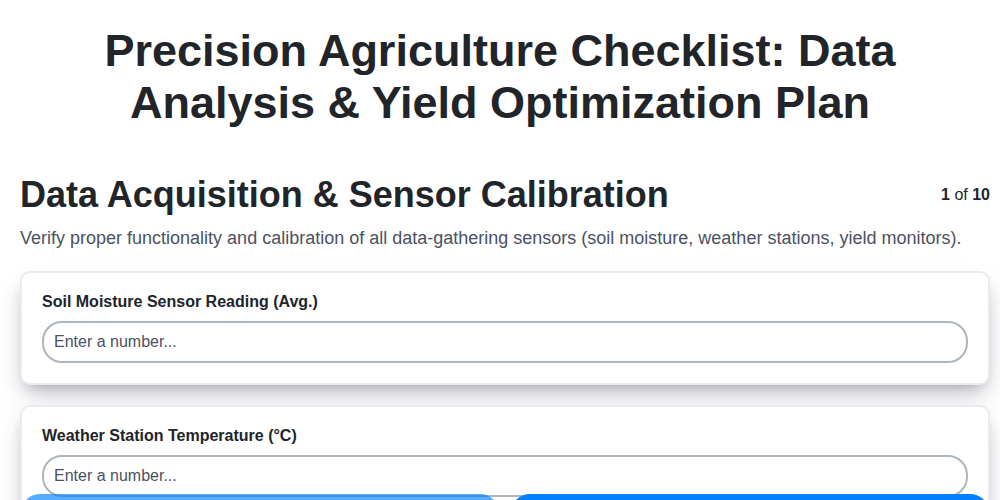
Unlock Higher Yields: Your Precision Agriculture Checklist Template
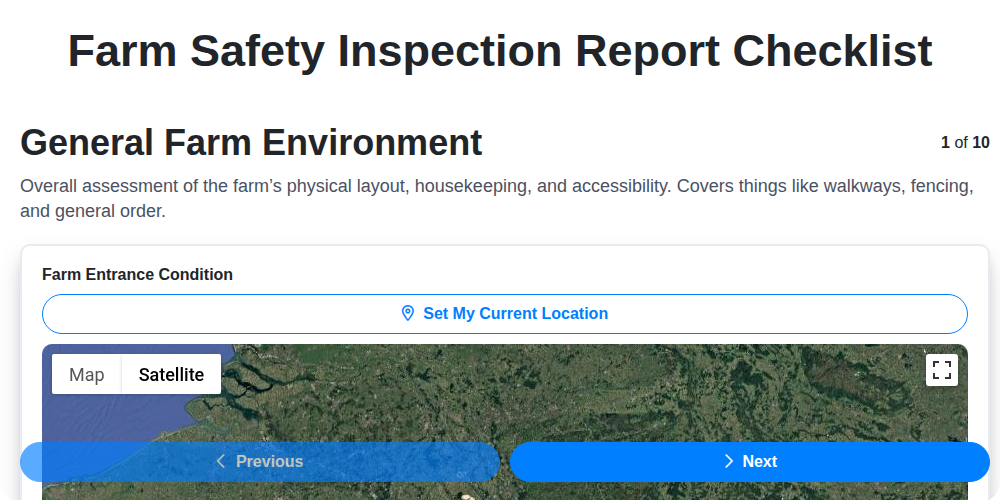
The Ultimate Farm Safety Inspection Report Checklist Template
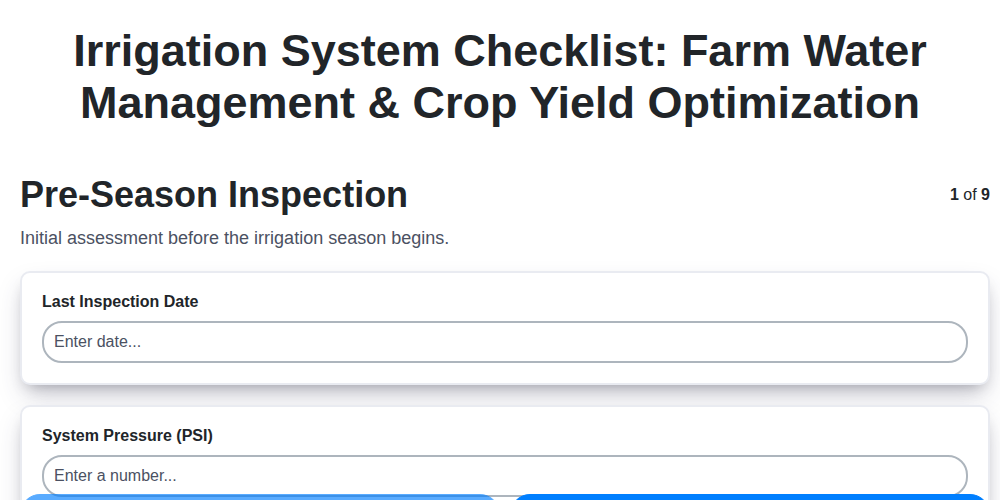
Irrigation System Checklist: Farm Water Management & Crop Yield Optimization

Livestock Health & Welfare Checklist: Your Farm Animal Care & Biosecurity Template
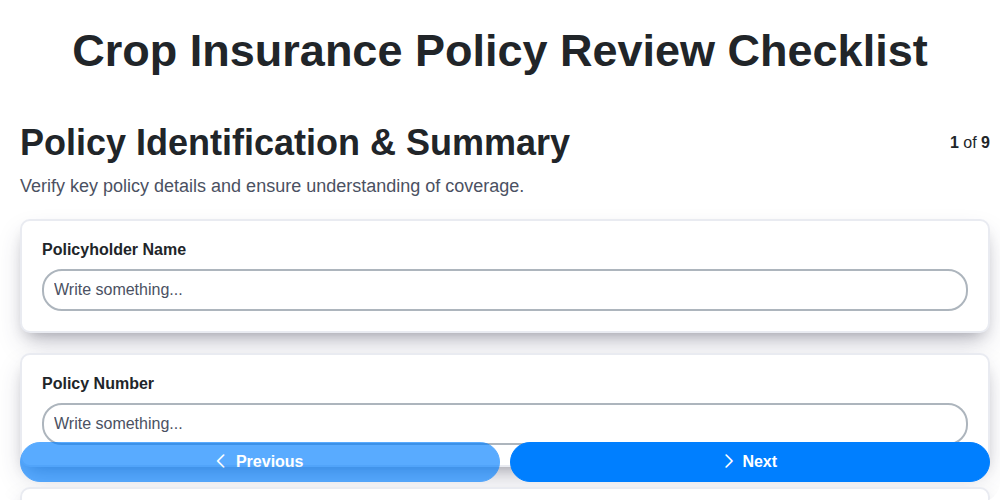
Crop Insurance Policy Review Checklist: A Farmer's Guide
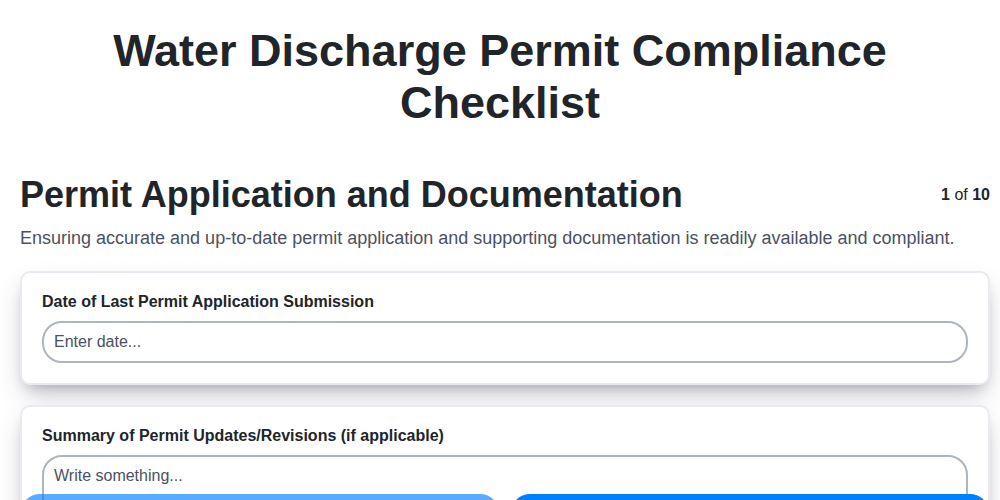
Water Discharge Permit Compliance Checklist Template
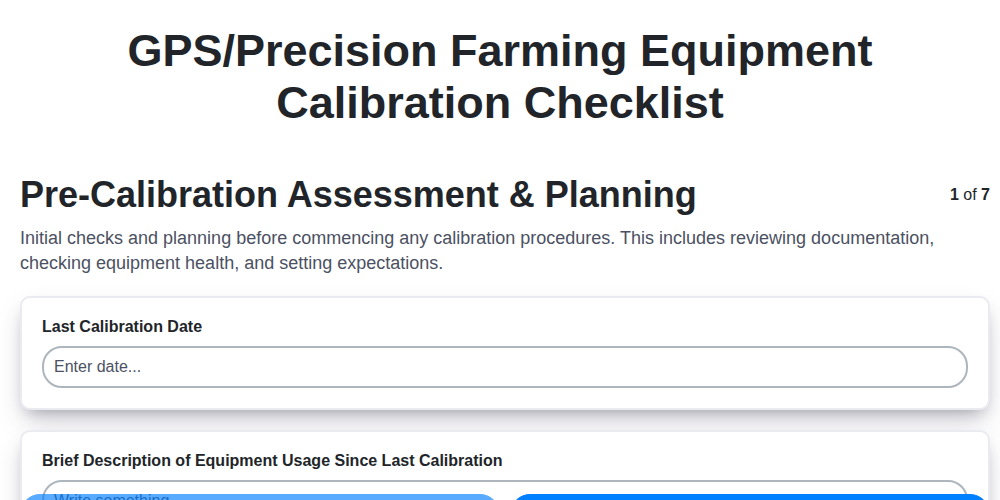
The Ultimate GPS & Precision Farming Calibration Checklist Template
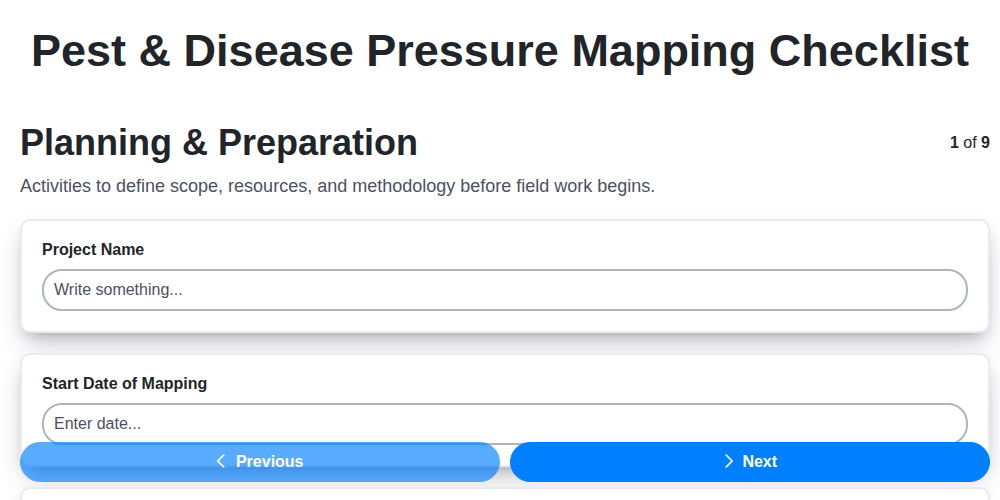
Mapping the Threat: A Checklist for Proactive Pest & Disease Pressure Management
Need help with
Farm Management?
Have a question? We're here to help. Please submit your inquiry, and we'll respond promptly.