Maximize Your Yield: The Ultimate Farm Irrigation System Performance Checklist
Published: 11/22/2025 Updated: 07/02/2026
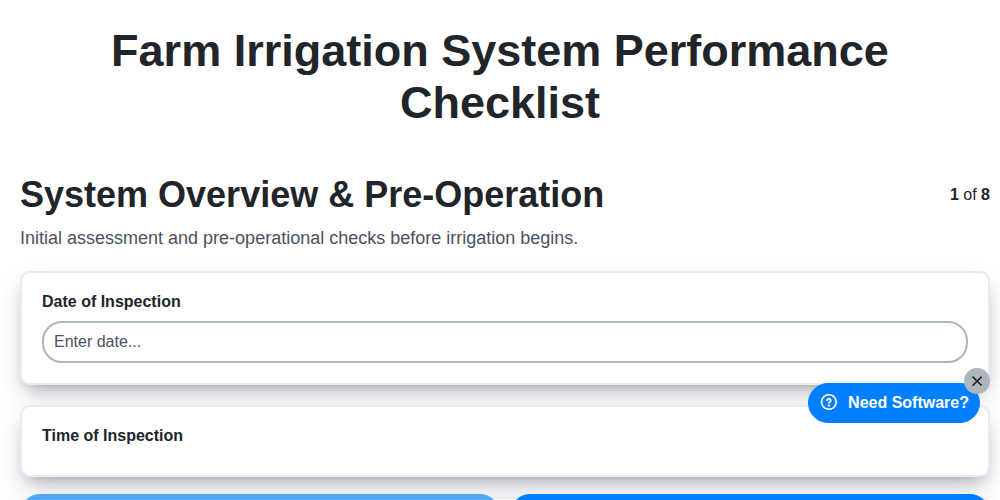
Table of Contents
- Introduction: Why a Regular Irrigation System Check is Crucial
- 1. System Overview & Pre-Operation: Laying the Foundation
- 2. Pump Station Evaluation: The Heart of Your Irrigation
- 3. Pipe and Fittings Inspection: Detecting Leaks and Weak Points
- 4. Sprinkler/Emitter Performance: Ensuring Even Water Distribution
- 5. Water Source Quality: Protecting Your System & Crops
- 6. Pressure and Flow Measurement: Verifying System Efficiency
- 7. Understanding Your Irrigation Design
- 8. Identifying Common Irrigation Problems
- 9. Post-Irrigation Assessment: Observing Crop Response
- 10. Maintenance & Repair Log: Tracking Your Efforts
- 11. Seasonal Irrigation Checklist Adjustments
- Conclusion: Proactive Irrigation for Bumper Crops
- Resources & Links
TLDR: Keep your irrigation system running smoothly and boost your crop yields with this comprehensive checklist! It guides you through pre-operation checks, equipment inspections, water quality assessment, performance measurement, and maintenance logging - ensuring peak efficiency and preventing costly problems. Download the template and start optimizing your farm's irrigation today!
Introduction: Why a Regular Irrigation System Check is Crucial
A healthy and efficient irrigation system is the backbone of a successful farm. It's more than just water delivery; it's about optimizing crop yield, conserving precious water resources, and minimizing operational costs. But like any complex machinery, your irrigation system requires regular attention to prevent breakdowns, inefficiencies, and ultimately, crop stress. Ignoring routine checks can lead to costly repairs, water waste, and a significant impact on your bottom line. This checklist is designed to be your guide, ensuring your system performs at its peak, delivering water precisely where and when your crops need it most. Proactive maintenance is the key to a thriving farm - let's dive in and keep your irrigation system working for you.
1. System Overview & Pre-Operation: Laying the Foundation
Before you even think about turning on the pump, a thorough system overview is crucial. This isn't just about knowing where everything is, but understanding how it all works together. Begin by reviewing your irrigation system design drawings and schematics. Familiarize yourself with the layout, including mainline locations, lateral lines, valve positions, and the location of all components.
Next, perform a visual inspection of the entire system, noting any obvious issues like damaged pipes, loose connections, or obstructions. Confirm the power supply to the pump and control system is stable and functioning correctly. Check any automated timers or controllers to ensure they're programmed with the correct schedule and settings. Verify the intended irrigation area is clear of obstacles like vehicles, equipment, or debris that could interfere with the spray pattern or emitter flow. A proactive, pre-operation check like this can prevent small problems from escalating into major disruptions.
2. Pump Station Evaluation: The Heart of Your Irrigation
The pump station is the powerhouse of your irrigation system, and its proper function is critical for consistent and efficient water delivery. A thorough evaluation here can prevent costly downtime and ensure your crops receive the water they need.
Here's what to check during a pump station evaluation:
- Visual Inspection: Look for any signs of corrosion, leaks, or damage to the pump itself, the motor, and surrounding components. Check the motor's cooling fan for debris and ensure it's spinning freely.
- Lubrication: Verify lubrication levels in the pump and motor according to the manufacturer's recommendations. Top off or replace lubricants as needed.
- Electrical Connections: Check electrical connections for tightness and corrosion. Loose connections can cause overheating and failure. Important: Always disconnect power before inspecting electrical components.
- Pump Performance: Monitor the pump's operating pressure and amperage draw. Deviations from normal readings could indicate wear, cavitation, or other issues. Refer to the pump's performance curve for expected values.
- Suction Line: Examine the suction line for obstructions or air leaks. A blocked or leaky suction line will significantly reduce pump efficiency and can cause damage. Check the suction strainer for debris.
- Vibration: Listen for unusual noises and feel for excessive vibration, which can signal bearing wear or other mechanical problems.
- Safety Devices: Confirm that safety devices, such as pressure relief valves, are functioning correctly.
3. Pipe and Fittings Inspection: Detecting Leaks and Weak Points
Your irrigation system's pipes and fittings are the arteries delivering water to your crops. Regular inspection is crucial to prevent costly failures and maintain efficient water distribution. This step goes beyond a quick visual glance; a methodical check can identify subtle issues before they escalate into major problems.
What to Look For:
- Visual Leaks: Obvious drips or sprays are the easiest to spot. Trace them back to the source. Even small leaks significantly impact water usage and can damage surrounding areas.
- Corrosion: Examine pipes, especially those exposed to the elements, for signs of rust, pitting, or discoloration. Corrosion weakens the pipe wall, increasing the risk of breaks.
- Joint Integrity: Check all connections - elbows, tees, couplings - for signs of leaks or separation. Pay close attention to areas where different pipe materials join, as dissimilar metal corrosion can occur.
- Damage from External Factors: Look for cracks or dents caused by rodents, heavy equipment, or ground settling. Buried pipes are particularly vulnerable.
- Pipe Sagging or Displacement: Sagging pipes indicate instability and potential for breakage. Ensure pipes are properly supported.
- Fittings Condition: Check for cracks, deformation, or signs of stress in fittings.
Tools to Use:
- Visual Inspection: A thorough visual check is the starting point.
- Pressure Testing: (For more in-depth checks) Isolate sections of pipe and pressurize them with air or water to identify leaks that are not immediately visible. Consult a qualified professional for this procedure.
- Moisture Meter: Can help detect moisture under the soil surface above buried pipes, indicating a leak.
Documentation: Note any findings and perform necessary repairs promptly. Consistent inspection and early intervention save time, money, and water.
4. Sprinkler/Emitter Performance: Ensuring Even Water Distribution
Consistent, even water distribution is the cornerstone of efficient irrigation. This section of your checklist focuses on ensuring your sprinklers and emitters are performing as they should. Start by visually inspecting each sprinkler head or emitter for damage - cracks, clogs, or misalignment. Look for signs of wear and tear, like bent spray patterns or uneven distribution.
Next, perform a simple catch can test. Place several identical containers at various locations across your irrigated area and run the system for a set period (e.g., 15-30 minutes). Measure the water collected in each container. Significant variations in water volume indicate uneven distribution, potentially due to clogged nozzles, pressure inconsistencies, or damaged components.
For drip irrigation systems, check emitters for clogging. Consider using a pressure regulator to maintain consistent pressure and prevent emitter degradation. Flush the drip lines periodically to remove sediment and debris.
Finally, observe the spray pattern of your sprinklers. They should be uniform and cover the intended area without excessive runoff or dry spots. Correct any misaligned or damaged heads, and ensure they are operating at their designed pressure. Proper sprinkler/emitter performance directly impacts water use efficiency and crop yield, making this section critical to your checklist.
5. Water Source Quality: Protecting Your System & Crops
Your irrigation system is only as good as the water it uses. Poor water quality can lead to clogged emitters, reduced system efficiency, damage to pumps and pipes, and, most importantly, negatively impact crop yields. Regularly assessing your water source is a critical step in maintaining a healthy and productive irrigation system.
Here's what to look for and how to address common water quality concerns:
Key Parameters to Monitor:
- Sediment: Visible sand, silt, or clay particles can clog emitters and damage filters. Consider pre-filtration systems, especially if your water source is prone to sediment.
- Alkalinity & pH: High alkalinity can lead to calcium carbonate scaling in pipes and emitters, reducing flow. Similarly, extreme pH levels (too high or too low) can harm crops. Test regularly and consider acid injection or other treatment methods if necessary.
- Salinity (EC - Electrical Conductivity): High salt levels can lead to salt buildup in the soil, inhibiting water uptake by plants. Regular testing is essential, especially in arid regions.
- Iron & Manganese: These metals can stain equipment and soil, and can also clog emitters. Aeration or filtration can help.
- Algae: Algae growth in canals or ponds can clog filters and reduce water flow. Algaecides or physical barriers might be needed.
Testing Frequency:
- New Water Sources: Test monthly for the first 3-6 months to establish baseline quality.
- Established Systems: Test at least twice a year - before and during the peak irrigation season.
- Variable Sources: If you draw water from multiple sources (e.g., well, canal, pond), test each source separately and frequently.
Actionable Steps:
- Implement Filtration: Utilize screens, media filters, or disc filters to remove sediment and debris.
- Water Treatment: Explore options like acid injection for pH adjustment or chelation to prevent scaling.
- Flushing: Regularly flush irrigation lines to remove accumulated sediment and debris.
- Consult an Expert: Consider sending water samples to a lab for comprehensive analysis and tailored recommendations.
Protecting your water source and maintaining its quality is an investment that will pay dividends in system longevity and crop health.
6. Pressure and Flow Measurement: Verifying System Efficiency
Accurate pressure and flow measurements are critical for confirming your irrigation system is operating at peak efficiency and delivering water effectively to your crops. Simply put, knowing how much water you're applying and at what pressure is essential for optimizing water use and preventing issues like overwatering or under-watering.
Why Measure?
- Uniformity Assessment: Pressure and flow readings help you identify inconsistencies in water distribution across your field. Low pressure in one area could indicate a blockage or leak.
- Efficiency Calculation: These measurements allow you to calculate your system's efficiency - how much of the water pumped actually reaches your crops versus being lost to evaporation or uneven distribution.
- Problem Diagnosis: Fluctuations in pressure or flow can be early warning signs of pump problems, pipe degradation, clogged emitters, or other issues.
- System Design Validation: Ensure your system is performing according to its original design specifications.
What to Measure & How:
- Pump Inlet & Outlet Pressure: Check for pressure drops that could indicate pump wear or obstructions.
- Mainline Pressure: Measure pressure at several points along the mainline to identify inconsistencies.
- Zone/Lateral Line Pressure: This is crucial to ensure proper operation of individual irrigation zones.
- Flow Rate: Use a flow meter (pitot tube, turbine meter, etc.) to measure the volume of water being delivered per unit time. Ensure the meter is calibrated and appropriately sized for your system.
- Emitter/Sprinkler Flow: Periodically test the output of individual emitters or sprinklers to verify they are delivering the intended amount of water.
Record & Analyze: Maintain a log of your pressure and flow readings. Compare readings over time to identify trends and potential problems. Any significant deviations from established benchmarks should trigger further investigation. Don't just take the readings - understand what they mean for your irrigation performance.
7. Understanding Your Irrigation Design
Your irrigation system isn't just a collection of pipes and sprinklers; it's a carefully planned solution tailored to your farm's specific needs. Understanding its original design is crucial for effective maintenance and troubleshooting. This includes knowing the intended water source, the calculated flow rates for each zone, the types of emitters and their spacing, and the overall system layout.
Refer to the original design plans, if available. These documents will detail the intended operating pressure and flow rates for each section of your system. Knowing these values provides a baseline for comparison during your performance checks. Deviations from the design specifications can indicate underlying issues, like leaks, clogged emitters, or pump problems. Even seemingly minor changes in crop type, planting density, or soil conditions can impact the system's efficiency and necessitate adjustments - but knowing the original design allows you to evaluate if those adjustments are truly needed or indicative of a deeper problem. Don't be afraid to consult with the original installer or an irrigation specialist if you're unsure about any aspects of your system's design.
8. Identifying Common Irrigation Problems
Regular checklist use isn't just about ticking boxes; it's about proactively identifying and addressing potential issues before they impact your crop yield and waste valuable resources. Let's look at some common problems your checklist can help you catch:
Uneven Water Distribution: This is a frequent complaint. A checklist focusing on sprinkler/emitter performance (measuring output, checking for clogs, and observing spray patterns) will highlight areas receiving too much or too little water. Uneven distribution can be caused by clogged nozzles, pressure variations across the system, or emitter degradation.
Low Pressure or Flow: Consistently low pressure or flow, noted during the Pressure and Flow Measurement section, signals a potential problem. This could be due to pump issues, pipe blockages, or leaks within the system. A declining flow rate over time is a critical indicator needing investigation.
Clogged Emitters/Nozzles: Clogs restrict water flow, impacting uniformity and potentially damaging plants. Regularly checking emitter/sprinkler performance, and noting any unusual output in your checklist, will allow for timely cleaning or replacement.
Leaks & Damage: A visual inspection of pipes and fittings (as covered in your checklist) can reveal cracks, loose connections, or other damage. Even small leaks contribute to water loss and can become larger problems over time.
Water Source Issues: Changes in water quality (sediment, algae, salinity) can impact emitter performance and potentially damage irrigation equipment. The Water Source Quality section of your checklist provides a record of these changes, enabling timely adjustments to filtration or water treatment.
Pump Performance Degradation: Monitoring pump pressure and flow during the Pump Station Evaluation segment helps identify declining performance. A decrease in output can be a sign of impeller wear or other pump-related issues.
By diligently recording your observations and noting any deviations from expected values in your checklist, you create a historical record that makes troubleshooting irrigation problems significantly easier and more efficient.
9. Post-Irrigation Assessment: Observing Crop Response
The irrigation process doesn't end when the water stops flowing. A crucial step often overlooked is carefully assessing how your crops responded to the irrigation event. This isn't about numbers alone; it's about observing.
What to Look For:
- Visual Signs of Stress: After irrigation, healthy plants should perk up. Look for signs of wilting or stress that might indicate overwatering or uneven distribution despite what your measurements suggest.
- Leaf Color & Turgor: Note any changes in leaf color (yellowing, darkening) or a lack of turgor (firmness) that could indicate issues with nutrient uptake or root health affected by the irrigation.
- Growth Rate & Uniformity: While changes in growth rate are gradual, be mindful of how uniformly the irrigation impacted different areas of your field. Uneven growth can point to distribution problems.
- Disease & Pest Incidence: Increased humidity following irrigation can sometimes create favorable conditions for disease or pest outbreaks. Be vigilant and monitor for any signs of trouble.
- Soil Moisture Recovery: Although you have data from earlier measurements, a quick visual assessment of soil moisture in representative areas can help you understand how quickly the soil is drying out and inform future irrigation scheduling.
This post-irrigation observation phase allows you to connect your irrigation system's performance with the actual health and growth of your crops, providing invaluable feedback for optimizing your system and practices.
10. Maintenance & Repair Log: Tracking Your Efforts
A robust irrigation system isn't just about initial setup; it's about consistent care. A dedicated maintenance and repair log is your best friend in achieving that. Think of it as your system's memory, detailing every adjustment, repair, and observation made.
Why is this so vital? A log allows you to identify recurring issues, predict potential failures, and optimize your maintenance schedule. It also provides a valuable history should you need to consult with irrigation specialists or file insurance claims.
What to Include:
- Date: When the work was performed.
- Description of Work: Be specific! Fixed sprinkler head is less helpful than Replaced sprinkler head #4 on zone 3 due to cracked housing.
- Parts Used: Note the specific part number and quantity. This helps with inventory management and future replacements.
- Technician/Person Performing Work: Accountability matters.
- Observations: Any unusual noises, leaks, pressure drops, or performance quirks observed during the work.
- Recommendations: If you foresee future issues, note them here.
Digital vs. Paper: Both are acceptable. Digital logs (spreadsheets, specialized irrigation management software) offer advantages like easy searching, data analysis, and cloud storage. However, a simple notebook works just fine if that's your preference.
Regularly reviewing your maintenance log can transform your irrigation system from a potential headache into a reliable asset.
11. Seasonal Irrigation Checklist Adjustments
As the seasons change, your irrigation needs and potential challenges shift dramatically. A checklist that works perfectly in the spring might be completely ineffective in the fall. Here's how to adjust your checklist throughout the year:
Spring (Start-Up): Focus heavily on the System Overview & Pre-Operation and Pump Station Evaluation sections. Verify all components are functional after winter storage. Prioritize checking for leaks caused by freeze/thaw cycles. Water source quality is especially critical as snowmelt can introduce sediment. Check sprinkler/emitter performance with a focus on uniformity after any potential damage during winter.
Summer (Peak Irrigation): Increase the frequency of Pressure and Flow Measurement checks. Monitor Water Source Quality more closely as water tables may decline and algae blooms become more likely. Regularly review the Post-Irrigation Assessment to ensure efficient water application and minimize water waste. Consider adjusting sprinkler run times based on evapotranspiration rates.
Fall (Shutdown & Winterization): Reverse your focus. Prioritize draining the system meticulously, as indicated in the Maintenance & Repair Log section. Re-evaluate Water Source Quality for potential fall algae blooms. Pay special attention to pipe insulation and frost protection measures. The Maintenance & Repair Log is crucial for documenting any winterization procedures to ensure they're repeated effectively next year.
Conclusion: Proactive Irrigation for Bumper Crops
Consistent, efficient irrigation is the lifeblood of a thriving farm. This checklist isn's just about ticking boxes; it's about building a proactive approach to irrigation management. By regularly implementing these steps - from a comprehensive system overview to meticulous post-irrigation assessments - you're not just identifying potential issues after they impact your crops, but actively preventing them.
A well-maintained irrigation system translates directly to healthier plants, reduced water waste, and ultimately, a higher yield. Don't let small problems snowball into costly setbacks. Embrace this checklist as a cornerstone of your farm's success, and cultivate the foundation for bumper crops season after season. Remember, the time invested in preventative maintenance is an investment in your farm's future.
Resources & Links
- USDA Natural Resources Conservation Service (NRCS): The NRCS provides extensive information on irrigation and water management practices, including planning, design, and efficient water use. Contains information related to system planning, water conservation, and available programs. A key resource for understanding federal guidance on irrigation.
- Irrigation Association (IA): The IA is a professional organization for irrigation professionals. They offer training, certifications, industry standards, and valuable resources related to irrigation system design, installation, and maintenance. Great for in-depth technical information.
- EPA Agriculture Water Use: The EPA provides information on agricultural water use, focusing on water quality and conservation. Relevant to understanding water source quality and minimizing environmental impact related to irrigation. Includes guidelines and best practices.
- University of Minnesota Extension - Irrigation Management: Offers practical guidance and resources on irrigation management, particularly relevant for crops in cooler climates. Includes articles, videos, and resources on efficient irrigation techniques and troubleshooting common problems.
- BC Ministry of Agriculture and Food - Irrigation: Provides region-specific irrigation information and resources, including regulations, best management practices, and links to relevant organizations. Good for understanding localized guidelines if applicable.
- Ohio State University - CropWatch: CropWatch is a website with a ton of regional agricultural information, including articles about irrigation practices, dealing with water issues, and problem-solving. Great for finding solutions to specific crop-related issues.
- Conserve Water: A resource focused on water conservation techniques. Contains articles related to general water conservation and reducing water waste in various industries, including agriculture and irrigation.
- Rain Bird Resources: Rain Bird is a leading irrigation manufacturer. Their resource section offers detailed guides, articles, and product information related to irrigation system design, maintenance, and troubleshooting. Good for manufacturer specific data.
- Hunter Industries Resources: Similar to Rain Bird, Hunter Industries offers a wealth of resources on irrigation systems. Check their site for product guides, troubleshooting tips, and design considerations.
- Toro Irrigation Resources: Another major irrigation manufacturer, Toro, provides resources covering a wide range of topics, including design, maintenance, and product selection. Helpful for understanding system components and best practices.
Frequently Asked Questions
What is the purpose of this checklist?
This checklist is designed to help farmers systematically evaluate and optimize the performance of their irrigation systems, ultimately maximizing water use efficiency and crop yield.
Who is this checklist for?
This checklist is for all farmers, regardless of farm size or irrigation system type. It's suitable for those with experience and those just starting with irrigation.
What types of irrigation systems does this checklist cover?
The checklist is applicable to various irrigation systems including sprinkler, drip, flood, and surface irrigation, although some specific items may be more relevant to certain types.
How often should I use this checklist?
We recommend reviewing this checklist at least annually, and ideally more frequently (e.g., after significant changes to the system or noticeable performance issues).
What does 'yield' refer to in the title?
'Yield' refers to the amount of crop produced per unit area, a key indicator of farm productivity and profitability.
What is 'uniformity' in irrigation, and why is it important?
Irrigation uniformity refers to how evenly water is distributed across the field. Poor uniformity leads to overwatering some areas and underwatering others, hindering growth and wasting water.
What should I do if I identify a problem during the checklist?
Document the issue, prioritize it based on severity, and research potential solutions. Consult with an irrigation specialist or equipment supplier if needed.
What is the difference between static and dynamic pressure checks?
Static pressure measures the pressure when the system isn't running. Dynamic pressure measures the pressure while the system is operating. Both are important for assessing system performance.
How can I improve irrigation uniformity if I have identified issues?
Consider adjustments to nozzle types/spacing, pressure regulation, filtration improvements, and system maintenance, and consider a professional assessment.
Where can I find resources for more information on irrigation techniques and troubleshooting?
Local extension offices, agricultural universities, irrigation equipment suppliers, and online forums dedicated to farming and irrigation are great resources.
Comments
There are no comments yet. Be the first to add one!
Farm Management Solution Demo
Grow your farm smarter & more efficiently! ChecklistGuro streamlines crop planning, task management, & resource tracking. Maximize yields, reduce waste, & improve profitability. Manage it all with our Work OS.
Related Articles
Unlock Higher Yields: Your Precision Agriculture Checklist Template
The Ultimate Farm Safety Inspection Report Checklist Template
Irrigation System Checklist: Farm Water Management & Crop Yield Optimization

Livestock Health & Welfare Checklist: Your Farm Animal Care & Biosecurity Template
Crop Insurance Policy Review Checklist: A Farmer's Guide
Water Discharge Permit Compliance Checklist Template
The Ultimate GPS & Precision Farming Calibration Checklist Template
Mapping the Threat: A Checklist for Proactive Pest & Disease Pressure Management
Need help with
Farm Management?
Have a question? We're here to help. Please submit your inquiry, and we'll respond promptly.