Maximize Yield, Minimize Risk: Your Farm Nutrient Management Checklist
Published: 11/22/2025 Updated: 07/02/2026
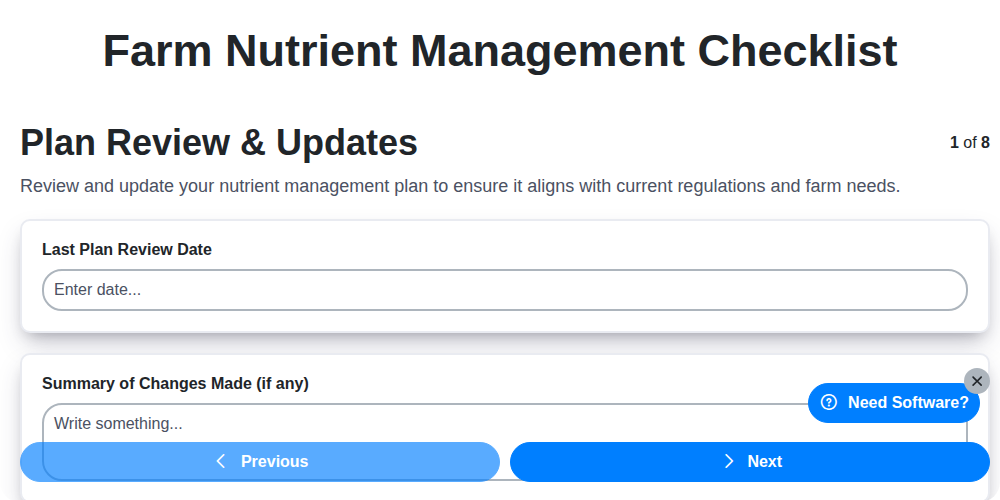
Table of Contents
- Why Nutrient Management Matters
- 1. Plan Review & Updates: Setting the Foundation
- 2. Soil Testing & Analysis: Knowing Your Starting Point
- 3. Fertilizer Storage & Handling: Safety & Efficiency
- 4. Application Timing & Rates: Getting it Right
- 5. Equipment Calibration: Ensuring Accuracy
- 6. Record Keeping: Tracking Progress & Compliance
- 7. Manure Management: A Valuable Resource
- 8. Environmental Protection: Stewardship in Action
- Resources & Links
TLDR: This checklist is your roadmap to smart nutrient management! It covers everything from soil testing and fertilizer storage to application timing and environmental protection, helping you boost crop yields, save money, and protect our natural resources - all while staying compliant with regulations.
Why Nutrient Management Matters
Healthy crops need nutrients, but too much, or the wrong kind, can lead to serious problems. Nutrient management isn't just about maximizing yields; it's about protecting our environment and ensuring long-term farm sustainability. Excess nutrients, particularly nitrogen and phosphorus, can run off into waterways, causing algal blooms, harming aquatic life, and even contaminating drinking water sources. This impacts not only the ecosystem but also can lead to regulatory issues and economic losses for farmers.
Furthermore, inefficient nutrient use represents a direct financial waste. Applying more fertilizer than necessary increases input costs without guaranteeing increased yields, while depleting soil health over time. Responsible nutrient management optimizes fertilizer use, minimizes waste, and builds a more resilient and profitable farm for the future. It's a win-win for farmers and the environment.
1. Plan Review & Updates: Setting the Foundation
A robust nutrient management plan is the cornerstone of efficient and environmentally responsible farming. But a plan isn't a 'set it and forget it' document. It needs regular review and updates to remain effective. Start by revisiting your plan annually, or more frequently if there are significant changes to your operation.
Consider these factors when reviewing and updating your plan:
- Crop Changes: Are you planting different crops or varieties that have different nutrient needs?
- Yield Goals: Have your yield expectations changed?
- Soil Test Results: As we're about to discuss, soil tests provide crucial information that can necessitate adjustments.
- Regulatory Changes: Stay abreast of any new or revised environmental regulations.
- Technological Advancements: New fertilizer technologies or application methods might be available.
- Manure Availability: Changes in manure production or disposal options can impact your nutrient strategy.
Document all changes made to the plan and the reasoning behind them. This not only helps with traceability but also provides valuable insights for future adjustments. A well-maintained and updated plan demonstrates a proactive approach to nutrient management, benefiting both your farm's productivity and the environment.
2. Soil Testing & Analysis: Knowing Your Starting Point
Understanding your soil's nutrient levels is the cornerstone of effective nutrient management. Soil testing isn't just a one-time event; it's an ongoing process that informs your fertilizer decisions and helps you avoid over- or under-application.
Here's why soil testing & analysis is vital:
- Determines Nutrient Deficiencies/Excesses: Testing reveals the levels of essential nutrients like nitrogen (N), phosphorus (P), potassium (K), and micronutrients. It also identifies potential excesses that can hinder plant growth or create environmental concerns.
- Optimizes Fertilizer Use: Knowing your soil's existing nutrient profile allows you to apply only what's needed, saving money and reducing the risk of nutrient runoff.
- pH Assessment: Soil pH significantly impacts nutrient availability. Testing provides the pH level, allowing you to adjust it if necessary, ensuring plants can properly absorb nutrients.
- Organic Matter Content: Organic matter improves soil health, water retention, and nutrient availability. Testing for organic matter provides a valuable insight into overall soil health.
Frequency & Sample Collection: Soil tests are generally recommended every 3-4 years for established fields, but more frequent testing (annually or bi-annually) is beneficial for high-intensity cropping systems or if you've made significant changes to your management practices. When collecting samples, take multiple cores from representative areas of the field, mixing them thoroughly to create a composite sample. Follow your chosen lab's specific instructions for sample collection and submission.
3. Fertilizer Storage & Handling: Safety & Efficiency
Proper fertilizer storage and handling are crucial for both safety and maximizing fertilizer efficiency. Leaks, spills, and improper storage not only pose environmental risks but also represent a financial loss. Here's what you need to consider:
- Secure Storage: Store fertilizers in a designated, well-ventilated area, away from water sources, livestock, and public access. Buildings should be watertight and structurally sound.
- Segregation: Separate fertilizer types to prevent incompatible reactions. For example, don't store ammonium-based fertilizers near calcium-containing materials. Refer to product labels for specific incompatibility warnings.
- Spill Prevention: Implement spill containment measures like berms or drip pans. Have readily available spill cleanup materials (absorbent materials, shovels, etc.) and ensure personnel know how to use them.
- Container Integrity: Regularly inspect storage containers (bags, bins, tanks) for leaks, cracks, and deterioration. Promptly repair or replace damaged containers.
- Temperature Control: Some fertilizers are sensitive to temperature. Store them according to label recommendations to maintain quality.
- Employee Training: Train all personnel involved in fertilizer handling on safe practices, spill response procedures, and proper use of personal protective equipment (PPE).
- Inventory Management: Track fertilizer inventory to minimize waste and ensure timely replenishment. Rotate stock to use older products first.
4. Application Timing & Rates: Getting it Right
Applying fertilizer and manure at the right time and in the correct amounts is crucial for both crop health and environmental protection. It's not just about getting nutrients to the plants; it's about maximizing efficiency and minimizing losses.
Timing is Everything:
- Consider Crop Needs: Different crops require nutrients at different stages of growth. Understand the specific nutrient uptake patterns of your crops. For example, leafy vegetables often need nitrogen during vegetative growth, while grain crops benefit from nitrogen application during reproductive phases.
- Weather Matters: Avoid applying fertilizer or manure before heavy rain events. Rainfall can lead to nutrient runoff and leaching, diminishing their effectiveness and polluting waterways. Similarly, avoid applications during periods of drought when uptake is limited.
- Split Applications: Consider split applications, particularly for nitrogen. Applying smaller amounts more frequently can be more efficient and reduce losses compared to a single large application.
- Side-dressing: For some crops, side-dressing (applying fertilizer alongside the rows of plants) can provide a targeted nutrient boost when plants need it most.
Rate Recommendations & Adjustment:
- Follow Your Soil Test Recommendations: Your soil test report will provide a guide for nutrient rates. These are recommendations, not absolute requirements.
- Consider Yield Goals: Higher yield goals will typically require higher nutrient inputs.
- Adjust for Organic Sources: If you're incorporating manure or compost, factor in the nutrients already present in those materials to avoid over-application. Soil test results should be interpreted in light of organic inputs.
- Variable Rate Application: Technology like variable rate applicators allows you to apply different rates of fertilizer based on the specific needs of different areas of your field, optimizing efficiency and reducing waste.
- Don't Over-Apply: More isn't always better. Over-application can lead to nutrient imbalances, reduced crop quality, and increased environmental risks.
5. Equipment Calibration: Ensuring Accuracy
Applying fertilizer and manure effectively hinges on knowing exactly how much is being applied, and where. Guesswork simply won't cut it! That's where equipment calibration comes in. Regularly calibrating your application equipment - spreaders, sprayers, injectors - is a crucial step in nutrient management.
Calibration involves determining the actual application rate your equipment delivers. Manufacturers provide guidelines, but factors like wear and tear, terrain, and adjustments can easily throw off the intended rate. A slight miscalculation can lead to either under-application (reducing crop yields) or over-application (leading to nutrient runoff and environmental concerns).
Here's what to consider:
- Follow Manufacturer's Instructions: Start with the equipment manual for specific calibration procedures.
- Test Regularly: Calibrate before each application, and ideally more frequently, especially with variable rate applications or when equipment is modified.
- Consider Factors: Account for factors like spreader deck wear, tire pressure, boom height, and nozzle condition.
- Document Calibration: Keep a record of your calibration tests, including date, equipment used, and results.
- Seek Assistance: If you're unsure about calibration procedures, consult with your local agricultural extension office or a qualified agronomist.
Proper calibration demonstrates a commitment to efficient nutrient use and environmental stewardship.
6. Record Keeping: Tracking Progress & Compliance
Meticulous record keeping is the backbone of a successful nutrient management plan. It's not just about ticking boxes; it's about demonstrating responsible stewardship, ensuring compliance with regulations, and providing valuable data to refine your practices over time. What should you be recording?
- Soil Test Results: Dates, sample locations, nutrient levels, and recommendations.
- Fertilizer Purchases: Type, quantity, source, date, and cost.
- Application Records: Dates, fields, nutrient applied, rate, method, equipment used, and weather conditions (temperature, precipitation).
- Manure Management: Quantity produced, storage method, application rates, dates, and fields.
- Equipment Calibration: Dates, methods, and results of calibration checks.
- Amendments & Other Inputs: Records of any lime, gypsum, or other soil amendments applied.
- Training Records: Documenting any training completed by personnel involved in nutrient management.
Organize these records in a logical and accessible manner - whether that's through a spreadsheet, dedicated software, or a well-maintained binder. Regularly review your records to identify trends, evaluate the effectiveness of your plan, and make adjustments as needed. Accurate and complete records are vital for demonstrating compliance with environmental regulations and for continually improving your nutrient management practices.
7. Manure Management: A Valuable Resource
Manure isn't waste - it's a valuable resource! Proper manure management is crucial for both maximizing its nutrient contribution to your crops and minimizing environmental risks. Here's what you need to consider:
Understanding Your Manure: Different manure types (cattle, poultry, swine, etc.) have varying nutrient compositions. Knowing the nitrogen (N), phosphorus (P), potassium (K), and micronutrient content of your manure is essential for accurate nutrient planning. Regularly obtain manure samples and have them analyzed - this information directly impacts your fertilizer recommendations and reduces the need for supplemental commercial fertilizer.
Storage Solutions: Secure and appropriately sized storage facilities are key. These facilities should protect manure from rainfall and runoff, minimizing nutrient loss and preventing water contamination. Options range from simple stockpiles (with runoff controls) to more complex structures like lagoons or covered storage. Ensure your storage meets all applicable regulations.
Application Practices: Consider the timing and method of manure application. Applying manure in the fall or early spring, incorporating it into the soil, and avoiding application on frozen ground or saturated areas reduces nutrient losses through volatilization and runoff. Match application rates to crop needs, considering soil test results and manure analysis. Over-application can lead to nutrient imbalances and environmental problems.
Nutrient Balancing: Use manure analysis data to balance your nutrient plan. Manure often contains significant amounts of phosphorus, so avoid over-application of phosphorus fertilizers. Focus on correcting any nitrogen deficiencies based on crop needs.
Odor Control: Manure application can be a source of odor complaints. Implement strategies like incorporating manure promptly, using odor-reducing additives, and considering wind direction when applying.
8. Environmental Protection: Stewardship in Action
Nutrient management isn't just about maximizing yields; it's about safeguarding our vital ecosystems. Protecting our waterways, air, and soil is a responsibility we all share as farmers. This section focuses on minimizing the environmental impact of nutrient applications.
Buffer Zones & Riparian Areas: Establish and maintain healthy buffer zones along streams, rivers, lakes, and wetlands. These vegetative strips act as natural filters, trapping nutrients and sediment before they reach water bodies. Consider native grasses and trees for optimal effectiveness.
Erosion Control: Implement practices to prevent soil erosion, which can carry nutrients into waterways. This includes contour farming, terracing, no-till planting, and the use of cover crops. Healthy soil is less susceptible to erosion.
Nutrient Runoff Prevention: Carefully consider field slopes and drainage patterns. Avoid applications before heavy rainfall events. Use slow-release fertilizers and consider incorporating nutrients into the soil to minimize runoff.
Air Quality Considerations: Ammonia volatilization (ammonia gas released into the air) can be a byproduct of fertilizer use. Employ strategies such as incorporating nitrogen into the soil, using nitrification inhibitors, and optimizing application techniques to reduce emissions.
Water Quality Monitoring: Regularly monitor water quality in nearby water sources. This provides valuable data to identify potential issues and adjust nutrient management practices accordingly.
Stay Informed about Regulations: Familiarize yourself with local, state, and federal regulations concerning nutrient management and environmental protection. Compliance is crucial for sustainable farming practices and avoids penalties.
By integrating these practices, we can ensure that our farms are both productive and environmentally responsible, leaving a legacy of healthy land and clean water for generations to come.
Resources & Links
- USDA Natural Resources Conservation Service (NRCS): A primary resource for nutrient management planning, conservation practices, and financial assistance for farmers. Offers technical guides, webinars, and local expertise. Crucial for understanding regulatory requirements and best management practices.
- University of Minnesota Extension: Provides research-based information and practical advice on nutrient management, soil health, and crop production. Excellent for understanding regional considerations and specific crop needs. Often has localized guides and workshops.
- Purdue University Extension: Similar to the University of Minnesota Extension, Purdue provides research and practical advice on agricultural topics, including nutrient management. Look for publications and online resources tailored to Midwest farming conditions.
- North Carolina Cooperative Extension Service: Another excellent example of a university extension program. Offers a wide array of resources, publications, and local expertise. Useful for understanding principles applicable to diverse climates and cropping systems.
- Soil Testing & Analysis Laboratories: A directory of certified soil testing laboratories across the US. Essential for finding a lab that meets your needs for comprehensive soil analysis. Accurate testing is vital for informed nutrient management.
- PotashAmeriCa: Resource for information about potash and potassium management, including understanding soil tests and correcting deficiencies. Includes guidance on proper application and its importance for plant health.
- International Plant Nutrition Institute (IPNI): A non-profit organization dedicated to promoting efficient and sustainable plant nutrition. Offers extensive research, publications, and tools related to nutrient management globally and locally.
- Manure Management: Website dedicated to best practices for manure management. Covers storage, application, odor control, and environmental compliance. A vital resource for farms using manure as a nutrient source.
- US Environmental Protection Agency (EPA) - Agriculture: Provides information on environmental regulations related to agricultural practices, including nutrient management. Crucial for understanding legal requirements and minimizing environmental impact.
- University of Minnesota - Beef Cattle Manure Management Resources: While focused on beef cattle manure, this resource exemplifies the kind of specialized information available for specific livestock operations. Provides practical advice and resources for efficient and safe manure handling and application. Search for similar resources specific to other livestock types.
- Meyer Ag: Company that provides calibration and precision agriculture tools & services. Provides calibration services for fertilizer and manure applicators and integrates with precision ag technologies.
Frequently Asked Questions
What is farm nutrient management and why is it important?
Farm nutrient management is the process of planning and implementing practices to efficiently use nutrients (like nitrogen, phosphorus, and potassium) for crop production while minimizing environmental impacts. It's important for maximizing yields, reducing input costs, protecting water quality, and maintaining soil health.
Who should use this checklist?
This checklist is designed for all farm managers, growers, and agricultural professionals involved in planning and implementing nutrient management practices, regardless of farm size or crop type.
What types of nutrients are covered in this checklist?
The checklist primarily focuses on nitrogen (N), phosphorus (P), and potassium (K), as these are the most commonly managed nutrients. However, it also touches on other essential nutrients and soil amendments.
What does '4R Nutrient Stewardship' mean?
The 4Rs stand for Right Source, Right Rate, Right Time, and Right Place. It's a framework for applying nutrients effectively, ensuring they' are utilized by the crop and minimizing losses to the environment.
How do I conduct a soil test and what information do I need?
Contact your local agricultural extension office or a certified soil testing lab. They can provide instructions and sampling kits. You'll need to specify which nutrients you want tested and the crop you're growing.
What is a nutrient management plan (NMP) and is it required?
An NMP is a written document outlining your nutrient application strategy. Requirements for an NMP vary by region and often depend on factors like farm size, livestock operations, and proximity to sensitive water bodies. Check with your local regulations.
How do I calculate the correct nutrient application rate?
Consider soil test results, crop nutrient requirements, previous crop residue, and anticipated yields. Consult with an agronomist or extension specialist for personalized recommendations.
What are common signs of nutrient deficiencies in crops?
Signs vary depending on the nutrient. Common signs include yellowing leaves (nitrogen), purplish discoloration (phosphorus), and leaf scorch (potassium). Consult a crop scouting guide or specialist for accurate identification.
How can I minimize nutrient runoff and leaching?
Implement practices like conservation tillage, cover cropping, buffer strips, split fertilizer applications, and precision placement of fertilizers.
What's the difference between organic and inorganic fertilizers?
Organic fertilizers are derived from natural sources (like manure, compost, and cover crops) and release nutrients slowly. Inorganic fertilizers are manufactured and provide nutrients quickly. Both have their advantages and disadvantages.
Where can I find more detailed information and resources on nutrient management?
Contact your local agricultural extension office, state Department of Agriculture, or a certified crop advisor. Numerous online resources and publications are also available from organizations like the EPA and USDA.
Comments
There are no comments yet. Be the first to add one!
Farm Management Solution Demo
Grow your farm smarter & more efficiently! ChecklistGuro streamlines crop planning, task management, & resource tracking. Maximize yields, reduce waste, & improve profitability. Manage it all with our Work OS.
Related Articles
Unlock Higher Yields: Your Precision Agriculture Checklist Template
The Ultimate Farm Safety Inspection Report Checklist Template
Irrigation System Checklist: Farm Water Management & Crop Yield Optimization

Livestock Health & Welfare Checklist: Your Farm Animal Care & Biosecurity Template
Crop Insurance Policy Review Checklist: A Farmer's Guide
Water Discharge Permit Compliance Checklist Template
The Ultimate GPS & Precision Farming Calibration Checklist Template
Mapping the Threat: A Checklist for Proactive Pest & Disease Pressure Management
Need help with
Farm Management?
Have a question? We're here to help. Please submit your inquiry, and we'll respond promptly.