The Ultimate Farm Pest and Weed Control Checklist: Protect Your Harvest
Published: 11/22/2025 10:00 PM Updated: 12/14/2025 6:47 AM
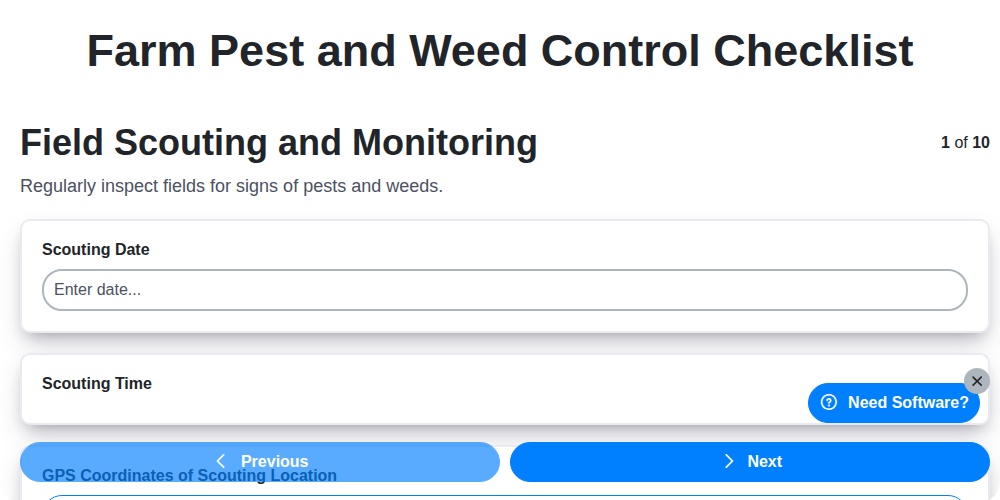
Table of Contents
- Introduction: Why a Pest & Weed Control Checklist Matters
- 1. Field Scouting and Monitoring: Your First Line of Defense
- 2. Accurate Pest Identification: Knowing Your Enemy
- 3. Weed Identification: Targeting the Right Invaders
- 4. Integrated Pest Management (IPM) Strategies: A Holistic Approach
- 5. Herbicide Application: When and How to Use Them Responsibly
- 6. Manual Weed Removal: The Physical Touch
- 7. Biological Control Agents: Nature's Helpers
- 8. Record Keeping and Reporting: Tracking Your Progress
- 9. Equipment Calibration & Environmental Considerations: Ensuring Safety and Sustainability
- Resources & Links
TLDR: Feeling overwhelmed by pests and weeds? This checklist is your roadmap! It covers everything from scouting and ID to herbicide application, biological controls, and record-keeping, helping you protect your crops and maximize your harvest through a smart, strategic approach to pest and weed management.
Introduction: Why a Pest & Weed Control Checklist Matters
Maintaining a healthy and productive farm is a constant battle against unwanted guests - pests and weeds. They can devastate crops, reduce yields, and impact the overall profitability of your operation. While dealing with these issues can feel overwhelming, a structured approach is key. That's where a Farm Pest and Weed Control Checklist becomes your indispensable ally.
This isn't just about reacting to problems as they arise; it's about proactive prevention and informed decision-making. A well-designed checklist ensures you consistently cover essential steps, minimizing potential damage and maximizing the effectiveness of your control measures. It promotes consistency, reduces errors, and helps you stay compliant with regulations. Ultimately, using a checklist transforms pest and weed control from a reactive firefighting exercise into a strategic and sustainable practice, safeguarding your investment and protecting your farm's future.
1. Field Scouting and Monitoring: Your First Line of Defense
Regular field scouting and monitoring is the bedrock of effective pest and weed control. It's more than just a casual walk through your fields; it's a systematic observation process to identify problems before they escalate into costly losses. Here's what that entails:
- Establish a Schedule: Don't just scout when you think you have a problem. Set up a recurring schedule - weekly, bi-weekly, or more frequently depending on crop and known pest/weed pressures. Early detection is key.
- Targeted Scouting: Focus your efforts. Know which pests and weeds are common in your area and prioritize scouting for them. Check vulnerable areas like field edges, areas near wooded sections, and previously problem spots.
- Consistent Technique: Use a standardized scouting method to ensure consistency. This helps you track changes over time and accurately assess population levels. Use a defined number of plants to examine per area.
- Record Observations: Even if you don't find anything, record it! Documentation is crucial for identifying trends and making informed decisions later. Note date, time, location, weather conditions, and any observations.
- Use Tools: Consider using tools like drop cloths, beat boards, insect traps, and weed identification guides to aid in your scouting.
2. Accurate Pest Identification: Knowing Your Enemy
Successful pest control starts with knowing exactly what you're dealing with. Bug or weed simply isn't specific enough. Different pests and weeds require different control methods, and misidentification can lead to wasted time, ineffective treatments, and even harm to your crops or the environment.
Take the time to learn the common pests and weeds in your region. Use field guides, online resources from your local agricultural extension office, or consult with an experienced agronomist. Pay close attention to:
- Physical Characteristics: Note the size, color, shape, and any unique markings. Look for patterns on leaves, stems, or the pest itself.
- Feeding Habits: Are they chewing leaves, sucking sap, or tunneling into stems? This can provide clues about the pest's identity and preferred targets.
- Life Cycle: Understanding the pest's life cycle - egg, larva, pupa, adult - helps you determine the best time to intervene and the most effective control methods.
- Host Plants: Some pests are highly specific to certain crops, while others have a wider range. Knowing which plants they target helps pinpoint the problem and anticipate future infestations.
Don't be afraid to take photos and share them with your local extension office or a trusted agricultural expert if you're unsure of the identification. Accurate identification is the foundation of effective, targeted pest and weed management.
3. Weed Identification: Targeting the Right Invaders
Effective weed control isn't just about spraying; it's about knowing what you're spraying. Misidentifying weeds can lead to wasted time, money, and ineffective control, potentially allowing infestations to worsen.
Here's a breakdown of why accurate weed identification is crucial and how to approach it:
- Why It Matters: Different weeds require different control methods. A broadleaf herbicide effective against clover won't touch a grassy weed like crabgrass. Proper identification ensures you choose the right tool for the job.
- Key Characteristics to Observe: When identifying a weed, pay attention to these details:
- Leaf Shape and Arrangement: Are they oval, lance-shaped, or compound? Are they opposite, alternate, or basal?
- Stem Characteristics: Is the stem hairy, smooth, round, or square?
- Flower Color and Structure: Flowers are often key identifiers. Note the color, shape, and arrangement of petals.
- Growth Habit: Is it an annual (completes its life cycle in one year) or perennial (lives for multiple years)? Is it upright, spreading, or vining?
- Root System: While harder to observe, the root system (taproot vs. fibrous) can be a clue.
- Resources for Identification: Don't be afraid to consult resources!
- Field Guides: Local agricultural extension offices often provide free or low-cost weed identification guides specific to your region.
- Online Databases: Websites like Weed.org and university extension websites offer extensive databases with detailed descriptions and photos.
- Smartphone Apps: Several smartphone apps use image recognition to help identify weeds. While these can be helpful, always verify the app's suggestions with other sources.
- Expert Consultation: If you're unsure, reach out to your local agricultural extension agent or a certified crop advisor. They can provide expert identification and tailored recommendations.
Accurate weed identification is the cornerstone of successful weed management. Take the time to learn the common weeds in your fields; it will pay dividends in the long run.
4. Integrated Pest Management (IPM) Strategies: A Holistic Approach
Simply spraying pesticides isn't a sustainable or effective long-term solution for pest and weed control. Integrated Pest Management (IPM) offers a far more comprehensive and environmentally responsible approach. IPM isn't about eliminating pests entirely; it's about keeping them below economically damaging levels using a combination of tactics.
Here's what IPM entails:
- Prevention is Key: Start with preventative measures! Healthy soil, crop rotation, selecting disease-resistant varieties, and proper irrigation practices can significantly reduce pest and weed pressure.
- Thresholds Matter: Don't react to every sighting. Establish economic thresholds - the point at which pest or weed populations warrant intervention. This prevents unnecessary treatments.
- Multiple Tactics: IPM relies on a toolbox of methods, prioritizing less disruptive options first. These can include:
- Cultural Controls: Adjusting planting dates, spacing, and other practices.
- Physical Controls: Using traps, barriers, and hand removal.
- Biological Controls: Utilizing beneficial insects, nematodes, or microorganisms.
- Chemical Controls: Herbicides or insecticides are a last resort and should be targeted and applied judiciously.
- Continuous Evaluation: Regularly assess the effectiveness of your IPM strategies and adapt as needed. What works one year may not work the next.
- Monitoring is Crucial: Consistent field scouting provides the data needed to inform your IPM decisions.
By embracing IPM, you're not just controlling pests and weeds; you're safeguarding your farm's health, protecting the environment, and building a more resilient agricultural system.
5. Herbicide Application: When and How to Use Them Responsibly
Herbicide application should always be considered a last resort within your integrated pest management plan. Before reaching for the sprayer, ensure other control methods (like manual removal or biological controls) have been explored and deemed insufficient. Responsible herbicide use protects the environment, prevents herbicide resistance, and safeguards your crops and surrounding ecosystems.
Timing is Key:
- Pre-emergent vs. Post-emergent: Understand the difference. Pre-emergent herbicides prevent weed seeds from germinating, while post-emergent herbicides target existing weeds. Choose the right product based on weed life cycle and timing of application.
- Growth Stage: Apply herbicides at the most effective growth stage of both the crop and the weeds. Many herbicides are more effective on young, actively growing weeds. Consult product labels for specific recommendations.
- Weather Conditions: Avoid spraying during windy conditions to prevent drift. Rain shortly after application can wash away the herbicide, reducing its effectiveness and increasing the risk of runoff.
Application Best Practices:
- Read the Label! This is non-negotiable. The label is the law and contains critical information regarding application rates, safety precautions, and potential environmental impacts.
- Correct Application Rate: Over-application wastes product and increases environmental risk. Under-application won't control the weeds effectively. Calibrate your equipment regularly (see section on Equipment Calibration).
- Nozzle Selection: Choose the appropriate nozzle to ensure uniform coverage and minimize drift.
- Spray Volume: Use the recommended spray volume for optimal coverage and weed control.
- Buffer Zones: Establish and maintain buffer zones around sensitive areas like waterways, wells, and non-target crops.
- Personal Protective Equipment (PPE): Always wear appropriate PPE as outlined on the product label.
6. Manual Weed Removal: The Physical Touch
Manual weed removal might seem old-fashioned, but it remains a vital tool, especially for organic farming and small-scale operations. It's highly targeted, minimizing impact on beneficial plants and the surrounding ecosystem. There are several approaches:
- Hand-Pulling: Effective for scattered weeds and seedlings. Ensure you remove the entire root system to prevent regrowth. This is most successful when soil is moist.
- Hoeing: A hoe is your friend for quickly clearing large areas of young weeds. Be careful not to damage crop plants!
- Cultivating: Using a cultivator to till the soil can disrupt weed growth and bring them to the surface for easier removal. Again, timing and care are crucial to avoid damaging desired plants.
- Flame Weeding: A propane torch can be used to quickly kill small weeds by desiccating them. This is best for pre-emergent weed control and requires caution to prevent fire hazards.
While labor-intensive, manual removal offers precise control and avoids the risks associated with herbicides. It's also a great option for tackling particularly stubborn or herbicide-resistant weeds.
7. Biological Control Agents: Nature's Helpers
Beyond chemical interventions, harnessing the power of nature offers a sustainable and often highly effective approach to pest and weed management. Biological control agents (BCAs) are living organisms - predators, parasites, or pathogens - used to suppress pest populations.
What are the Options?
- Predators: These are animals that actively hunt and feed on pests. Examples include ladybugs (aphids), lacewings (various pests), and ground beetles (soil-dwelling pests).
- Parasitoids: These organisms live on or inside a pest, eventually killing it. Think of parasitic wasps targeting caterpillars or nematodes attacking root pests.
- Pathogens: Microorganisms like bacteria (e.g., Bacillus thuringiensis - Bt), fungi (e.g., Beauveria bassiana), and viruses can specifically target pests.
- Nematodes: Microscopic worms that attack soil-dwelling pests like grubs and rootworms.
Implementation Considerations:
- Specificity is Key: Choosing the right BCA is critical. You want an agent that targets the specific pest without harming beneficial insects or plants.
- Habitat Creation: Providing suitable habitat for BCAs to thrive - sources of food, water, shelter - is essential for long-term success. This might involve planting pollinator-friendly flowers or leaving areas undisturbed.
- Timing: Understanding the lifecycle of both the pest and the BCA is crucial for optimal results.
- Commercial Availability: Many BCAs are commercially available in various formulations (e.g., nematodes, Bt sprays).
- Integration: Biological control is often most effective when combined with other IPM strategies.
8. Record Keeping and Reporting: Tracking Your Progress
Consistent and thorough record keeping is the unsung hero of effective pest and weed control. It's not just about ticking boxes; it's about building a history of your farm's challenges and successes that informs future decisions. What worked? What didn't? Why? Detailed records provide vital clues.
Here's what you should be documenting:
- Scouting Dates & Findings: Record when you scouted, what pests/weeds were observed, their population levels, and the area affected.
- Identifications: Note the specific pests and weeds identified, including variety if possible.
- Control Actions: Document all control measures implemented - herbicide applications, manual removal, biological controls, etc. Include the product used (including rate and formulation), date of application, and weather conditions.
- Effectiveness: Observe and record the effectiveness of each control method. Did it work? Partially? Not at all?
- Yield Data: Correlate pest and weed control efforts with yield data to understand the financial impact of your actions.
- Problem Areas: Identify areas on your farm that consistently experience higher pest or weed pressure.
Why is this important?
- Improved Decision Making: Past data helps you predict future problems and tailor your strategies.
- Compliance: Many regulations require record-keeping for pesticide use.
- Cost Savings: Identifying inefficiencies reduces unnecessary treatments and saves money.
- Sharing Information: Records are valuable for sharing experiences and best practices with other farmers.
Use a notebook, spreadsheet, or farm management software - whatever system works best for you. The key is to be consistent and maintain accurate records.
9. Equipment Calibration & Environmental Considerations: Ensuring Safety and Sustainability
Effective pest and weed control isn't just about applying the right products; it's about doing so responsibly and accurately. That's where proper equipment calibration and careful environmental considerations come into play.
Equipment Calibration: Precision is Key
Miscalibration can lead to over-application of pesticides and herbicides, wasting resources, increasing costs, and potentially harming non-target organisms and the environment. Conversely, under-application may lead to ineffective control. Regularly calibrate your sprayers, spreaders, and other application equipment. This includes:
- Nozzle Condition & Output: Inspect nozzles for wear and clogging. Ensure they're delivering the intended droplet size and flow rate.
- Sprayer Pressure: Maintain the manufacturer's recommended pressure for optimal spray coverage and drift reduction.
- Boom Height & Speed: Ensure consistent boom height to apply product uniformly over the crop canopy and control ground speed for accurate coverage.
- Spreader Settings: Verify spreader settings for even distribution of granular materials.
Environmental Considerations: Protecting Our Ecosystem
Beyond equipment, a responsible approach demands a deep understanding of environmental factors:
- Weather Conditions: Never apply pesticides or herbicides during windy conditions, heavy rain, or near drought. Wind carries product off-target, rain washes it away, and dry conditions can increase volatility.
- Sensitive Areas: Be mindful of nearby water bodies, pollinator habitats, and wildlife areas. Implement buffer zones to prevent drift and runoff.
- Soil Health: Healthy soil supports healthy plants, often reducing pest and weed pressure. Consider soil testing and nutrient management practices.
- Pollinator Protection: Apply pesticides when pollinators are less active (e.g., early morning or late evening) and choose products with lower toxicity to beneficial insects.
- Regulatory Compliance: Stay updated on local, state, and federal regulations regarding pesticide and herbicide application.
By prioritizing accurate equipment calibration and thoughtful environmental stewardship, you're not only optimizing your pest and weed control efforts but also safeguarding the long-term health of your farm and the surrounding ecosystem.
Resources & Links
- eXtension: A national extension network offering a wealth of resources on agriculture, horticulture, and pest management. Excellent for state-specific information and research-based advice.
- USDA Farm Service Agency: Provides information on disaster assistance, loans, and programs that can help farmers cope with pest and weed-related losses, plus general agricultural information.
- EPPO (European and Mediterranean Plant Protection Organization): Although European-focused, EPPO provides detailed information on pest identification, monitoring, and management strategies, useful for comparison and expanding knowledge. Contains in-depth guides.
- University of California Integrated Pest Management (UC IPM): A comprehensive resource from UC Davis providing information on IPM, pest and disease identification, and environmentally sound pest management practices. Great for understanding IPM principles.
- USDA National Institute of Food and Agriculture (NIFA): NIFA funds research and programs related to agricultural pest and weed management, offering insights into current research and best practices.
- American Crop Protection Association (ACPA): Provides information on responsible pesticide use, regulatory compliance, and stewardship practices. Relevant for understanding herbicide use responsibly.
- Agri-Science: Source of information for herbicides, fungicides, insecticides and agricultural equipment, provides some general overview of tools to manage pests and weeds.
- Bio-Resources, Inc.: Specializes in biological control agents. Excellent for learning about beneficial insects, nematodes, and other natural pest control solutions. Useful for understanding biological control agents section.
- Local Cooperative Extension Office: A crucial resource! Your local extension office provides tailored advice, workshops, and assistance based on your specific region, crops, and pest/weed challenges. Essential for regional variations in the checklist.
- Crop Data Management Systems (CDMS): Provides labeling and safety information for pesticides. Helpful for understanding herbicide specifics and safe application guidelines, directly supporting section 5.
- Cornell Botanic Gardens: Provides resources related to plant health, identification and management practices, relevant to both pest and weed sections.
Frequently Asked Questions
What is the purpose of this checklist?
This checklist provides a comprehensive guide to identifying common farm pests and weeds, understanding control methods, and implementing preventative measures to protect your crops and ultimately, your harvest.
Who is this checklist for?
This checklist is designed for all farmers, regardless of farm size or experience level. It caters to both conventional and organic farming practices, offering adaptable solutions.
What types of pests are covered in this checklist?
The checklist covers a wide range of common farm pests including insects (e.g., aphids, caterpillars, beetles), nematodes, rodents, and birds. Specific examples are provided within the document.
What types of weeds are addressed?
The checklist covers annual, perennial, and broadleaf weeds frequently encountered in agricultural settings. It provides information on identification and control strategies for each type.
What is Integrated Pest Management (IPM), and how does this checklist incorporate it?
Integrated Pest Management (IPM) is a sustainable approach to pest control that combines multiple strategies. This checklist emphasizes IPM principles, encouraging preventative measures, biological controls, and responsible use of pesticides only when necessary.
What are some examples of preventative measures I can take?
Preventative measures include crop rotation, choosing disease-resistant varieties, maintaining healthy soil, proper irrigation, sanitation (removing crop debris), and using physical barriers like netting or fencing.
What biological control methods are suggested?
The checklist suggests using beneficial insects (e.g., ladybugs, lacewings), nematodes, and microbial pesticides (e.g., Bt) to control pests naturally.
Are there different control methods for organic vs. conventional farming?
The checklist provides distinctions and specific recommendations for both organic and conventional farming practices. Organic methods prioritize natural and approved substances, while conventional methods may include a wider range of pesticides (used responsibly).
How often should I consult this checklist?
It's recommended to consult this checklist regularly - at least before planting, during the growing season, and after harvest - to stay proactive in pest and weed management.
Where can I find more information about specific pests or weeds mentioned in the checklist?
The checklist provides links and suggestions for further resources, including university extension services, government agencies, and reputable agricultural websites for more in-depth information.
Found this Article helpful?
Comments
There are no comments yet. Be the first to add one!
Farm Management Solution Demo
Grow your farm smarter & more efficiently! ChecklistGuro streamlines crop planning, task management, & resource tracking. Maximize yields, reduce waste, & improve profitability. Manage it all with our Work OS.
Related Articles
Unlock Higher Yields: Your Precision Agriculture Checklist Template
The Ultimate Farm Safety Inspection Report Checklist Template
Irrigation System Checklist: Farm Water Management & Crop Yield Optimization

Livestock Health & Welfare Checklist: Your Farm Animal Care & Biosecurity Template
Crop Insurance Policy Review Checklist: A Farmer's Guide
Water Discharge Permit Compliance Checklist Template
The Ultimate GPS & Precision Farming Calibration Checklist Template
Mapping the Threat: A Checklist for Proactive Pest & Disease Pressure Management
We can do it Together
Need help with
Farm Management?
Have a question? We're here to help. Please submit your inquiry, and we'll respond promptly.