Your Farm Waste Management Checklist: A Step-by-Step Guide to Compliance
Published: 11/22/2025 Updated: 07/02/2026
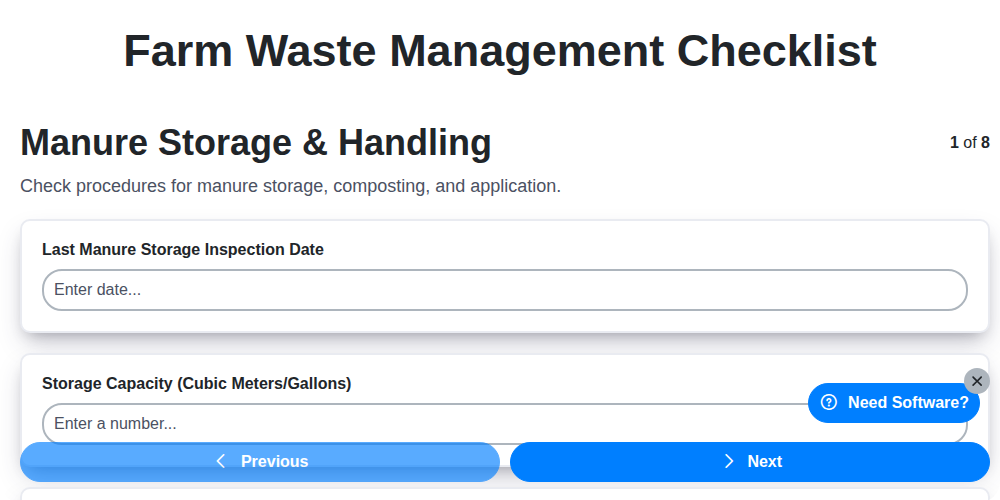
Table of Contents
- Introduction: Why Farm Waste Management Matters
- 1. Manure Storage & Handling: Best Practices
- 2. Chemical Waste Disposal: Safe and Responsible Methods
- 3. Used Oil & Lubricant Management: Containment and Recycling
- 4. Equipment Cleaning & Washout: Minimizing Environmental Impact
- 5. Spill Prevention & Response: Preparing for the Unexpected
- 6. Record Keeping & Documentation: Tracking Your Efforts
- 7. Regulatory Compliance: Staying on the Right Side of the Law
- Resources & Links
TLDR: Feeling overwhelmed by farm waste management? This checklist breaks down everything from manure storage to spill response, ensuring you're compliant, protecting the environment, and avoiding costly fines. It's your easy-to-use guide to responsible waste handling!
Introduction: Why Farm Waste Management Matters
Farm waste management isn't just about ticking boxes; it's a critical component of sustainable agriculture and environmental responsibility. Improper handling of waste - from manure and chemicals to used oil and washdown water - can lead to serious consequences. These include water contamination, soil degradation, air pollution, and negative impacts on local ecosystems and public health. Beyond the environmental impact, failing to manage farm waste effectively can result in hefty fines, regulatory penalties, and damage to your farm's reputation. This checklist provides a structured approach to ensuring best practices, protecting your farm, and contributing to a healthier planet. It's an investment in the long-term viability and sustainability of your agricultural operation.
1. Manure Storage & Handling: Best Practices
Effective manure management begins with secure and well-maintained storage. Leaky or overflowing manure storage areas can contaminate groundwater and surface water, posing significant environmental and legal risks. Here's a breakdown of crucial practices:
- Structure Integrity: Regularly inspect storage structures (pits, lagoons, tanks) for cracks, leaks, and structural weaknesses. Promptly repair any damage.
- Freeboard Maintenance: Ensure adequate freeboard (the space between the manure surface and the top of the storage facility) is maintained. This allows for precipitation, foaming, and fluctuations in manure volume. A minimum of 12 inches is generally recommended, but check local regulations.
- Covered Storage: Consider using covers, such as floating covers or solid covers, to reduce odor, control runoff, and minimize nutrient loss.
- Slope & Drainage: Proper drainage away from storage areas is essential to prevent runoff. Ensure slopes direct water away and that drainage systems are functioning correctly.
- Mixing & Aeration: Regularly mix manure in storage to prevent stratification and anaerobic conditions, which can lead to hydrogen sulfide (H2S) production. Aeration, if feasible, can further improve conditions.
- Manure Application Rates: Understand and adhere to recommended manure application rates for fields to prevent nutrient runoff and over-fertilization. Soil testing is vital to determine appropriate rates.
- Winter Management: Implement specific strategies for winter manure management, such as snow removal from storage areas and reduced application rates due to decreased crop uptake.
2. Chemical Waste Disposal: Safe and Responsible Methods
Chemicals are an essential part of modern farming, but their improper disposal can lead to serious environmental and health risks. This section outlines best practices for handling and disposing of chemical waste responsibly.
Identify and Segregate: The first step is to accurately identify all chemicals used on your farm. Keep a detailed inventory and clearly label all containers. Segregate chemical wastes into compatible groups. Never mix incompatible chemicals, as this can create dangerous reactions. Refer to Safety Data Sheets (SDS) for compatibility information.
Proper Containerization: Store chemical wastes in their original containers whenever possible. If transferring to another container, ensure it is specifically designed for chemical storage, clearly labeled with the contents and hazards, and made of a material compatible with the chemical. Keep containers tightly sealed to prevent leaks and evaporation.
Authorized Disposal Methods: Never pour chemicals down drains, into waterways, or onto the ground. Approved disposal methods vary by region and chemical type. Common methods include:
- Hazardous Waste Collection Programs: Many municipalities or regional authorities offer programs for collecting hazardous waste. These are often the safest and most environmentally sound option.
- Licensed Waste Disposal Companies: Contract with a reputable, licensed hazardous waste disposal company. They have the expertise and equipment to handle chemicals safely and comply with regulations. Get a Certificate of Destruction for proper documentation.
- Neutralization (with Caution): Some chemicals can be neutralized to reduce their hazard. Only perform neutralization if you are properly trained and have verified procedures. Improper neutralization can create even greater risks.
Empty Container Management: Even empty containers often retain chemical residue. Follow guidelines for triple-rinsing containers (if permitted by regulations) and properly dispose of them. Consider recycling programs if available.
Always consult your local regulations and SDS sheets for specific disposal instructions.
3. Used Oil & Lubricant Management: Containment and Recycling
Used oil and lubricants, if improperly handled, can pose a significant threat to soil and water resources. Implementing a robust management system is crucial for environmental protection and regulatory compliance. Here's what your checklist should cover:
- Dedicated Storage: Ensure all used oil and lubricants are collected and stored in clearly labeled, leak-proof containers. These containers should be placed within a secondary containment area (e.g., a berm, drip pan, or double-walled tank) to capture any spills or leaks.
- Regular Inspections: Conduct routine inspections of storage containers and containment areas. Document these inspections, noting any signs of leaks, corrosion, or damage.
- Recycling Priority: Prioritize recycling used oil and lubricants whenever possible. Locate and establish a relationship with a reputable, licensed recycling facility. This is often the most environmentally responsible and sometimes economically advantageous option.
- Proper Disposal Alternatives (When Recycling Isn't Possible): If recycling isn't feasible, ensure proper disposal through a licensed waste disposal facility. Never pour used oil down drains or onto the ground.
- Employee Training: Train personnel on the correct procedures for collecting, storing, and disposing of used oil and lubricants. This includes recognizing potential hazards and knowing who to contact for assistance.
- Quantity Tracking: Maintain a record of the quantity of used oil and lubricants generated, recycled, and disposed of. This data is valuable for tracking usage patterns and demonstrating compliance.
4. Equipment Cleaning & Washout: Minimizing Environmental Impact
Cleaning agricultural equipment - tractors, planters, sprayers, and more - is essential for maintaining performance and preventing breakdowns. However, the washdown water often contains residue from pesticides, fertilizers, soil, and other contaminants. Disposing of this water improperly can lead to significant environmental damage, polluting waterways and potentially impacting groundwater.
Here's how to clean your equipment responsibly:
- Designated Wash Area: Ideally, establish a designated wash area located away from surface water bodies (streams, rivers, lakes) and wells. This area should be designed to contain washwater.
- Containment Structures: Utilize containment structures like berms, sumps, or collection ponds to capture washwater.
- Washwater Treatment: Consider treating washwater before discharge. Options include:
- Settling Ponds: Allow solids to settle out, reducing pollutant load.
- Vegetated Treatment Systems: Utilize plants to absorb contaminants.
- Recycling: Explore opportunities to reuse washwater for irrigation (ensure compatibility with crops and regulations).
- Minimize Water Use: Implement water-saving techniques during cleaning, such as using pressure washers with adjustable nozzles and utilizing dry sweeping methods where possible.
- Proper Disposal of Solids: Remove and properly dispose of any accumulated solids, such as soil or plant material, from the wash area. This may involve composting or landfill disposal depending on local regulations.
- Employee Training: Train employees on proper washdown procedures and the importance of minimizing environmental impact.
By adopting these practices, you can keep your equipment clean while protecting valuable environmental resources.
5. Spill Prevention & Response: Preparing for the Unexpected
Accidents happen, even on well-managed farms. A spill - whether it's manure, chemicals, oil, or washwater - can have serious environmental and financial consequences. A proactive spill prevention and response plan is absolutely vital.
Prevention is Key:
- Regular Inspections: Routinely inspect storage areas, tanks, and handling equipment for leaks, cracks, or deterioration. Make repairs promptly.
- Secondary Containment: Utilize secondary containment (e.g., berms, lined pads) around storage structures and transfer areas. This provides a barrier in case of a leak or breach.
- Proper Transfer Procedures: Develop and strictly follow procedures for transferring materials to minimize spills. Use pumps instead of gravity flow when possible, and ensure hoses and connections are secure.
- Employee Training: All employees involved in handling farm wastes should be thoroughly trained in spill prevention techniques and emergency response procedures. This includes proper product handling, equipment operation, and reporting protocols.
- Clearly Marked Pathways: Keep pathways and access routes clear of obstructions to facilitate quick response.
Responding Effectively:
- Spill Kit Availability: Keep readily accessible spill kits in strategic locations. These should contain absorbent materials (pads, booms, granules), personal protective equipment (PPE), shovels, buckets, and disposal bags.
- Reporting Procedures: Establish a clear reporting process. Who needs to be notified internally (e.g., supervisor, farm owner)? Are there external reporting requirements (e.g., local environmental agency)? Know these obligations before an incident occurs.
- Containment First: Your first priority during a spill is to contain it - prevent it from spreading further. Use absorbent materials or create barriers.
- Clean-Up and Disposal: Follow proper procedures for cleaning up the spill and disposing of contaminated materials. Do not flush spills into waterways.
- Post-Spill Review: After every spill, conduct a review to determine the cause and implement corrective actions to prevent recurrence. Document this review.
6. Record Keeping & Documentation: Tracking Your Efforts
Consistent and accurate record keeping is the backbone of any successful farm waste management program. It's not just about satisfying regulatory requirements; it's about demonstrating responsible environmental stewardship and continuously improving your practices. Think of it as your farm's waste management history - a vital resource for identifying trends, troubleshooting problems, and showcasing your commitment to sustainability.
What should you be tracking? Here's a breakdown:
- Manure Management: Dates of manure application, rates, field locations, weather conditions, and any issues encountered.
- Chemical Usage: Types of pesticides, herbicides, and fertilizers used, application dates, quantities, and intended target areas. Maintain Material Safety Data Sheets (MSDS) for all chemicals.
- Waste Disposal: Documentation of all waste disposal activities, including manifests, receipts, and contractor information.
- Equipment Maintenance: Records of maintenance performed on waste handling equipment, including inspections, repairs, and oil changes.
- Spill Prevention & Response: Detailed records of any spills or releases, including the date, location, type of material, quantity released, cleanup actions taken, and personnel involved.
- Training: Keep records of all employee training related to waste management practices.
- Inspections: Dates and findings of internal and external inspections.
Pro-Tip: Consider using digital record-keeping systems or farm management software. These can automate many tasks, improve data accessibility, and make reporting significantly easier. Regularly review your records to identify areas for improvement and ensure compliance. Don't let your hard work go undocumented - good records are your best defense and demonstrate your dedication to responsible farm practices.
7. Regulatory Compliance: Staying on the Right Side of the Law
Farm waste management isn't just about environmental responsibility; it's a legal obligation. Regulations surrounding manure, chemicals, and other waste streams vary significantly depending on your location - state, county, and even local ordinances can apply. Staying informed and compliant is crucial to avoid costly fines, legal action, and damage to your farm's reputation.
Here's what you need to consider:
- Federal, State, and Local Laws: Familiarize yourself with all applicable regulations. The EPA (Environmental Protection Agency) sets federal standards, but states often have their own, stricter rules. Contact your state's Department of Agriculture or Environmental Quality for specifics.
- Nutrient Management Plans (NMPs): Many areas require NMPs, particularly for livestock operations. These plans detail how you'll manage manure to prevent nutrient runoff and protect water quality.
- Permitting: Certain activities, like constructing manure storage facilities or disposing of chemical waste, might require permits.
- Reporting Requirements: Be aware of any reporting deadlines for waste generation, storage, and disposal.
- Staying Updated: Regulations change. Subscribe to relevant newsletters, attend workshops, and consult with agricultural advisors to stay abreast of new or revised requirements.
- Professional Consultation: Consider engaging a consultant specializing in farm waste management. They can help you navigate complex regulations and ensure full compliance.
Disclaimer: This information is for general guidance only and doesn't constitute legal advice. Always consult with local authorities and legal professionals for accurate and specific compliance requirements.
Resources & Links
- USDA Natural Resources Conservation Service (NRCS): Provides technical and financial assistance to agricultural producers to implement conservation practices, including waste management. A crucial resource for understanding best management practices and available programs.
- Environmental Protection Agency (EPA): The EPA sets environmental regulations and offers resources on pollution prevention and waste management, including specific guidance for agricultural operations. Search their site for 'agricultural waste' or related terms.
- eXtension Foundation: eXtension is a collaborative effort connecting Extension programs across the US. Provides research-based information, articles, and webinars on a wide range of agricultural topics, including waste management, often tailored to specific regions.
- National Association of Conservation Districts (NACD): The NACD represents conservation districts across the US. They offer information and resources related to local conservation efforts and can connect you with local expertise.
- Agricultural Marketing Resource Center (AgMRC): Provides practical information and resources for agricultural producers, including guides and publications on manure management and environmental stewardship.
- The Manure Management Institute: Dedicated to providing training, resources, and technical assistance related to manure management. A valuable source for in-depth knowledge and best practices.
- Sustainable Agriculture Research & Education (SARE): SARE provides information and funding for research and education on sustainable agriculture practices, including waste management. Search their publications database.
- Clean Water Partners: Focuses on agricultural conservation efforts, providing resources and technical assistance for reducing water pollution from farm operations, including manure management.
- US Forest Service: While focused on forests, the Forest Service also has resources on erosion control and water quality that can be relevant to managing runoff from farm waste.
- Oregon Department of Environmental Quality (DEQ): Provides comprehensive guides and checklists for farm waste management, with specific regulations and resources applicable in Oregon. Use this as a model for searching your own state's environmental agency website.
- Dairy Checkoff: Provides resources and information related to manure management specifically for dairy farms, including best management practices and technological advancements.
Frequently Asked Questions
Where can I find more detailed information and assistance with farm waste management?
Contact your local agricultural extension office, environmental agency, or a certified nutrient management planner. They can provide specific guidance and support tailored to your farm's needs.
Comments
There are no comments yet. Be the first to add one!
Farm Management Solution Demo
Grow your farm smarter & more efficiently! ChecklistGuro streamlines crop planning, task management, & resource tracking. Maximize yields, reduce waste, & improve profitability. Manage it all with our Work OS.
Related Articles
Unlock Higher Yields: Your Precision Agriculture Checklist Template
The Ultimate Farm Safety Inspection Report Checklist Template
Irrigation System Checklist: Farm Water Management & Crop Yield Optimization

Livestock Health & Welfare Checklist: Your Farm Animal Care & Biosecurity Template
Crop Insurance Policy Review Checklist: A Farmer's Guide
Water Discharge Permit Compliance Checklist Template
The Ultimate GPS & Precision Farming Calibration Checklist Template
Mapping the Threat: A Checklist for Proactive Pest & Disease Pressure Management
Need help with
Farm Management?
Have a question? We're here to help. Please submit your inquiry, and we'll respond promptly.