Your Fieldwork Foundation: A Checklist for Successful Preparation and Soil Testing
Published: 11/22/2025 Updated: 07/02/2026
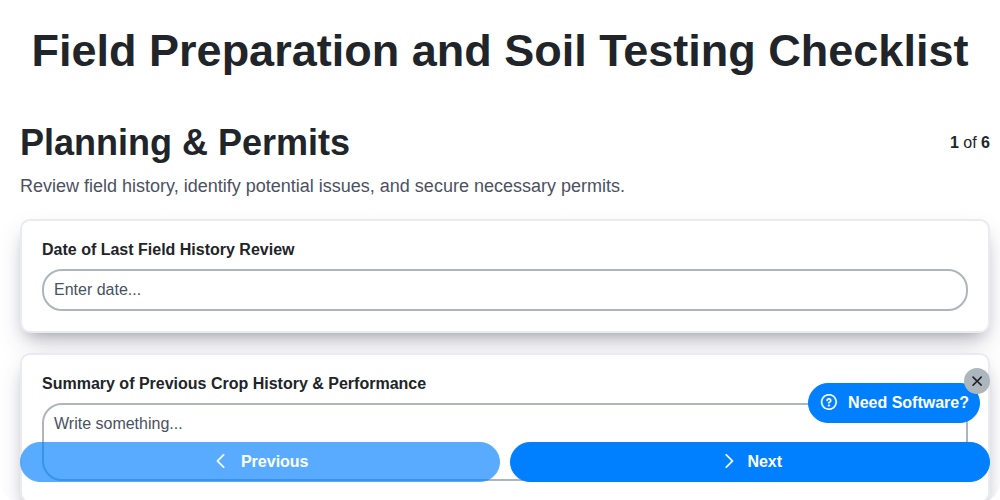
Table of Contents
- Introduction: Laying the Groundwork for Success
- 1. Planning & Permits: Due Diligence Before You Dig
- 2. Understanding the Importance of Soil Testing
- 3. Soil Testing: Sampling and Analysis
- 4. Deciphering Your Soil Test Results
- 5. Field Clearing & Debris Removal: A Clean Slate
- 6. Soil Amendment Application: Correcting Deficiencies
- 7. Tillage & Soil Preparation: Structuring Your Soil
- 8. Equipment Calibration: Precision is Key
- 9. Equipment Maintenance: Preventing Downtime
- 10. Safety First: Protecting Yourself and Your Team
- 11. Documentation: Keeping a Record of Your Efforts
- Conclusion: Your Fieldwork Foundation is Complete
- Resources & Links
TLDR: Planning a new field or optimizing an existing one? This checklist guides you through everything from permits & soil testing to clearing, amending, and prepping your soil for success. It ensures you don't miss critical steps, saving you time, money, and potential headaches - a vital foundation for a bountiful harvest!
Introduction: Laying the Groundwork for Success
Before a single seed is sown or a seedling is transplanted, a significant amount of preparation happens beneath the surface - literally! Successful gardening, whether you're cultivating a sprawling vegetable patch or a modest flower bed, hinges on meticulously preparing the field. Rushing this crucial first step can lead to disappointing yields, frustrating plant health issues, and ultimately, wasted effort.
This isn't just about breaking ground; it's about understanding your soil, removing obstacles, and setting the stage for robust growth. Think of it as laying the foundation for a thriving ecosystem. A well-prepared field ensures optimal conditions for root development, nutrient uptake, and overall plant vigor. This checklist provides a structured approach, covering everything from initial planning to the final soil preparation, empowering you to create a landscape ready to flourish. Let's dig in!
1. Planning & Permits: Due Diligence Before You Dig
Before you even think about turning over a single shovelful of soil, thorough planning and securing the necessary permits are absolutely crucial. Skipping this step can lead to costly delays, fines, and even legal issues.
First, research local zoning regulations and building codes. These dictate what you can and cannot do on your property. Consider factors like setbacks from property lines, drainage requirements, and any restrictions on agricultural practices.
Next, identify any easements or right-of-ways that might impact your planned area. Contact your local municipality or county planning department to inquire about these.
If your project involves significant earthmoving, water features, or impacts to protected areas (wetlands, endangered species habitats), you'll likely need permits. Application processes can take time, so start early! Don't be afraid to consult with a landscape architect or contractor - they often have experience navigating local regulations. Finally, document everything! Keep copies of all permits, applications, and correspondence for your records.
2. Understanding the Importance of Soil Testing
Soil testing isn't just a good idea; it's a foundational step for any successful planting endeavor. Think of it as a health check for your field. Without knowing what's really going on beneath the surface, you're essentially guessing when it comes to nutrient levels, pH, and potential contaminants. This can lead to wasted money on unnecessary fertilizers, stunted growth, and ultimately, a disappointing harvest.
A comprehensive soil test provides a detailed report outlining key factors:
- Nutrient Levels: It identifies deficiencies or excesses of essential nutrients like nitrogen, phosphorus, and potassium.
- pH Levels: Soil pH dictates how well plants can absorb nutrients. Too high or too low, and even if nutrients are present, plants can't access them.
- Organic Matter: Organic matter improves soil structure, water retention, and nutrient availability.
- Potential Contaminants: Identifying heavy metals or other contaminants early allows you to take corrective measures to ensure plant safety and environmental protection.
Armed with this knowledge, you can make informed decisions about soil amendments, fertilization strategies, and overall field management - maximizing your yields and minimizing environmental impact. Don't skip this vital step!
3. Soil Testing: Sampling and Analysis
Before you even think about planting, understanding your soil is paramount. Soil testing isn't just about knowing your pH; it's a deep dive into nutrient levels, organic matter content, and potential contaminants. Here's how to get it done right:
1. Sampling Techniques:
- Timing: Ideally, sample your soil in the fall or early spring, before fertilization or amendment applications.
- Tools: Use a soil probe, trowel, or even a shovel. Avoid using galvanized tools, as they can contaminate the sample.
- Depth: Standard soil tests typically require samples taken 6-8 inches deep. Follow specific lab instructions if different depths are needed.
- Multiple Samples: Don't just grab one scoop! Collect 15-20 samples across the area you intend to cultivate. This creates a composite sample, minimizing variability.
- Pattern: Use a systematic grid or zigzag pattern to ensure representative coverage.
- Avoid Contamination: Steer clear of areas near pavement, manure piles, or heavily fertilized spots when taking samples.
- Mixing & Drying: Thoroughly mix your collected samples in a clean plastic bucket. Remove any stones, roots, and debris. Let the composite sample air dry completely before bagging.
2. Choosing a Lab & Test Package:
- Local Extension Office: Your local agricultural extension office is an excellent resource for recommended labs and test packages.
- Test Package Selection: Consider a comprehensive test that includes:
- pH: Measures acidity or alkalinity.
- Macronutrients: Nitrogen (N), Phosphorus (P), Potassium (K)
- Micronutrients: Iron (Fe), Manganese (Mn), Zinc (Zn), Copper (Cu), Boron (B)
- Organic Matter: Provides an indication of soil health and water retention.
- Soluble Salts: Important in areas with irrigation issues.
- Heavy Metals: Consider if your area has a history of industrial activity.
- Lab Instructions: Carefully follow the lab's instructions for packaging and submitting samples.
3. Interpreting Results & Recommendations:
- Report Breakdown: Soil test reports can seem complex. Pay attention to the "recommendations" section.
- Nutrient Levels: Compare your results to the optimal ranges for the crops you intend to grow.
- pH Adjustment: If your pH is too high or low, amendments like lime (to raise pH) or sulfur (to lower pH) may be needed.
- Fertilizer Recommendations: The report will often provide fertilizer recommendations based on your crop's needs and existing nutrient levels. Don't over-fertilize - it's harmful to the environment and wasteful.
- Consultation: Don't hesitate to contact the lab or your local extension agent for help understanding your results and formulating a soil amendment plan.
4. Deciphering Your Soil Test Results
Understanding your soil test results can feel overwhelming, but it's the key to setting your crops (or garden!) up for success. The report will likely present data on several crucial factors: pH, Nutrient Levels (N, P, K), and potentially Organic Matter and Micronutrients.
Let's break down what to look for:
pH: This measures the soil's acidity or alkalinity. Most plants prefer a slightly acidic pH (around 6.0-7.0). If your pH is too low (acidic), you'll need to add lime. If it's too high (alkaline), you might need sulfur or other amendments. The ideal range can vary depending on what you're growing, so research specific needs.
Nutrient Levels (N, P, K):
Nitrogen (N): Essential for leaf growth and overall plant vigor. Deficiencies show as yellowing leaves.
Phosphorus (P): Crucial for root development, flowering, and fruiting. Deficiencies can stunt growth and result in purple-tinged leaves.
Potassium (K): Important for disease resistance, water regulation, and overall plant health. Deficiencies can cause scorching or yellowing of leaf edges.
The report will likely list these as Low, Optimal, or High. Follow the recommendations provided by the lab for adjustments. Don't over-fertilize! Excess nutrients can be as harmful as deficiencies.
Organic Matter: A higher organic matter content generally indicates healthier soil. It improves water retention, aeration, and provides nutrients.
Micronutrients: While needed in smaller quantities, deficiencies in micronutrients like iron, zinc, or manganese can also cause problems. Addressing these is often best with organic soil amendments.
Important: Your soil test report will also include recommendations for amendments. These are tailored to your specific soil and what you plan to grow. Read these carefully and consider consulting with a local agricultural extension office or experienced gardener for clarification if needed.
5. Field Clearing & Debris Removal: A Clean Slate
Before any soil amendments or tillage can effectively take place, your field needs to be clear of obstacles. This isn't just about aesthetics; it's crucial for safe and efficient operation of your equipment and ensuring uniform soil preparation.
What to Remove:
- Vegetation: Existing crops, weeds, and overgrown grass all need to be dealt with. Consider methods like mowing, spraying (with appropriate herbicides and following all regulations), or manual removal. The chosen method will depend on the type and density of vegetation.
- Rocks & Stones: Rocks impede planting, damage equipment, and negatively impact soil structure. A thorough rock removal is essential. Consider renting or owning a rock picker if your field is particularly rocky.
- Debris: Fallen branches, old fencing, trash, and any other man-made debris should be removed. This includes anything that could snag machinery or contaminate your soil.
- Old Crop Residue: While some crop residue can be beneficial, excessive amounts can interfere with planting and soil aeration. Determine a level that is appropriate for your planting method and soil type.
Safety First: Always wear appropriate safety gear, including gloves, eye protection, and sturdy footwear, during field clearing. Be mindful of potential hazards like snakes, insects, and uneven terrain.
6. Soil Amendment Application: Correcting Deficiencies
Soil testing isn't just about knowing what you lack - it's about knowing how to fix it. This stage is where you apply the amendments identified in your soil test results. Don't just throw something on and hope for the best; precision is key.
Understanding Your Report & Choosing Amendments: Your soil test report will list nutrient deficiencies (like nitrogen, phosphorus, potassium, and micronutrients) and indicate optimal ranges. Research the recommended amendments based on these results. Common options include:
- Organic Matter: Compost, manure (aged and tested!), cover crops. Improves soil structure, water retention, and nutrient availability.
- Lime: Raises soil pH (makes it less acidic).
- Sulfur: Lowers soil pH (makes it more acidic).
- Fertilizers: Choose fertilizers formulated to address specific deficiencies. Consider slow-release options to prevent nutrient runoff and provide sustained feeding.
- Specialty Amendments: Gypsum for calcium and sulfur deficiencies, rock phosphate for phosphorus, etc.
Application Methods:
- Broadcasting: Spreading amendments evenly across the field. Best for large areas.
- Banding: Applying amendments in concentrated lines, often near planting rows. More efficient for targeted nutrient delivery.
- Side-dressing: Applying amendments to established plants.
- Incorporation: Working the amendment into the topsoil, which helps with faster nutrient availability. (Consider weather conditions - avoid incorporating amendments before heavy rain).
Important Considerations:
- Follow Recommendations: Adhere to the application rates specified in your soil test report and product labels. Over-application can be detrimental.
- Safety First: Wear appropriate safety gear (gloves, mask, eye protection) when handling amendments.
- Record Keeping: Keep detailed records of amendments applied, dates, and quantities. This information is valuable for future soil testing and planning.
7. Tillage & Soil Preparation: Structuring Your Soil
Now that you've addressed your soil amendments, it's time to physically prepare the soil bed. Tillage isn't just about breaking up the ground; it's about creating the right structure for optimal root growth, water infiltration, and aeration.
Choosing Your Method: The best tillage method depends on your soil type, crop, and overall goals.
- No-Till: This method minimizes soil disturbance, leaving crop residue on the surface. It's excellent for preserving soil health, reducing erosion, and conserving moisture. However, it may require specialized equipment and isn't suitable for all crops or heavily compacted soils.
- Reduced Tillage: A compromise between no-till and conventional tillage. It involves occasional shallow tilling to loosen the soil and incorporate organic matter.
- Conventional Tillage: This involves multiple passes with various implements (plows, disks, harrows) to thoroughly break up the soil. While effective for breaking up hardpan, it can also disrupt soil structure and lead to erosion.
Key Steps:
- Initial Breakdown: Use a disc plow or similar implement to break up compacted soil to a depth of 6-12 inches.
- Secondary Tillage: Follow with a disc harrow or field cultivator to further refine the soil structure. This helps create a finer seedbed.
- Leveling & Smoothing: A drag harrow or grader can be used to level the field and create a smooth surface for planting.
- Soil Compaction: Avoid unnecessary passes with heavy equipment to prevent soil compaction. Drive only where needed.
- Consider Cover Crops: Incorporating cover crops into your rotation can significantly improve soil structure over time, reducing the need for intensive tillage.
Proper tillage and soil preparation set the stage for successful planting and ultimately, a bountiful harvest.
8. Equipment Calibration: Precision is Key
Before you even think about breaking ground, ensure your equipment is properly calibrated. This isn't just about keeping things running; it's about accurate application of soil amendments, precise tillage depth, and ultimately, maximizing the success of your planting.
Calibration needs extend beyond just your planter. Consider these essential checks:
- Planter Calibration: This is arguably the most critical. Ensure accurate seed spacing and depth. Inaccurate planting leads to uneven germination and wasted seed. Check your seed plates and drive wheels.
- Fertilizer/Lime Spreader Calibration: Applying the correct amount of nutrients and lime is crucial for optimal growth. Over-application is wasteful and environmentally damaging; under-application stunts growth.
- Sprayer Calibration: If you plan to use herbicides or pesticides, precise application is paramount for effectiveness and minimizing environmental impact.
- Tillage Equipment Depth: Verify your tillage implements are operating at the intended depth. Too shallow, and you won't adequately prepare the soil; too deep, and you risk damaging roots and increasing erosion.
- GPS/Guidance Systems: If you utilize precision guidance systems, confirm their accuracy and functionality.
Regular calibration prevents costly mistakes and helps you achieve the desired results while minimizing wasted resources. Consult your equipment manuals for specific calibration procedures and frequencies. Don't underestimate the impact of a little precision - it can make a big difference in your field's outcome!
9. Equipment Maintenance: Preventing Downtime
Investing in quality equipment is just the first step. Consistent maintenance is what keeps it running smoothly and prevents costly downtime during your planting season. A breakdown in the middle of field prep can throw your entire schedule off and significantly impact your yield.
Here's a breakdown of essential maintenance tasks:
- Regular Inspections: Before each use, perform a walk-around inspection. Check fluid levels (oil, coolant, hydraulic fluid), tire pressure, belts, hoses, and lights. Look for any signs of leaks or damage.
- Sharpening & Replacement: Tillage tools, like discs and blades, dull quickly. Sharp tools work more efficiently and reduce fuel consumption. Schedule sharpening or replacement based on usage.
- Filter Changes: Air filters, fuel filters, and hydraulic filters are crucial for protecting your equipment. Follow manufacturer recommendations for replacement intervals.
- Lubrication: Grease all fittings regularly. Proper lubrication reduces friction and wear on moving parts.
- Hydraulic System Checks: Inspect hoses for cracks, check fluid levels, and ensure proper functionality. Hydraulic issues can be complex and costly to repair.
- Engine Service: Adhere to the manufacturer's recommended service intervals for oil changes, spark plug replacements, and other engine maintenance tasks.
- Seasonal Storage: Properly store equipment during the off-season. Clean it thoroughly, lubricate moving parts, and drain fluids to prevent corrosion and damage.
Remember to keep detailed maintenance records for each piece of equipment. This helps track service intervals, identify recurring problems, and inform future maintenance decisions. Don't wait for a breakdown - preventative maintenance is key to a productive planting season.
10. Safety First: Protecting Yourself and Your Team
Preparing a field for planting or landscaping isn't just about getting the soil ready; it's about ensuring everyone involved stays safe. Before, during, and after each step in the field preparation process, prioritize safety.
Here's a quick rundown of crucial safety measures:
- Personal Protective Equipment (PPE): Always wear appropriate PPE, including safety glasses, gloves (heavy-duty for debris removal and chemical handling), sturdy work boots, and hearing protection when operating machinery. Consider a dust mask or respirator when dealing with soil dust or applying amendments.
- Machinery Safety: Ensure all machinery has functioning safety guards and follow manufacturer's operating instructions meticulously. Never enter the field while machinery is in motion. Conduct pre-operational checks for each piece of equipment.
- Chemical Handling: If applying soil amendments or herbicides/pesticides, read and strictly adhere to all product labels. Understand proper application rates, safety precautions, and first aid procedures. Store chemicals safely and securely.
- Debris Hazards: Be mindful of hidden hazards during clearing - rocks, sharp objects, or potentially dangerous wildlife.
- Communication: Clear communication between team members is vital. Establish hand signals and ensure everyone understands their roles and responsibilities.
- First Aid: Keep a well-stocked first aid kit readily available and ensure someone on the team is trained in basic first aid and CPR.
Remember, a safe worksite is a productive worksite.
11. Documentation: Keeping a Record of Your Efforts
Throughout the entire field preparation process, meticulous documentation is your best friend. It's not just about remembering what you did; it's about creating a valuable resource for future seasons, troubleshooting potential issues, and demonstrating compliance if necessary.
Here's what you should document:
- Planning & Permits: Keep copies of all permits, applications, and approved plans. Note dates of submission and approvals.
- Soil Test Results: This is crucial! Store your soil test reports, including the lab name, date, analysis parameters, and recommendations.
- Amendment Application: Record the type of amendment used, the application rate (pounds per acre, tons per hectare, etc.), date of application, and method (broadcast, banded, etc.).
- Tillage Operations: Note the type of tillage equipment used, the number of passes, and the depth of tillage for each operation.
- Equipment Maintenance: Keep a log of all equipment maintenance performed, including dates, services completed, and parts replaced.
- Observations: Jot down any unusual observations during the process - areas of compacted soil, weed pressure, drainage issues, etc. These notes can be invaluable for diagnosing problems later.
- Photos/Videos: Visual records are incredibly helpful. Take photos or short videos at each stage of the preparation process.
Organize these records in a binder, digital folder, or cloud-based system. A simple spreadsheet can also be incredibly useful for tracking amendment applications and tillage operations.
Conclusion: Your Fieldwork Foundation is Complete
Congratulations! By diligently working through this field preparation and soil testing checklist, you've laid a solid foundation for a successful growing season. Remember, the work you've put in now - from securing permits to calibrating your equipment - will significantly impact your yields and overall efficiency later on. Don's consider this a one-and-done process. Soil conditions change, regulations evolve, and equipment needs maintenance. Regularly reviewing and updating your checklist ensures you're always prepared to face the challenges of fieldwork with confidence and expertise. Happy planting!
Resources & Links
- United States Department of Agriculture (USDA): The USDA website offers a wealth of information on soil health, conservation practices, and agricultural regulations. It's a crucial resource for understanding federal guidelines and accessing data related to soil types and agricultural best practices.
- Natural Resources Conservation Service (NRCS): Part of the USDA, the NRCS provides technical assistance and resources for soil conservation and management. You'll find information on soil surveys, conservation planning, and best management practices relevant to your fieldwork.
- Soil Testing & Analysis Laboratories (STAL): This organization offers information about soil testing labs, accreditation, and guidelines for quality assurance in soil testing procedures. Useful if you need to verify a lab's competence or understand testing methodologies.
- University of Minnesota Extension: Many state university extensions (UMN is just an example - find your local one!) offer extensive resources on soil testing, soil amendment recommendations, and practical guidance for soil preparation. Search their site for 'soil testing' and your state.
- North Carolina Cooperative Extension (Example): Similar to the above, Cooperative Extension services offer region-specific information and often have local experts to consult with. Substitute with your regional extension service.
- Farm Service Agency (FSA): The FSA handles permitting and regulatory aspects of certain fieldwork activities. Check their site for requirements related to your specific location and project type.
- United States Environmental Protection Agency (EPA): The EPA offers information on environmental regulations that may impact your fieldwork, especially concerning water quality and potential impacts on sensitive ecosystems. Important for ensuring compliance.
- AgMRC - Agricultural Marketing Resource Center: Provides valuable information on agricultural practices, including soil management, market considerations for soil amendments, and sustainable farming methods. Helpful for understanding the broader context of your fieldwork.
- Land F1: Specializes in soil preparation equipment and offers resources and guides on various soil management techniques. Provides insight into the mechanics of soil structure and amendment incorporation.
- Occupational Safety and Health Administration (OSHA): Essential for ensuring a safe working environment. OSHA provides guidelines on workplace safety, including handling equipment, working with chemicals (soil amendments), and general risk mitigation. This is crucial for section 10.
- Centers for Disease Control and Prevention (CDC): The CDC provides guidance on protecting workers from various health hazards, including those related to soilborne diseases or exposure to chemicals found in soil amendments. Important for worker health and safety.
- Agronet: Provides a wide array of resources related to agricultural practices, including soil testing, soil health, and crop production. It is a good resource for learning about fertilizer application and soil amendment technologies.
- Meyer Ag: Meyer Ag is a supplier of fertilizer and soil amendments. Their website contains guidance on soil testing and a large variety of soil amendment options.
Frequently Asked Questions
What is fieldwork foundation and why is it important?
Fieldwork foundation refers to the essential preparations needed *before* you step into the field for research. It encompasses everything from securing permits and arranging logistics to understanding the local environment and ensuring your safety. A strong foundation minimizes risks, maximizes efficiency, and ensures data quality, ultimately contributing to successful fieldwork.
What are the key areas covered in the 'Successful Preparation' checklist?
The checklist covers areas like research permits and ethical considerations, logistical planning (transportation, accommodation, communication), equipment preparation and testing, safety planning (including emergency protocols), and familiarization with the study area's geography, climate, and cultural context.
Why is soil testing a crucial part of fieldwork?
Soil testing provides valuable baseline data for many research projects. It can inform about soil composition, nutrient levels, contamination, stability, and other factors relevant to the study. This data helps in interpreting other findings, assessing environmental impacts, and developing appropriate research strategies.
What type of soil testing equipment is typically needed for fieldwork?
The necessary equipment depends on the specific tests required. Common items include soil sampling tools (augers, shovels), pH meters, conductivity meters, moisture meters, sieves for grain size analysis, and potentially portable spectrometers for more detailed chemical analysis. The checklist provides more detail on specific options.
How do I ensure my fieldwork permits are obtained correctly and on time?
Start the permitting process *well* in advance! Research the relevant authorities (local, regional, national) and understand their requirements. Allow plenty of time for application review and potential revisions. Contact the authorities directly if you have any questions or concerns. Documentation is key - keep copies of all correspondence and permits.
What should I do if I encounter unexpected challenges during fieldwork?
Stay calm and assess the situation. Refer to your safety plan and emergency protocols. Communicate the issue with your team and/or supervisors. If necessary, adapt your research plan, but always prioritize safety and ethical considerations. Document any deviations from the original plan.
The checklist mentions 'ethical considerations.' What does this include?
Ethical considerations involve respecting the local environment, communities, and cultures. This includes obtaining informed consent from any individuals involved in the study, minimizing environmental disturbance, sharing findings with relevant stakeholders, and adhering to principles of responsible research.
How can I best prepare for potential hazards in the field (e.g., extreme weather, wildlife)?
Thorough research is paramount. Understand the potential hazards specific to the study area. Pack appropriate safety gear (e.g., first aid kit, insect repellent, protective clothing). Develop contingency plans for various scenarios. Ensure you and your team have necessary training (e.g., first aid, wildlife awareness).
Where can I find more detailed information about specific soil testing methods?
The checklist provides links to reputable resources, including university extension programs, government agencies (like the USDA), and peer-reviewed publications. Consult with experienced soil scientists or laboratory technicians for specialized guidance.
What are some common mistakes to avoid during fieldwork preparation?
Common mistakes include underestimating logistics, neglecting safety planning, failing to secure necessary permits, inadequate equipment testing, and neglecting local knowledge. Thoroughly review the checklist and seek advice from experienced fieldworkers to avoid these pitfalls.
Comments
There are no comments yet. Be the first to add one!
Farm Management Solution Demo
Grow your farm smarter & more efficiently! ChecklistGuro streamlines crop planning, task management, & resource tracking. Maximize yields, reduce waste, & improve profitability. Manage it all with our Work OS.
Related Articles
Unlock Higher Yields: Your Precision Agriculture Checklist Template
The Ultimate Farm Safety Inspection Report Checklist Template
Irrigation System Checklist: Farm Water Management & Crop Yield Optimization

Livestock Health & Welfare Checklist: Your Farm Animal Care & Biosecurity Template
Crop Insurance Policy Review Checklist: A Farmer's Guide
Water Discharge Permit Compliance Checklist Template
The Ultimate GPS & Precision Farming Calibration Checklist Template
Mapping the Threat: A Checklist for Proactive Pest & Disease Pressure Management
Need help with
Farm Management?
Have a question? We're here to help. Please submit your inquiry, and we'll respond promptly.