First Aid Kit Inventory & Restock: A Printable Checklist Template
Published: 09/02/2025 Updated: 09/15/2026
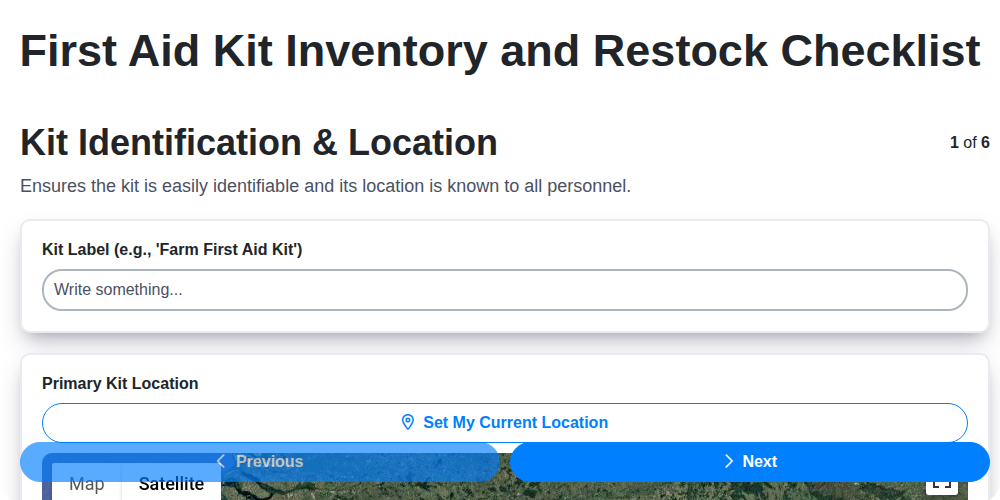
Table of Contents
- Why Regular First Aid Kit Checks Matter
- Your Printable First Aid Kit Inventory Checklist
- Kit Identification & Location: Setting Up for Success
- General Supplies Inventory: The Essentials
- Agricultural Hazard Specifics: Tailoring Your Kit
- Expiration Date Checks: A Critical Step
- Restocking & Ordering: Keeping Your Kit Fully Equipped
- Documentation: Tracking Your Inventory
- Training Your Team: Building Confidence
- Printable Checklist Template: Your Easy-to-Use Guide
- Customizing Your Checklist: Adapting to Your Needs
- Storing Your Checklist: Keeping It Accessible
- Regular Review & Updates: Staying Prepared
- Emergency Contact Information: Key Resources
- Legal and Regulatory Considerations
- Resources & Links
TLDR: Need a quick and easy way to keep your first aid kit ready for anything? This printable checklist template walks you through every step - from checking expiration dates and adding agricultural-specific supplies to documenting training. Download it, print it, and never worry about an unprepared kit again!
Why Regular First Aid Kit Checks Matter
Neglecting a first aid kit can be surprisingly risky. It's easy to assume everything's fine, but expired supplies lose their effectiveness - that antiseptic wipe might not disinfect, bandages could deteriorate, and critical medications are rendered useless. Beyond that, a neglected kit offers a false sense of security, potentially delaying crucial intervention in an emergency. Regular checks not only ensure you have usable supplies on hand, but also help you proactively identify and address potential gaps in your kit, reducing overall costs in the long run by preventing bulk replacements. Ultimately, consistent inventory management is a tangible demonstration of your commitment to the safety and wellbeing of your team and those who work on your property.
Your Printable First Aid Kit Inventory Checklist
Keeping track of your first aid supplies can feel overwhelming, but it doesn't have to be! We've created a handy, printable checklist to simplify the process. This checklist covers all the essential categories - general supplies, agricultural hazard specifics, and expiration dates - ensuring you have a complete overview of your kit's contents.
Why Use a Printable Checklist?
- Organization: A clear, structured view of everything you need.
- Efficiency: Quickly identify missing items and expired supplies.
- Consistency: Ensures every inspection is thorough and follows the same criteria.
- Documentation: Provides a record of your inventory checks.
How to Use It:
- Download:
- Print: Print a copy of the checklist.
- Inspect: Physically examine your first aid kit, checking off items as you confirm their presence and checking expiration dates.
- Record: Note any missing or expired items in the designated sections.
- Reorder: Use your notes to create a reorder list.
- File: Keep a copy of the completed checklist for your records.
Pro Tip: Laminate your checklist to make it reusable and durable! You can use a dry-erase marker to check off items, making future inspections even quicker. Don't forget to regularly update the checklist based on your team's usage and any changes in the chemicals or materials you use.
Kit Identification & Location: Setting Up for Success
A well-labeled and strategically placed first aid kit is more than just a box of supplies; it's a beacon of preparedness. Clear identification ensures everyone knows what it is and where to find it, especially critical during stressful emergencies.
Here's how to set up your kit for maximum visibility and accessibility:
- Bright & Bold Labeling: Use a prominent sign with clear, large lettering that says FIRST AID. Consider using a universally recognized symbol.
- Strategic Placement: Position kits in central, high-traffic areas-near work areas, in break rooms, and by entrances/exits. Avoid placing them in obscure or hard-to-reach locations.
- Multiple Kits: For larger properties or teams, distribute multiple kits in key locations to minimize response time.
- Map it Out: Create a simple map indicating the location of each kit and make it accessible to all personnel.
- Protect from Elements: Ensure kits are protected from extreme temperatures, moisture, and direct sunlight, which can degrade supplies. Consider waterproof containers or protected storage.
Prioritizing visibility and accessibility can make the difference between a swift response and a delayed one-both crucial in an emergency.
General Supplies Inventory: The Essentials
Here's a comprehensive list of essential general supplies to keep your first aid kit ready for action. This serves as the foundation for any well-equipped kit, and should be checked regularly for fullness and expiration dates.
- Bandages: A variety of sizes is key. Include adhesive bandages (various shapes and sizes), gauze pads (2x2, 4x4), and elastic bandages (like Ace wraps) for sprains and strains.
- Medical Tape: Essential for securing gauze pads and dressings.
- Antiseptic Wipes/Solution: Individually packaged antiseptic wipes are convenient, but a small bottle of antiseptic solution (like povidone-iodine or chlorhexidine) is also useful.
- Antibiotic Ointment: To prevent infection in minor cuts and scrapes.
- Pain Relievers: Over-the-counter pain relievers like ibuprofen or acetaminophen can help manage pain and reduce fever. Always follow dosage instructions carefully.
- Scissors: Sharp scissors are needed to cut bandages and tape.
- Tweezers: For removing splinters and other small objects.
- Safety Pins: To secure bandages or slings.
- Non-Latex Gloves: To protect both the caregiver and the injured person.
- CPR Mask: For safe rescue breathing.
- Instant Cold Packs: To reduce swelling and pain.
- Burn Cream/Gel: For minor burns.
Agricultural Hazard Specifics: Tailoring Your Kit
Beyond the standard first aid supplies, agricultural environments present unique risks demanding specialized additions to your kit. These aren't just "nice to haves"; they't essential for effectively addressing potential incidents. Let's break down how to tailor your kit to those specific challenges.
Chemical Exposure - The Priority: Farms routinely utilize herbicides, pesticides, and fertilizers - all posing potential hazards. A comprehensive kit must include:
- Eye Wash Solution: Absolutely critical for immediate flushing of eyes after chemical splashes. Choose a solution formulated for eye irrigation and understand proper usage.
- Activated Charcoal: For suspected poisoning. Important Note: This is a supportive measure only; always contact Poison Control immediately and follow their instructions. Keep SDS sheets for all chemicals readily available for emergency responders.
- Chemical-Resistant Gloves: Heavy-duty, nitrile or neoprene gloves are vital for protecting hands during handling and cleanup.
- Irrigation/Flush Bottle: For thorough rinsing of wounds contaminated by chemicals.
Livestock-Related Injuries: Working with animals introduces risks of bites, kicks, and abrasions. Consider:
- Trauma Shears: For quickly cutting through clothing to access and treat injuries.
- Antibiotic Ointment: To prevent infection in wounds incurred from animal contact.
- Sterile Saline Solution: For cleaning wounds.
Machinery and Equipment: Potential for cuts, crushes, and amputations require a higher level of preparedness. While trauma kits are beyond the scope of a basic first aid kit, ensure:
- Tourniquets: Properly trained personnel should have access to and know how to use tourniquets for severe limb injuries.
- Hemostatic Agents: (For controlling severe bleeding - Requires advanced training)
Remember to consult with a medical professional or safety specialist to determine the most appropriate supplies for your specific operations and potential hazards.
Expiration Date Checks: A Critical Step
Many people overlook expiration dates, assuming first aid supplies are good indefinitely. This is a dangerous misconception. While bandages might not completely degrade, antiseptic solutions lose their effectiveness, antibiotic ointments can become rancid, and sterile packaging can compromise, rendering the entire kit useless in a critical situation. Expired supplies can even cause harm - imagine applying an expired antiseptic that doesn't properly disinfect a wound, increasing the risk of infection. A simple visual scan of each item during your regular inventory check is all it takes to identify potential problems. Don't let an expired supply compromise your team's safety - replace them promptly and document the check.
Restocking & Ordering: Keeping Your Kit Fully Equipped
Restocking a first aid kit isn't a one-time event; it's an ongoing commitment to safety. A haphazard approach can lead to critical shortages when you need them most. Here's how to create a system that ensures your kit is always fully equipped:
1. The Usage Log - Your Inventory's Best Friend:
Start a simple usage log (it can be a notebook, spreadsheet, or even a dedicated app). Every time an item is used, note it down - quantity, date, and reason. This data reveals usage patterns and helps predict future needs.
2. The Reorder List: Proactive, Not Reactive:
Based on your usage log and periodic inventory checks (see the Expiration Date Checks section), compile a reorder list. Categorize items by urgency: "Critical" (replace immediately), "Medium" (replace monthly), and "Low" (replace quarterly).
3. Designated Responsibility:
Assign one or two individuals to be responsible for kit restocking. This ensures accountability and prevents items from falling through the cracks. Their duties should include:
- Regularly reviewing the reorder list.
- Placing orders with approved suppliers.
- Receiving and organizing new supplies.
- Updating the usage log.
4. Supplier Selection: Quality and Reliability
Choose suppliers known for quality first aid products and reliable delivery. Consider:
- Price Comparison: While cost is a factor, prioritize quality over the absolute lowest price.
- Shipping Costs: Factor shipping into the overall cost.
- Bulk Discounts: Explore potential savings with bulk orders.
- Reputation: Read reviews and check supplier credentials.
5. Automate Where Possible:
Explore options for automating the restocking process, such as:
- Subscription Services: Some suppliers offer subscription boxes with regularly replenished supplies.
- Inventory Management Software: Advanced systems can track inventory levels and automatically generate reorder requests.
By implementing these strategies, you're moving beyond reactive restocking and creating a proactive system that keeps your first aid kit ready for anything.
Documentation: Tracking Your Inventory
Maintaining accurate records is the cornerstone of a reliable first aid program. A well-documented inventory isn't just good practice; it's essential for compliance, cost-effectiveness, and ensuring your kit is always ready. Here's how to track your inventory effectively:
- Create a Simple Log: This can be a physical notebook, a spreadsheet (like Excel or Google Sheets), or a dedicated inventory management app. Include columns for item name, quantity, expiration date, date of last check, and person responsible for restocking.
- Regular Checks & Updates: The log isn't useful unless it's kept current. Schedule regular inventory checks (monthly is a good starting point) and immediately update the log after each check.
- Record Usage: Note when items are used, especially during incidents. This helps predict restocking needs and identify trends in common injuries.
- Retention Policy: Decide how long to keep records. At least 1-3 years is recommended for legal and audit purposes.
- Digital vs. Physical: Both options have benefits. Digital logs are easy to share and back up, while physical logs offer a tangible record. Choose what works best for your team.
- Accessibility: Ensure the inventory log is easily accessible to the designated person(s) responsible for restocking and maintaining the kit.
Training Your Team: Building Confidence
A fully stocked kit is only half the battle. Your team needs the knowledge and confidence to use it effectively. Investing in comprehensive training isn't just a good practice; it's a vital safety measure.
Here's what a robust training program should include:
- Basic First Aid Certification: This covers essential skills like wound care, bleeding control, CPR, and recognizing signs of shock. Regularly refresh certifications (every 1-2 years is ideal) to ensure skills remain sharp.
- Hazard-Specific Training: Tailor training to the specific risks present on your property. This might involve instruction on chemical handling, livestock injury response, or dealing with equipment malfunctions.
- Kit Familiarization: Walk your team through the contents of the first aid kit, explaining each item's purpose and proper usage. Ensure everyone knows where the kit is located.
- Scenario-Based Practice: Put training into action with simulated emergency situations. This allows team members to practice skills in a controlled environment and build confidence.
- Review and Refresh: Regularly review first aid protocols and refresh team member knowledge. Share lessons learned from previous incidents.
- Empowerment: Encourage team members to speak up if they feel inadequately prepared or encounter an unfamiliar situation. A culture of open communication is key.
Investing in training empowers your team, fosters a culture of safety, and ultimately helps protect everyone involved.
Printable Checklist Template: Your Easy-to-Use Guide
Ready to put this knowledge into action? We're making it even easier with a convenient, printable checklist template! Simply download the PDF below and keep it handy near your first aid kit. This checklist covers all the key areas we're discussing: kit location, general supplies, agricultural hazard specifics, expiration dates, restocking, documentation, and training.
This template is designed for easy use - just check off each item as you complete it. We're committed to helping you create a safer environment, and this checklist is a valuable tool to achieve that. Feel free to customize it to fit your specific needs and property. Happy checking!
Customizing Your Checklist: Adapting to Your Needs
No two farms, ranches, or workplaces are exactly alike. What works for one operation might not be sufficient for another. This is why customizing your first aid checklist is paramount. Start with our baseline, but then critically evaluate your specific risks.
Consider these questions:
- What are the primary hazards on your property? If you primarily work with livestock, prioritize wound care supplies and tools for removing debris. If chemical handling is frequent, invest in robust eye protection and irrigation solutions, alongside readily available SDS sheets.
- What is the typical injury profile? Do you see a lot of cuts, burns, or sprains? Adjust your stock accordingly.
- What's the distance to emergency medical services? If you're in a remote location, you may need a more comprehensive kit and consider advanced first aid training for your team.
- What's the skill level of your team? Keep their abilities in mind when selecting supplies and developing training protocols. Simple-to-use tools are better than complex ones that might be misused in an emergency.
- Are there specific allergies or medical conditions among your team members? Consider including relevant medications or supplies.
Don't be afraid to add or remove items based on your unique needs. A truly effective first aid kit is one that's tailored to your environment and workforce.
Storing Your Checklist: Keeping It Accessible
A meticulously crafted checklist is only valuable if it's readily accessible when needed. Tucked away in a drawer or lost amongst paperwork defeats its purpose entirely. Here's how to ensure your first aid kit inventory and restocking checklist remains at your fingertips:
- Lamination: Print your checklist and laminate it. This protects it from spills, dirt, and general wear and tear, ensuring its longevity.
- Kit Attachment: Securely attach a copy to the inside of your first aid kit. Use a clip, Velcro strip, or clear adhesive.
- Digital Access: Create a digital version of your checklist (using a spreadsheet or document) and store it in a shared cloud drive (like Google Drive or Dropbox). This allows multiple team members to access it remotely.
- Visible Location: Post a copy in a common area, such as the break room or near the main entrance.
- Regular Reminders: Set reminders on your calendar or task management system to prompt checklist reviews and updates.
Regular Review & Updates: Staying Prepared
A first aid kit isn't a set it and forget it item. Regular reviews and updates are just as important as the initial stocking. Here's why:
- Usage Patterns: How often are you using the kit? Are certain items being depleted faster than others? Adjust your reorder list accordingly.
- Seasonal Changes: Agricultural activities and potential hazards shift with the seasons. A winter kit might need extra supplies for cold-weather injuries.
- New Hazards: Are you introducing new chemicals or processes that could present new risks? Update your kit to address those.
- Regulatory Changes: First aid guidelines and requirements sometimes change. Stay informed and adapt your kit accordingly.
- Training Refresher: Regularly review and update your team's first aid training to keep skills sharp and knowledge current. Even a short refresher course can make a difference in an emergency.
Consider scheduling quarterly reviews, or more frequently if your operations are particularly demanding. Document these reviews to track changes and ensure continuous improvement.
Emergency Contact Information: Key Resources
Knowing who to call in an emergency can be the difference between a minor incident and a serious escalation. Here's a list of key resources to have readily available, both locally and for broader assistance:
- Emergency Services (911): For immediate life-threatening situations.
- Local Ambulance Service: Know the specific number for your region.
- Local Fire Department: Essential for fires or chemical spills.
- Poison Control Center: 1-800-222-1222 (US) - For suspected poisoning incidents. Keep the number clearly posted and accessible.
- Local Hospital/Urgent Care: Have addresses and phone numbers for nearby medical facilities.
- Farm/Property Supervisor or Manager: If working on a farm or large property, designate a point person for emergencies.
- Safety Data Sheet (SDS) Contact Information: Ensure contact details for chemical manufacturers are accessible in case of incidents involving hazardous materials.
- Insurance Provider: In case of significant injuries or property damage, having your insurance information on hand will expedite the claims process.
Keep this information prominently displayed near your first aid kit and regularly review it to ensure accuracy.
Legal and Regulatory Considerations
Understanding the legal and regulatory framework surrounding first aid kits is essential for compliance and responsible safety management. Requirements vary significantly depending on your industry, location (country, state/province, county), and the number of employees.
OSHA & Similar Agencies: In the United States, the Occupational Safety and Health Administration (OSHA) outlines general requirements for first aid supplies in the workplace. Similar agencies exist in other countries, such as the Health and Safety Executive (HSE) in the UK. These agencies typically mandate a sufficient supply of materials to handle common workplace injuries.
Industry-Specific Regulations: Certain industries, such as agriculture, construction, and healthcare, often have stricter regulations regarding first aid. For example, agricultural operations might be required to stock antidotes for specific pesticides used on the property. It's your responsibility to research and adhere to these specialized guidelines.
Employee Numbers and Kit Size: The size and complexity of your first aid kit often correlate with the number of employees. Facilities with more employees generally require larger, more comprehensive kits.
Regular Inspections and Record Keeping: Many jurisdictions require documented evidence of regular kit inspections and restocking. Maintain meticulous records of inventory checks, replacements, and any training provided.
Liability Concerns: Properly maintained first aid kits demonstrate a commitment to employee safety, potentially mitigating liability in the event of an incident. However, providing first aid does not absolve you from legal responsibility for workplace hazards. It's a complementary measure, not a replacement for proactive safety practices.
Stay Informed: Regulations are subject to change. Regularly check with relevant agencies and consult with legal counsel to ensure continued compliance. This information is for general guidance only and does not constitute legal advice.
Resources & Links
- American Red Cross: Provides comprehensive first aid and CPR training, guidelines, and resources. Excellent for understanding current best practices and finding local training opportunities. Useful for information on disaster preparedness too.
- Centers for Disease Control and Prevention (CDC): Provides information on various health hazards and preventative measures, which can inform the selection of items for your first aid kit, especially regarding infectious diseases and allergies.
- Occupational Safety and Health Administration (OSHA): Provides guidelines and regulations regarding workplace safety, including first aid requirements for different industries. Crucial for ensuring compliance if your kit is for a work environment.
- Mayo Clinic: A reliable source for general medical information and understanding different injury and illness types. Good for understanding what a well-stocked kit needs to address.
- U.S. Food and Drug Administration (FDA): Provides information and regulations regarding medical devices and medications, including expiration dates and proper storage.
- USDA National Institute of Food and Agriculture (NIFA): Specifically relevant for the 'Agricultural Hazard Specifics' section. Provides information and resources related to farm safety, potential hazards, and specialized first aid needs for agricultural environments.
- Wilderness First Aid: Provides training and resources for first aid in remote environments. While not directly applicable to every situation, it offers insight into treating injuries with limited resources, which can be valuable for anyone.
- St John Ambulance (UK): Offers internationally recognized first aid training and resources. While based in the UK, many of their guidelines and best practices are globally applicable. Provides a different perspective on kit contents and organization.
- Bureau of Labor Statistics (BLS): Provides data and statistics related to workplace injuries and illnesses, helping to understand common hazards and inform first aid needs. Can support the need for training and robust kits.
- Ready.gov: A comprehensive website with resources for disaster preparedness, including information on building emergency kits and plans, relevant to extending beyond basic first aid needs.
Frequently Asked Questions
What is this printable checklist template for?
This template helps you create and maintain a well-stocked first aid kit. It provides a comprehensive list of items commonly needed and allows you to easily check what you have and what needs to be restocked.
What kind of first aid kits is this checklist suitable for?
It's versatile enough for various first aid kits - home, car, office, travel, or even outdoor adventures. You can customize it to fit the specific needs of your environment.
Is the checklist customizable?
Yes! The template is designed to be customizable. You can add or remove items based on your personal needs, location, and potential hazards. Feel free to add notes about specific brands or quantities.
How do I access and use the printable checklist?
Simply download the PDF template from the article. Then, print it out. You can check off items as you inventory your kit, and use it as a restocking guide when supplies run low. Consider laminating it for durability.
What items are typically included on the checklist?
The checklist includes items like bandages (various sizes), antiseptic wipes, pain relievers, gauze pads, tape, scissors, tweezers, gloves, CPR mask, and more. The full list is provided within the template itself.
How often should I restock my first aid kit?
It's generally recommended to inspect your first aid kit every 6 months and fully restock it annually. Pay close attention to expiration dates on medications and sterile items.
What if an item on the checklist is not applicable to my needs?
The checklist is a starting point. Remove any items you don't need or adjust quantities to match your specific requirements. You can also add notes about alternatives.
Where can I find information on how to use the items in my first aid kit?
This checklist focuses on inventory and restocking. For information on how to use each item properly, consult first aid training resources, online guides, or your doctor.
Can I share this checklist with others?
You can freely share the checklist with friends, family, or colleagues to help them organize their first aid kits.
Are the items listed on the checklist covered by insurance?
Coverage for first aid supplies varies depending on your insurance plan. Consult your insurance provider for details.
Comments
There are no comments yet. Be the first to add one!
Agriculture Management Solution Demo
Running a farm or agricultural business is complex. ChecklistGuro's Work OS platform simplifies your operations, from crop planning and irrigation management to livestock tracking and harvest scheduling. Increase efficiency, reduce waste, and boost yields! See how ChecklistGuro can revolutionize your agriculture business.
Related Articles
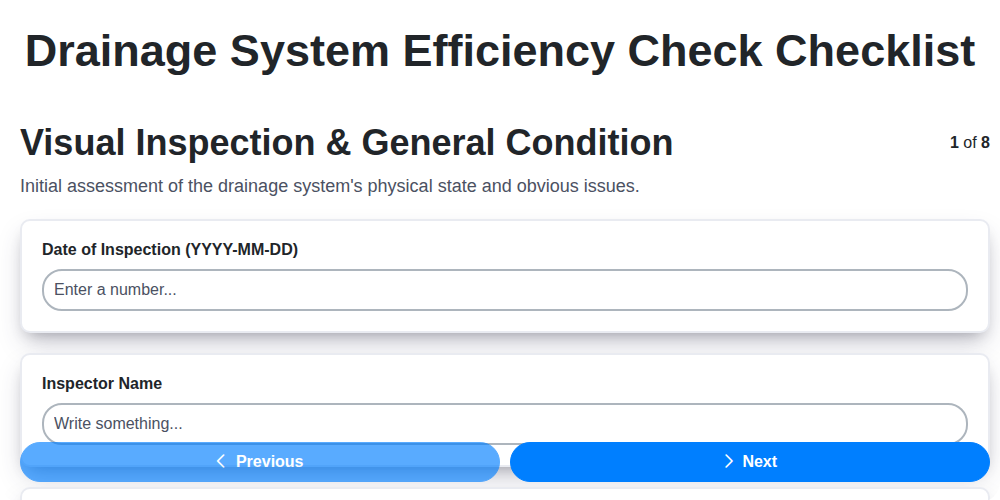
10 Simple Steps to a Healthy Drainage System: Your Checklist Template

Mastering the Daily Crop Scouting Report: Your [Specific Crop] Checklist Template
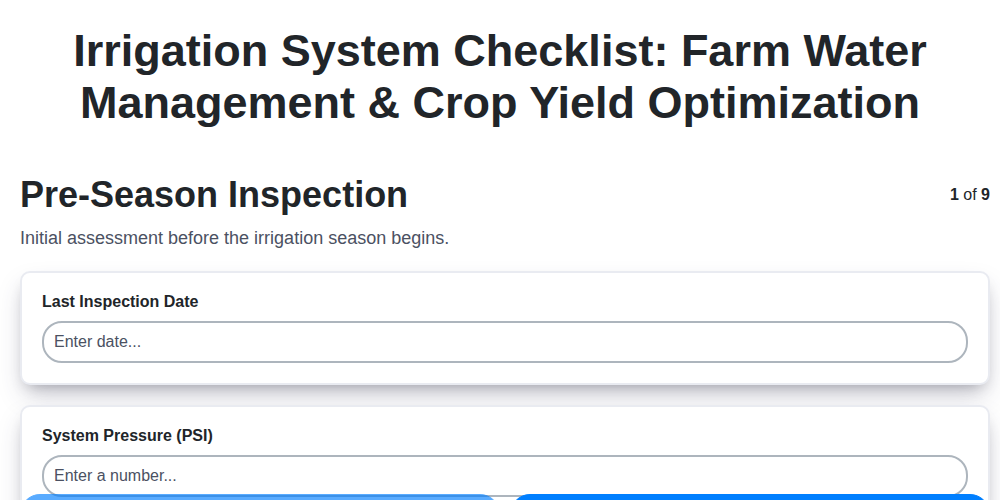
Irrigation System Checklist: Farm Water Management & Crop Yield Optimization
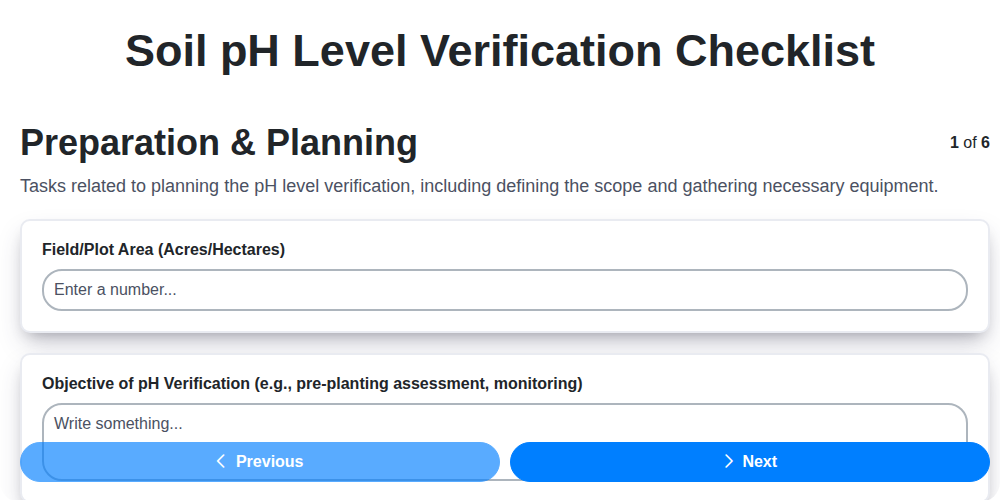
Unlock Your Garden's Potential: A Soil pH Verification Checklist
PPE Usage Checklist Template: Your Guide to Safety
Water Discharge Permit Compliance Checklist Template
The Ultimate GPS & Precision Farming Calibration Checklist Template
Water Runoff Analysis Checklist Template
Need help with
Agriculture?
Have a question? We're here to help. Please submit your inquiry, and we'll respond promptly.